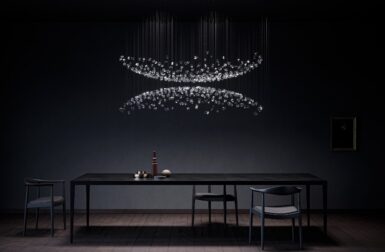
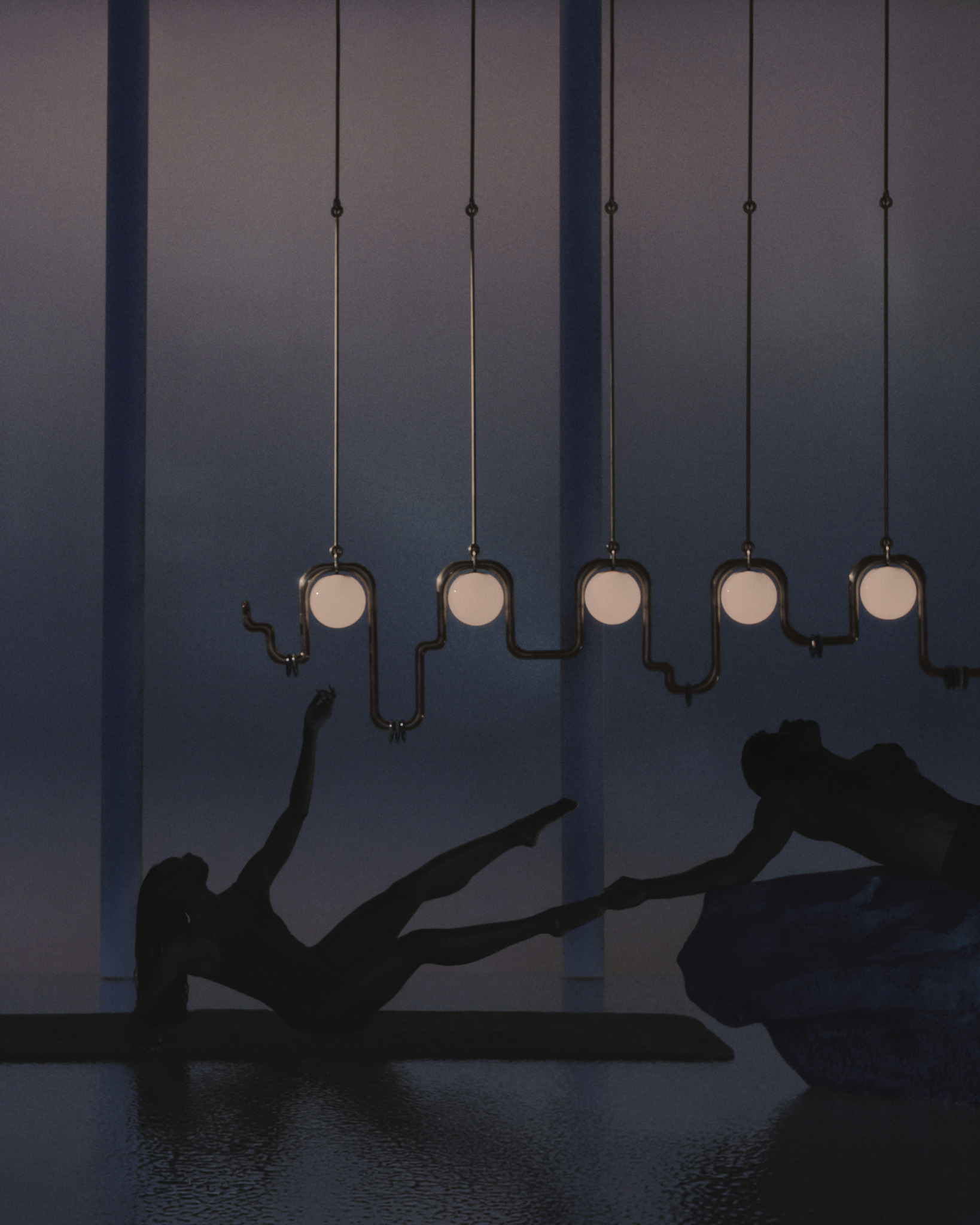
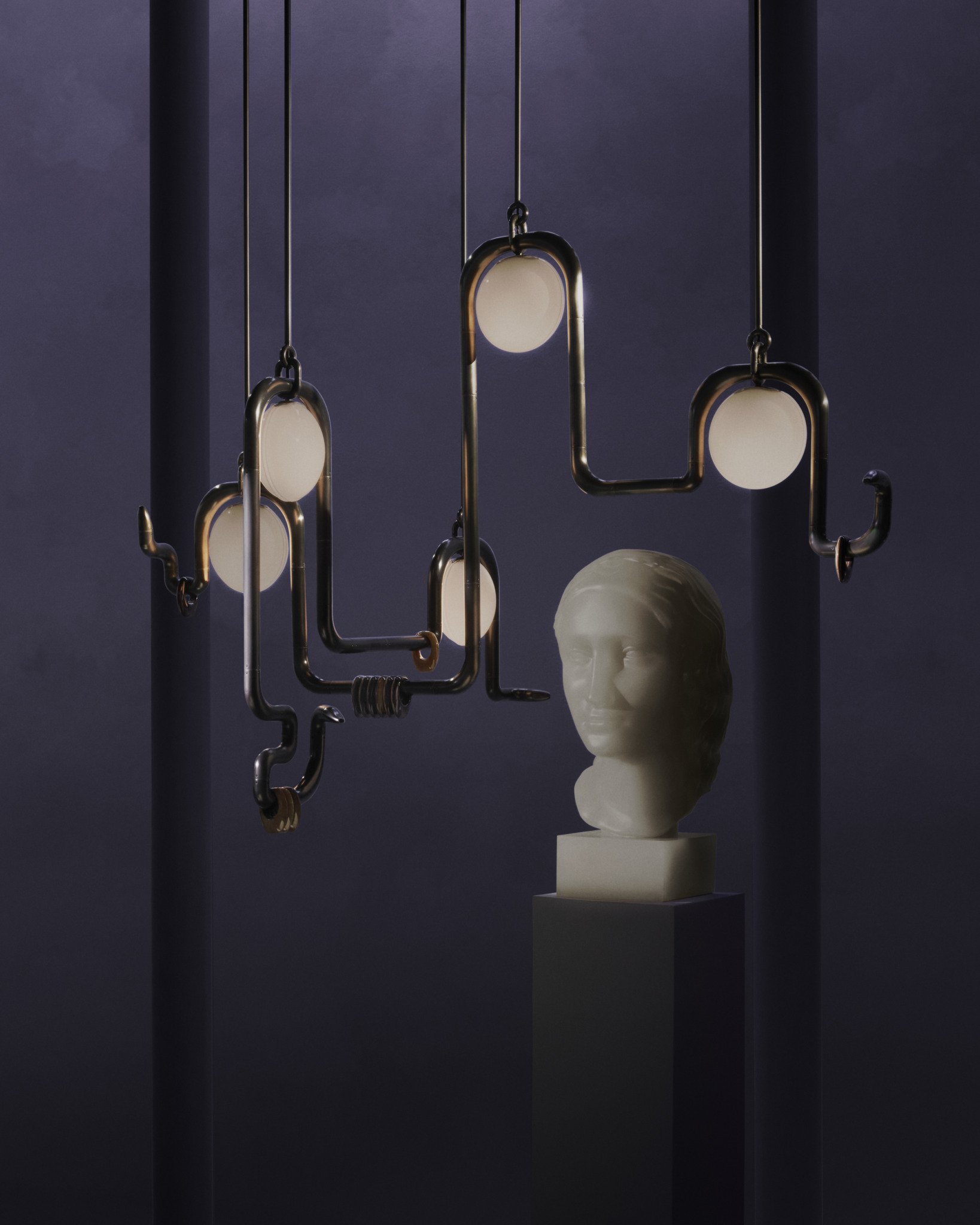
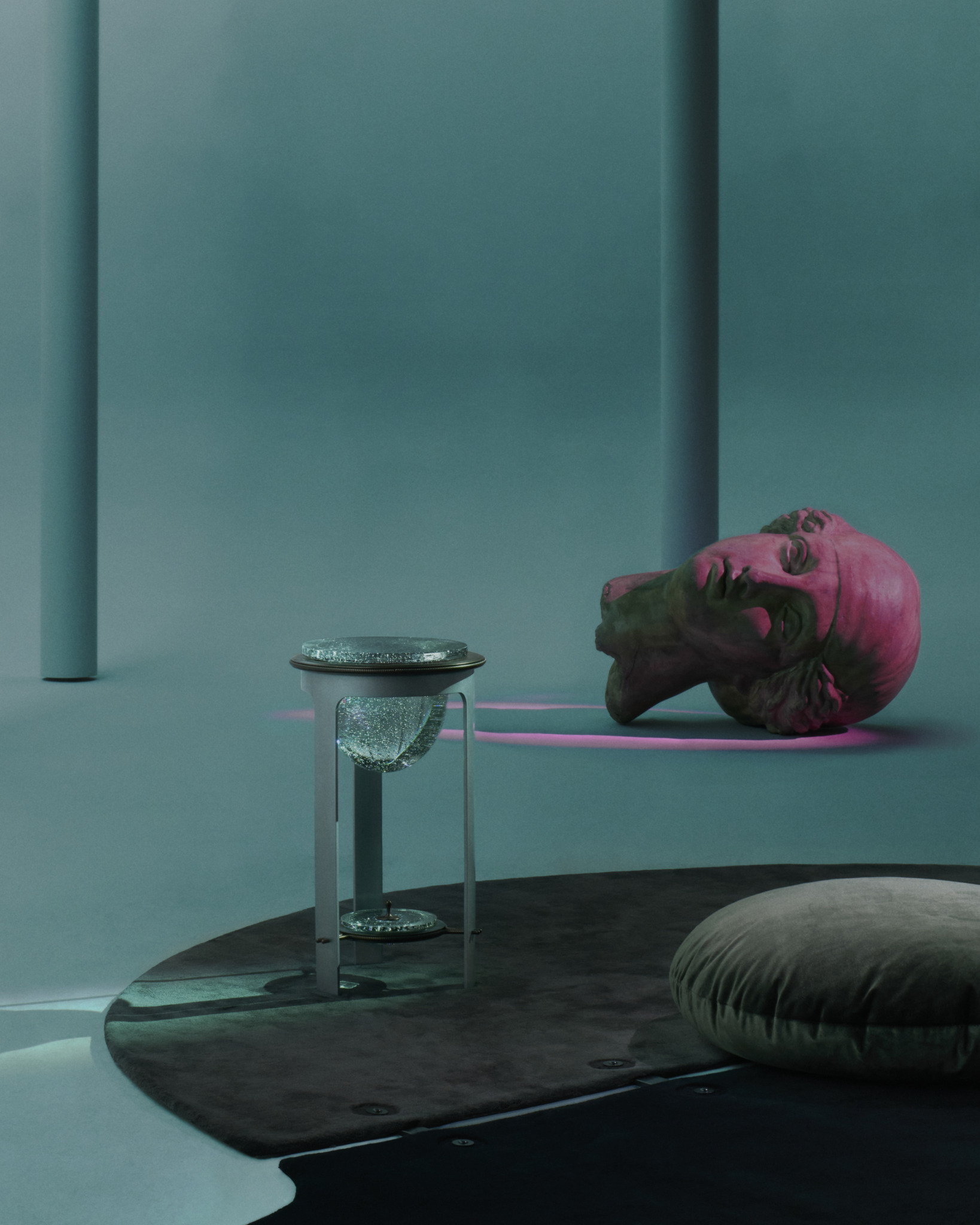
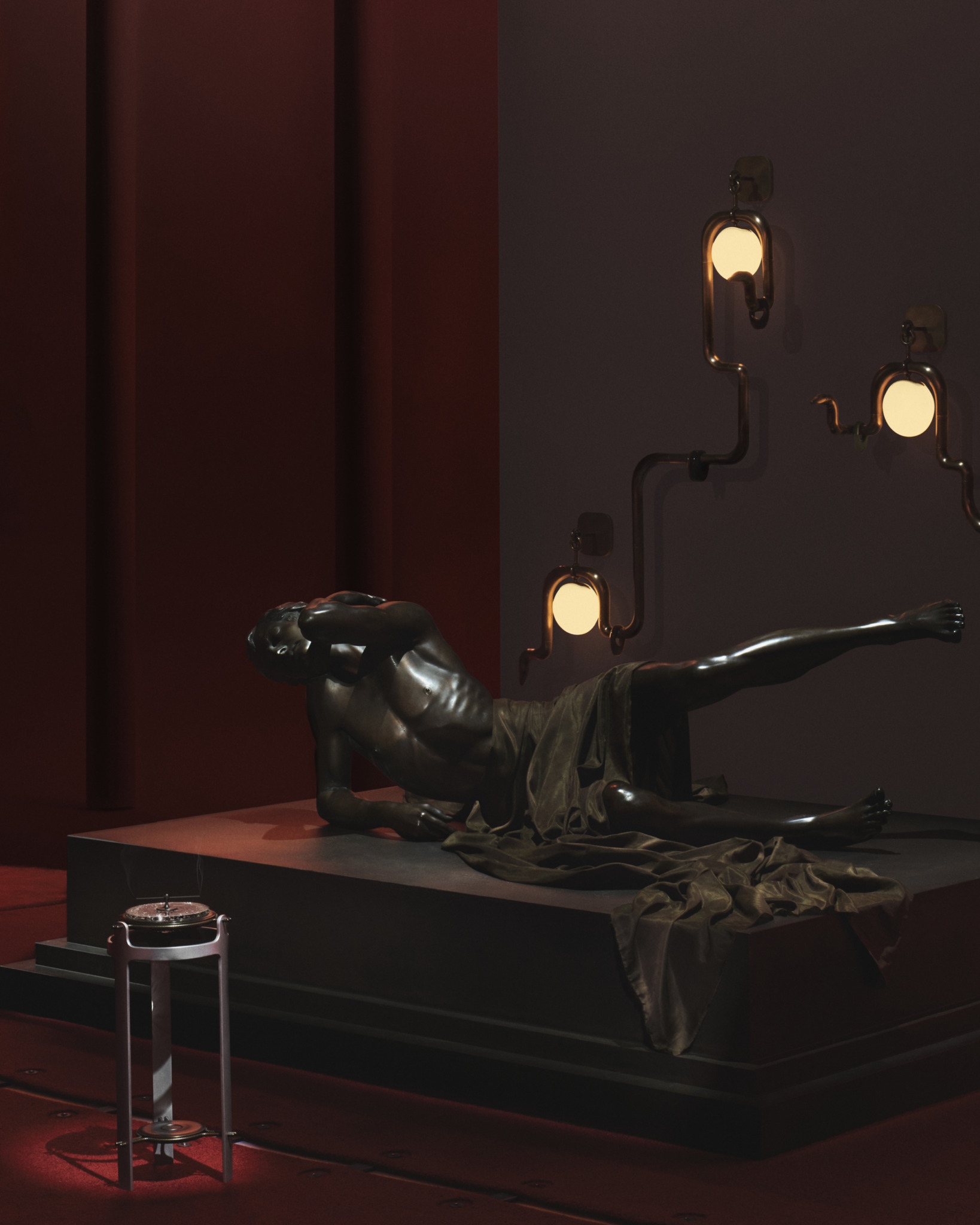
Five years after its last collection, Apparatus is entering a new chapter. The New York-based design studio has unveiled Act V: Afsaneh, a collection of lighting, furniture, and objects inspired by Persian mythology, personal history, and the cyclical nature of life. Conceived by artistic director Gabriel Hendifar, the collection is both a tribute to his mother and an exploration of the divine feminine as a source of creativity, knowledge, and renewal.

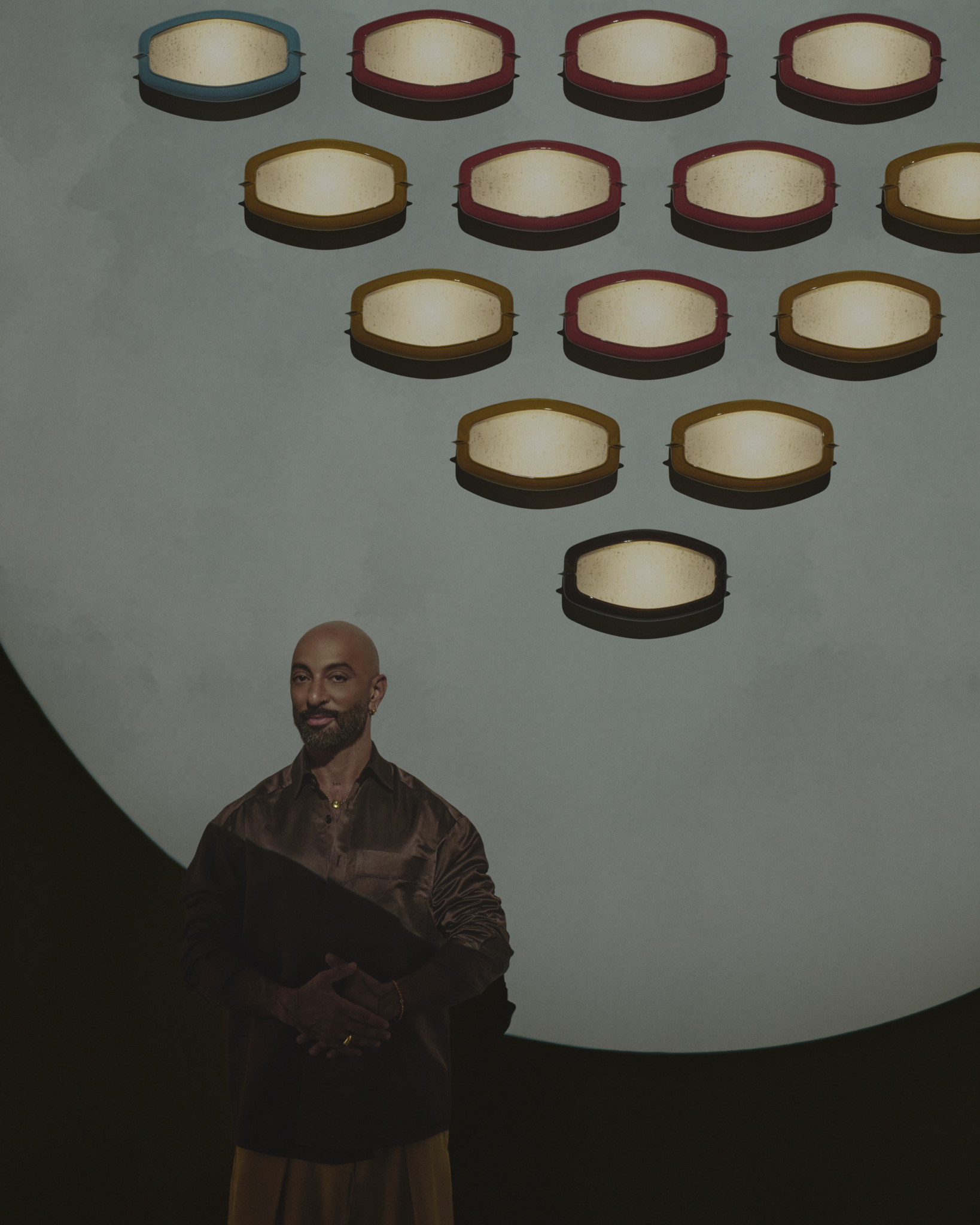
Gabriel Hendifar. Photography courtesy of Apparatus.
The name Afsaneh carries two meanings. In Persian, it translates to “fable,” but it is also the name of Hendifar’s mother. That dual significance provides the foundation for a collection structured as a modern fable, with four interconnected chapters tracing a journey from creation to connection.

Photography courtesy of Apparatus
“Life is shaped by cycles. Creation and destruction. The separation from self and the return,” Hendifar explains. “It’s in these cycles that the collection finds its rhythm. The seed becomes the flower. We gather to celebrate its dance with the sun and breathe in the gift of its scent, however fleeting. And at the center of this beauty is the divine feminine—the source, the creative force, the nurturer within each of us.”

Photography courtesy of Apparatus
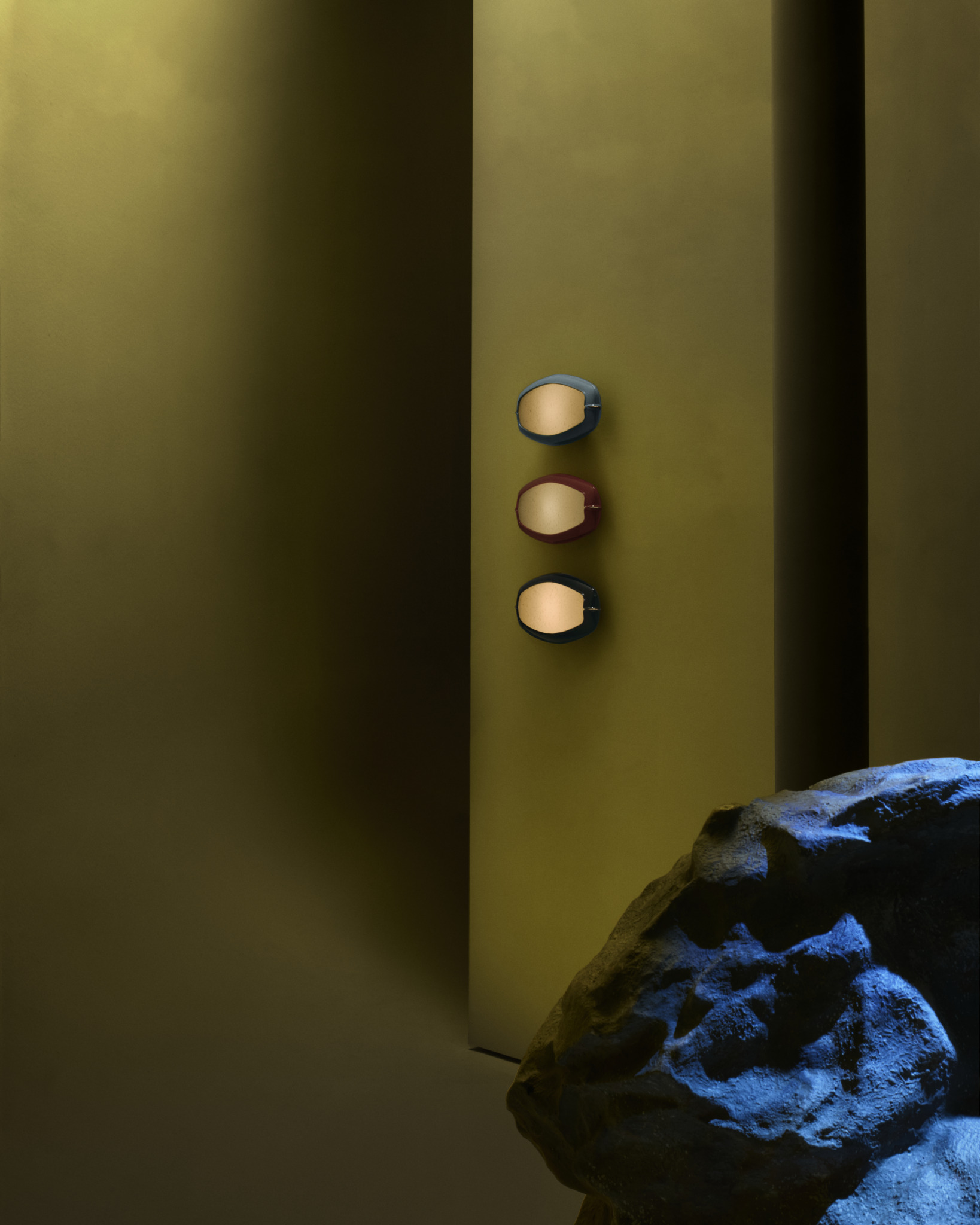
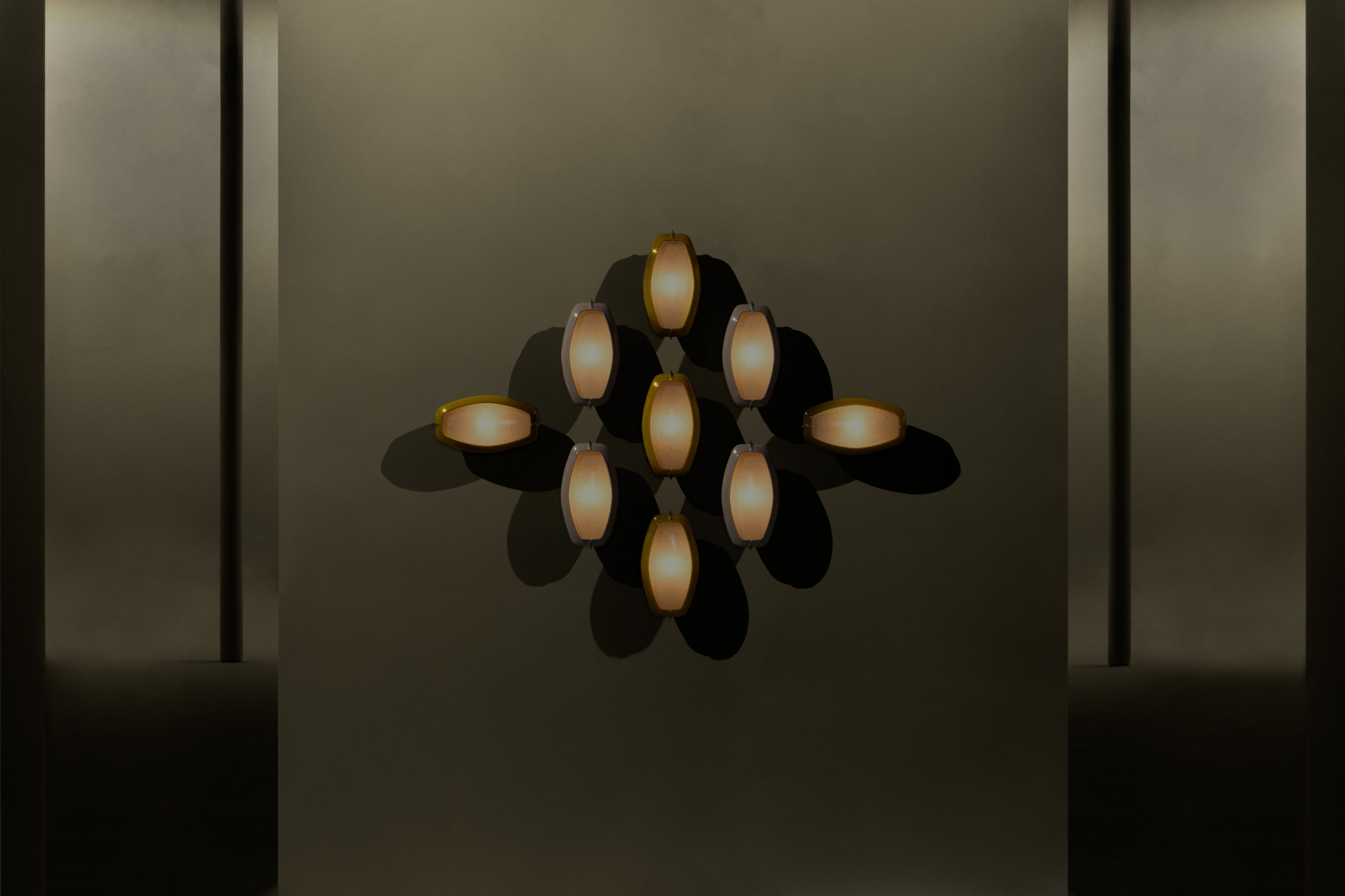
Each chapter takes its name from a Persian word and explores a different stage of that cycle. “Esfand: The Seed” represents origins, fertility, and protection. Named for the 12th month of the Persian calendar, Esfand also references a seed traditionally associated with warding off the evil eye. Here, the motif appears in lacquered finishes that evoke the colors of nature, from milk and honey to pomegranate, sky, dusk, and night.

Photography courtesy of Apparatus
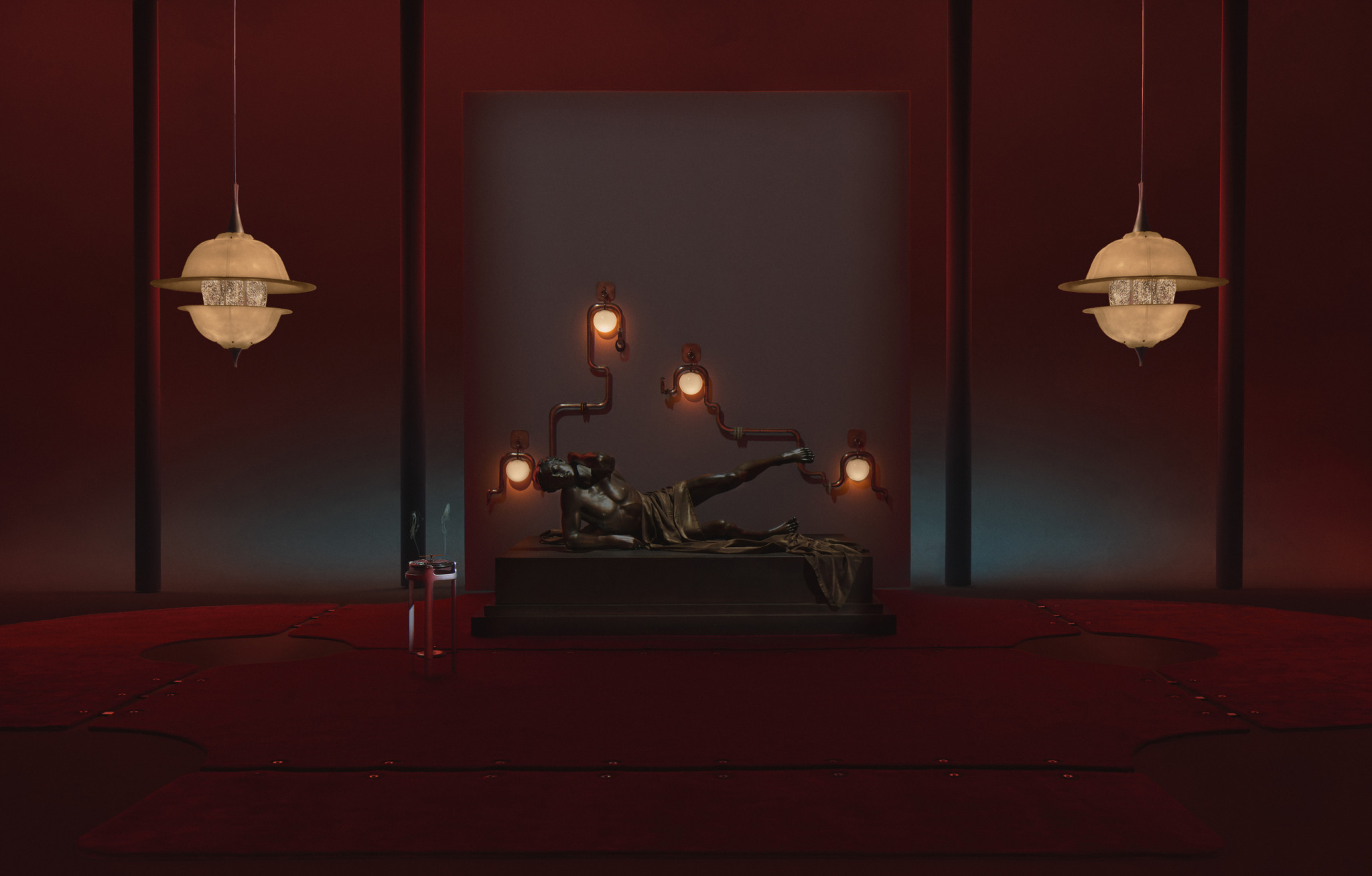
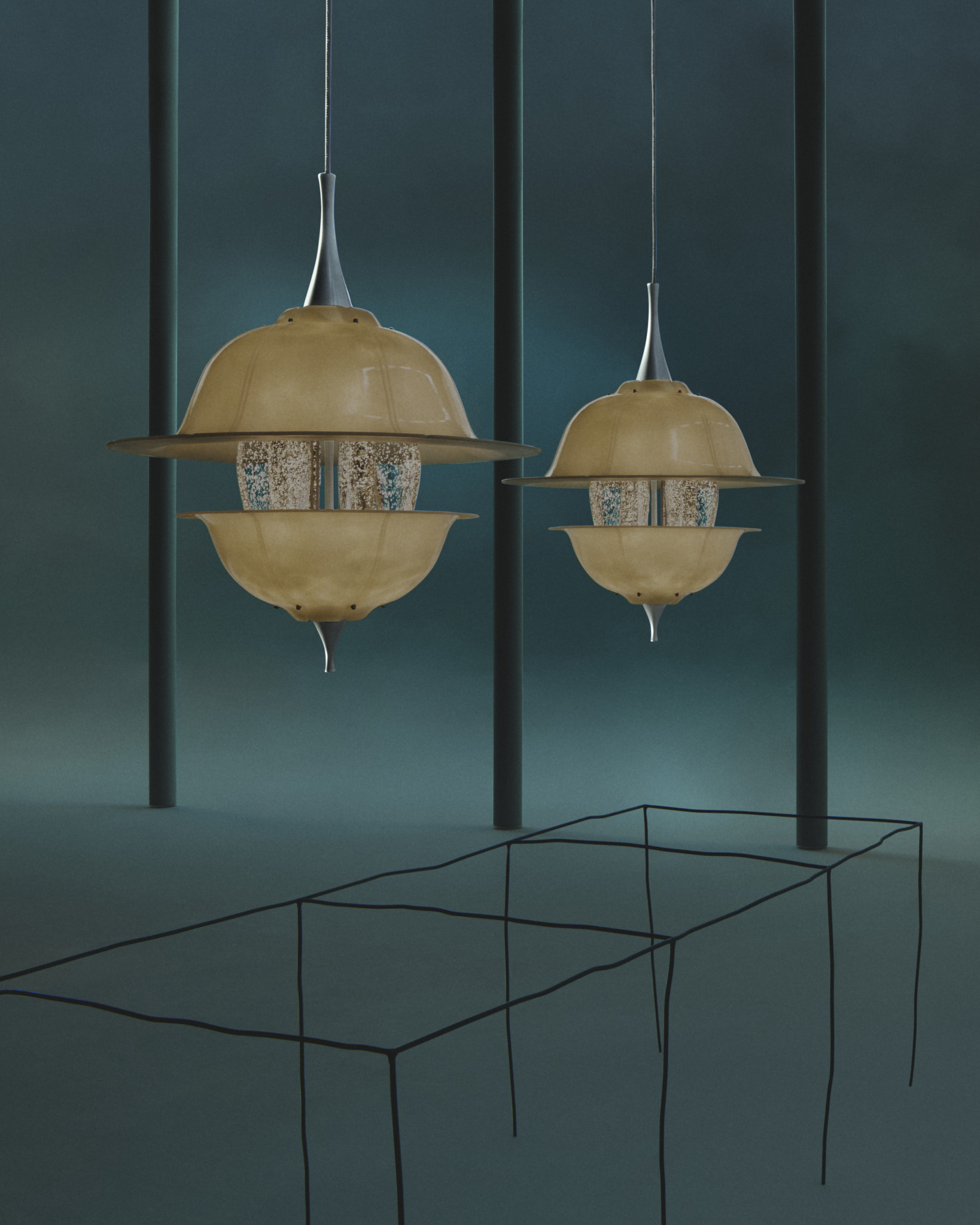
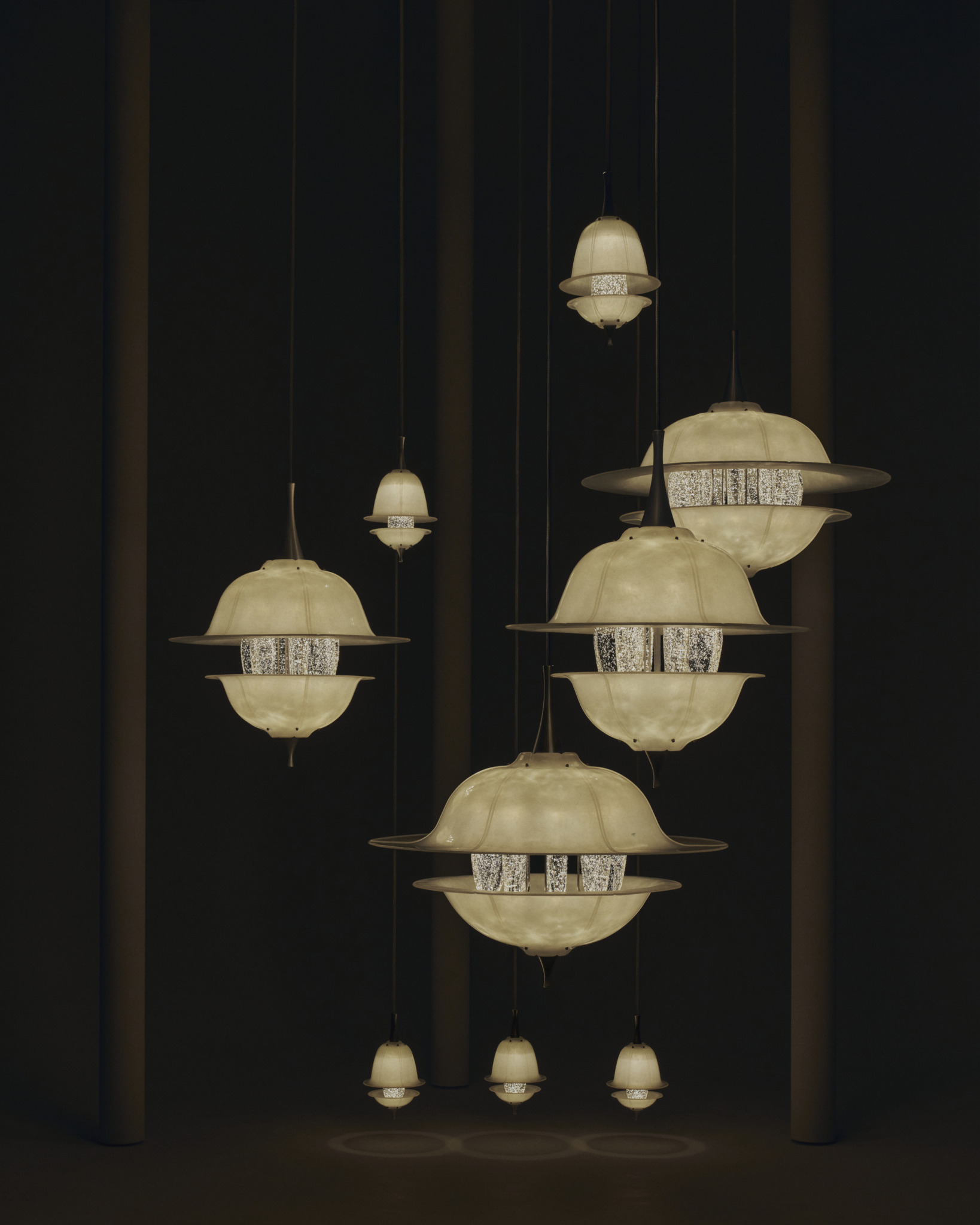
“Gol: The Flower” follows the seed into bloom. Its forms explore growth and transformation, with molded fiberglass used to create delicate, membrane-like surfaces. The floral theme extends beyond the physical objects through Afsaneh, a namesake fragrance combining damask rose, oud, and frankincense. Scent becomes another material in the collection, introducing an ephemeral dimension to objects designed to endure.

Photography courtesy of Apparatus
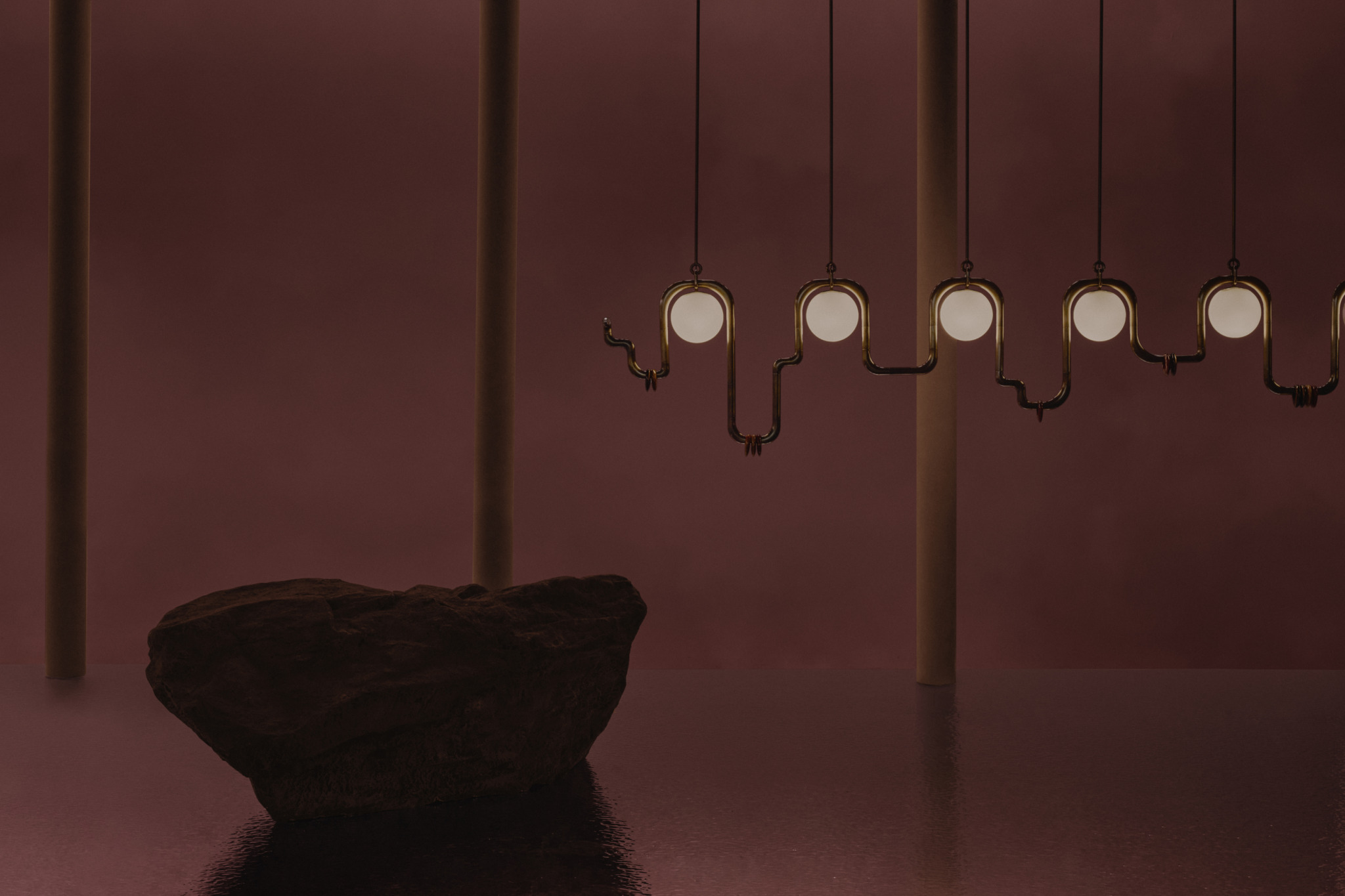
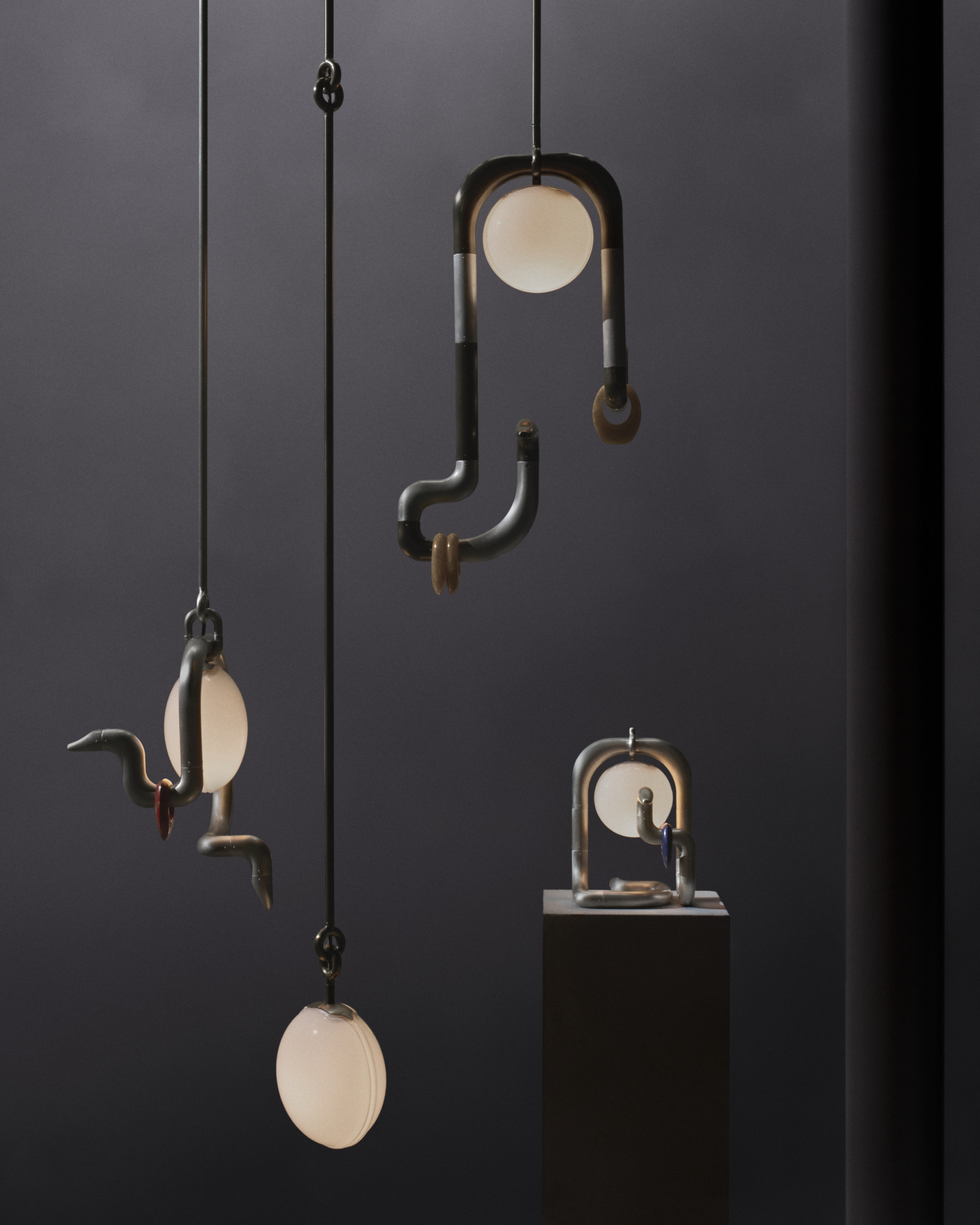
The narrative takes a different turn with “Rahvi: The Serpent,” which represents the pursuit and transmission of knowledge. Water-formed brass and blown glass trace sinuous lines, while semiprecious stones introduce color and symbolic weight. Tiger’s eye, black onyx, quartz, honey agate, red jasper, lapis lazuli, and aventurine appear as amulets, connecting the serpent’s shifting form to ideas of wisdom and protection.

Photography courtesy of Apparatus
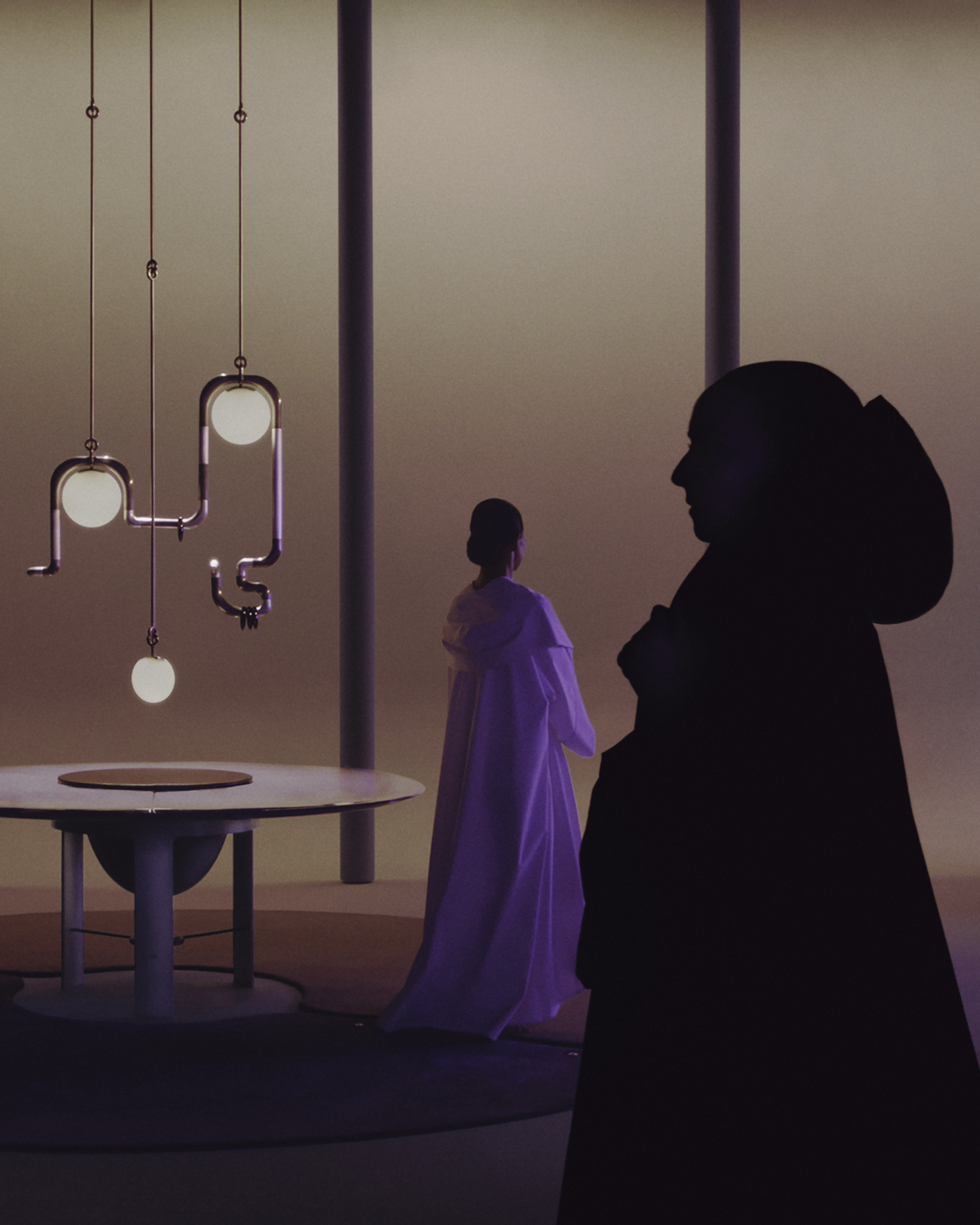
The final chapter, “Jahaan: The World,” brings the narrative outward, toward community and gathering. Bronze and aluminum intertwine with cast glass, creating forms that reference the cosmos and the idea of shared experience. Where the earlier chapters focus on origins, transformation, and knowledge, Jahaan considers what happens when those experiences are brought together.

Photography courtesy of Apparatus
Throughout Act V, familiar materials from the Apparatus vocabulary are pushed in new directions. Brass, glass, and bronze remain central, but techniques such as water-forming and fiberglass molding introduce different possibilities for shape, surface, and movement. The resulting pieces move between the architectural and the organic, with curves, suspended forms, and layered materials giving physical expression to the collection’s symbolism.

Photography courtesy of Apparatus
That relationship between objects and the human experience has long informed Hendifar’s approach. Rather than designing individual pieces in isolation, he imagines complete environments in which lighting, furniture, and decorative objects contribute to a shared atmosphere. Act V takes that philosophy further, using a narrative structure to connect the collection’s materials and forms.

Photography courtesy of Apparatus
The story also extends beyond the objects themselves. Apparatus collaborated with the Martha Graham Dance Company on five short films that interpret the collection through movement. For Hendifar, whose work often explores the relationship between objects and the body, dance offers another way to express the ideas behind Afsaneh.
“I consider the heart of my work to be creating the envelope for human experience, and there is no more beautifully distilled expression of that experience than Martha’s language of movement,” he says.
The films will be released episodically beginning in fall 2026, allowing the collection’s narrative to unfold over time rather than through a single presentation.

Photography courtesy of Apparatus
Act V: Afsaneh premiered in New York in October 2026, with subsequent presentations planned for London later that month and Miami and Los Angeles in February 2027. Each city will receive its own interpretation of the collection, extending the idea of a story that evolves as it moves between places.
For Hendifar, Afsaneh is ultimately about the relationship between creation and experience. Its objects carry references to mythology, memory, and the natural world, but their meaning is not fixed. Like the fable that inspired them, they are intended to become part of the stories unfolding around them.

Photography courtesy of Apparatus
Editorial Transparency: This article was developed with the assistance of AI tools, which may have been used for research, outlining, editing, or copy refinement. Reporting, fact-checking, and editorial decisions were made by the Design Milk editorial team.