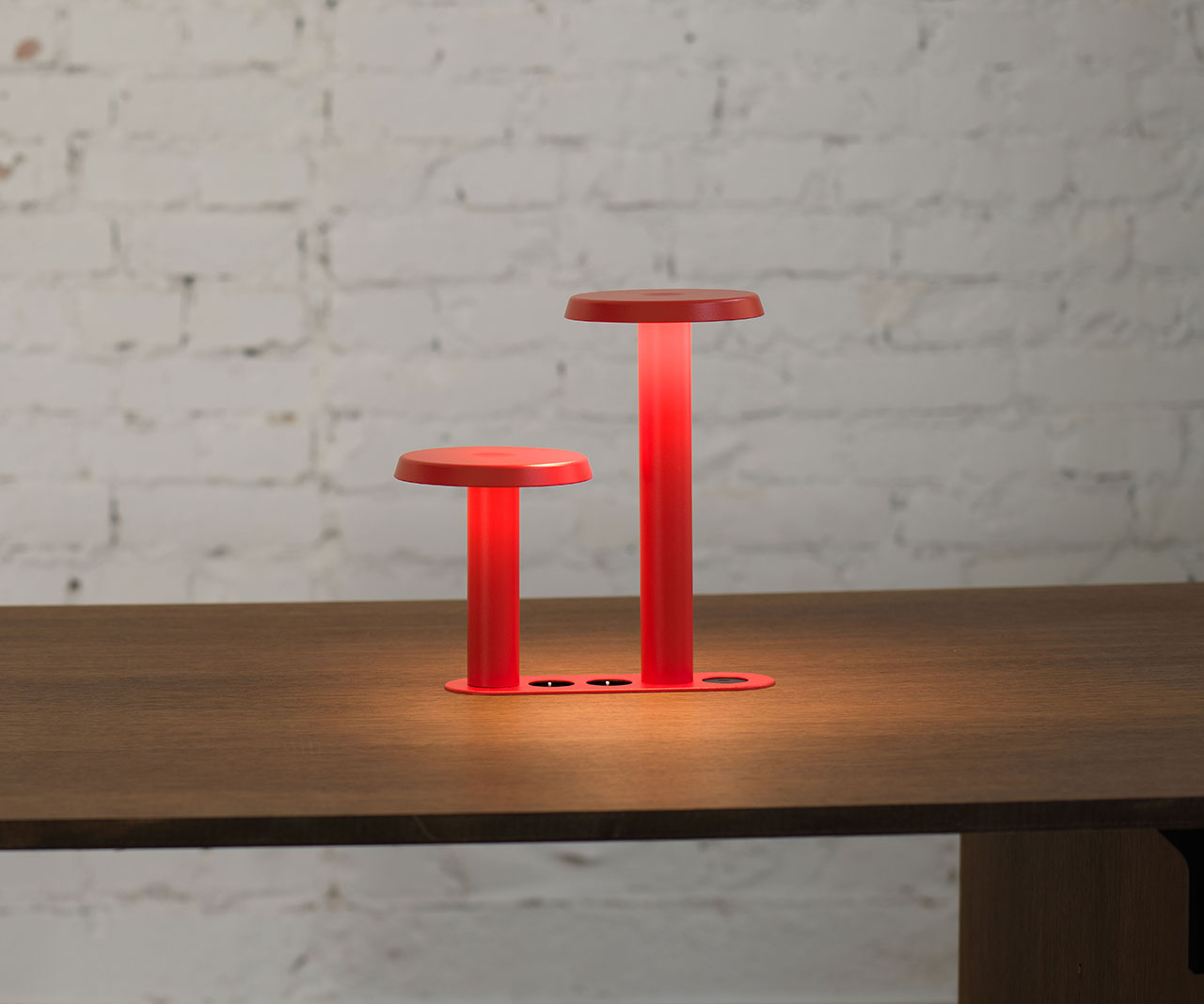
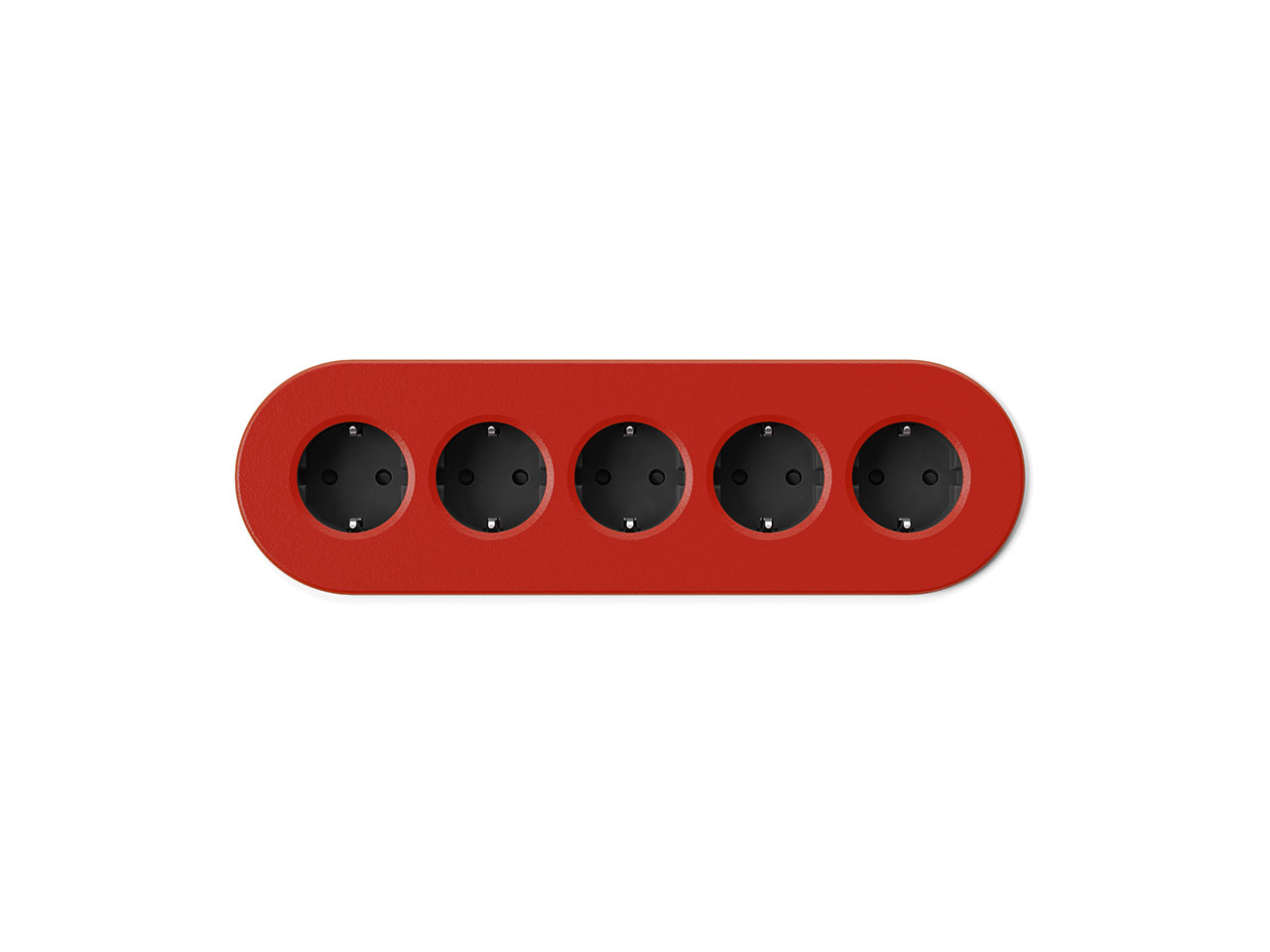
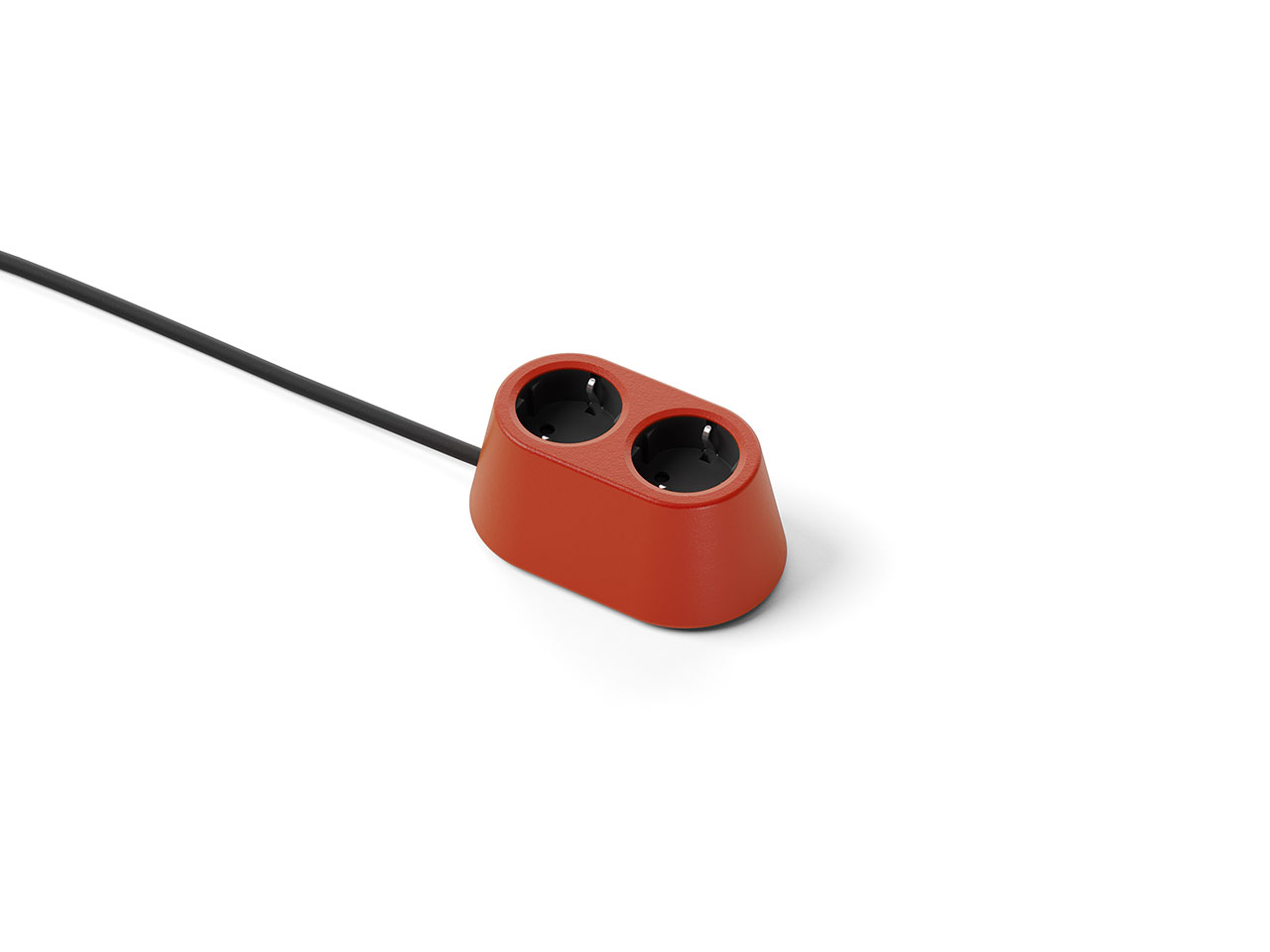
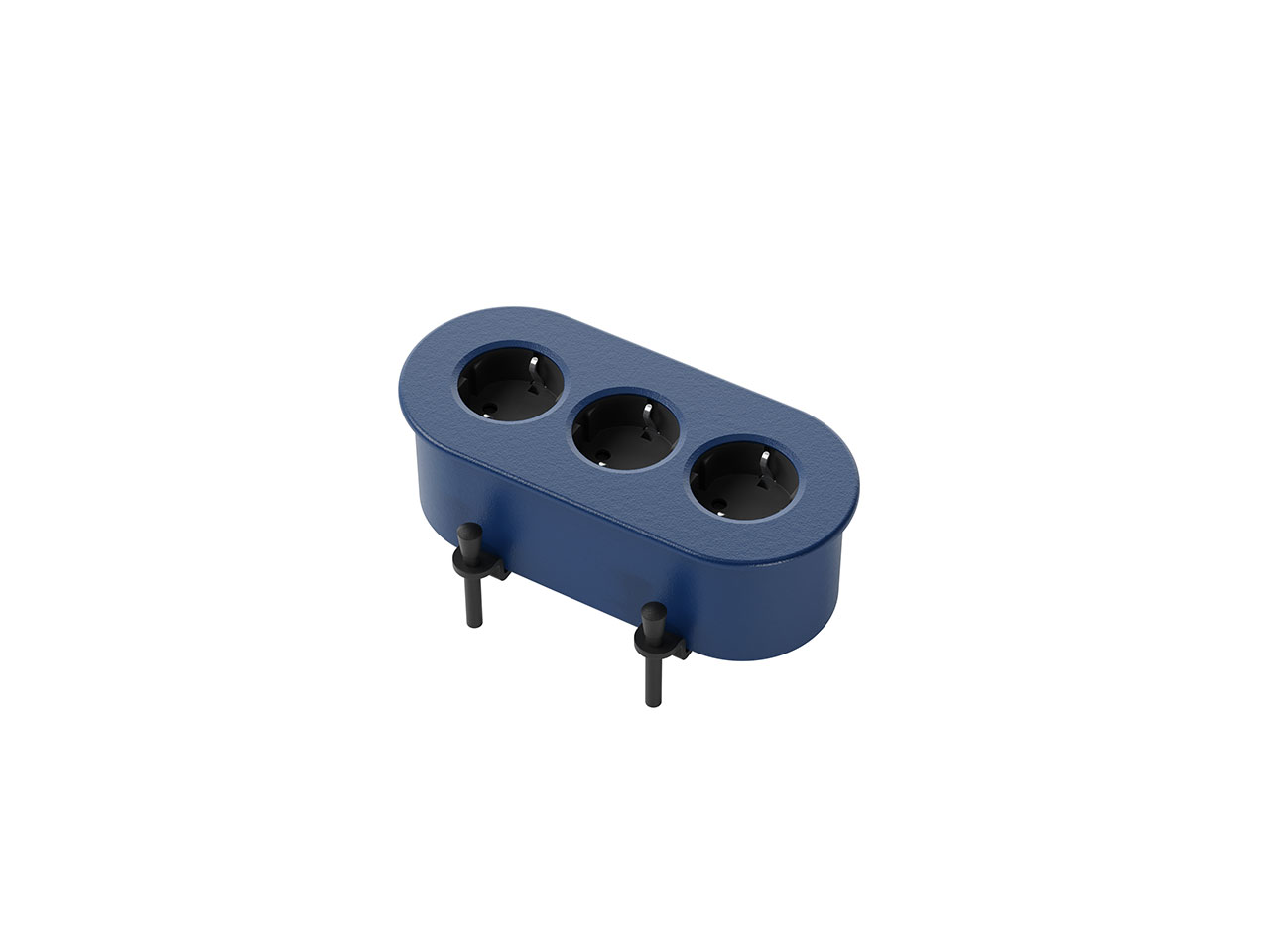
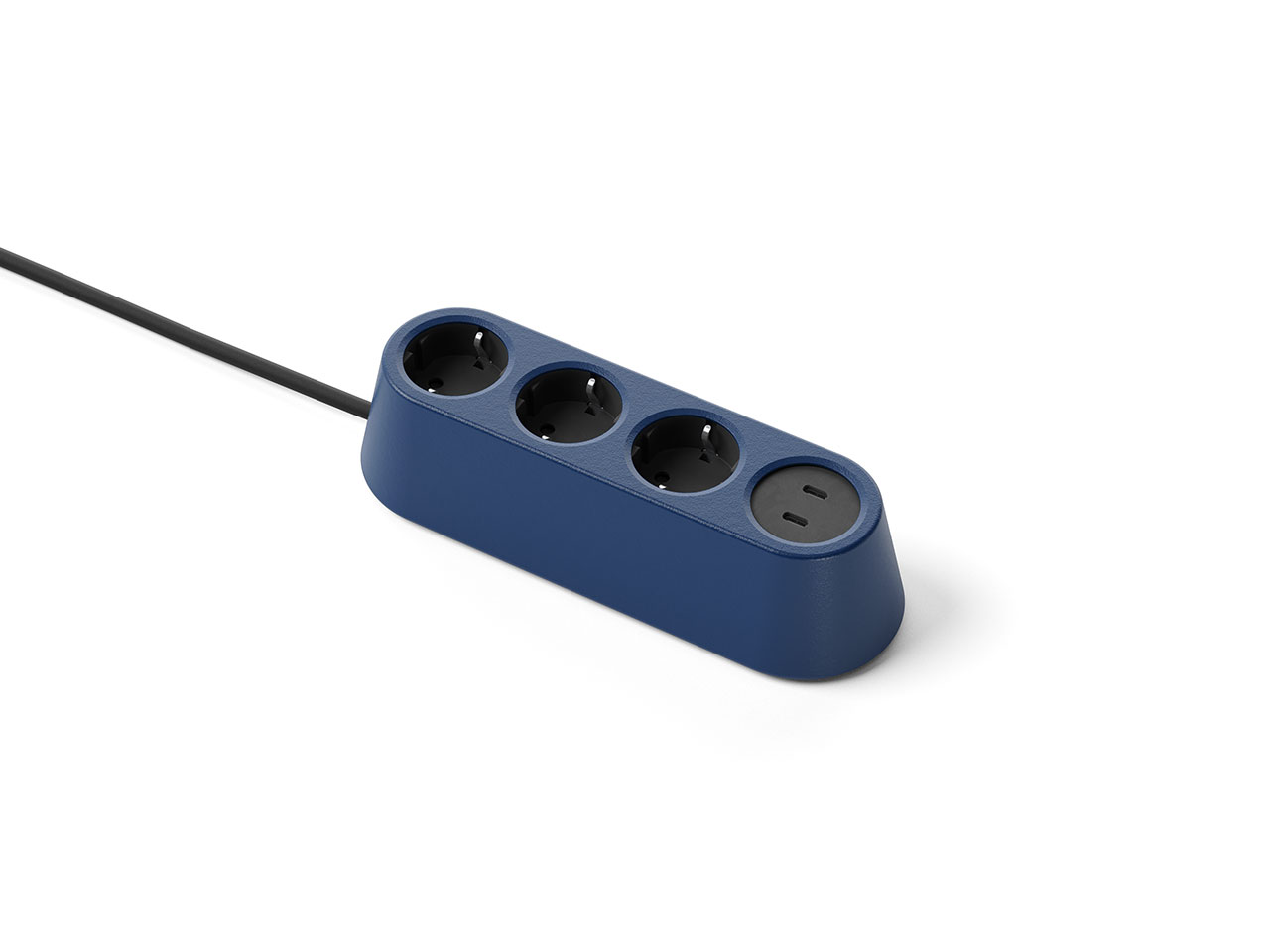
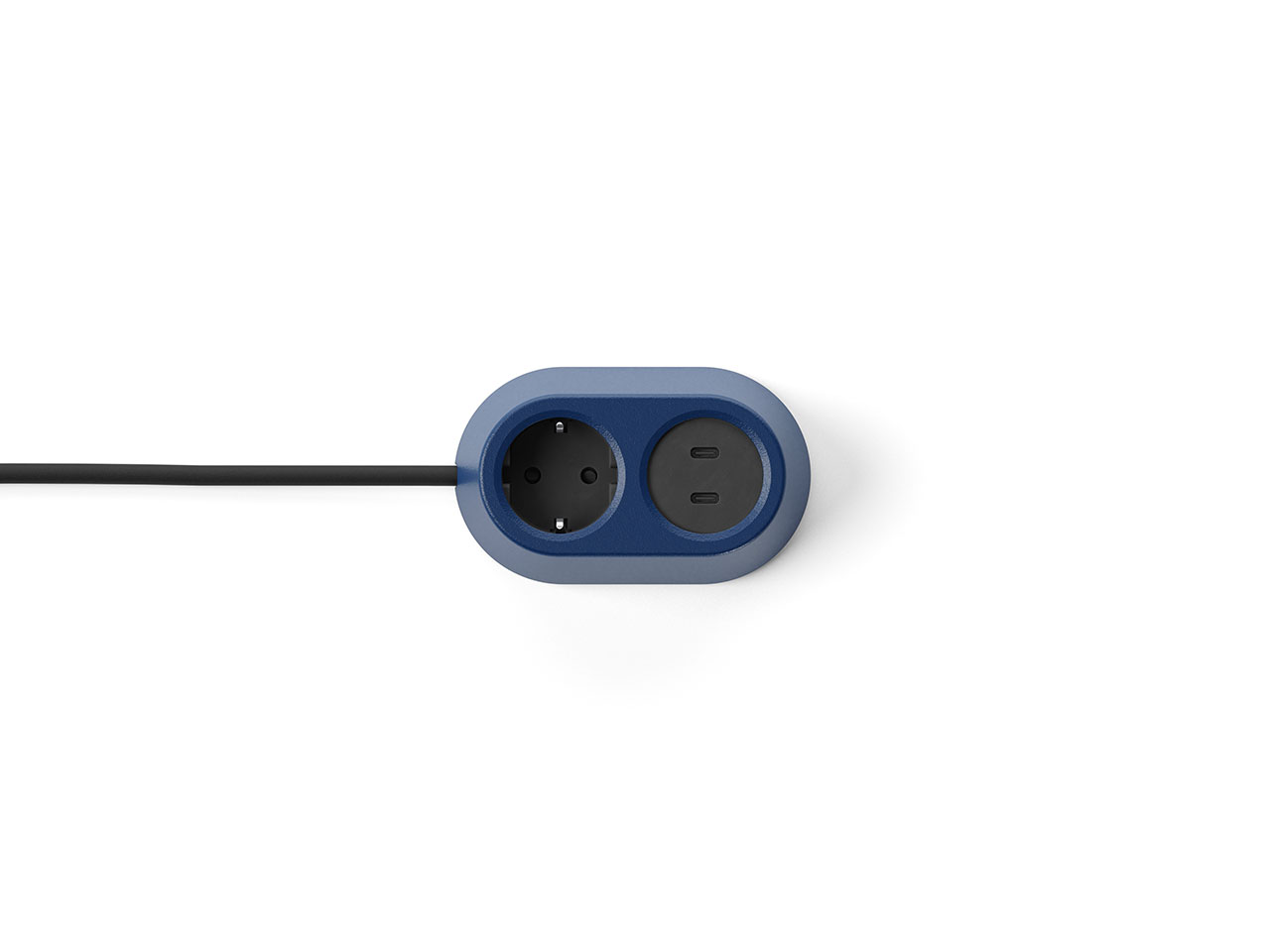
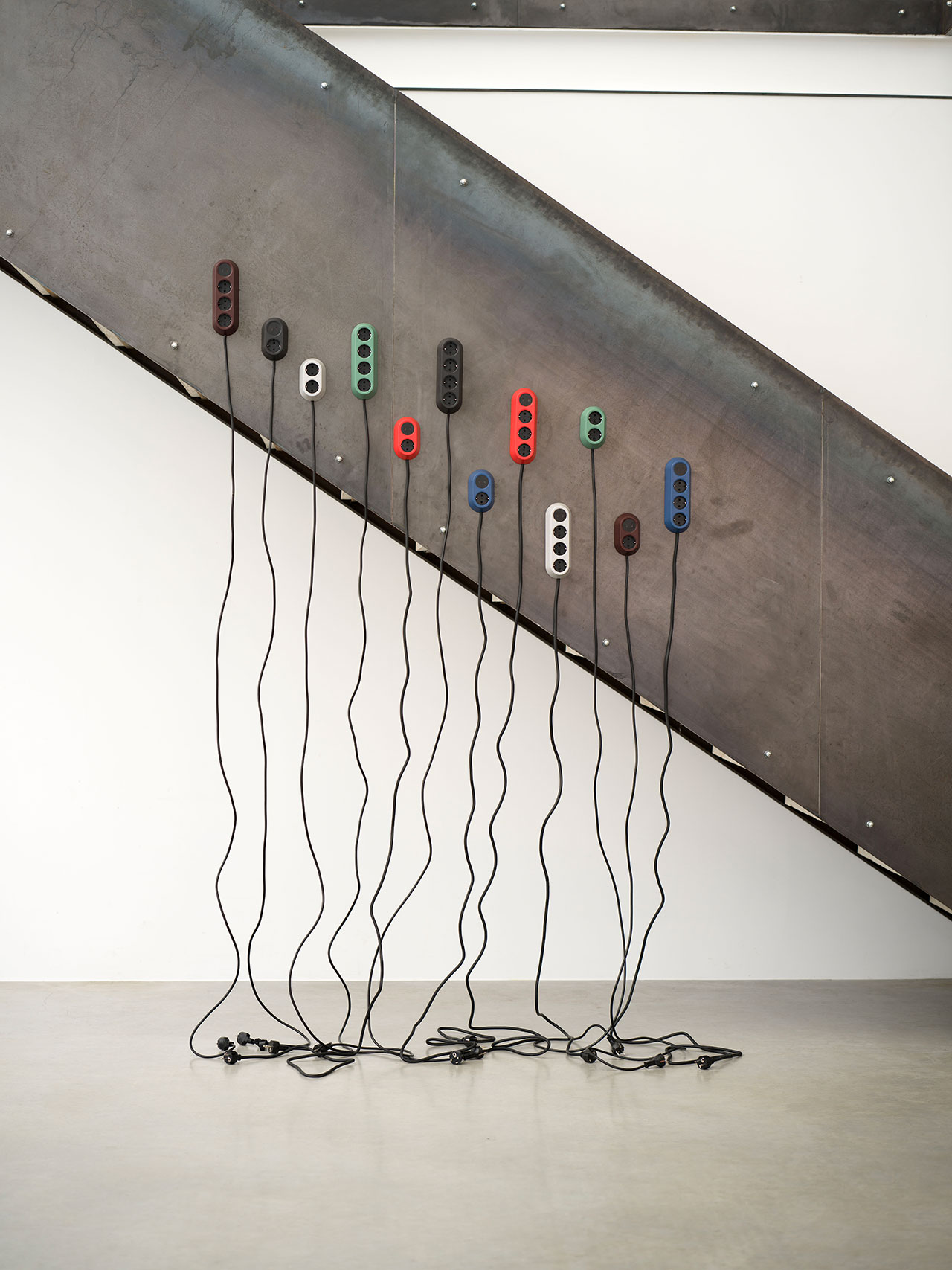

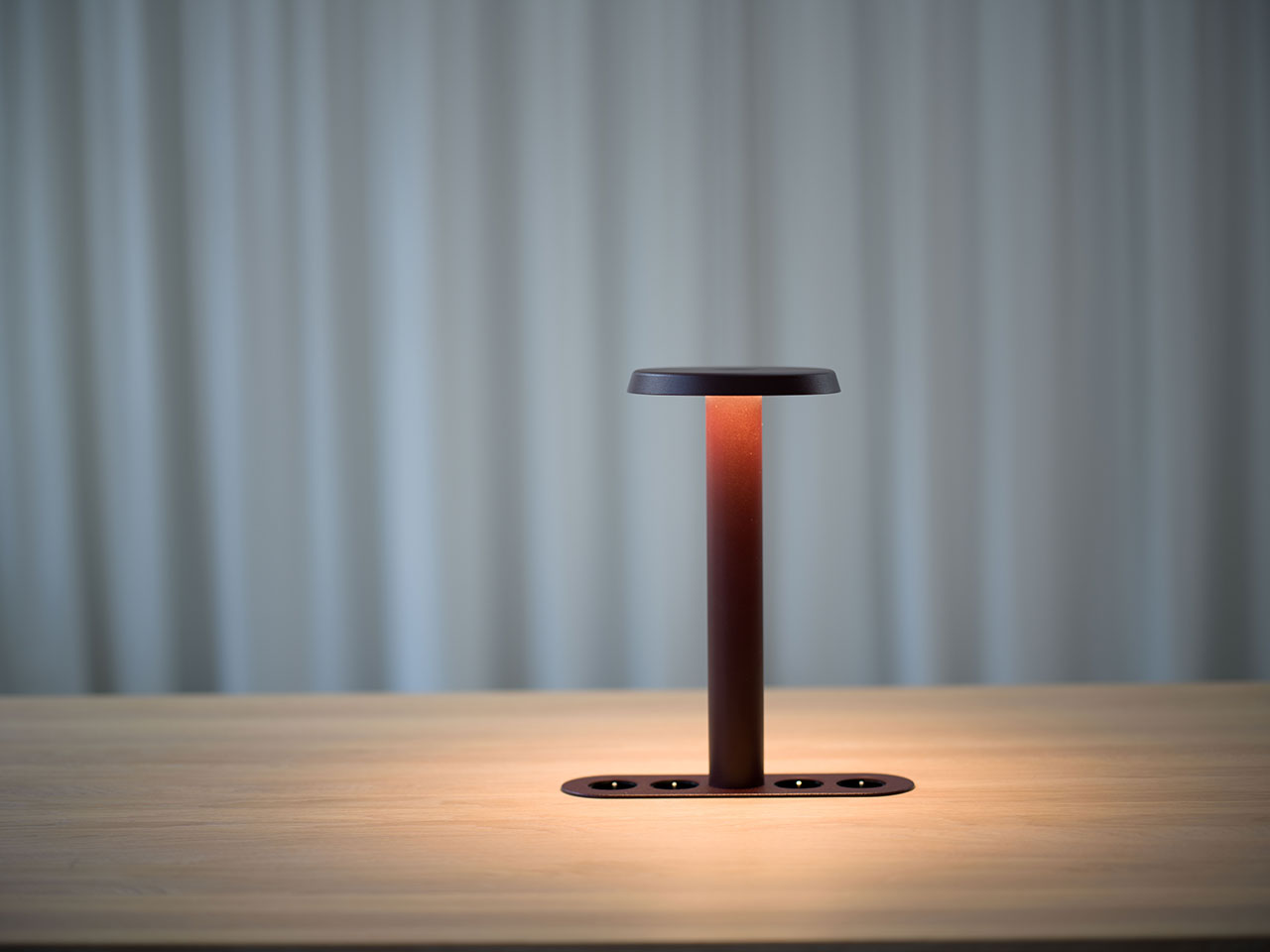
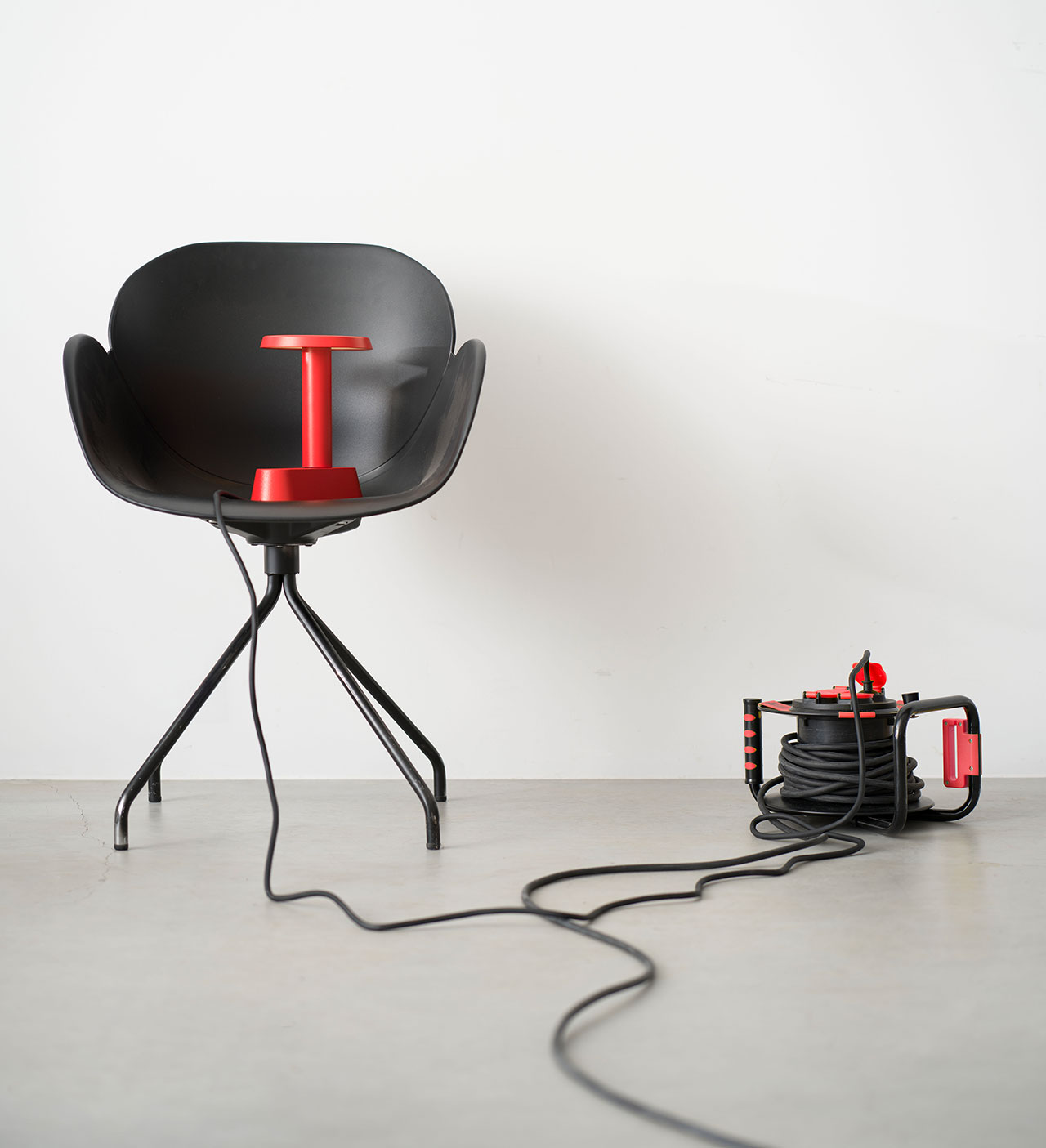
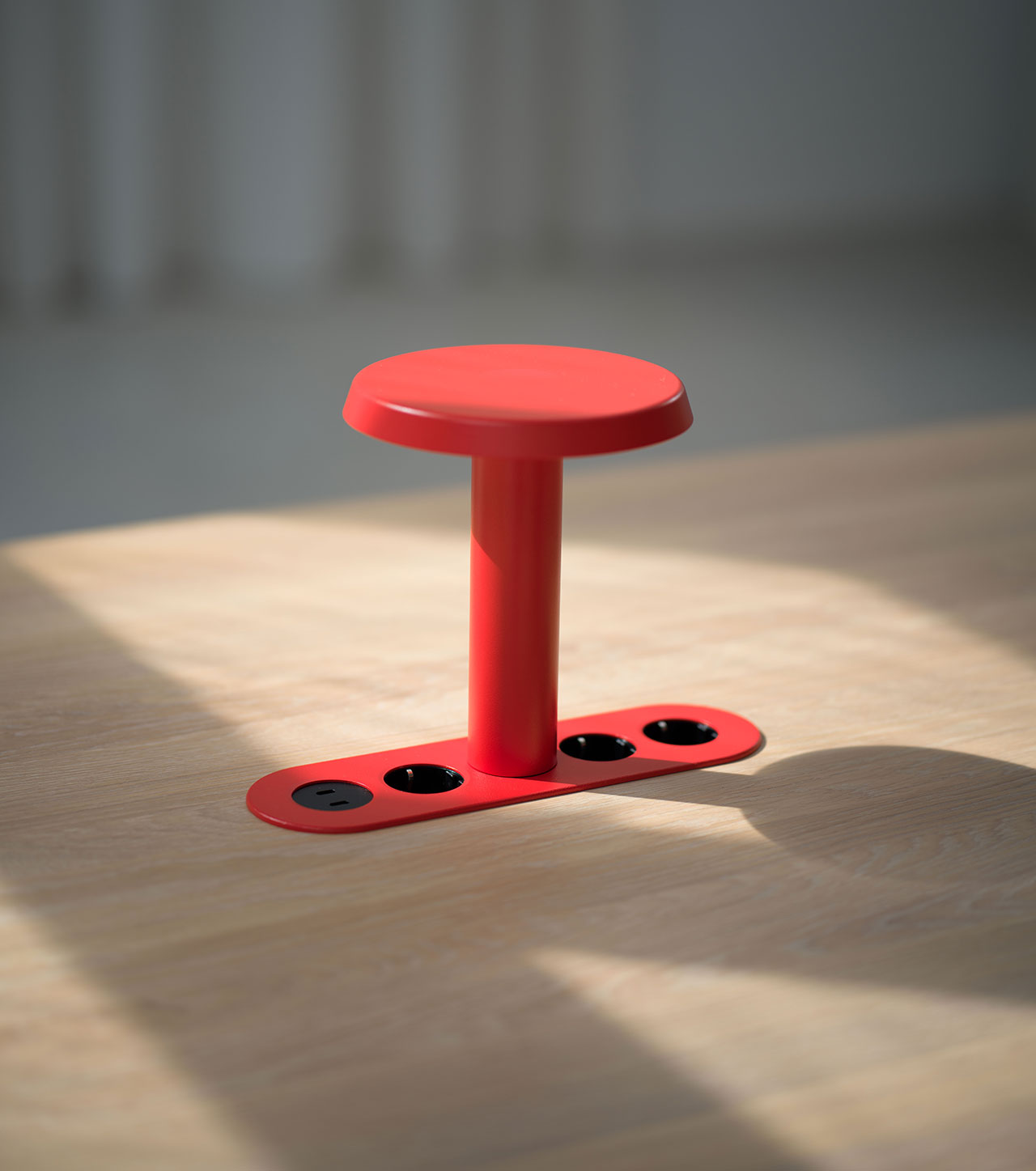
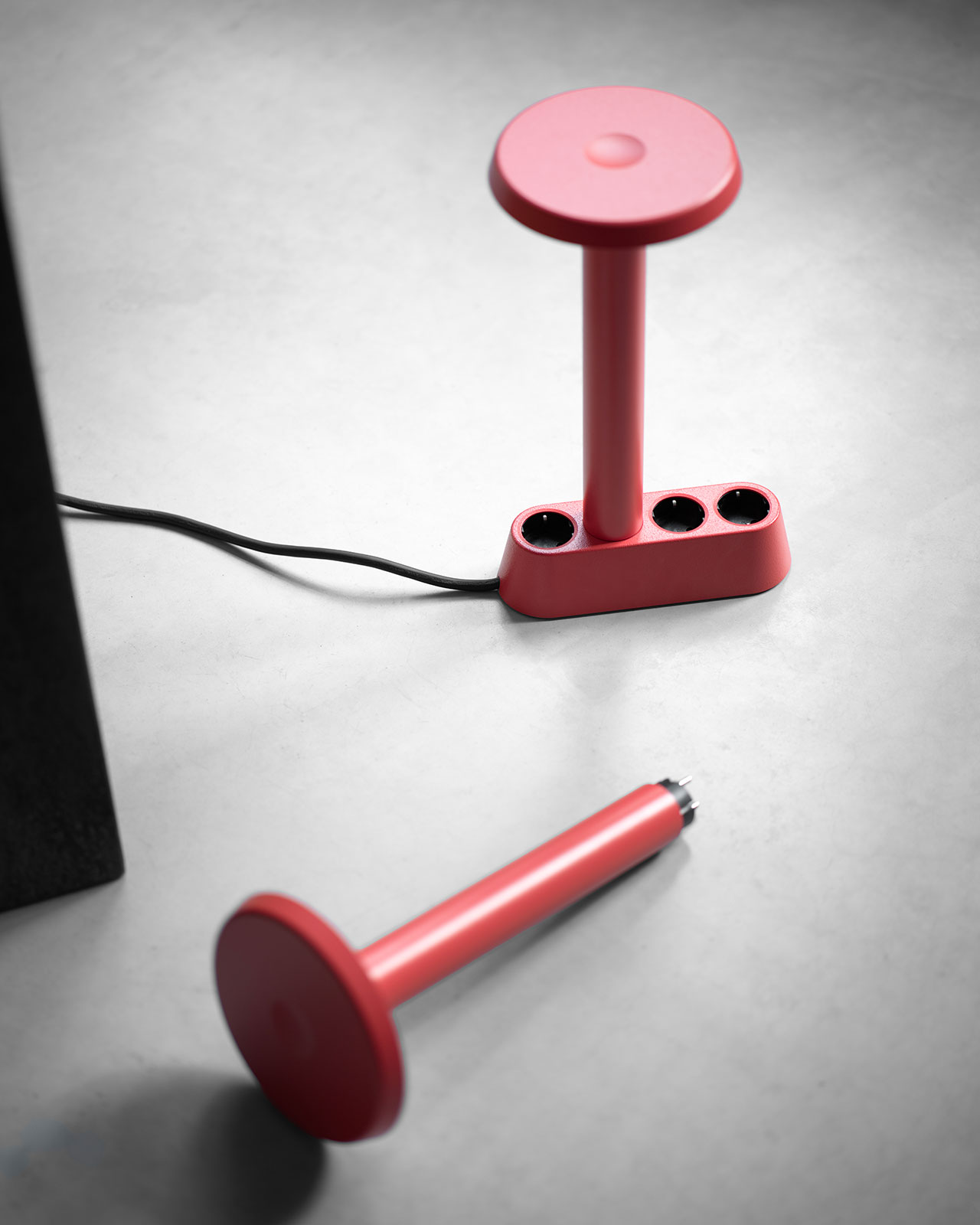
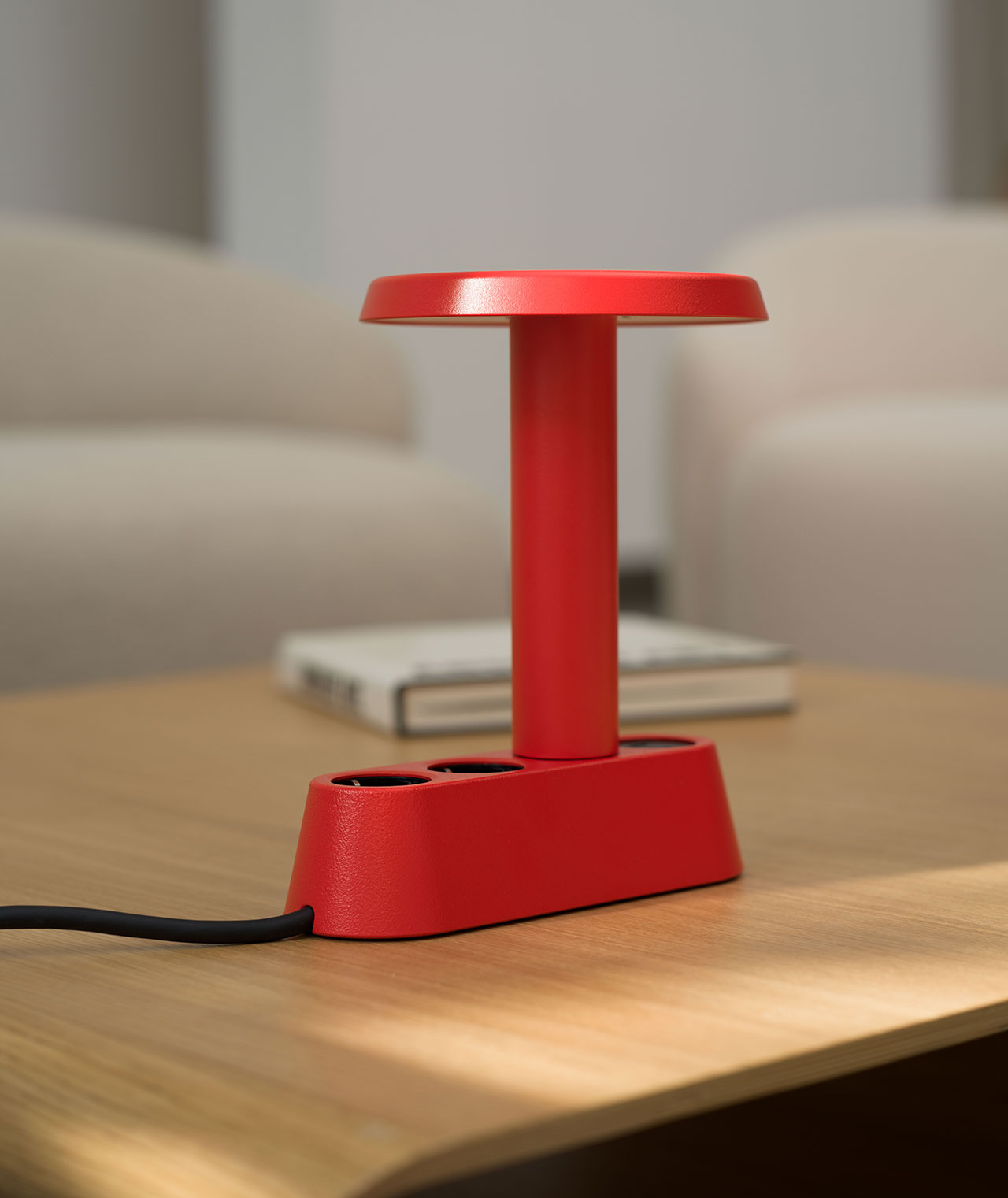
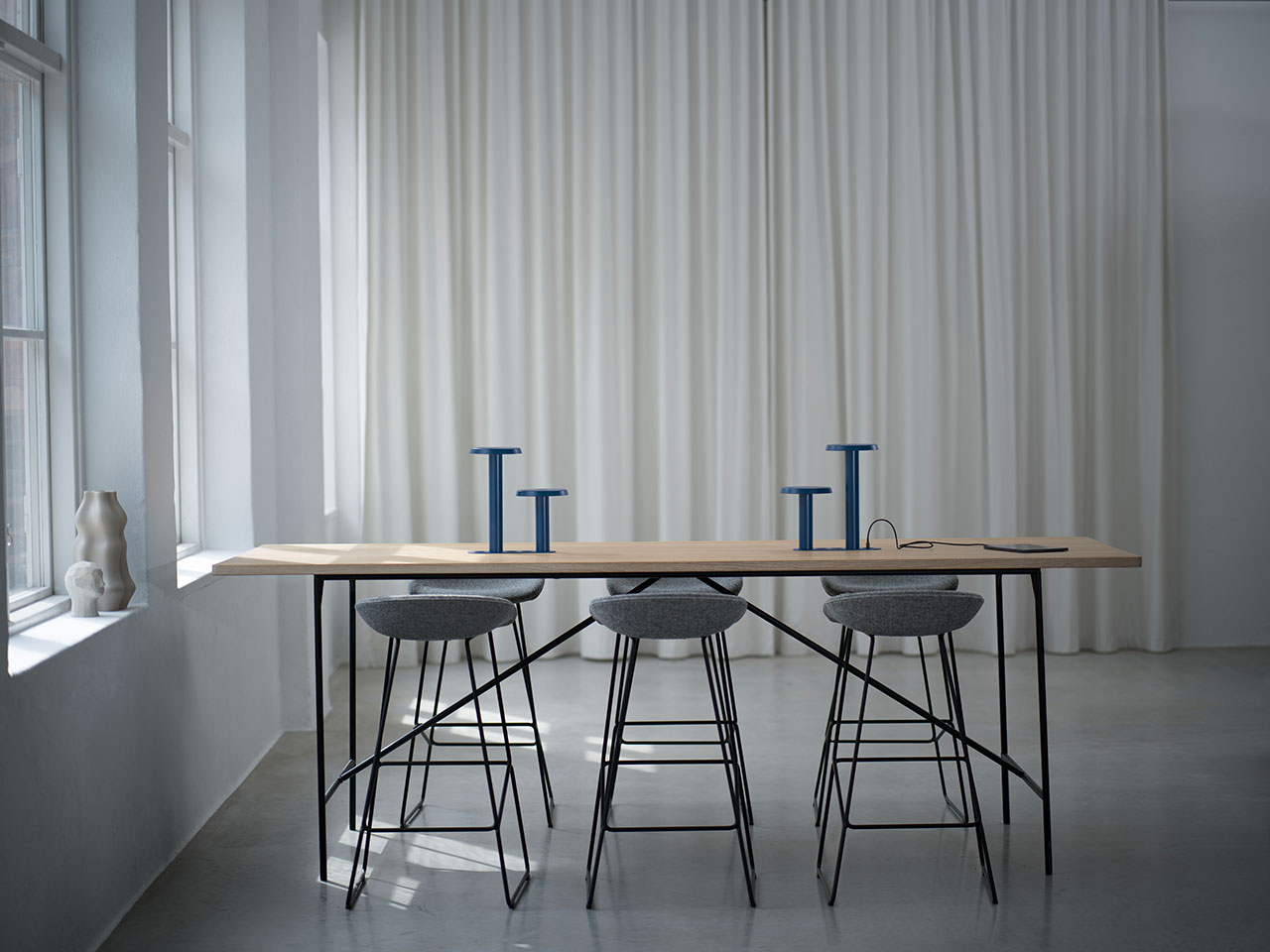

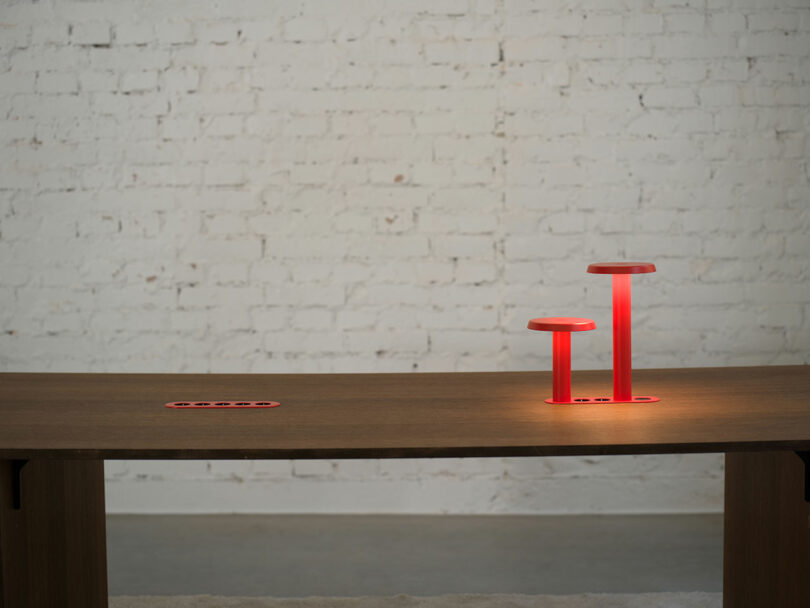
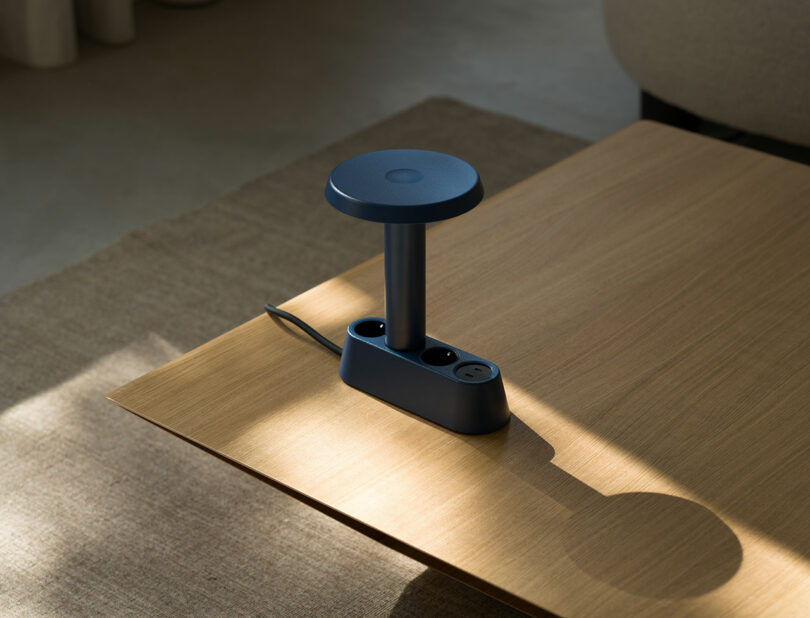
Form Us With Love’s Nomad Collection remedies cable chaos in today’s increasingly fluid work environments. An ever-imaginative Swedish industrial design studio, Form Us With Love developed the modular Nomad system in partnership with technical design company Forming Function to better accommodate the hybrid conditions of contemporary workspaces – where charging devices and task lighting are no longer tied to a single desk or location.
The office has radically changed over the past few years. Drawing back employees who became accustomed to working from home during the Covid-19 pandemic, these spaces have had to become far more well thought-out, with both stylistic and functional nods to the comforts of domesticity and the unexpected novelty of hospitality – a rapidly expanding and evolving sector. With hot desking the new standard, few people have fixed workstations anymore.
It’s not all that different from the growing number of independent professionals working for themselves, setting up shop in coffee shops and a host of newly imagined third and fourth spaces.
Technology, too, has drastically changed in response to these systemic shifts, becoming more infinitesimal, flexible, and yet durable. Whether our work devices have actually become more efficient is another matter.
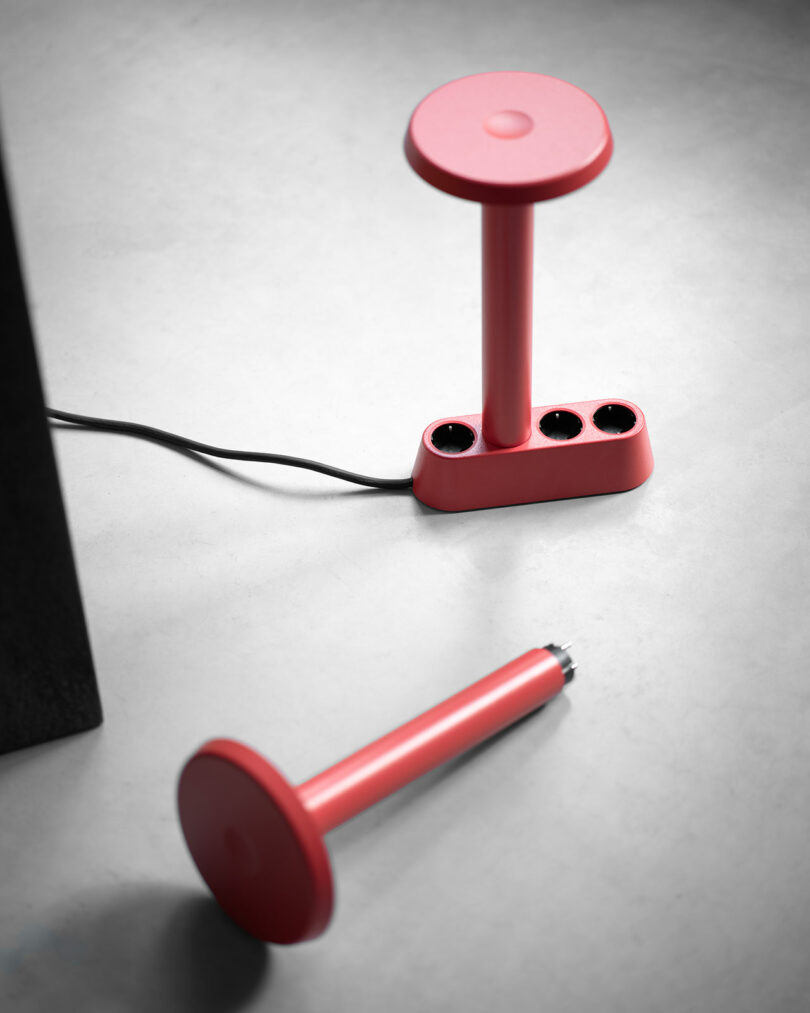
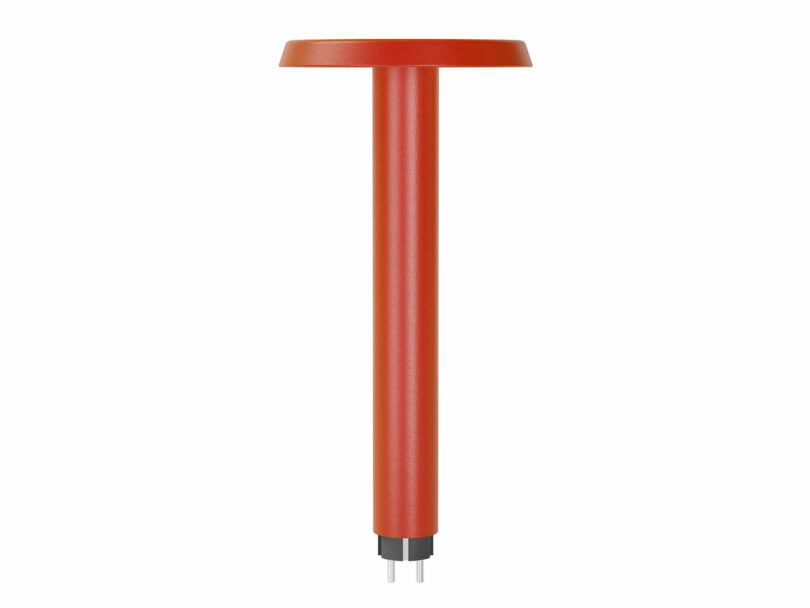
Analyzing both factors – that of changing spatial constraints and the ever-refined nature of our everyday tools – the Nomad system emerges as a distilled response to contemporary work culture. The power cord and plug-in task lamp concept might seem simple, but it is a well-achieved solution that addresses these developments without skimping on aesthetic refinement.

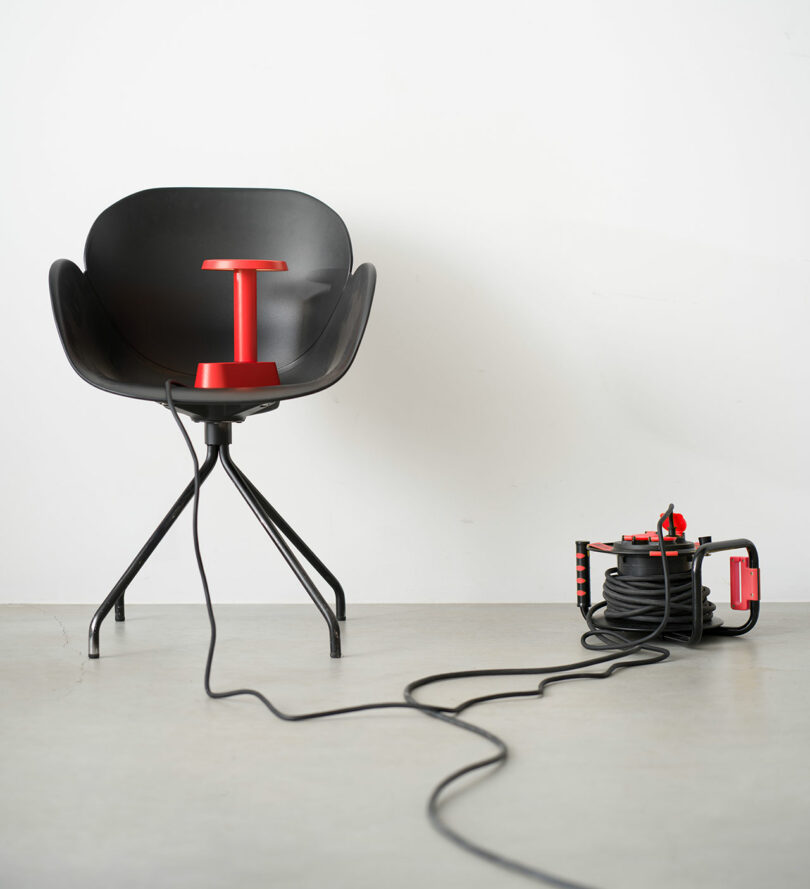
The two practices sought to tackle two problems at once: needing to charge devices that have been intentionally engineered with planned obsolescence – batteries with lifespans that degrade faster than they once did – while also providing the right amount of illumination to avoid eye strain.
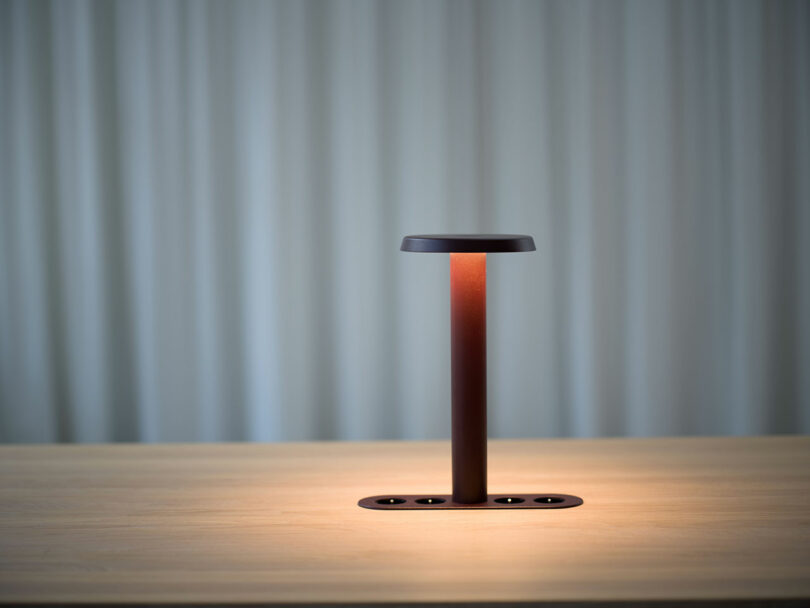
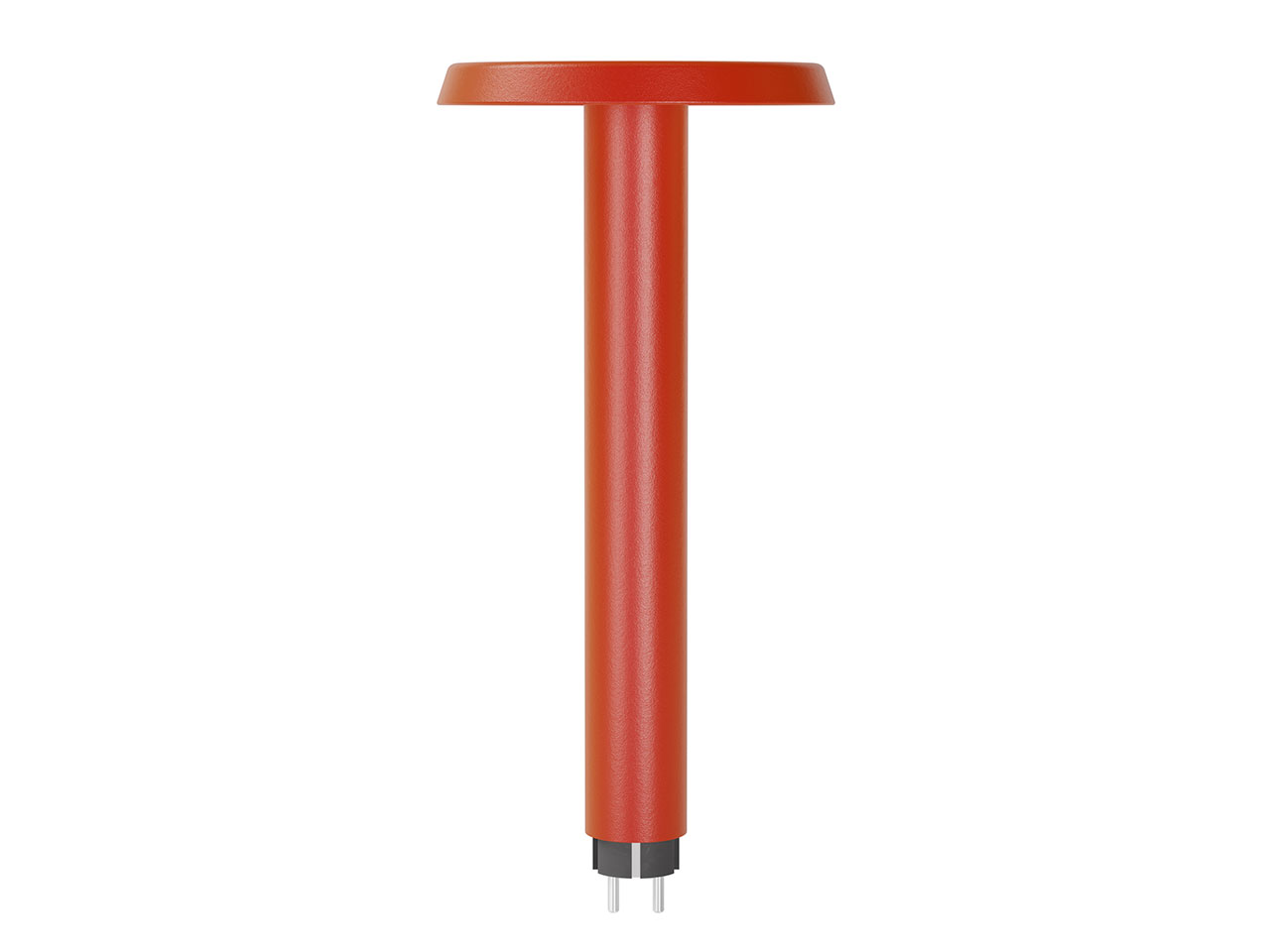
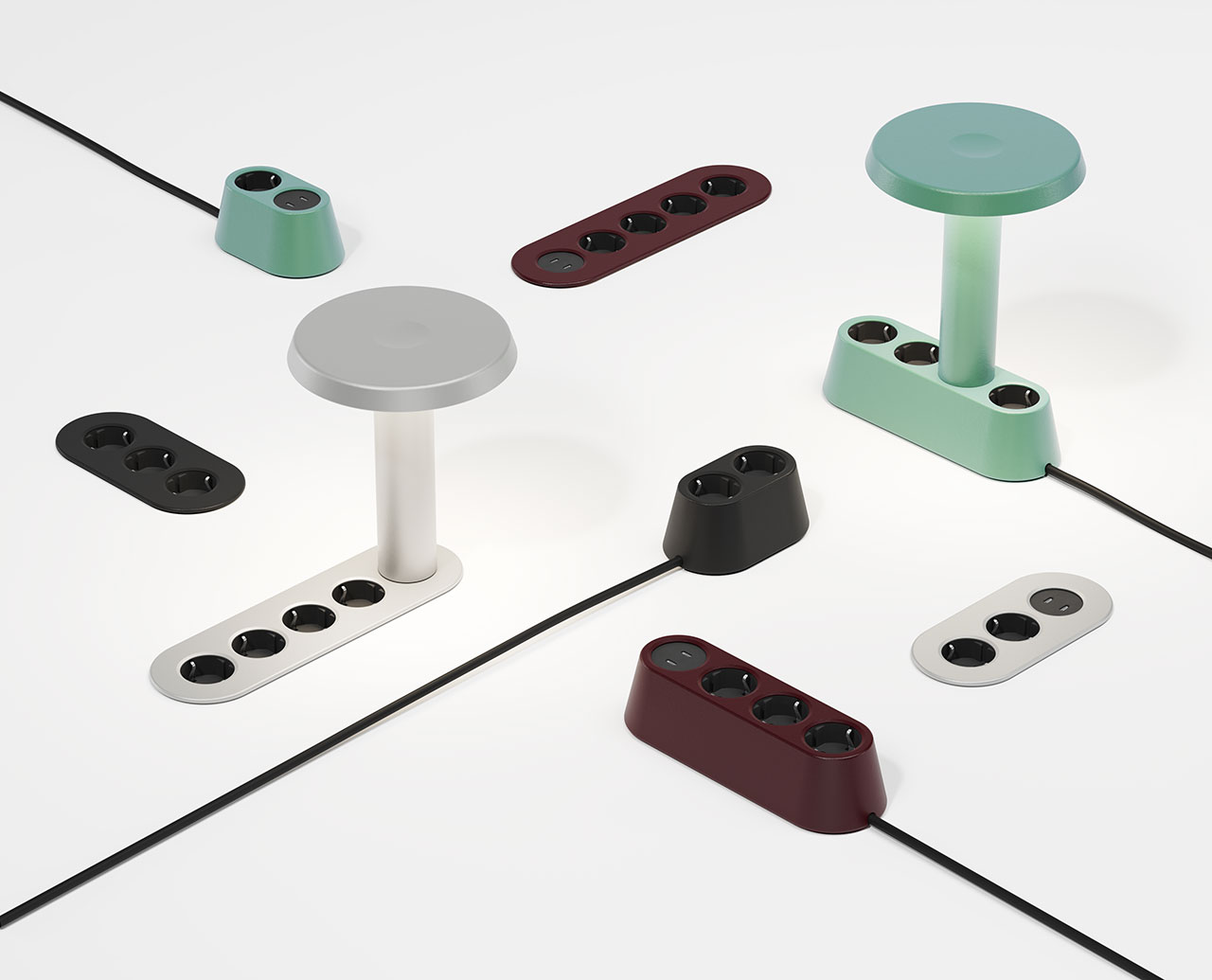
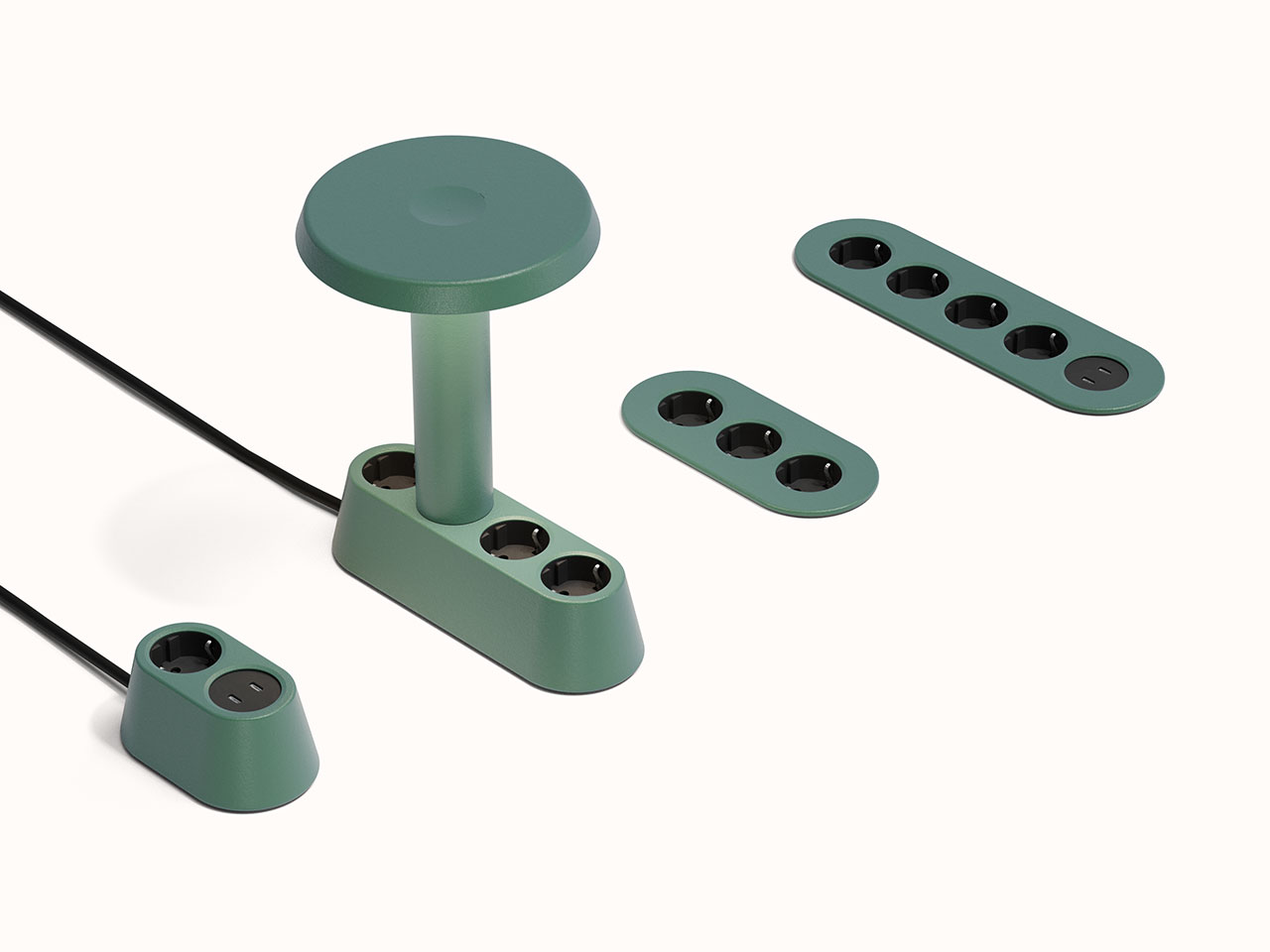
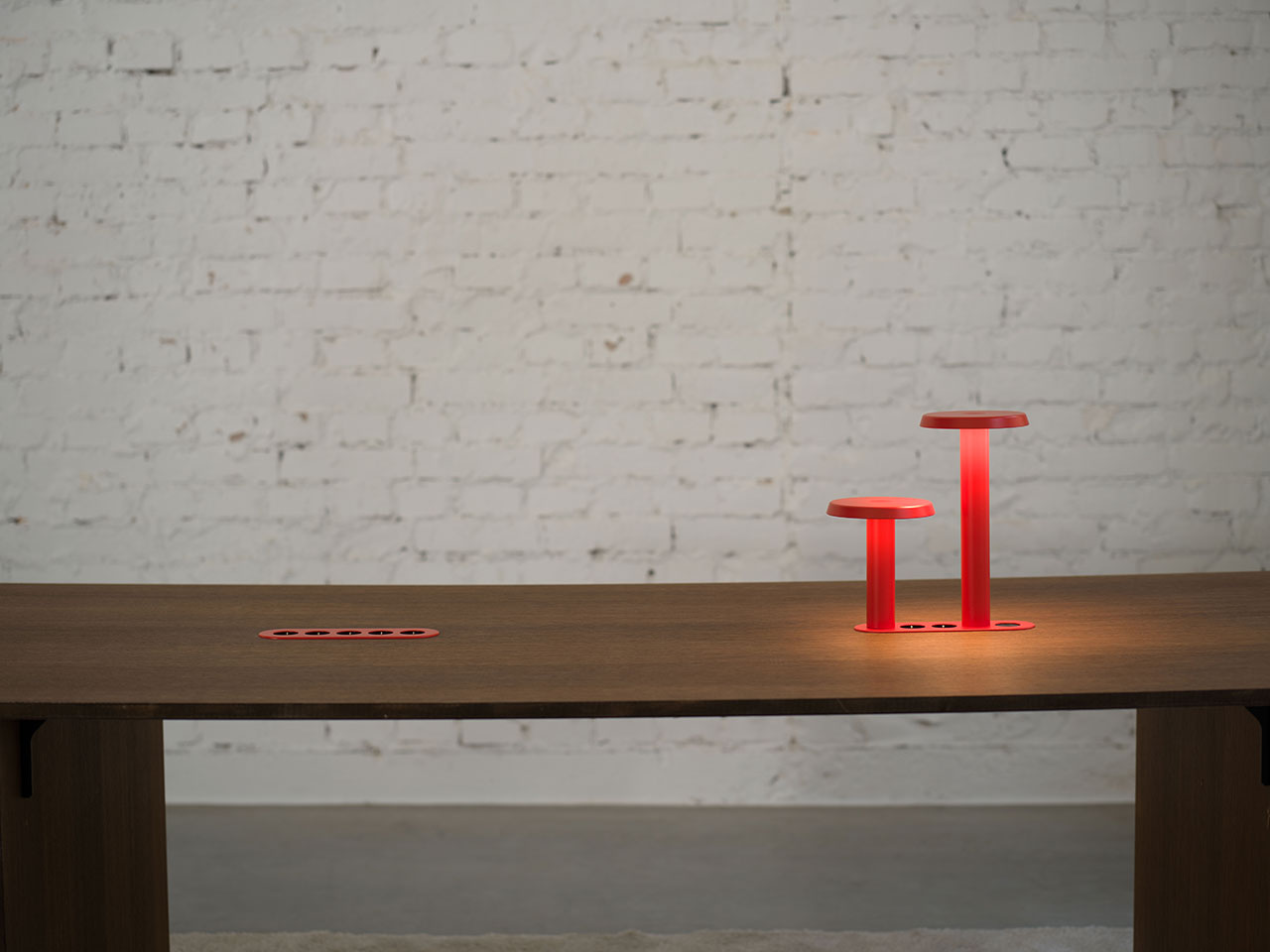
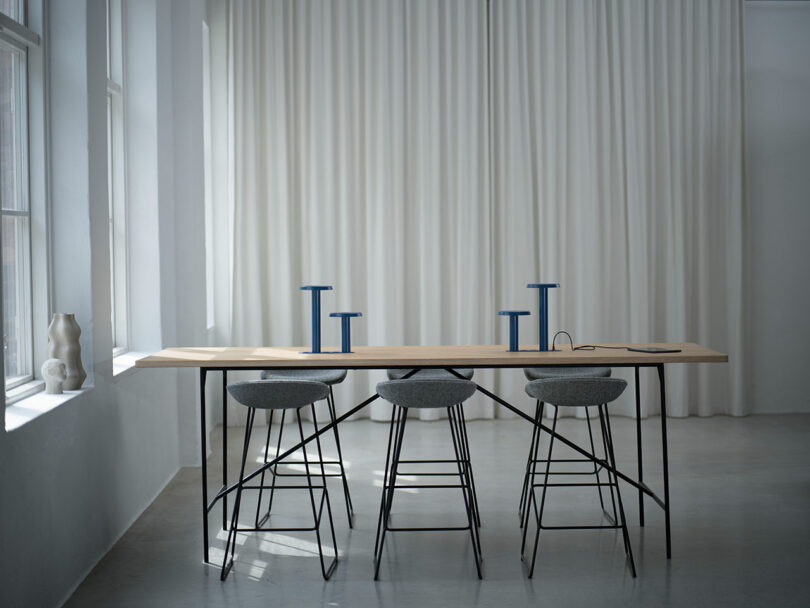
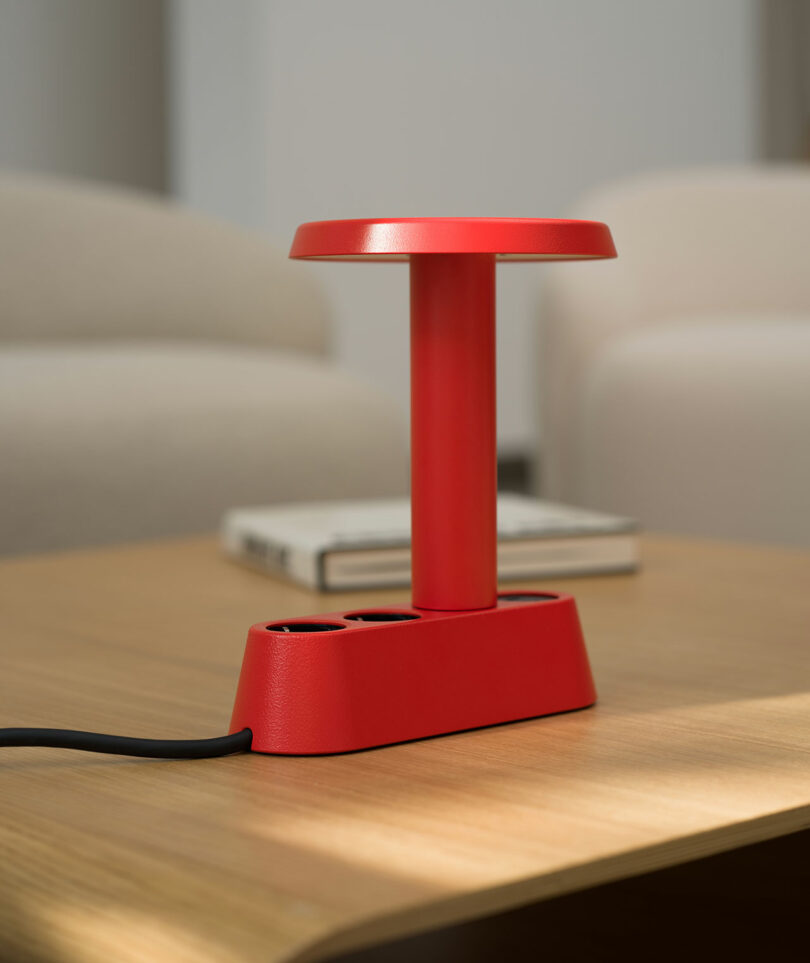
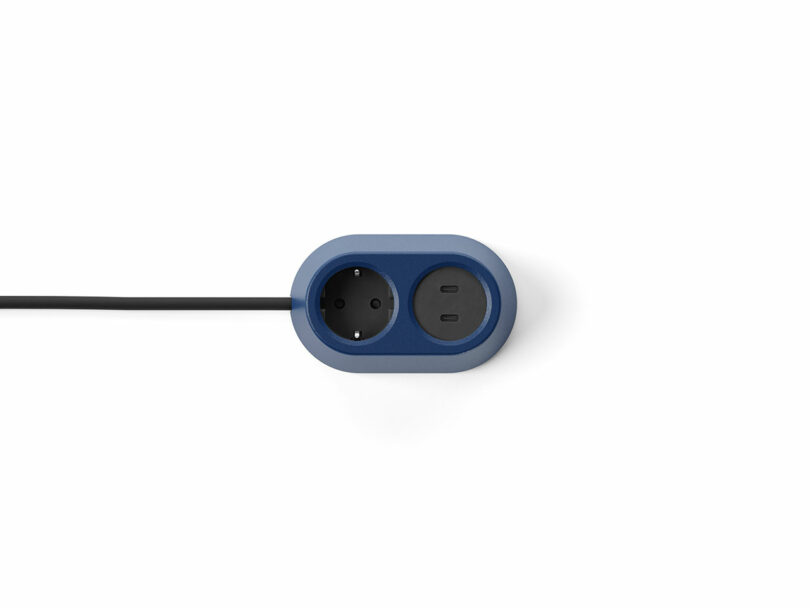
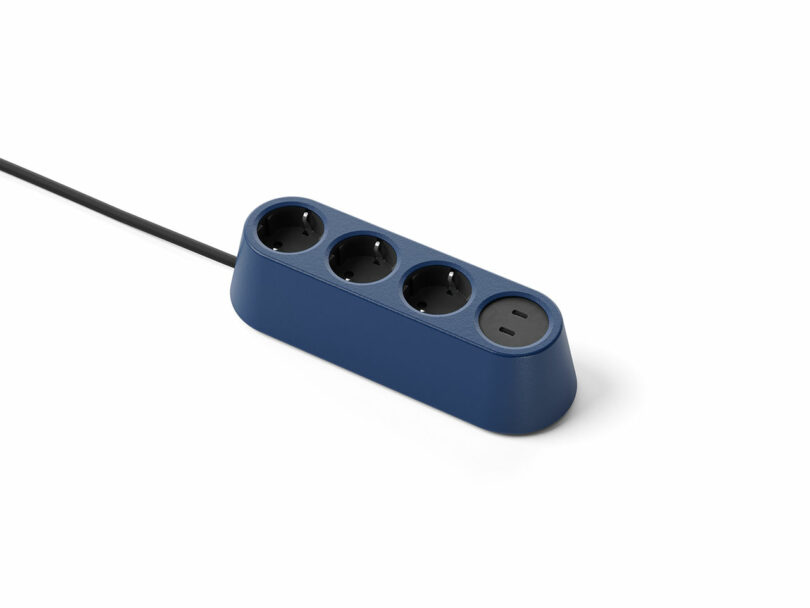
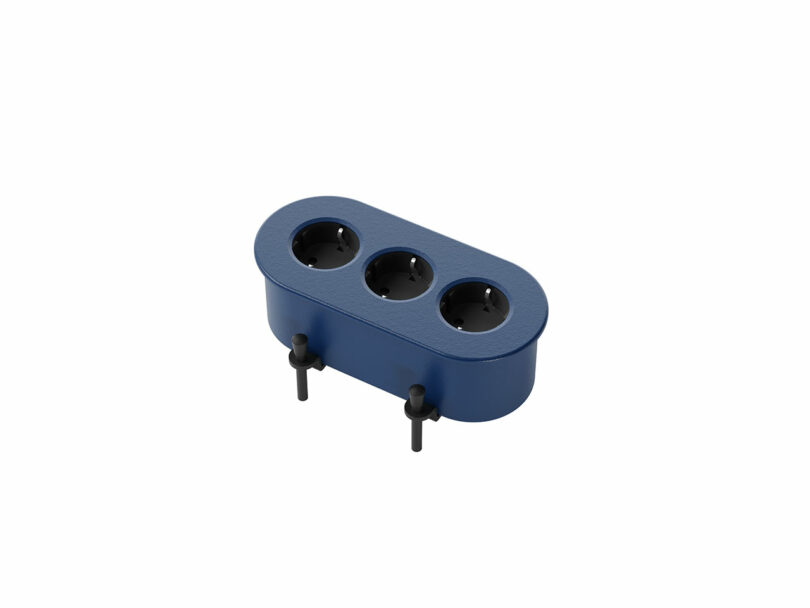
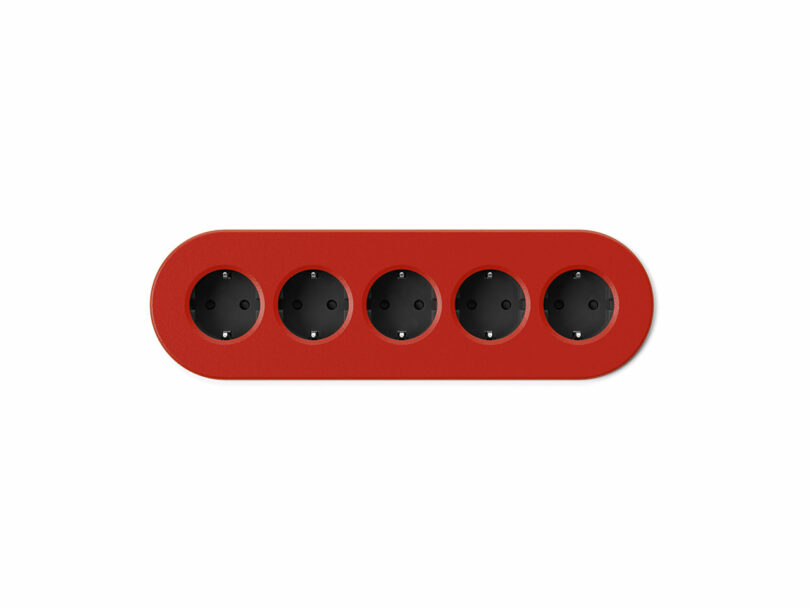
With varying numbers of plugs and multiple sizes of kitted-in lamps, the scalable ecosystem is lightweight and easy to move around. Its sleek, pared-back appearance and minimal proportions make the design relatively inconspicuous, though much of that is influenced by the chosen finish and colorway.


Now with a taller lamp silhouette variant and freshly developed tones – ranging from calming greens and serene blues to bold reds, slightly shiny silvers, and matte blacks – there’s even more plasticity, not just in materiality but in how aesthetics can support functionality. Though precision-formed, the complementary components are hand-cast at a long-established Swedish foundry using 100% recycled aluminum. Nothing was left to chance.
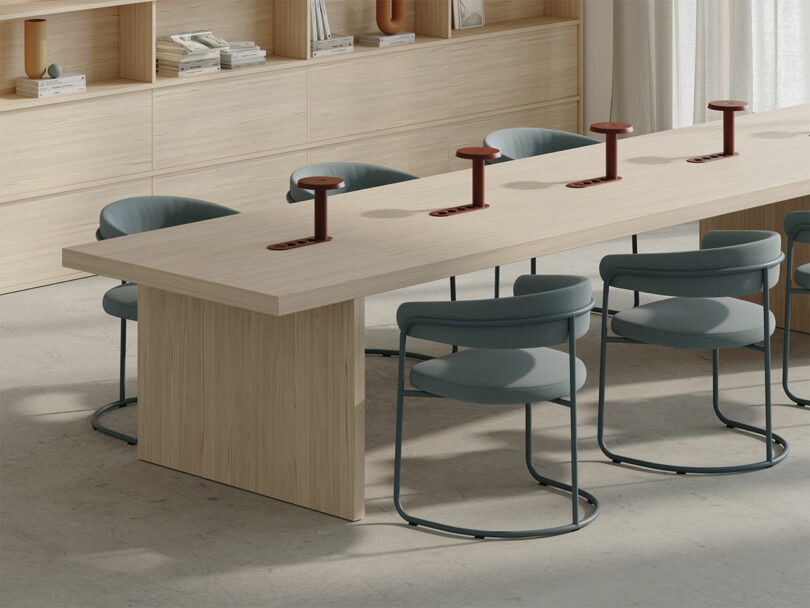
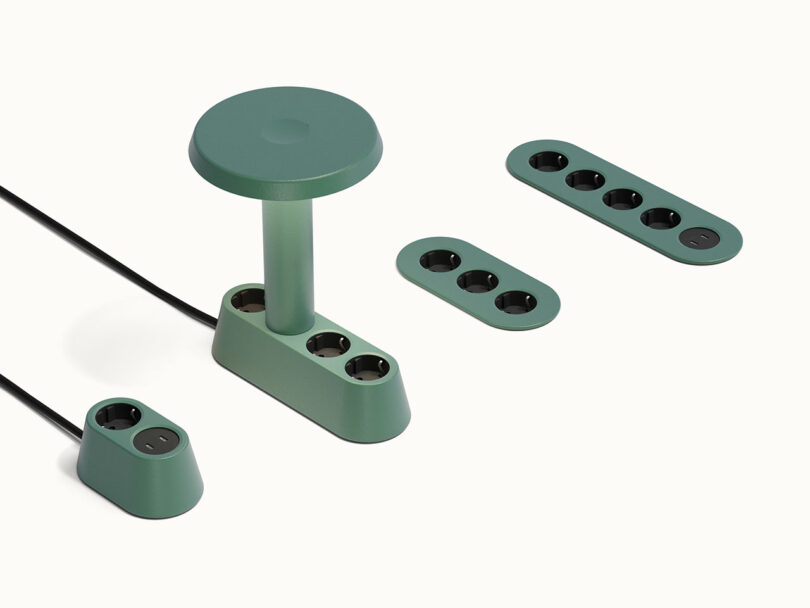
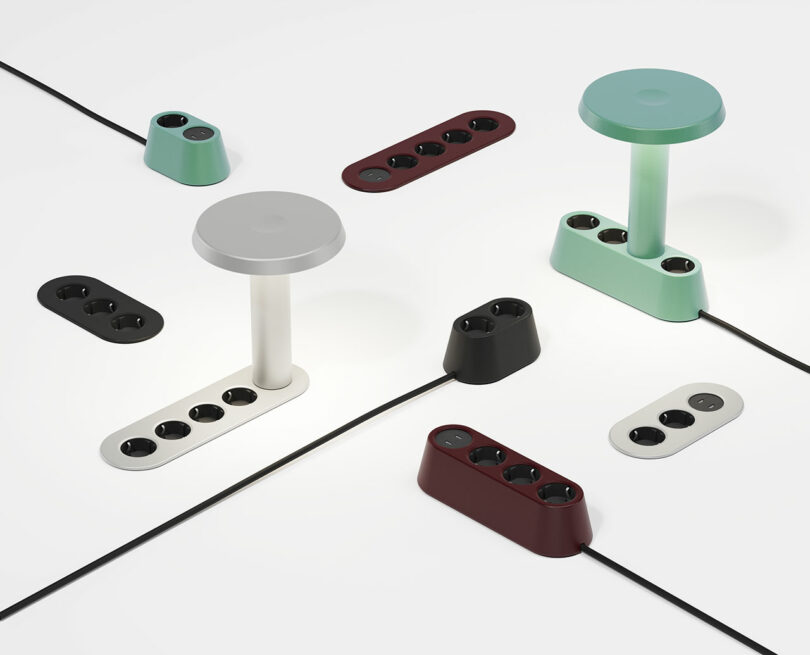
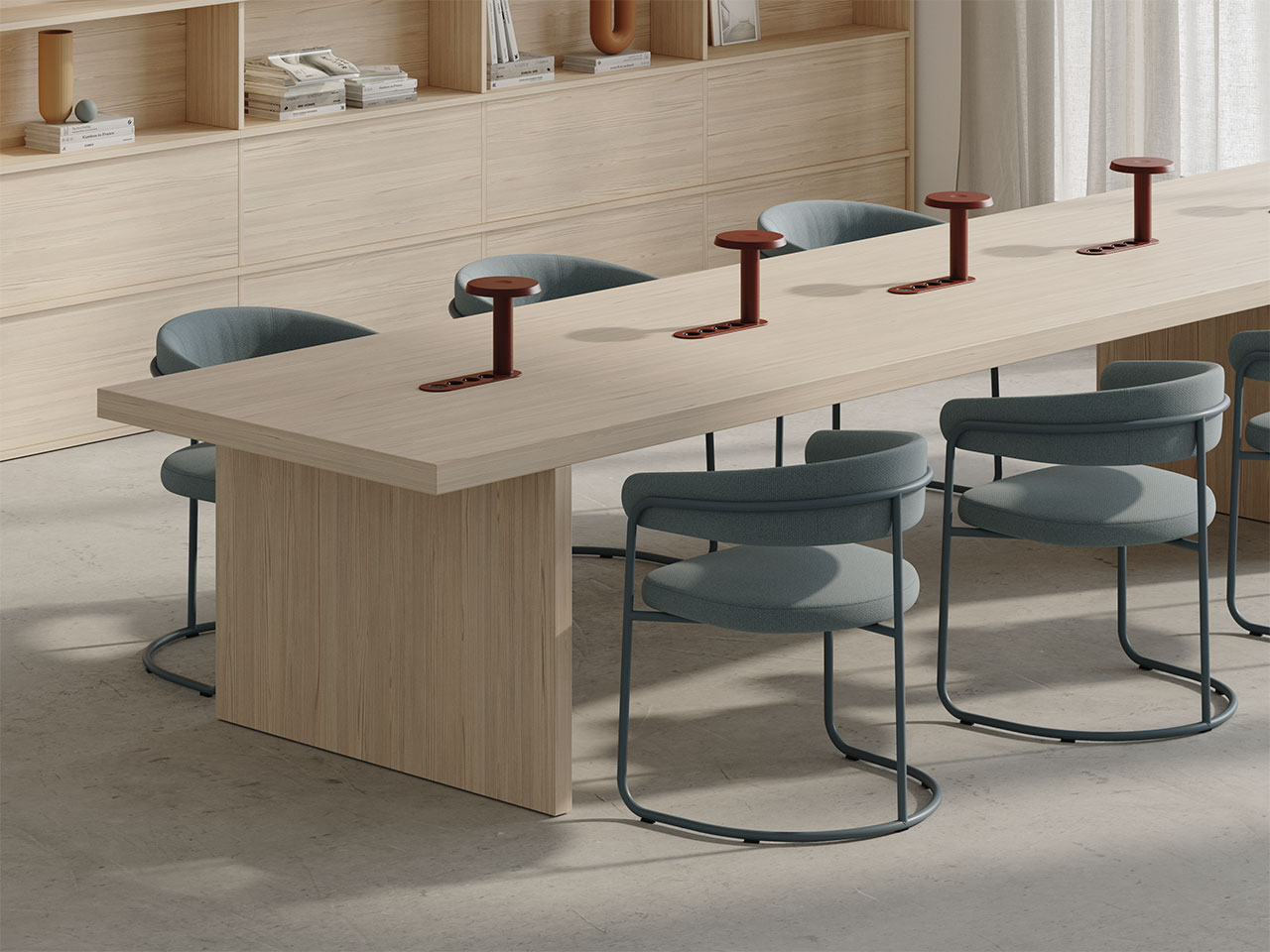
Varying configurations of Nomad can be conveniently set up anywhere from a co-working space to an airport lounge or the overcrowded “work counters” now found at the gate, where everyone hastily vies for the few available plugs and already out-of-date USB-A charging ports.

To learn more about the Nomad Collection by Form Us With Love and Forming Function, please visit formuswithlove.se.
Photography courtesy of Form Us With Love.