




Even for those deeply familiar with the watch industry, Roger Dubuis has a knack for releasing watches that shock and surprise. The results occasionally cause collectors and enthusiasts to do a double take, but that’s part of the appeal.
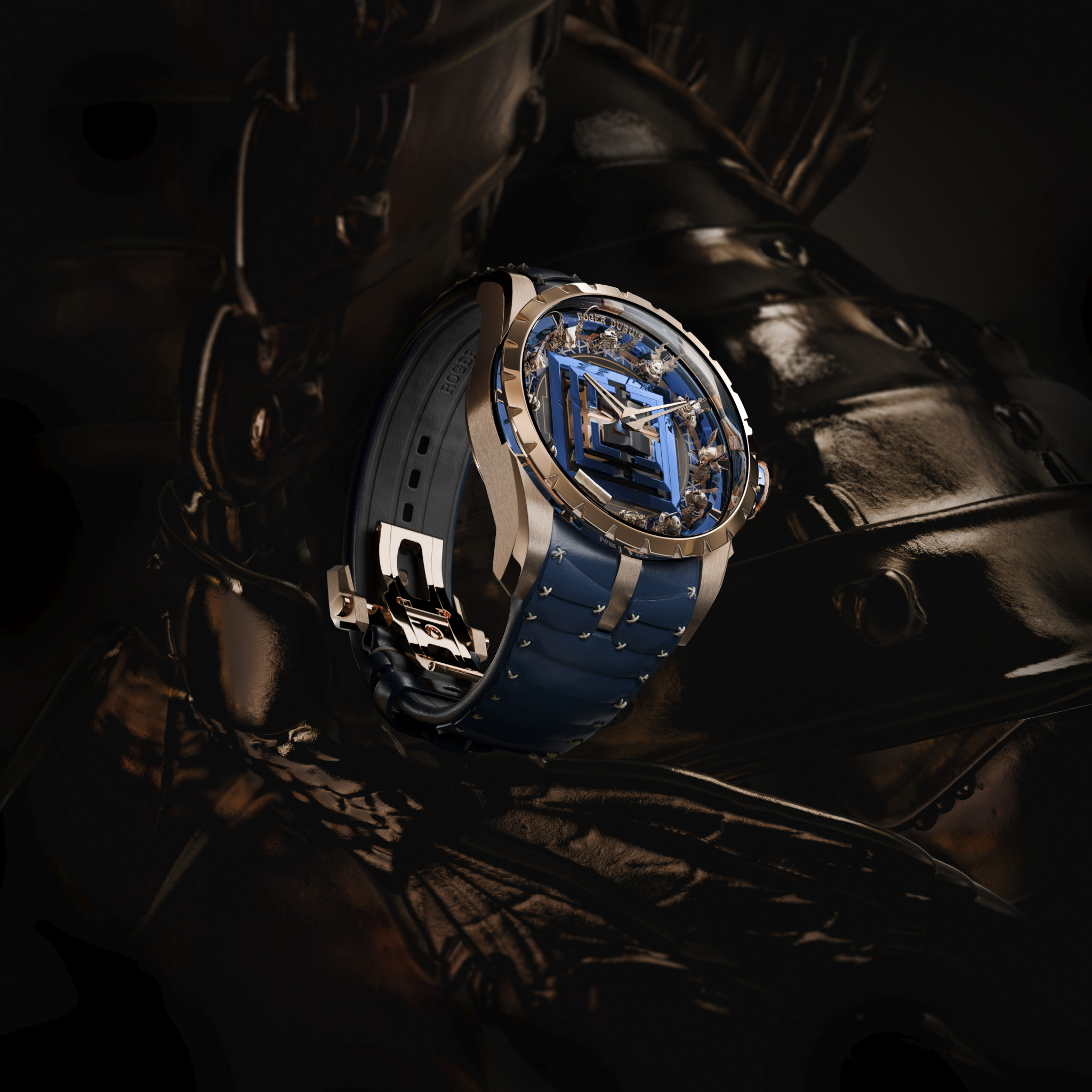
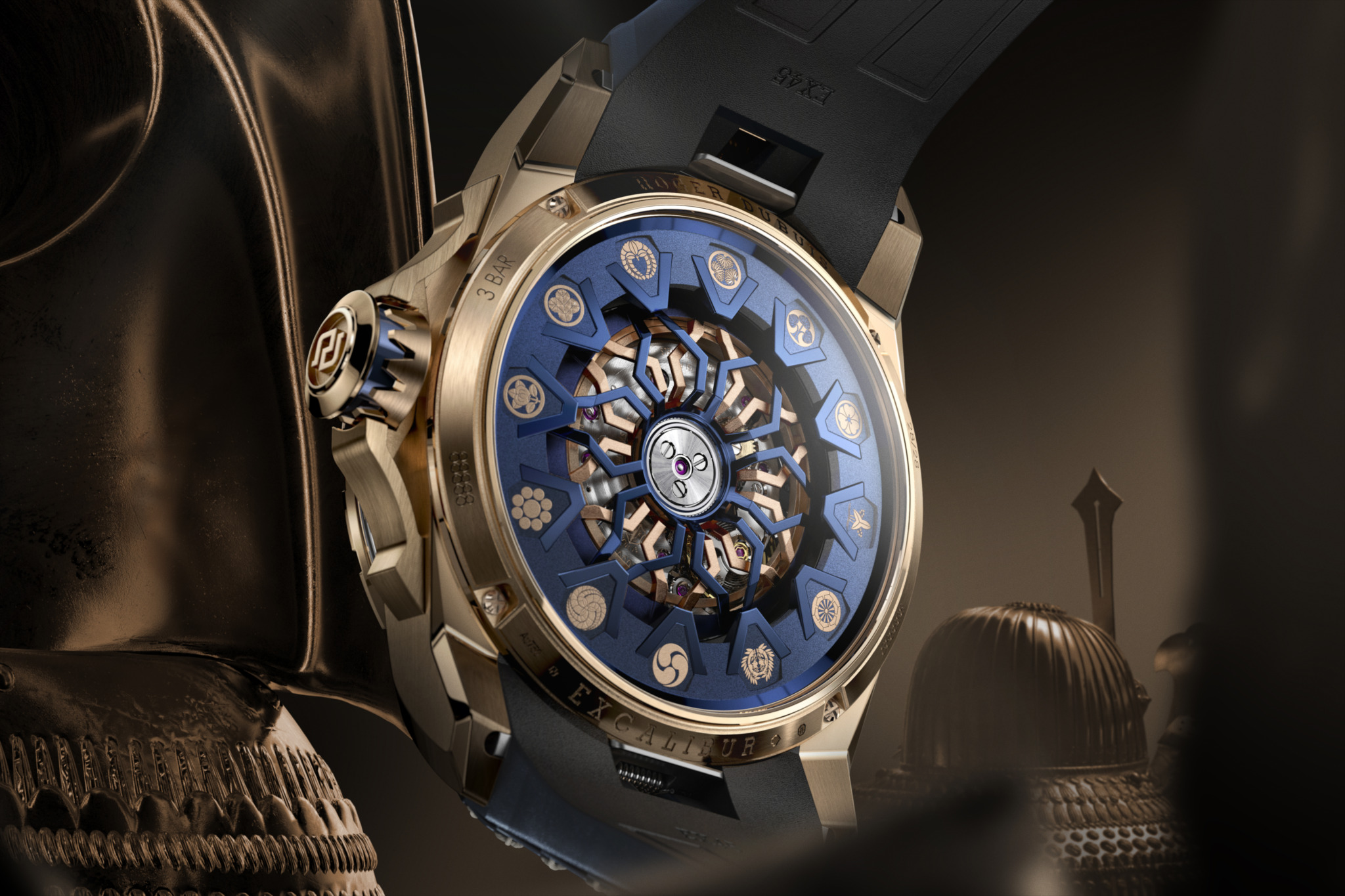
Case in point, the new Roger Dubuis Excalibur The Kabuto Legacy—an extension of the Excalibur collection that put the brand’s métiers d’art artisans back to work on an exceptional set of micro-engraved samurai helmets.
Photography courtesy of Roger Dubuis
The Roger Dubuis Excalibur collection first launched in 2005, featuring a bold new case architecture and skeletonized mechanical watch movements. The collection marked a turning point for the brand, steering its design direction toward a more contemporary aesthetic.
In 2013, Excalibur’s lore took a more central role in the collection through the first of several limited-edition Knights of the Round Table timepieces. The inaugural series was limited to 28 pieces, with each watch featuring 12 individually hand-engraved knights positioned around the dial, their swords drawn and pointed toward the center.
Photography courtesy of Roger Dubuis
The series has continued over the years with several other limited editions, but with the exception of a Chinese Zodiac reference in 2021, each has featured traditional European fighters—until now.
Photography courtesy of Roger Dubuis
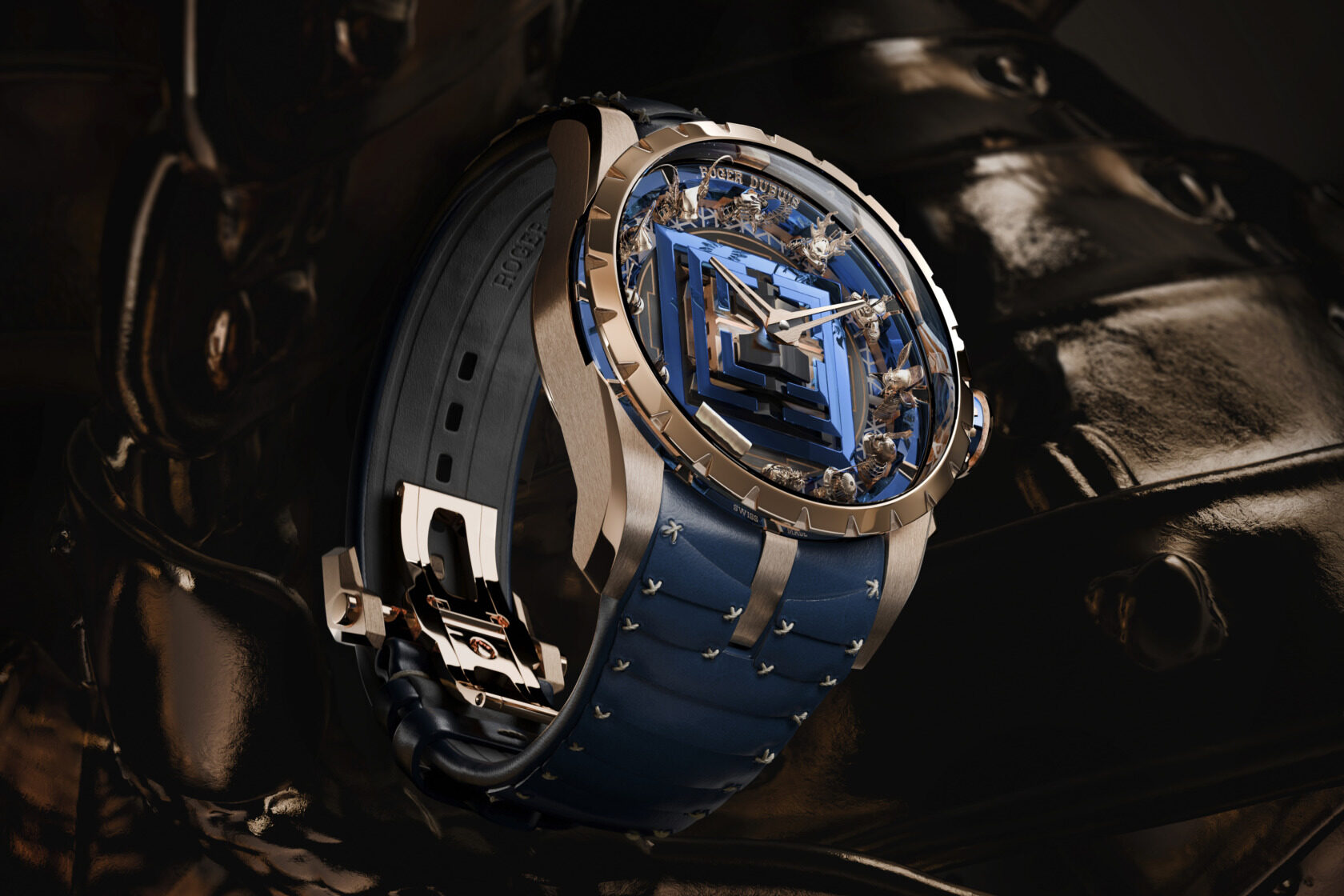
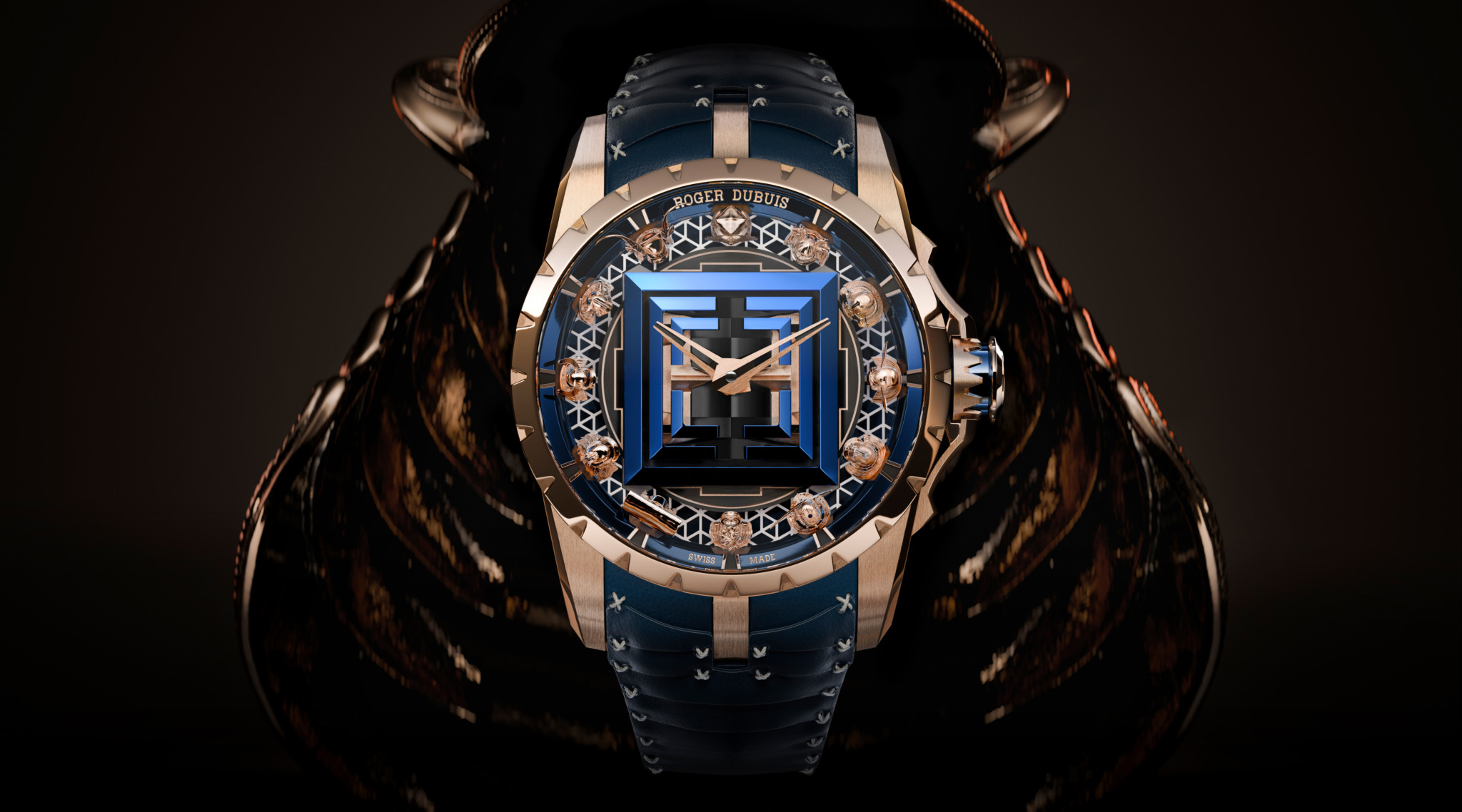
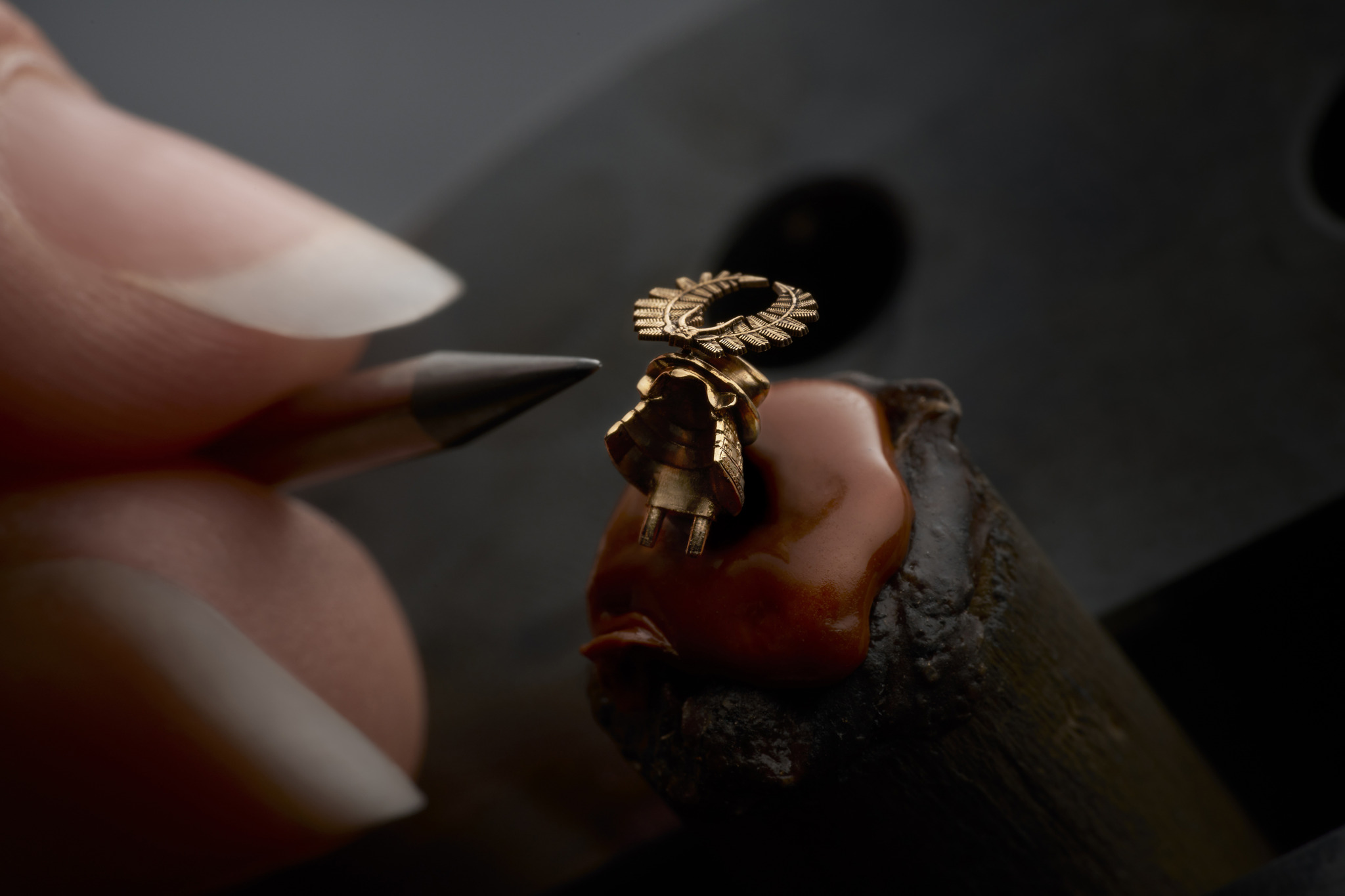
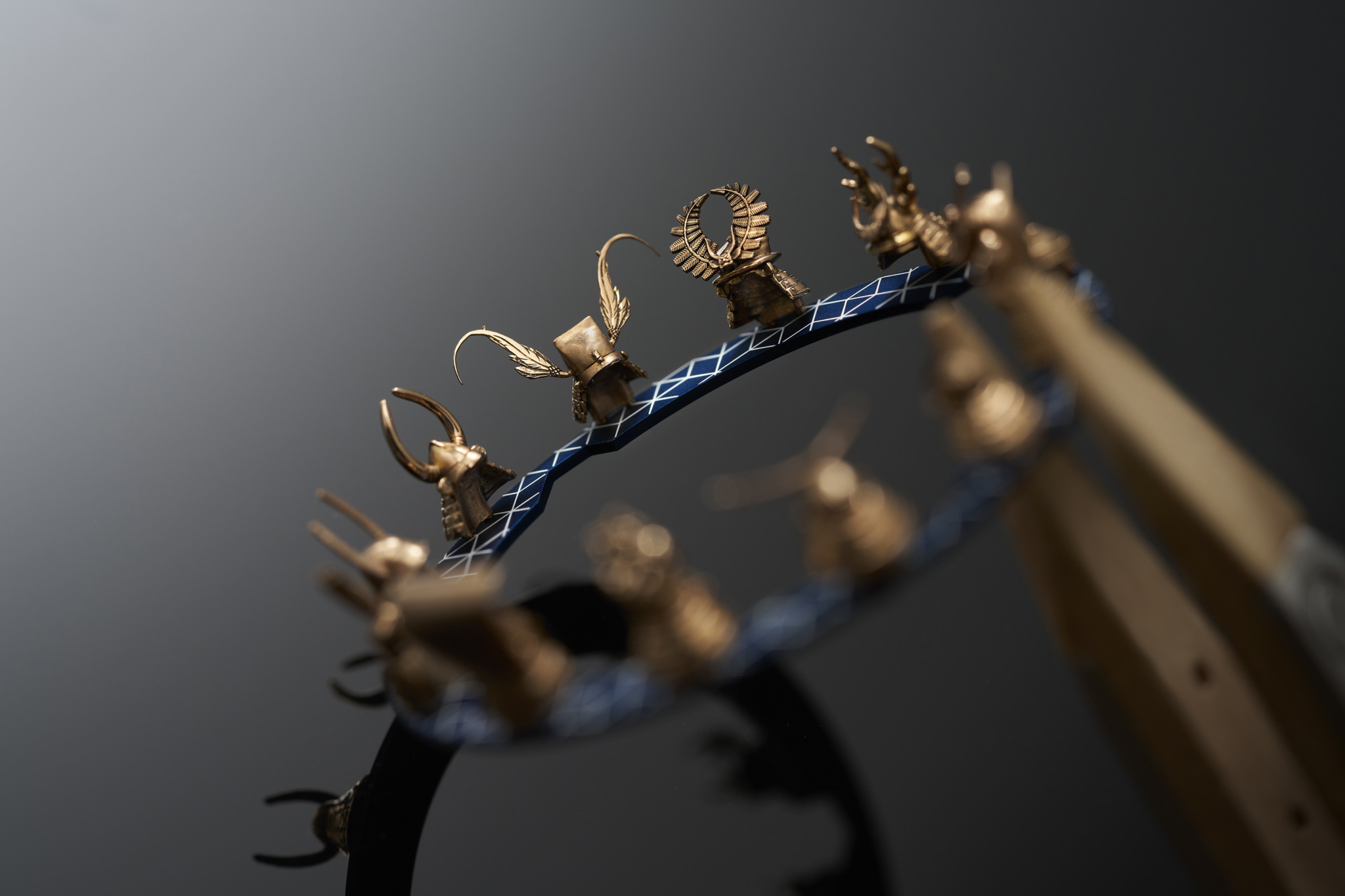
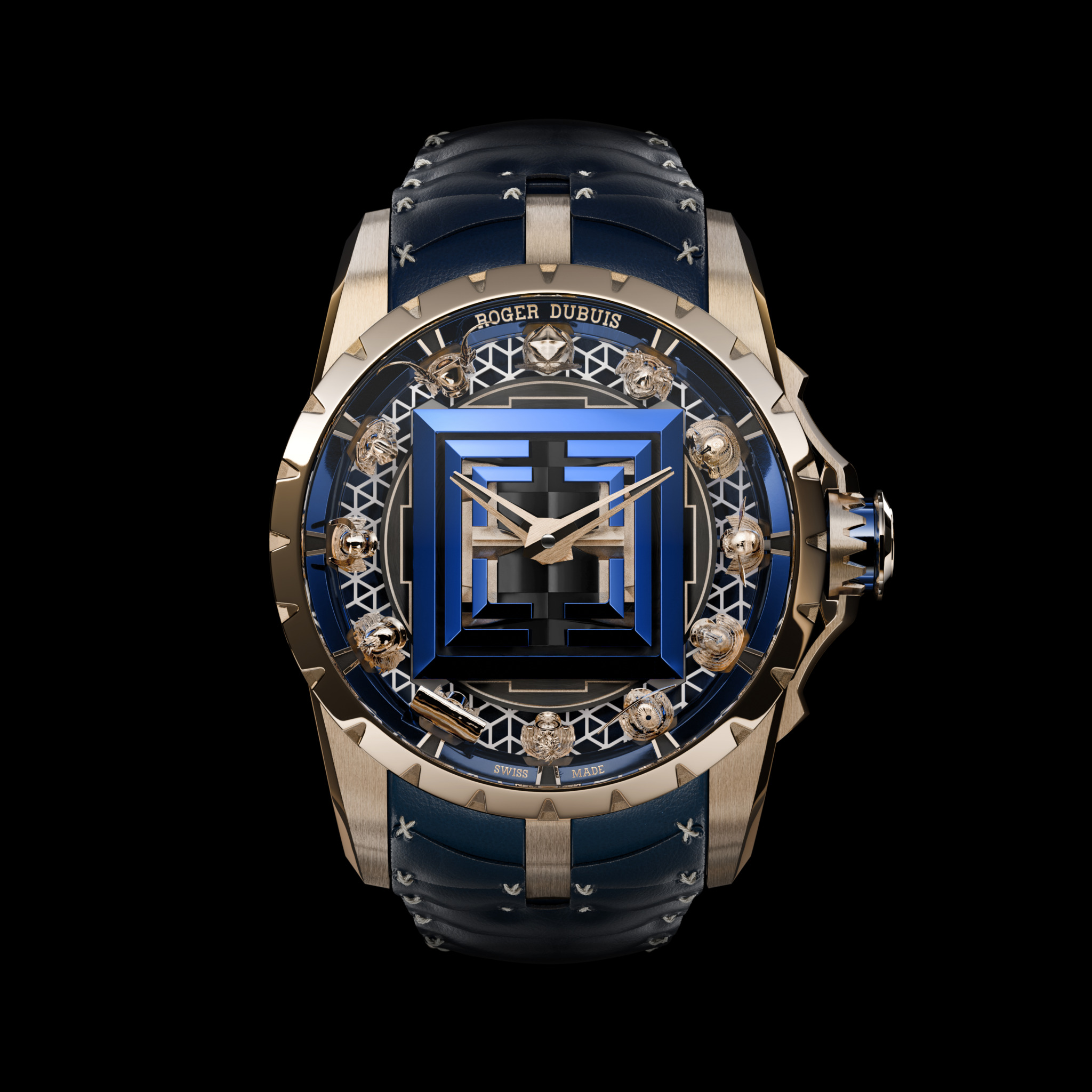
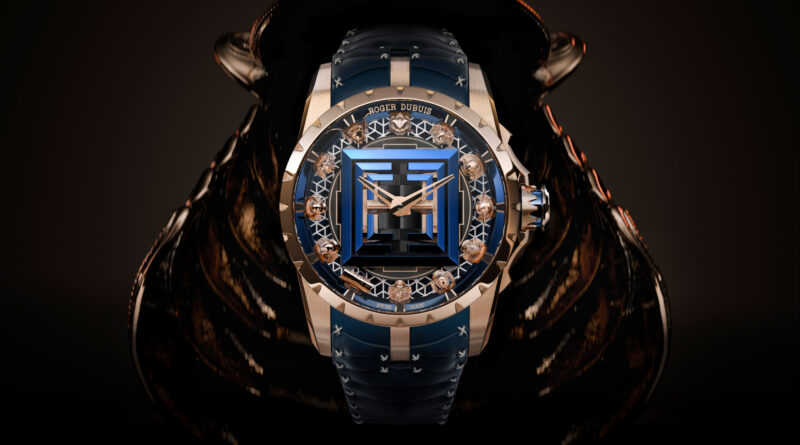
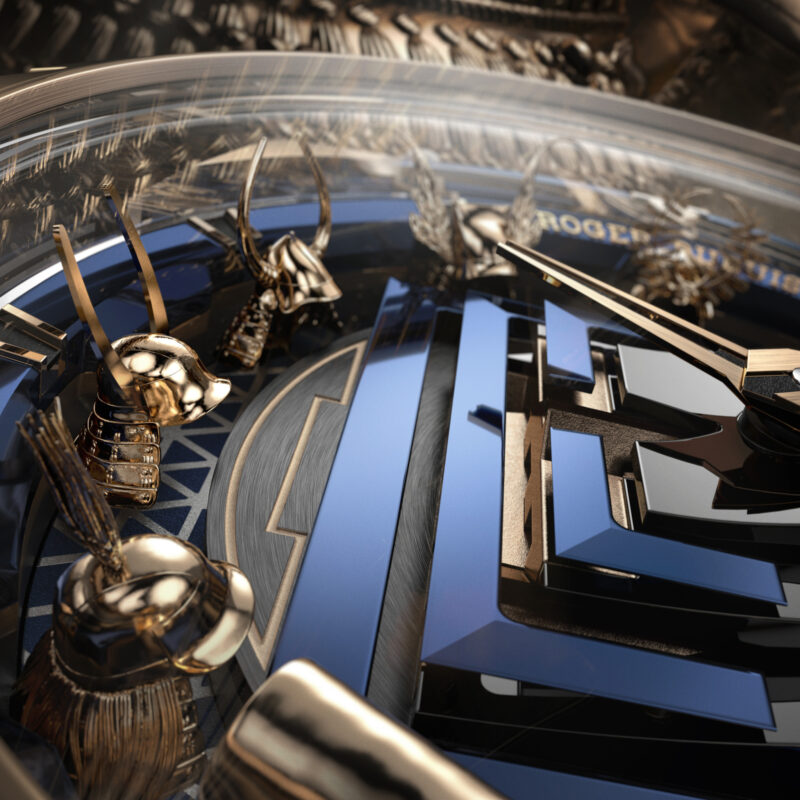
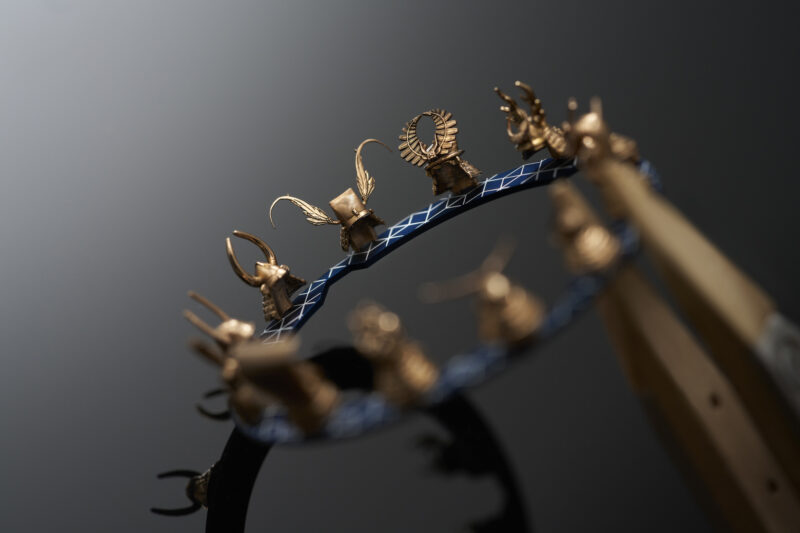
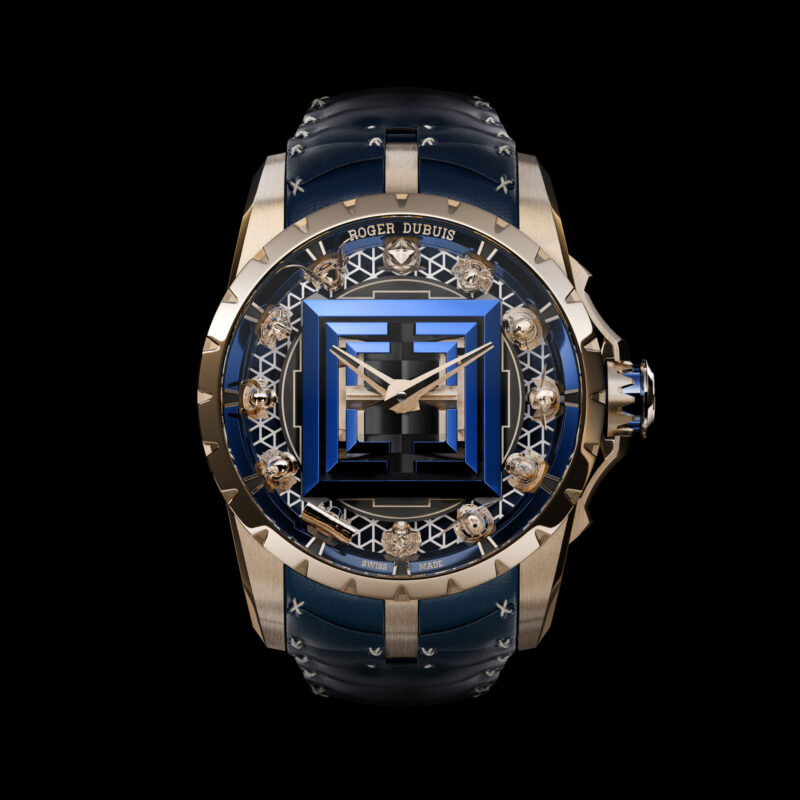
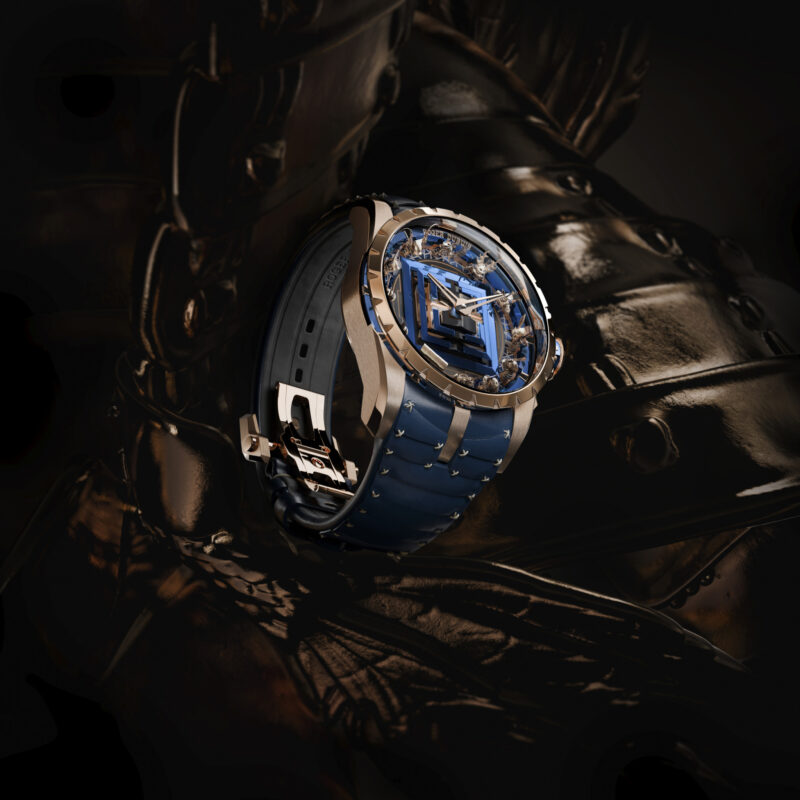
Excalibur The Kabuto Legacy is a substantial piece of hardware, especially considering its 45mm case is made of 18K pink gold. However, with this kind of micro-engraving, you need room for the work to shine. Unlike its counterparts, it doesn’t use miniature hand-sculpted figures for its hour markers; instead, it features hand-sculpted kabuto, or samurai helmets. Traditionally, kabutos served as protective armor, but they were also individualized to act as identifying marks in battle. In the thick of combat, a samurai could identify a commander by his helmet’s distinctive ornamentation.
Photography courtesy of Roger Dubuis
Here, the kabutos represent 12 commanders from Japan’s unification and the establishment of the Tokugawa shogunate in the early 17th century. To ensure historical accuracy, Roger Dubuis also consulted Frederik Cryns, a professor of Japanese history who served as a historical consultant on the television series Shōgun. His expertise helped inform the interpretation of the commanders and their helmets.
Photography courtesy of Roger Dubuis
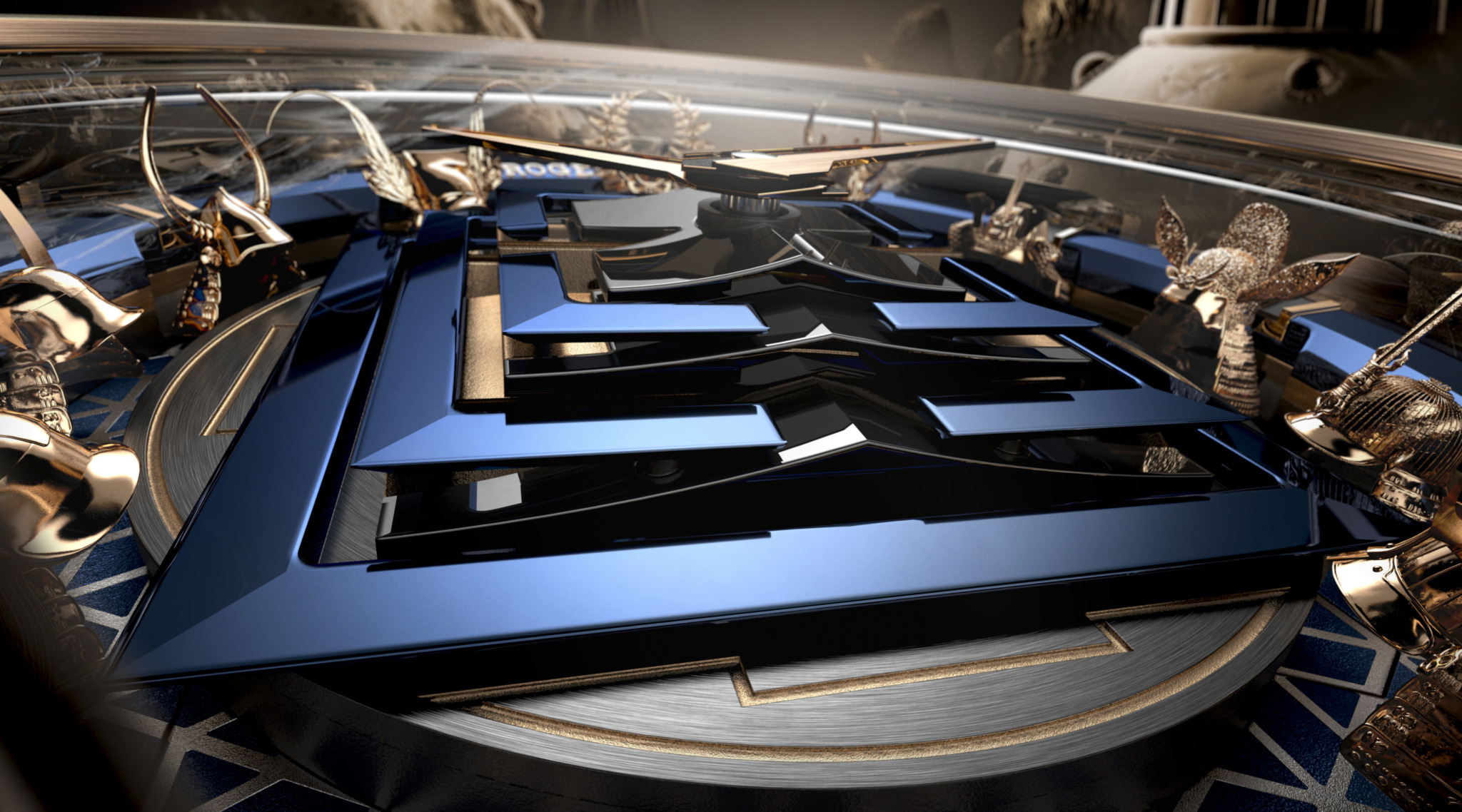
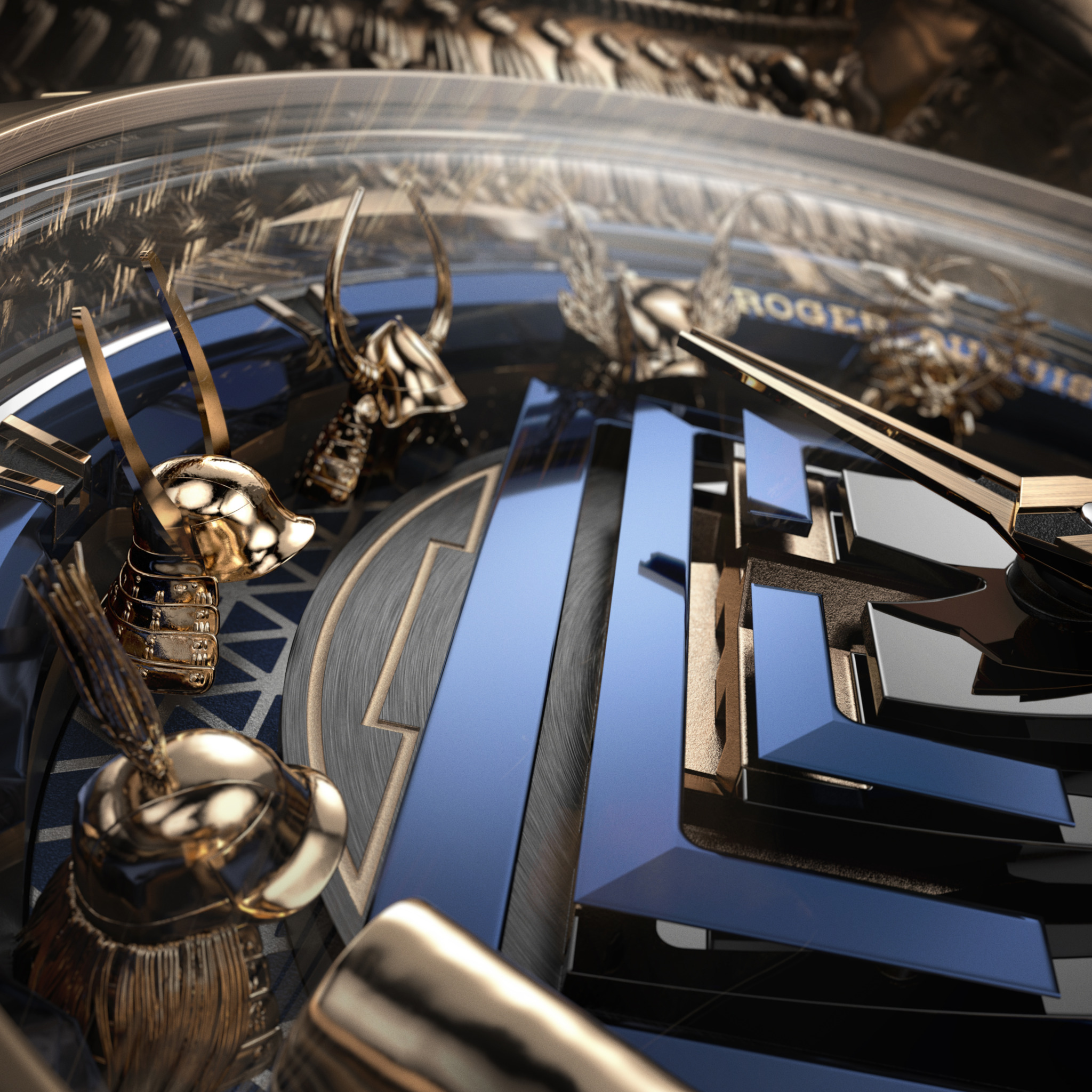
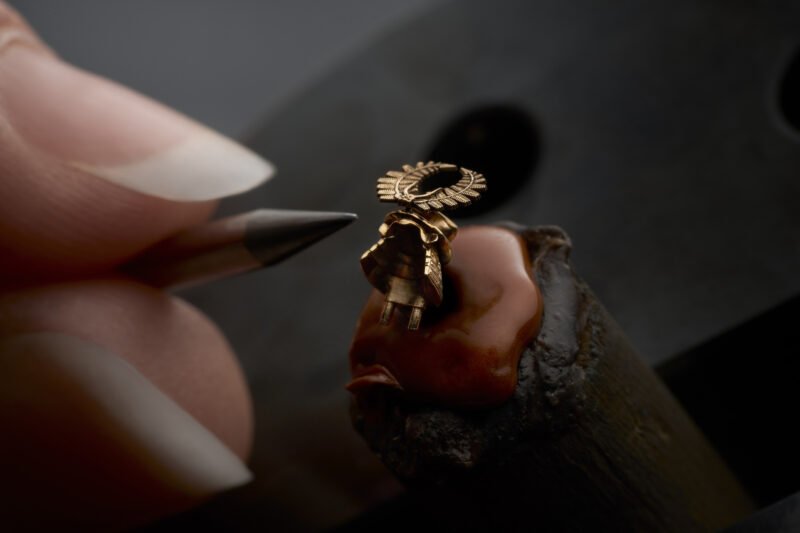
The circle begins at 12 o’clock with the shōgun, Tokugawa Ieyasu—one of the leading architects of unified Japan, whose kabuto features a fern symbolizing prosperity and longevity. The Four Heavenly Kings of the Tokugawa—legendary samurai commanders who fought alongside Ieyasu—are depicted at the 1, 2, 4, and 9 o’clock positions, flanked by other noteworthy figures of the period. The detail in each helmet is remarkable: Each is micro-sculpted from 18K pink gold and hand-engraved, requiring two to three days of work.
Photography courtesy of Roger Dubuis
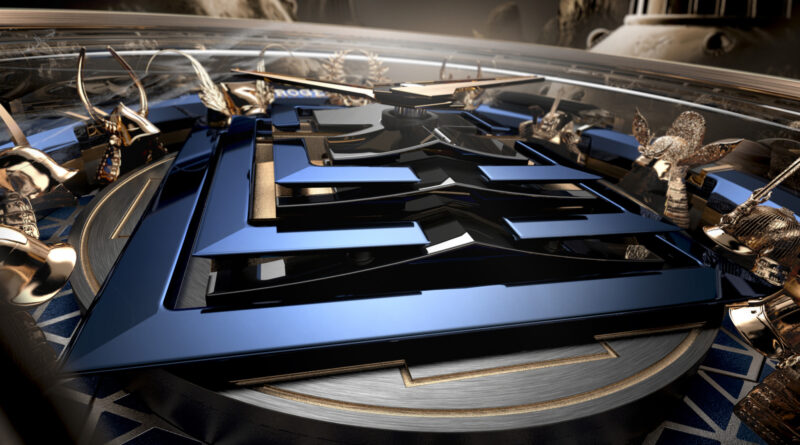
At the center of the dial sits an abstract interpretation of Edo Castle, finished in a deep blue reminiscent of the indigo dye traditionally used in samurai garments. The landmark was home to the Tokugawa shōgun and served as the center of the Japanese government during the Edo period. The miniature structure’s layered construction incorporates several finishing techniques, including polishing, circular brushing, and shot-blasting, to distinguish the individual architectural elements.
Photography courtesy of Roger Dubuis
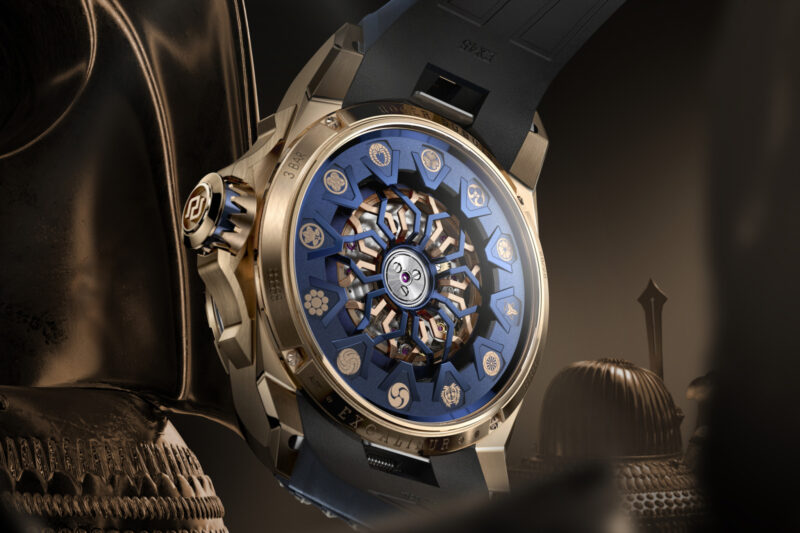
With so much handwork and traditional craftsmanship going into these pieces, one almost forgets the technical expertise beneath the art itself. The watch is powered by the Roger Dubuis RD821 self-winding caliber, which features 14 distinct finishing techniques applied to the movement components. Like other certified Roger Dubuis timepieces, this piece also receives Poinçon de Genève certification, which establishes standards for craftsmanship, finishing, and mechanical performance in Geneva watchmaking.
There’s no arguing that the Knights of the Round Table series from Roger Dubuis will always be a bit niche in terms of market appeal, but there’s something to be said for the brand’s continued investment in traditional craftsmanship and its willingness to reinterpret those techniques in unexpected ways.
Photography courtesy of Roger Dubuis
The Roger Dubuis Excalibur The Kabuto Legacy is limited to 28 pieces, with pricing available upon request.