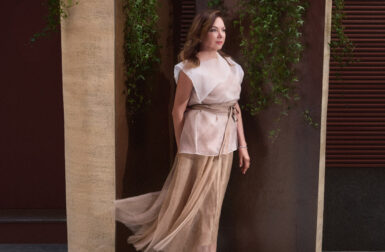


Yuwen Peng’s 25 years of architectural experience in hospitality, restaurant, retail, and entertainment design have shaped projects around the globe. Based in CallisonRTKL’s Los Angeles office, her human-centric approach to a wide range of social spaces has led to cross-sector innovations and a long list of notable clients, including Wolfgang Puck Restaurants, W Hotels, Lucky Strike Lanes, 7-Eleven Lab, McDonald’s, and Starbucks prototypes.
Passionate about the food and beverage industry, Peng works to find solutions that keep restaurants profitable, blur the lines between restaurants and retail, and create spaces where people feel like they belong. In the built environment, she’s involved in sustainable and community-building approaches to design. According to Yuwen, the more we cross boundaries to ask questions and learn from each other, the more innovation happens.
Today, Yuwen Peng is joining us for Friday Five!
Photography by Yuwen Peng
1. Art
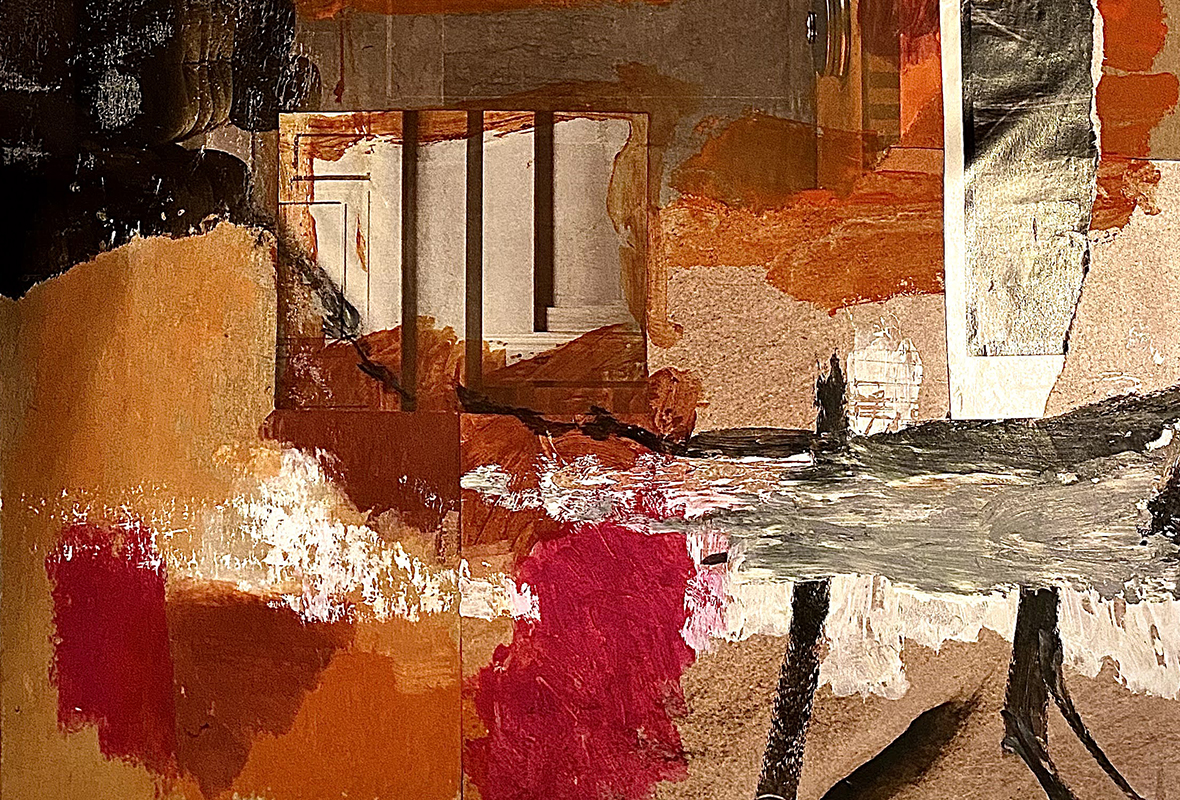
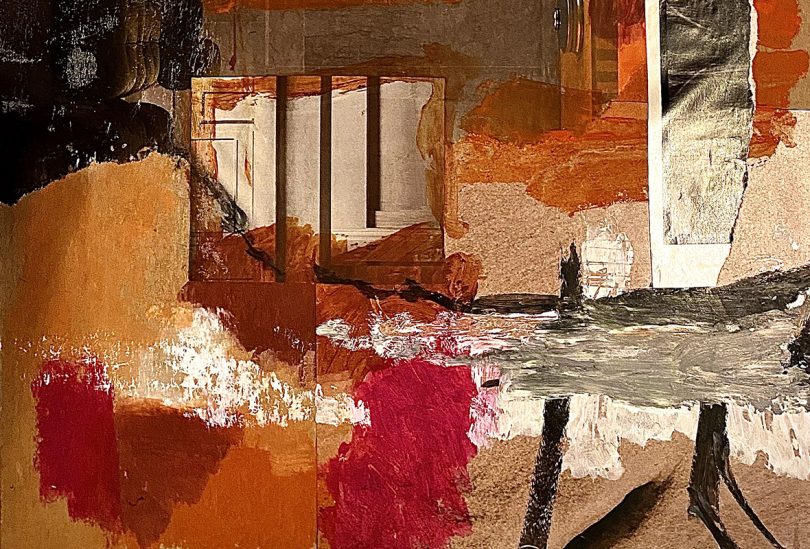
Making art is about switching to play mode and not being afraid of making mistakes; I love drawing outside the lines and creating messy textures. It is freeing and liberating. Looking at art always reminds me not to take life so seriously, and that it’s okay to make mistakes. Pictured is my own collage made with scrap magazine pages and crayons over pizza box cardboard. Without anything specific in mind, I simply have fun and use what’s around me to explore space, form, texture, and draw outside of the lines. The process is freeing, allowing me to follow my mind in the moment and the primal satisfaction of connecting my mind to my hands.
Photography by Yuwen Peng
2. Meditation
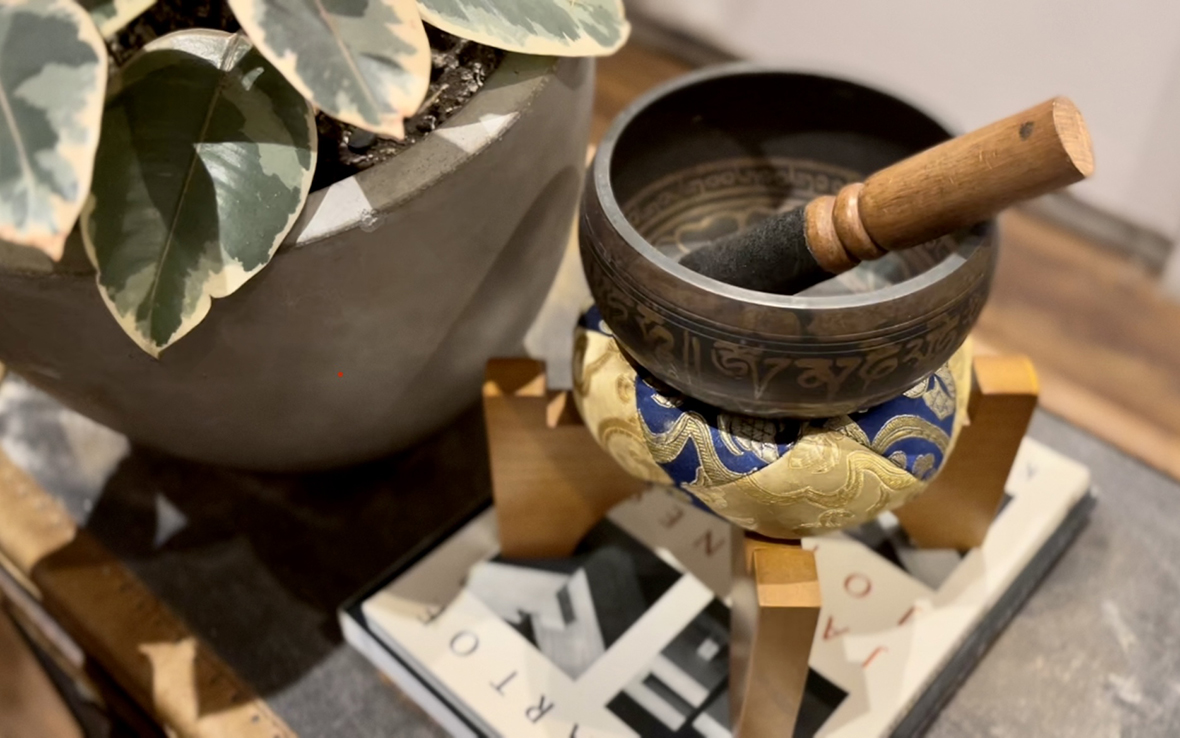
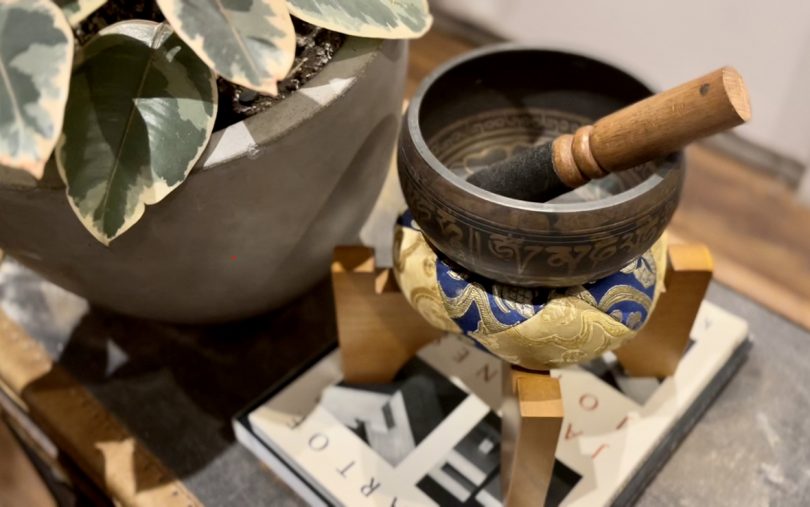
The busier my life gets, the harder I try to slow down and get back to a place of calm and peace. To combat hectic days, I started practicing meditation about five years ago. I love playing the Tibetan singing bowl (pictured above) during meditation. It is like a mental detox to give my mind a mini vacation. Once I ring the gong, it transforms my mind from a reactive self to a pause capsule. Every now and then I will reach the bliss of my inner strength. The outcome is always a clearer new solution or an untapped perspective.
Photography by Yuwen Peng
3. Yoga
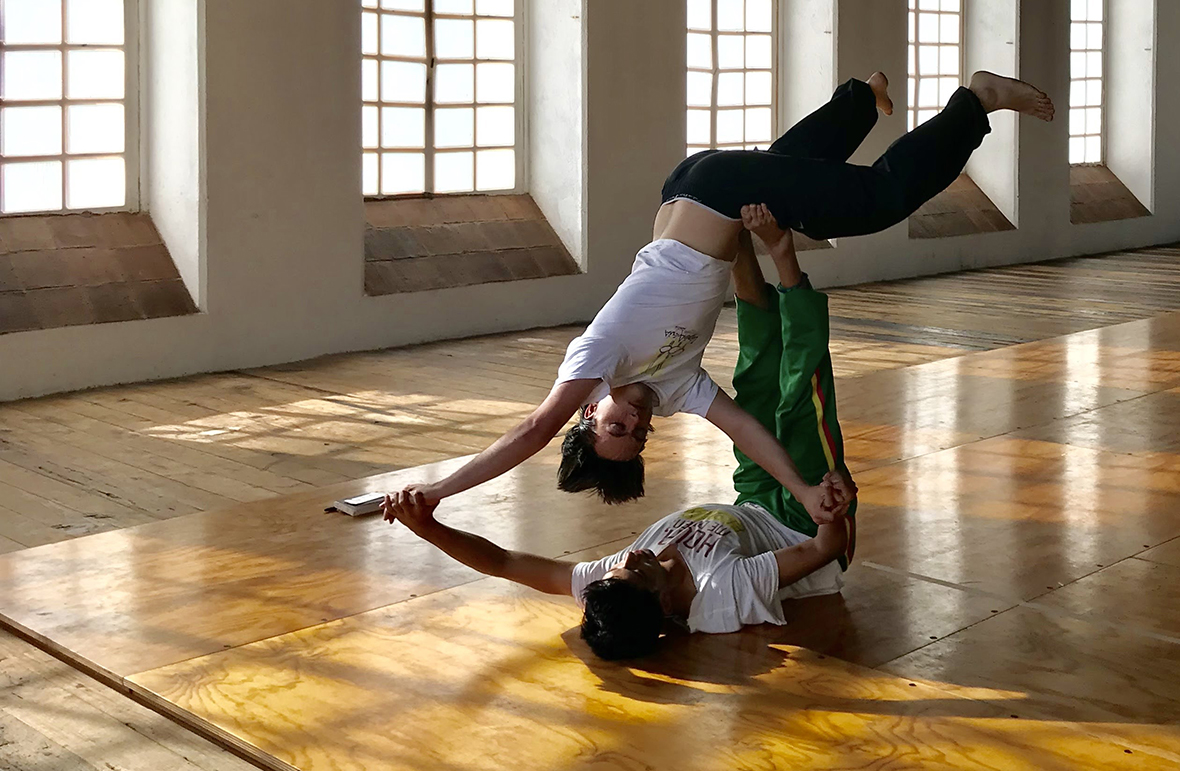
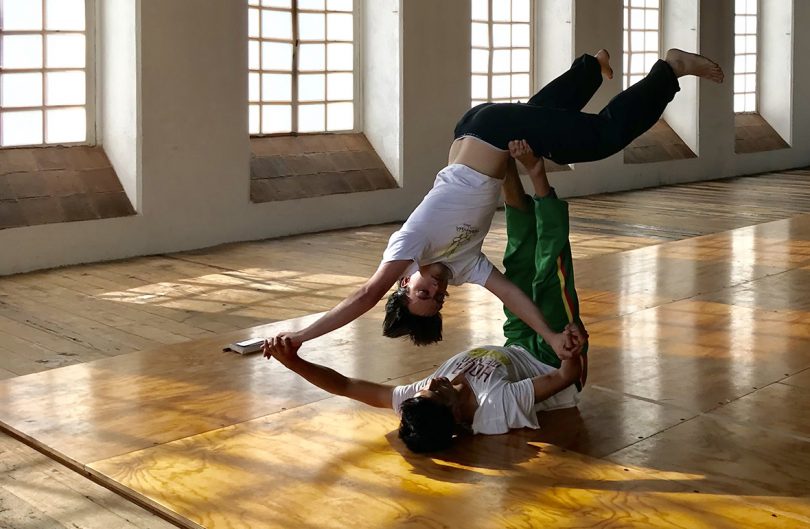
I love the feeling of bowing down to the earth and the flow state. Nothing beats a good sweat to help me sleep, think, move, and reset. As a child, my mom took me to yoga, but I lost the practice as I grew up. I got back to it after graduating college; it’s been a rewarding 20+ years. Yoga has given me a better work/life balance. It requires me to be more efficient at work and finish on time to get to class, and it often leads to family dinner time. Yoga has so many fringe benefits beyond good exercise, like spiritual connection, a deeper understanding of my own body, and a good night’s sleep! I try to practice two to three times a week.
Photography by Yuwen Peng
4. Off-Road Desert
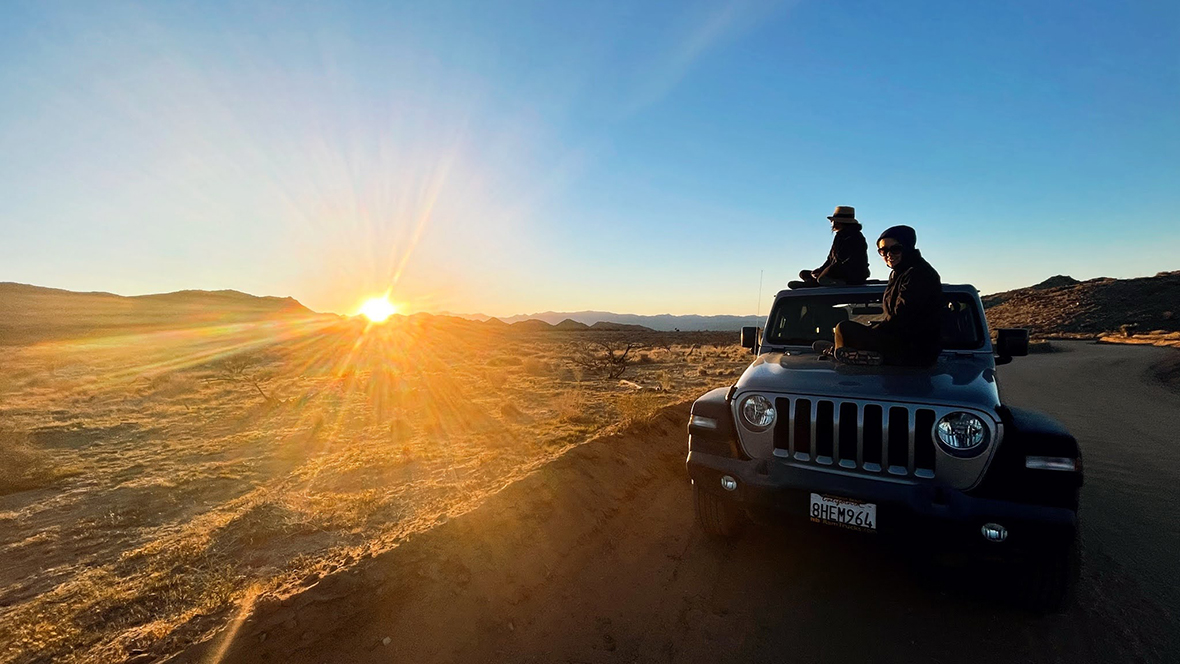
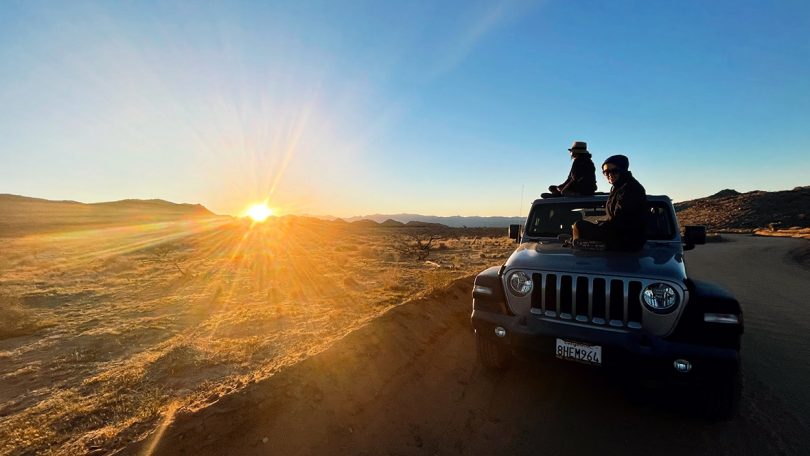
There is a saying in the outdoors community, “Bad roads lead to good tourists, and good roads lead to bad tourists.” When I venture off the beaten path, I see how the vastness of the desert contrasts so much with our smallness as human beings. It creates a pure connection between humans and nature. The bond is very powerful, tender, and calm. The picture above is from a trip on the Joshua Tree Geology OHV Tour Road, where we were forced to go into the wild with no reception. There is an immediate escape from everyday life to a new reality. There is only the sound of nature and the rhythm of life. When you can drive and feel every bump of the road gently, you feel like you’re part of the earth. It’s the greatest reset for me.
Photography by Yuwen Peng
5. Community
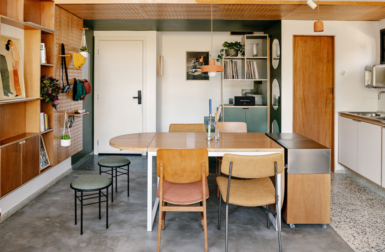
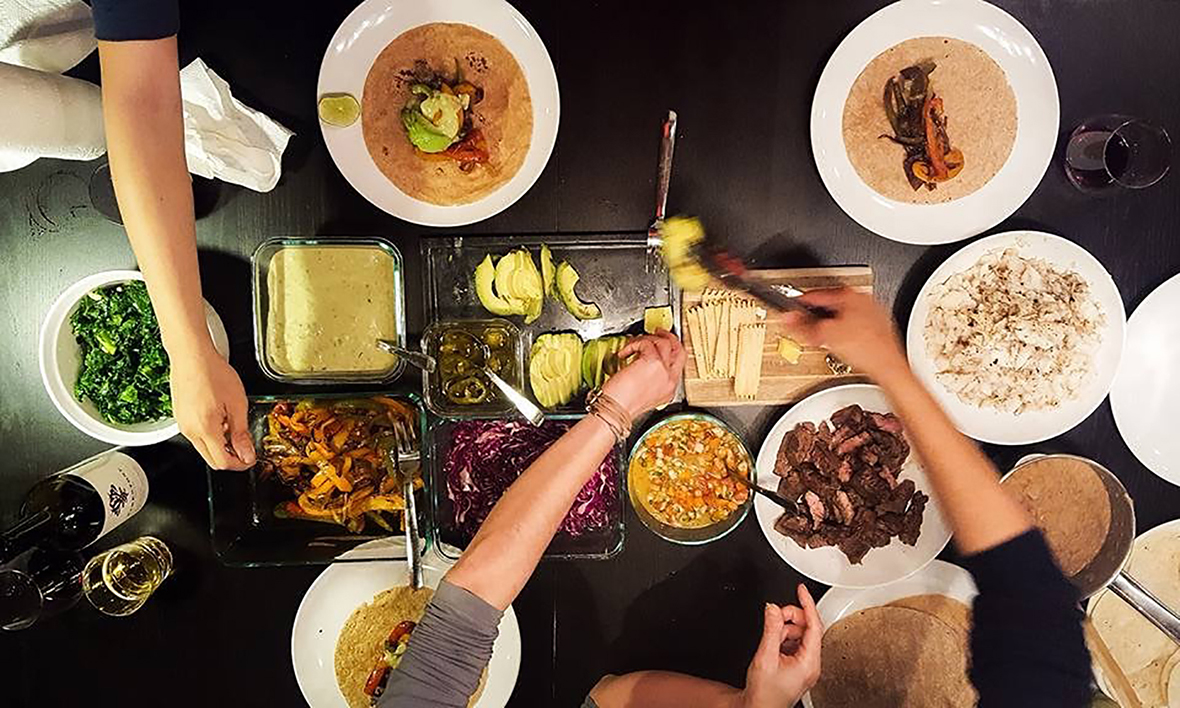
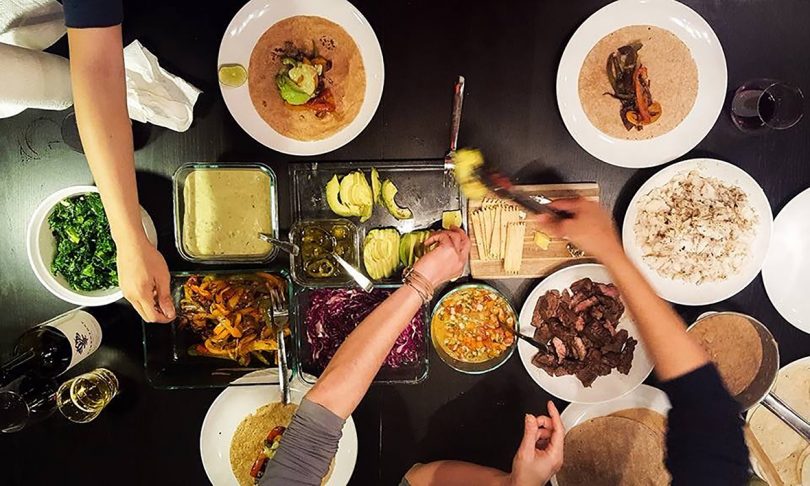
Growing up in my family’s department store in Taiwan, I was raised by a village of friends and neighbors. There was a sense that everyone had each other’s back, regardless of who we were. I learned a lot about respecting different points of view and running a family-owned business. Since moving to the U.S., I have continued that community mindset by hosting regular dinner parties at my house, where my family, friends, and neighbors prepare meals together from scratch. Slow cooking, appreciation of good food, and great companionship are my definition of a good life. A few of our closest friends are from different countries, and we travel to different places. We often cook a cuisine to celebrate the places we’ve recently visited. Pictured is a meal from a Mexican friend who grew up in Texas. She played the role of her grandma, directing us as a family assembly line of salsa-making, meat-grilling, and tortilla-heating to make TexMex chicken and bean soup.
5 Works by Yuwen Peng
Photography by Aaron Leitz Photography
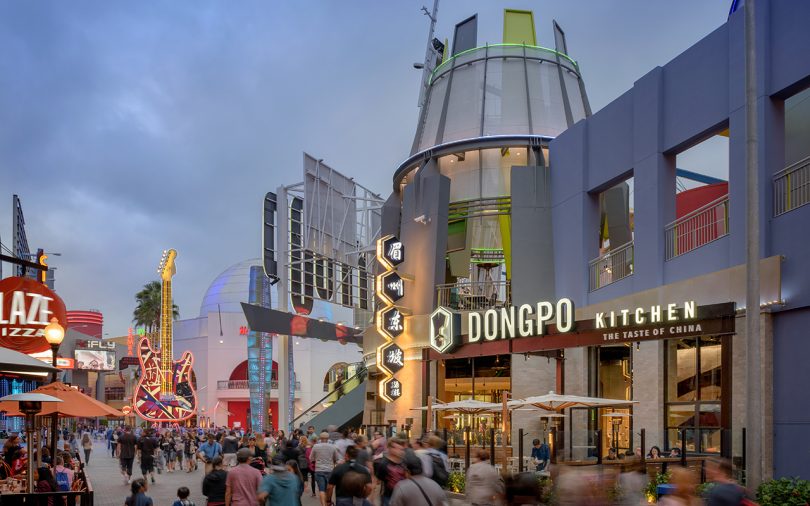
1. Dongpo Kitchen at Universal CityWalk, California
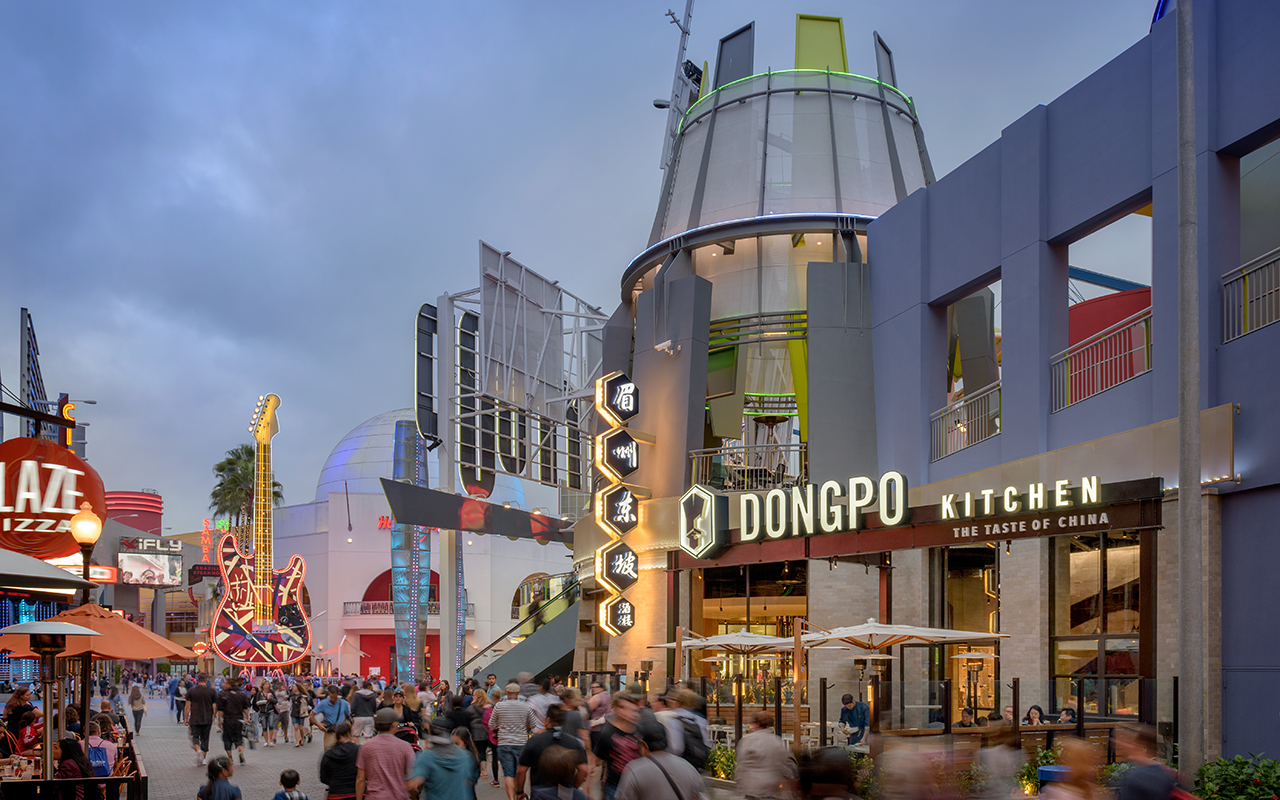
Dongpo Kitchen is a restaurant group across China looking to bring its traditional Szechuan cuisine to the North American palate. At its Universal CityWalk location, the restaurant deviates from its usual fine-dining atmosphere to create a visually appealing casual dining experience.
Photography by Lawrence Anderson Photography
2. JA Jiaozi in Irvine, California
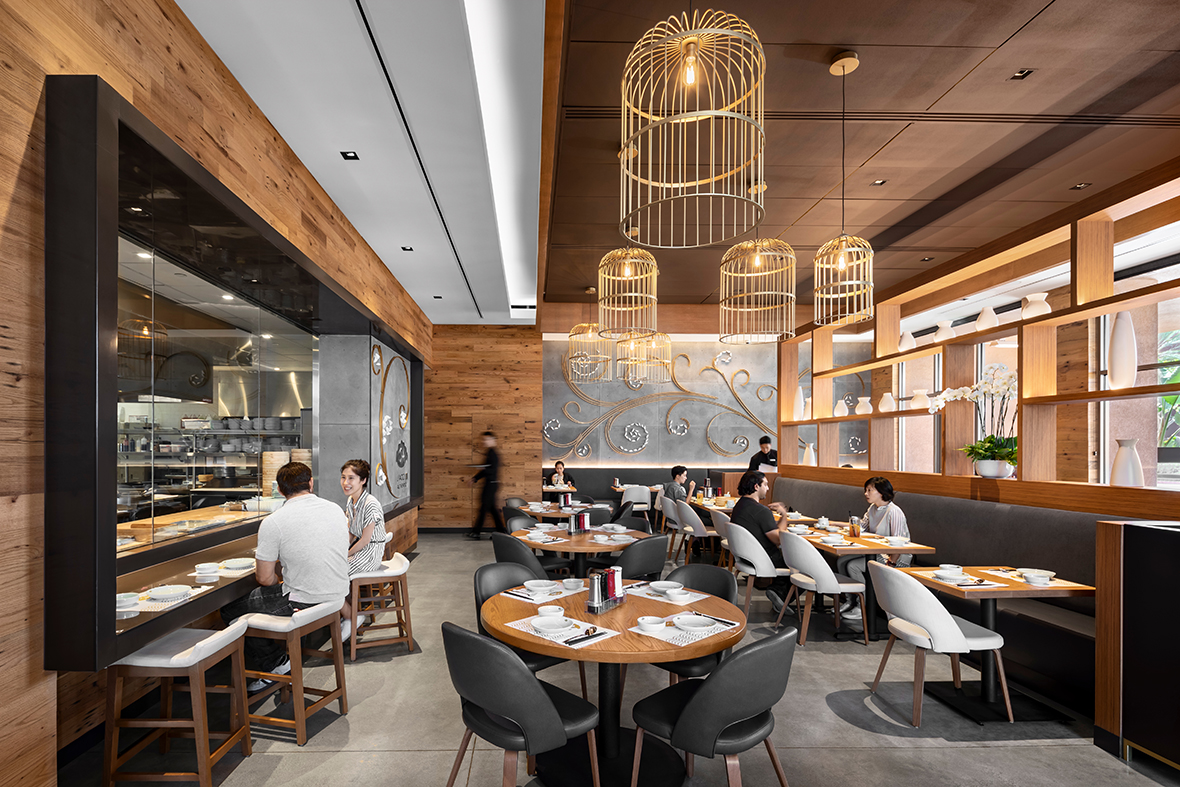
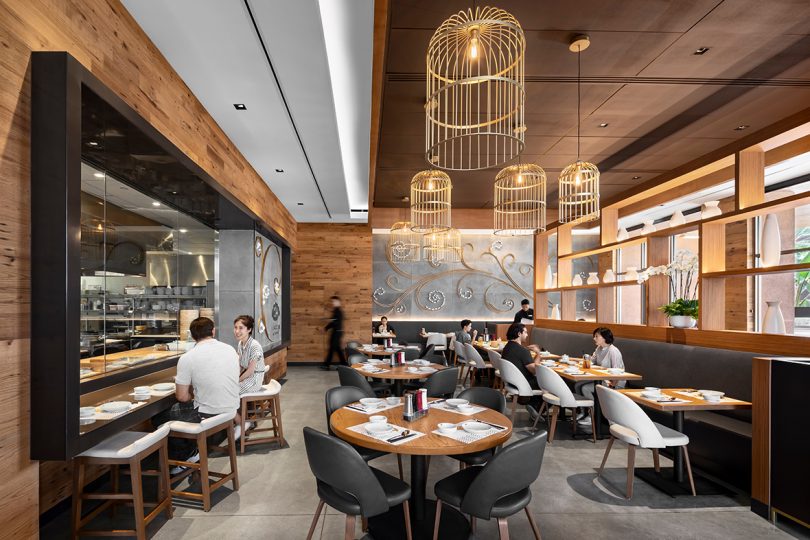
The recently debuted JA Jiaozi Authentic Dumplings restaurant in Irvine, California, marks a new chapter for the well-established Chinese brand, which has hundreds of locations in China. At CallisonRTKL, we created a fresh branding aesthetic and strategy—and designed the restaurant’s interiors to reposition the brand and introduce it to a new market. Jia—meaning “home”—inspired the design. The main dining space is open, while the bar area allows diners to watch their food being made through a large glass window. The material palette is dominated by earth tones: Concrete floors and reclaimed oak help reinforce the natural theme. A feature wall made of concrete tile with ceramic, hand-sculpted dumplings visually anchors the back end of the space, making an artistic statement about the culinary offerings.

Photography by CRTKL/David Whitcomb
3. REI Co-op in Washington, D.C.
The historic Uline Arena, a sprawling brick masonry structure with a concrete barrel-vault roof in Washington, D.C., has been transformed into a mixed-use development space with REI as its first tenant. CallisonRTKL collaborated with REI to create a store design befitting the space, incorporating original arena seating as a wall installation. Wood panels used to cover the ice hockey rink during basketball games finish the east interior wall. Vintage posters honoring musicians and bands from D.C.’s go-go, punk, and bluegrass scenes create an art display rooted in the arena’s history. Indoor and outdoor event spaces, plus integrated food and beverage service, help build a sense of community and connection to the brand.
Photography by CRTKL/Yihuai Hu
4. The Hub at Shanghai Hongqiao International Airport
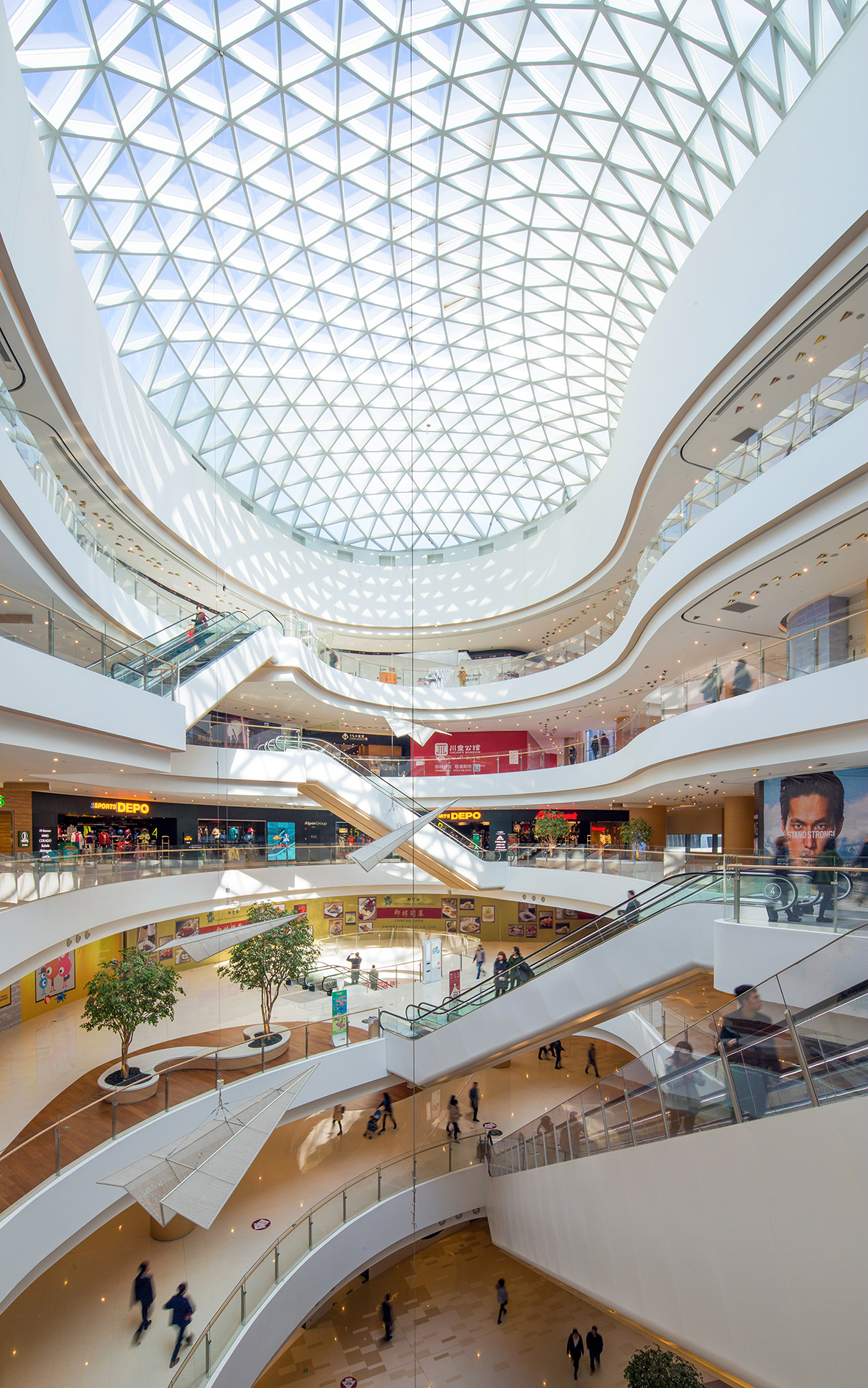
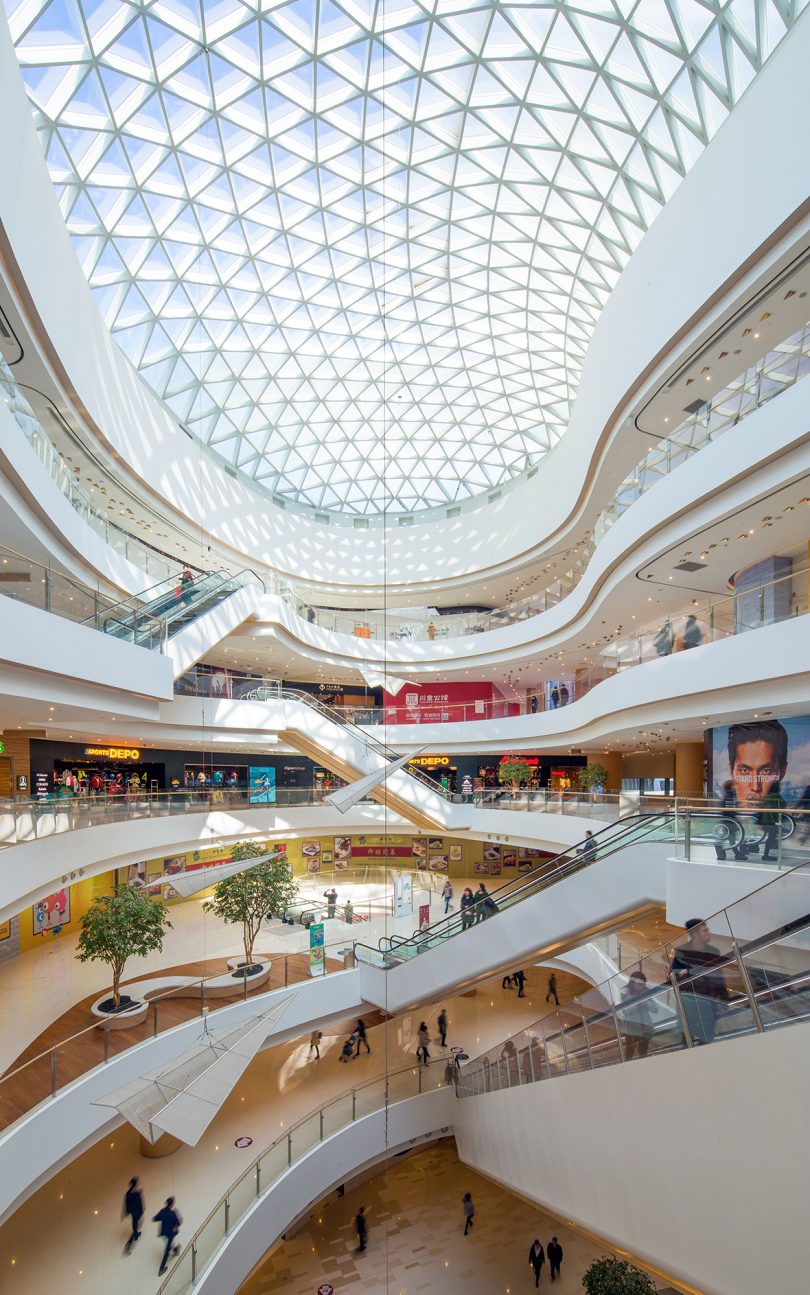
Shanghai’s 26-square-kilometer Hongqiao Transportation Hub is the world’s largest transit center. At its heart is CallisonRTKL’s design for The Hub, an urban oasis that offers an escape from the eight forms of transit that move up to 1.1 million passengers daily. The Hub offers guests time and space to escape and relax. Green spaces connect one functional area to another, easing navigation. Clean, contemporary interiors are complemented by abundant natural finishes and indoor landscaping. A series of overlapping openings and bridges connect each of the project’s eight levels, creating geometric patterns that shift and change as the space is experienced vertically. Mini retail districts, market-style food and beverage, and a VIP lounge with wine bars and a stunning view enhance the consumer experience. Unique amenities, such as a check-in station that lets passengers check their bags directly rather than going to the terminal, create synergy between spaces and increase efficiency. The Hub was designed to pursue LEED Silver certification.
Photography by CRTKL/David Whitcomb
5. Bowlero in North Brunswick, New Jersey
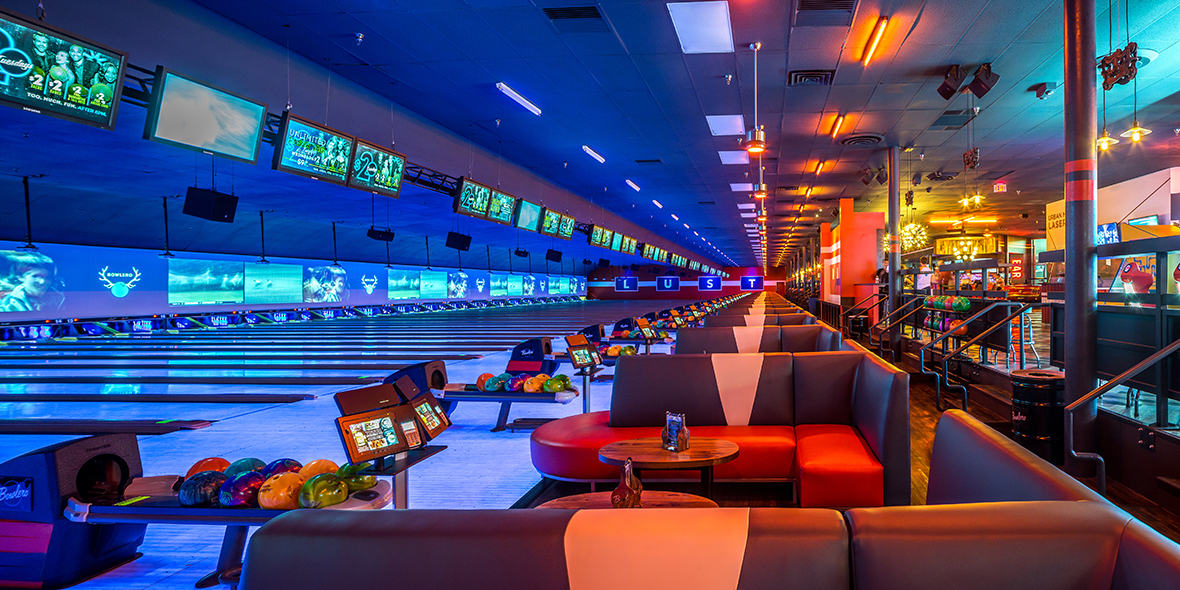
We wanted Bowlero to feel like much more than a traditional bowling alley, so we approached it as an immersive entertainment experience with a retro, slightly industrial edge. We mixed reclaimed dark woods and corrugated metal with vintage details, bold racing stripes, and playful moments like the 1969 Ford Mustang at the entrance. The bar, arcade, and bowling lanes were designed to flow together rather than feel like separate destinations, with custom elements like the boomerang-shaped bar and convertible drink ledges helping connect the spaces. Lighting was also a big part of the experience, shifting from the neon glow of the lanes to warmer amber lighting around the bar and social areas.