

Yep, you read that right. Insect byproducts.
Growing up in a family of beekeepers, Britain-based designer Marlène Huissoud was always intrigued by the idea of using insects and their waste streams to create artifacts.
Inspired by the viability of creating a symbiotic relationship between humans and insects, Huissoud looked at two insects in particular – the honeybee and the Indian silkworm.
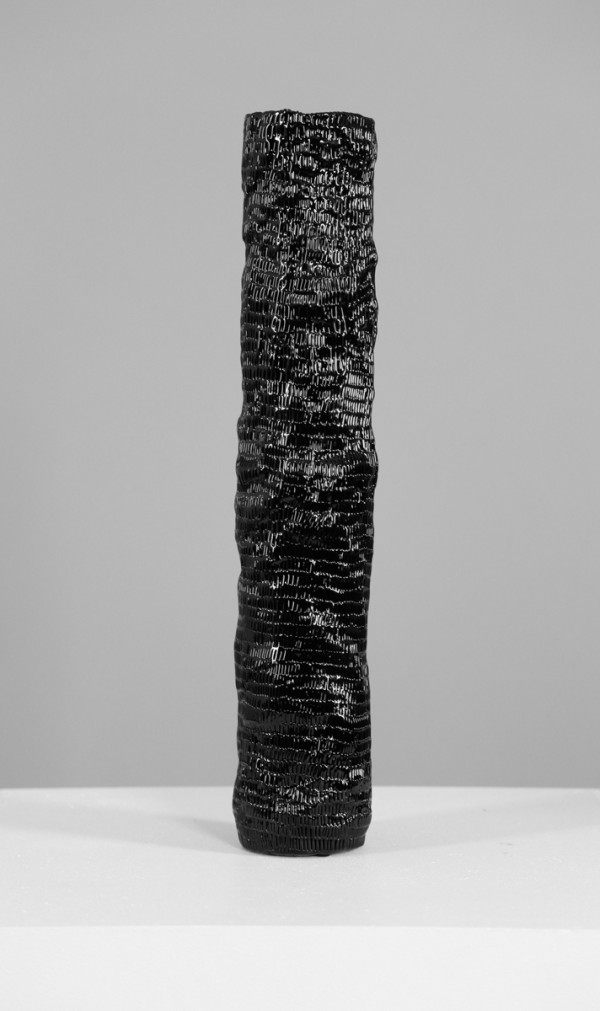
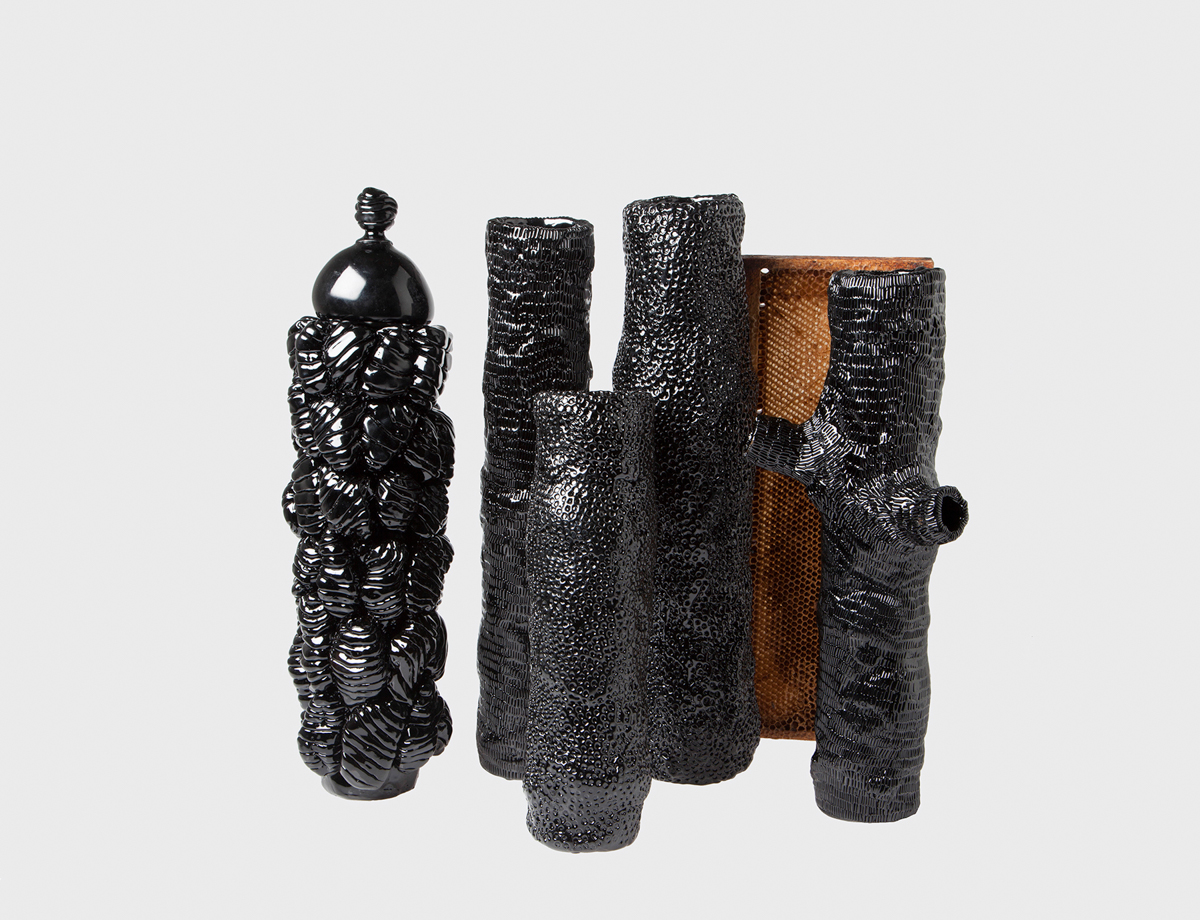
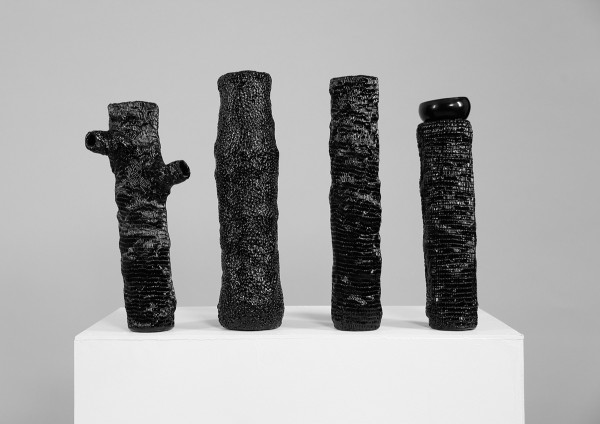
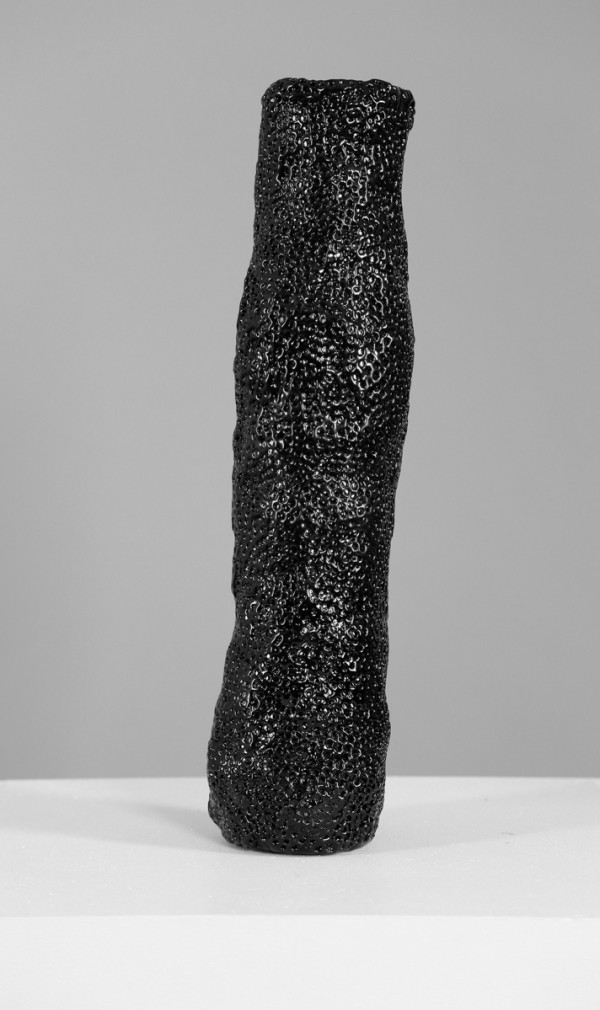
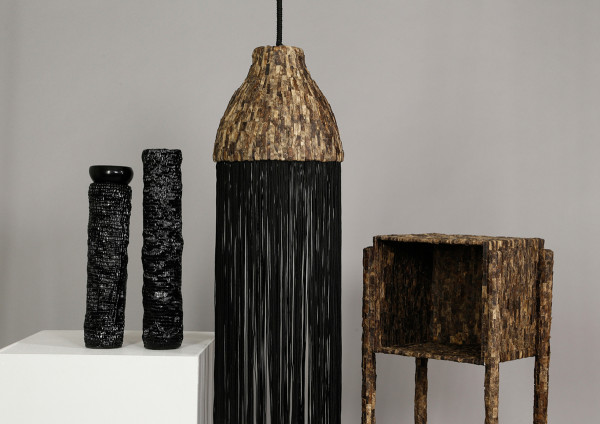
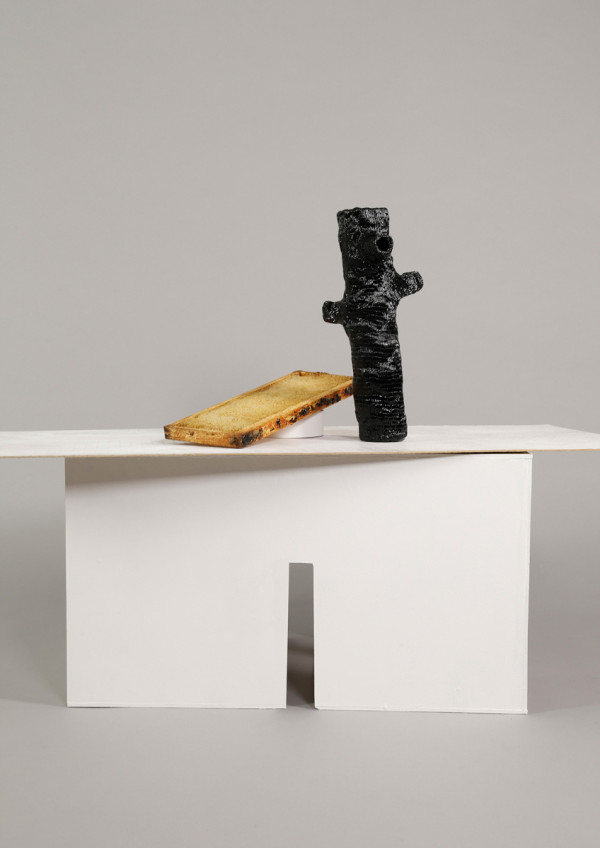
The everyday honeybee collects propolis, a resinous mixture gathered from sap. The honeybee uses propolis to seal their hive, and Houissad used it to create a collection of glass-like objects using a variety of glass manipulation techniques.

It results in mysterious, black objects with unexpected textures.
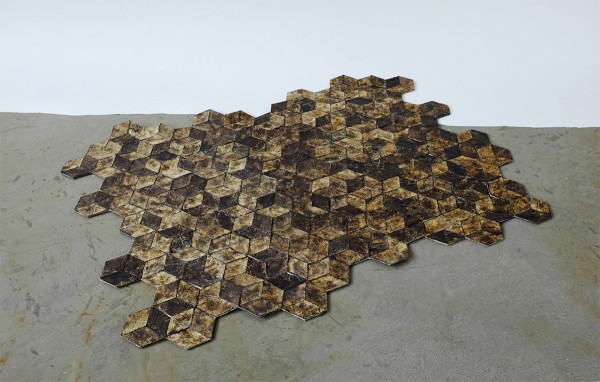
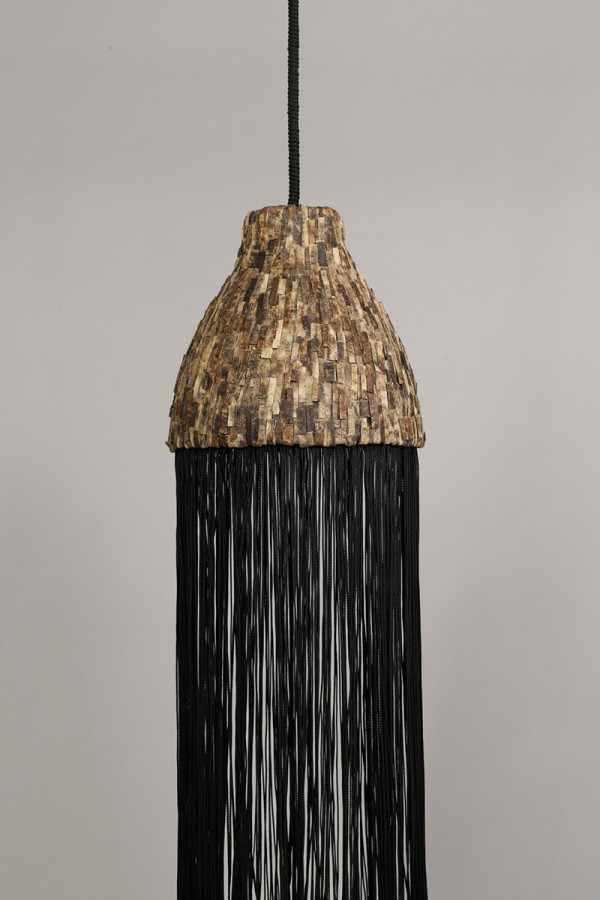
Indian silkworms create a hard cocoon that is discarded when they reach maturity. Composed of raw silk, Houissad extracted the individual silk fibers that includes a natural glue called Sericin.
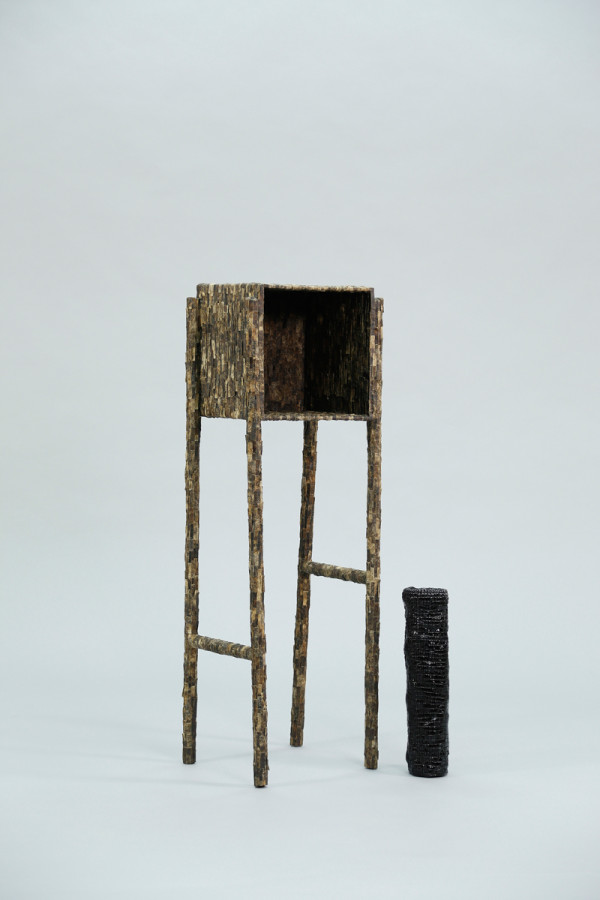
By activating the glue through heating the fibers and adding water, it creates a strong, paper-like material. Houissad further varnishes the paper with propolis, creating a wooden, leather-like material that can be used for a variety of designs – including furniture or even clothing.
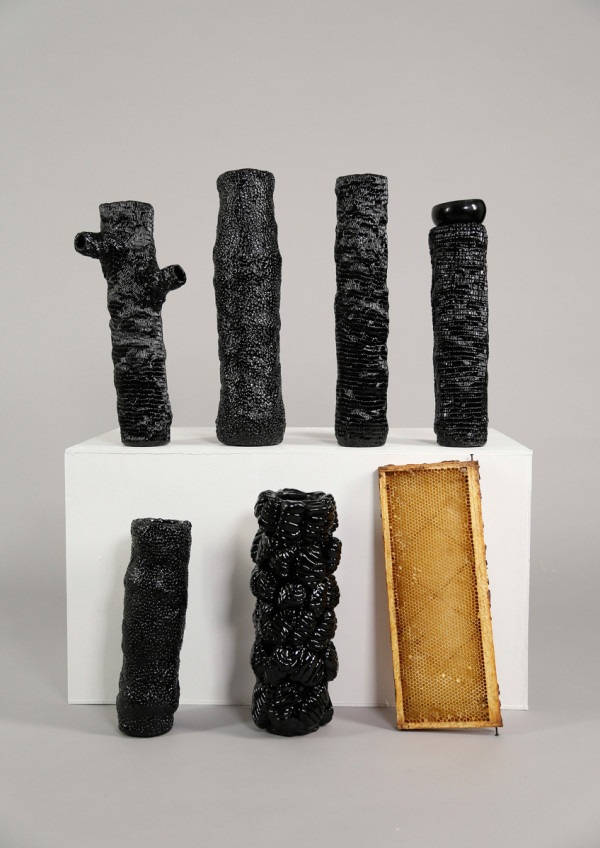
Take a glimpse of how it works below.
Photos by Yesenia Thibault Picazo & Helene Combal Weiss, Studio IMMATTERS.