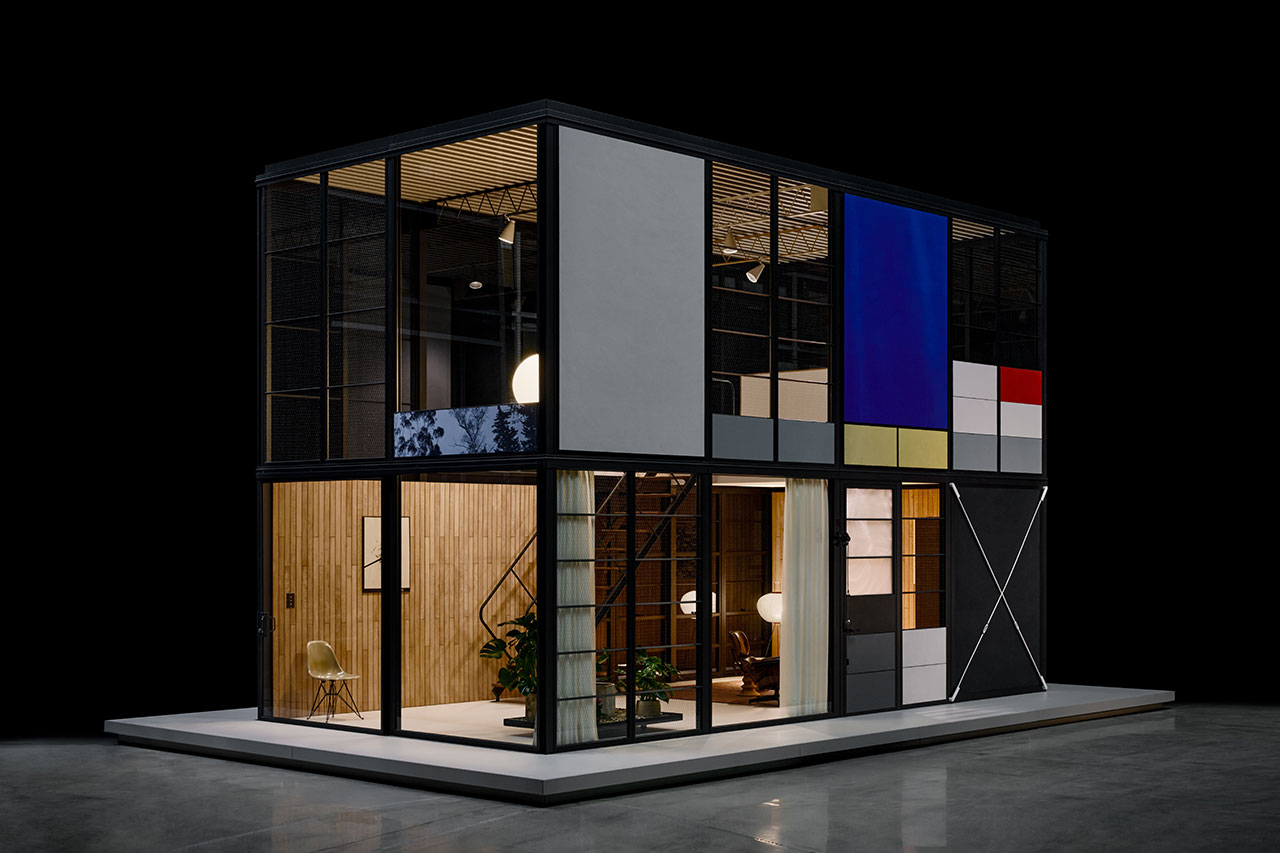
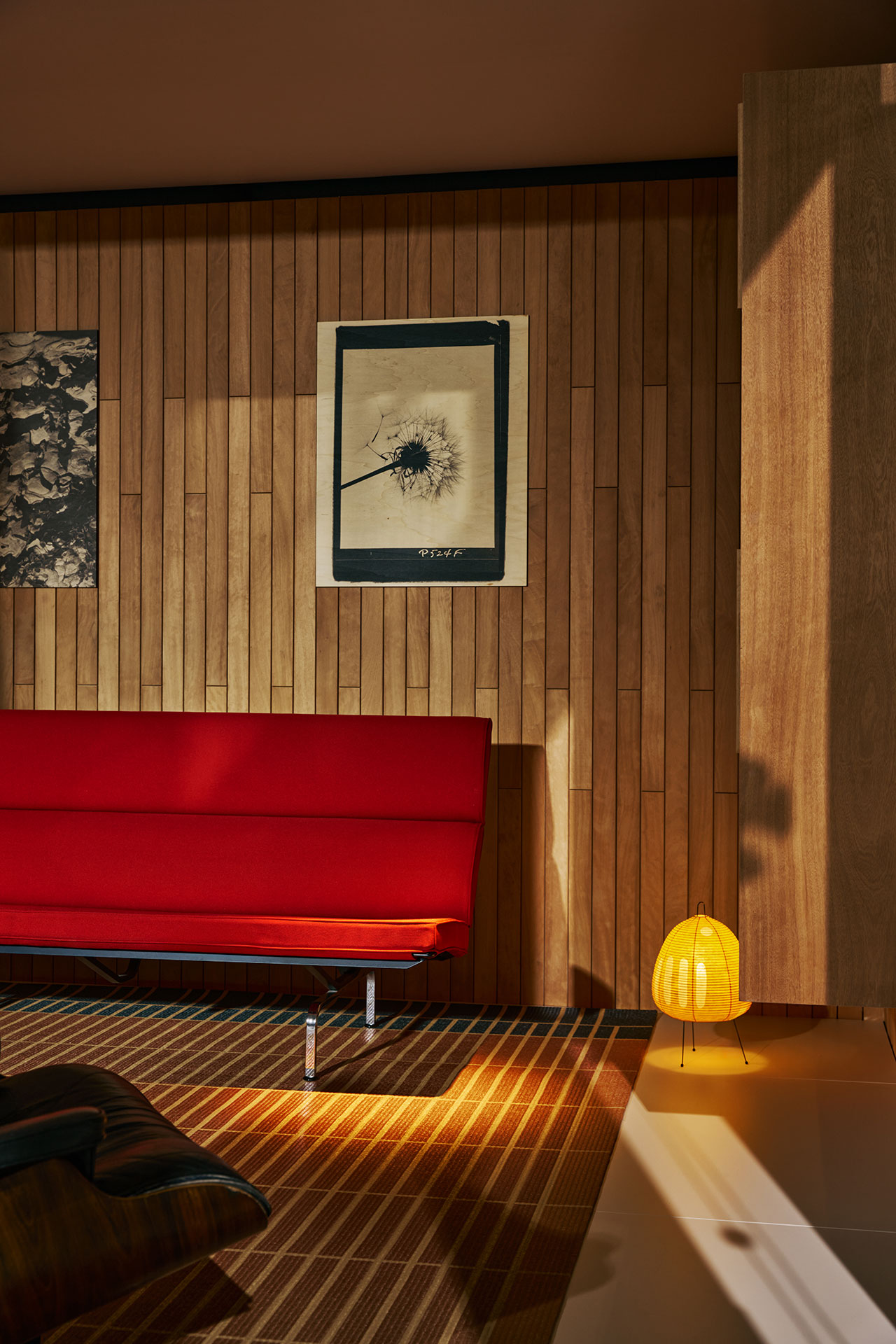
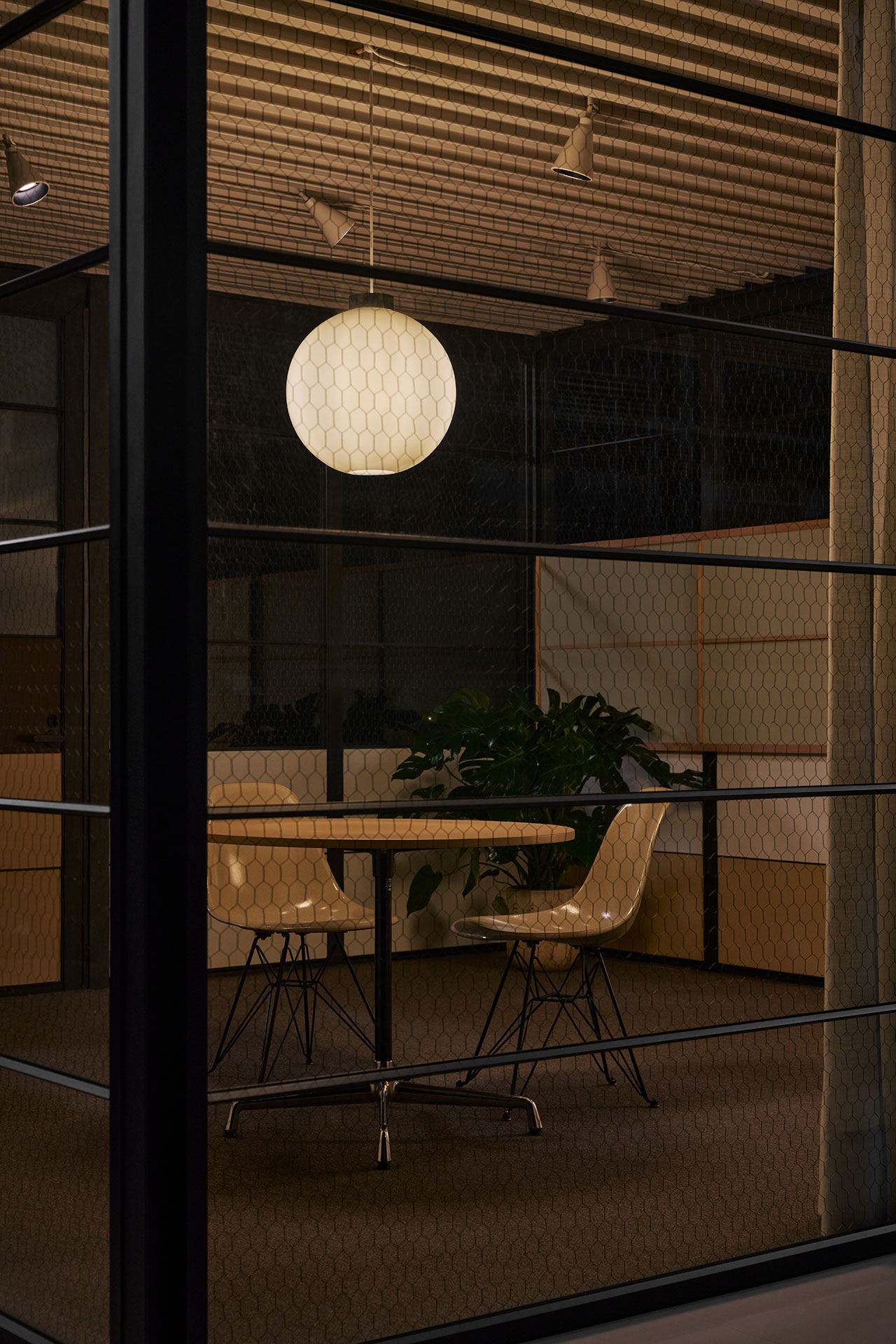
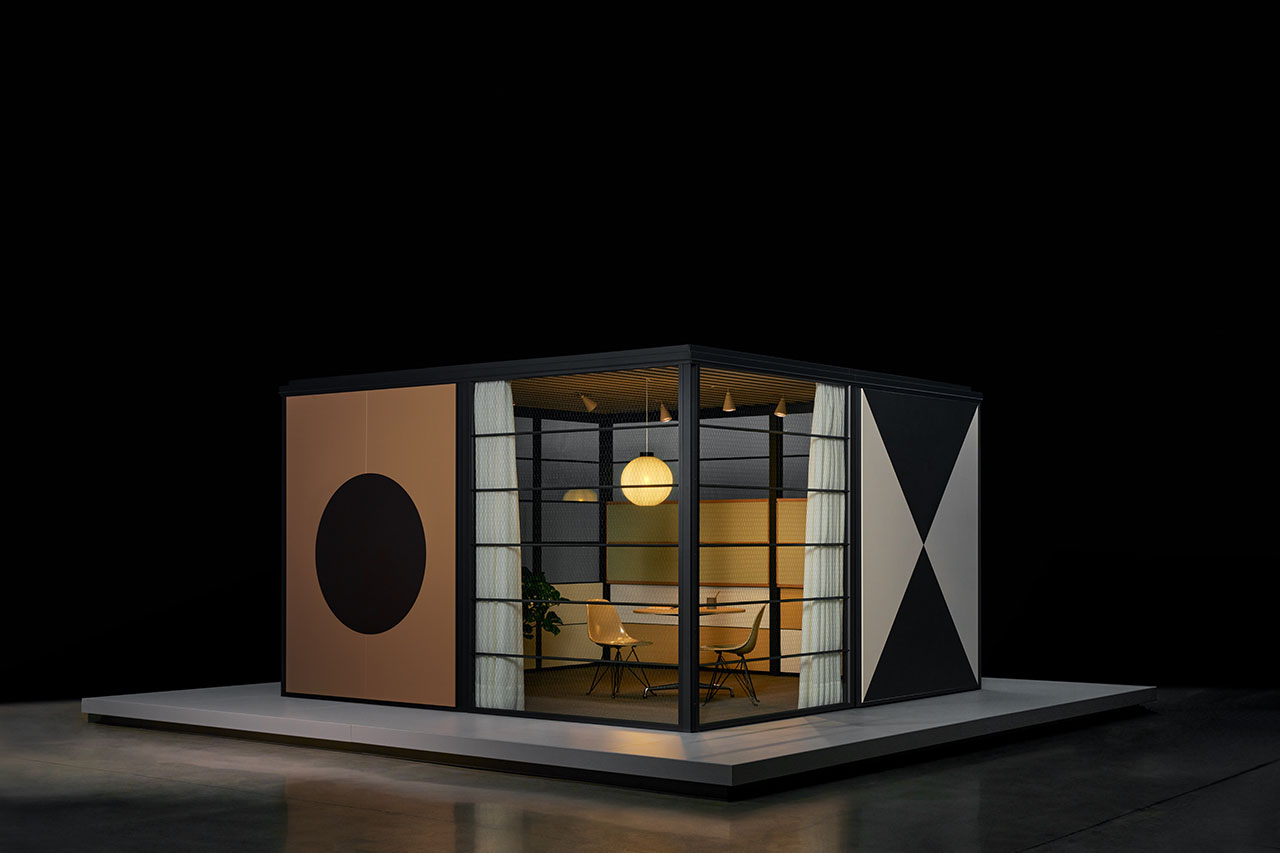
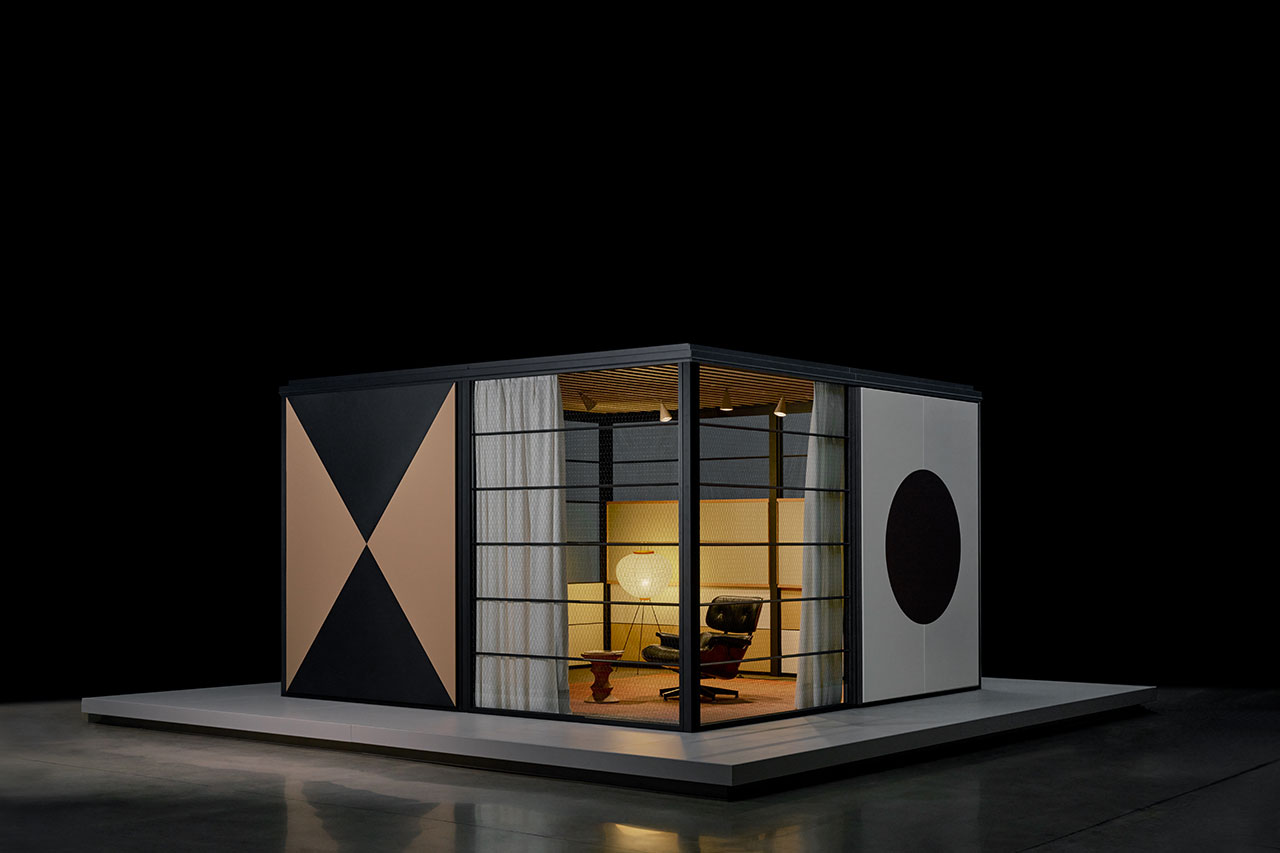
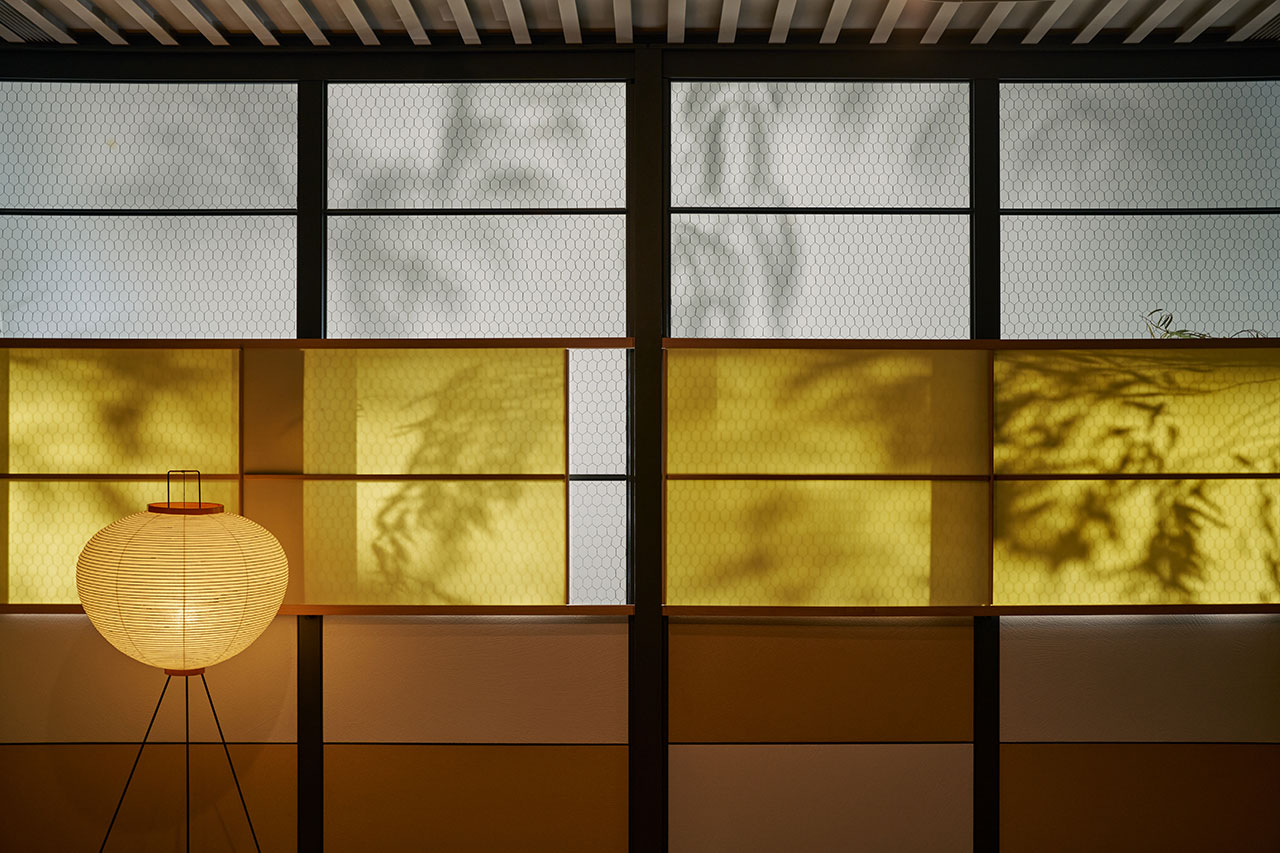
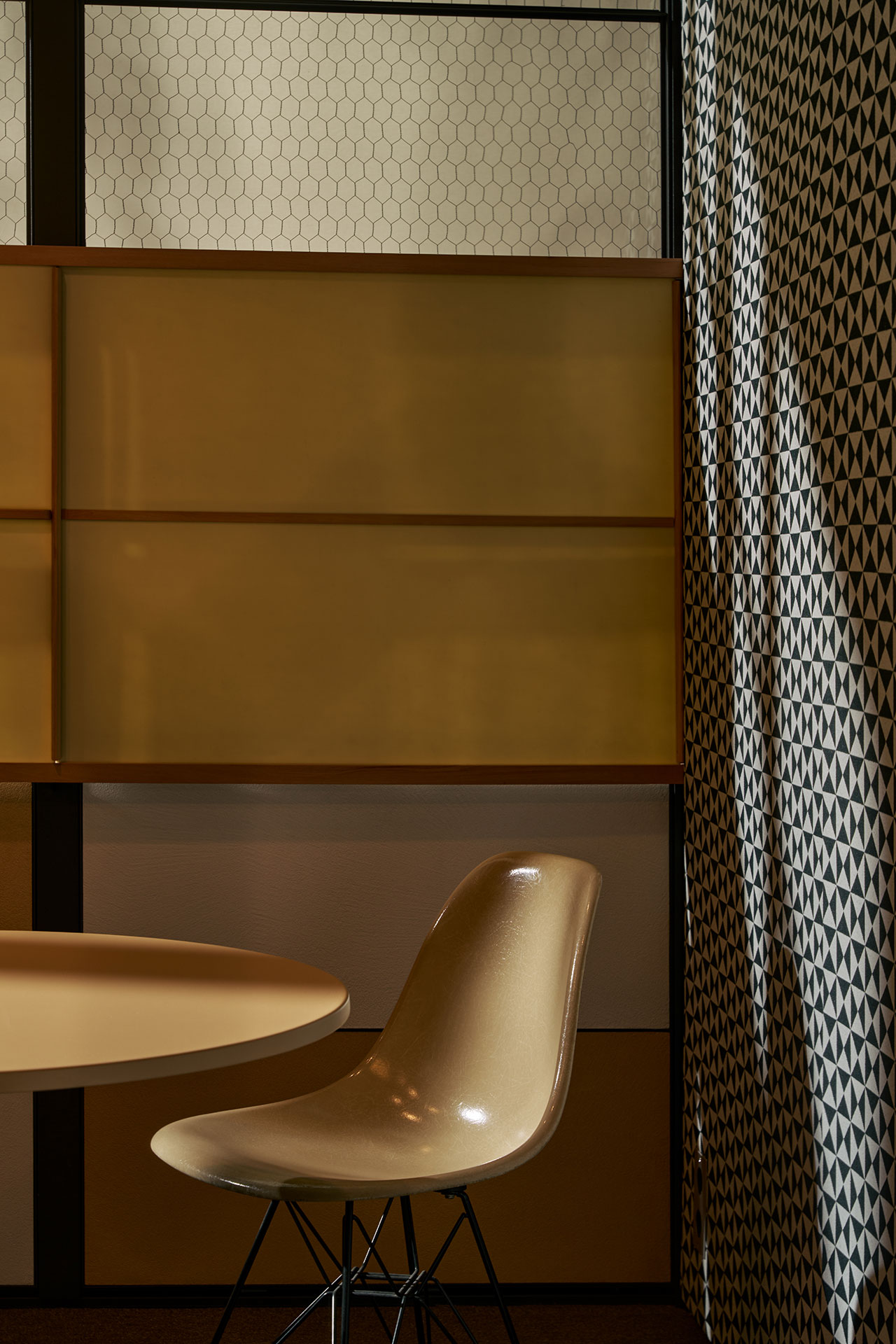
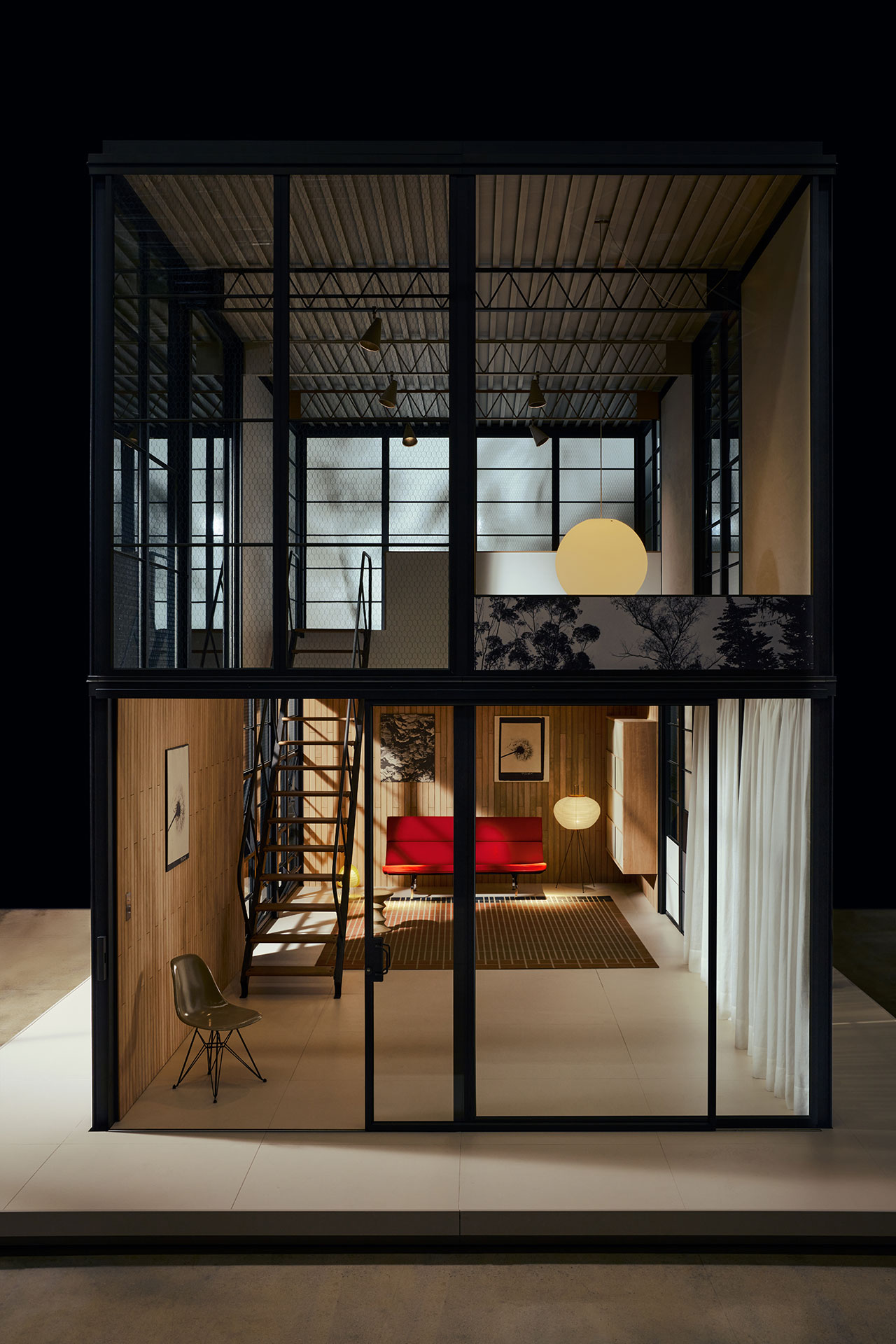
Charles and Ray Eames are synonymous with the burgeoning field of ergonomics, the Eames Lounge for Herman Miller an iconic example of what can happen when innovative design meets considered craftsmanship. The Eameses were highly interested in material exploration, using traditionally industrial parts to create a thoroughly cohesive project: the Eames Pavilion System, shown for the first time at Triennale Milano. Brought to life with through the collaboration of Eames Office and Kettal, each part is colorful, distinct, and most importantly, humane.

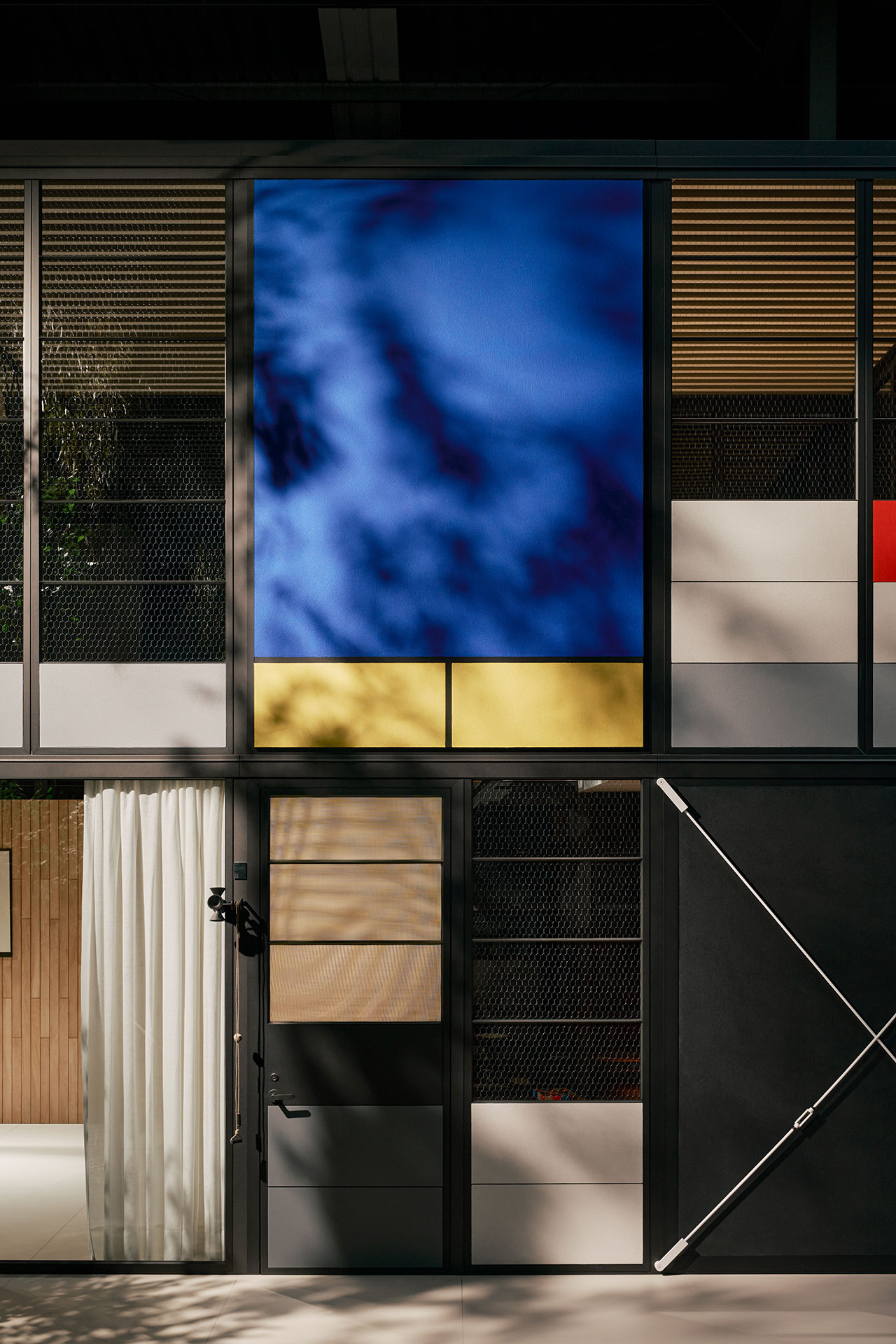
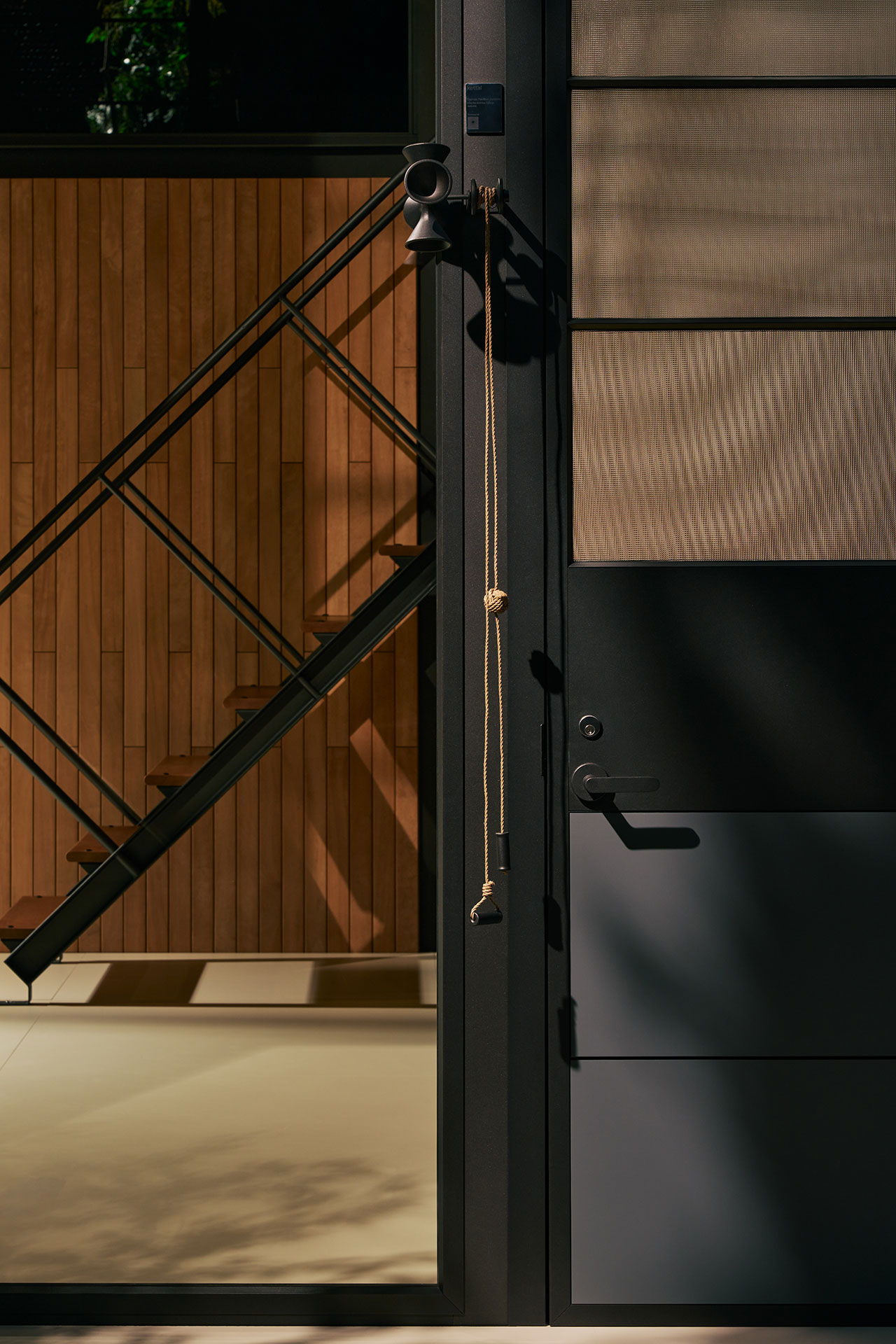
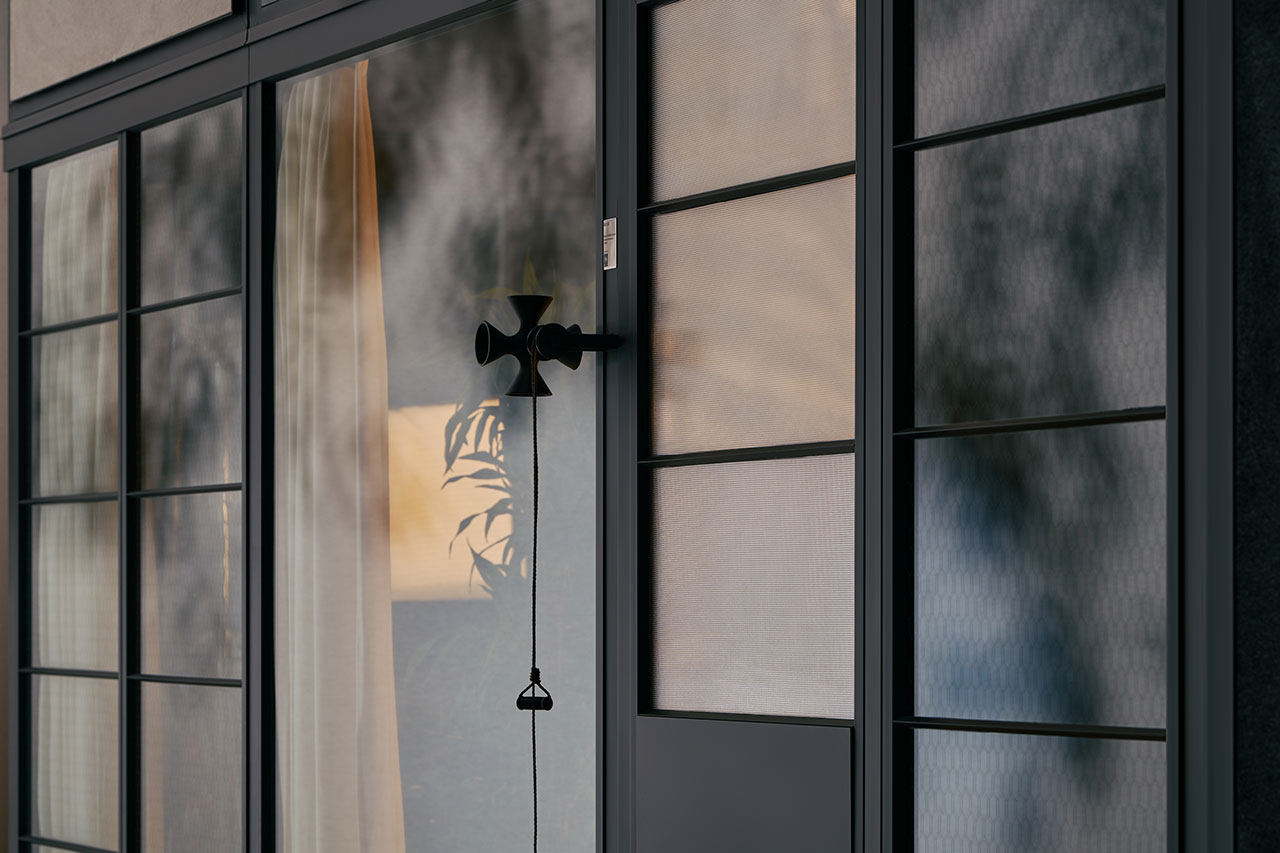
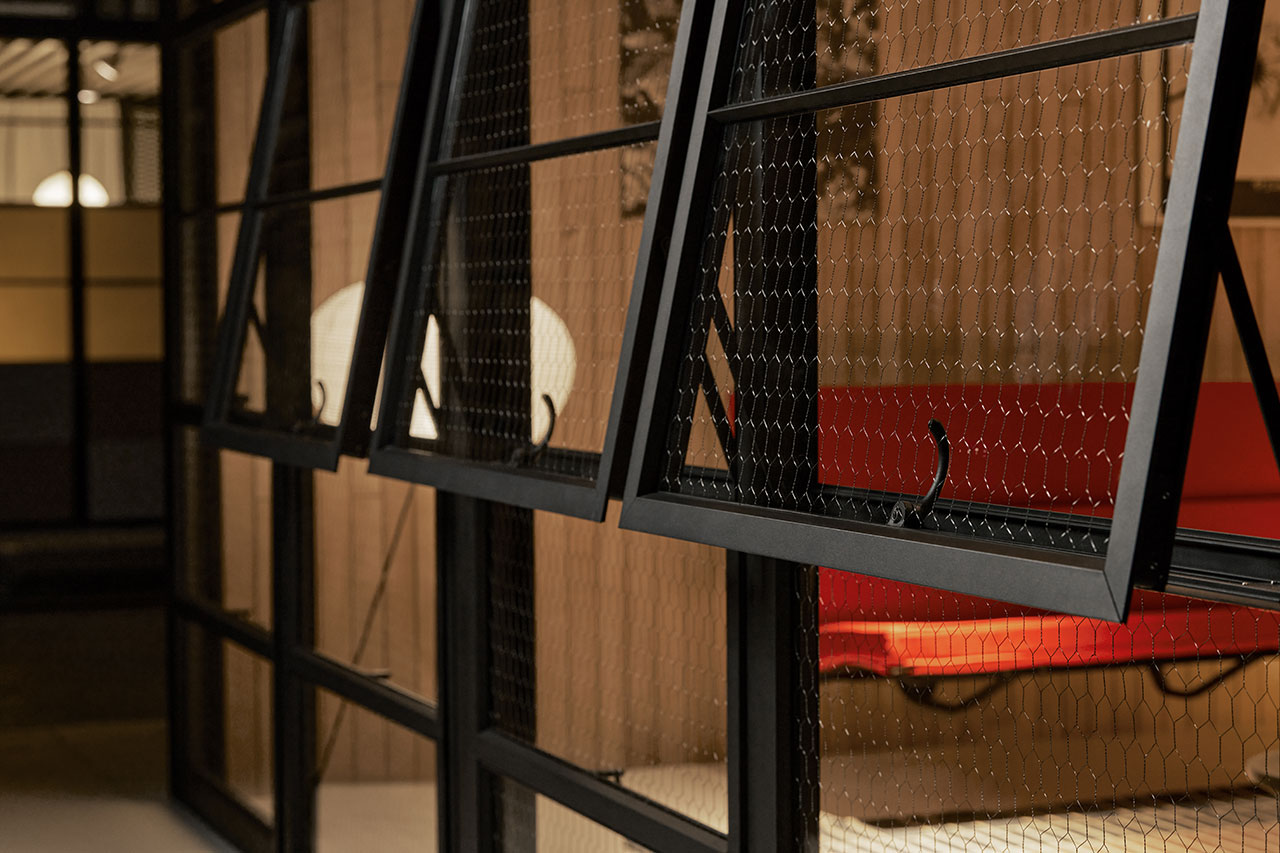
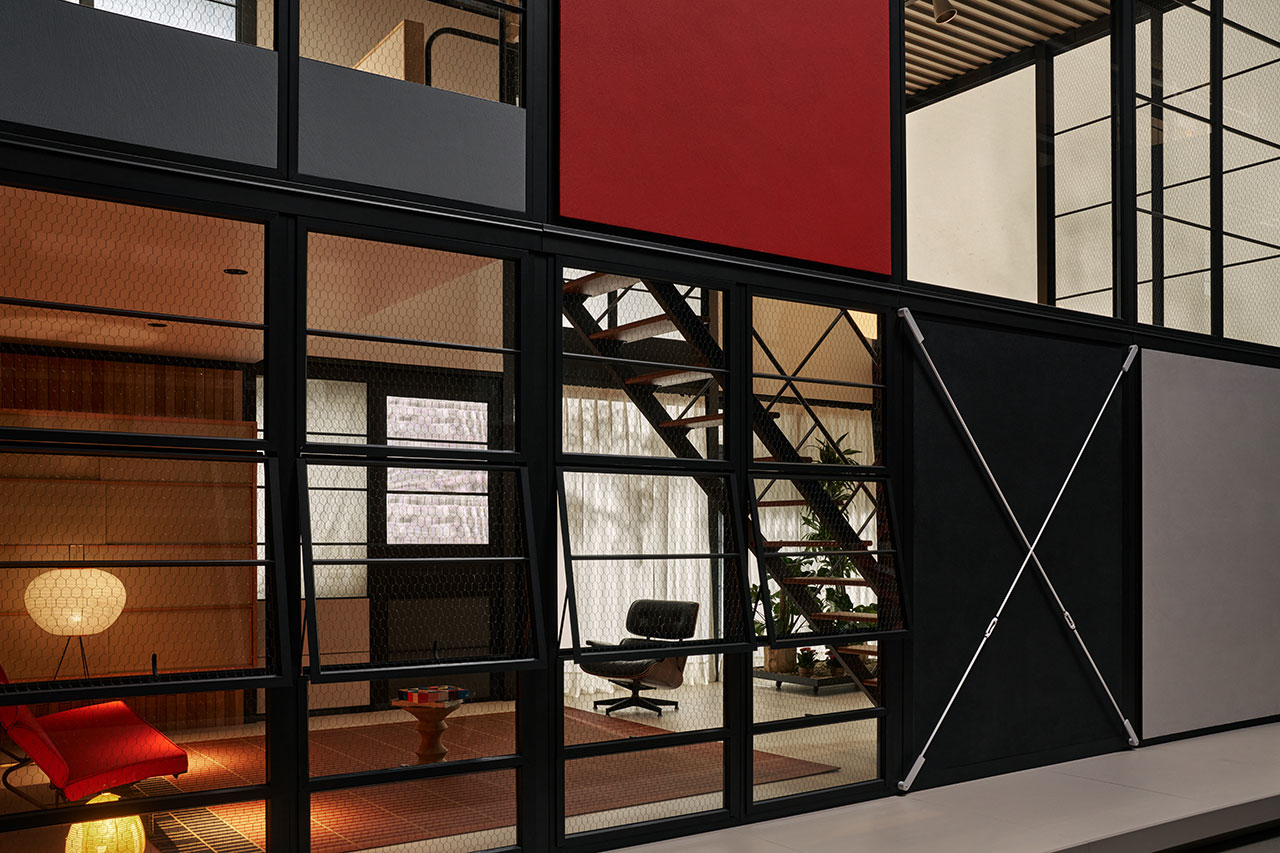
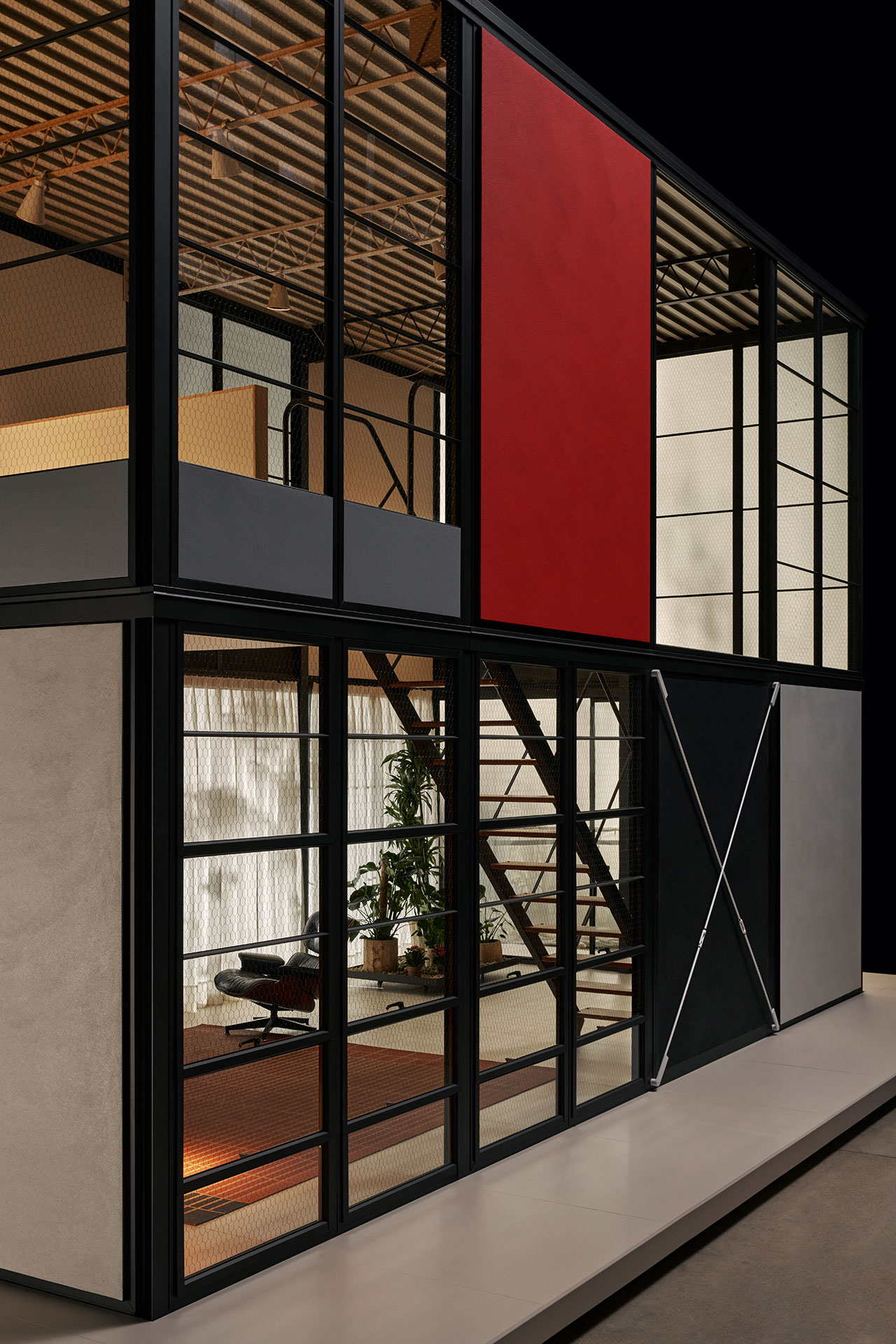
The facade is designed for the natural flows of life–windows open wide to refresh air inside, with the colorful panels available in custom configurations, equipped for privacy or public view. Yes, these are containers: containers for life, that one can place like blocks, however we wish.

For the Eamses, the house was first and foremost a design problem. The confluence of architecture, with Charles’ background, and the expertise of a painter’s eye from Ray made for a beautiful understanding of human nature, which they then translated to the built environment. “In the almost 40 years I have been Director of the Eames Office, I have been asked time and again whether it is possible to purchase a reproduction of the Eames House. One-to-one replicas can be interesting, yet we were always holding out for something else – a true systems approach that was also international in its solution. The new system advances prefabricated Eames buildings from prototype to product. Not a facsimile or collector’s edition, but a fully engineered architectural ecosystem. The Eames houses – many of them unbuilt – were always milestones and prototypes for such evolution. Our grandparents’ writings clearly show that even when designed for a specific site, the intent was series production of human habitation,” stated Eames Demetrios, Director, Eames Office, and grandson of Charles and Ray Eames.


A balance and a symmetry dominate the form, an extension of their design philosophy through and through. Not satisfied with creating an object for beauty’s sake, each aspect of the house reflected a deep understanding of human movement, trajectory, and nature: the gathering around the kitchen counter, the pile of shoes in the hallway. Of course, standards vary across cultures, yet there are certain things that we continue to hold true, about ourselves and others. This is what the Eameses were truly interested in, and it shows.


A brilliant burst of blue and yellow among the industrial black and grey are signature Eames, creating personality and bringing Ray’s sensibility as an artist into view. Industrial details and cold metal soften within the sensibility of family and connection, a settling of the mind that is a talent unto itself.


To learn more about the Eames Pavilion System, visit kettal.com.
Photography by Yosigo, Rocafort, courtesy of Kettal.