









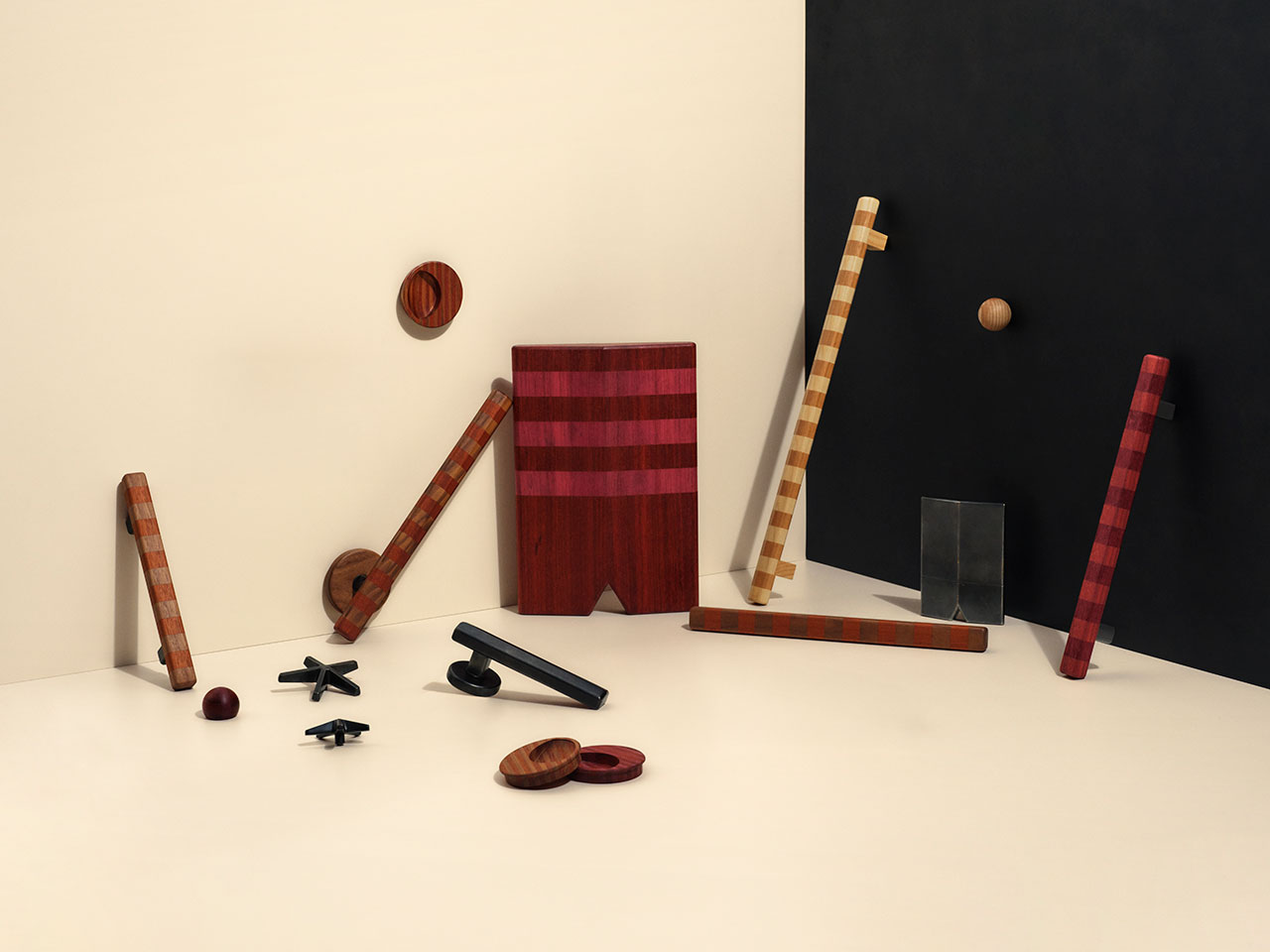
Doors have been considered symbolic portals for millennia: thresholds through which the unknown lies, where one condition gives way to another. The door is never just an opening; it is an arrival, a pause, a decision, a passage. Yet the hardware that mediates that moment is still too often treated as an architectural afterthought, specified late and noticed only when it fails. But Bankston has built its practice around a different premise, empathizing with every push, pull, press, and even jiggle.
The Australian architectural hardware brand understands that the first thing one usually does when entering a space is reach for a handle or knob. Before the eye has fully absorbed the room, before the body has crossed the threshold, the hand has already begun reading: texture, temperature, weight, resistance, proportion. Our brains are trained to gather information from these small sensations wherever we go. Delineating that experience is both the pressure and privilege of design. If we are to interact with something every day, it should feel as considered as it functions.
That idea formed the basis of A Manifesto on Touch, Bankston’s NYCxDESIGN Week presentation created in collaboration with independent design platform FOR SCALE. On May 13, Bankston and FOR SCALE took over Colbo wine bar on New York’s Lower East Side for an immersive evening that positioned architectural hardware not as an accessory to interiors, but as one of the most intimate ways we encounter them.
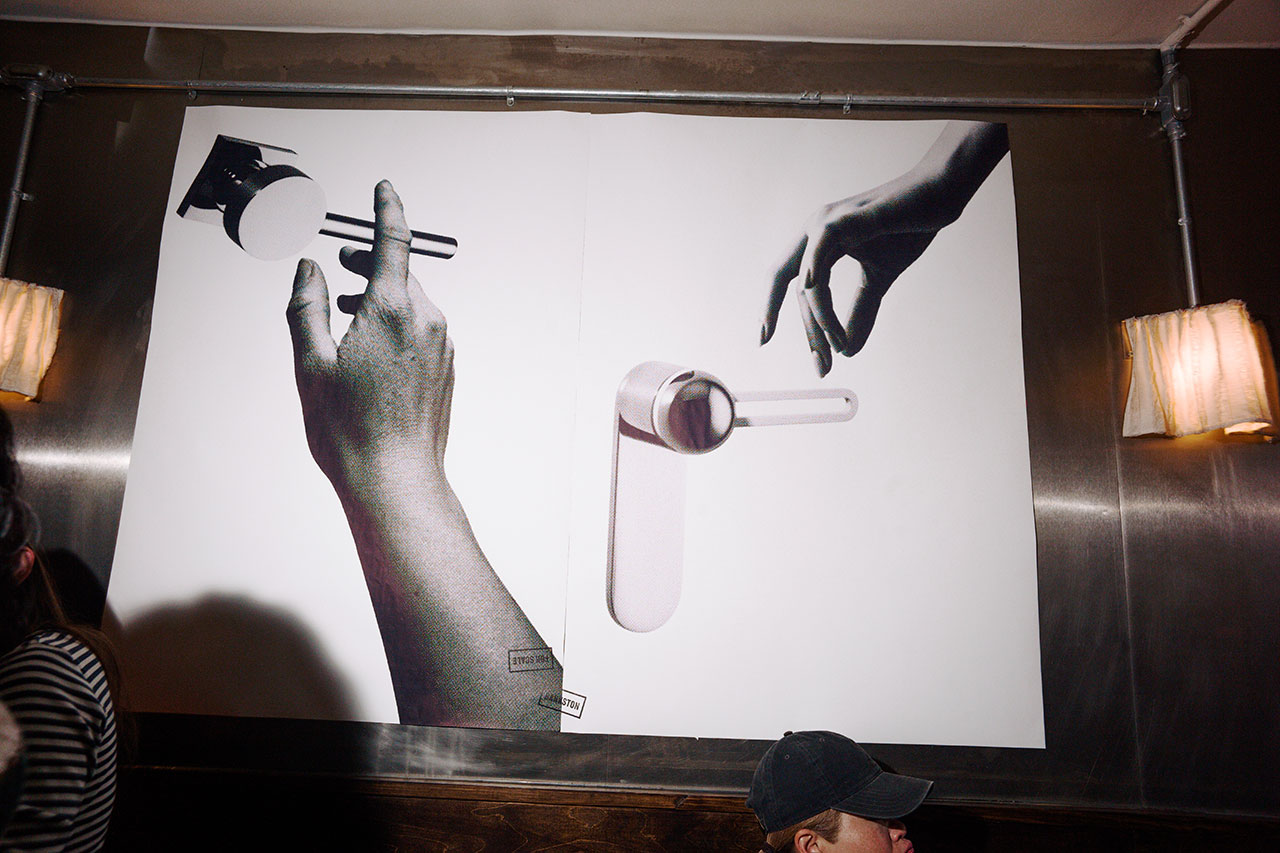
Central to the installation was the Touch Manifesto, a written provocation by editor, critic, and FOR SCALE founder David Michon, which reframed touch as a form of intelligence. “TOUCH ME is not what the handle begs,” the manifesto asserted, “it is how it performs.” Printed across the walls and hand-painted onto mirrors, its language surrounded guests with a reminder that sensation is design’s most essential mode of communication. In a culture increasingly mediated by screens, the exhibition made the case for physical contact as something urgently human.
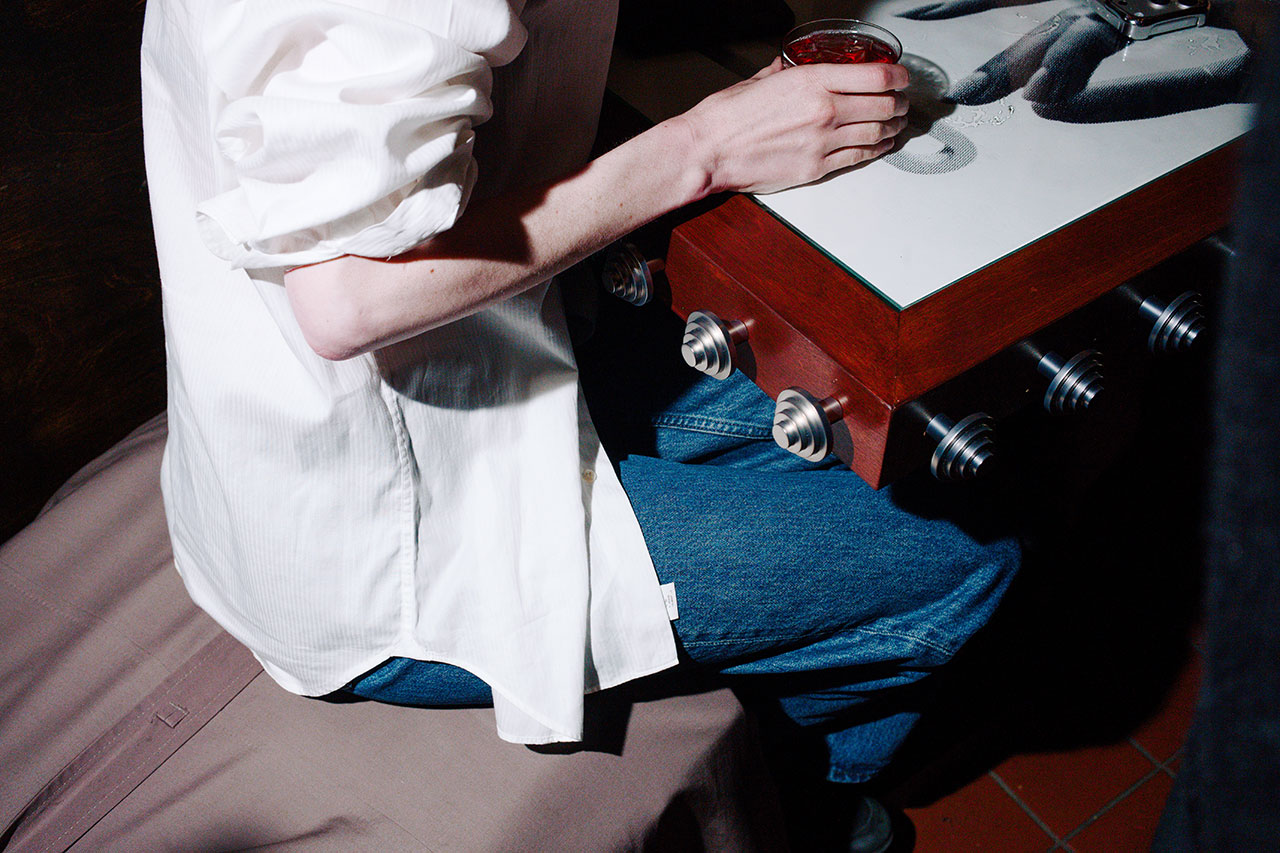
Guests encountered hand photography, manifesto excerpts, and a series of custom interventions that invited them to engage and linger. Stools and tables fabricated by Caleb Engstrom were fitted with pieces from Bankston’s collaborative collections, including Super by Sans-Arc Studio and The Streaks by YSG Studio. Mirrors edged with CIVILIAN’s Hemispheres collection carried hand-painted manifesto quotes, while works from Casts by Edition Office appeared throughout the space, expanding the installation’s material and formal vocabulary. Taken together, the collections suggested the breadth of Bankston’s ambitions, treating hardware as small-scale design objects with architectural consequence.
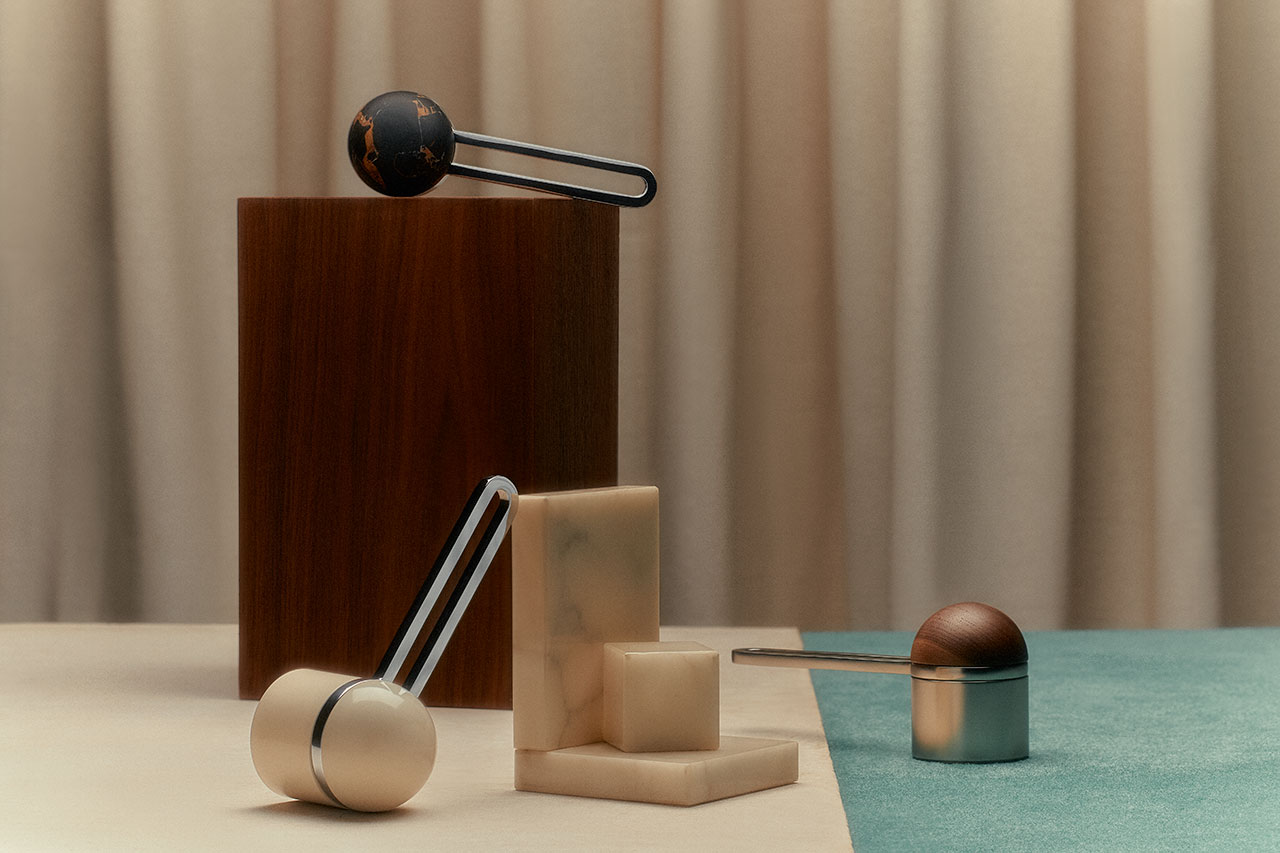
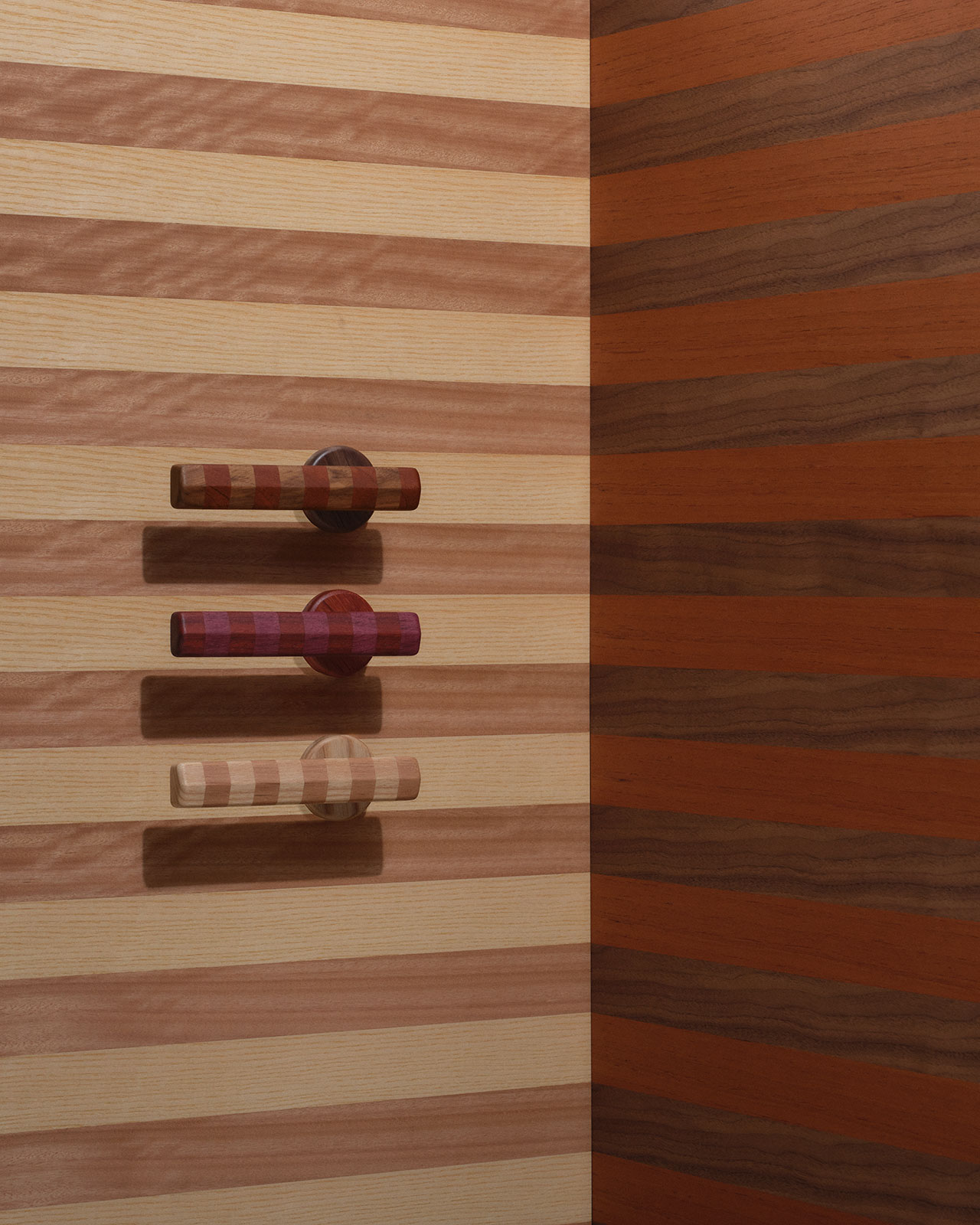
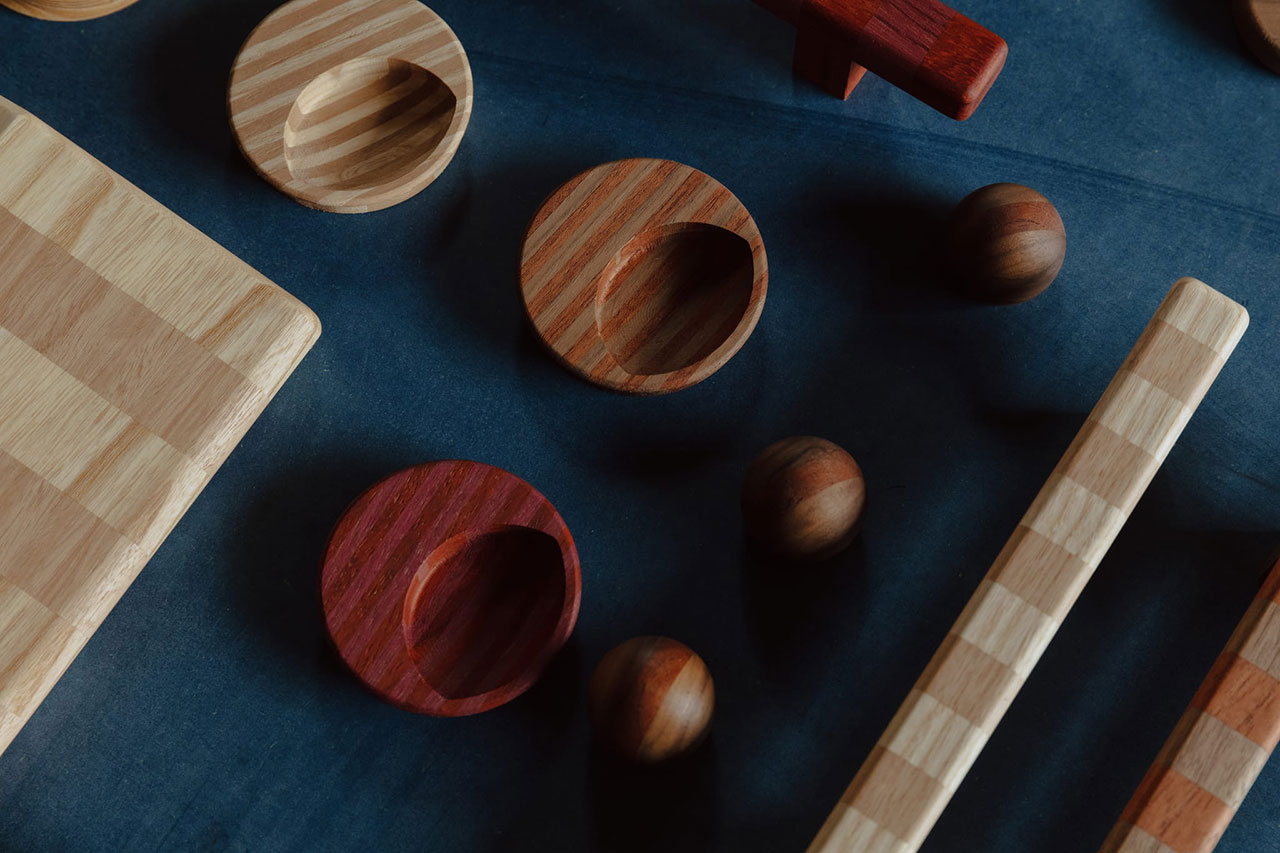
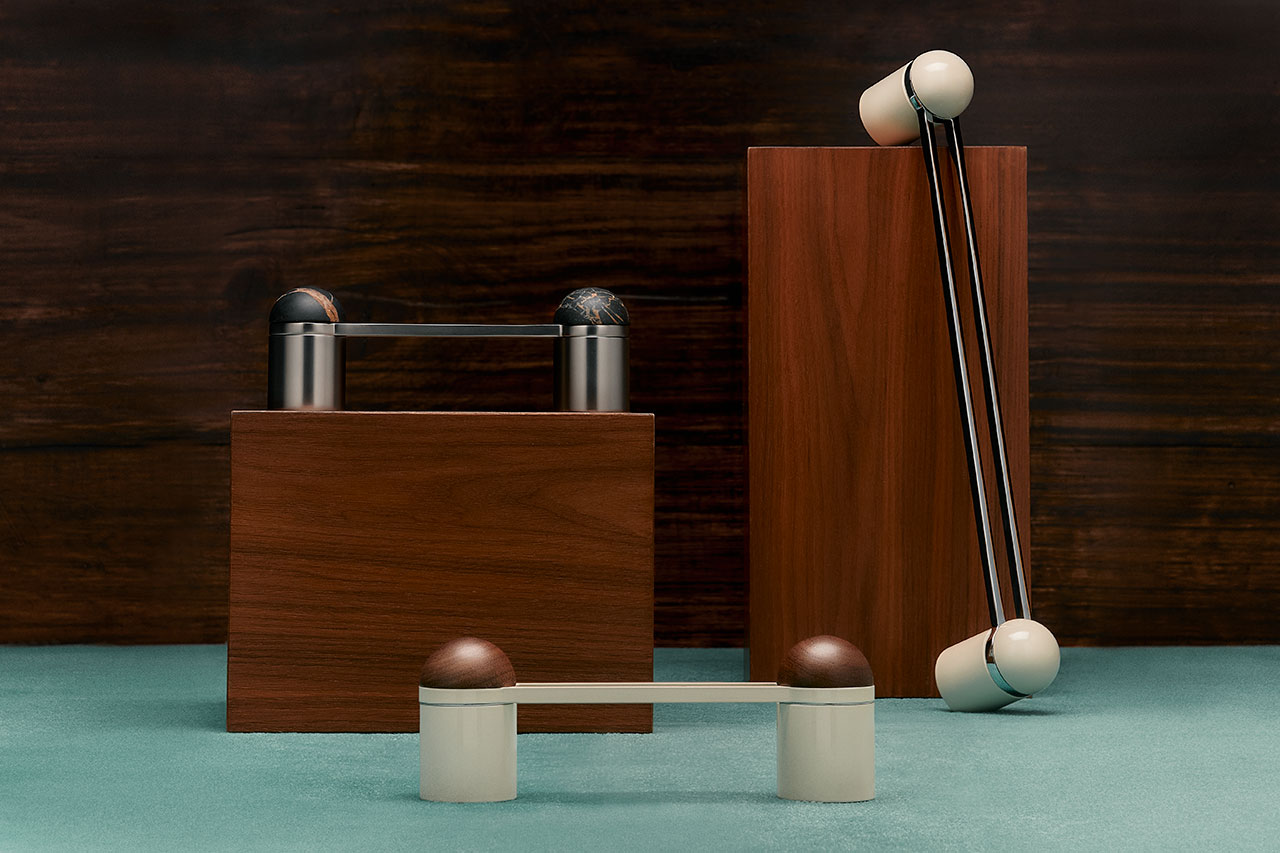
Across its collaborative collections, Bankston treats hardware as a place where material intelligence, craftsmanship, and character meet. With Melbourne-based Edition Office, Casts uses traditional sand casting in raw bronze and aluminum to explore texture, patina, and expressive geometry; with Sans-Arc Studio, Super channels the visual exuberance of the 1960s Radical Design Movement through playful levers, pulls, and knobs; and with Brooklyn-based CIVILIAN, Hemispheres marked Bankston’s U.S. debut with a modular 12-piece collection combining architectural precision with materials such as American walnut, Potoro Gold marble, polished chrome, smooth nickel, and bone. The Streaks, created with Sydney-based YSG Studio and founder Yasmine Ghoniem, extends that ethos through timber and bronze pieces defined by bold striped banding, sustainably sourced materials, and handcrafted Australian production — hardware that feels ergonomic yet expressive, playful yet precise, and functional without surrendering its decorative force.
At Colbo, those objects were not isolated on plinths or distanced behind a gallery logic of looking. They were embedded into a functioning, social environment where the body could understand them. Even the printed manifesto became interactive, with visitors invited to tear strips from the poster: a rip as a kind of pull, a pull as a kind of handle, a handle as a gesture that collapses the distance between viewer and object.
This is where Bankston’s work feels especially resonant. Elevated hardware design is not simply about making small objects more beautiful, though Bankston does that with considerable finesse. It is about recognizing that the smallest architectural movements often carry the greatest intimacy. A hand closes around a lever. A thumb meets a groove. A palm registers cool metal, warm timber, or the subtle irregularity of a cast surface. A door opens. A body enters. The ritual is brief, but it is not insignificant.
Continue reading to view some of Bankston’s Core Collections…
Hemispheres by Civilian
The Streaks by YSG
The Streaks by YSG
The Streaks by YSG
The Streaks by YSG
The Streaks by YSG
Super Collection Zzzigurat and Futurismo by Sans-Arc
Super Collection Zzzigurat and Futurismo by Sans-Arc
Super Collection Futurismo by Sans-Arc
Super Collection Zzzigurat by Sans-Arc
To learn more about both parties and their shared ethos, visit bankston.com and forscale.substack.com.
Event Photography by Eloise Photography. Product photography courtesy of Bankston.