


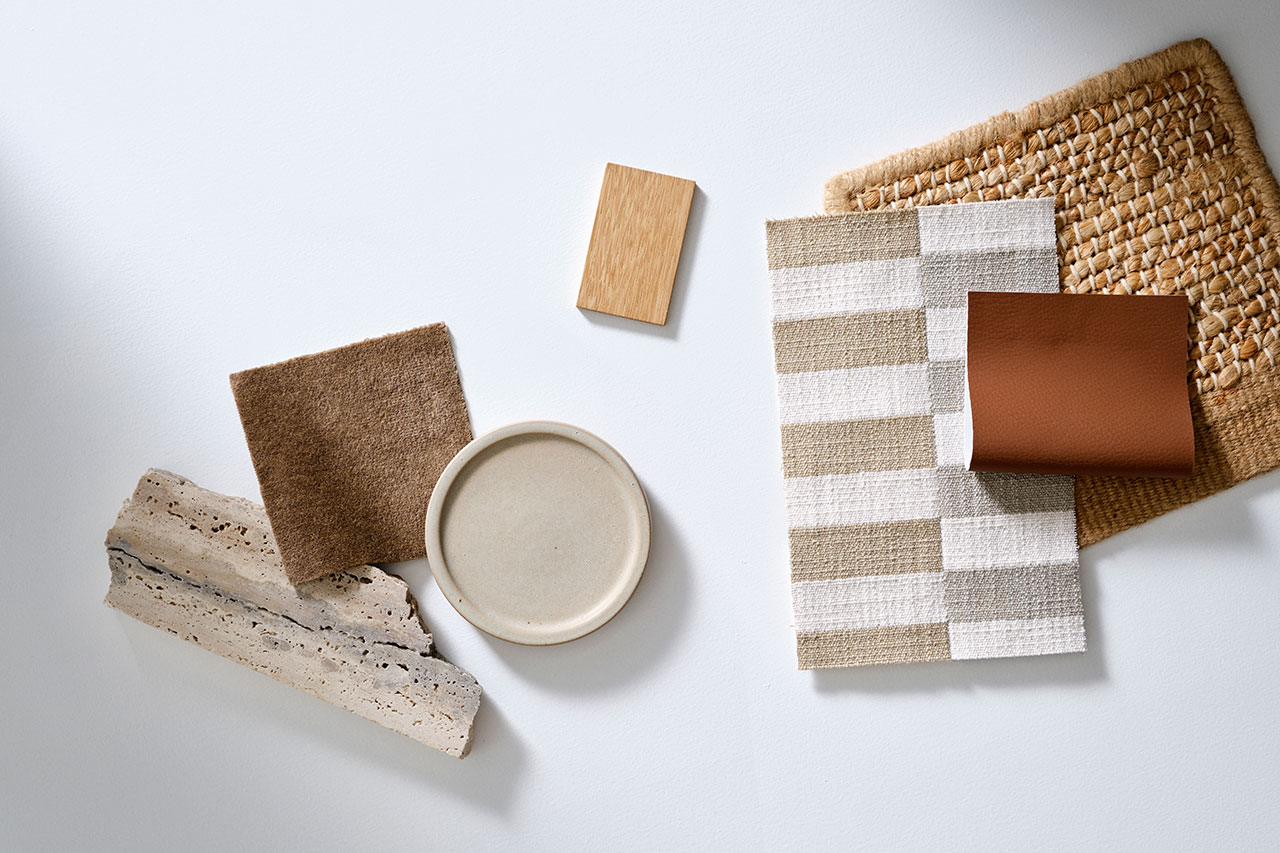
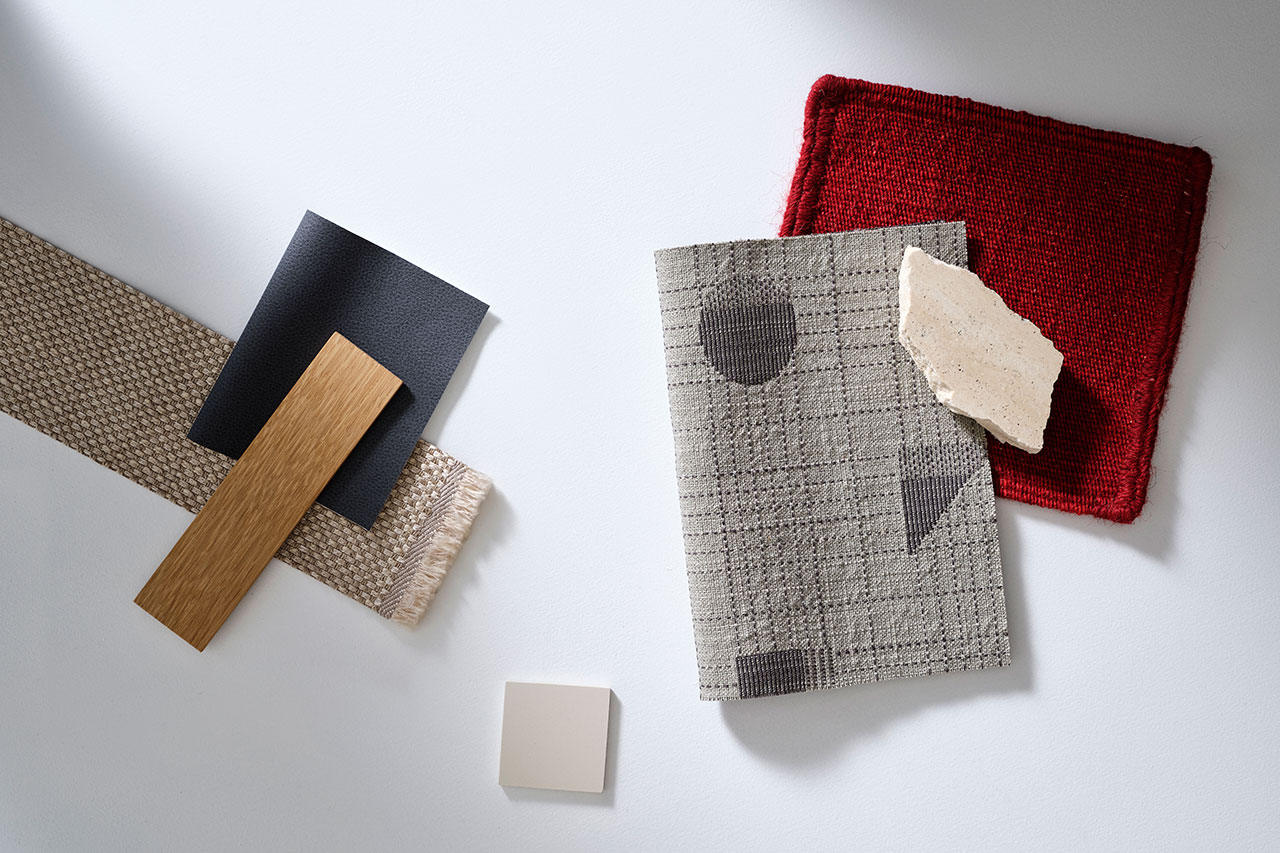
In a moment when the world feels stretched, splintered, and searching for connection, Designtex and nanimarquina have released a collaboration that feels uncannily attuned to the times. Join and Mending – two new textile collections born from a multi-year partnership – arrive not as mere material introductions, but as quiet reflections on connection, repair, and what it means to create with intention.
The collaboration brings together Designtex’s deep expertise in high-performance contract textiles and nanimarquina’s poetic command of craft, tactility, and the beauty of the imperfect. For both teams, the partnership emerged from an immediate sense of kinship – a shared language of material integrity, color sensitivity, and a respect for heritage techniques reinterpreted for contemporary spaces.
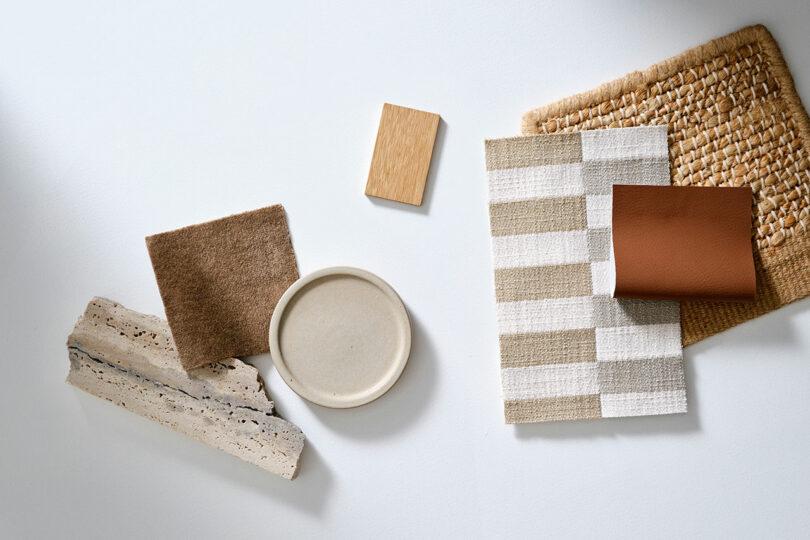
“We wanted to capture nanimarquina’s material sensibility in durable constructions that would make these textiles especially useful in commercial settings,” says Catherine Stowell, VP of Design at Designtex. “We did that by using performance yarns and intentionally embedding imperfections into the weaving process.” That tension – between the industrial and the handmade, the scalable and the intimate – became the creative engine of the collaboration.
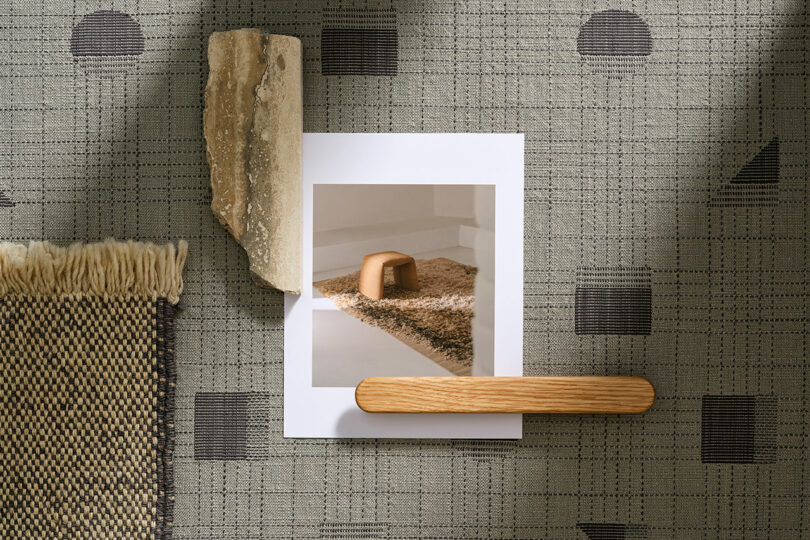
Mending: The Beauty of Holding Things Together
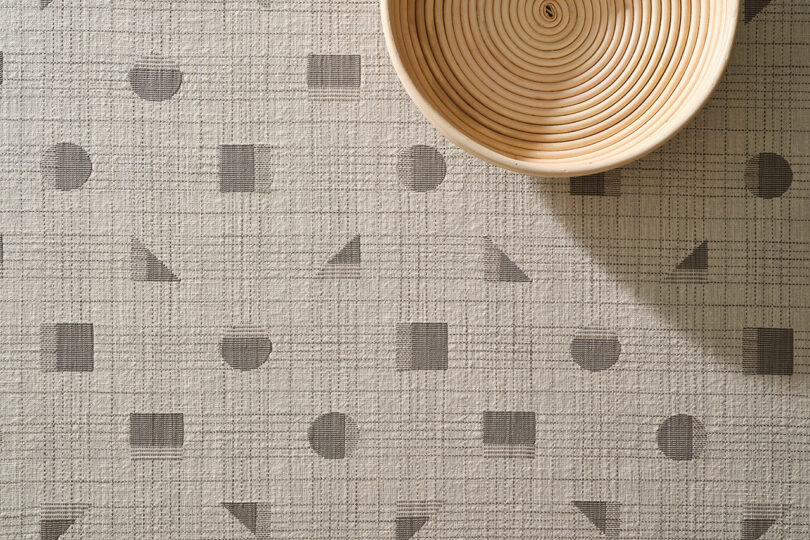
If Mending feels nostalgic, or perhaps even emotional, that’s because it is. The textile is a meditation on visible repair at a time when the instinct to “fix” everything perfectly can feel both exhausting and impossible.
“When we see something hand-sewn, something irregular, we understand it,” says Nani Marquina, founder and designer of her eponymous studio. “Maybe we don’t need to fix everything; maybe we just need to hold it together… We understand a thread. We understand a stitch. That’s enough.”
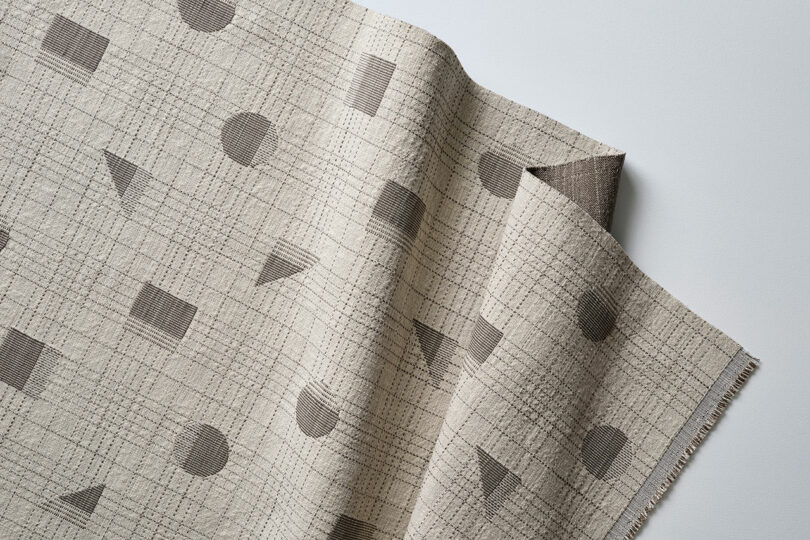
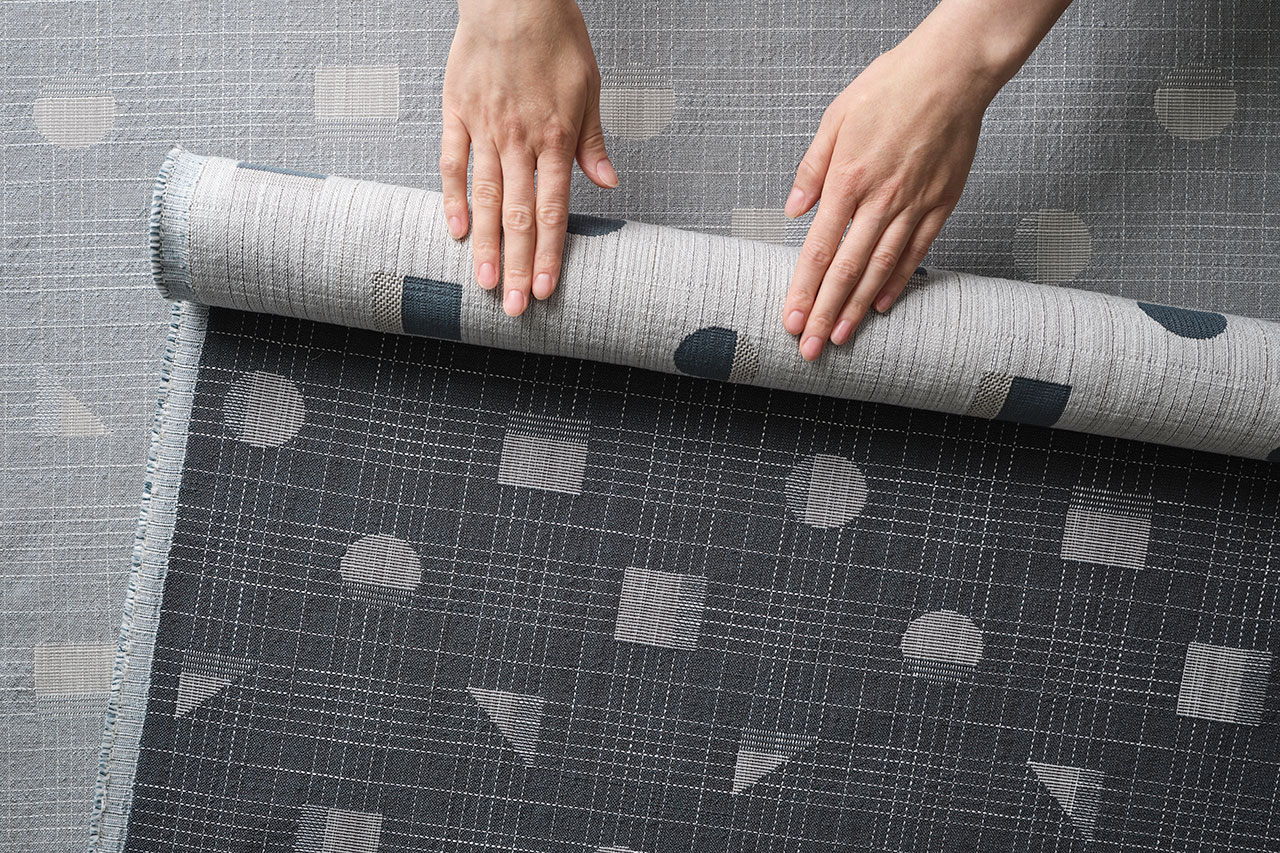
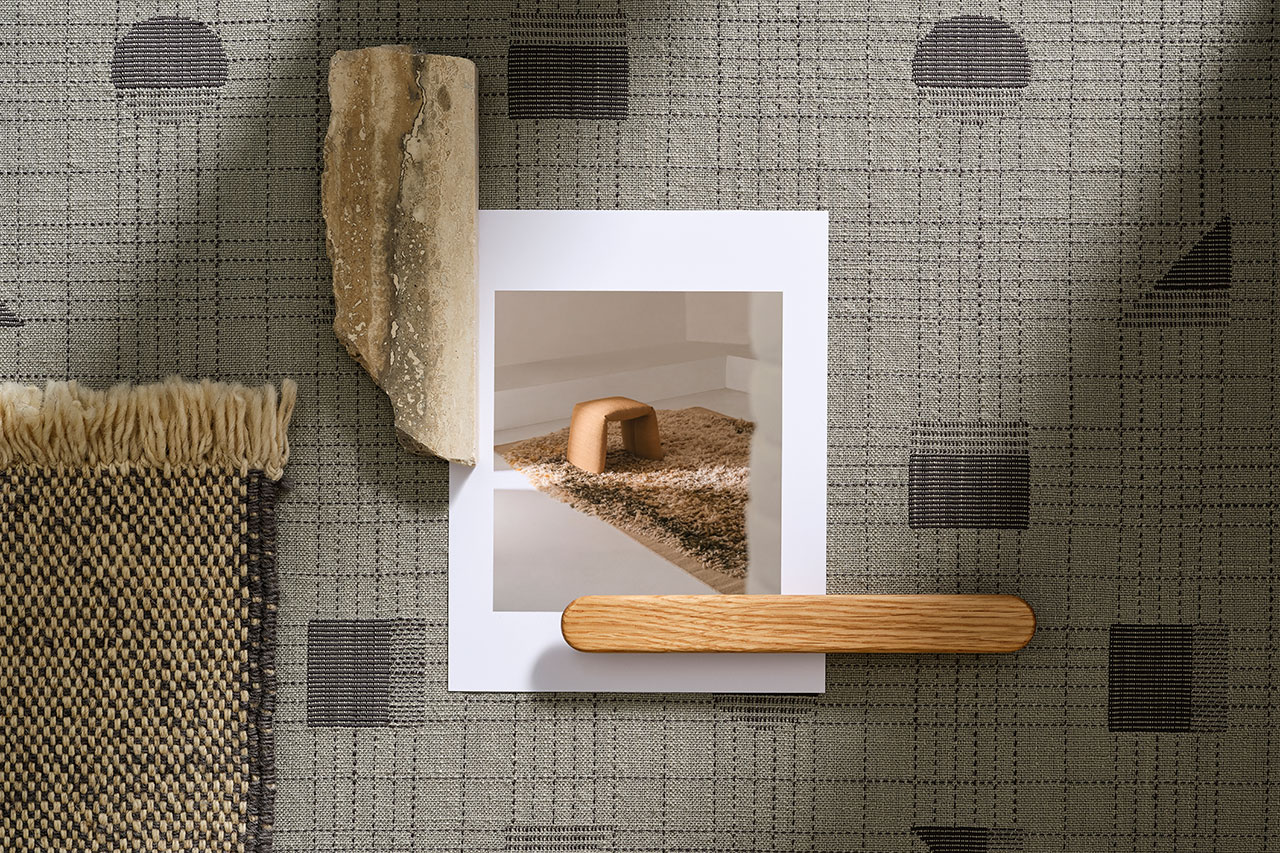
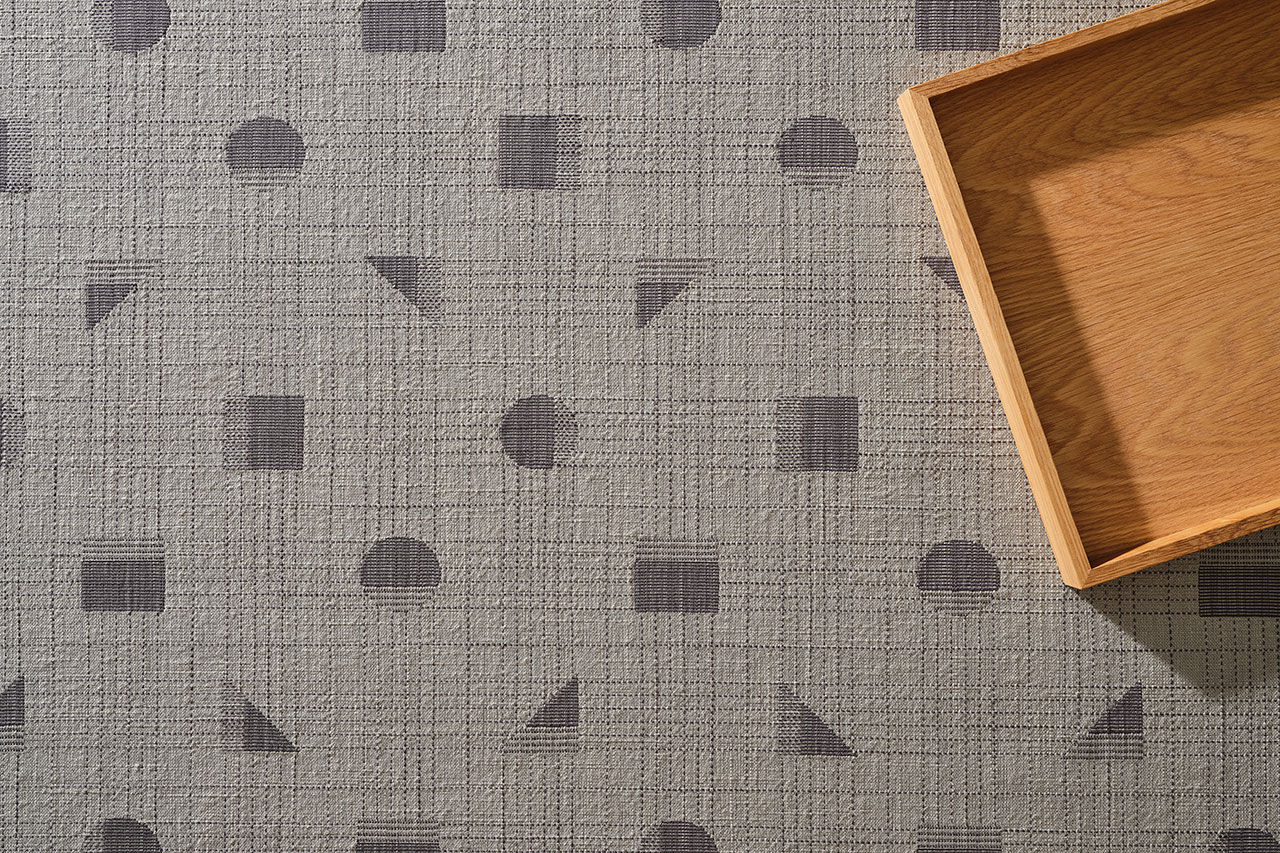
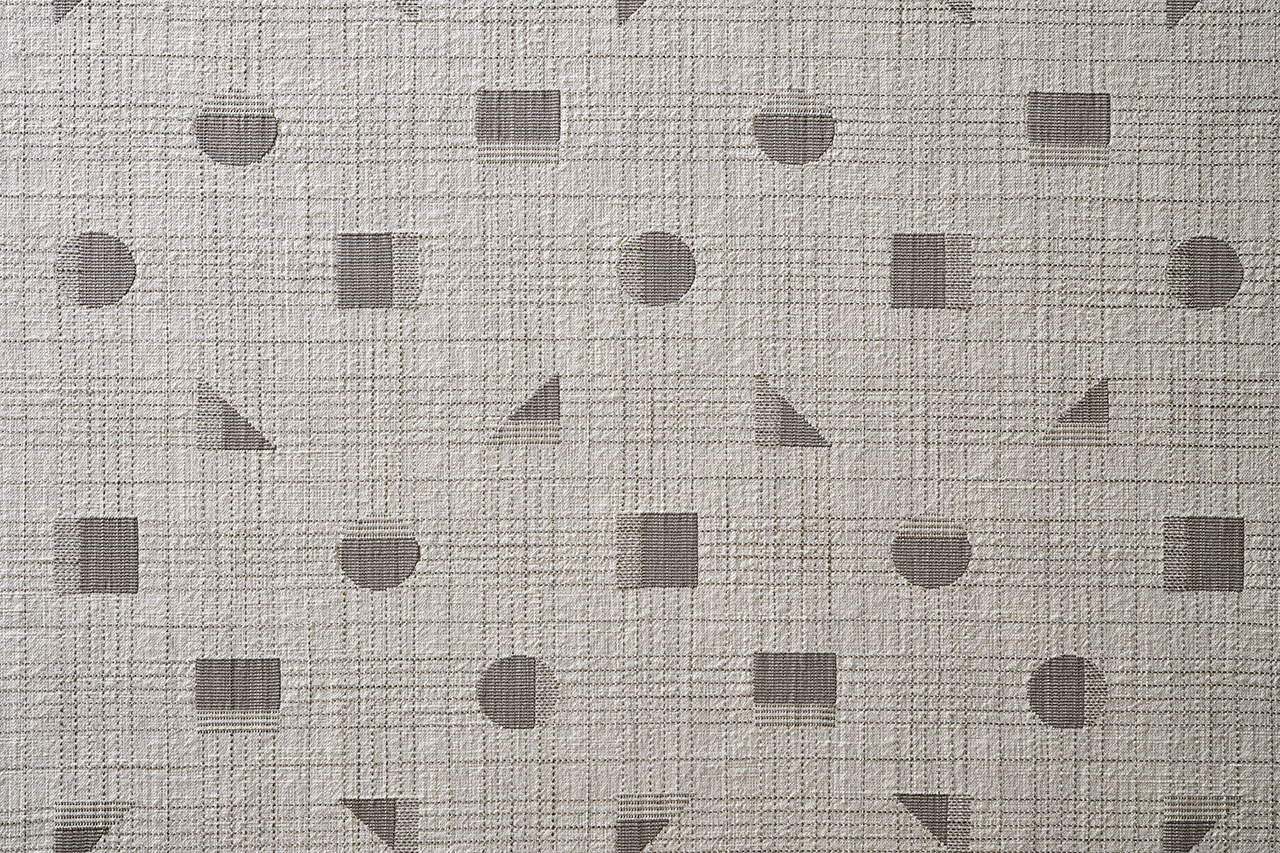
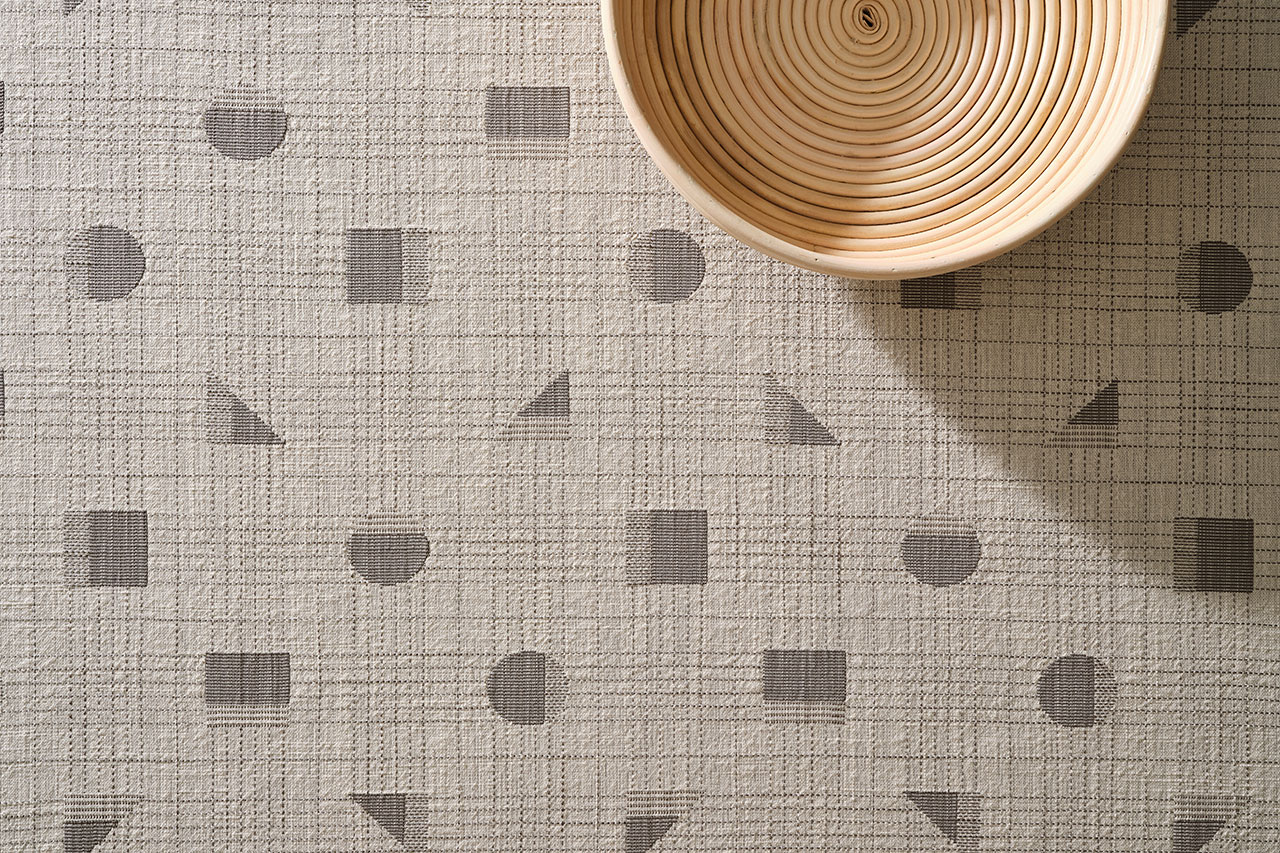
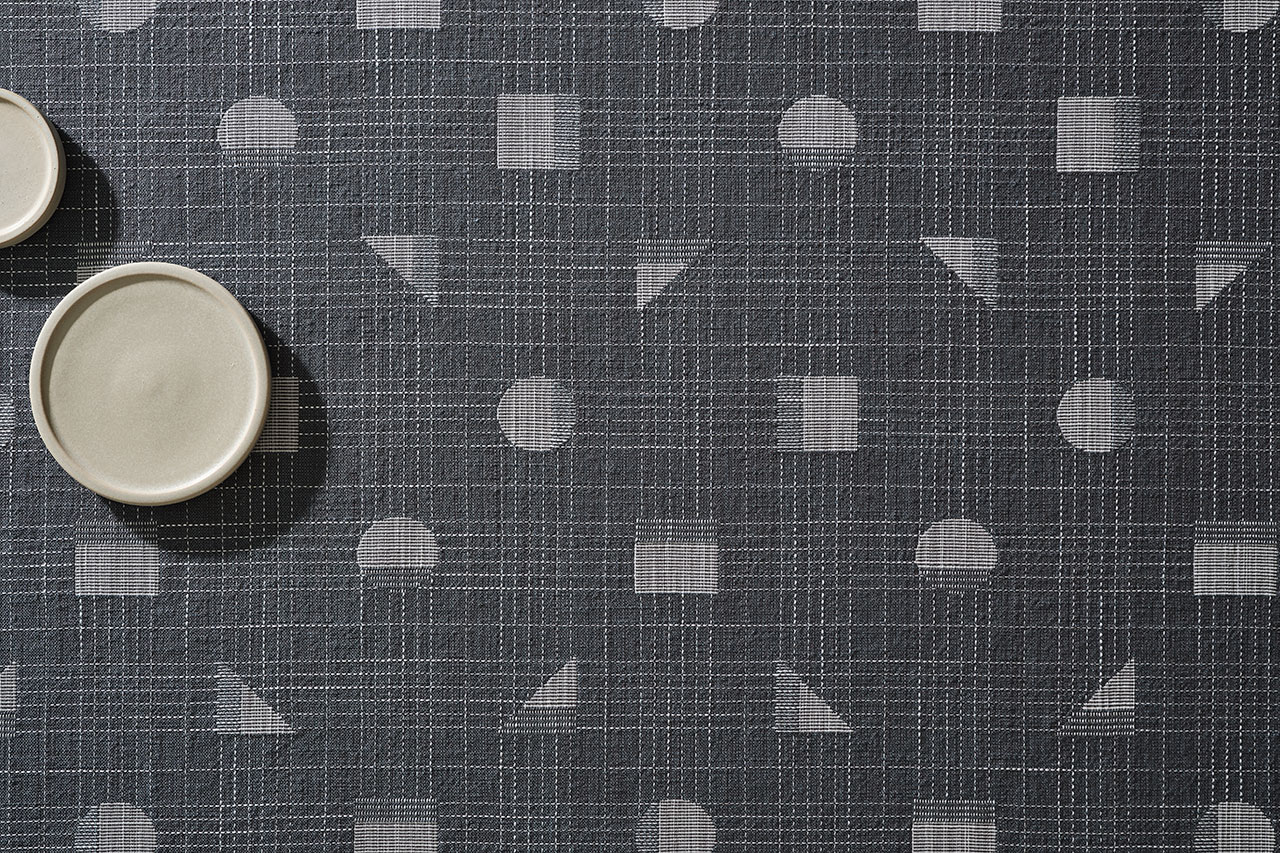
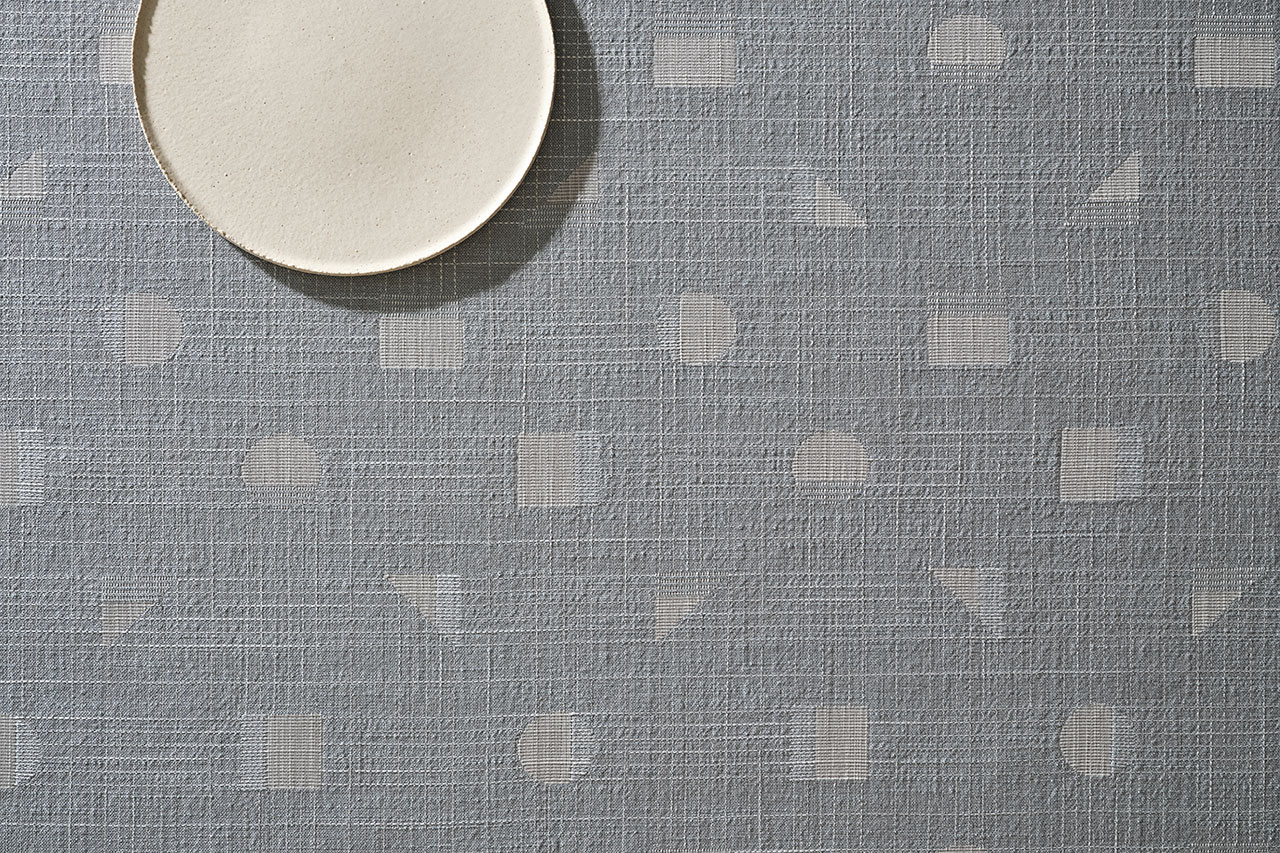
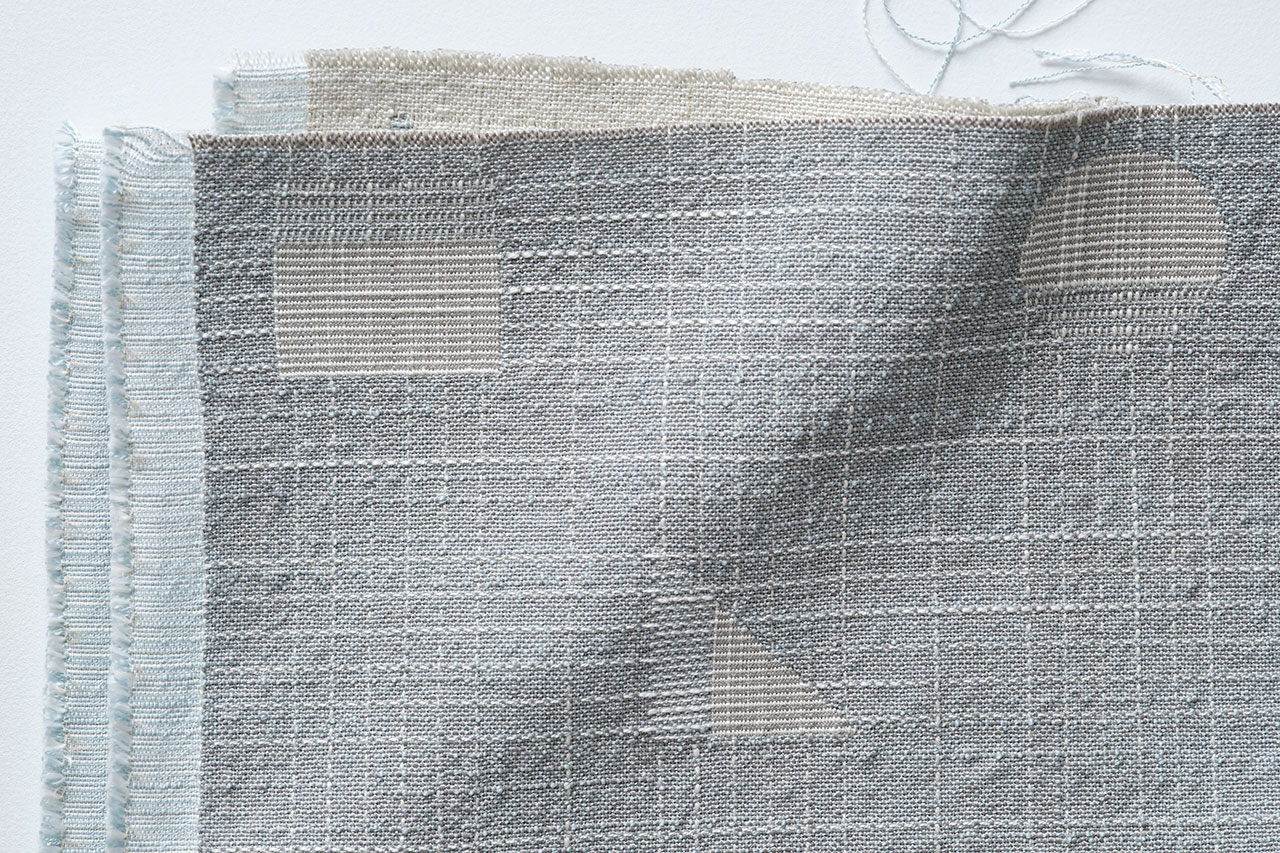
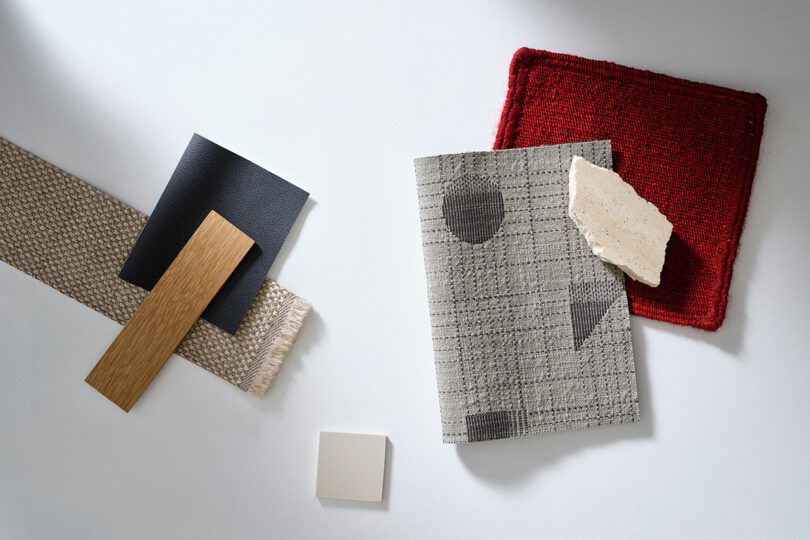
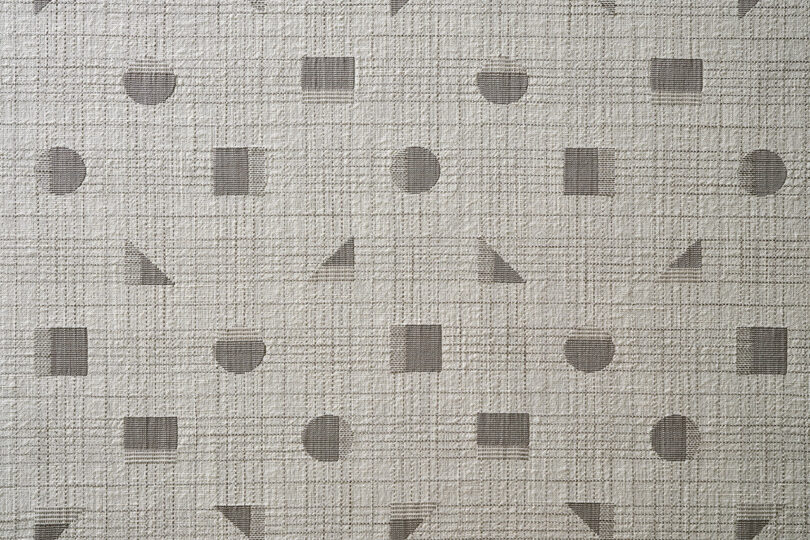
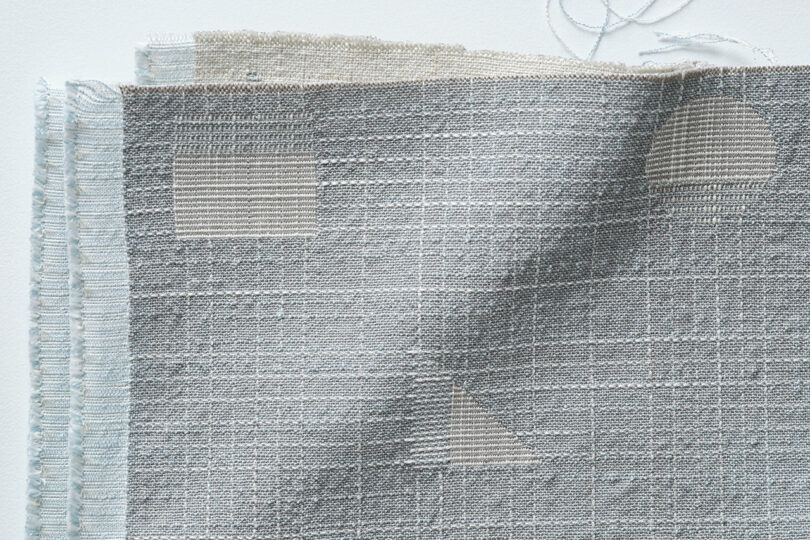
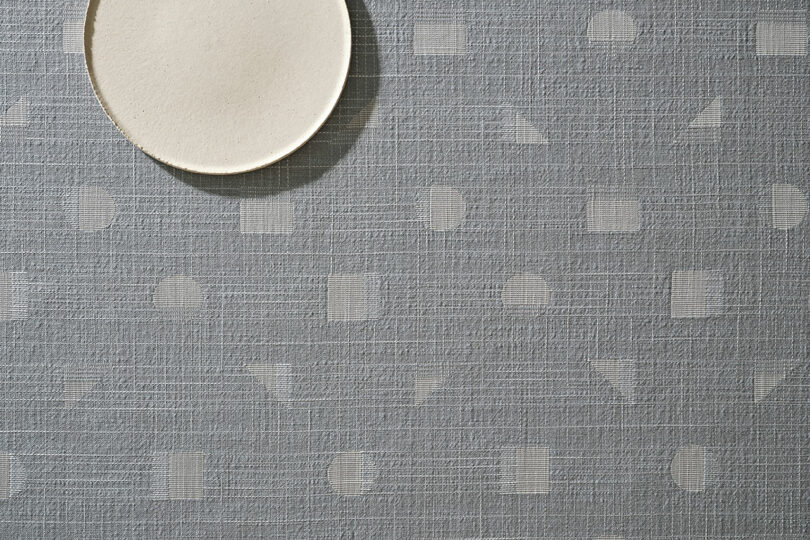
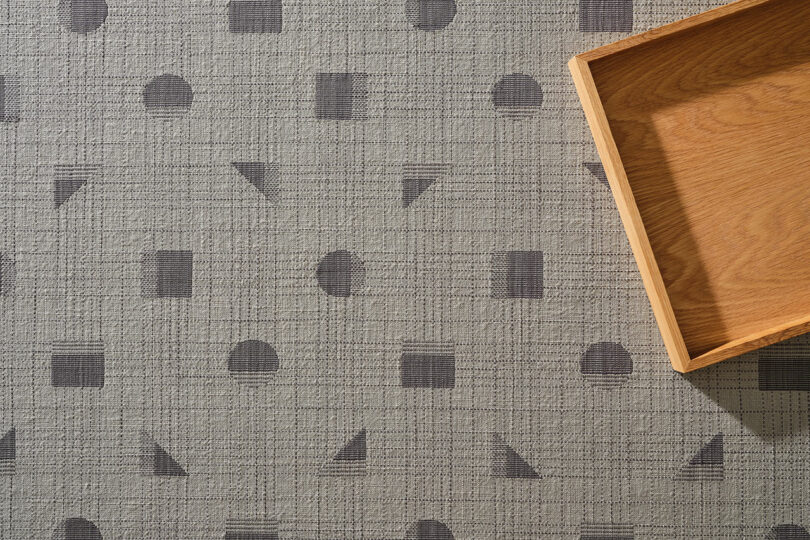
The fabric’s woven patch motifs evoke the tradition of mending not as concealment, but revelation – repair as evidence of care. Subtle irregularities, muted palettes, and a comforting texture give the textile a human presence rare in commercial materials.
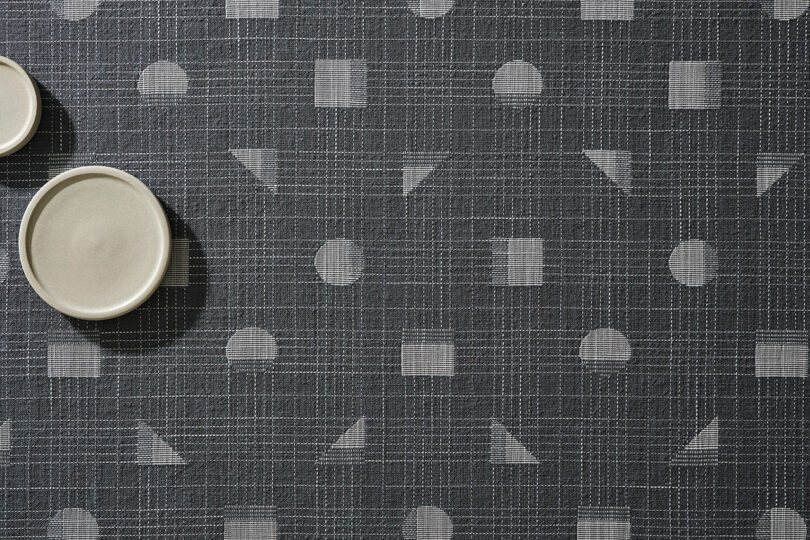
The use of a double-cloth construction allowed Designtex to translate the layered logic of hand-mending into something both manufacturable and meaningfully expressive – the composition structured by literally pulling a second woven surface forward like a stitched intervention.
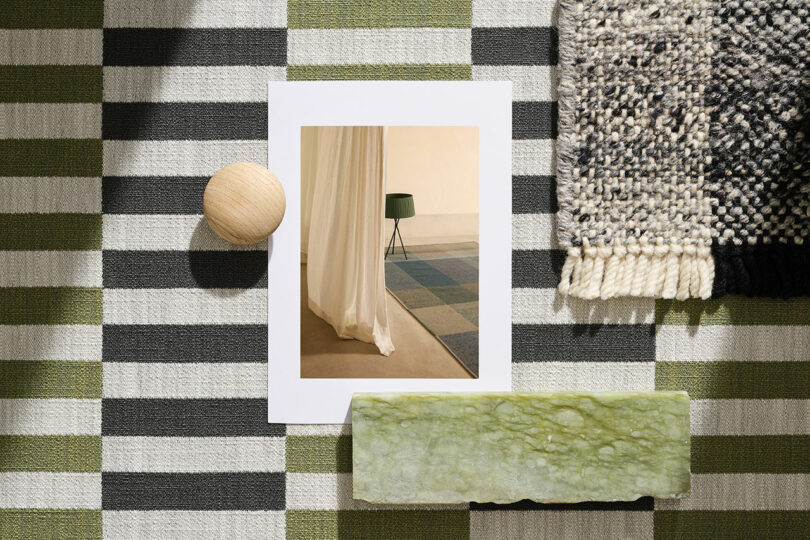
Join: Rhythm, Restraint, and Through-lines
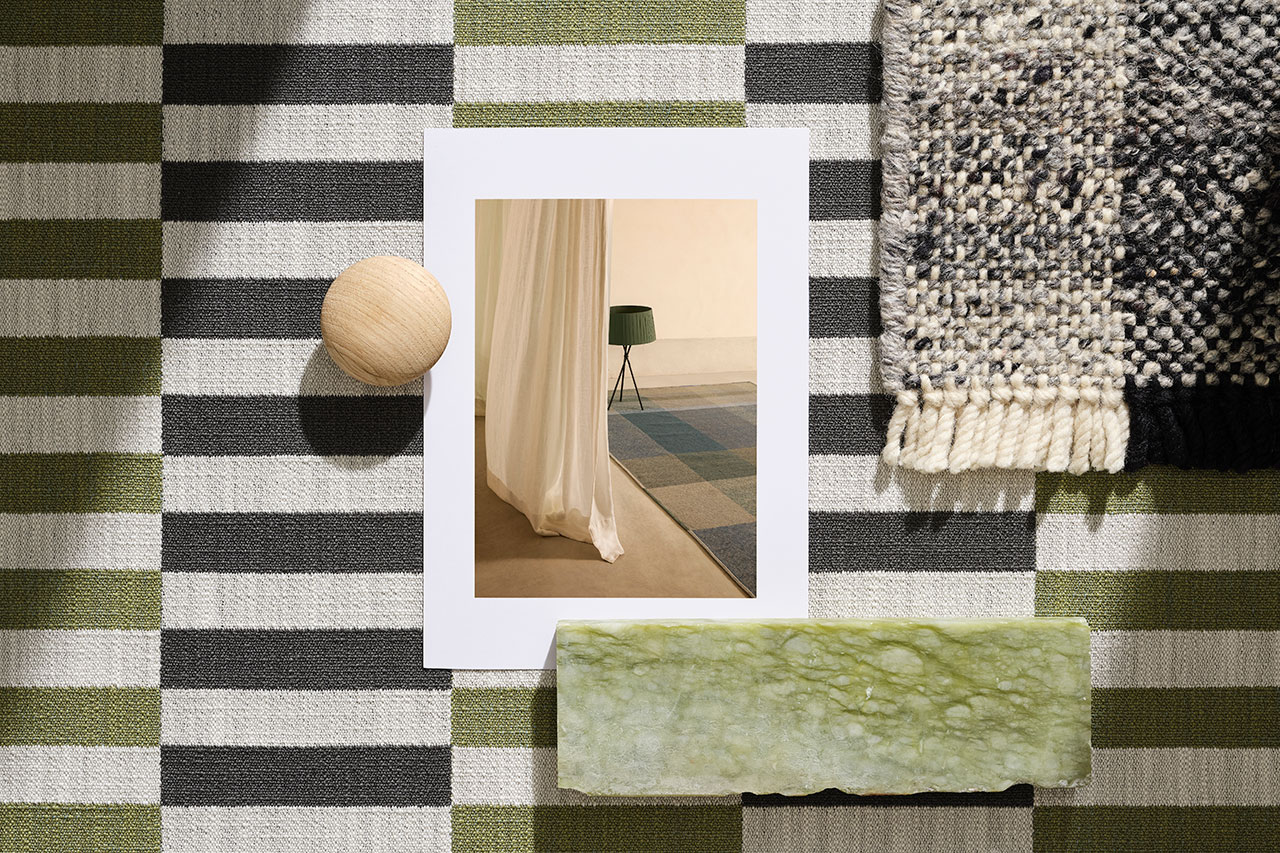
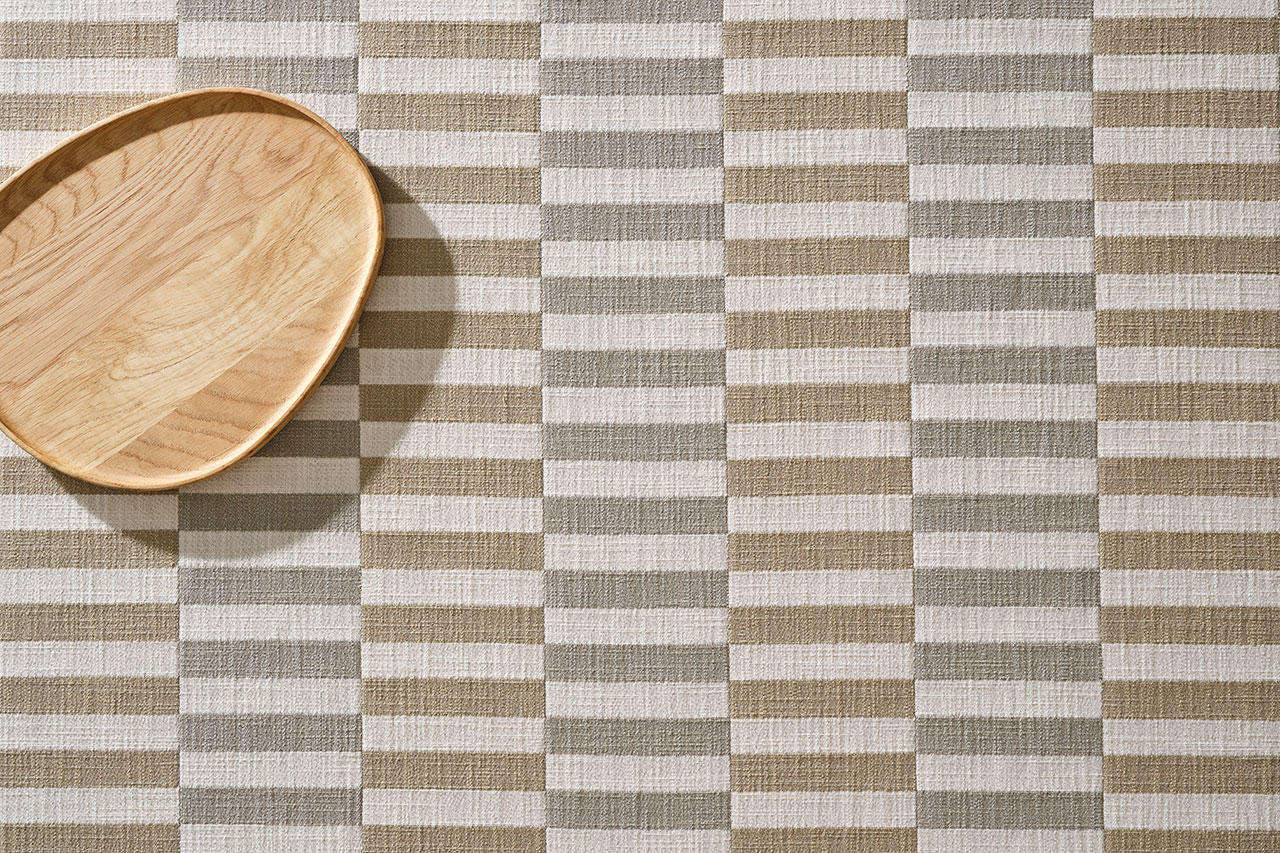
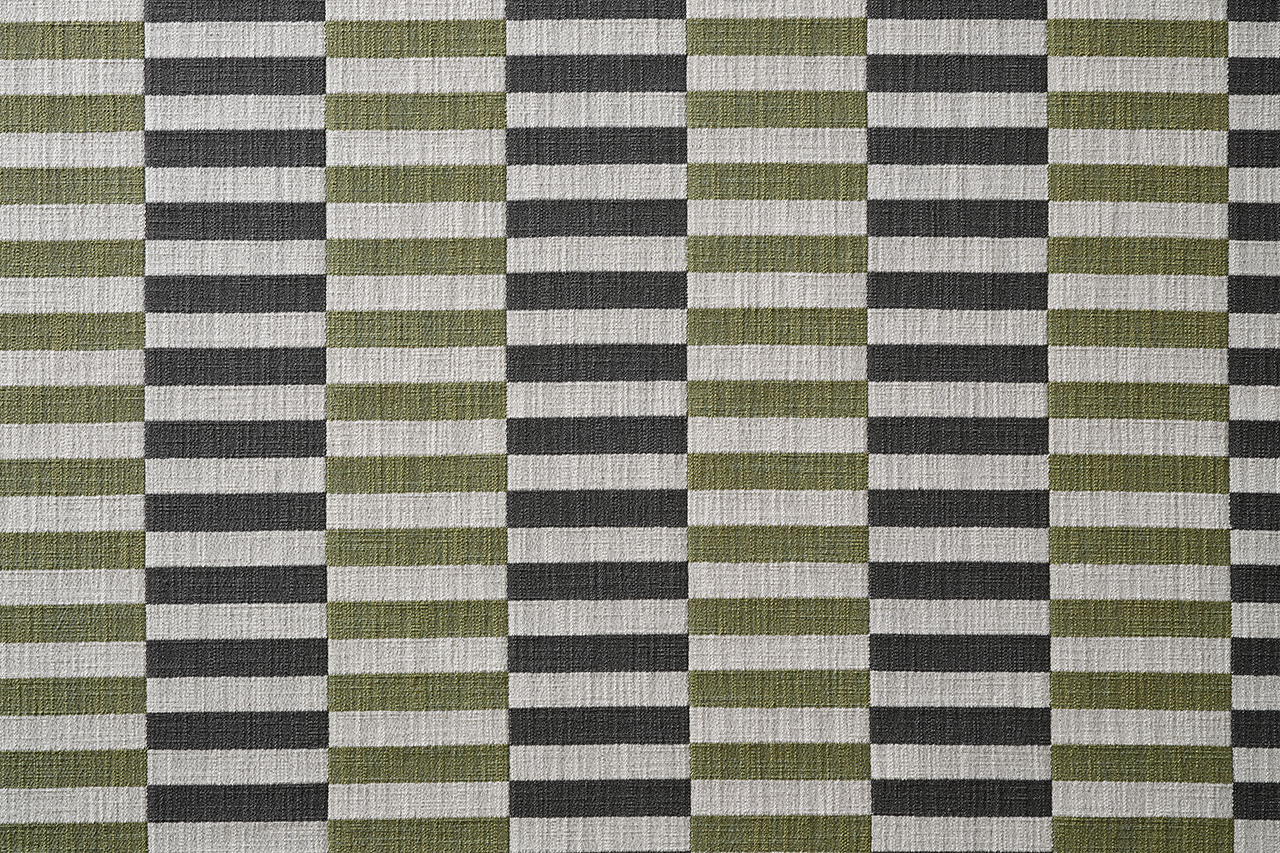
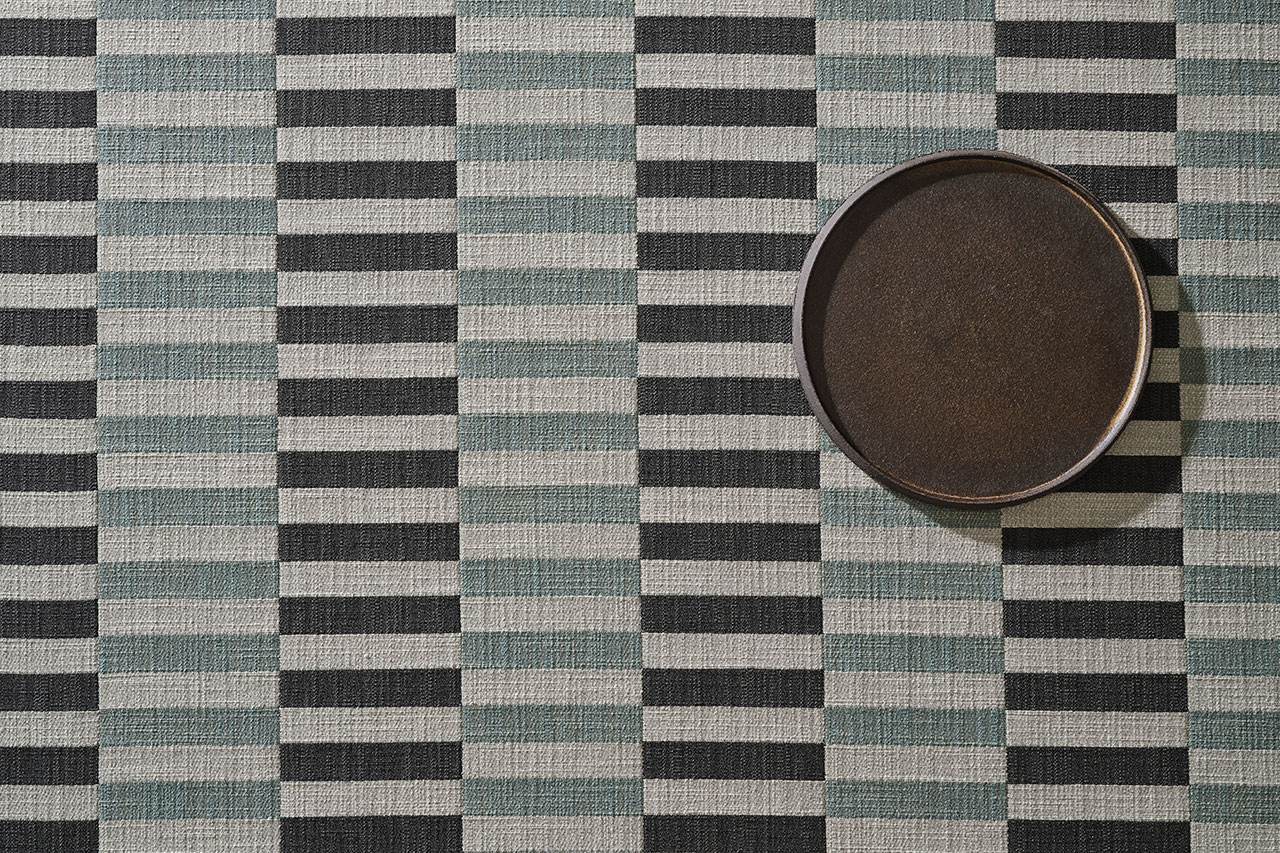
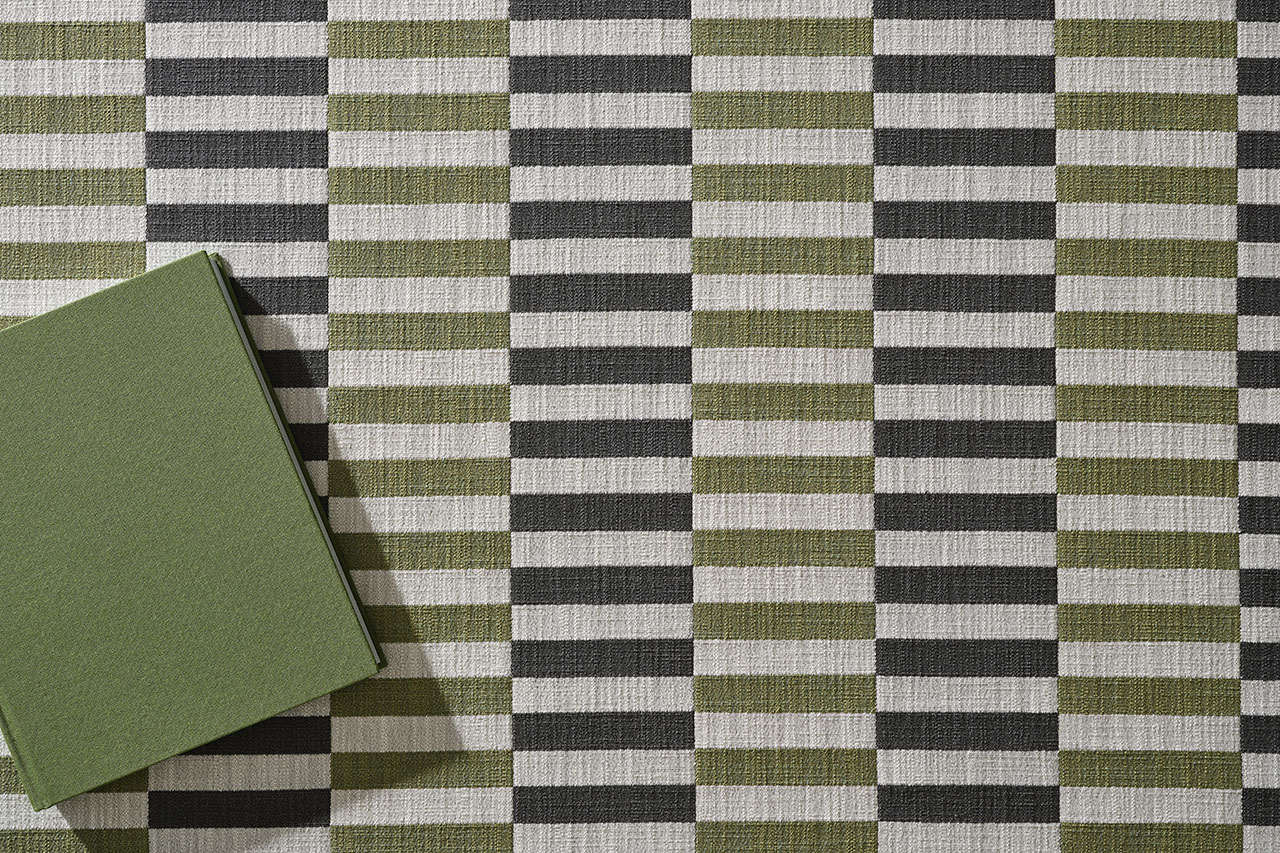
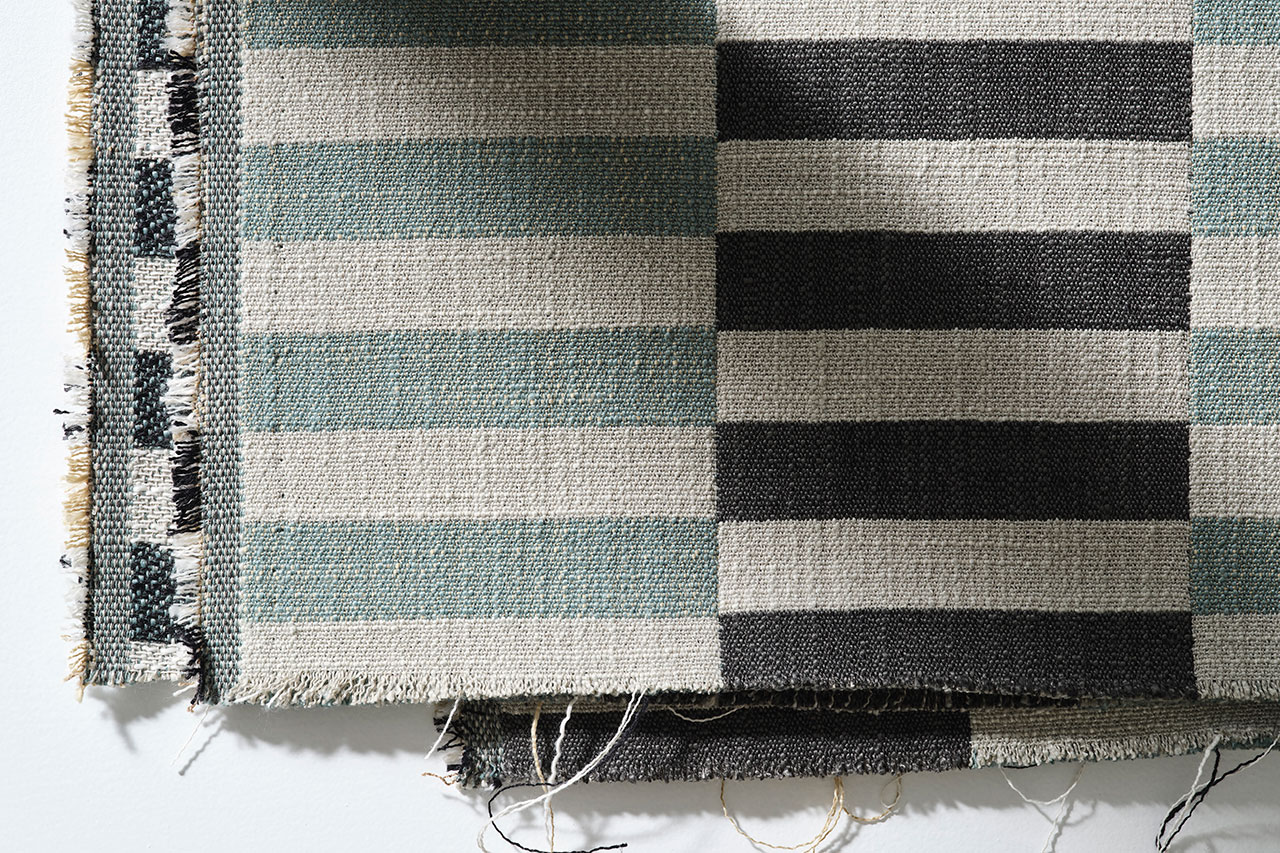
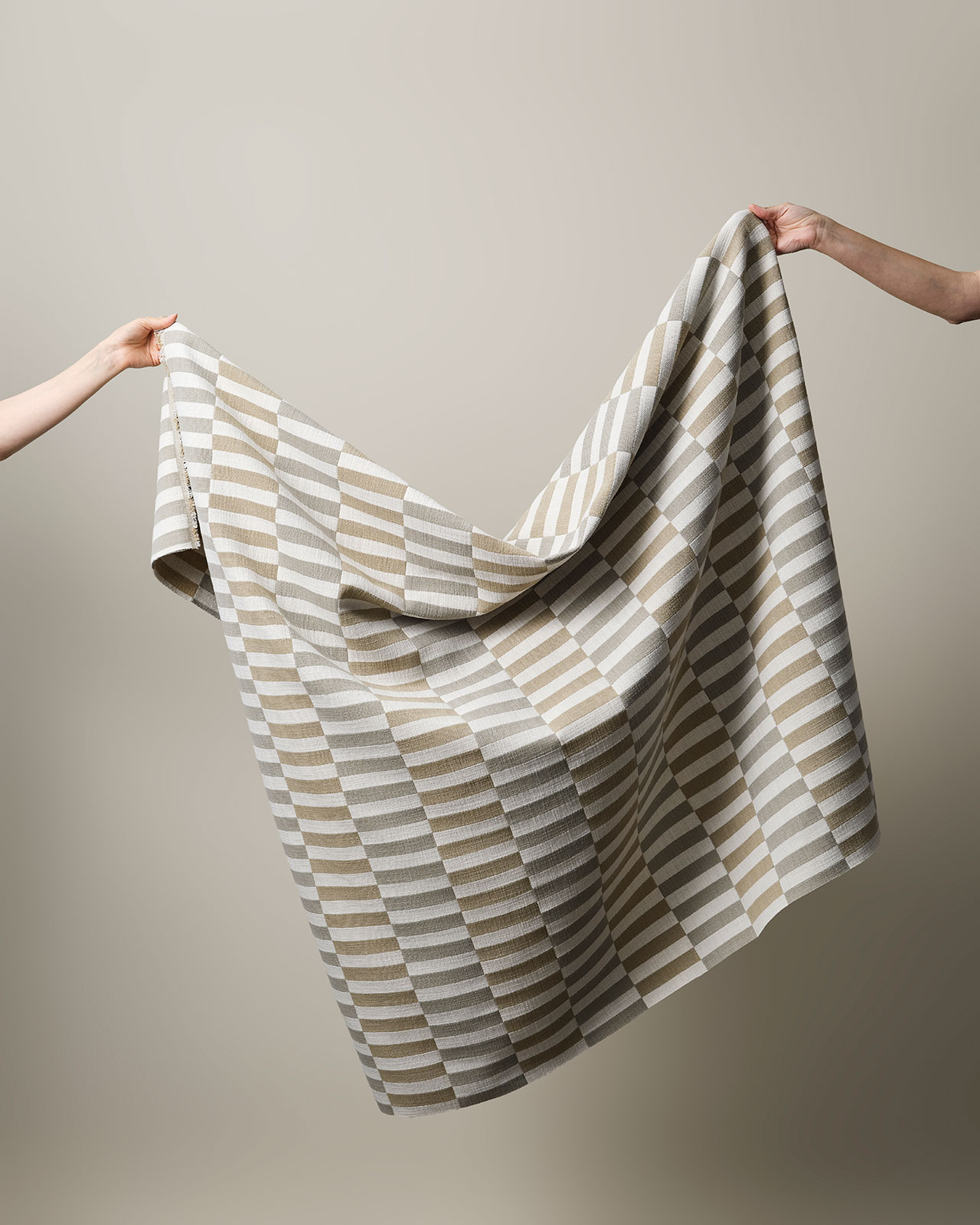
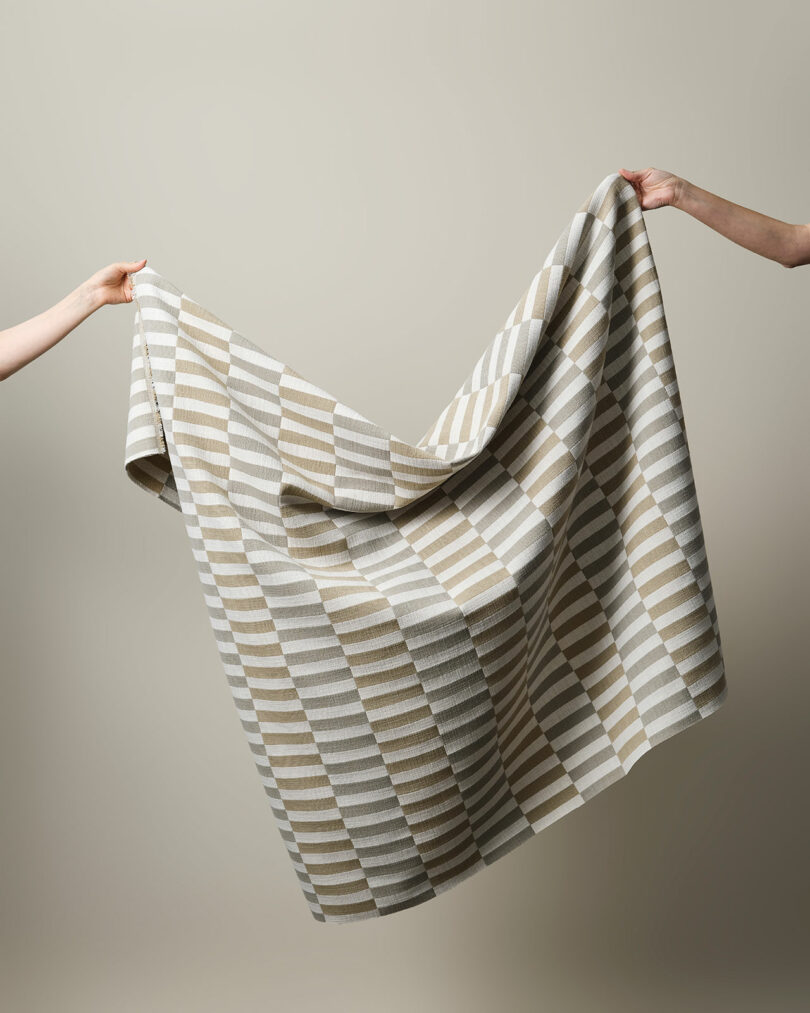
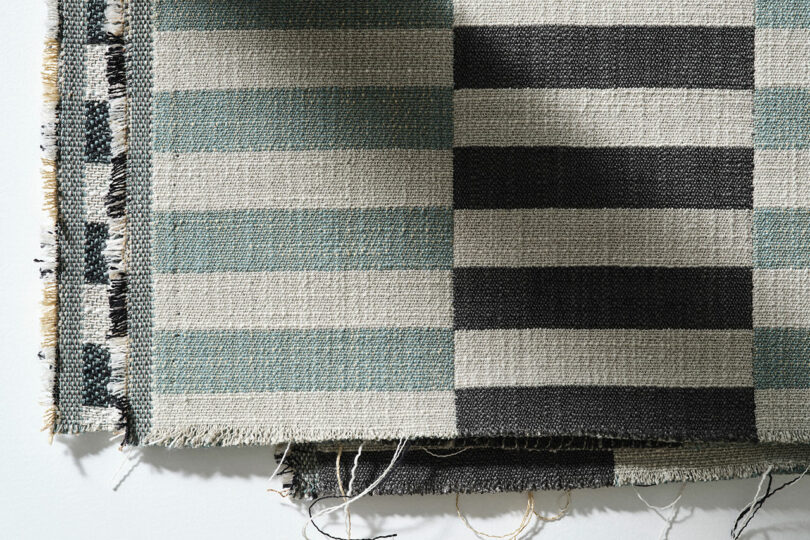
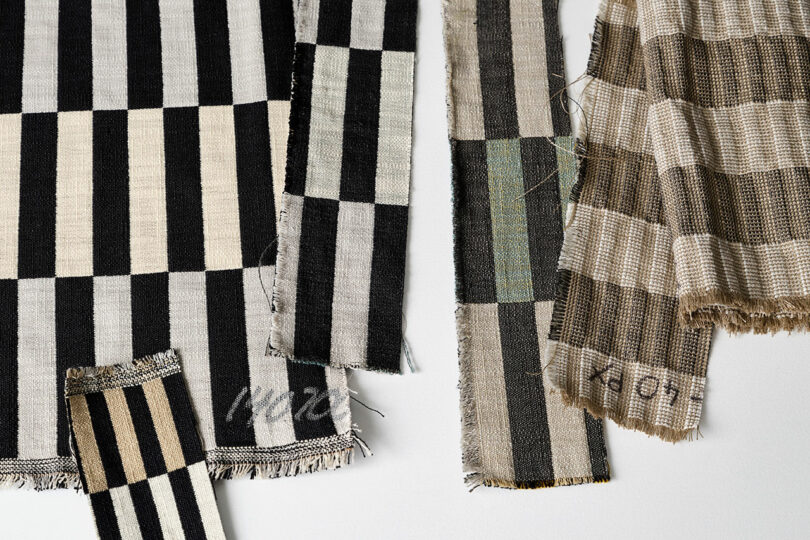
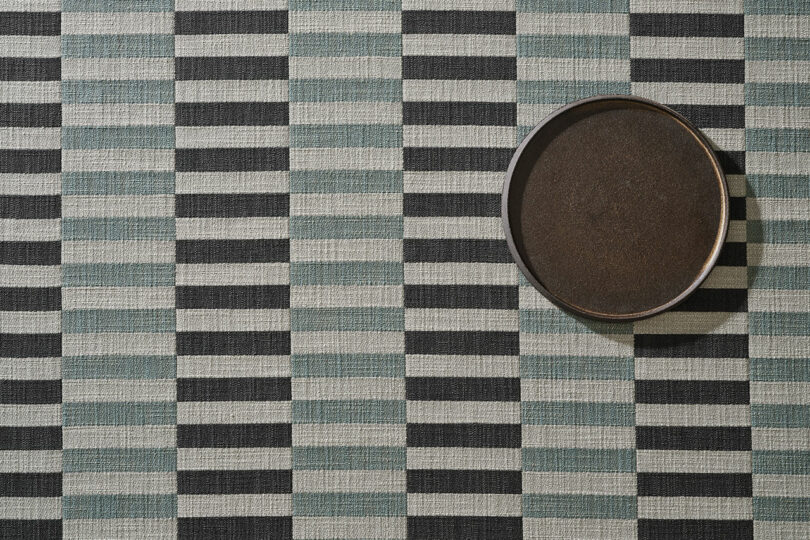
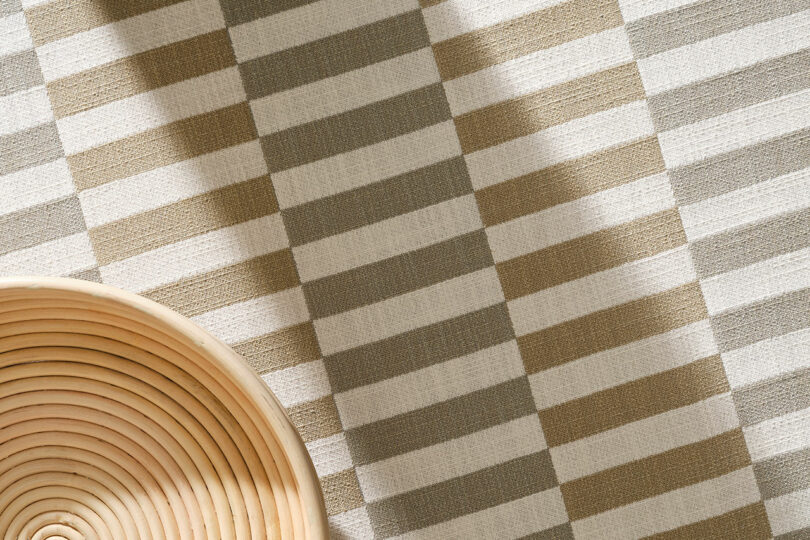
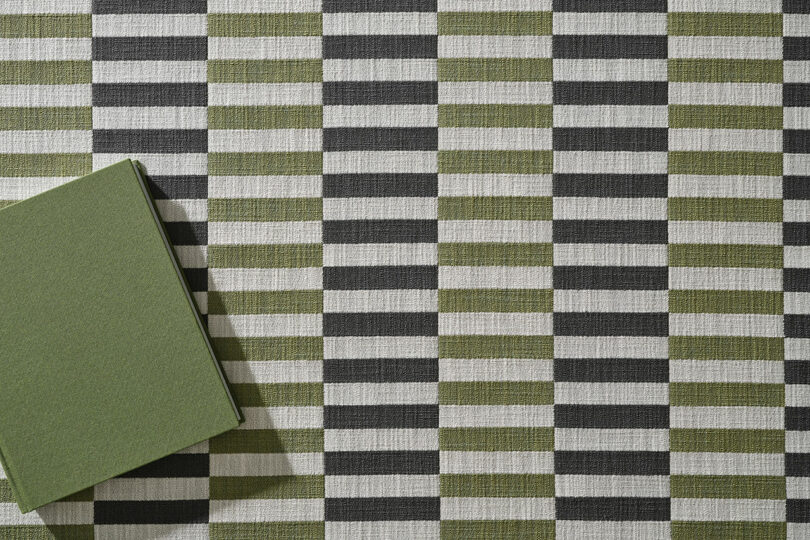
If Mending is about care, Join is about harmony. Slightly irregular stripes with visual vibration – a signature of Marquina’s work – appear almost musical, reminiscent of piano keys in motion. The pattern balances repetition with variation, architectural clarity with a sense of breath.
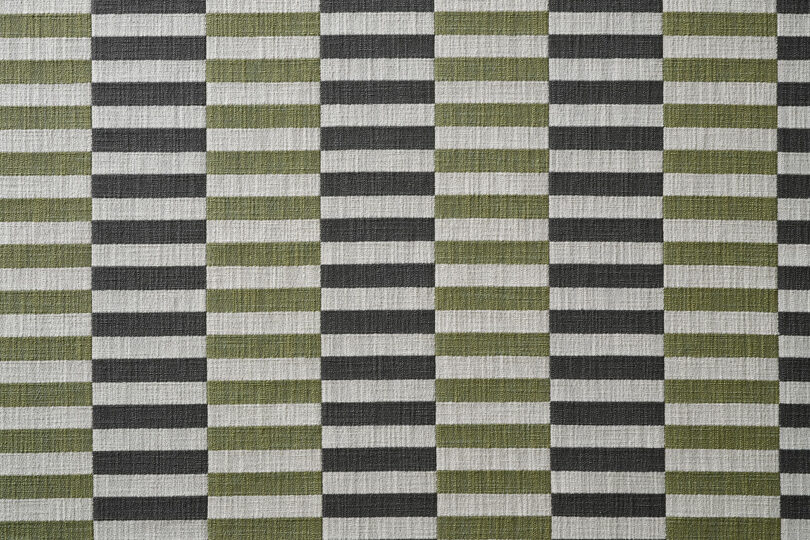
The palette, shaped by the Mediterranean landscape where Marquina spends her days, captures the quiet poetry of nature: tones weathered by stone, moonlight, plants, and sea. The result is a textile that feels lived-in, both rooted and relaxed, equally at home in outdoor environments and calm, hospitality-driven interiors.
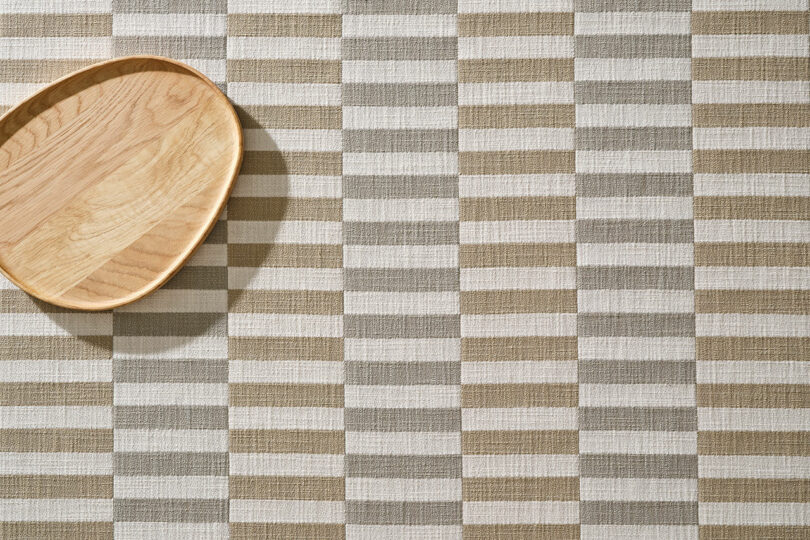
Join is engineered for indoor/outdoor use, offering high UV fastness, bleach cleanability, and robust performance without sacrificing softness or nuance. It is a study in rhythm and restraint, where other stripes might become busy, a surprising reminder that surface pattern can invite calm in an unsettled world.
You Can’t Rush (Im)perfection
In an industry increasingly pressured to release something “new” every season, both teams embraced a slower pace. And both brands learned from each other’s processes: Designtex from nanimarquina’s intuitive, artistic approach; nanimarquina from Designtex’s technical mastery, scalable production, and American contract-market insights.
“We were not in a hurry,” says Maria Piera Marquina, CEO of nanimarquina. “If we launch products, we have a commitment to launch products that are really interesting, that will last, that will have a meaning.”
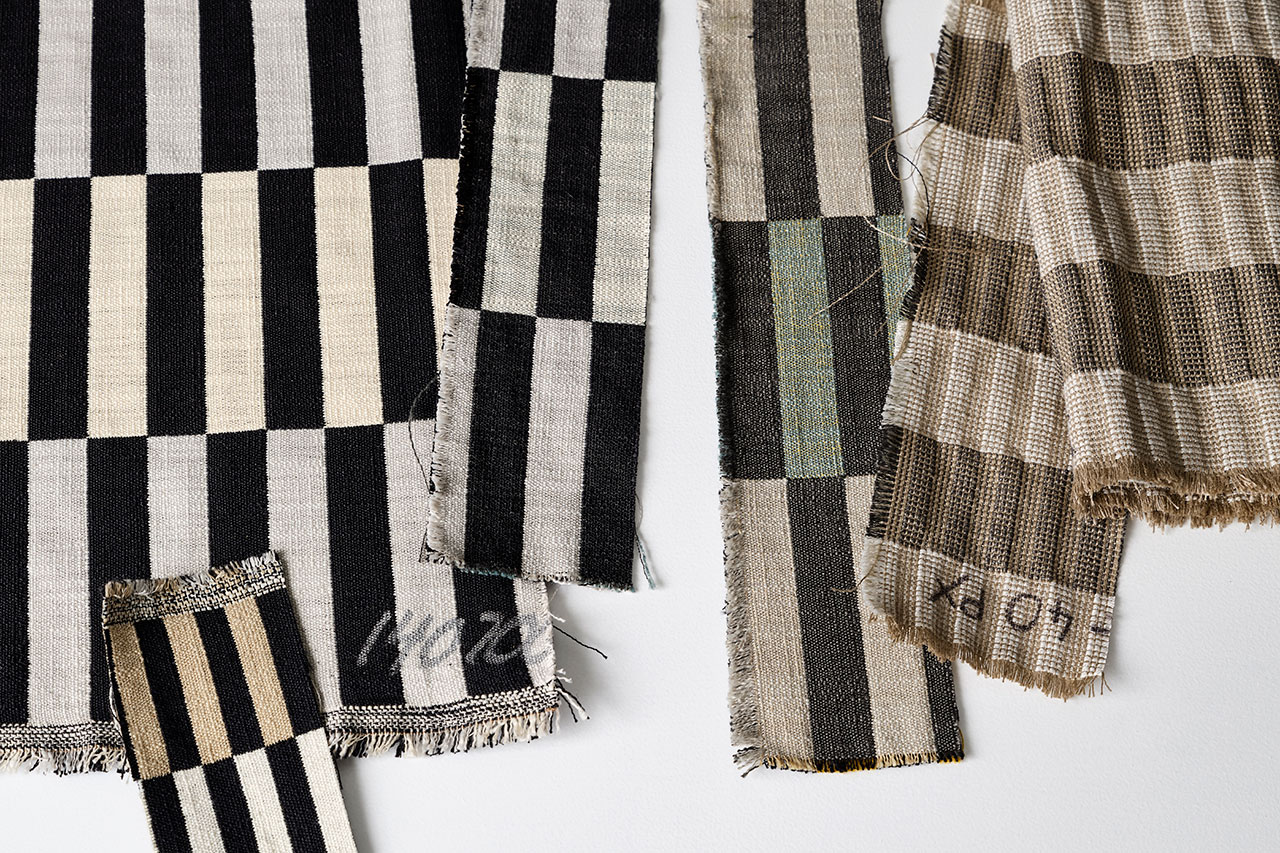
This meant years of trials, technical hurdles, yarn styling, and weaving experiments – particularly as the team worked to translate the feeling of handmade textile traditions into scalable, high-performance constructions. Highly-technical yarns had to mimic the irregularity of natural fibers while industrial looms had to approximate the gestural logic of human hands.
Yet what might have been a limitation became the foundation of the project’s philosophy: thoughtful creation in a world saturated with quick solutions.
“It has been an opportunity to discover that we can also design for brands that share the same values,” notes Marquina. “Choosing the right partner is key. Then you need to be generous, humble, and learn from the other.”
Join and Mending are quietly beautiful and quite subliminal, proving that materials can do more than function. They can communicate. They can restore a sense of softness to the built environment. And they can remind us that repair is not a flaw, but a form of beauty.
Textiles Continue to Have a Moment
In a polarized global climate – and with the design industry itself negotiating questions of sustainability, overproduction, and authenticity – these textiles offer the counter-narrative that making fewer, better, more intentional things might be its own act of repair. The collection suggests that in both textiles and culture, strength does not come from pristine surfaces, but from what we choose to tend, preserve, and stitch back together.
“It kind of makes you feel good and a little hopeful,” Stowell notes. “If we’re going to come together and do something, we hope to end up somewhere we wouldn’t have ended up on our own.”
And in that sense, they arrive not simply as a product launch, but as a timely offering: a design-driven reminder that even in an imperfect world, beauty lives in how we come together.
To learn more about the Join and Mending collaborative collection by nanimarquina and Designtex, visit nanimarquina.com.
Photography by Ragnar Schmuck.