


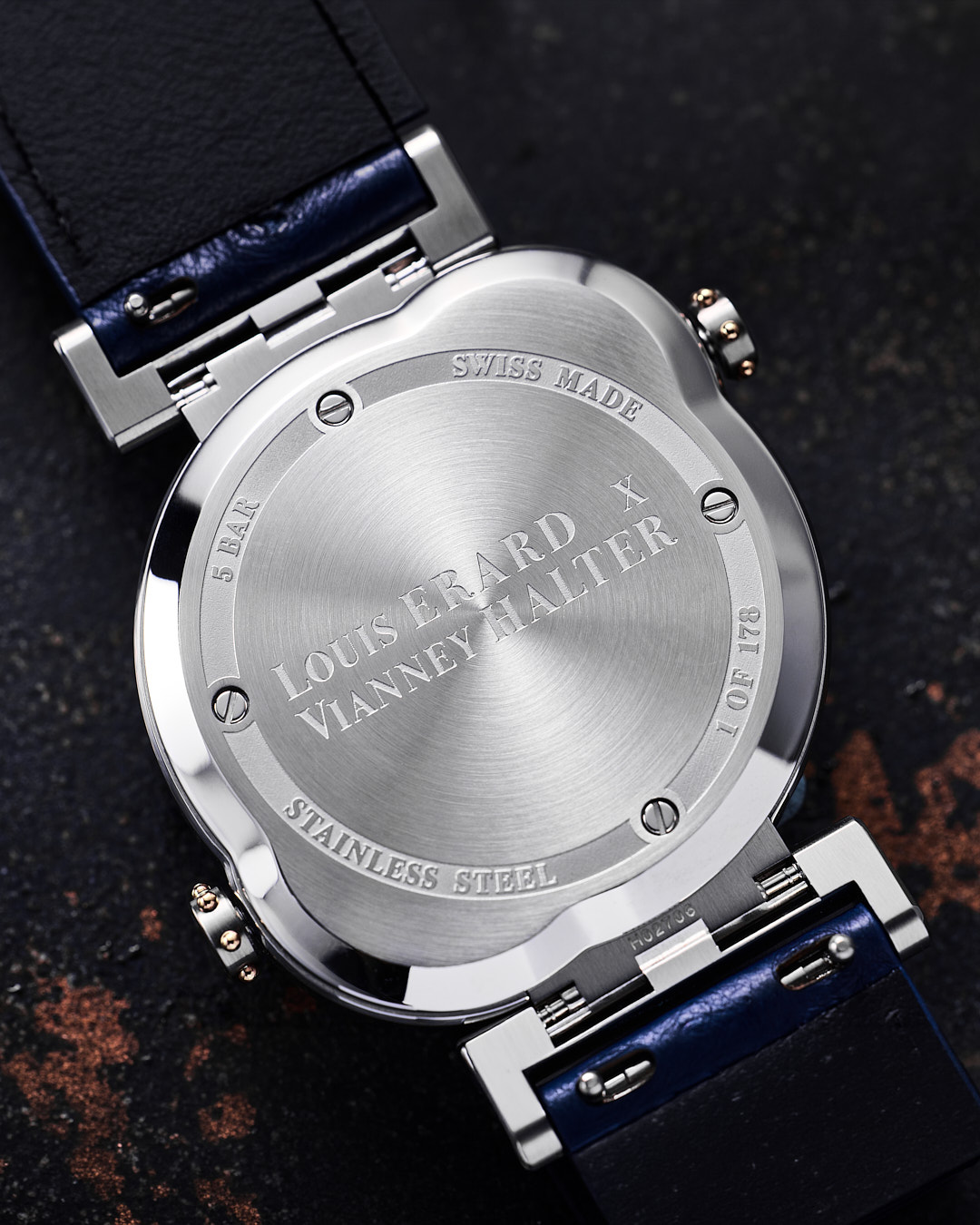
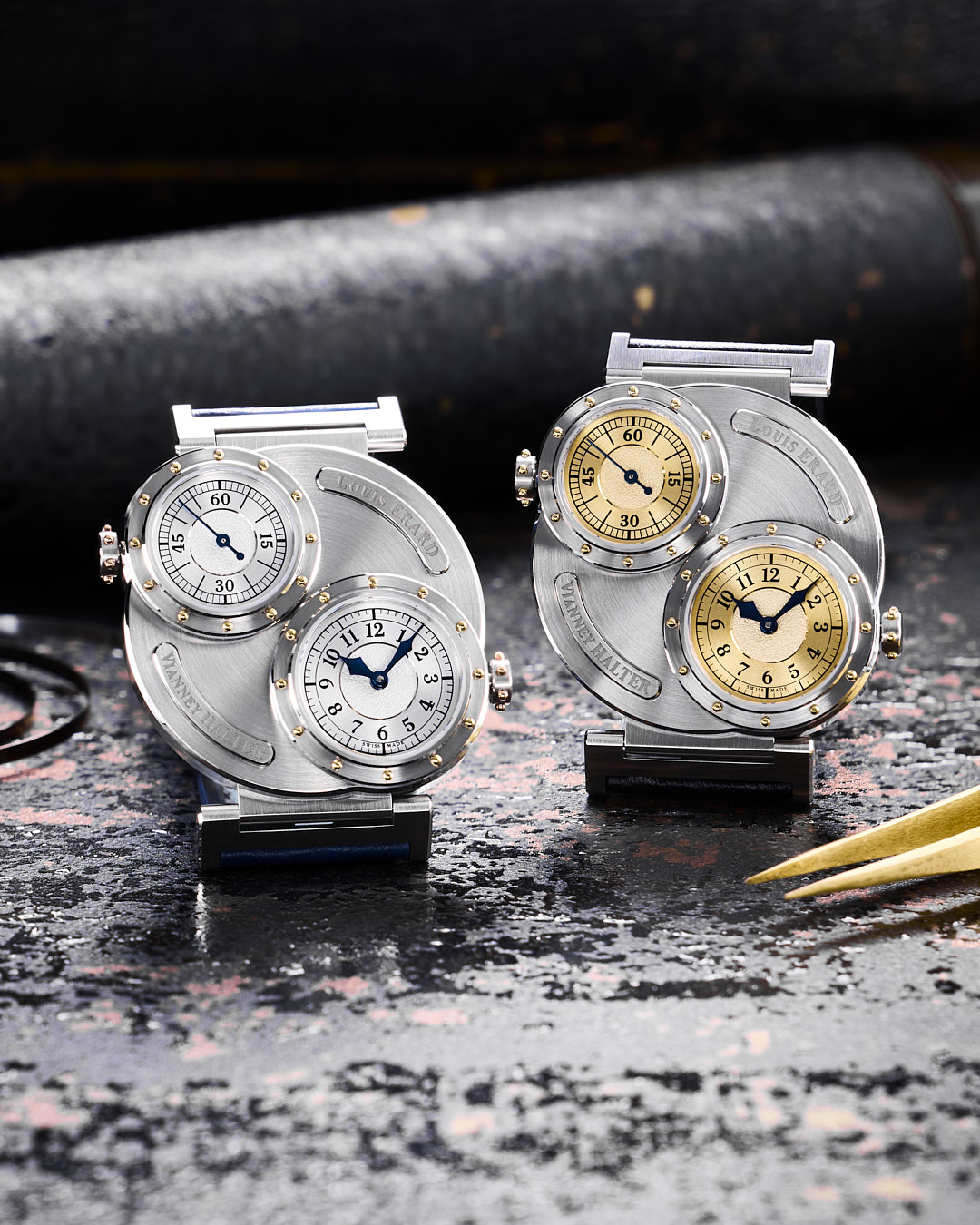
It’s a good day to be a watch enthusiast. The Louis Erard × Vianney Halter Futur Antérieur was recently unveiled—a limited-edition release that’s equal parts striking and unexpected. Despite this being the third collaboration between Louis Erard and Vianney Halter, the latest watch takes a decidedly different approach.
Photography courtesy of Louis Erard
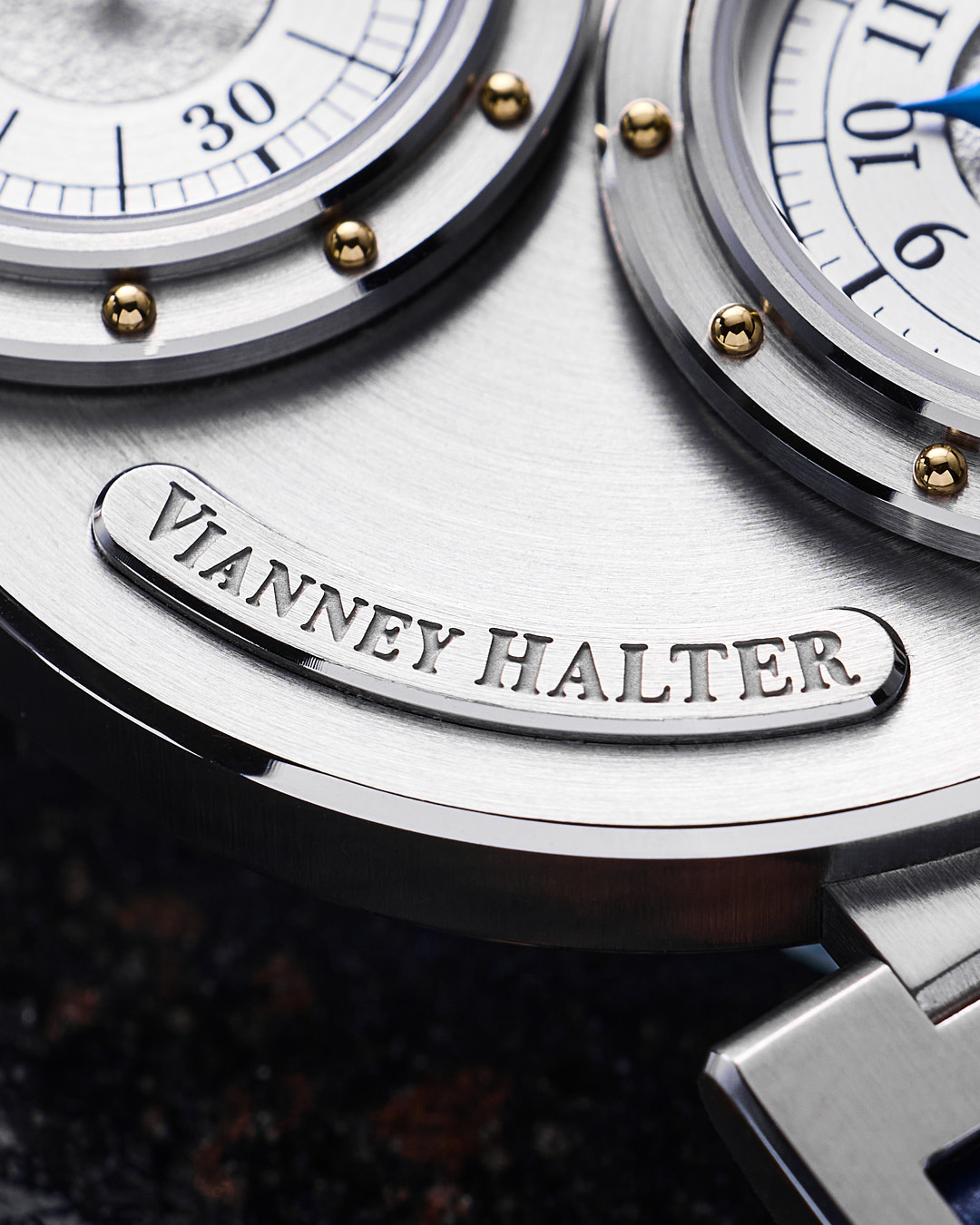
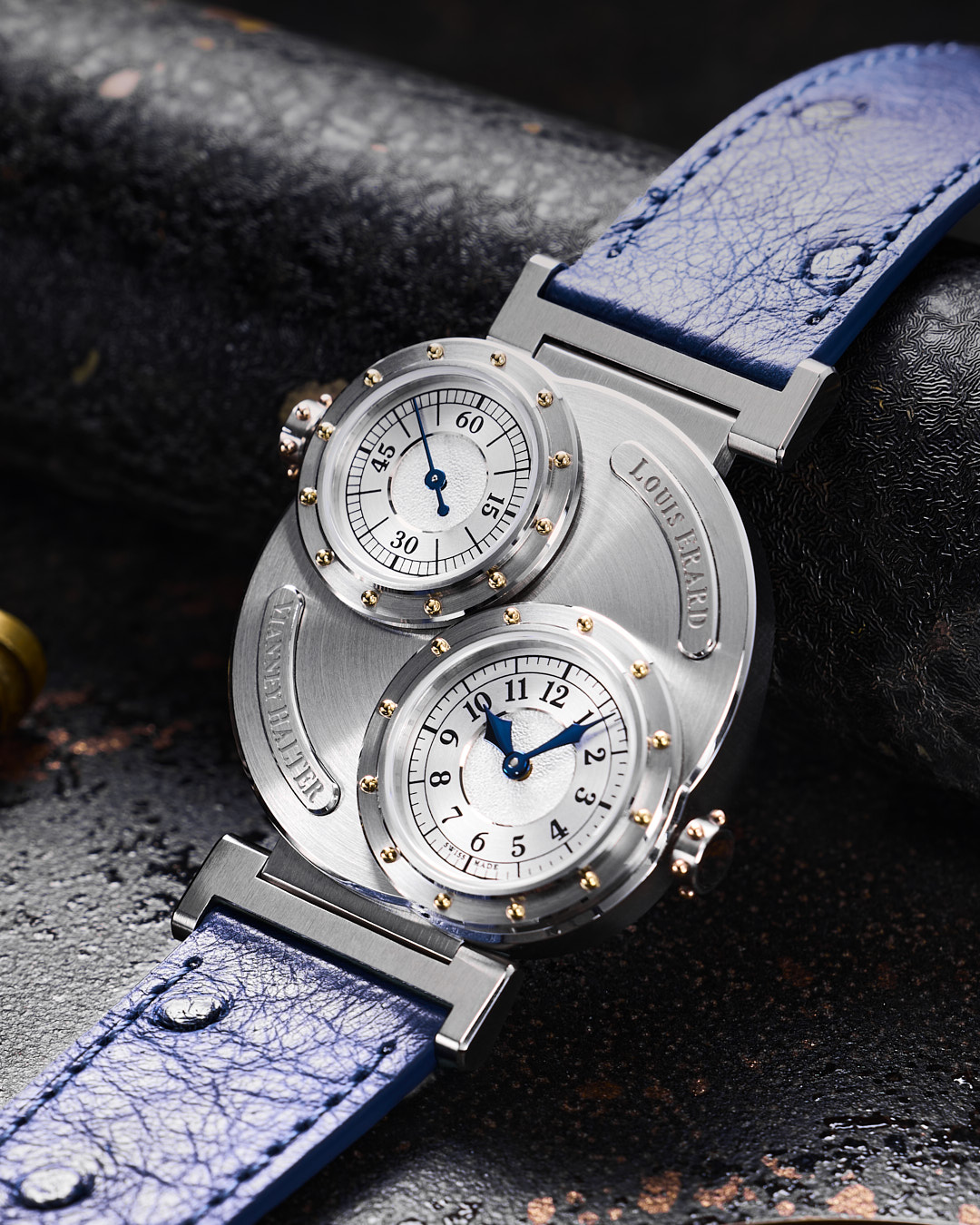
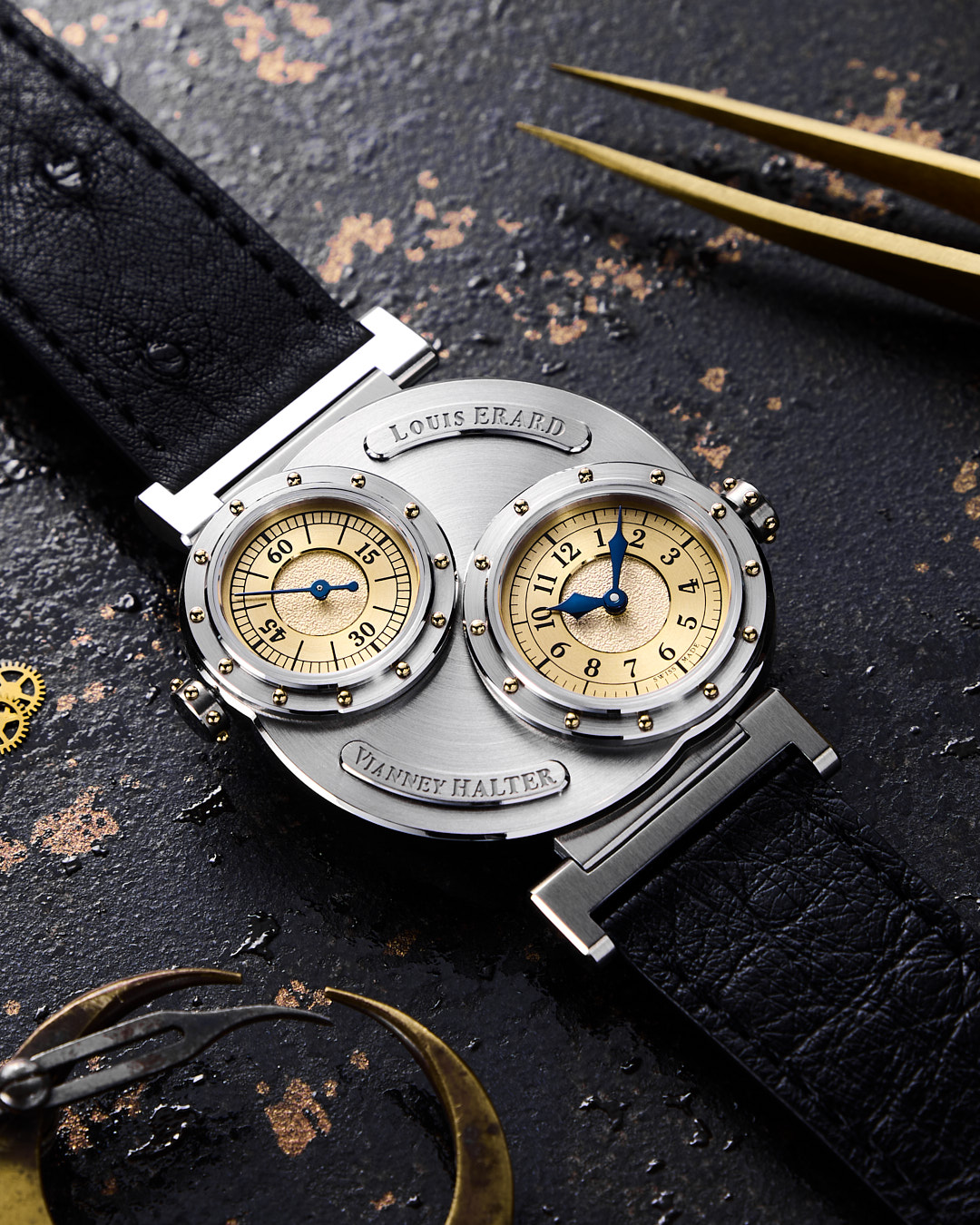
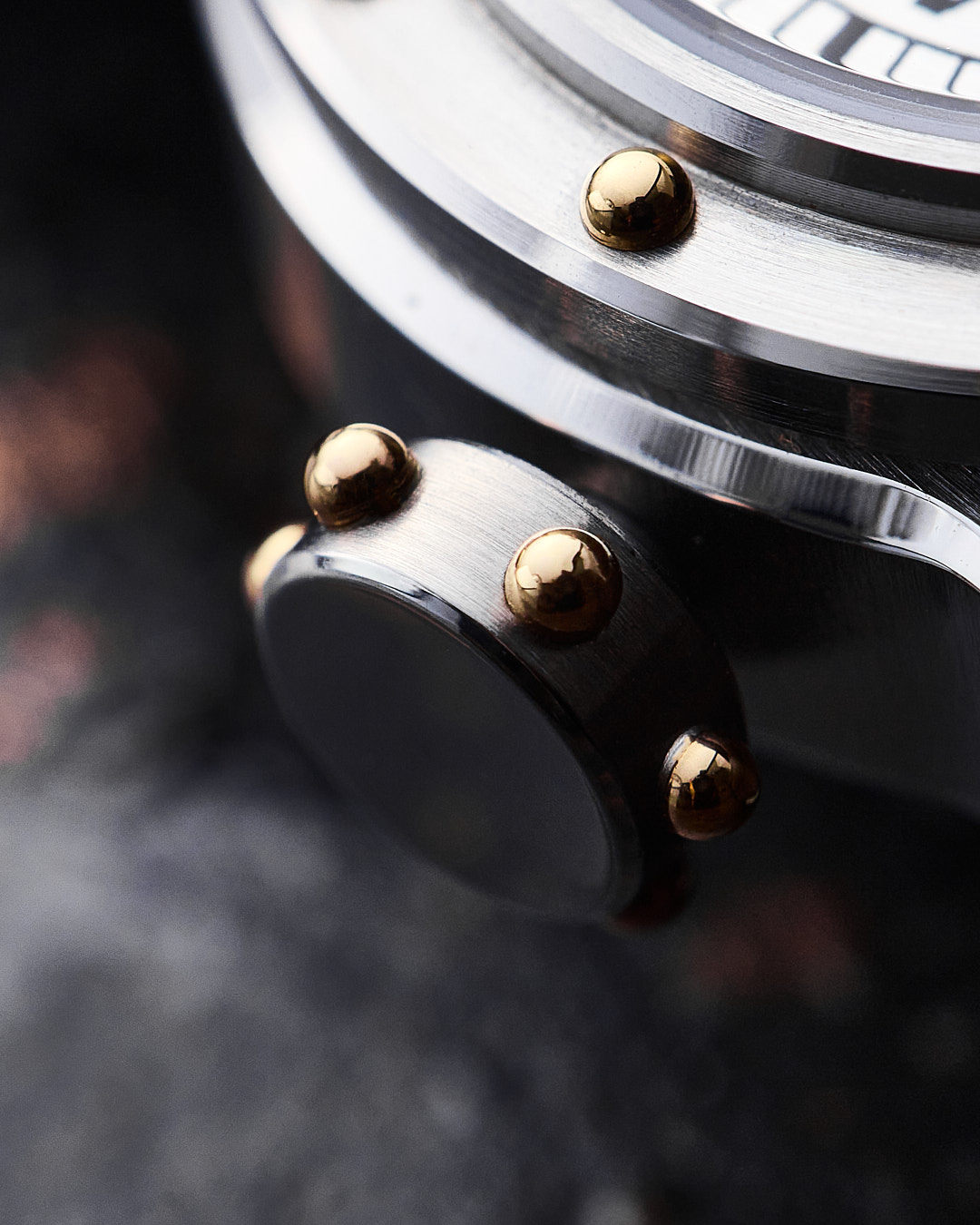
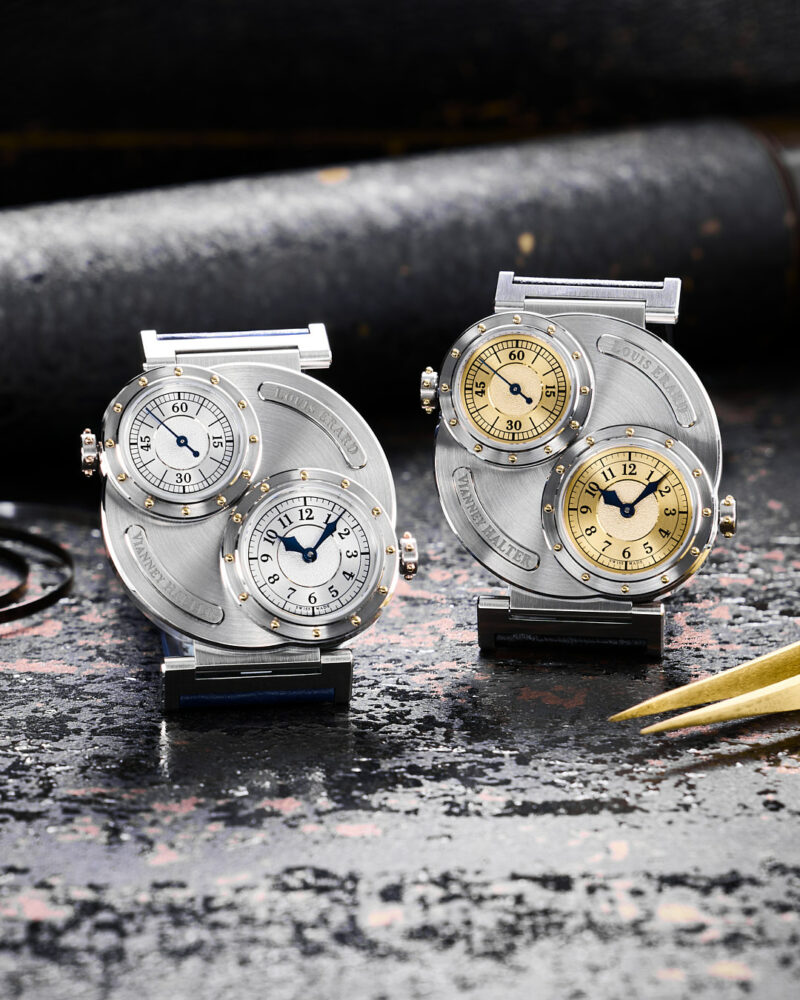
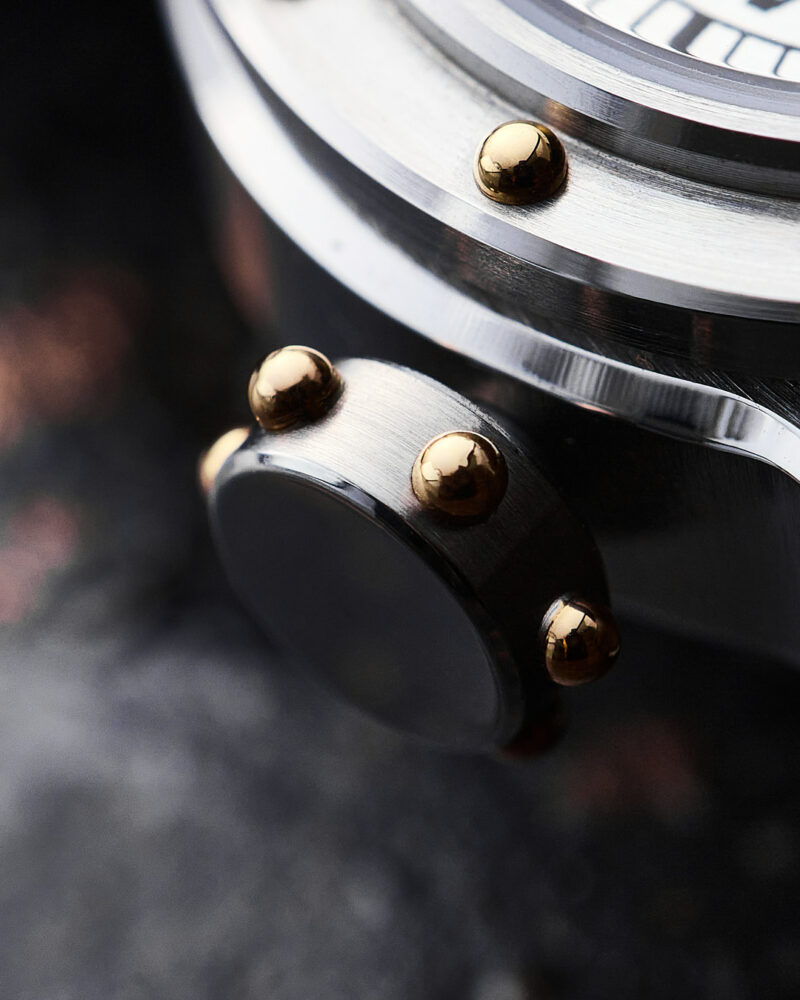
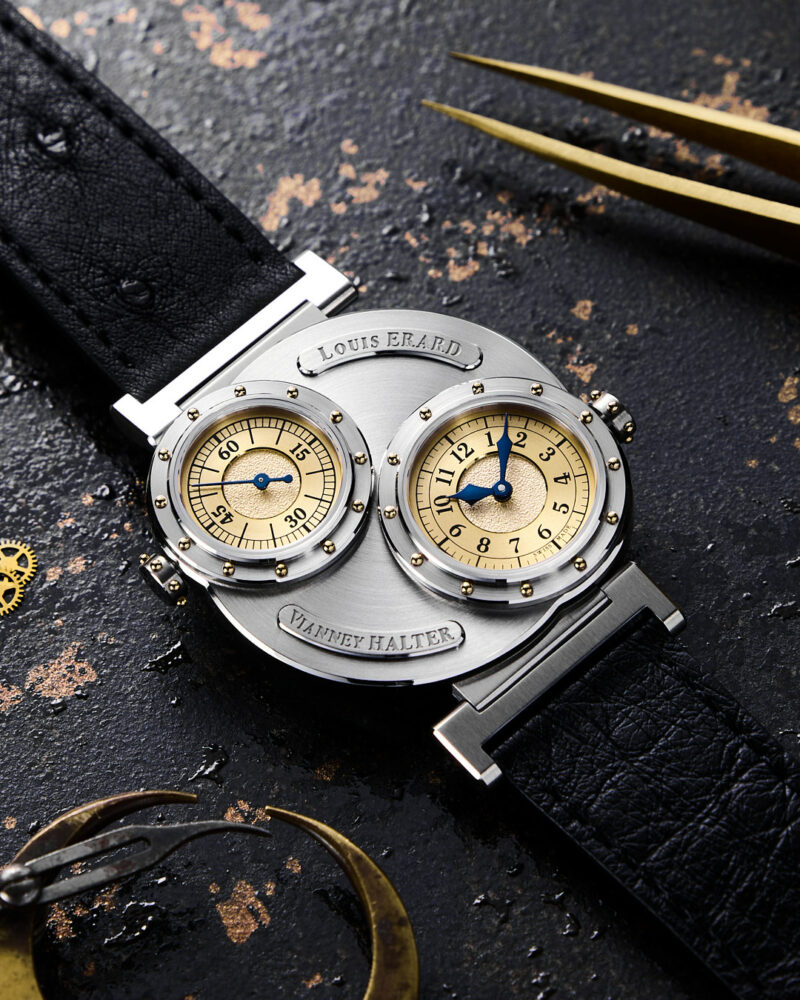
The Futur Antérieur differs dramatically from its predecessors. Where past editions were essentially reinterpretations of an existing Louis Erard model, decorated with Vianney Halter’s signature design elements, this new release is far more elaborate, appearing instead as an adaptation of one of Halter’s iconic steampunk-inspired designs. The porthole-style dial windows, gold-plated rivets on the porthole bezels and crowns, and even the dial and hand configurations all reference the perpetual calendar Vianney Halter launched in 1998, which costs more than $200,000.
Photography courtesy of Louis Erard
Now, at a list price of about $6,000 USD (before taxes), the Futur Antérieur is obviously not a perpetual calendar, and its split dial needs a little explanation. The complete separation between its hour-and-minute dial and its running seconds dial is achieved through a rather unorthodox but straightforward solution: Each dial is driven by a separate Sellita SW100 automatic movement. This allows for both a unique time display and the ability to keep its case remarkably thin at just 8.85 mm.
Photography courtesy of Louis Erard
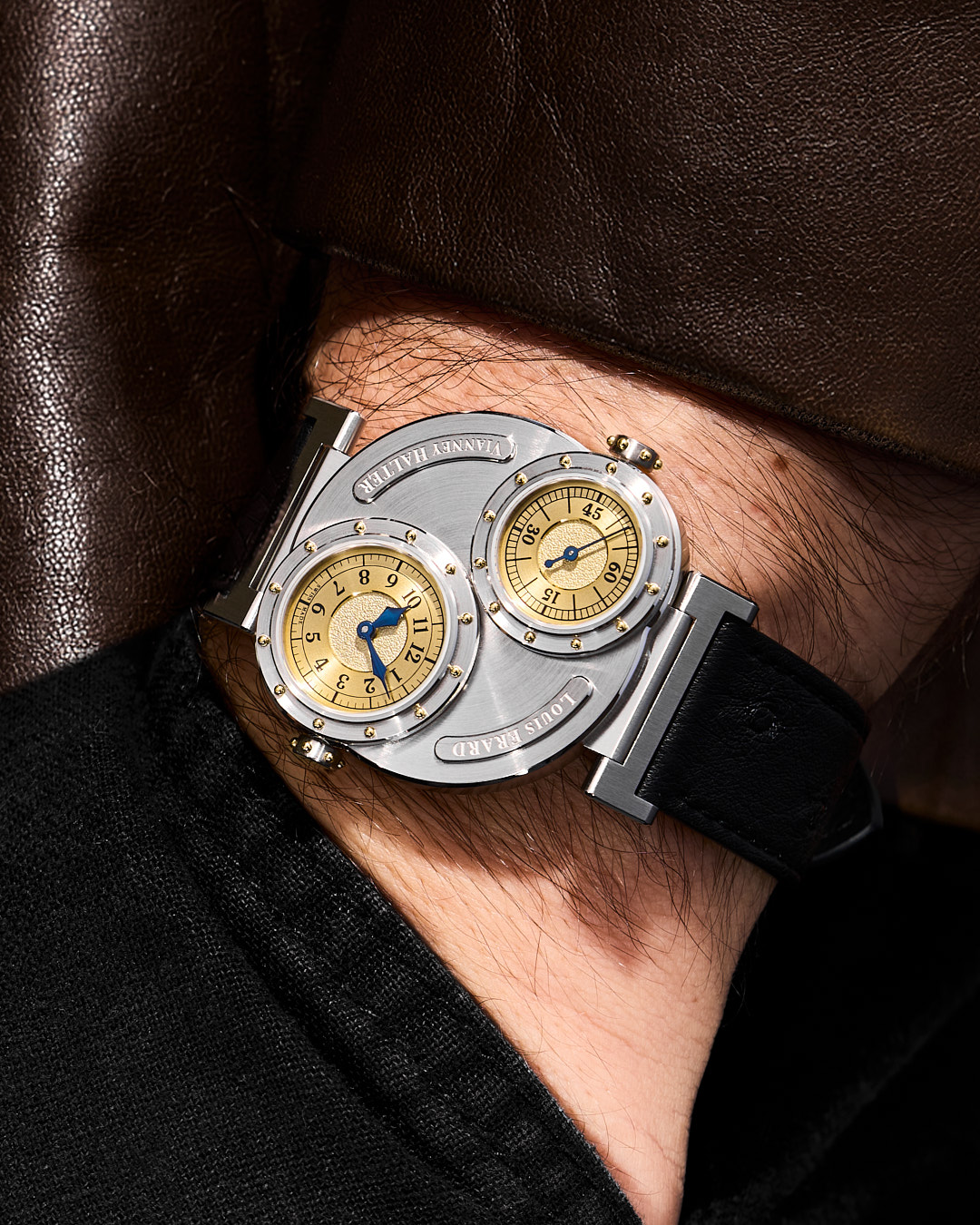
Speaking of dimensions, the proportions of this watch are impressive across the board. Its case measures a modest 38 mm in diameter, and articulating lugs let the Futur Antérieur conform to a wide range of wrist sizes. After spending some hands-on time with the watch, I quickly realized something unexpected: It wears incredibly well on a single-pass fabric or NATO strap, which you wouldn’t necessarily expect given its design.
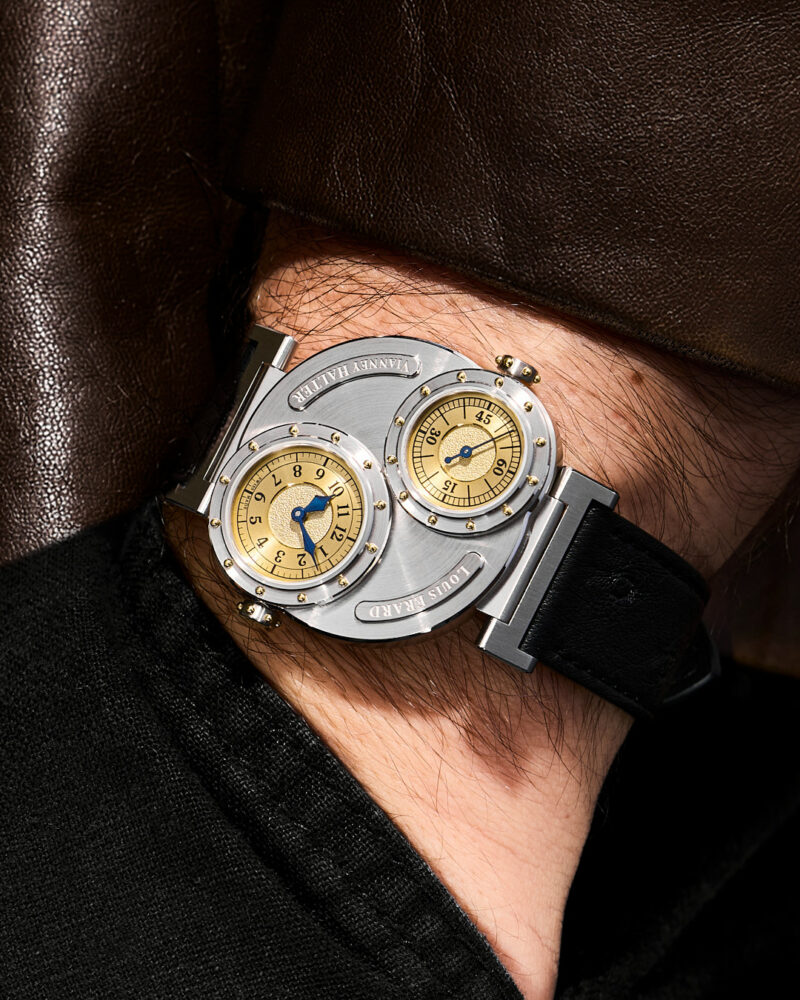
Photography courtesy of Louis Erard
During my time with the watch, one key question came up. If it’s fitted with two movements, why not offer it as a dual-time watch? Personally, I like the choice of a running seconds hand, and to me, the decision seemed to echo the Antiqua it was based on more faithfully. With the Antiqua, each porthole displayed something clearly different, and having a second similar dial with another time zone would seem like too great a departure from the intended vision.
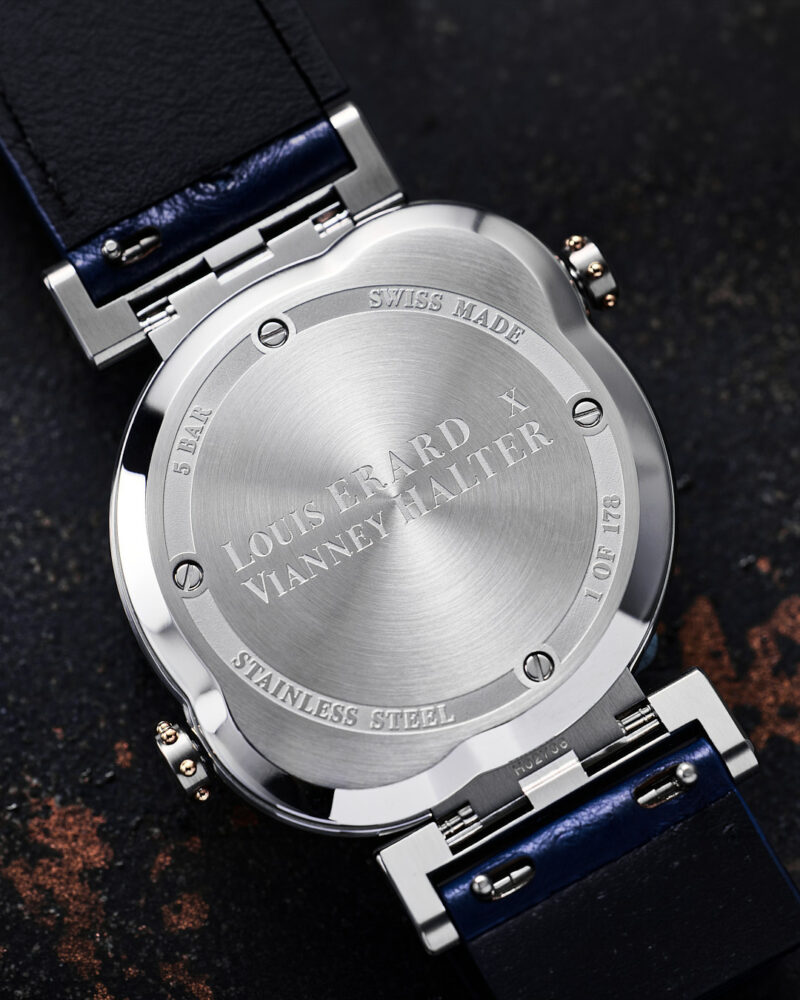
Photography courtesy of Louis Erard
According to Louis Erard, the decision was a touch more practical. The Sellita SW100, despite its compact size, is not the most accurate or easily regulated Swiss automatic movement. Thus, getting the two movements to run in harmony would be too difficult at the price point the brand aimed for, and displaying running seconds allows far more leeway for differences in accuracy between the movements.
Now, before anyone gets too up in arms about this, look at how much watch you’re getting for the price of entry. It’s a statement piece, and if you want greater accuracy, that equivalent dollar figure is best spent on one of Grand Seiko’s Spring Drive watches or a Tudor with METAS certification (with a stated accuracy of 0 to +5 seconds per day).
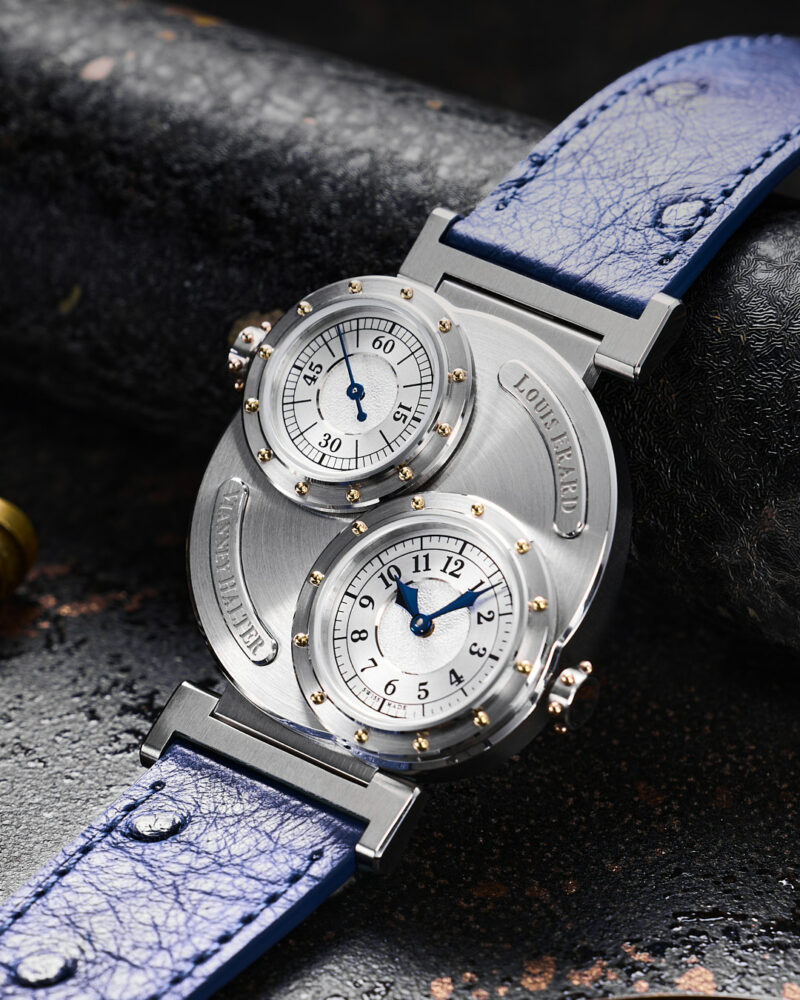
Photography courtesy of Louis Erard
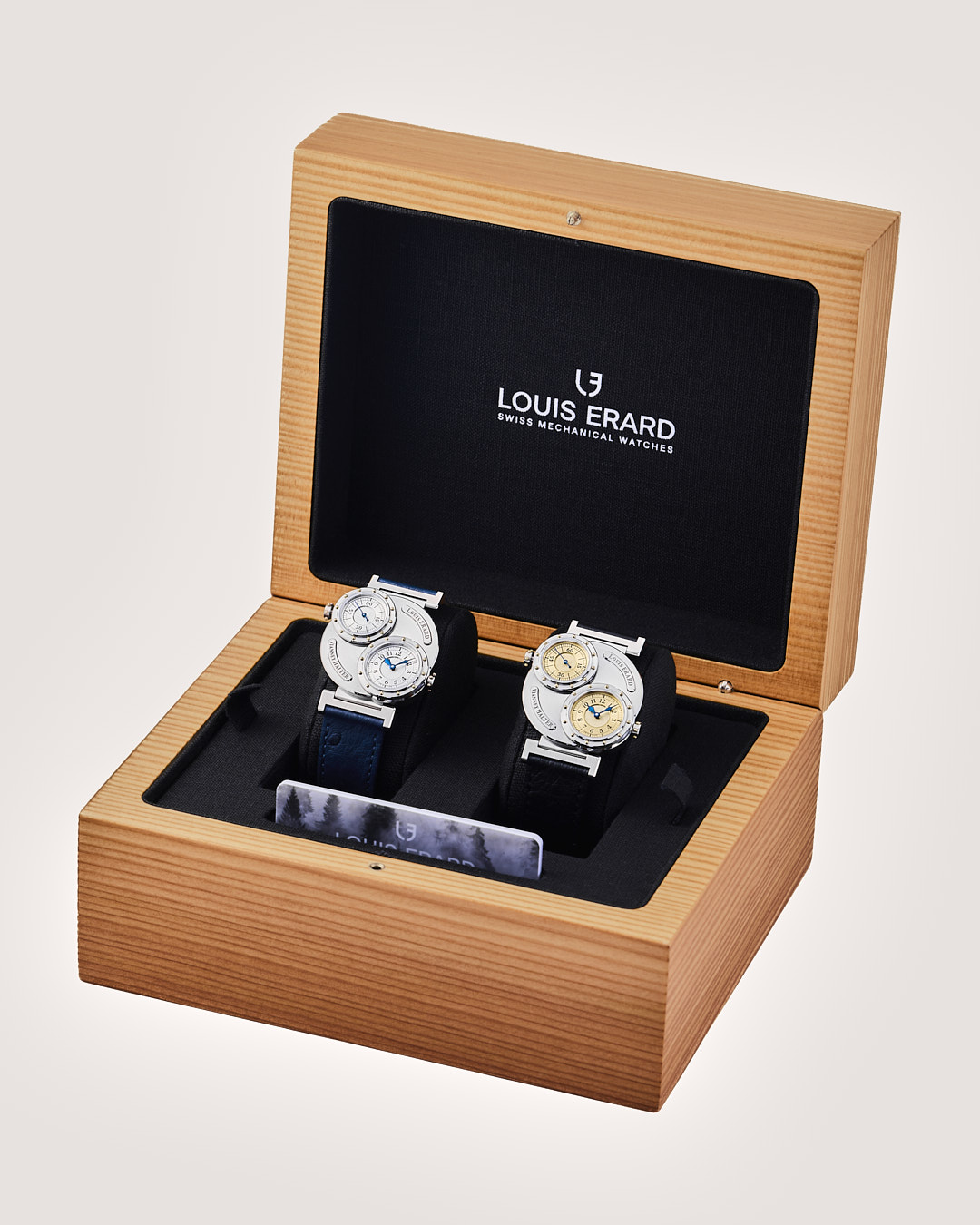
My one gripe in all this? These are very scarce, and likely long gone from the primary market. Louis Erard is only making 178 of each dial configuration, along with 78 collector’s box sets containing both watches for CHF 9,900 (approximately $12,075).
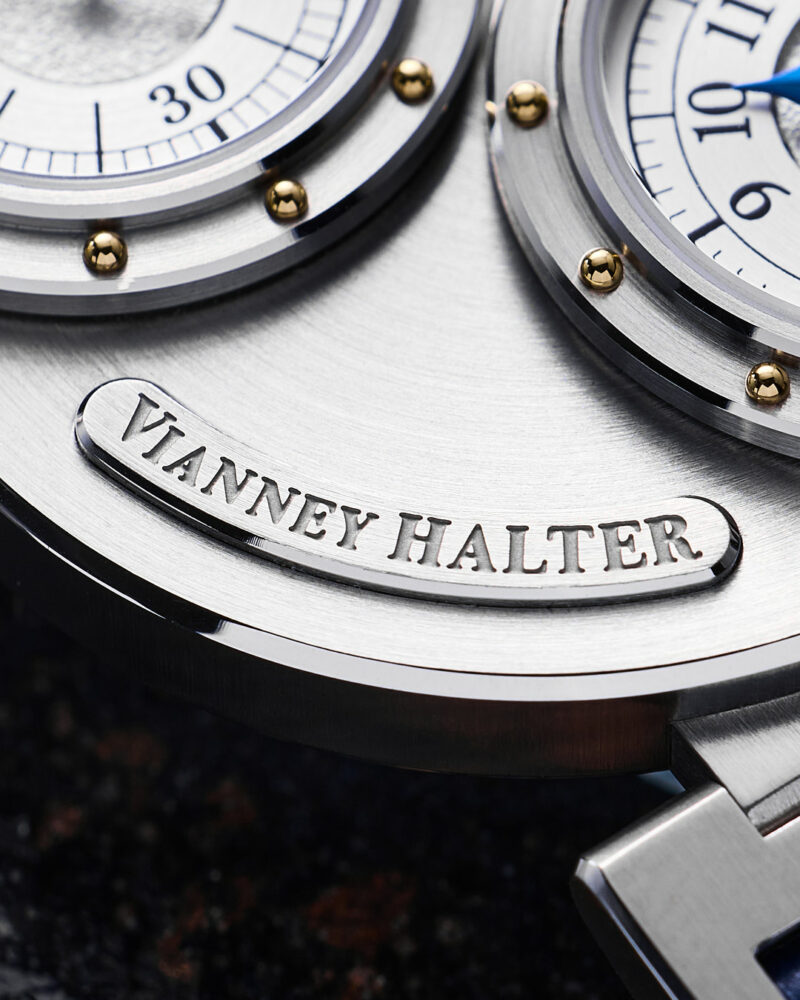
Photography courtesy of Louis Erard