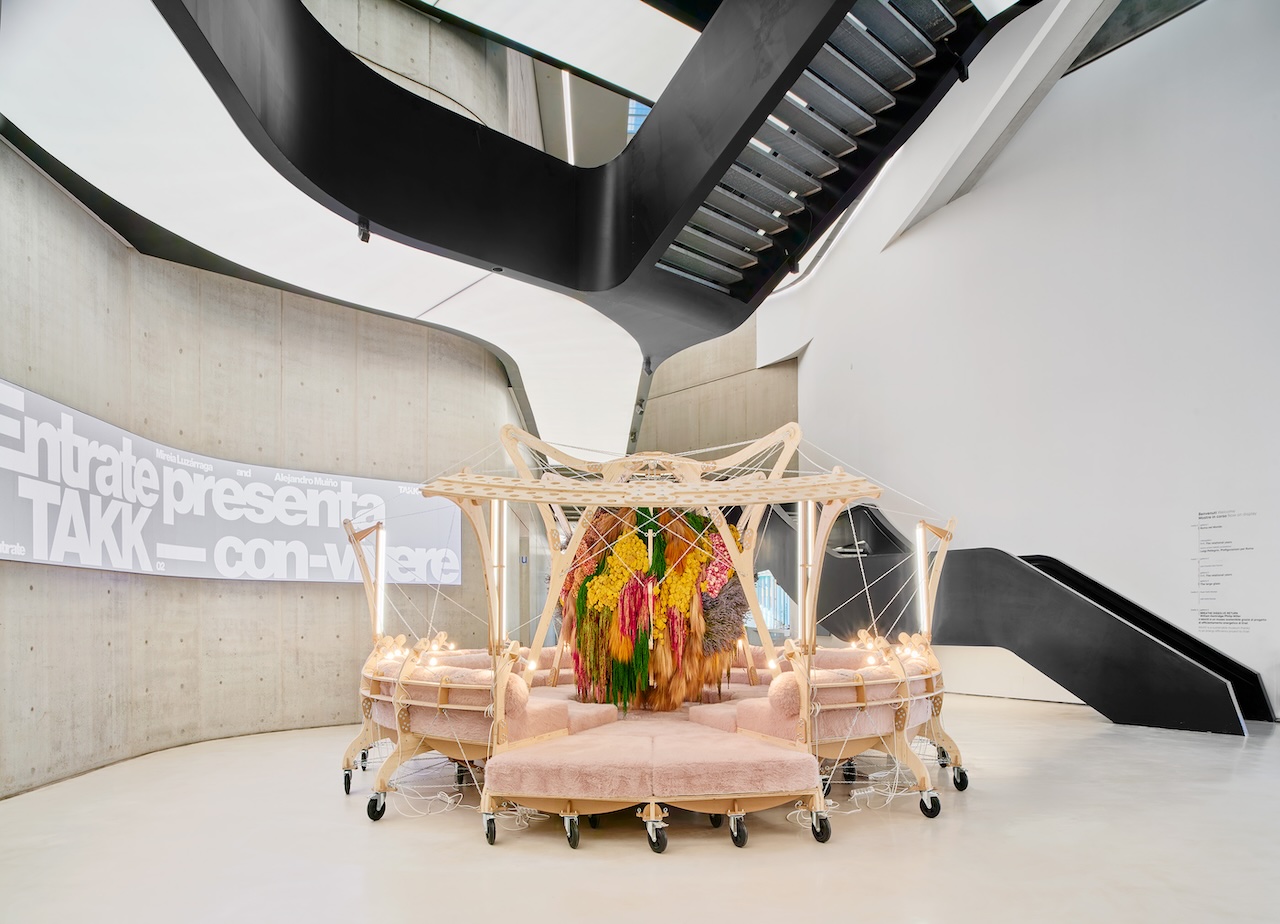

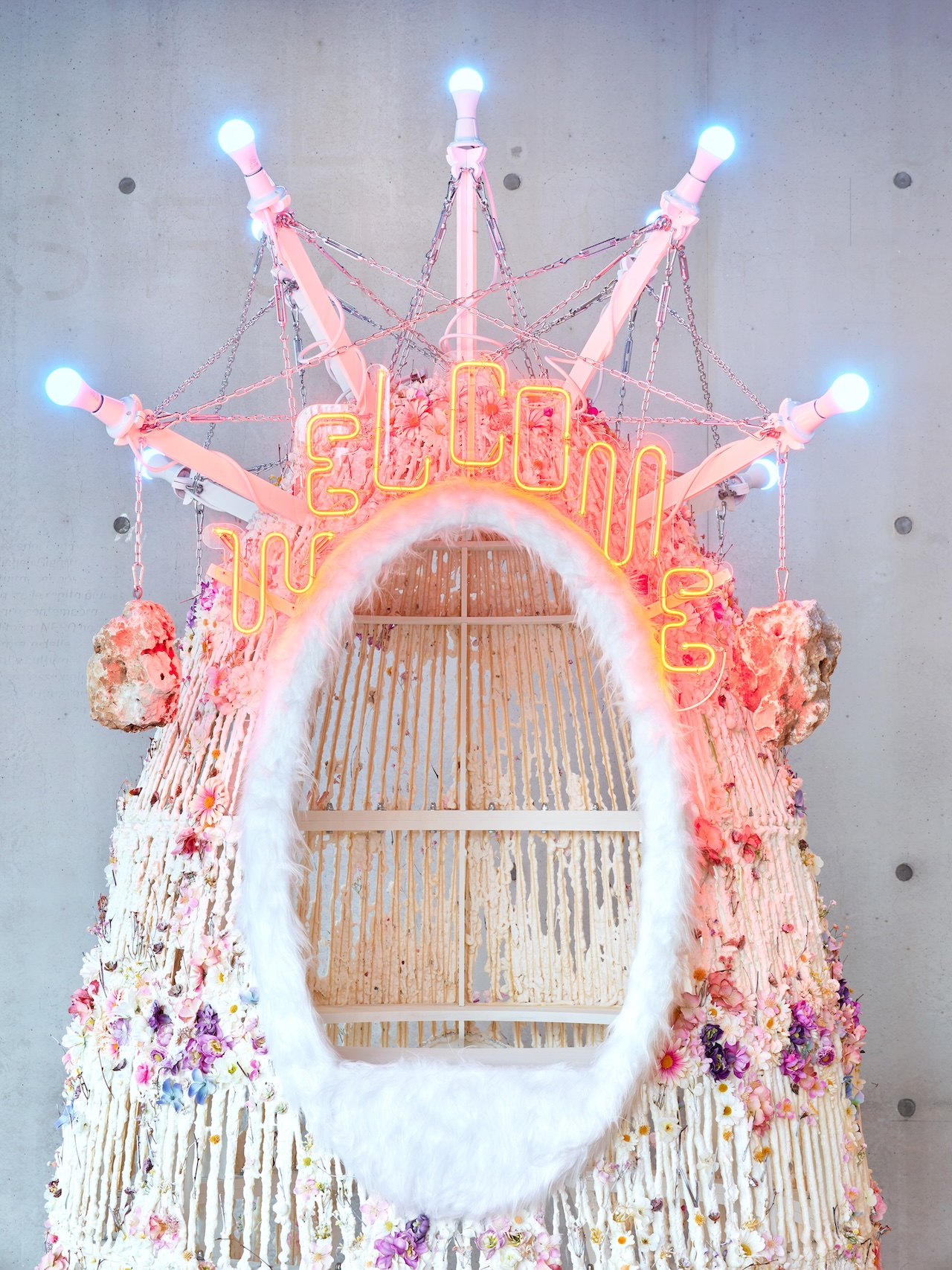

With “Entrate,” curated by Martina Muzi, MAXXI has been making the most of its lobby by inviting architects to animate the space and truly draw visitors in. Last year, Nacho Carbonell devised an evocative setting in Rome’s Zaha Hadid—designed modern art museum with Memory, in practice. Taking the baton for the second edition is another Spanish practice: TAKK, founded by Mireia Luzárraga and Alejandro Muiño in Barcelona, have conjured a fantastical ambience that is also deeply rooted in the here and now. The architecture duo’s Con-Vivere captures its namesake vibe of conviviality — proposing how we could and should live together as humans and in relationship with non-human species.


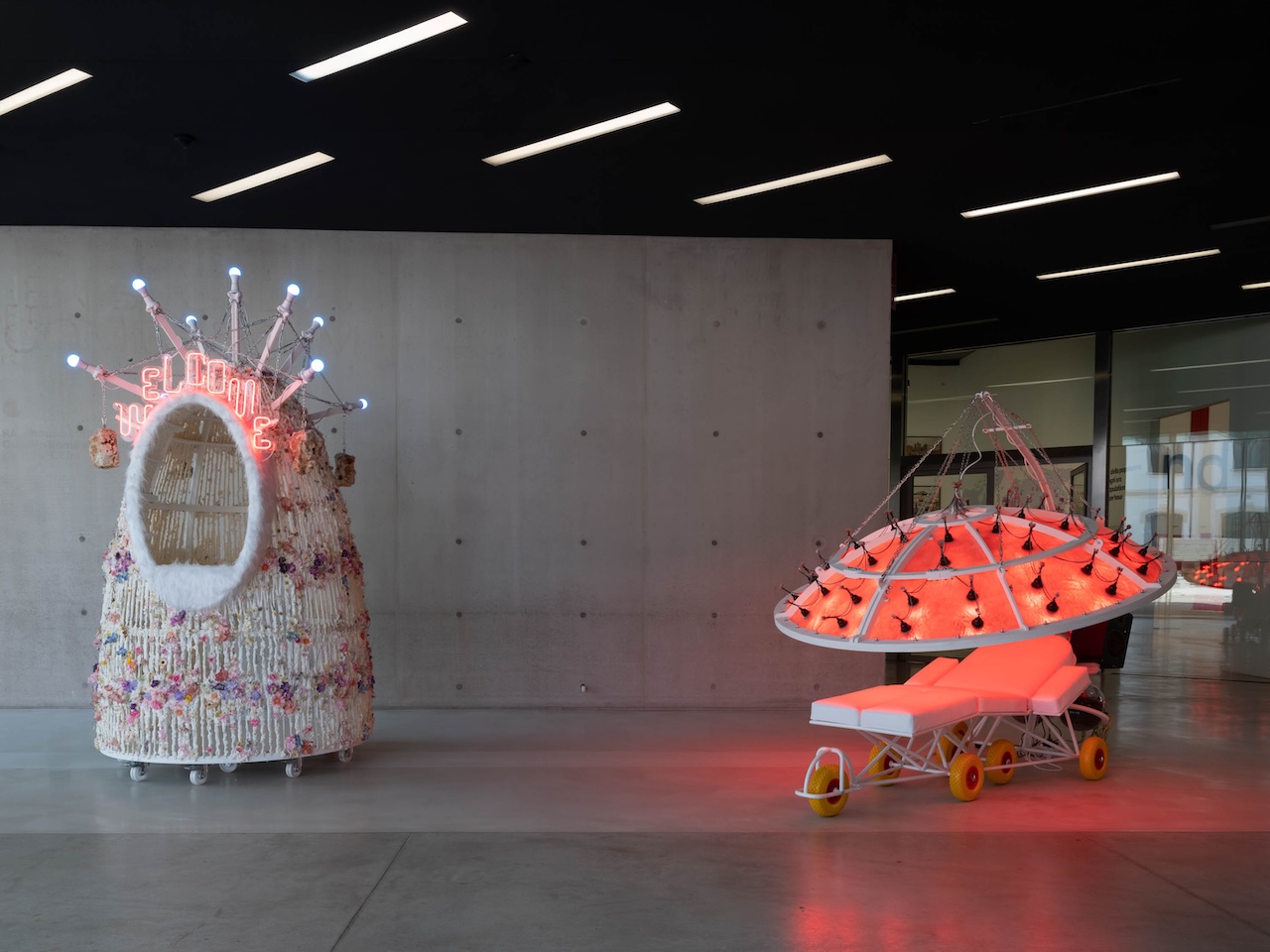
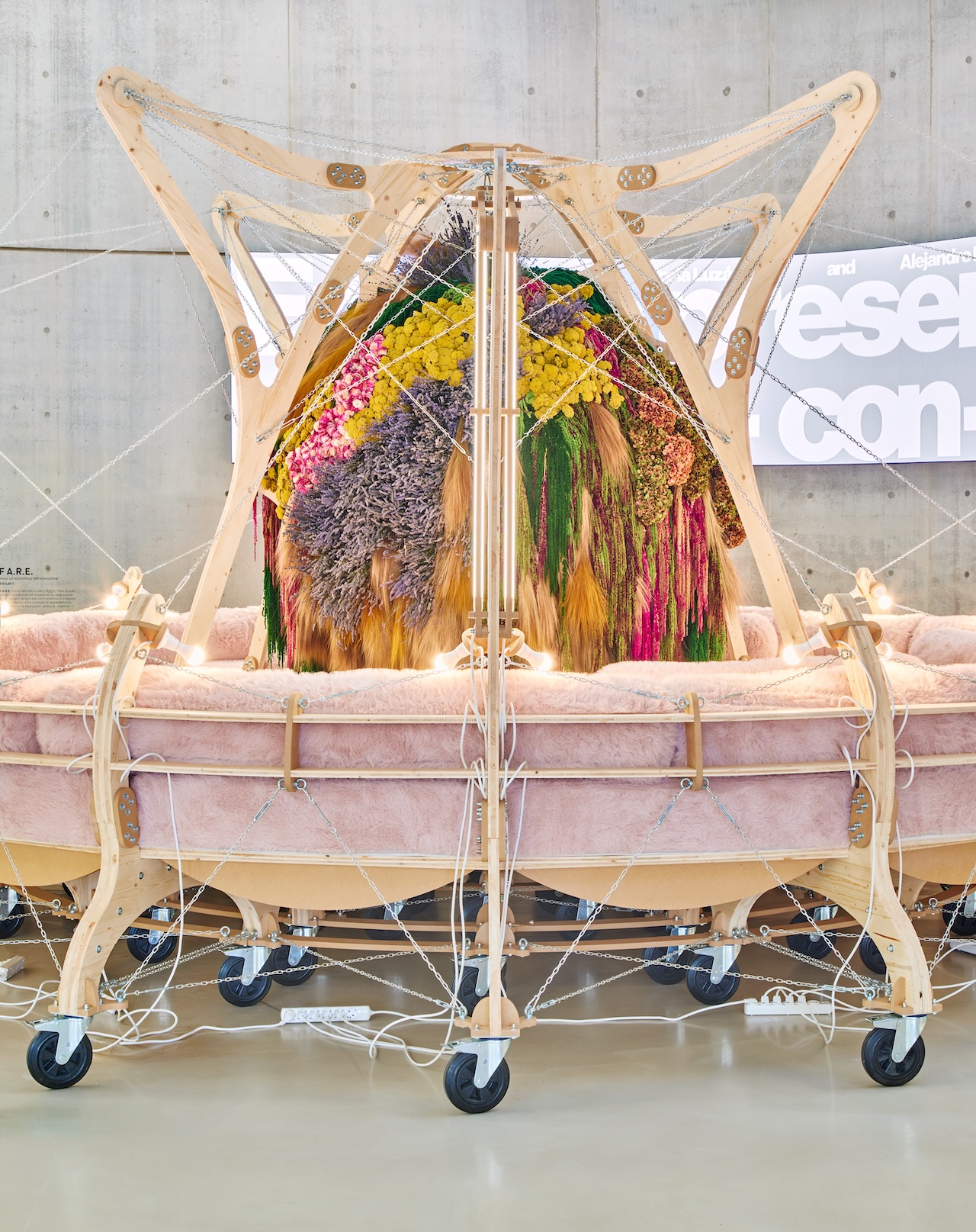
It begins with a crib-like oval welcome station crowned in lights and dripping with florals. Luzárraga and Muiño have made a point of refusing the Modernist notion that decoration is frivolous, and their installation abounds with the flourishes seen in some of their previous work, from flowers woven into surfaces to vegetables as nourishing, cleansing and beautifying interior elements.
“There has been a lot of discussion on ornament in architecture during modernism,” says Luzárraga. “The excuse was that ornament attracts dust and disease but there was also something behind that: The idea that ornament was more related to feminized labor and therefore has to be banned. So, we also like working with ornament and with techniques that are more associated with feminized labor — and with colors less associated with architecture.”


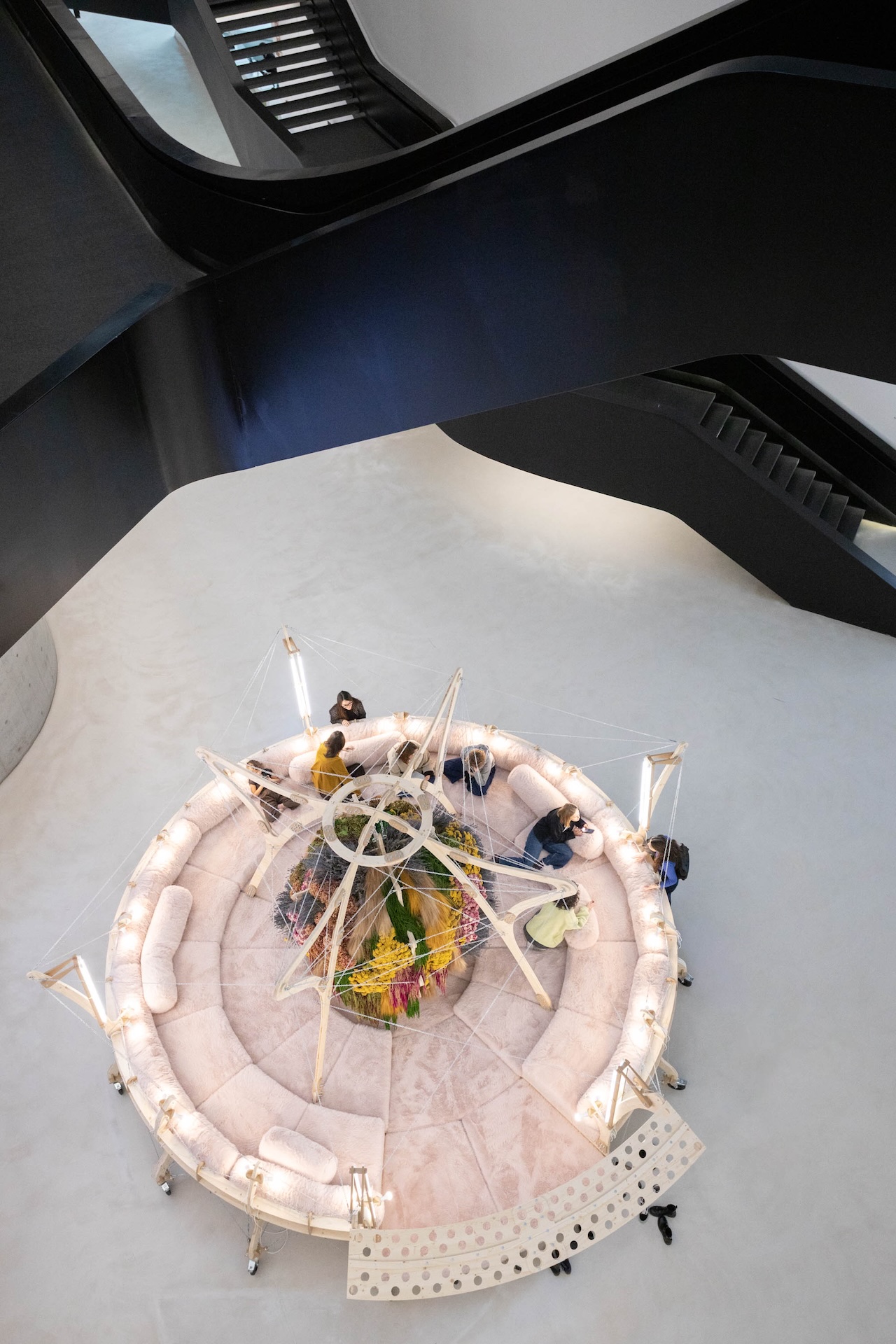
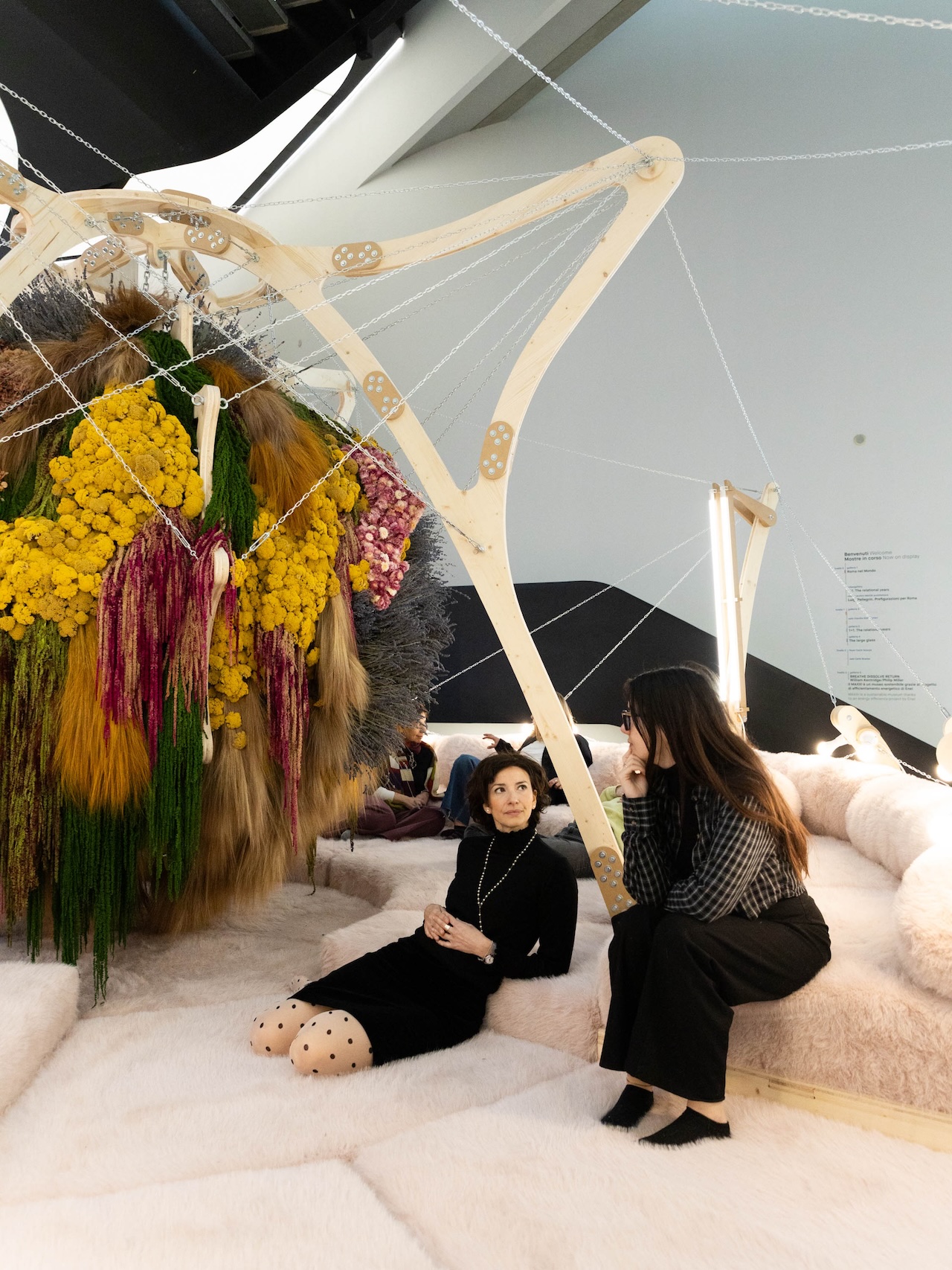
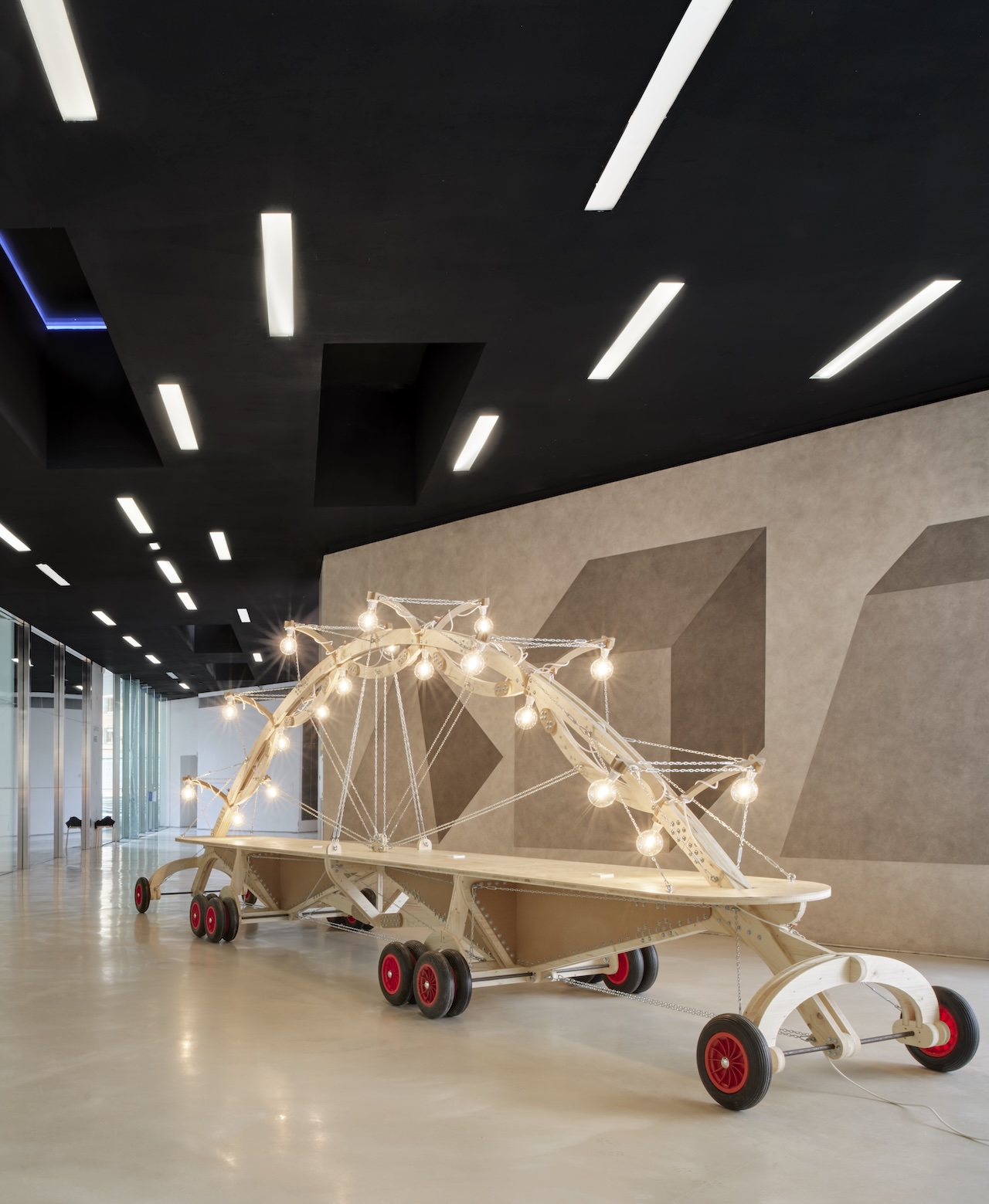
She points to the six-meter-diameter sofa — upholstered in pink faux fur — that beckons visitors to relax collectively and “do nothing;” we live in capitalism but we don’t always have to be productive. At its center hangs a voluminous floral bouquet with calming aromatic qualities.


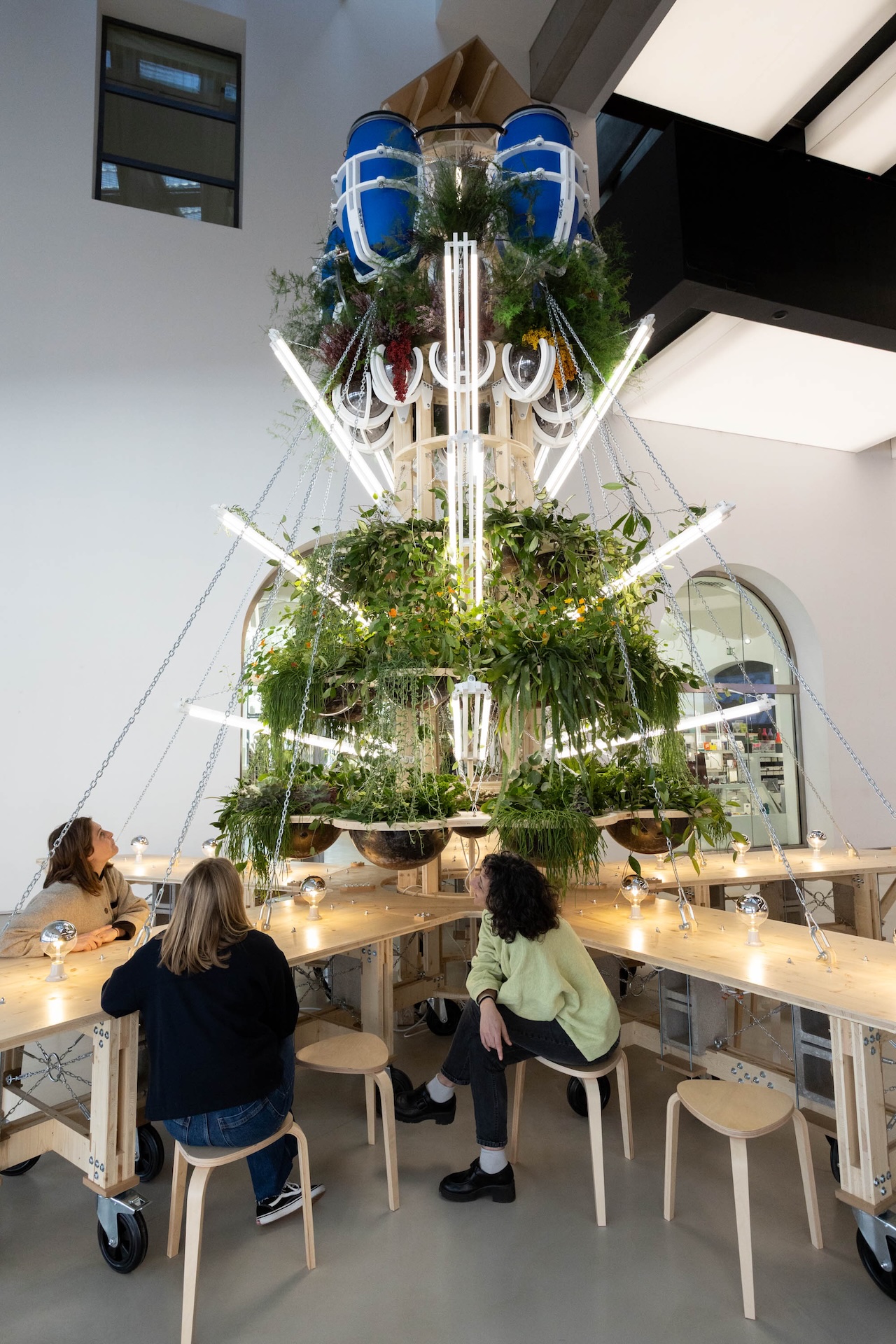
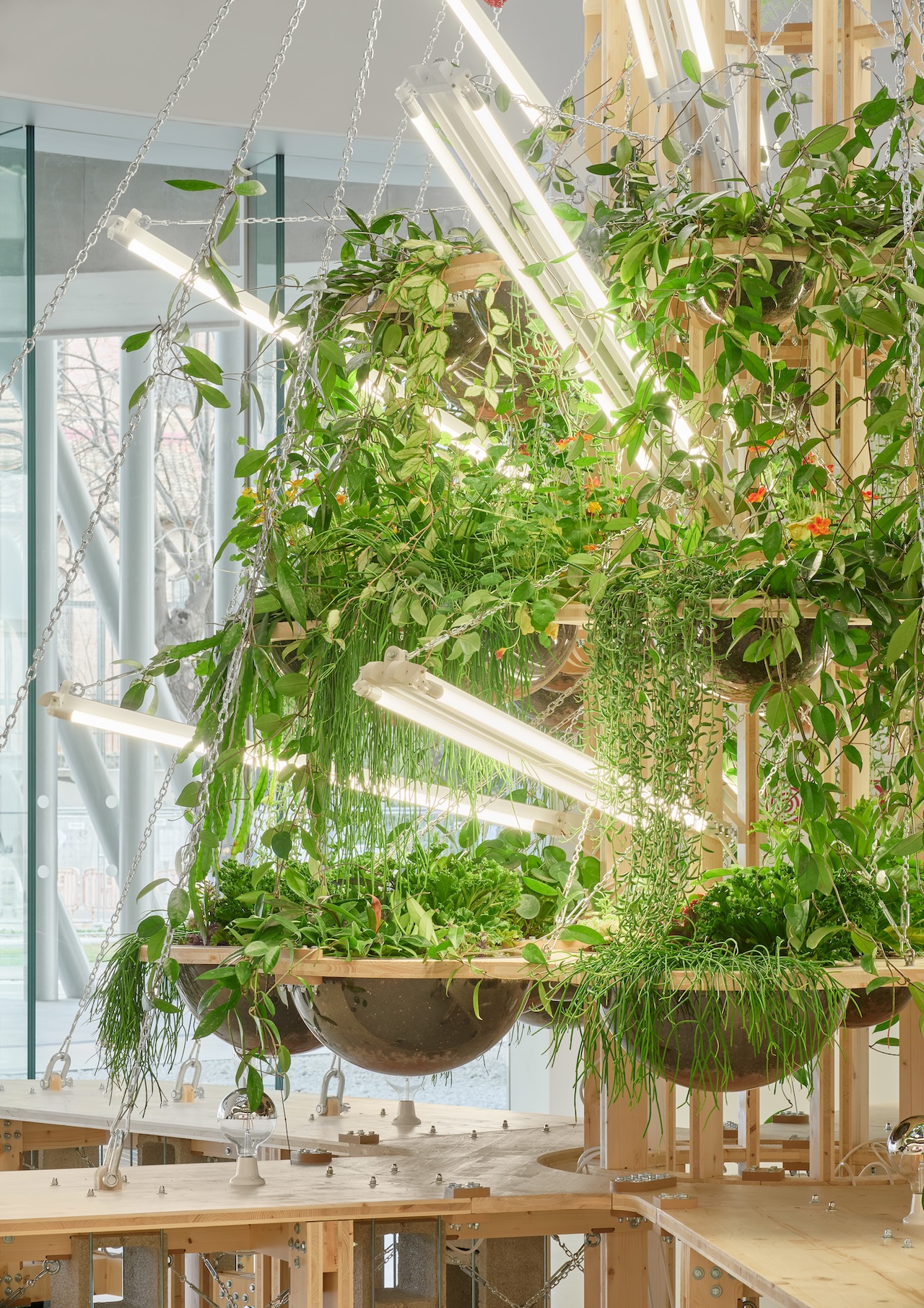
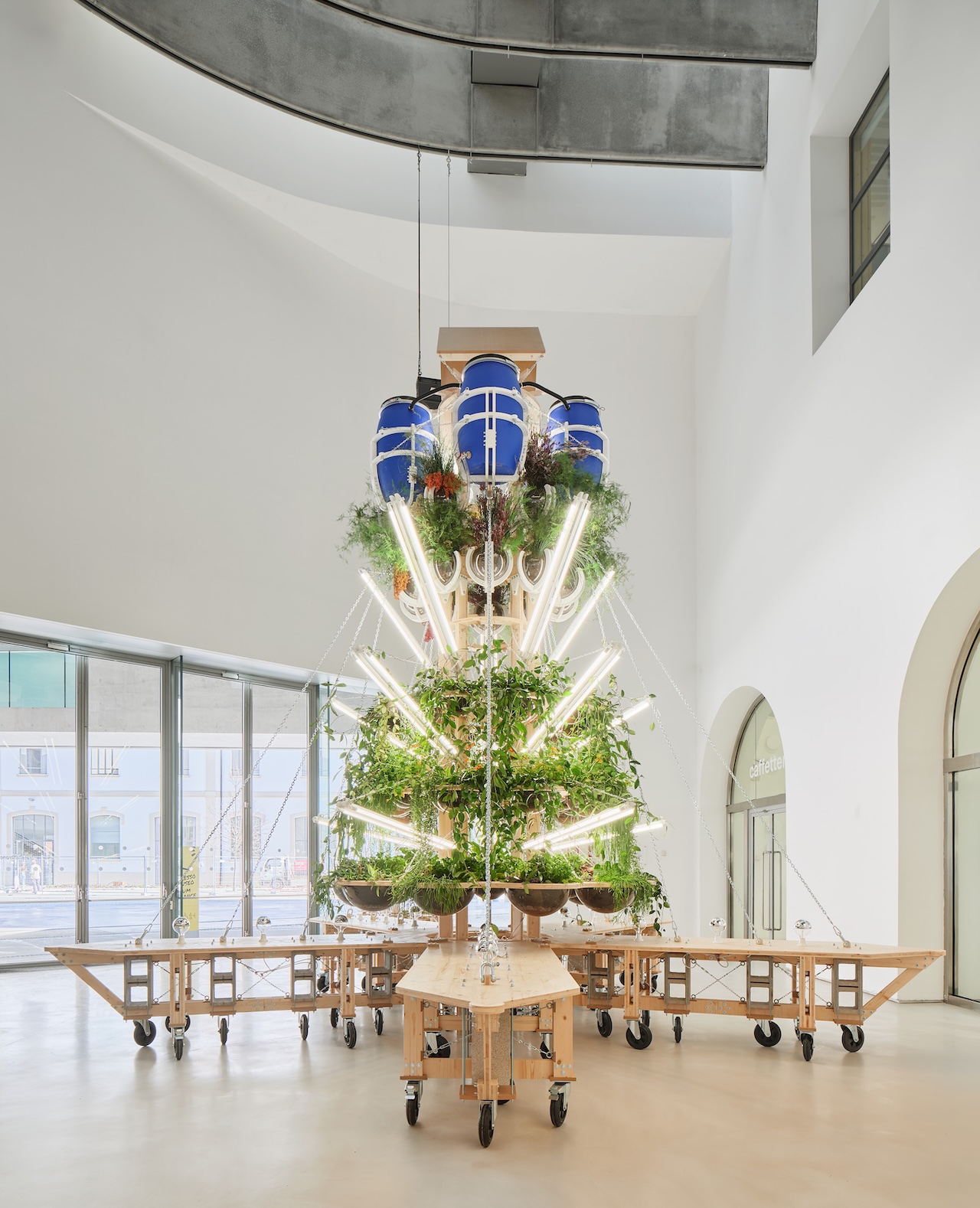
Then there is the tower that supports various species of edible Mediterranean plants in a cascading planter system irrigated from above; when the bounty is ripe, there will be a banquet at the tables below. In this shared harvest, the contemporary clarion call for food sovereignty nestles up against ancient ways of living and doing.
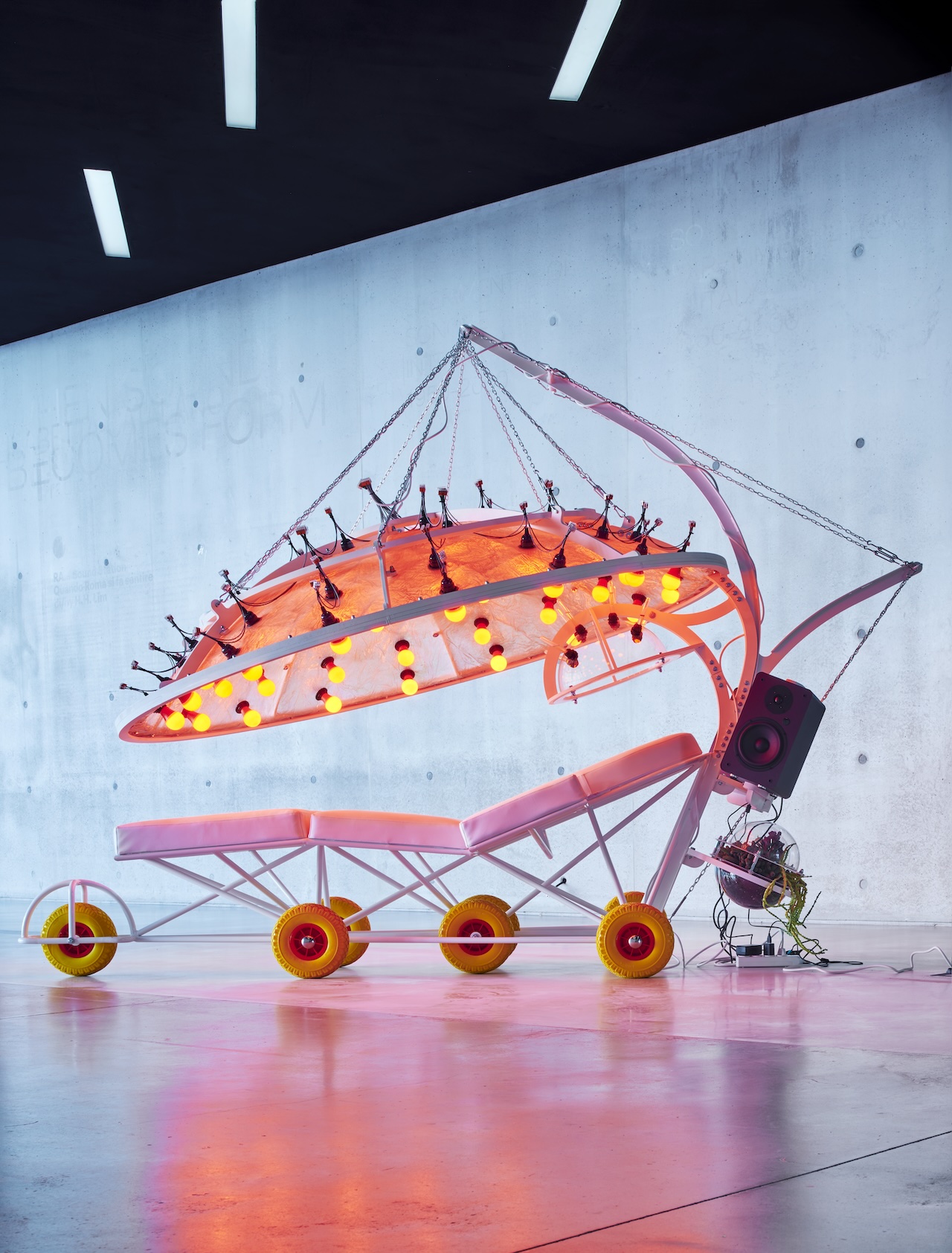
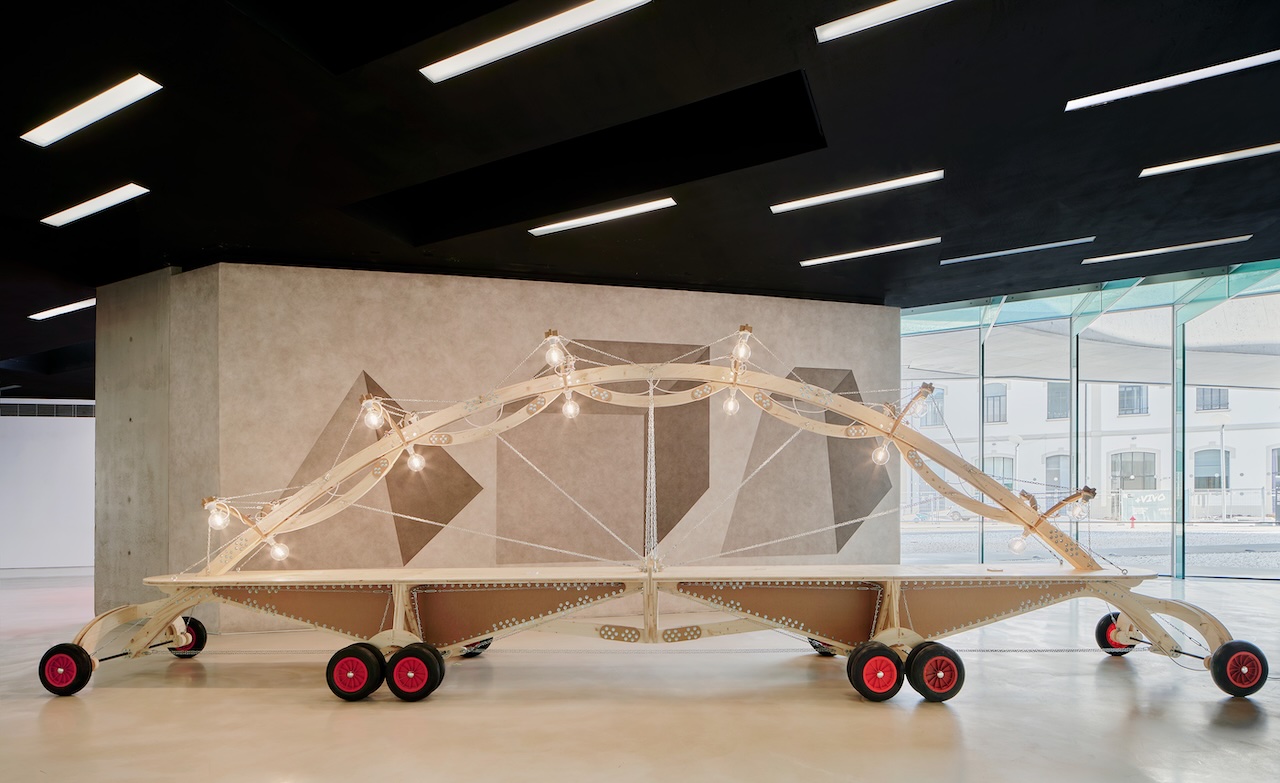
In the “wellness bed,” meanwhile, rest is modulated by both fragrant vegetables and light therapy.
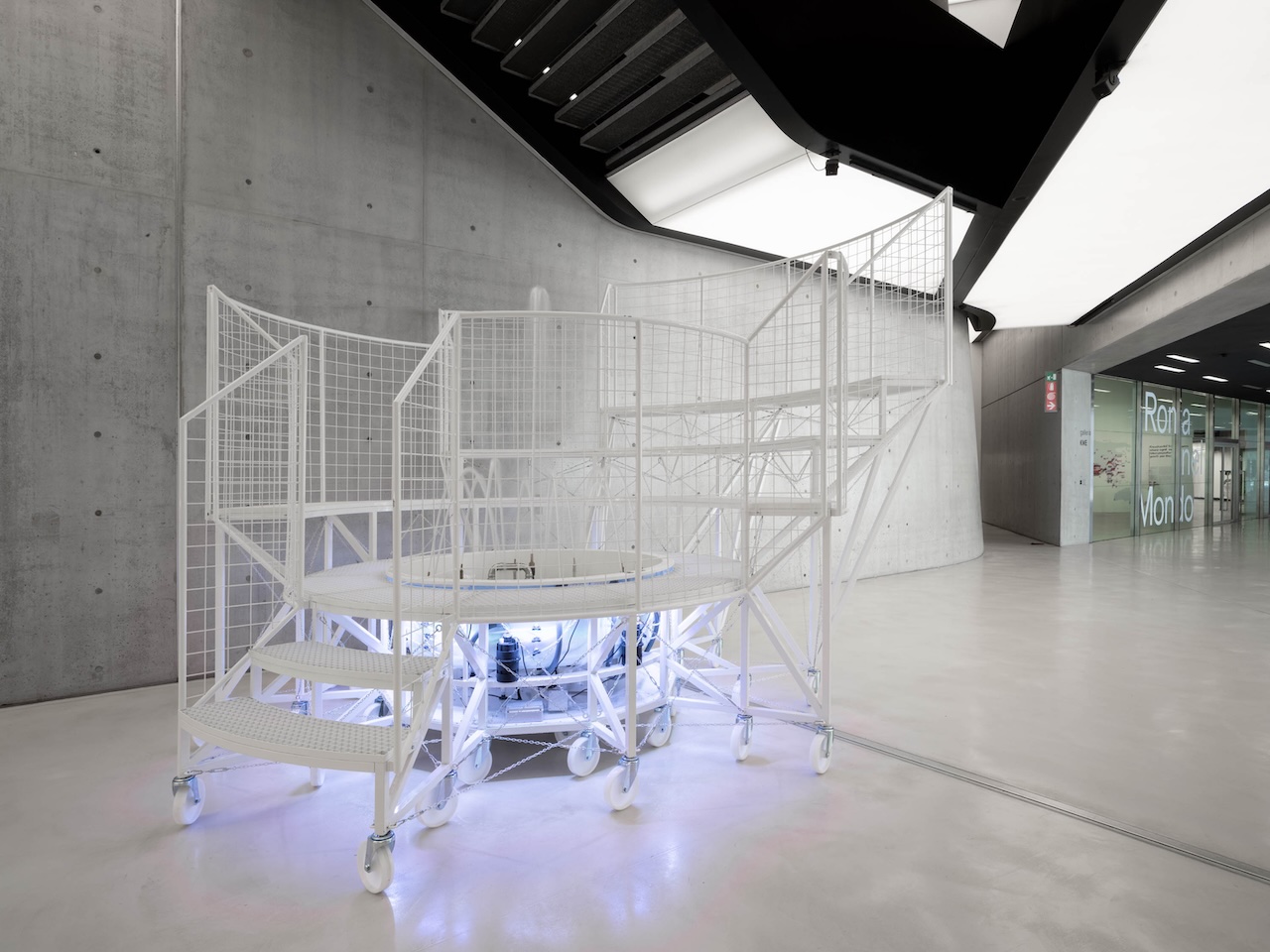
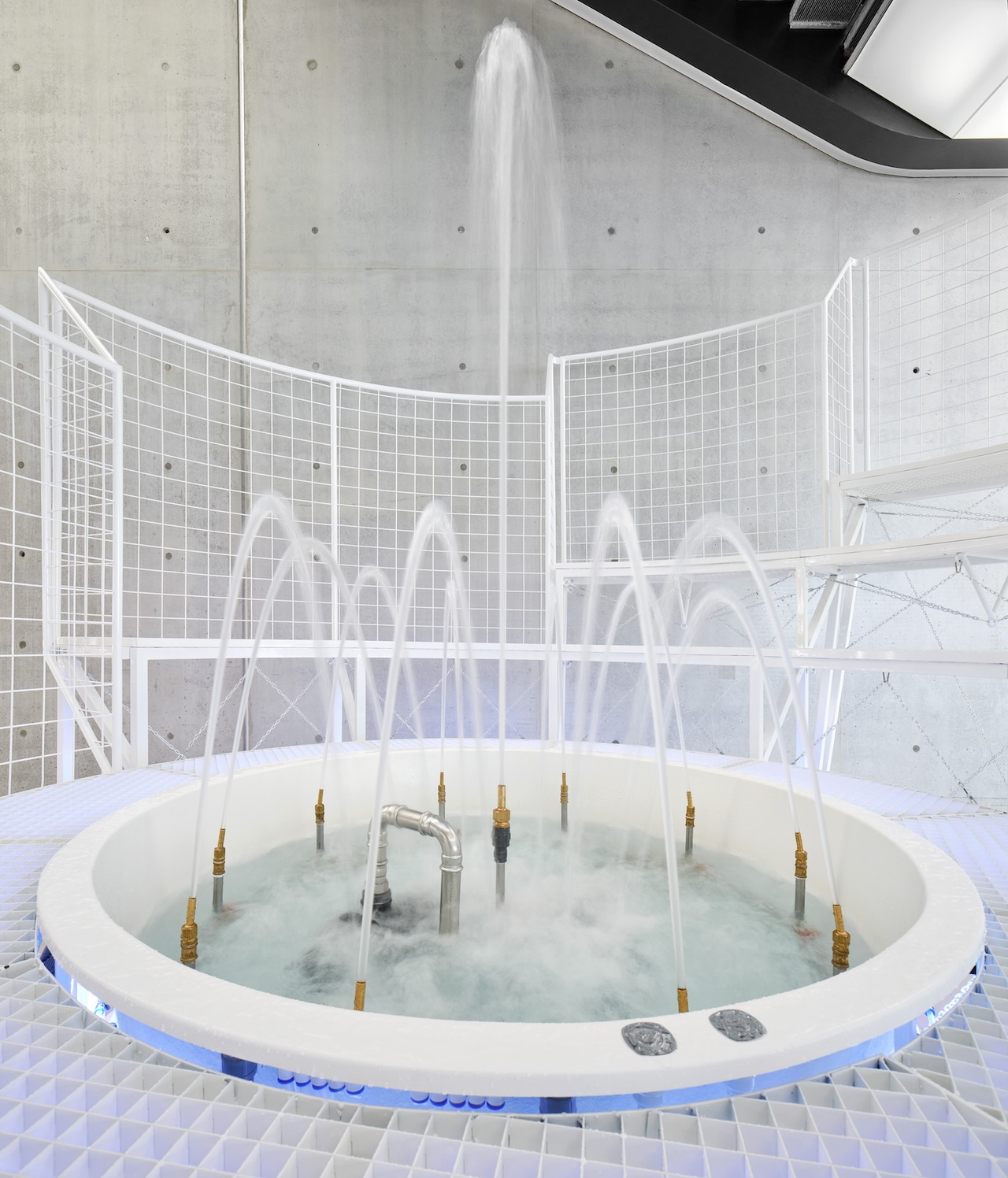
 Water is the sustaining life source. A fountain that TAKK refers to as “a water parliament” invites visitors to climb up for a jacuzzi experience. Like all the pieces in the installation, it’s playful but conveys a serious message: We are interconnected with the natural systems around us and every impact we make on them has a profoundly reverberative effect for all species. Luzárraga finds it encouraging that some waterways, like the rivers granted legal rights, now have political agency.


For the last Venice Biennale of Architecture, TAKK created Water Parliaments for the Catalan Pavilion. “We acknowledged the importance that water has to be understood not as a resource serving humans, but as a very complex body of relationships to many other bodies,” says Luzárraga. Next year, they will continue this dialogue in an installation about sediments for the World Congress of Architecture.
All of the installation’s settings are composed of lightweight structural systems set on wheels for flexibility. And they are faithful to the immaculately detailed drawings that TAKK began with. “We move from the computer to the construction, and it’s exactly the same — we draw it in the computer, we cut it exactly with the CNC milling machine, and then we assemble it.” While the result feels aesthetically whimsical, there is no improvisation here, except in some of the furniture finishes. This is a joyful and hopeful installation, but it’s also very serious.


In fact, all of TAKK’s enchanting creations connect a critique of colonialism, modernism, capitalism and anthropocentrism to an embrace of feminist ethos and climate crisis urgency. “We are always working in this idea of how we should face this current crisis of climate change, through exploring cohabitation formats between us and the rest of the living entities of the planet,” says Luzárraga. “Not being anthropocentric but shifting away from this very human-centered, particularly a male-white-European-human perspective, in order to establish more democratic contracts between us and the rest of the living species of the planet that are also facing the sixth mass extinction.”
Photography courtesy José Hevia and MAXXI.