School design often centers on a series of basic classrooms placed together to support study and extracurricular activities for young learners. Yet these facilities can be more institutional than imaginative, and often have little connection to the outdoors, whether in rural or urban settings.
For a Dakshana Foundation-funded secondary facility in India, Morphogenesis decided to forgo typology to blend with nature rather than keep it apart, so that it becomes a tool for learning. Located in Khed, the Dakshana Valley Institute is set on 109 acres, with a plan that embraces the north-to-south slope of the site and the surrounding area. “The primary axis, from the highest central point down to the lake, ensures that the landscape remains a constant companion to the act of learning” says Manit Rastogi, co-founder and chairman of Morphogenesis.
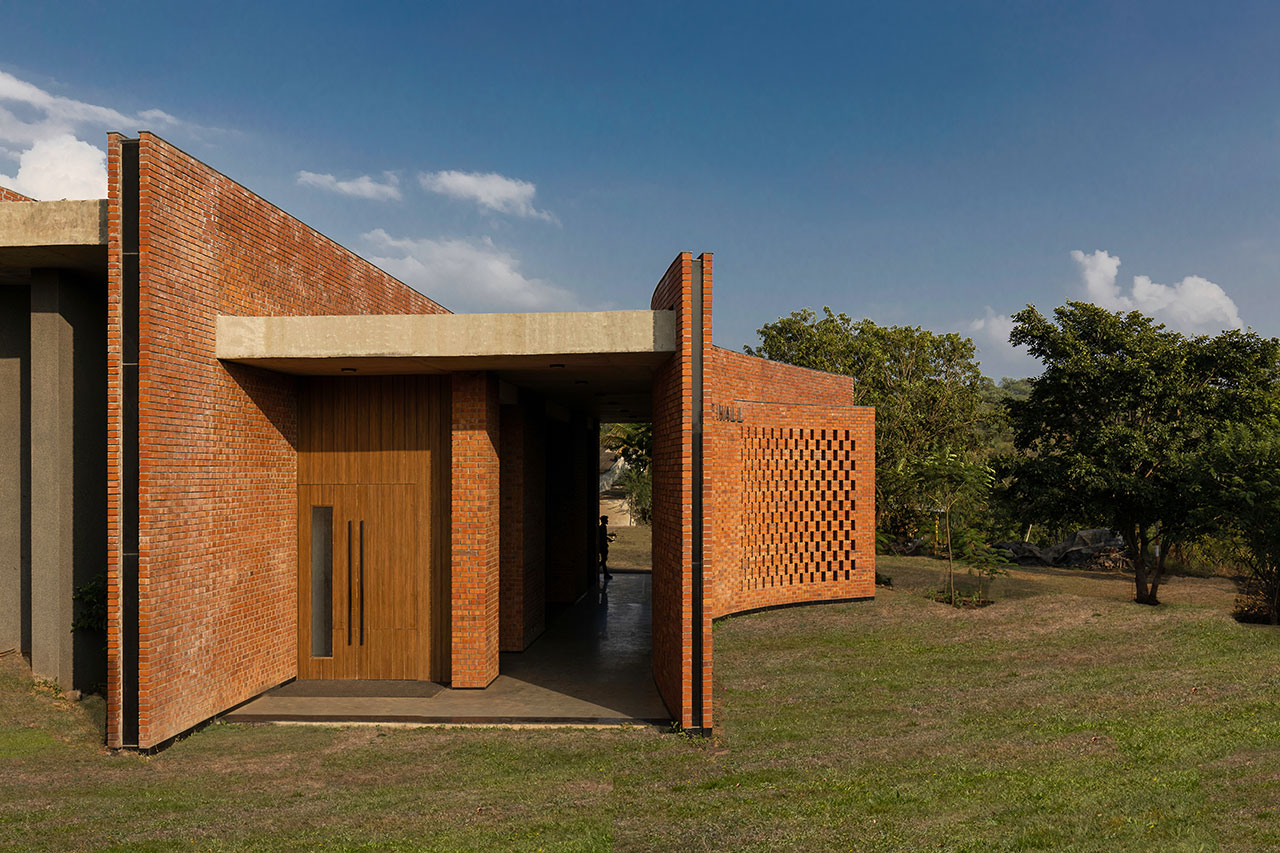
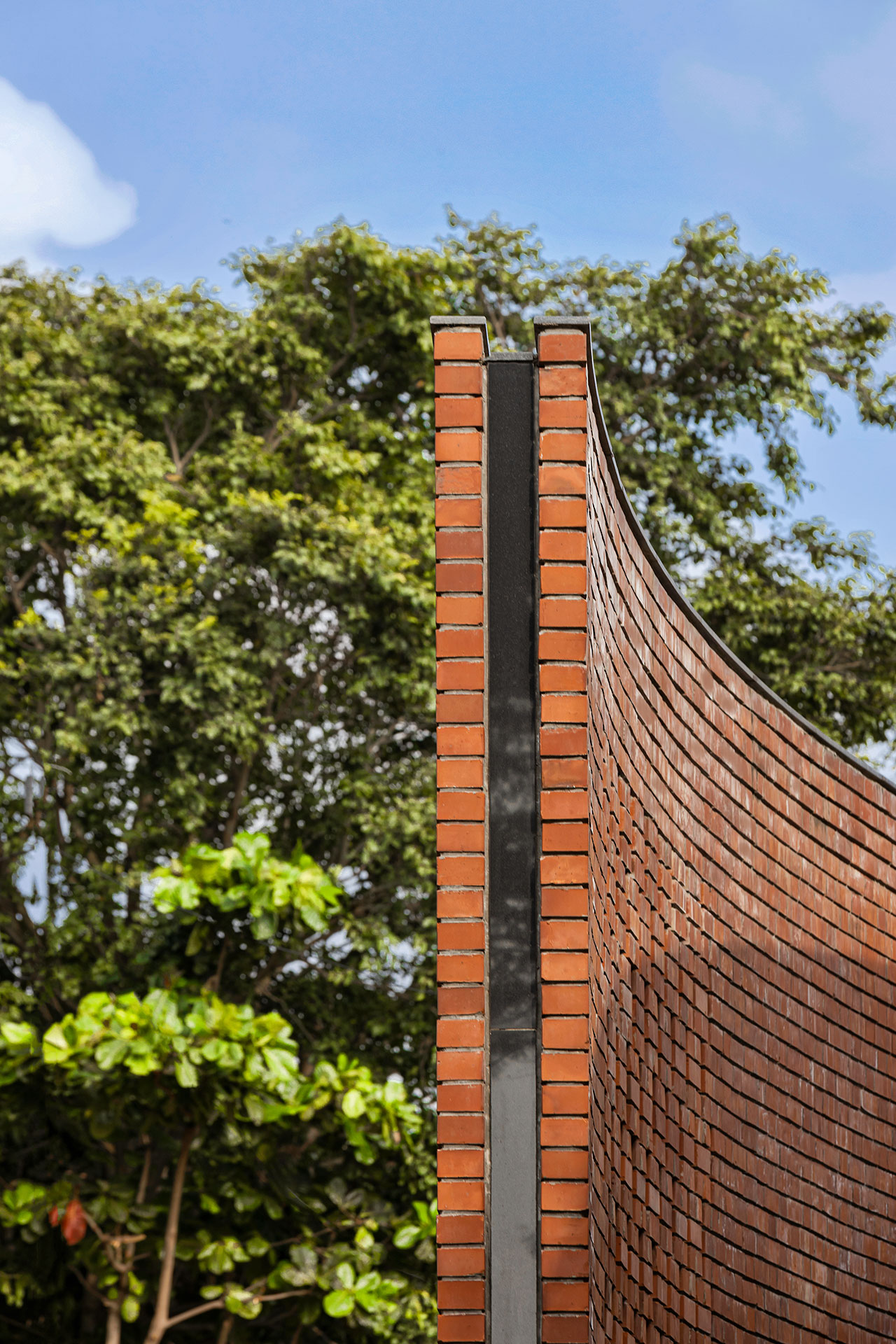
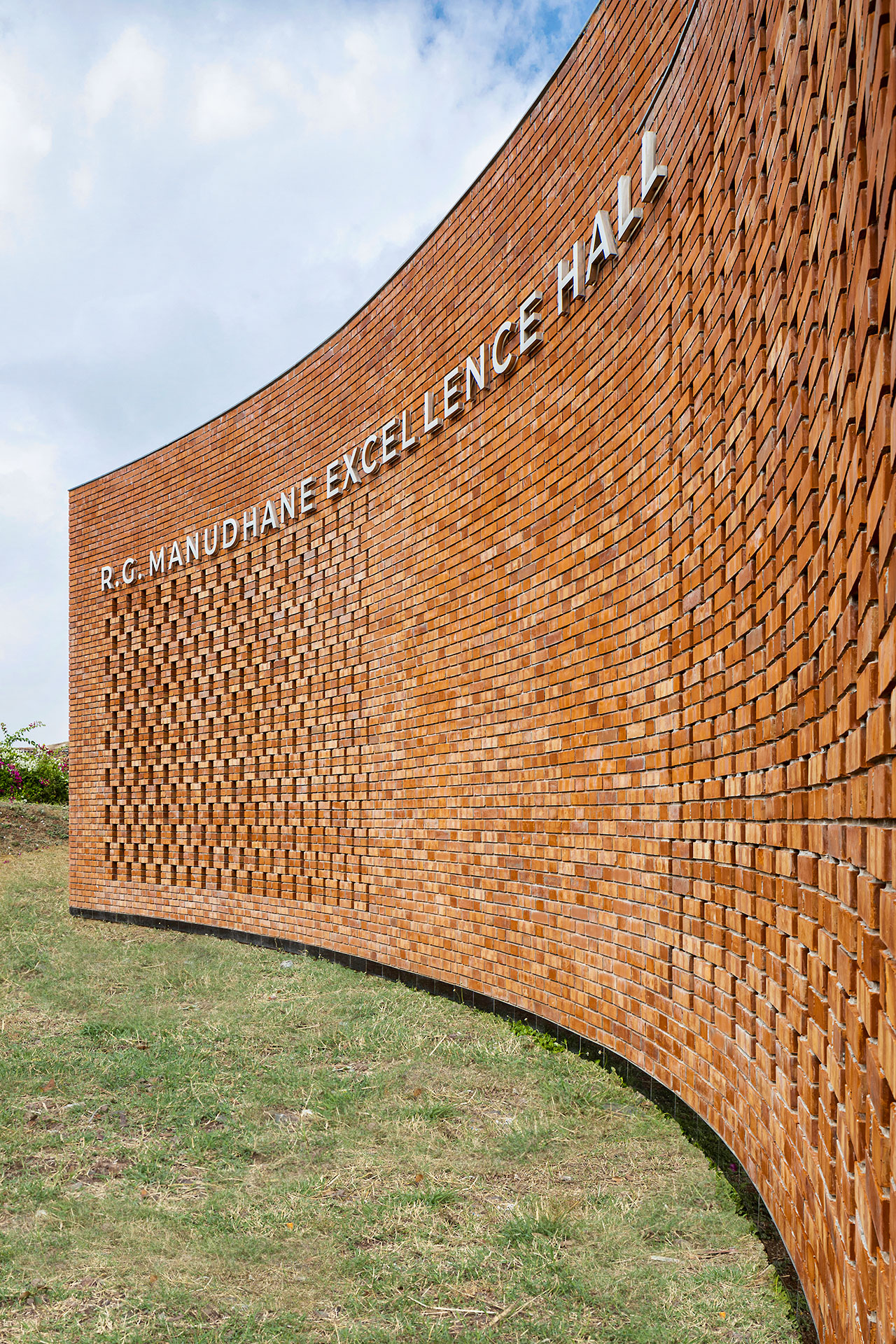
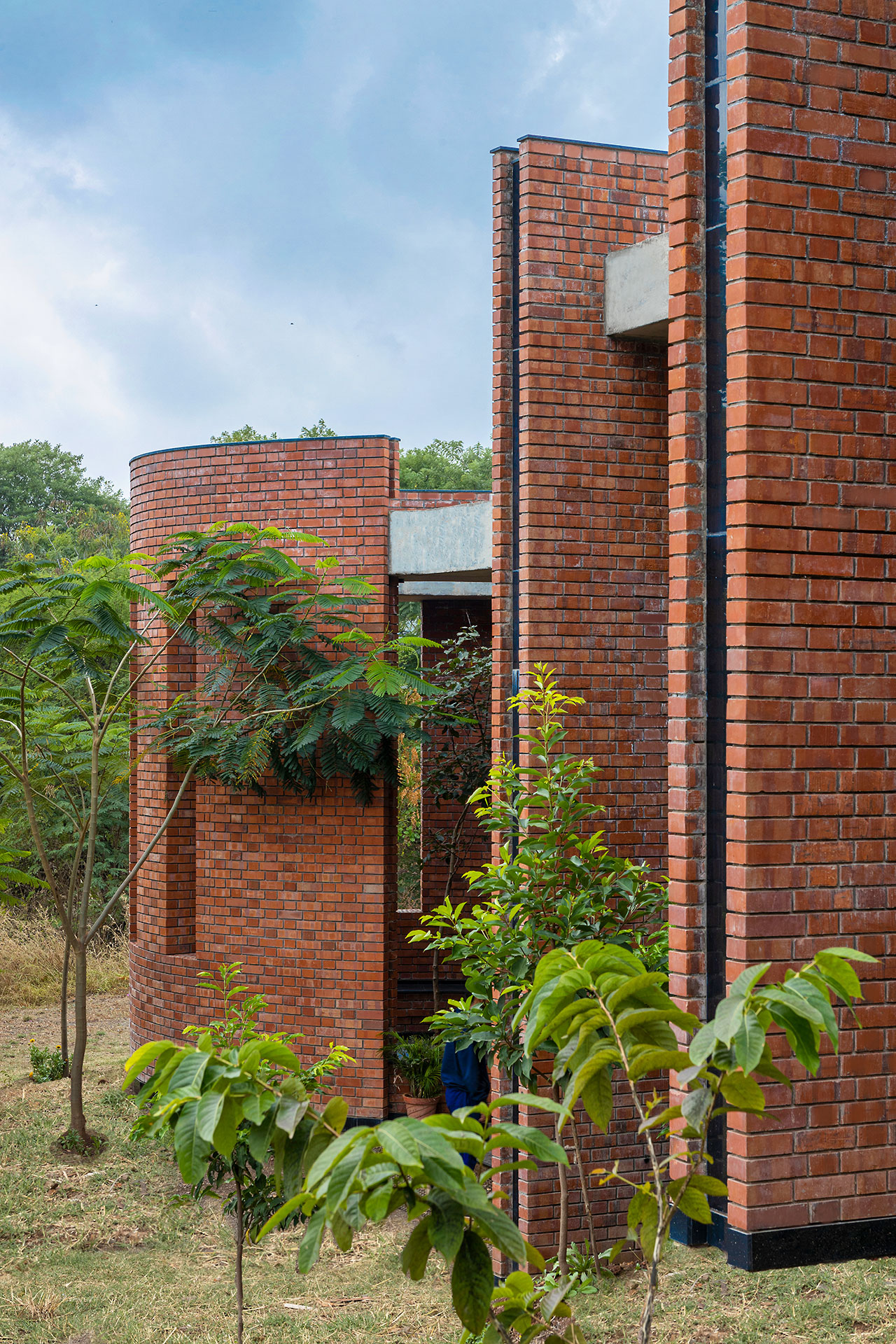
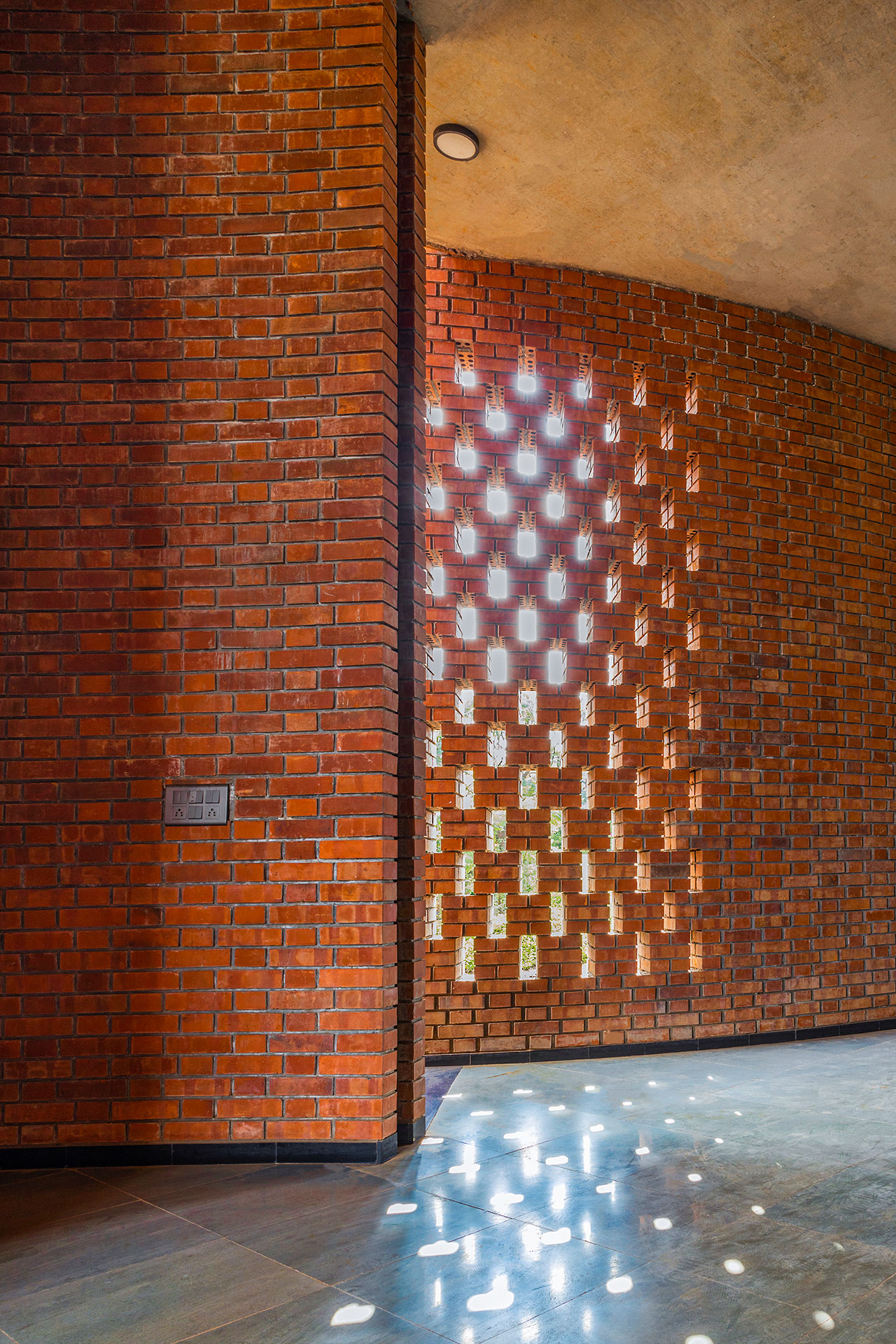
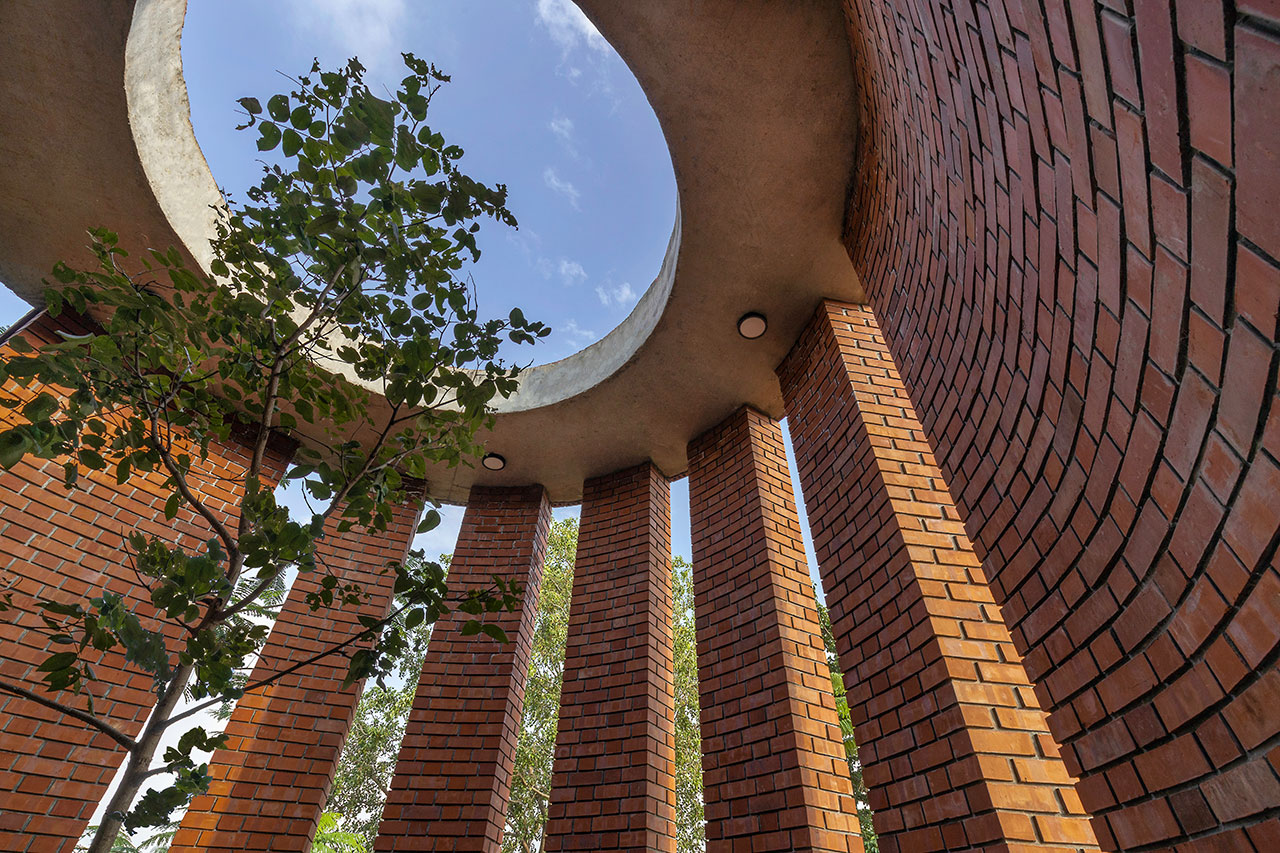
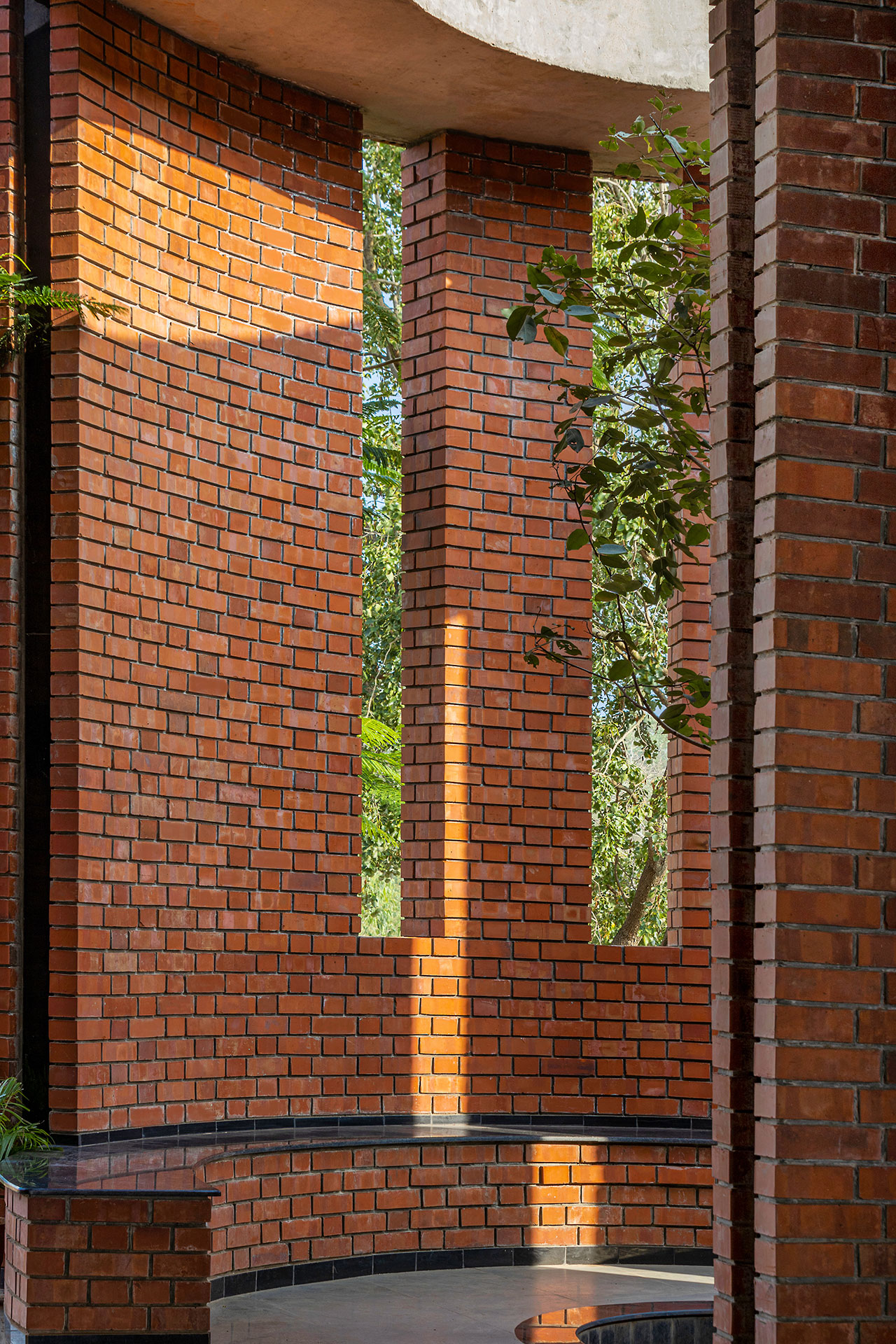
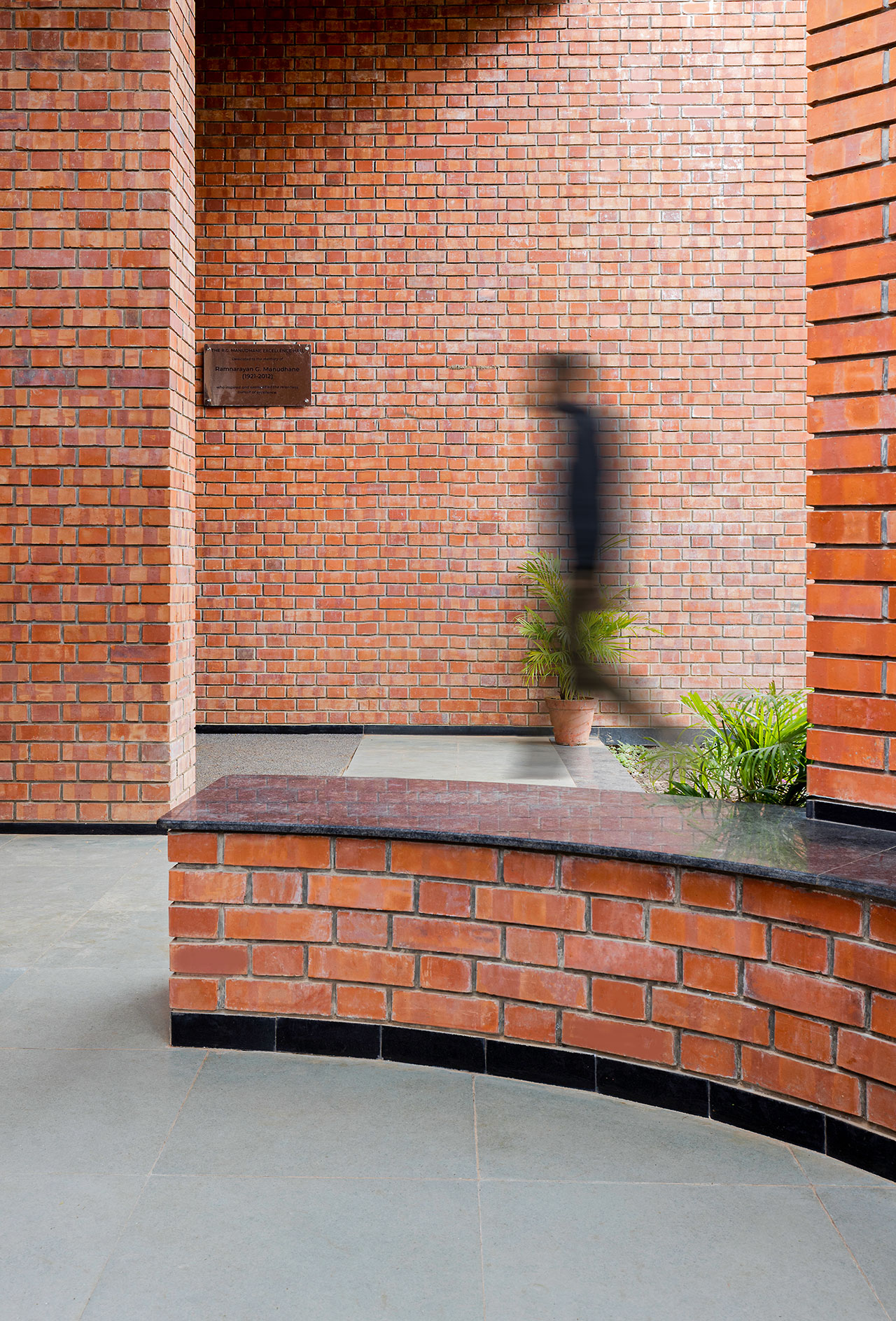
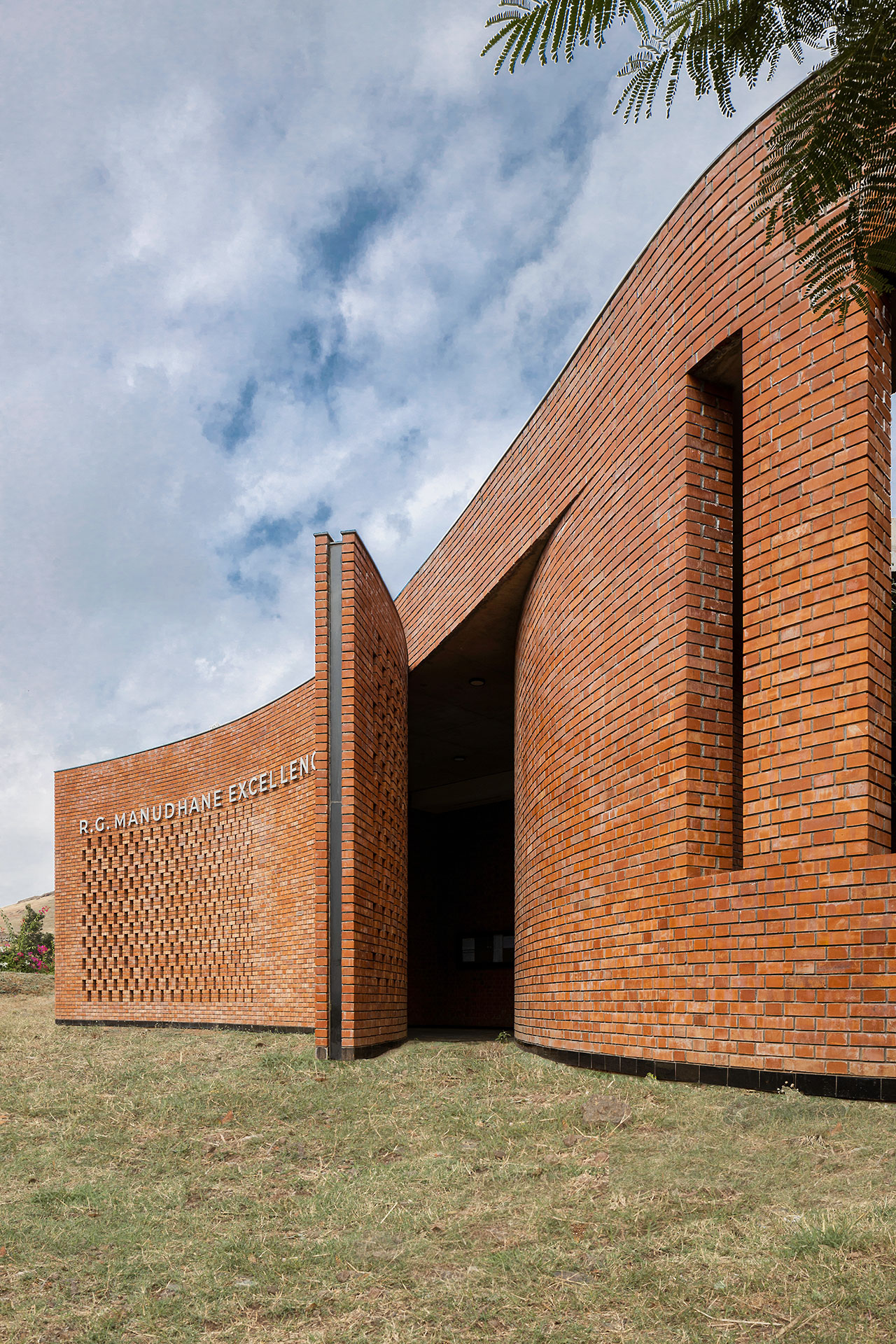
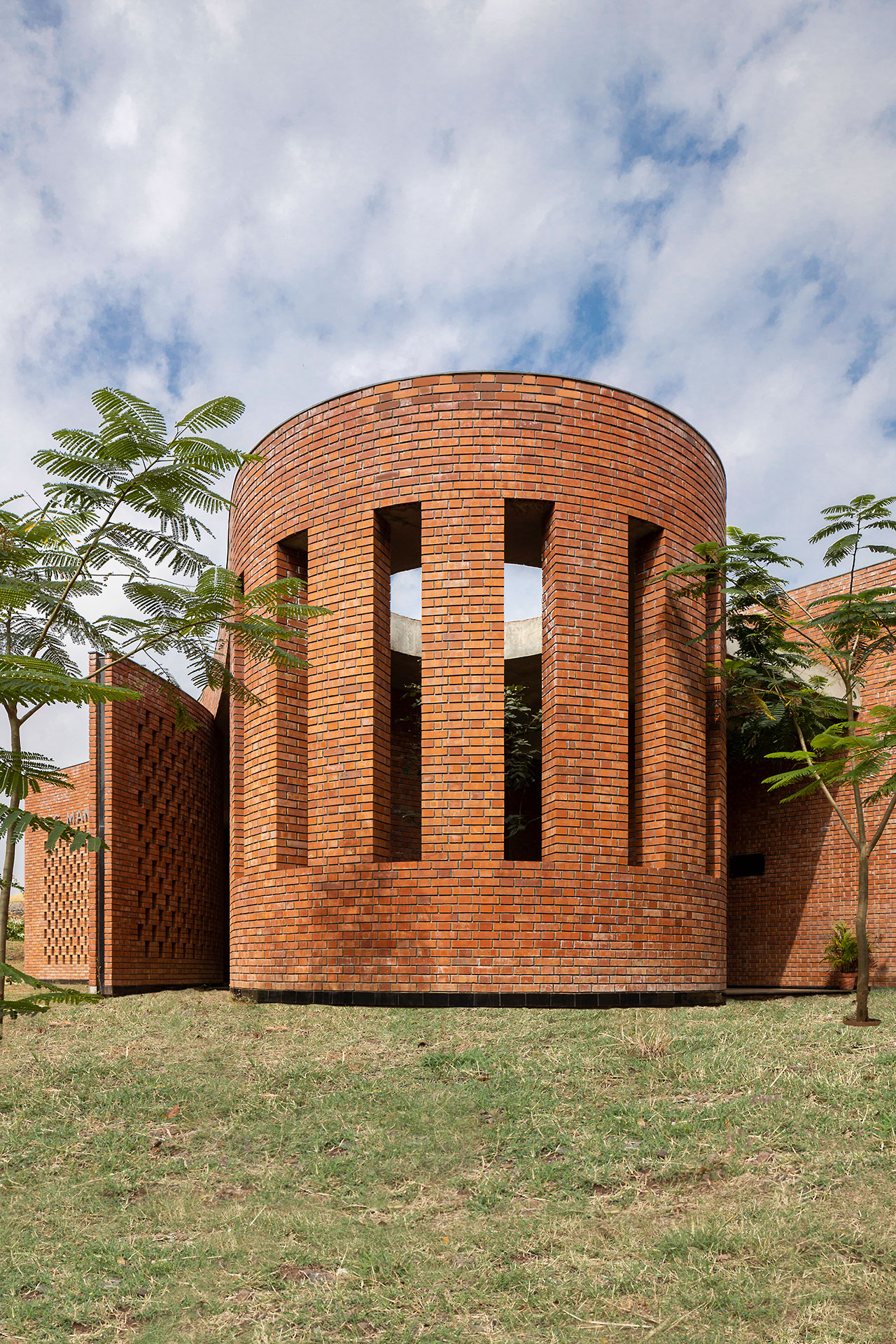
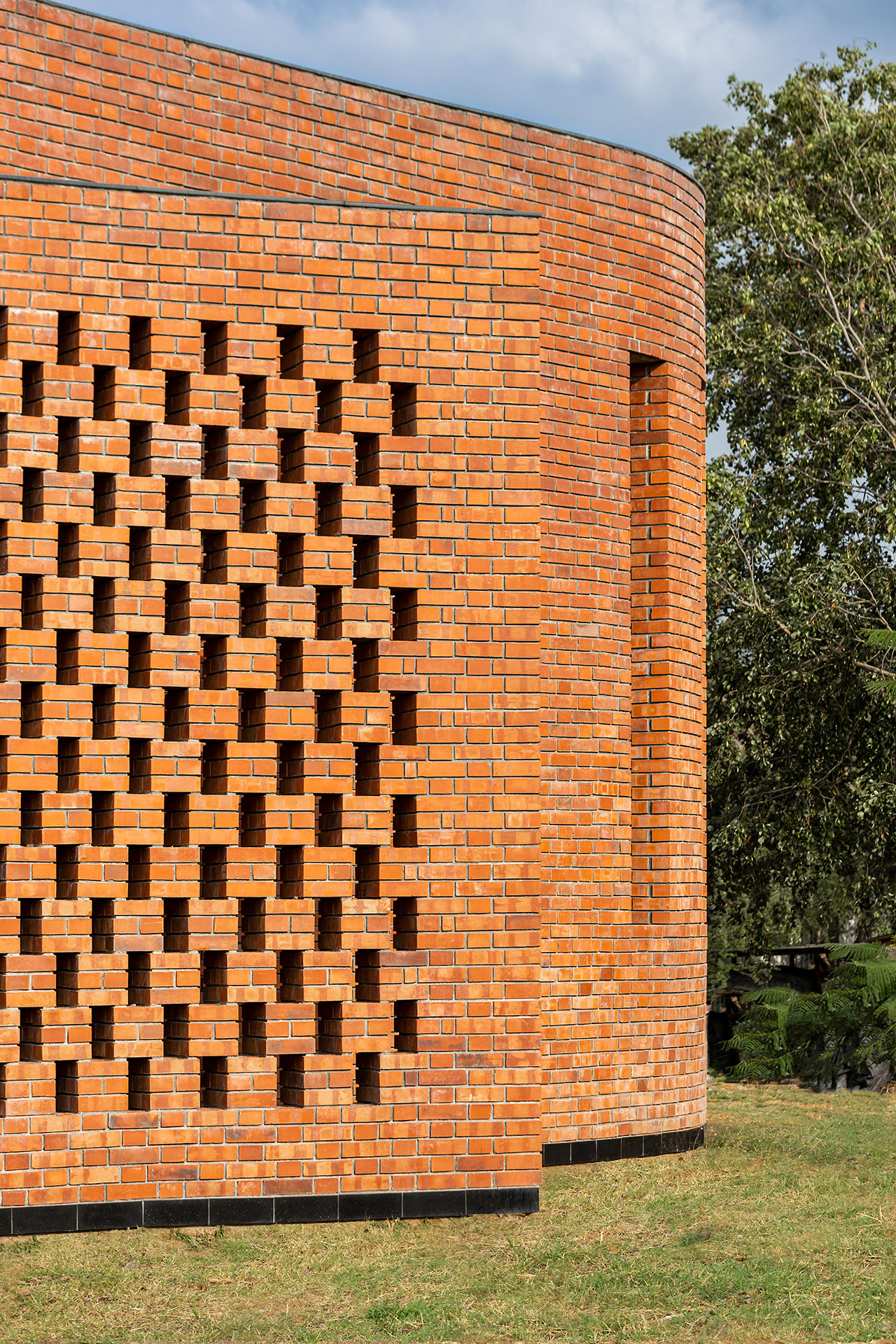
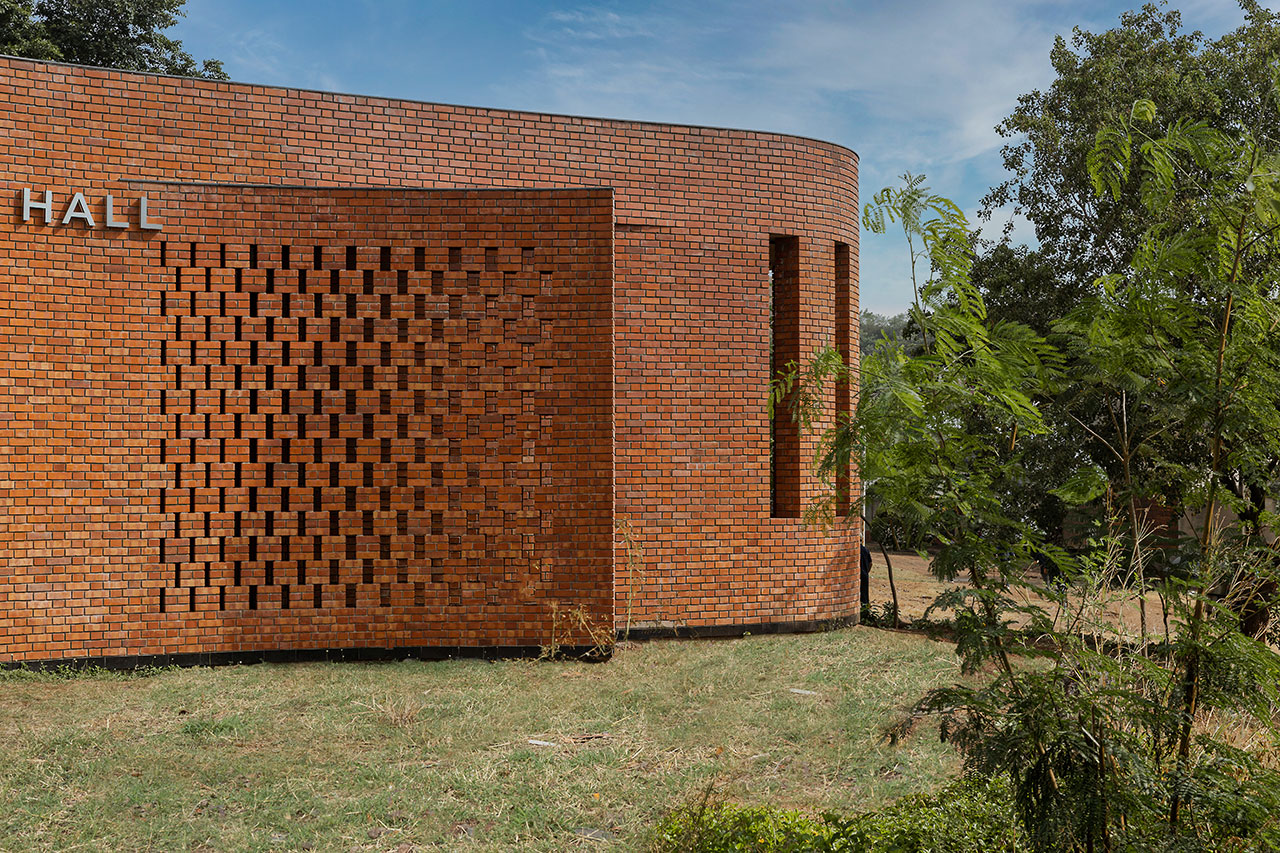
A distinctive brick building sits at the heart of the campus, a hub for gifted scholars from low-income households as they prepare for their medical and engineering examinations. The blocks were originally selected for their tactile quality, but they also contribute to a nearly 50% reduction in heat gain, essential in the humid climate.
These basic elements provide a sense of familiarity for teens who have traveled for the first time in their lives to attend this residential school. “Brick is instinctively associated with a home-like warmth that fosters a sense of belonging, and that was as deliberate a consideration as any structural or thermal one,” notes Sonali Rastogi, co-founder and vice-chairperson of Morphogenesis. Basalt, wood, terracotta, and Shahabad stone round out the earthy material palette.
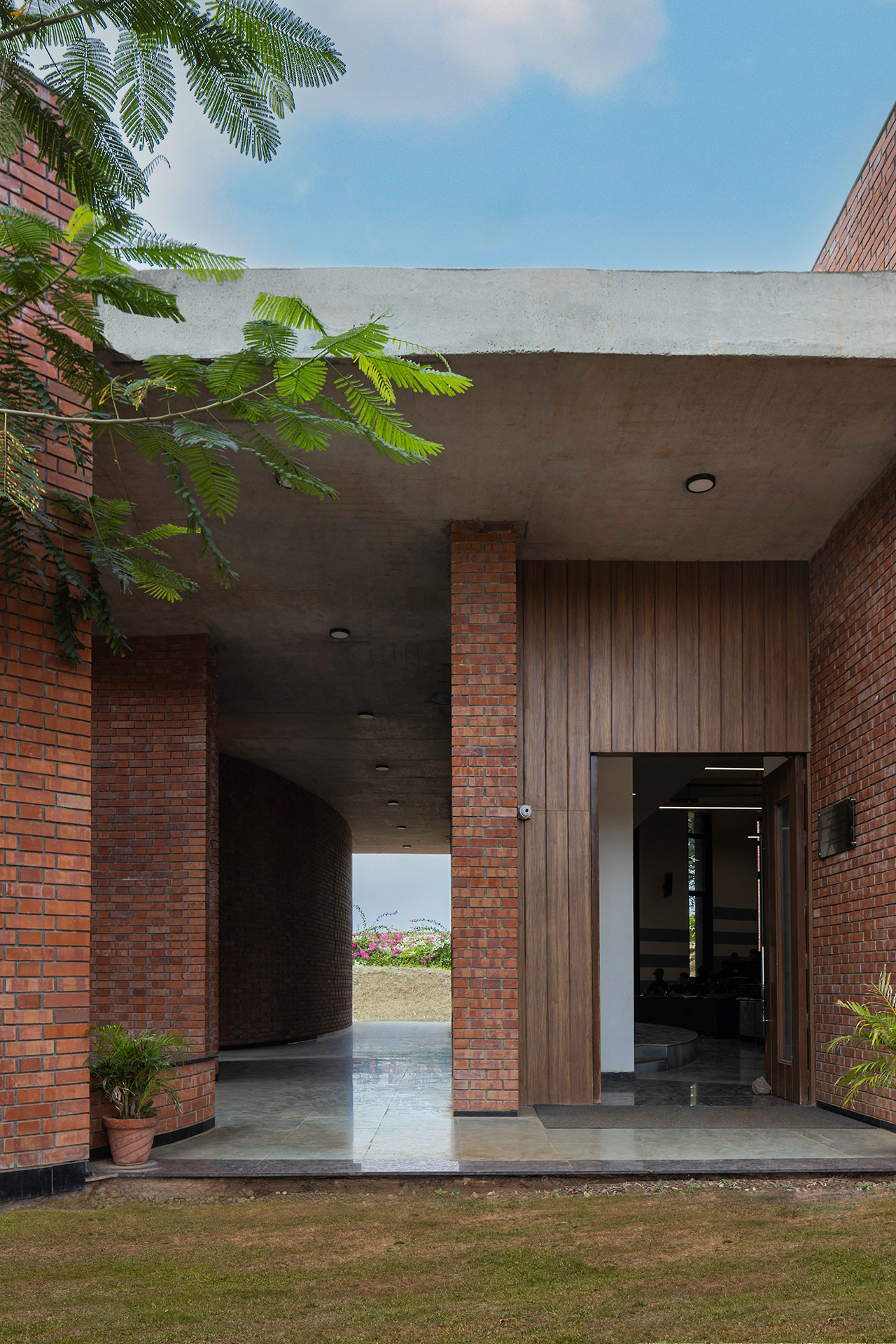
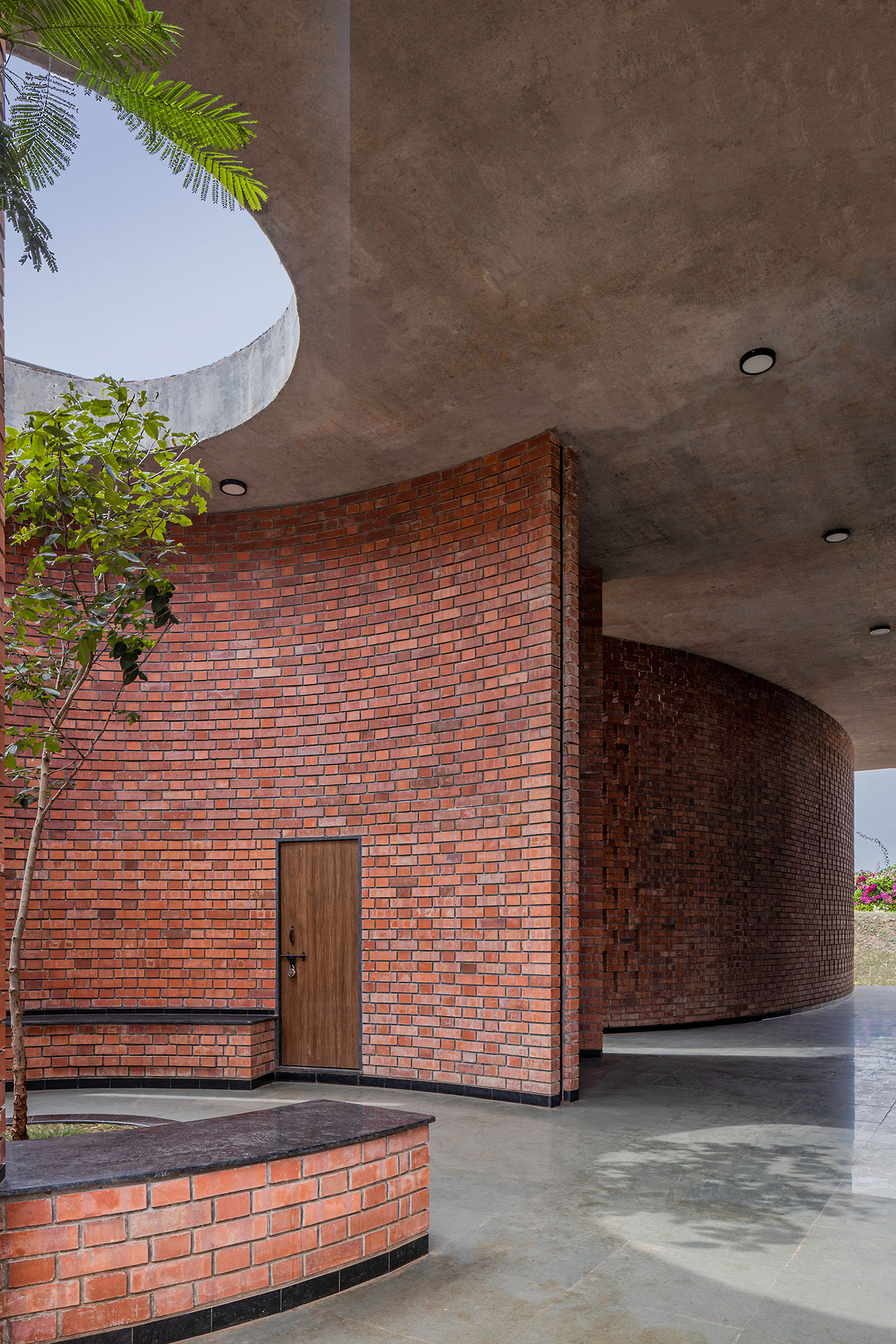
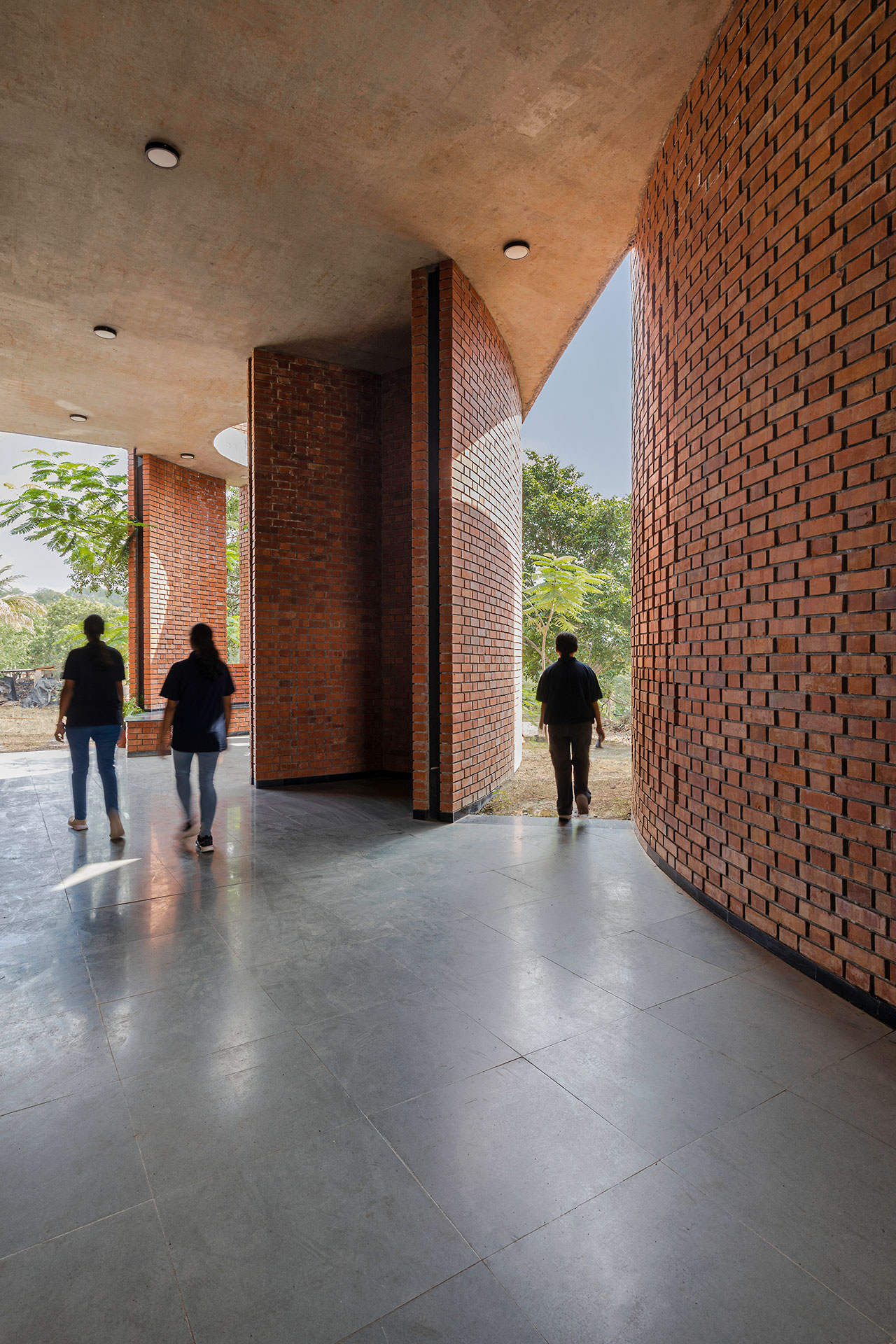
Even the journey inside evokes the paths found in the pupils’ native villages. Based on the concept of a meandering lane, this new route leads to 13 classrooms, a knowledge center, and a dining hall. With its curved profile, the arrival pavilion frames panoramic views of the valley below as well as the amphitheater.
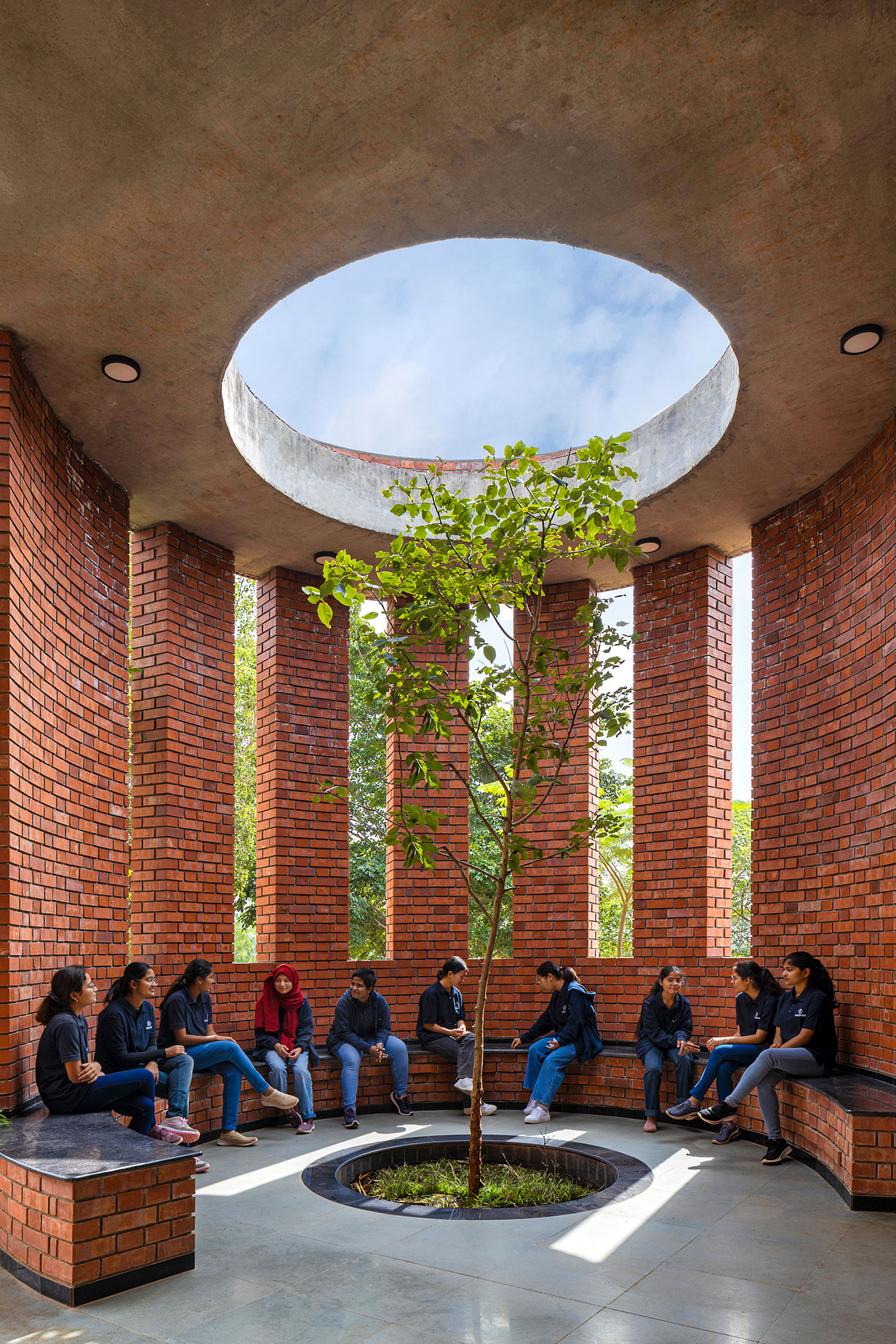
Lecture halls feature window sills with light shelves and vertical fins that reduce glare from the sun and support cross-ventilation. Shaded buffer zones near entrances double as sectors for discussion that mitigate crowding and noise. Individuals can read or relax in outdoor nooks. Covered verandas function as overflow spaces to spark spontaneous interactions.
Shaped by an emphasis on terrain, Dakshana Valley Institute promotes the well-being of the planet and the next generation entrusted with its care.
To see more projects by the studio, visit morphogenesis.org.
Photography by Anuj Joshi.