



Most of the conversations in architecture these days are about place-making – reformulating or creating spaces that better reflect the physical and culturally-ascribed characteristics of their surroundings. For many the term is being quickly cliched; simply used as a marketing ploy: gimmicky solutions that are surface level at best but often permanent. What would happen if this formula was turned on its head and the early modernist notion of modularity – pre-produced kit-of-part components brought to and assembled on almost any site – was reintroduced as a way to better frame these settings, allowing their histories to unfold with almost no tampering.
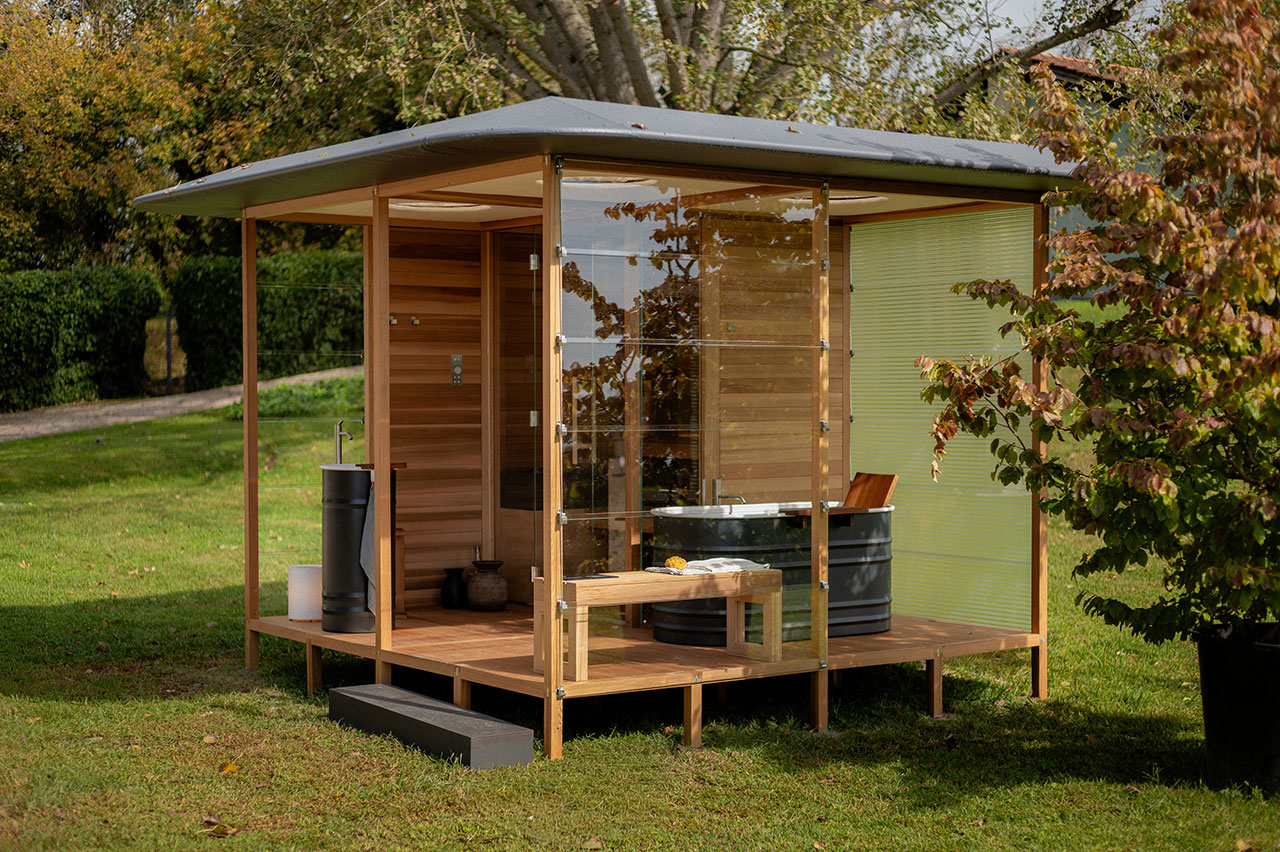
Cue heritage Italian bathroom brand Agape and its just debuted Pavilion Sei sauna concept. Developed by Michele de Lucchi Studio partner Nicholas Bewick, the “micro architecture” design reflects the brand’s long-held systems thinking philosophy.
First articulated in the 1970s, this ethos centers on the idea that objects don’t exist in inert vacuums and are instead influenced, constantly reshaped, by their implementation: their use but also placement among other objects and spatial elements. Agape’s diverse bathroom collections were all imagined as such: networks of furnishings, fixtures, and luminaires that can be interchanged, and in turn, customized.
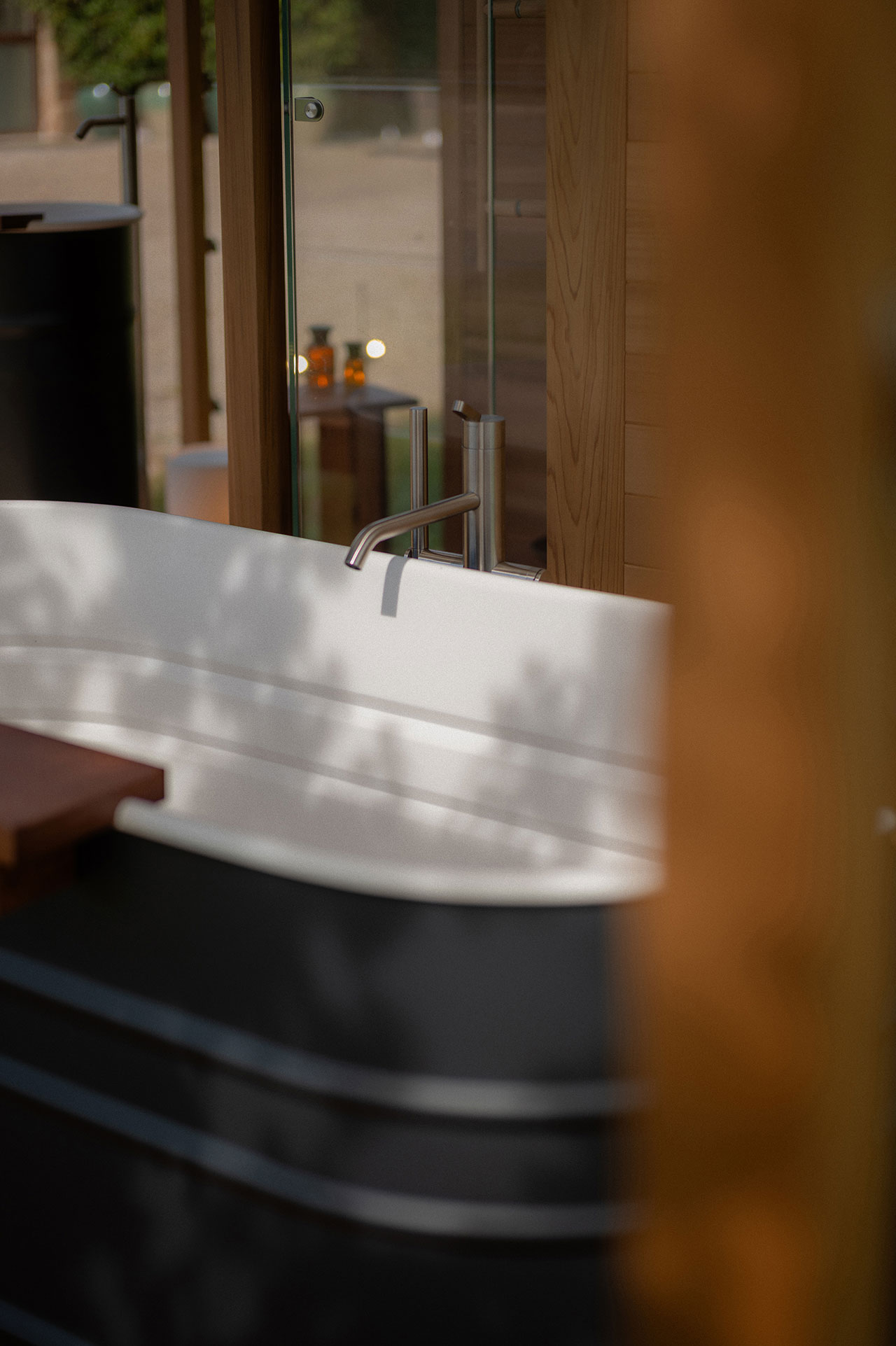
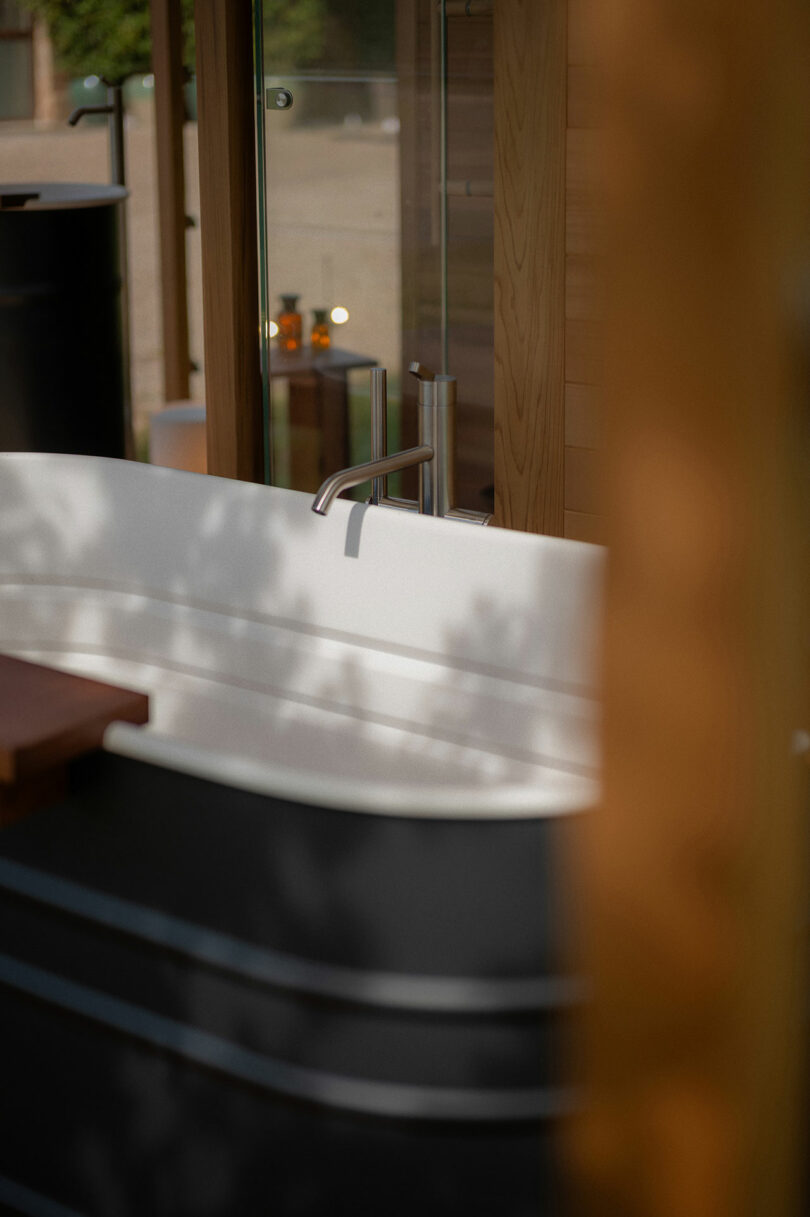
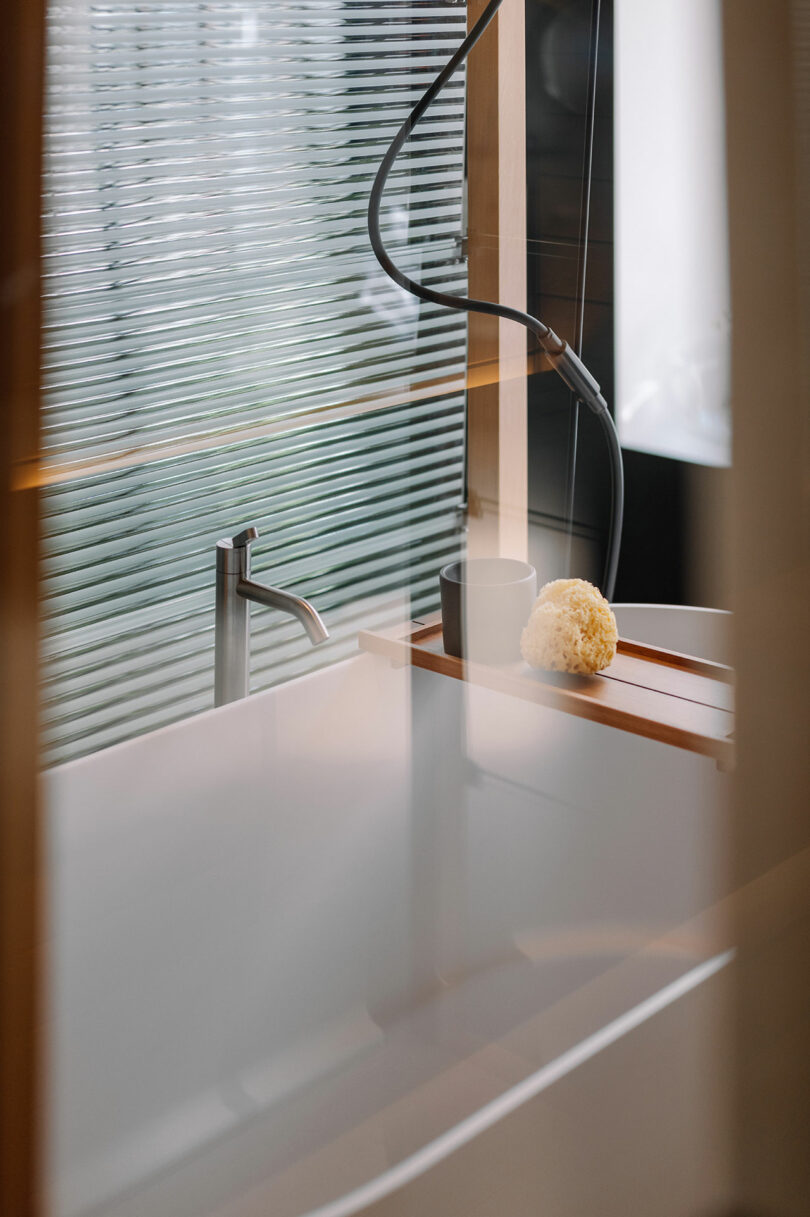
This approach has also led to innovations in how typologies one might otherwise take for granted – a tap for instance – could be entirely re-configured, influencing a change in how it is employed. Introducing new materials and processes has also been central to this progressive evolution. Balancing between standardization and the potential of individuality and idiosyncrasy – perhaps a better way to reflect the essence of a locale than so-called “place-making” – Sei serves as a kind of canvas for different experiences, mostly centered on the recently solidified design principle of wellness.
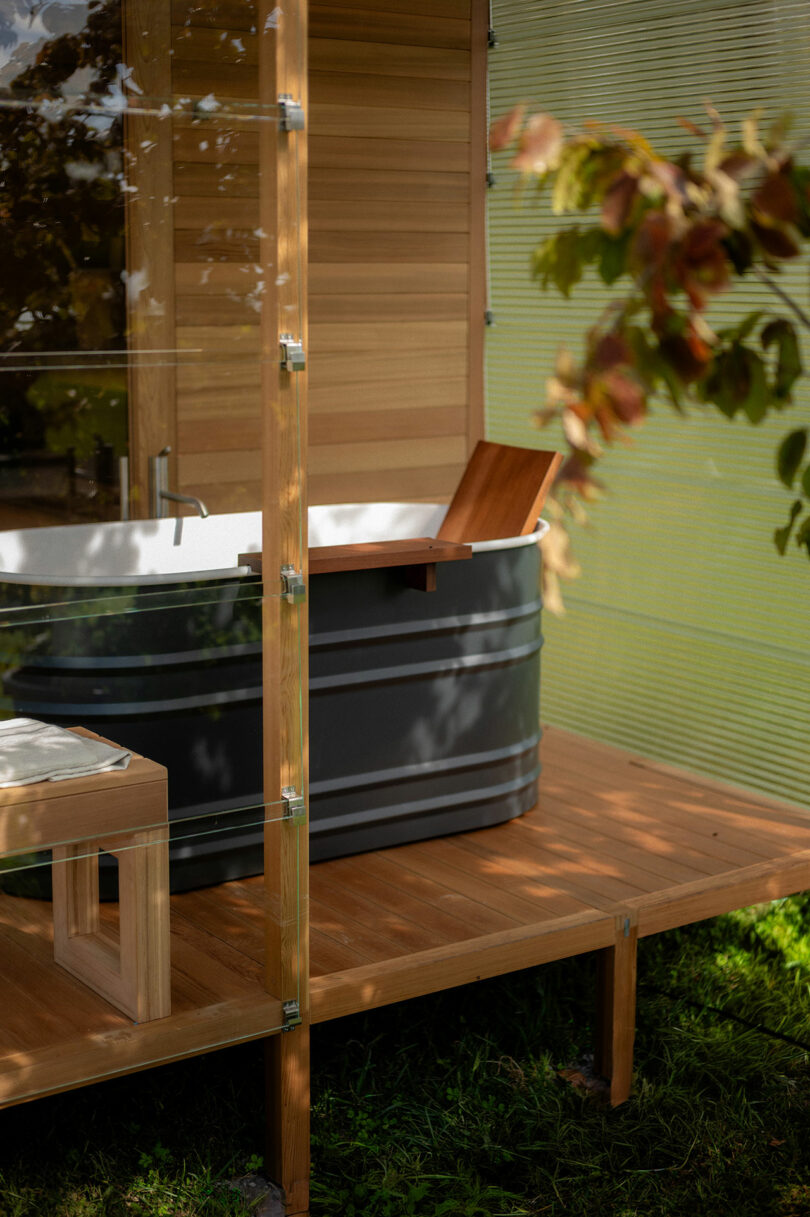
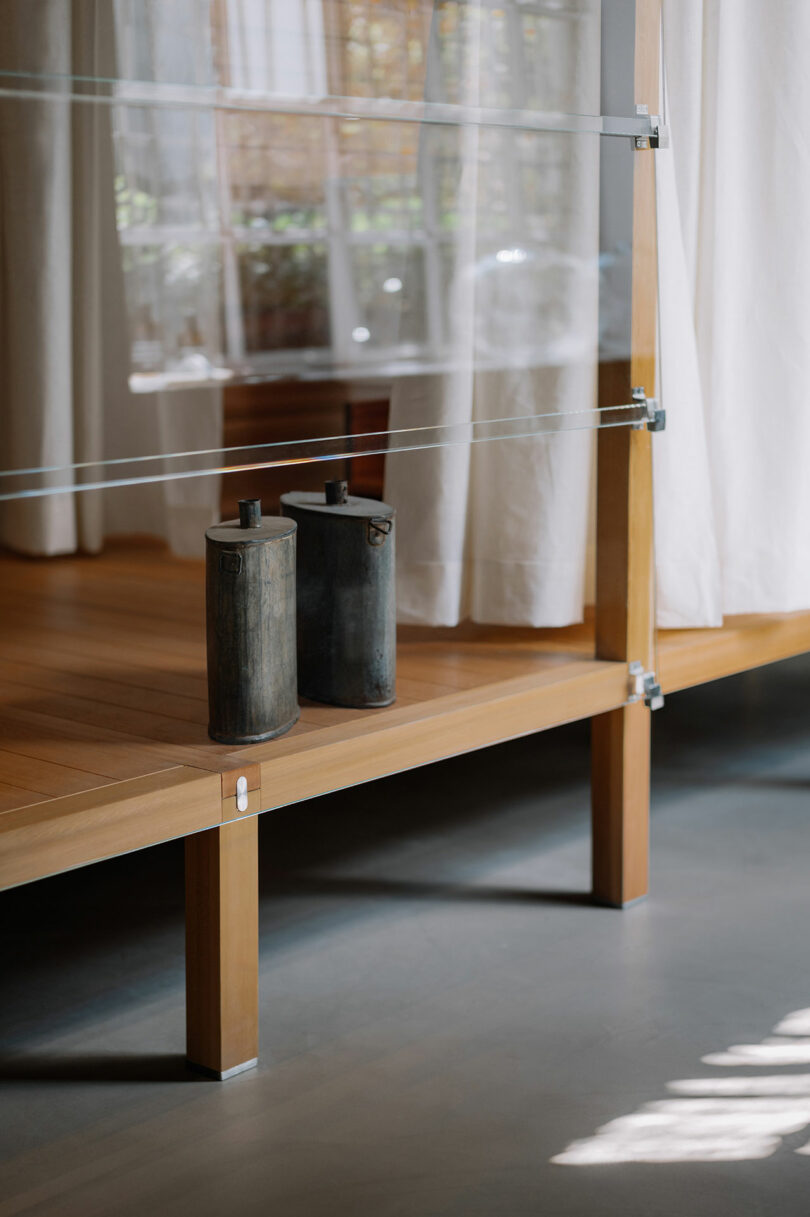
As society moves away from other “harmful” forms of entertainment and respite, the bathhouse and sauna has reemerged as a more health-conscious type of third-place diversion. Specialized facilities are popping up in major urban centers as an antidote to the hustle bustle but also as portable units set up in more rural places. Sei emerges as an easily erected “space” with minimal impact on its environs. Traditional saunas are hermetically sealed. This system opens up to the outdoors.
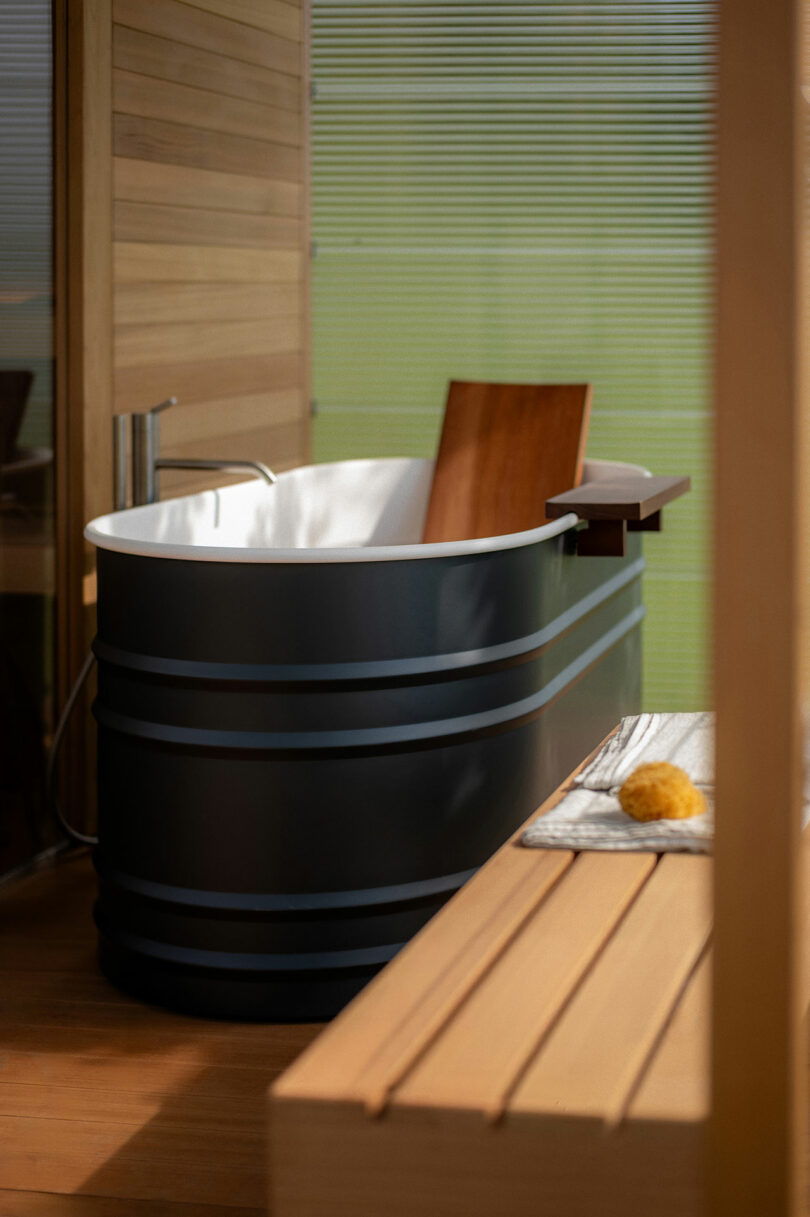
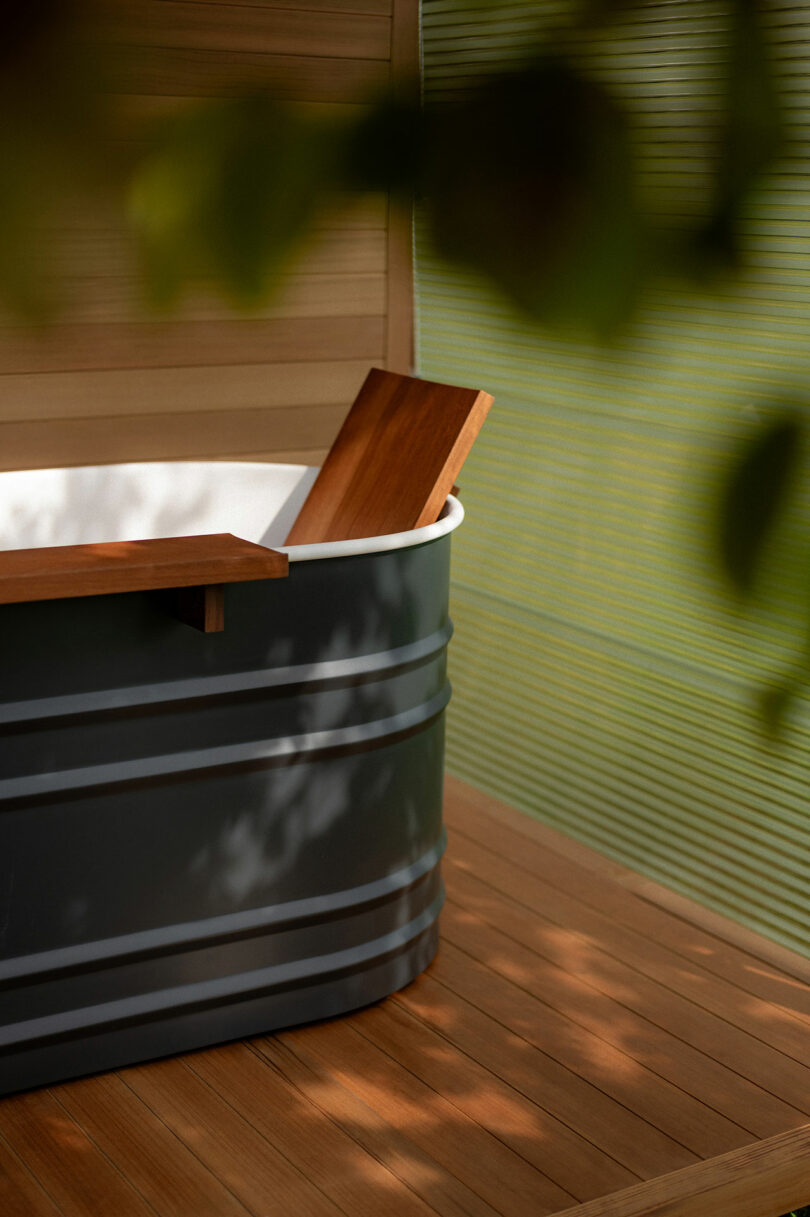
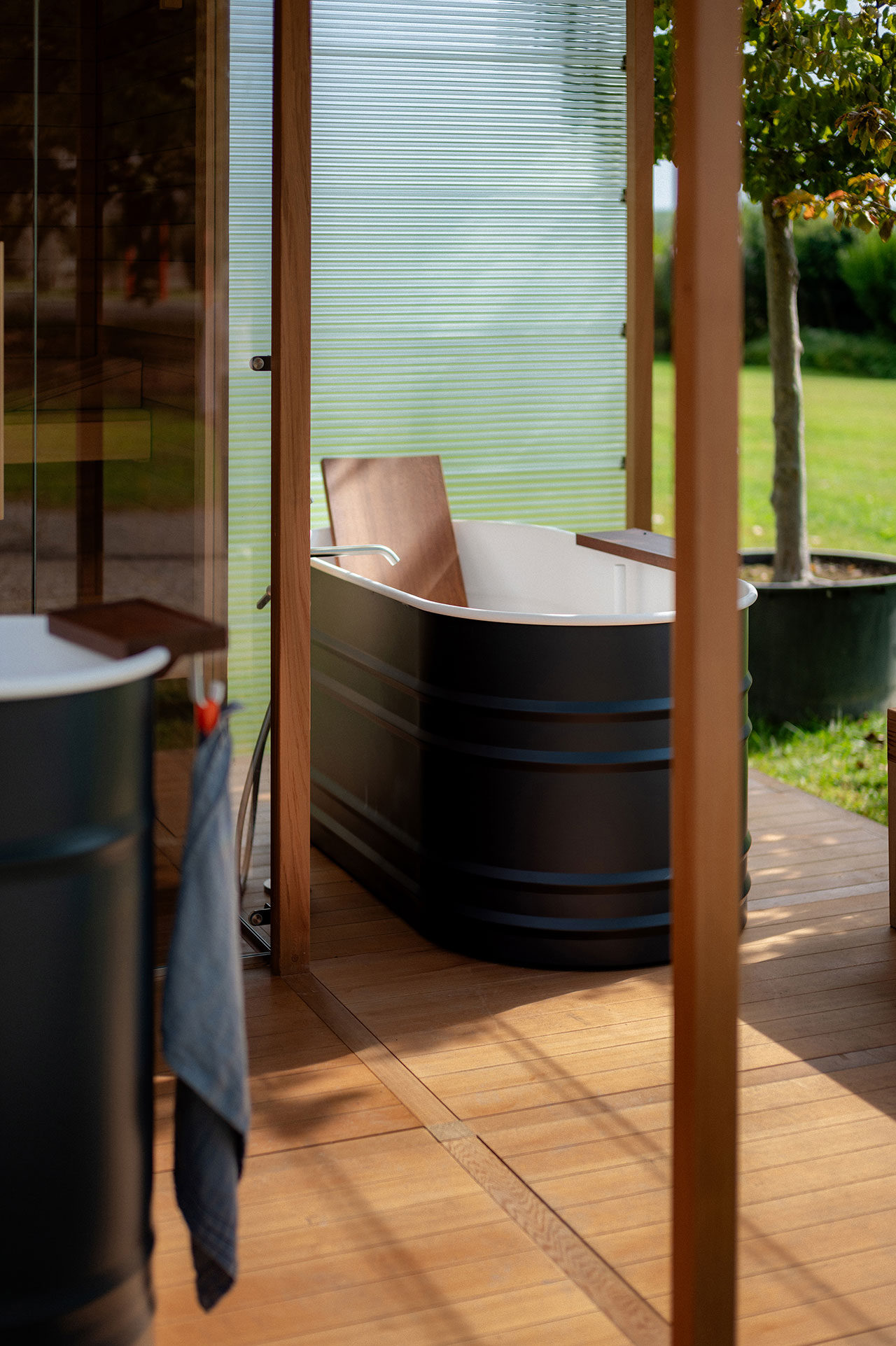
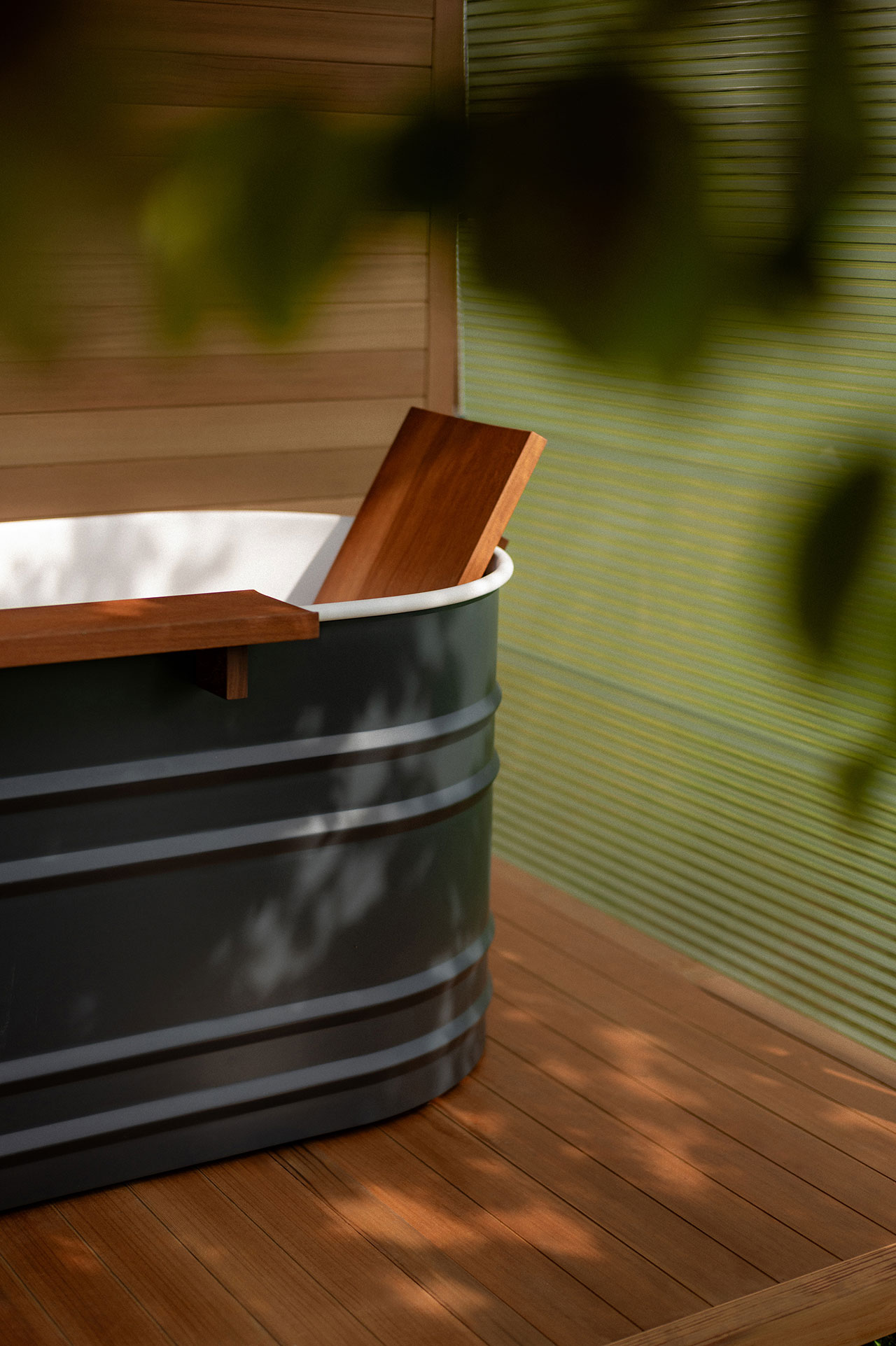
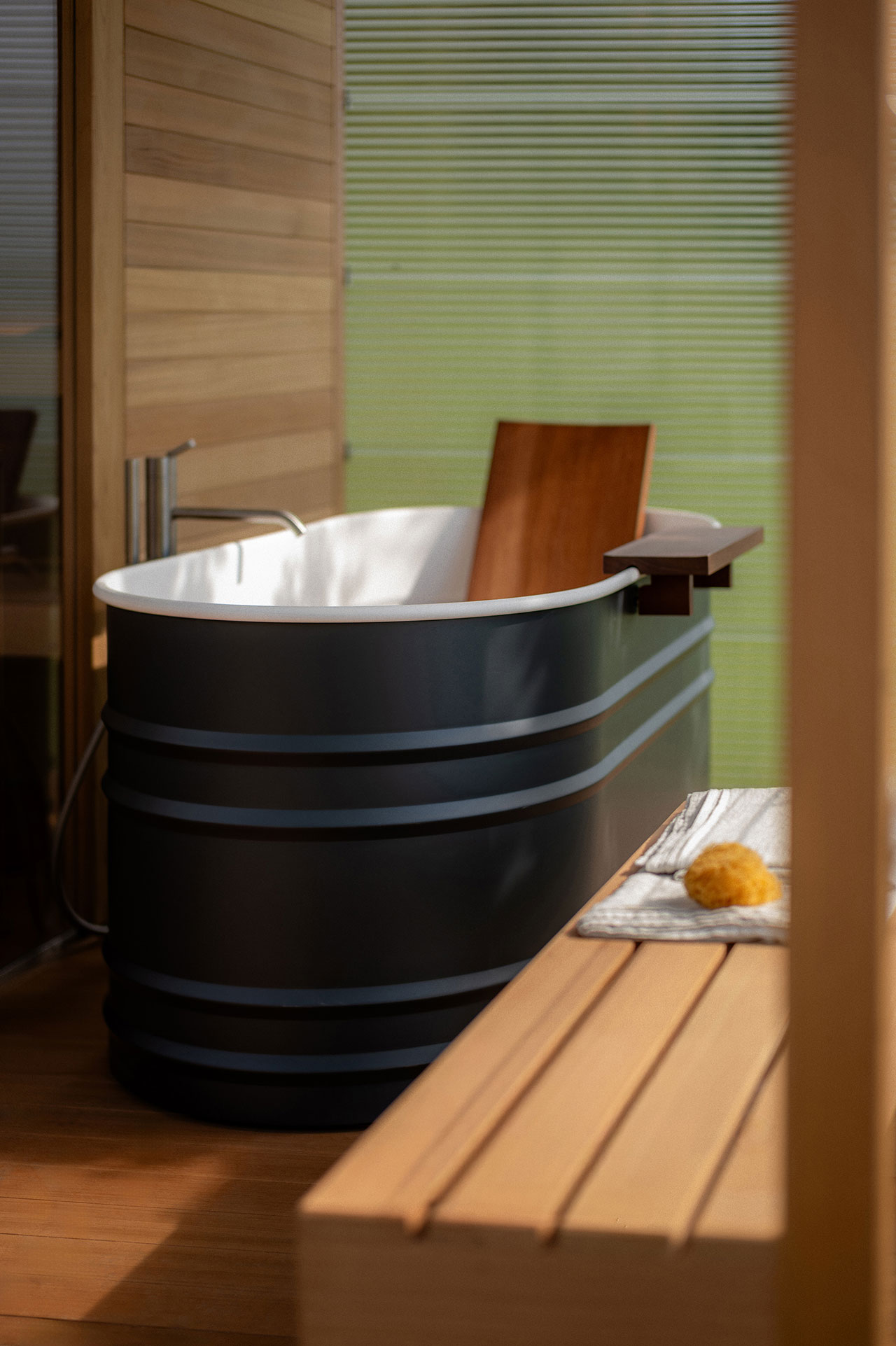
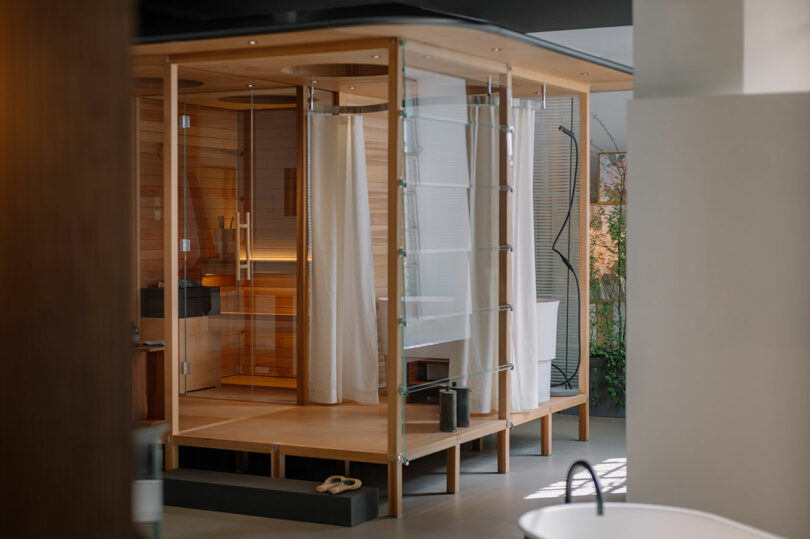
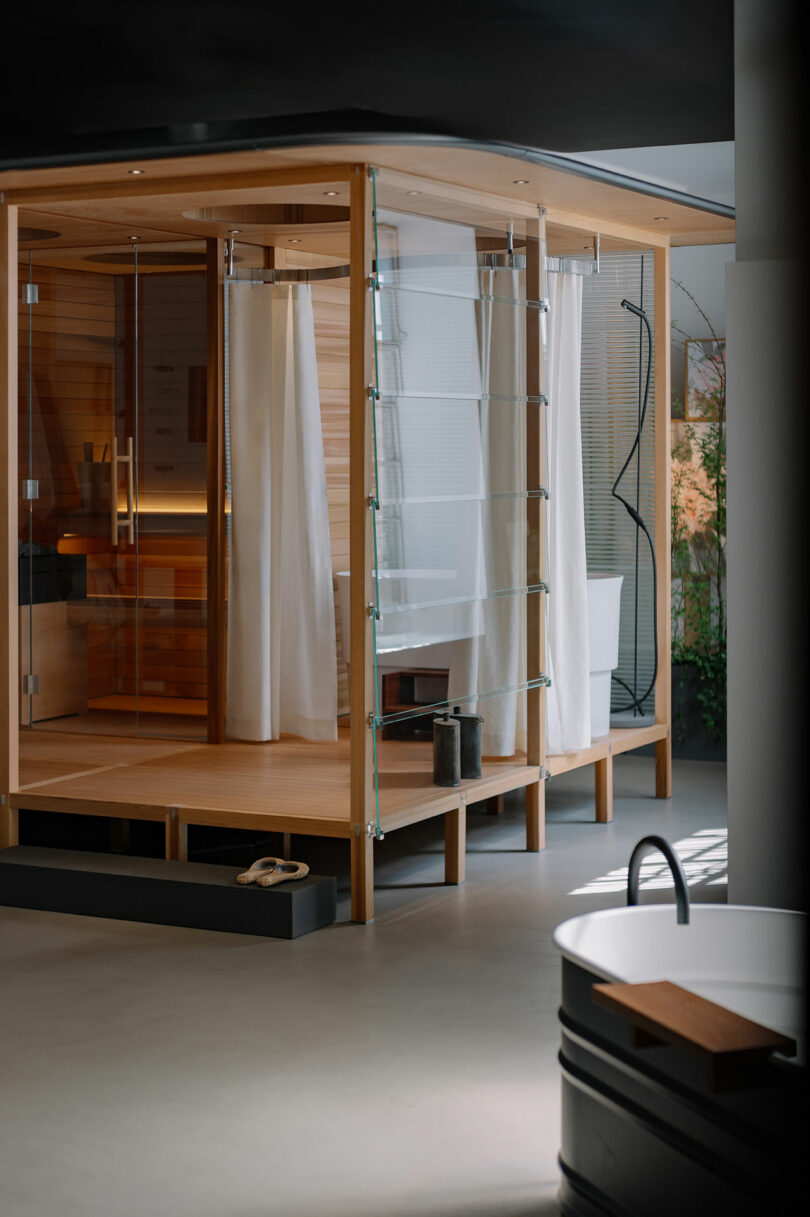
Developed with sauna brand Effe and interiors solution firm Cesare Roversi, the “plopable” structure consists of a 6 by 6 foot open wooden frame, raised platform, and permeable roof with strategically placed daylighting exposures. Innovative glass partition walls help to contain the heat and steam emitting from the enclosed sauna module. The rest of the space features a Neri & Hu-designed washbasin and bathtub. Depending on the specificity of site or personal need, Sei also comes in two more compact Version B and C iterations. It’s an ideal addition to a backyard, rooftop, shared urban garden, or in the case of Agape’s bucolic Agapecasa HQ, the rolling farmland just south of Mantova, Italy.
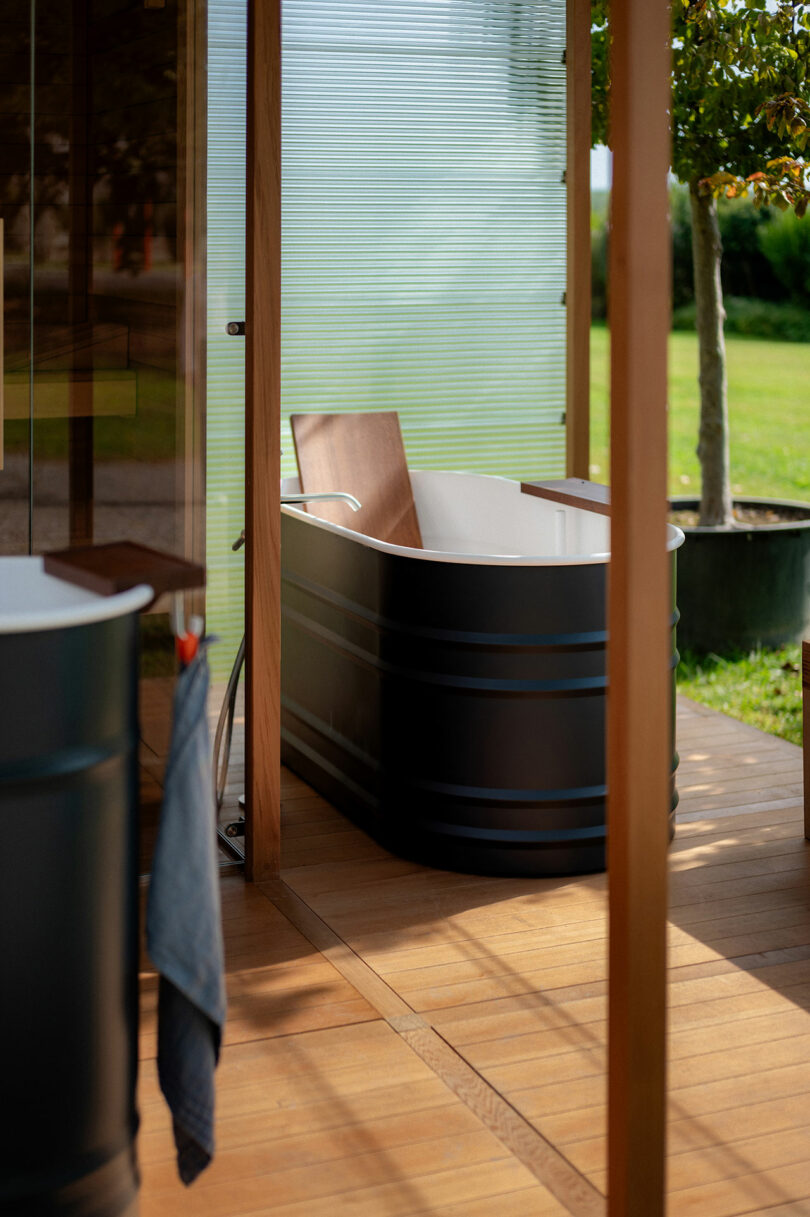
The carefully chosen name of Sei derives from three sources. In Italian, it both references the number six – the carefully considered cubic proportioning of the pavilion – but also the notion of being present. In Japanese, the word loosely means life: the notions of nature, rhythm, and regeneration.
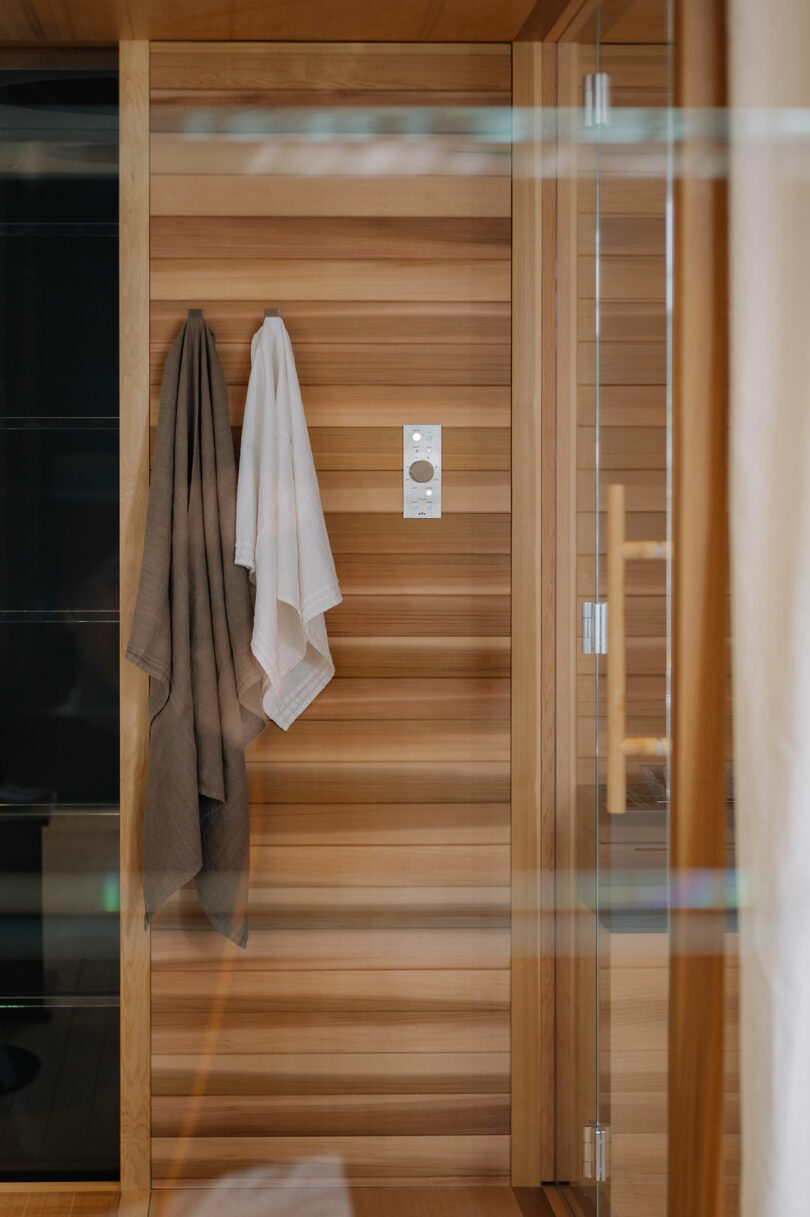
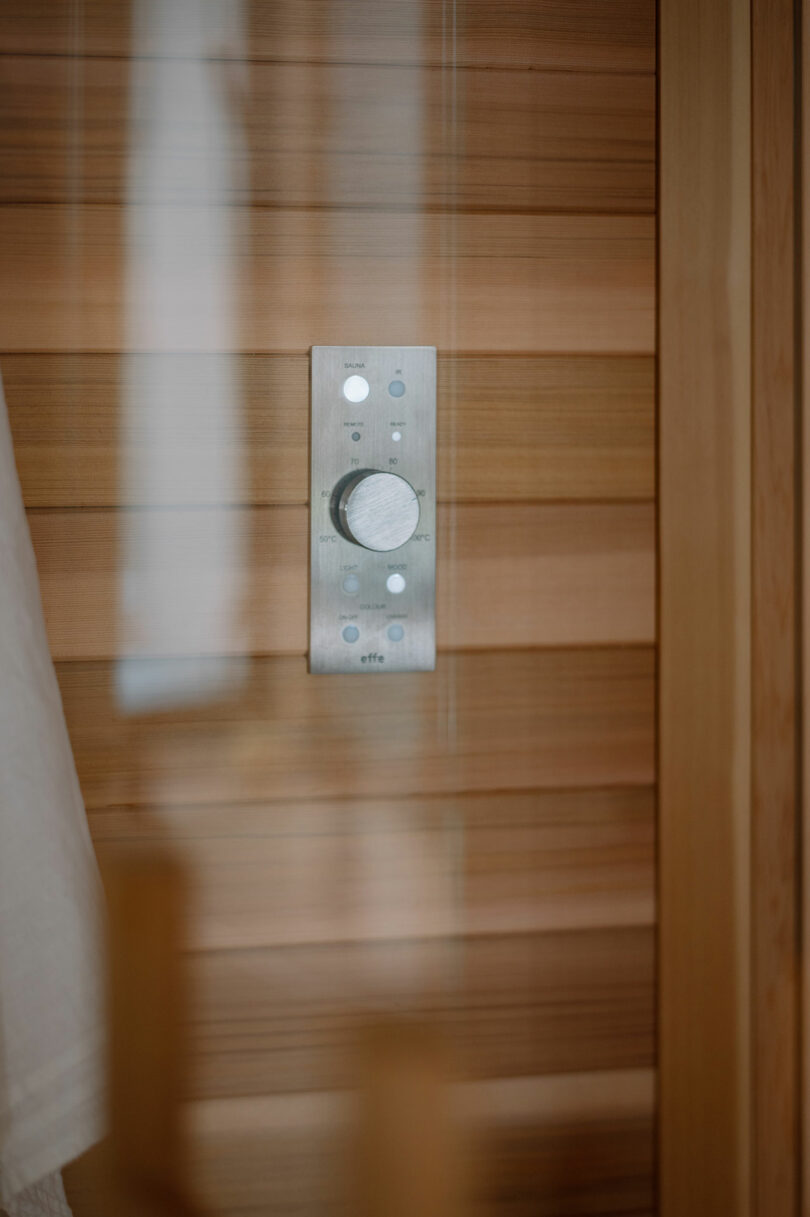
It’s standardized but given its sober aesthetic, it can blend-in easily, become part of a place and then be removed if so desired without much impact. The endless configuration of its components makes it far more agile than “placemaking” strategies that are far more set in stone, literally and figuratively.
To learn more about the Pavilion Sei by Nicholas Bewick and Agape, please visit agapedesign.it.
Photography courtesy of Agape.