With a carbon fiber structure, bespoke finishes, and automotive-level precision, Ennua’s Element 01 translates supercar designs into functional art
Inspired by British and South Asian design traditions, Tan France’s debut furniture collection for Castlery explores how timeless pieces, personal history, and everyday rituals shape the modern home.
From solar-powered outdoor lighting to 3D-printed homewares, these eco-conscious picks prove sustainable design can still be chic
September Collective’s first in-house design transforms the Bantu knot into a hand-blown glass vase, created with Kitengela Glass artisans in Kenya
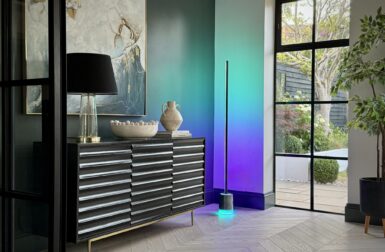
The interior stylist explains how thoughtful lighting brings warmth, depth, and flexibility to her mid-century-meets-Scandi home
Designed by Analogy Design, the compact countertop tea maker preserves the rituals of traditional chai while rethinking how the beloved drink fits into contemporary kitchens
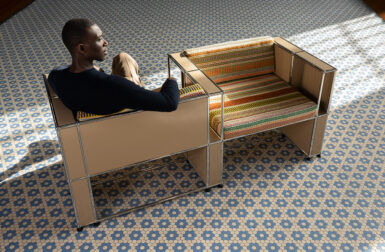
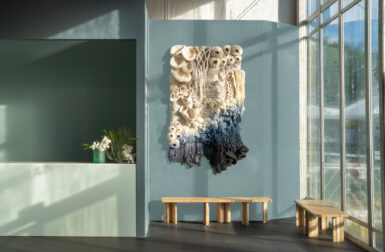
The expanded NKYINKYIM A CASA collection pairs USM’s modular Haller System with Portuguese textiles and West African symbolism
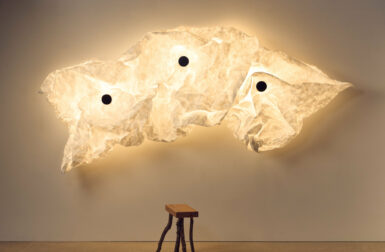
The Flos collaboration transforms an oversized Tyvek® diffuser into a customizable wall lamp
Working from the same recycled HDPE sheets, six Lawrence Technological University students created a cohesive collection that earned ICFF’s Best of Schools award.
The Alkemis Paint co-founder shares the artists, landscapes, and experiences that continue to shape her creative perspective
The Swedish brand’s limited-edition Grand Open collection transforms the bold geometry of grass and clay courts into hand-loomed New Zealand wool rugs
Inspired by the quiet strength of an elephant, the award-winning lounge chair balances sculptural expression with comfort and everyday functionality
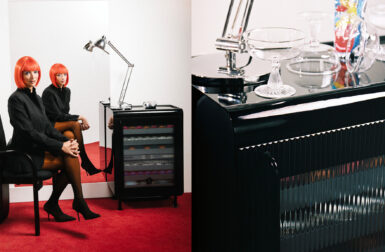
The food artist reimagines Rocco’s signature beverage fridge in a glossy Black Mirror finish and accompanying custom champagne coupe designed for entertaining
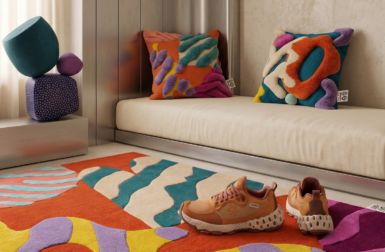
Soft Imprints translates the duo’s shared instincts for color, pattern, and tactility into a limited-edition collection of rugs and pillows.
Created with Melbourne-based SMAC Studio, the new architectural hardware collection pairs brushed brass and polished nickel to encourage a more layered approach to interiors.