At Milan Design Week, Playinghouse Strategically Sited Spatially Responsive Designs
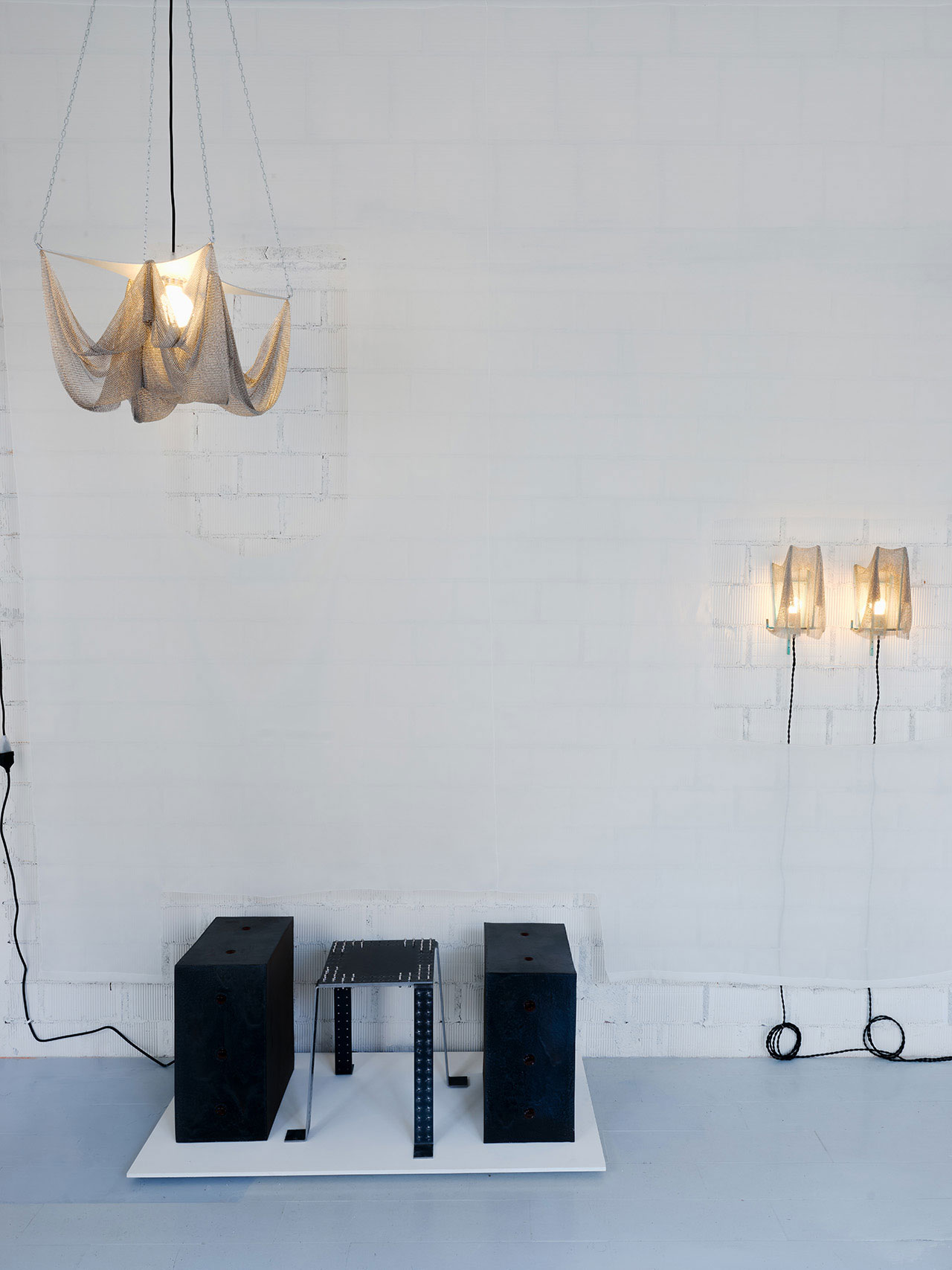
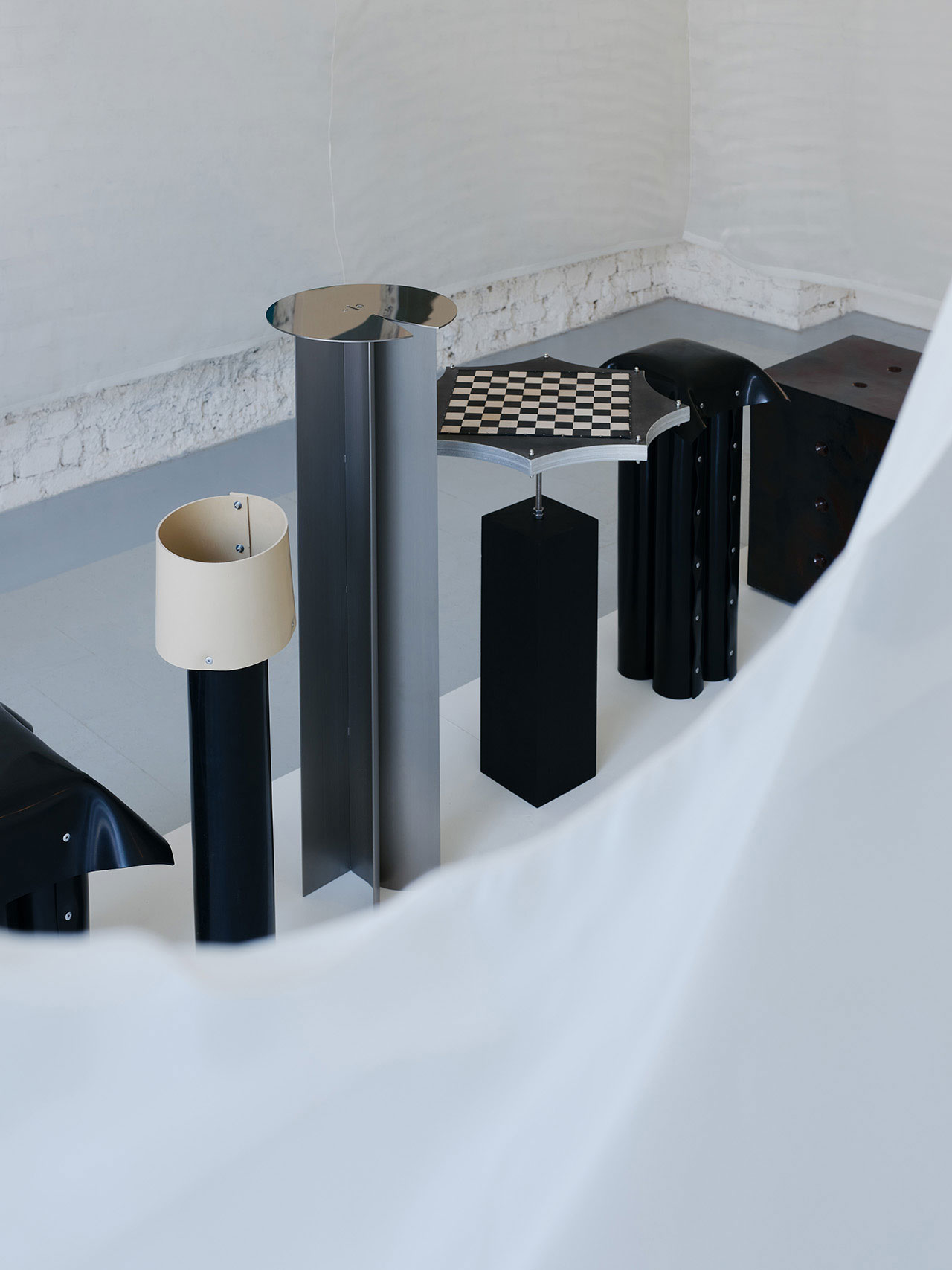
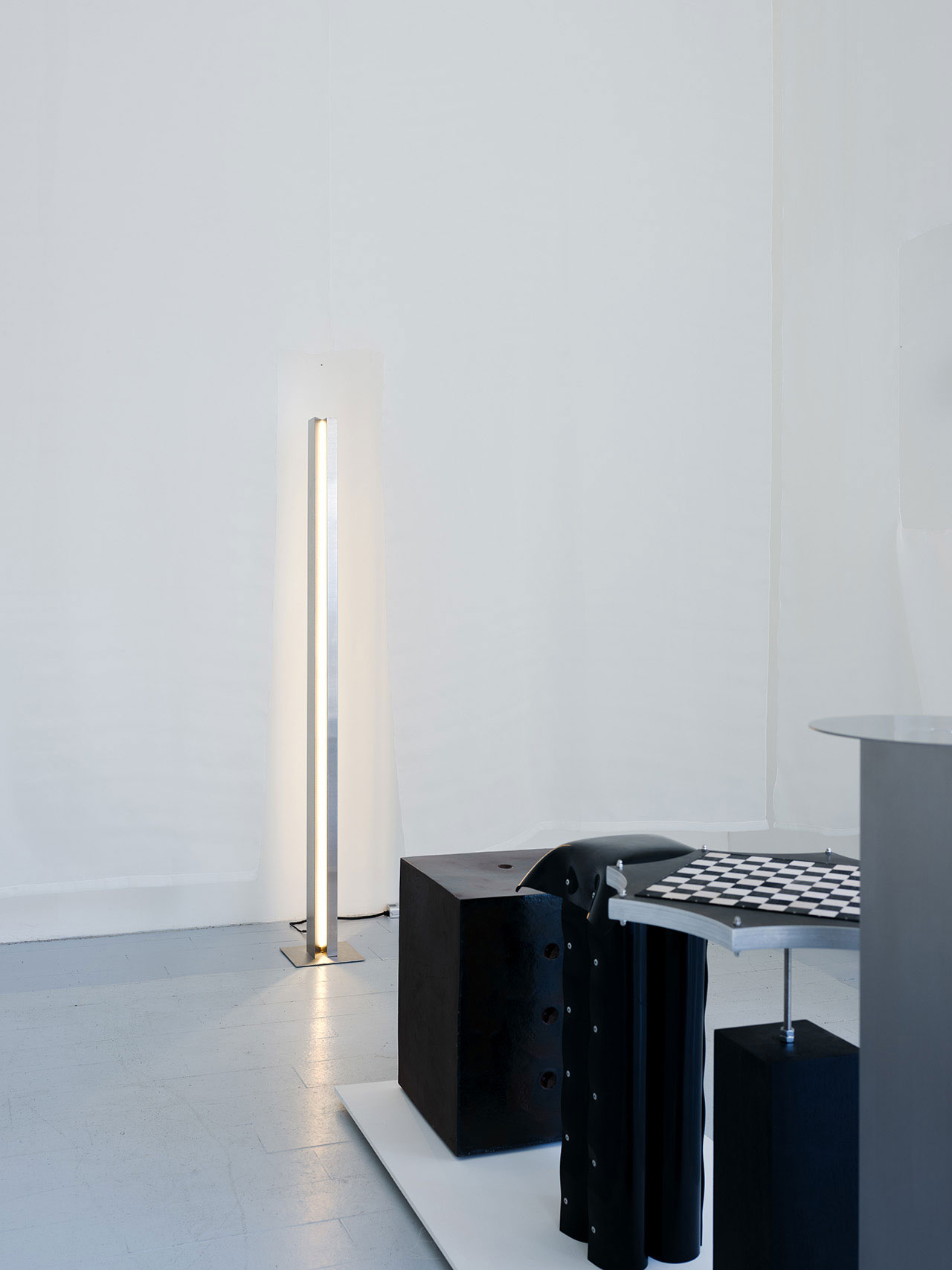
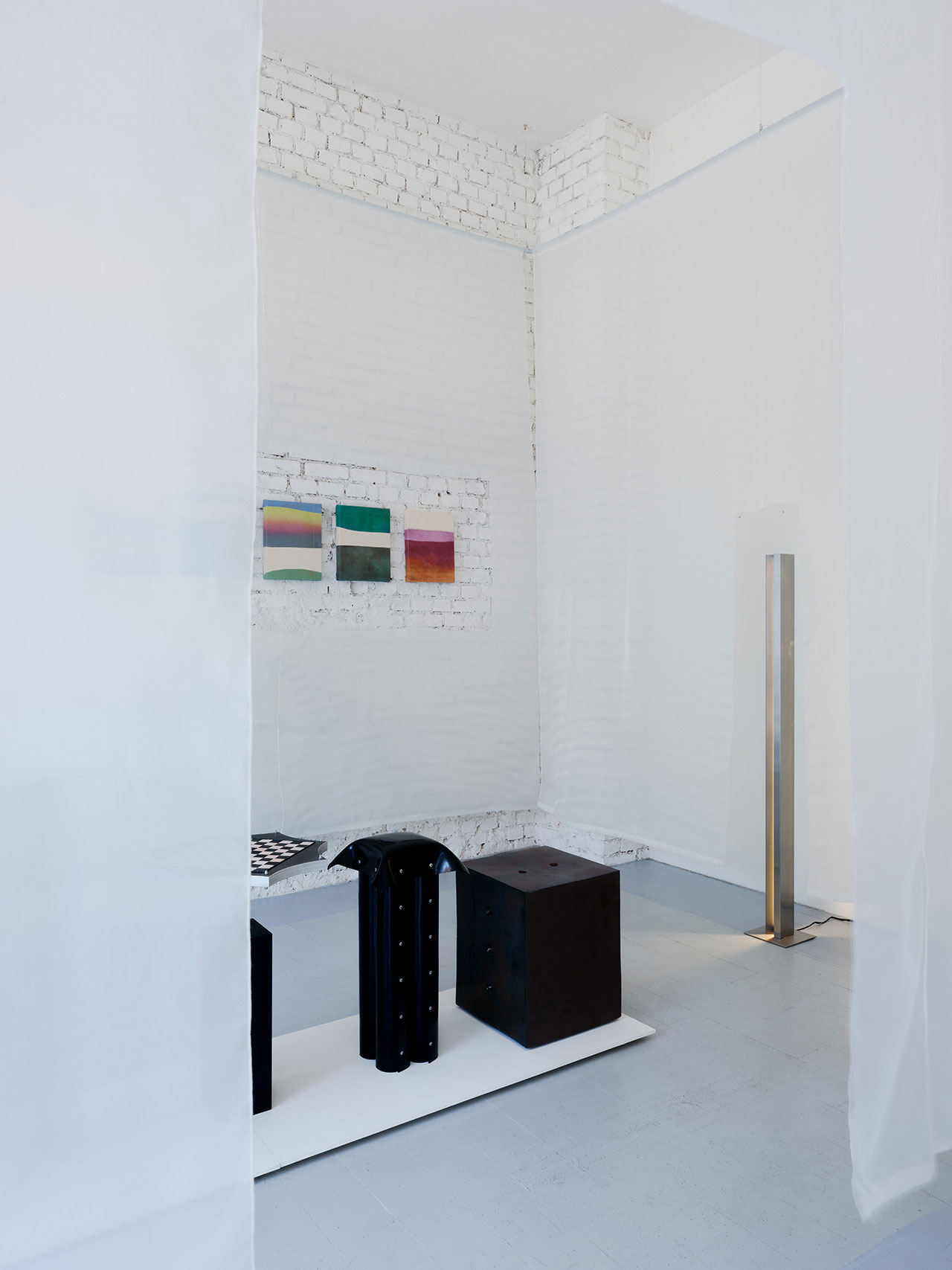
With sterile white cube exhibits now a memory of a bygone era, contextualized displays have become the norm across the design industry. Independent talents, established brands, and leading galleries are now primarily staging their wares in fully furnished, total-work-of-art domestic settings. The idea is to suggest – or clearly indicate – how their products and limited-run works might actually live in the spaces they’ll eventually inhabit. Few, however, fully respond to the existing conditions and histories already in place.
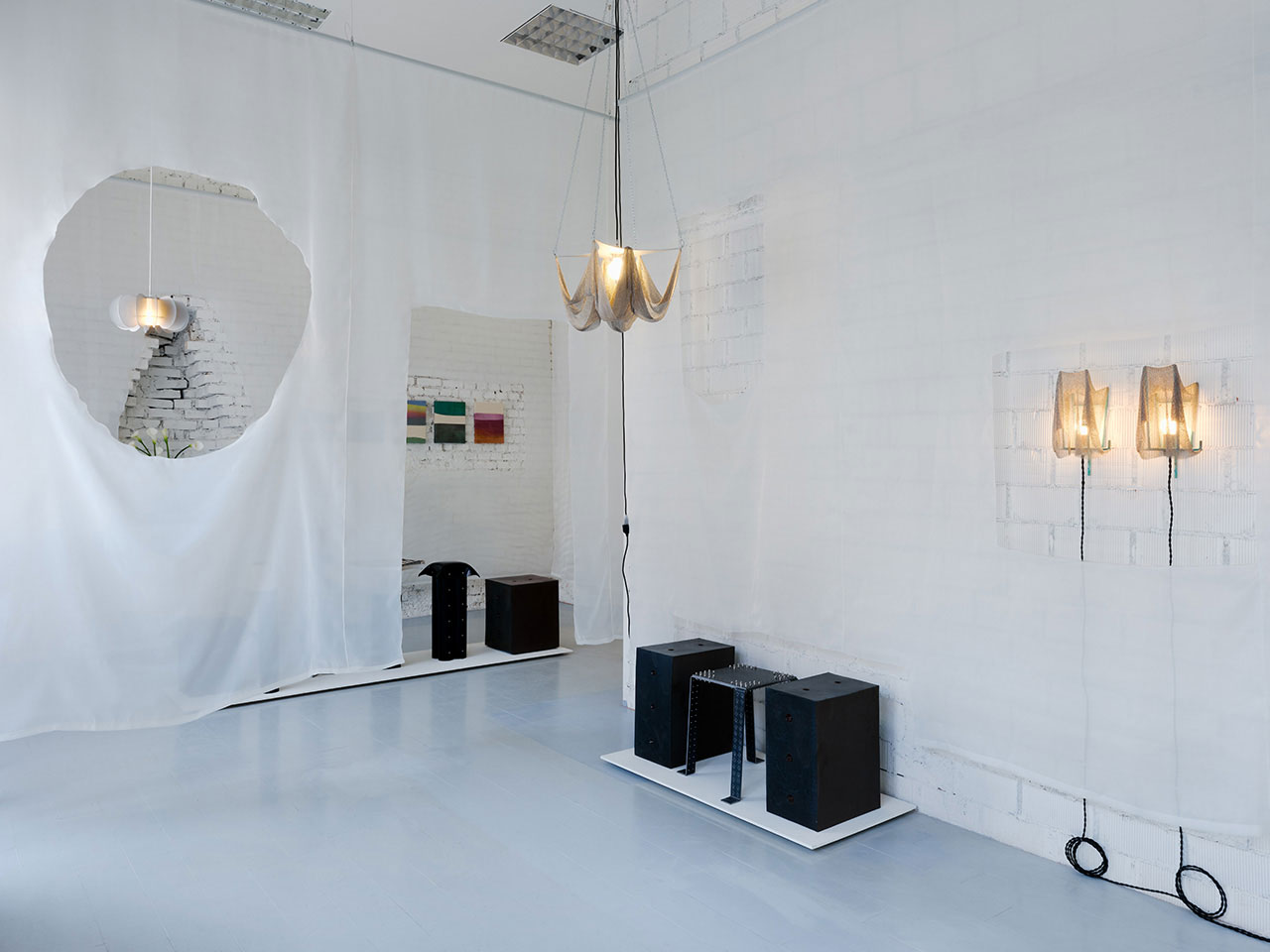
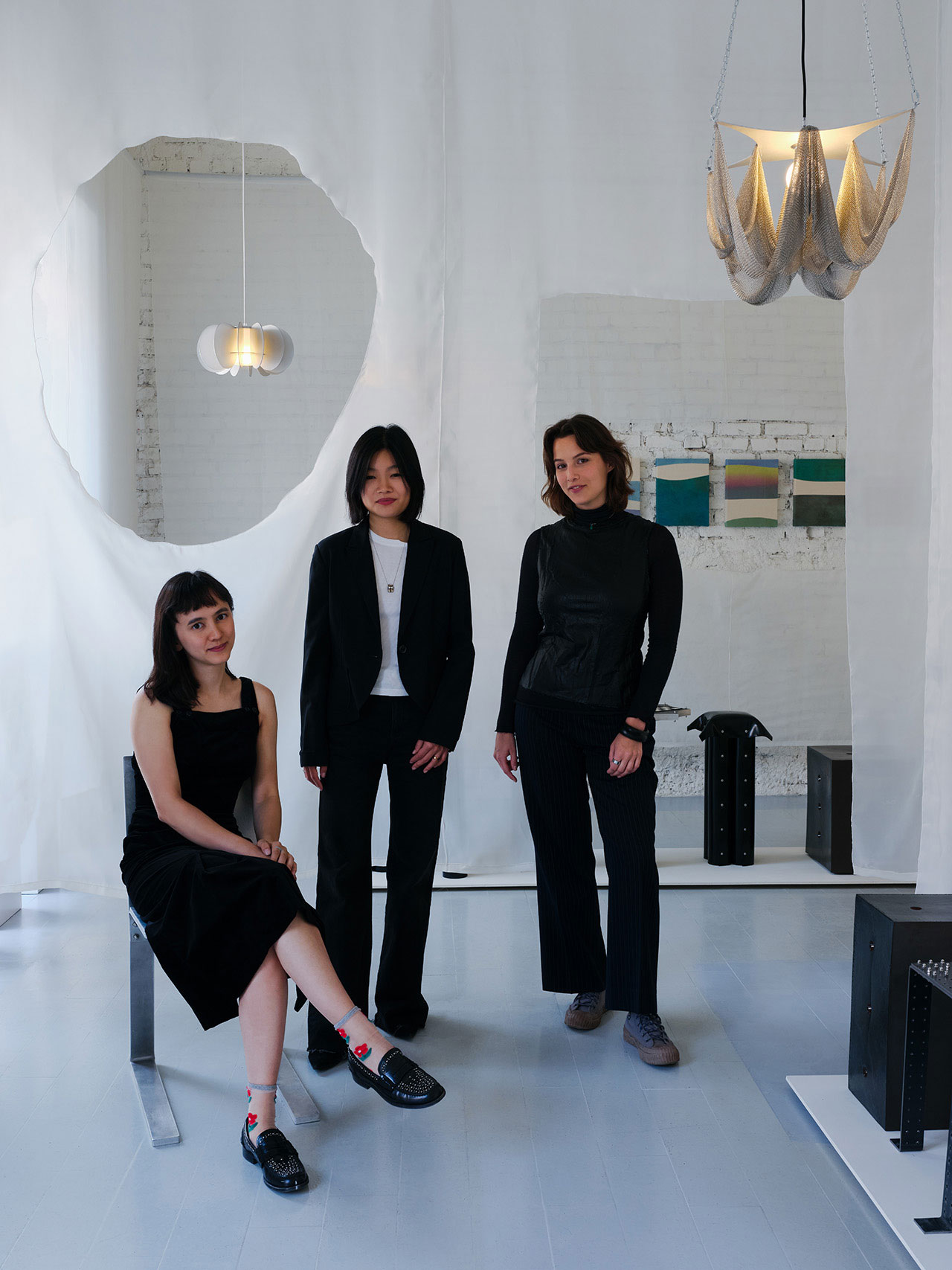
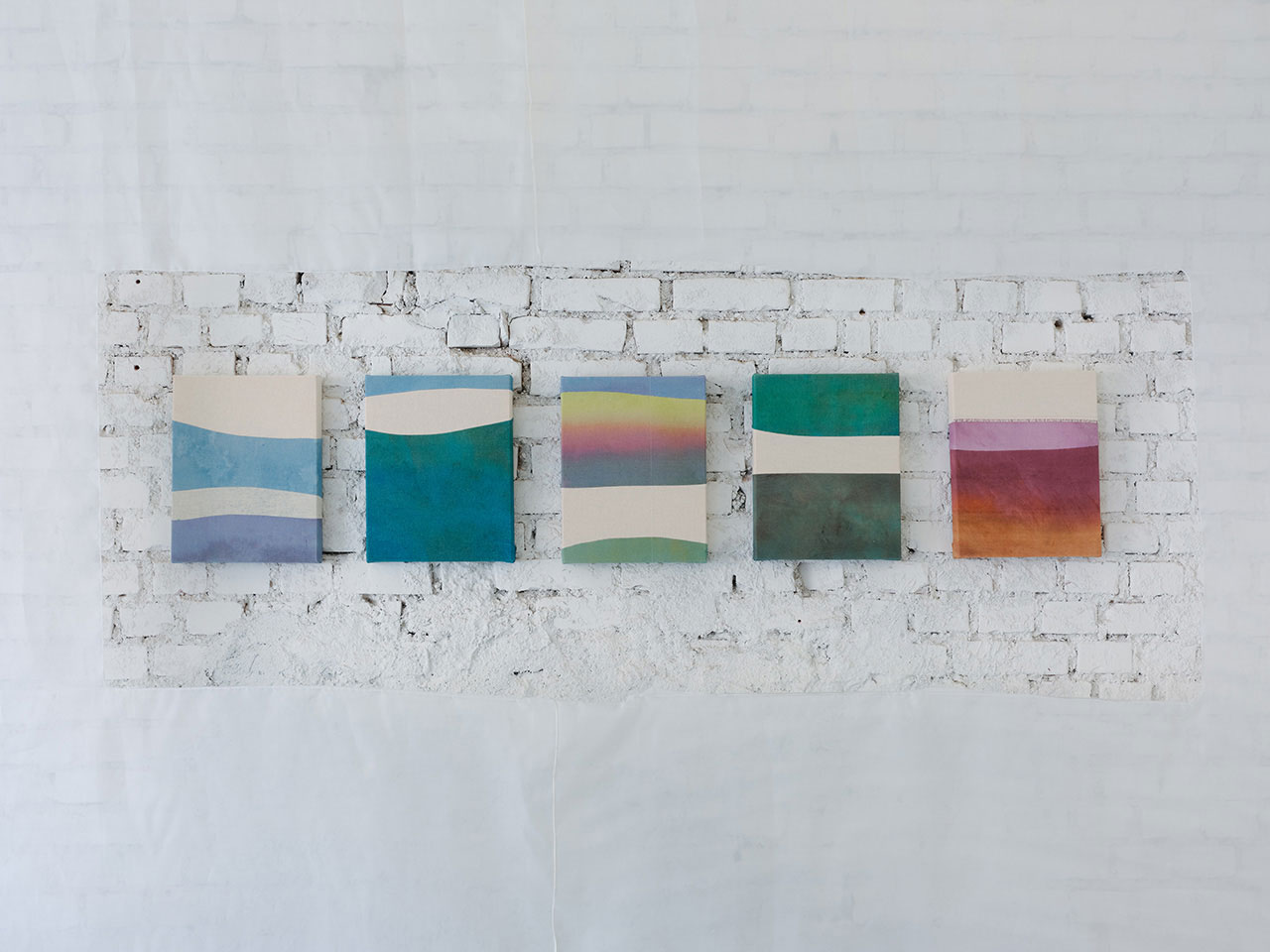
Cue téte-a-téte, a group exhibition mounted by emergent New York art and design platform Playinghouse at two vastly different locations during last month’s Milan Design Week. Curated by Margherita Dosi Delfini, assistant curator at the Design Museum, the emphatically site-responsive exhibition brought together artworks and furnishings imagined by a wide array of contemporary independent talents. The meticulously arranged selection accentuated the various material and formal qualities of each locale.
True to the relatively new platform’s mission of highlighting the intersection between function, familiarity, and invention, the works on view embodied the idea that playfulness can carry as much weight as practical rigor.
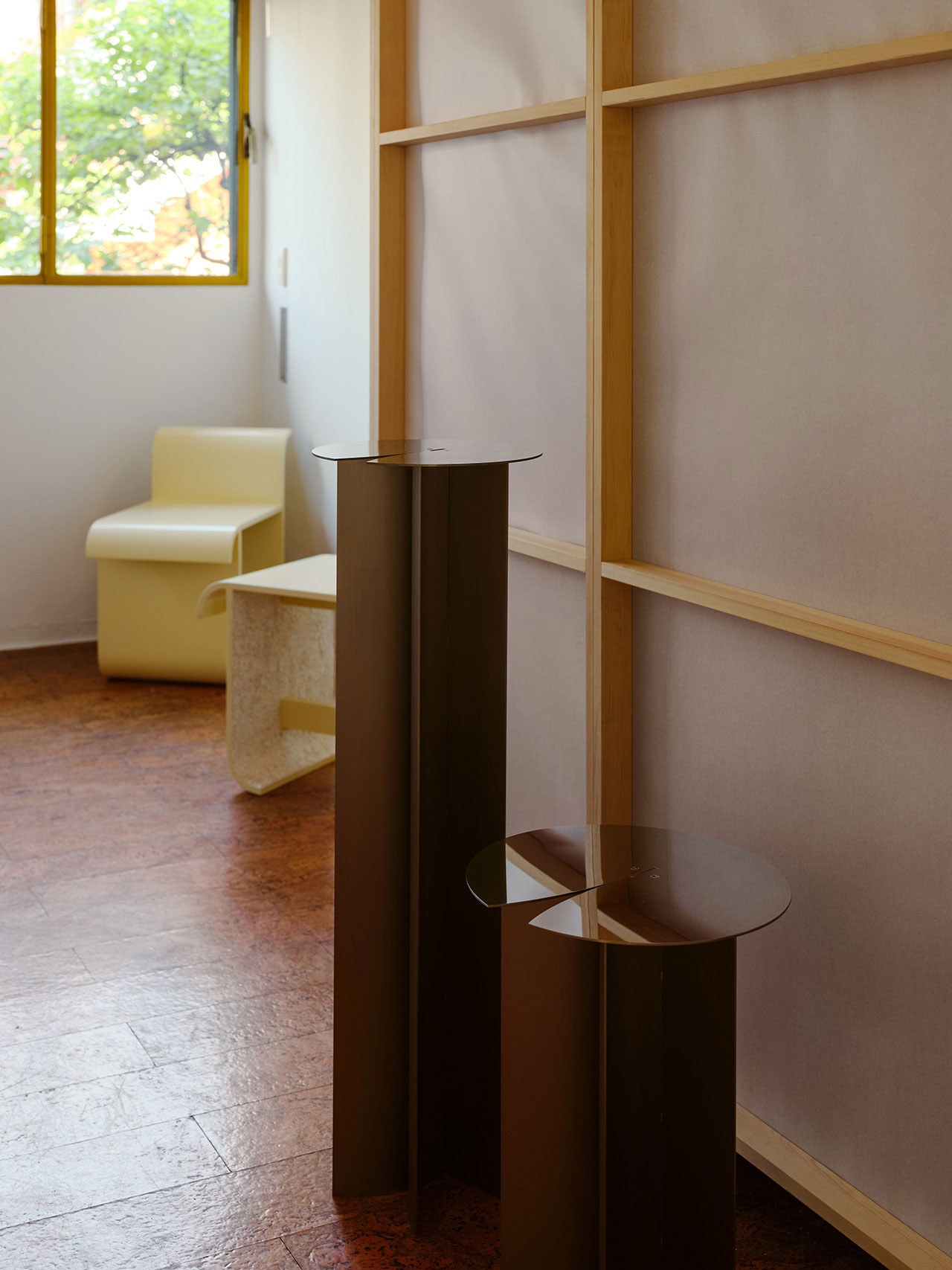
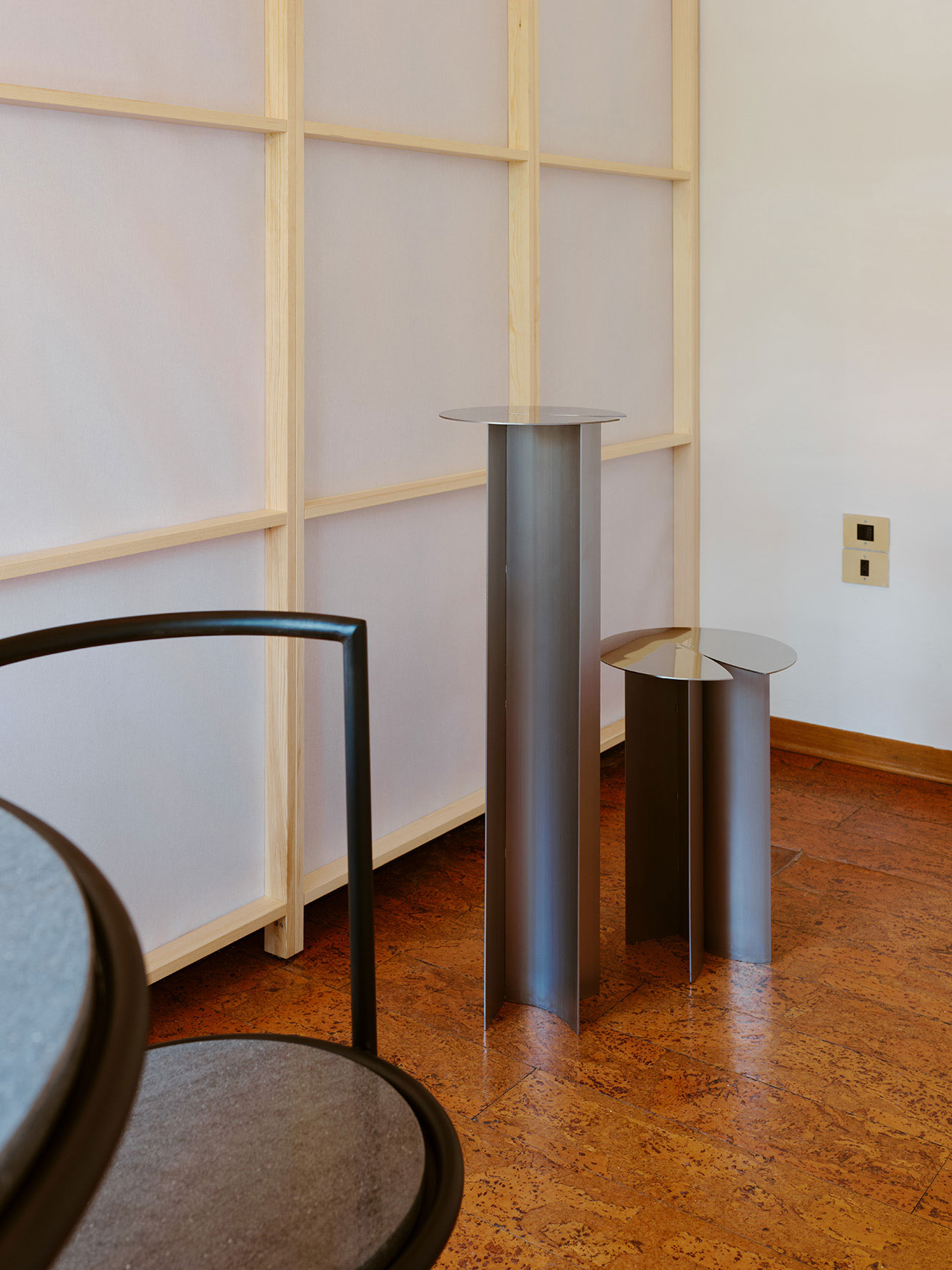
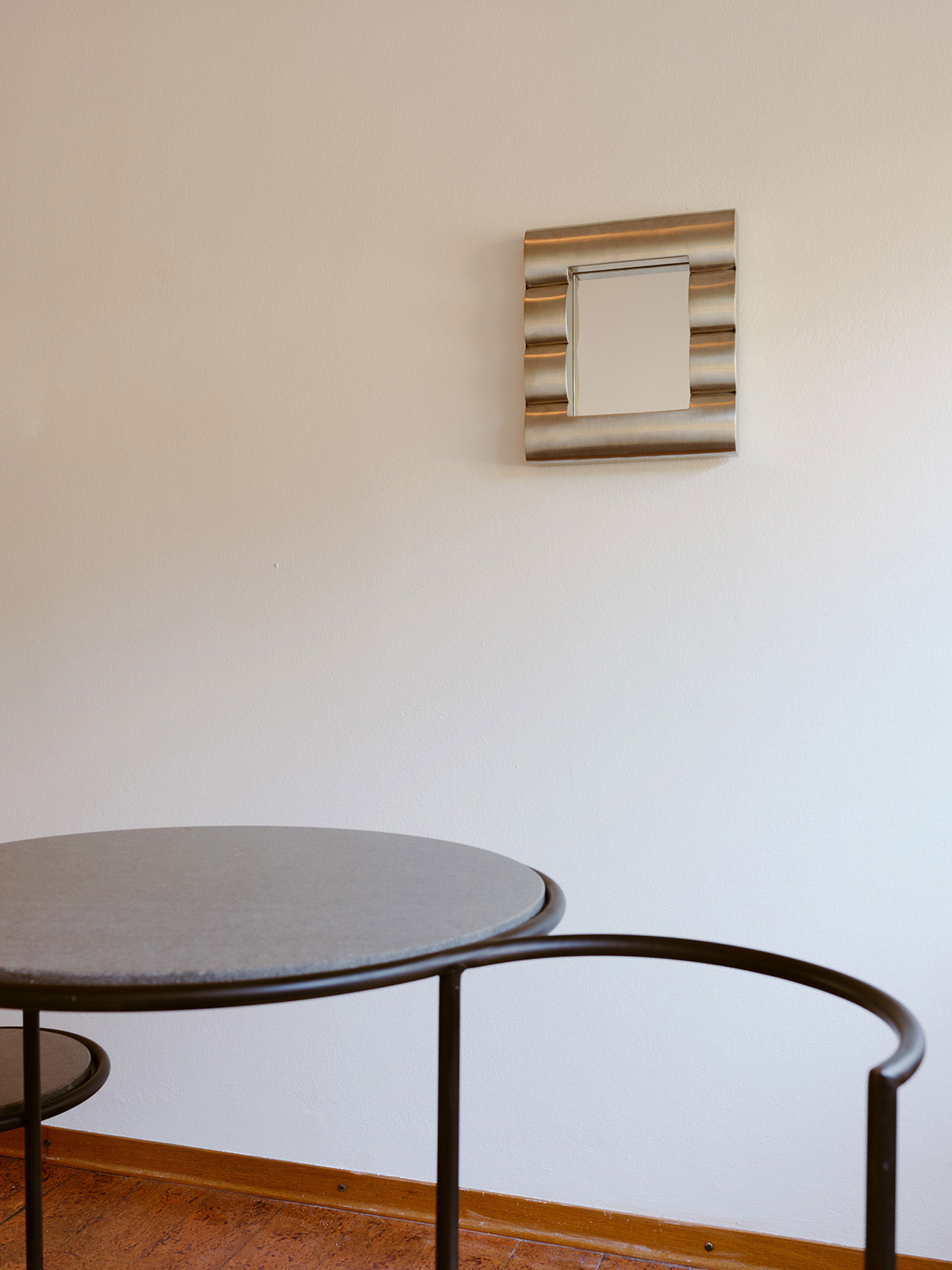
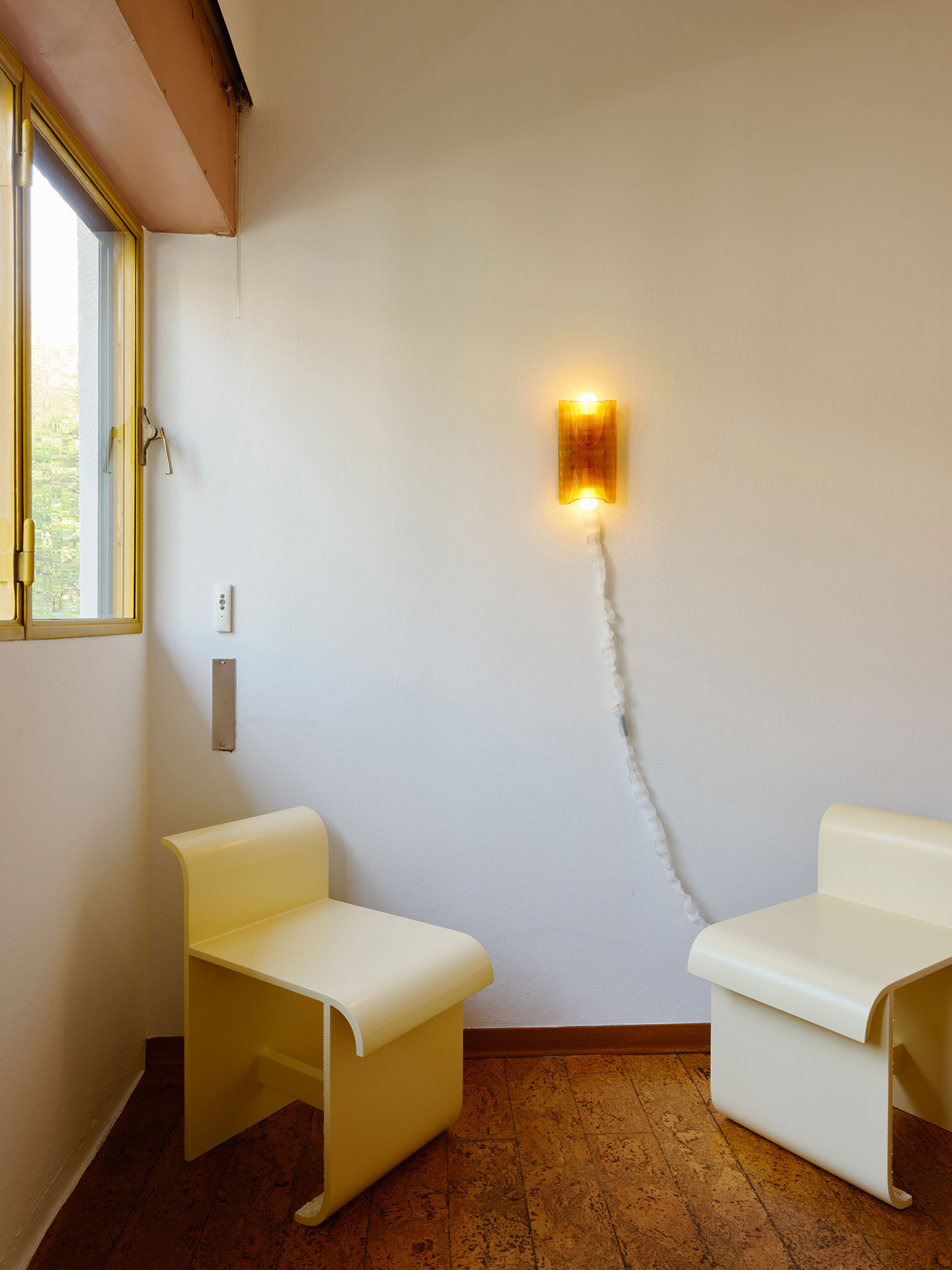
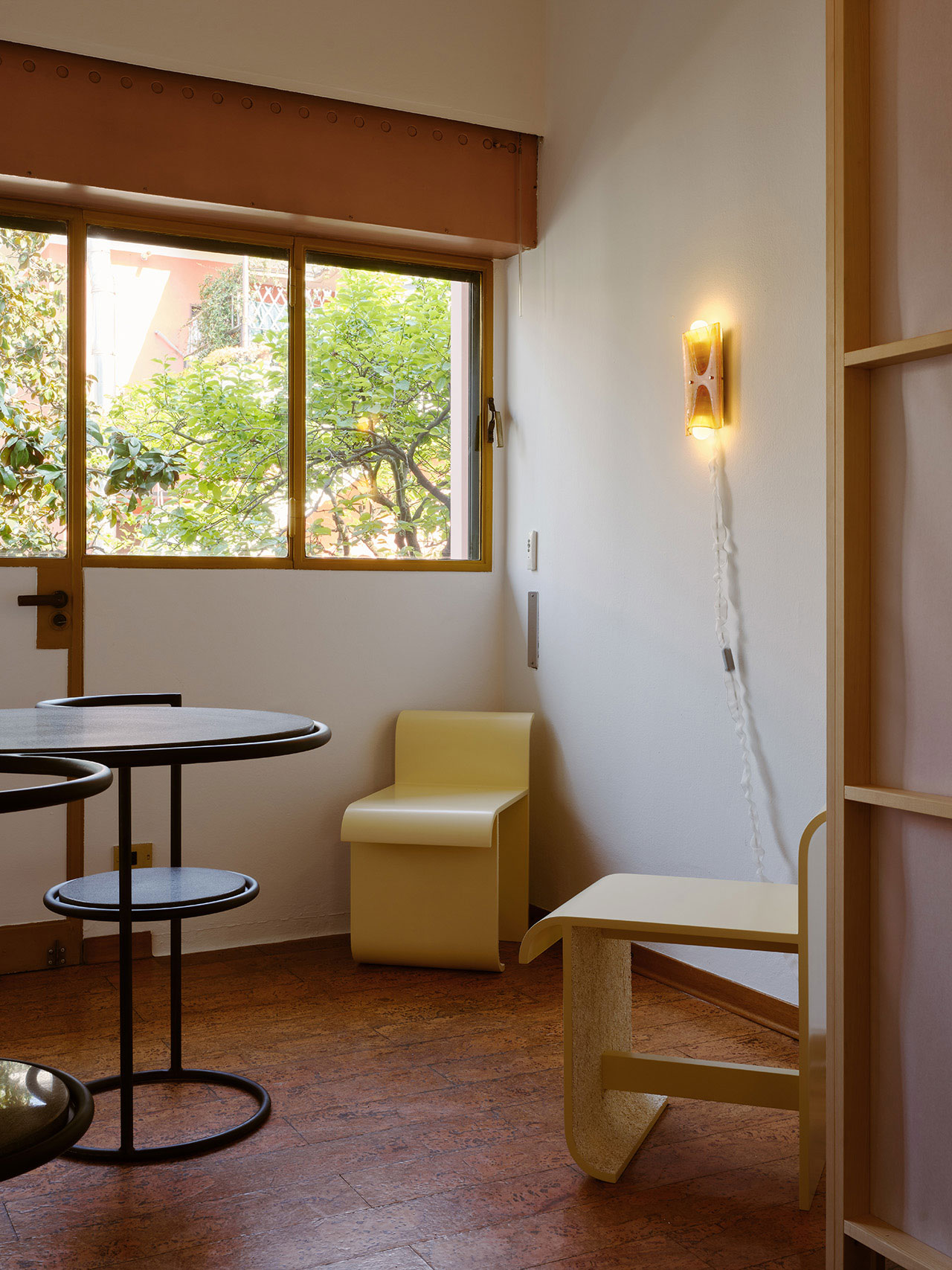
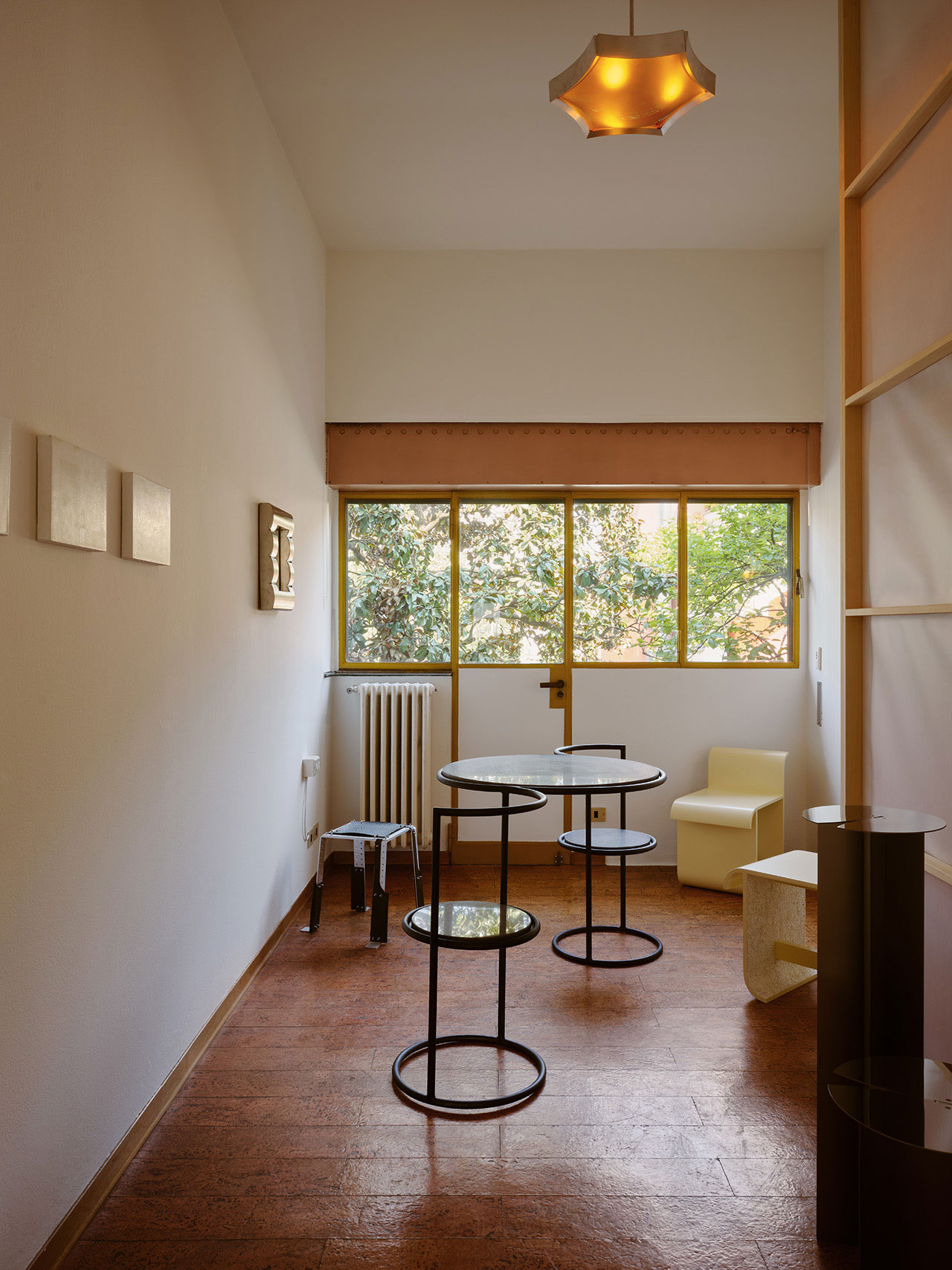
At Villa Pestarini, seminal Italian architect Franco Albini’s prototypically Rationalist residential project completed in 1939, works crafted in eggshell, glass, reflective metals, and other complementary materials played up the home’s distinctive proportions and pared-back yet still slightly ornamental detailing. The space was staged as a study transfixed in time, personalized for quiet contemplation.
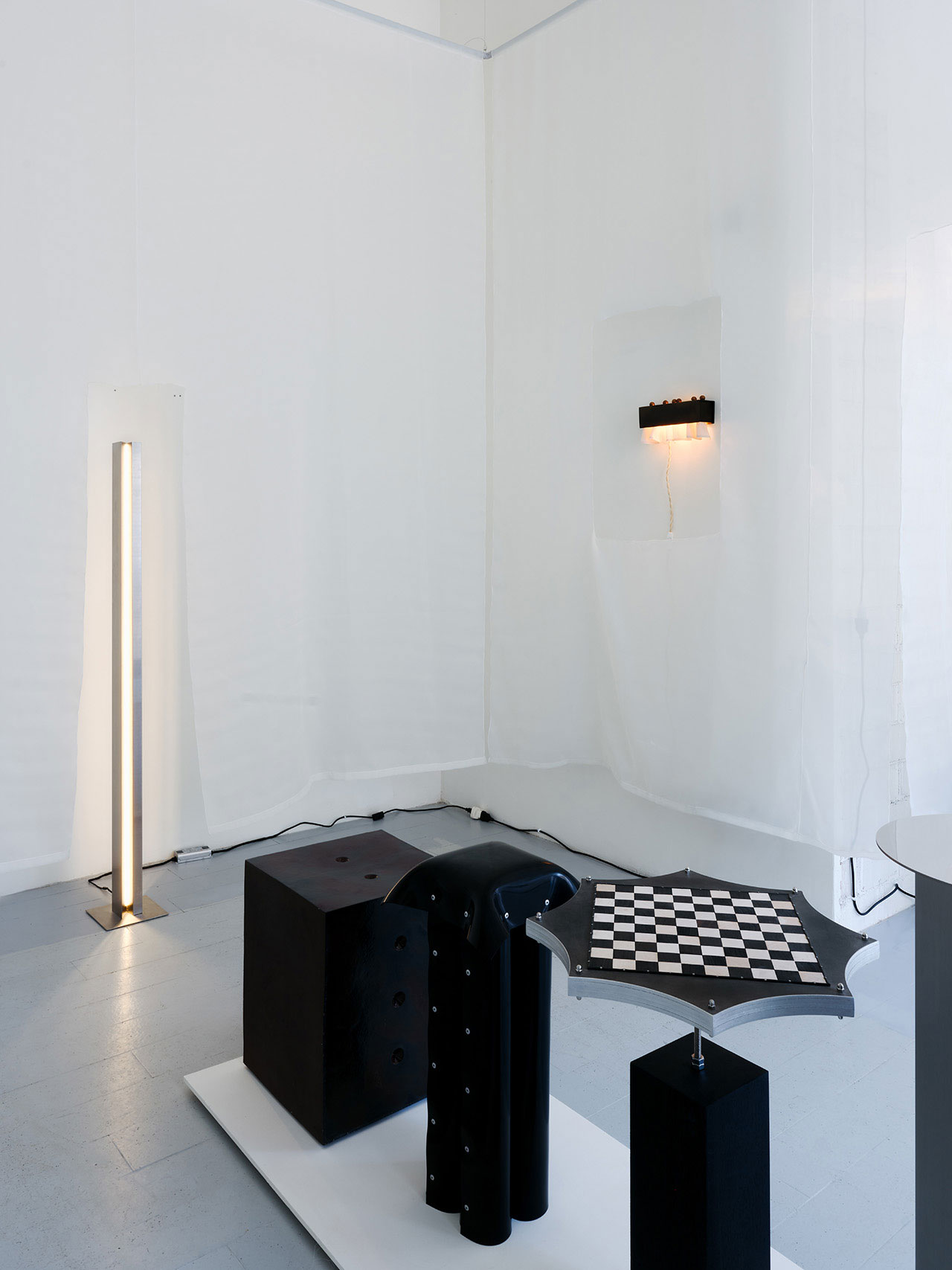
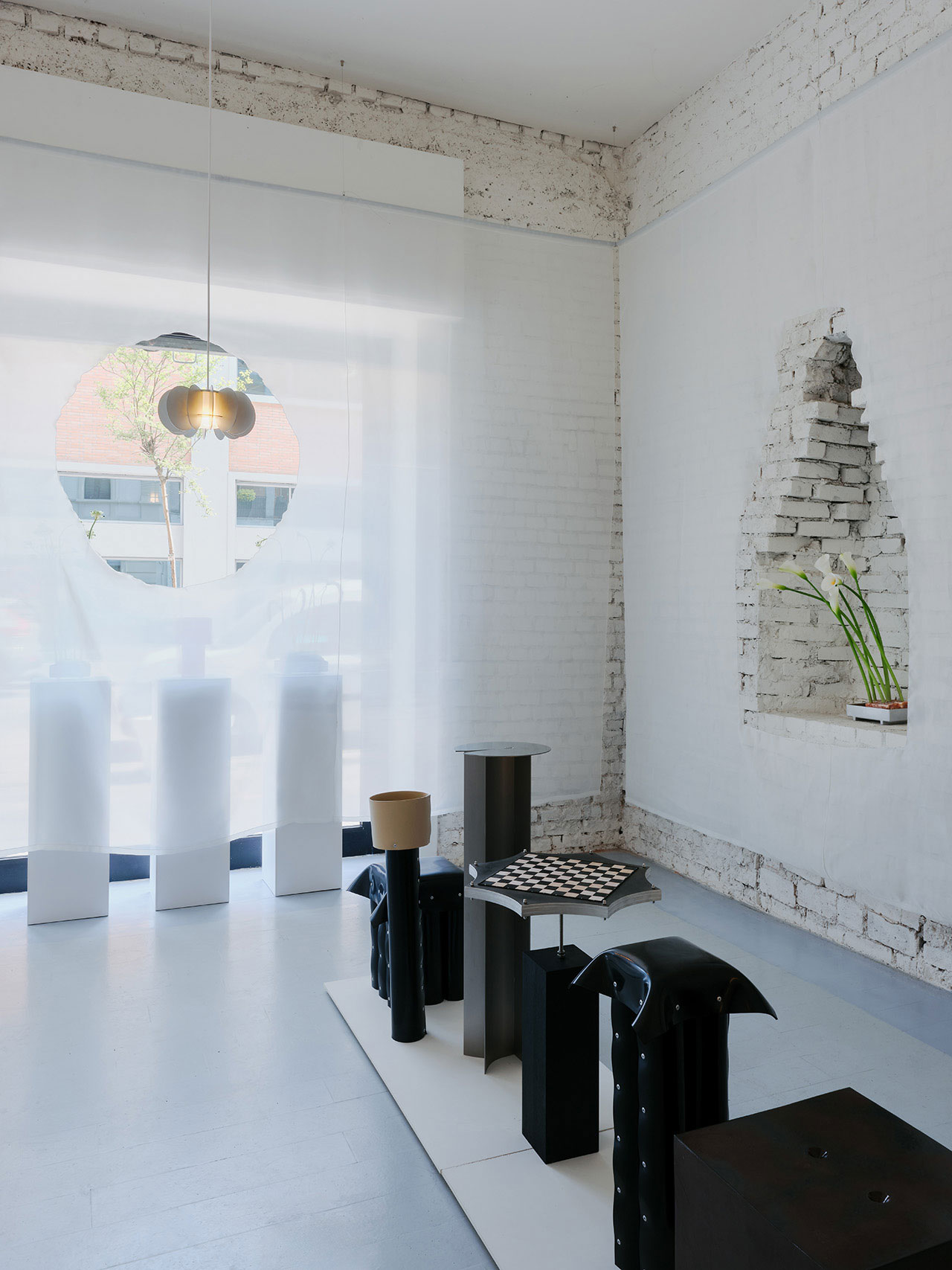
Anna Dawson’s formally inventive fused-glass Calle Sconce diffused soft light upward and downward, while her Sun Pendant riffed on the cleverly transposing qualities of restraint and expression. The hexagonal, concave-edge ceiling mount emitted light through a gently bulging amber dome. The distinctive shape was repeated in Romain Basile Petrot’s Khemis Checkerboard Game table.
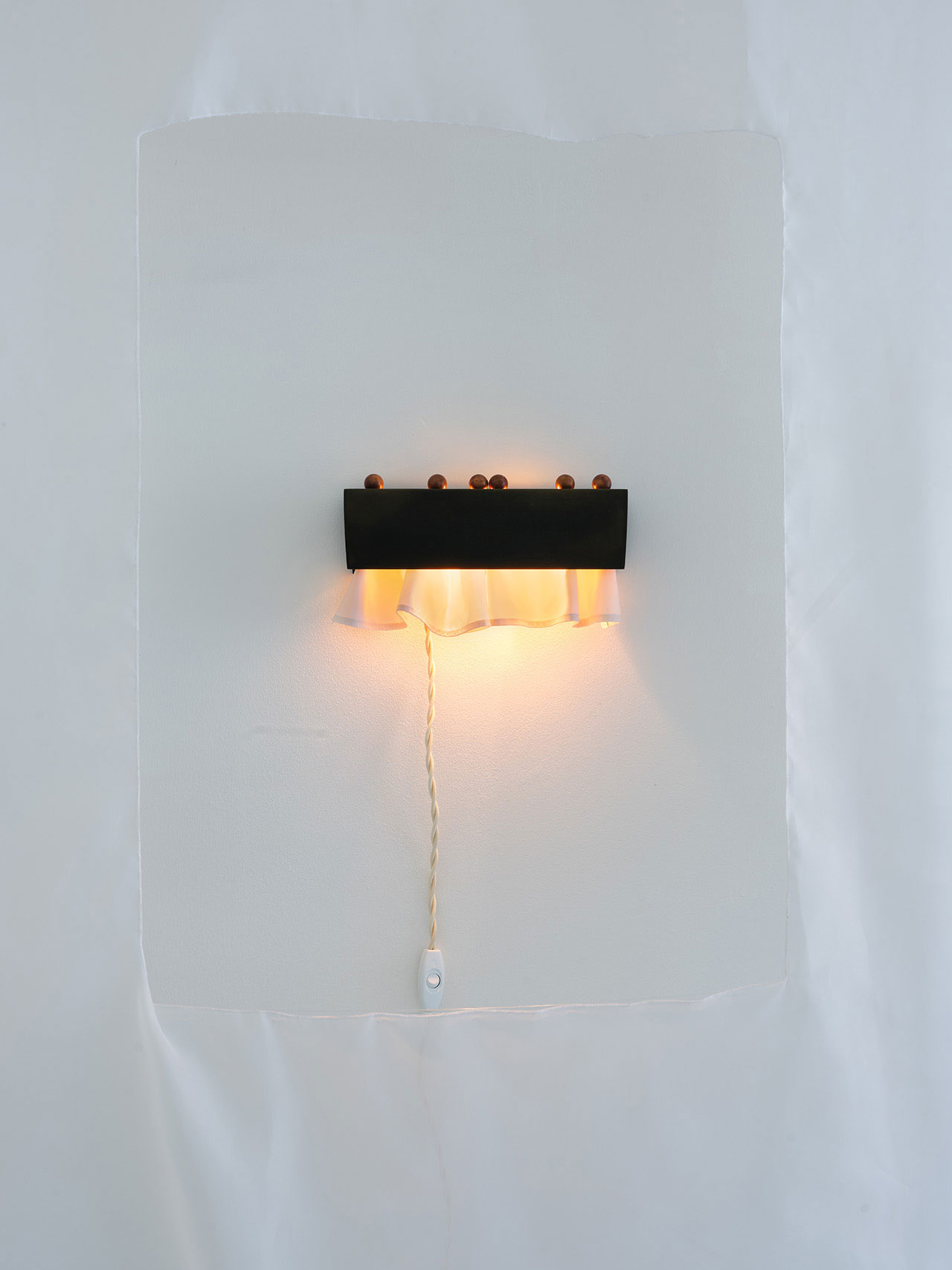
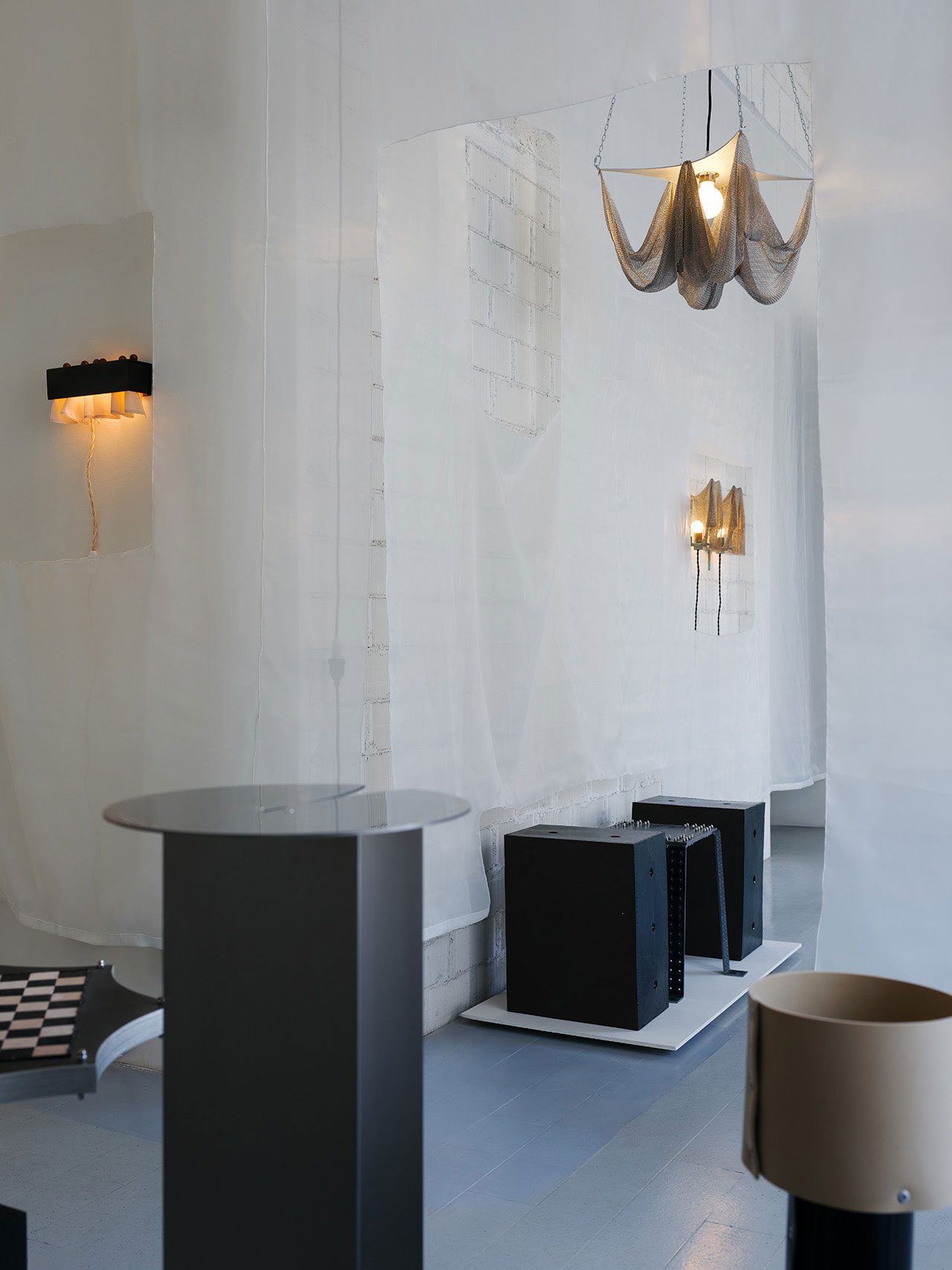
A similarly nuanced play on formal configuration defined Caleb Engstrom’s Dry Kiss Chair I & II concepts, produced in slightly sumptuous crushed eggshell and lacquer. The villa’s oh-so-subtle nods to Moderne and Art Deco ornamentation were translated through Liyang Zhang’s Florence Curtain Sconce. Spherical finials sat atop a patinated brass volume projecting light through movable silk drapes.
At Certosa District, the palette was starkly different and decidedly industrial, calling back the complex’s previous function. Semi-functional and non-functional sculptures rendered in rubber (Atelier Fomenta’s monumental yet elastic Rubber Tables), plastics (Maha Alavi’s somewhat architectonic cast-resin Frooot Bowl), and metals (Francesco Rosati’s Table For a Married Couple, composed of two perpendicularly positioned “téte-a-téte” chairs) reinforced the rawer spatial language of the site.
Photography by Elizabeth Carababas.