Search

An Eclectic Sanctuary in Silver Lake Rejects the Tyranny of White

04.28.26 | By
An Eclectic Sanctuary in Silver Lake Rejects the Tyranny of White

In a design industry still gripped by the allure of absence—white walls, pale woods, and the careful choreography of restraint—this small bungalow in Silver Lake offers a gentle but deliberate counterpoint. Here, creativity doesn’t recede into the background. It accumulates, collides, and settles into a deeply personal manifesto and eclectic sanctuary shaped by instinct.
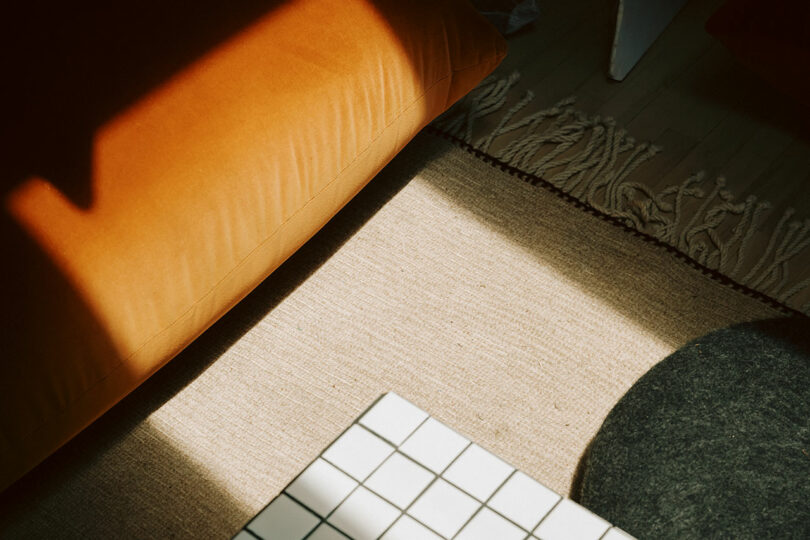
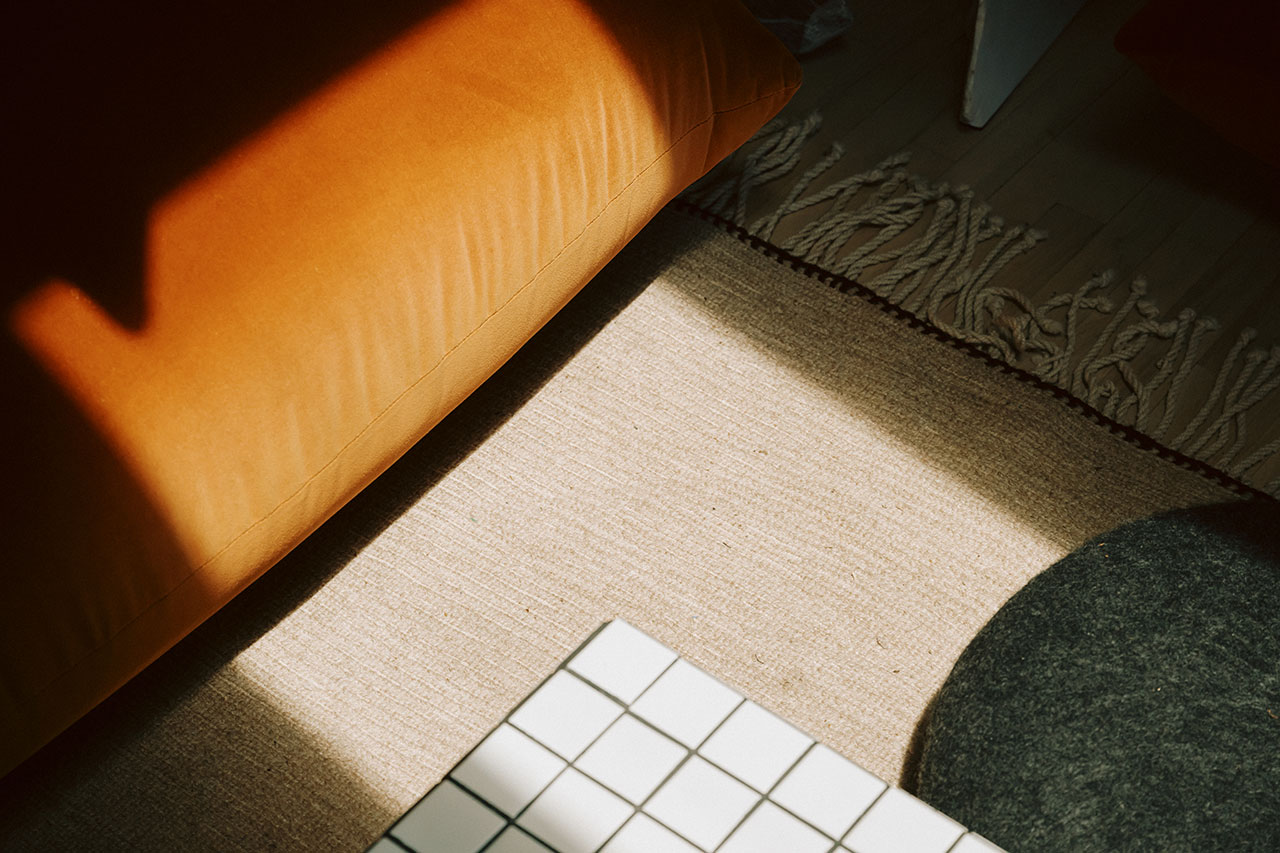
Sunlight casts shadows on a beige rug next to an orange cushion, a gray round object, a white checkered surface, and a fringed edge of another rug.

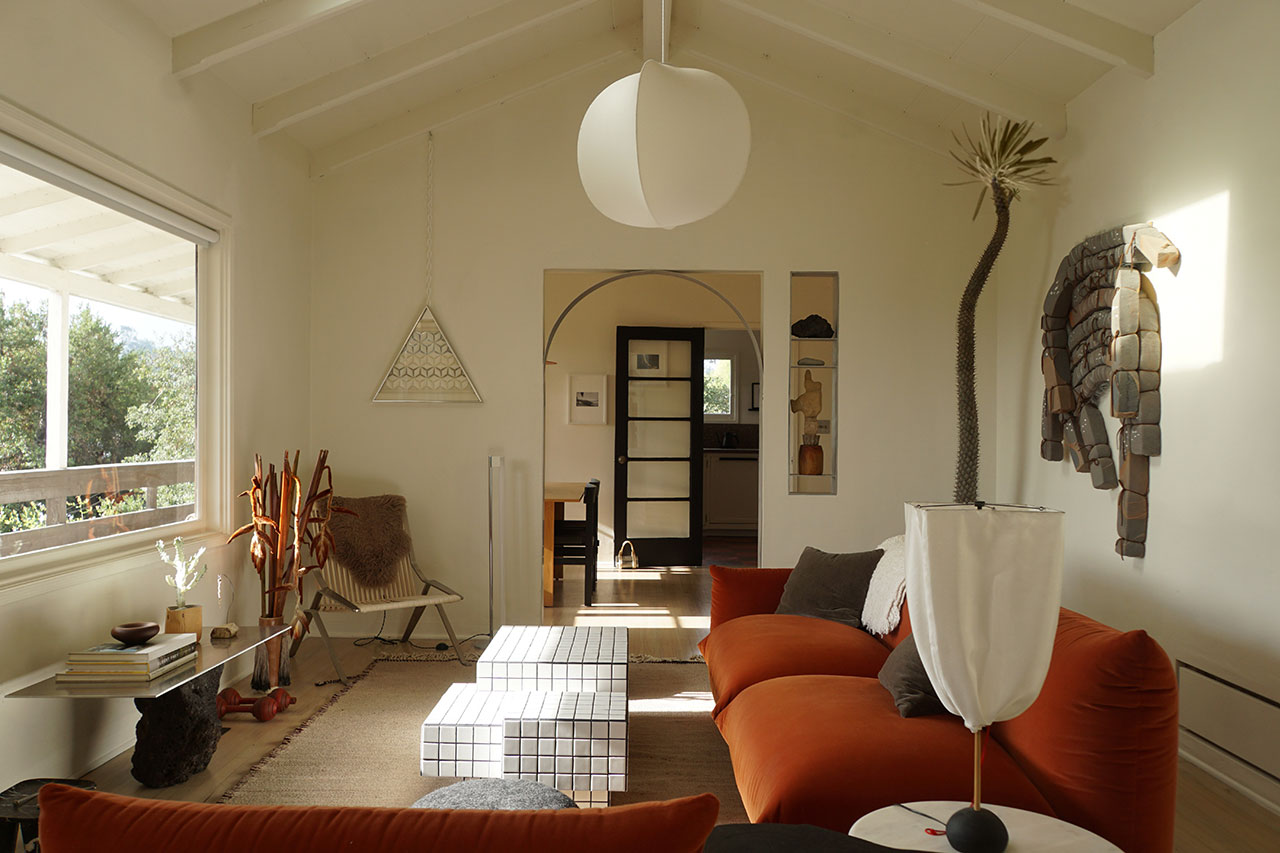
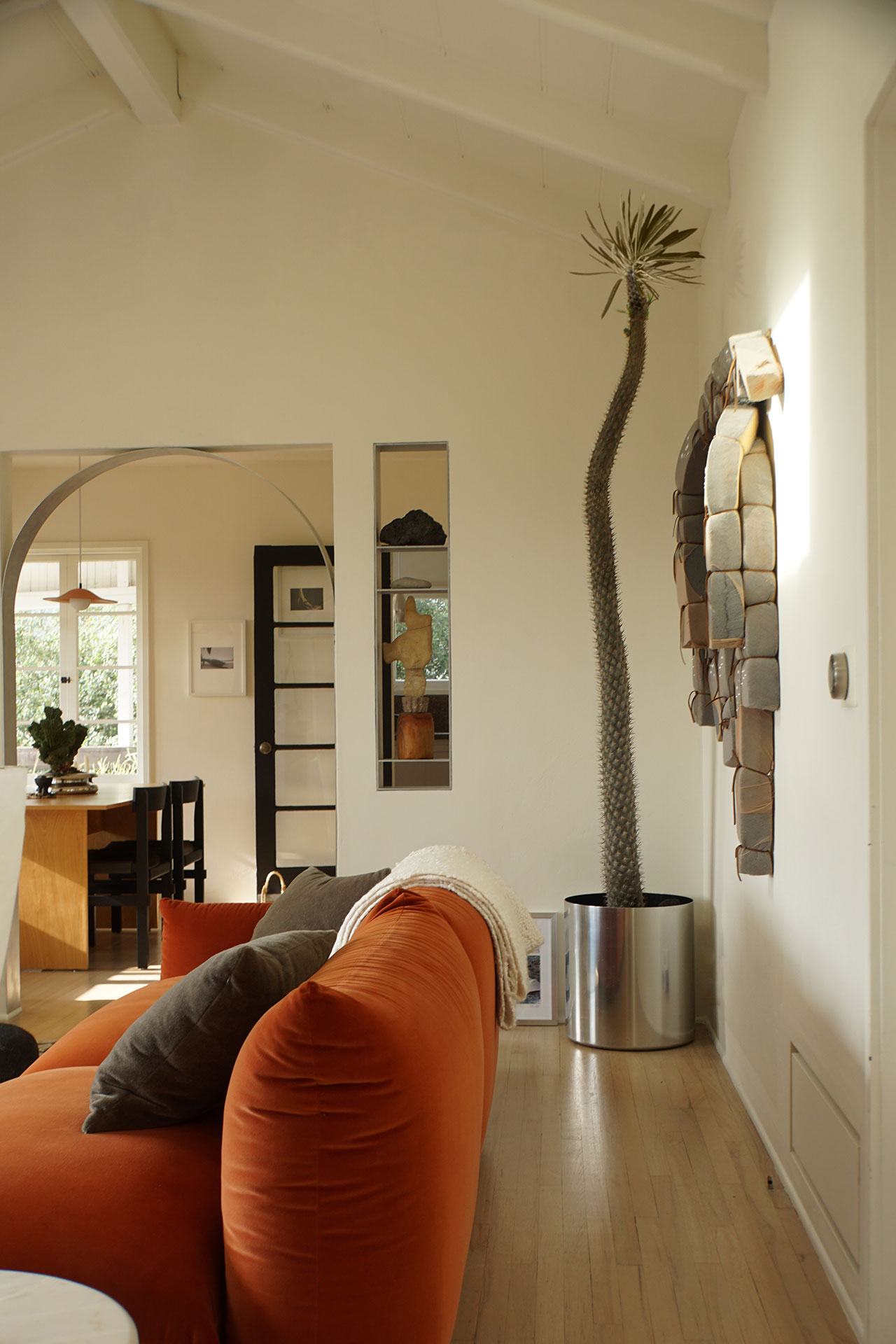
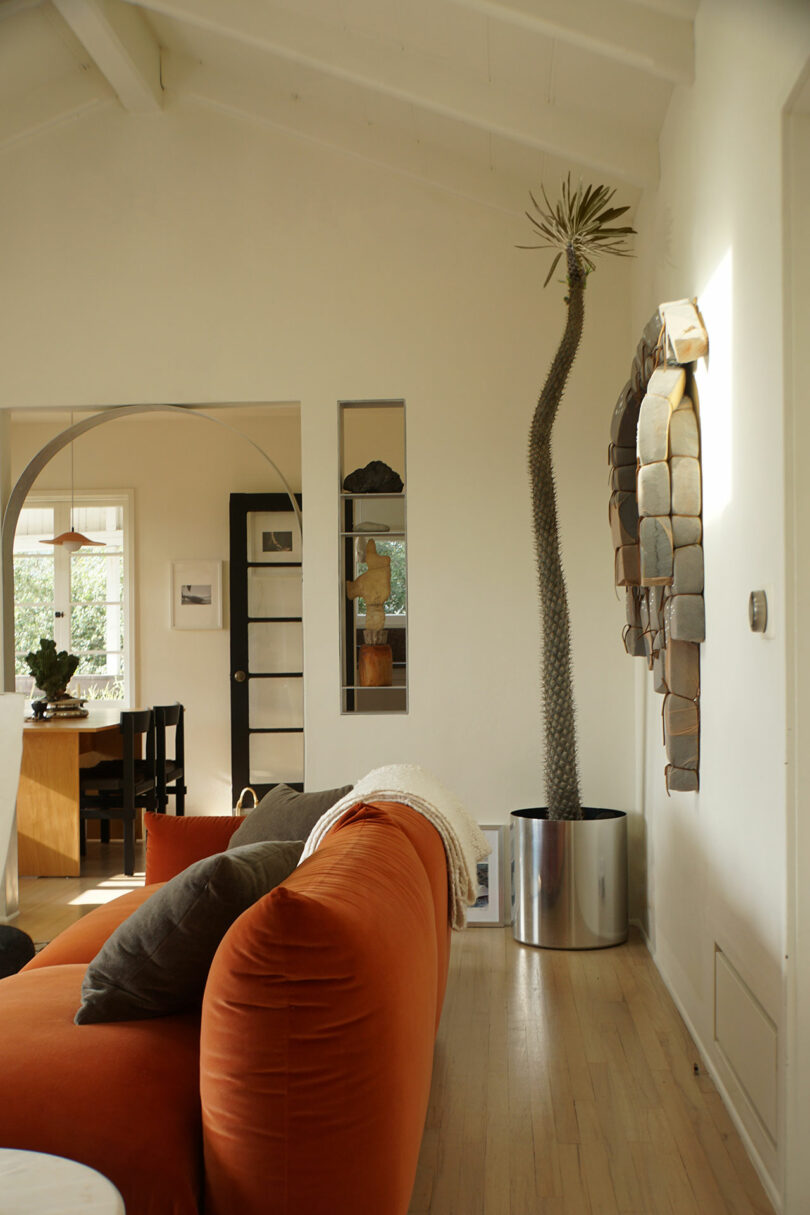
A modern living room with an orange sofa, wooden floor, a tall potted cactus, wall art, and an open archway leading to a dining area with natural light.

Perched along one of Silver Lake’s storied stair streets, the 1,000-square-foot, 1940 bungalow sits in quiet dialogue with its surroundings—an East Los Angeles neighborhood long synonymous with artistic production and architectural experimentation. Within walking distance of landmarks like the Neutra VDL House and Silvertop, the home occupies a cultural terrain where modernism once proposed a new way of living. But rather than mimic that lineage, New Operations Workshop—led by founder Gabriel Yuri—leans into a different kind of inheritance: one rooted in accumulation, memory, and material contrast.
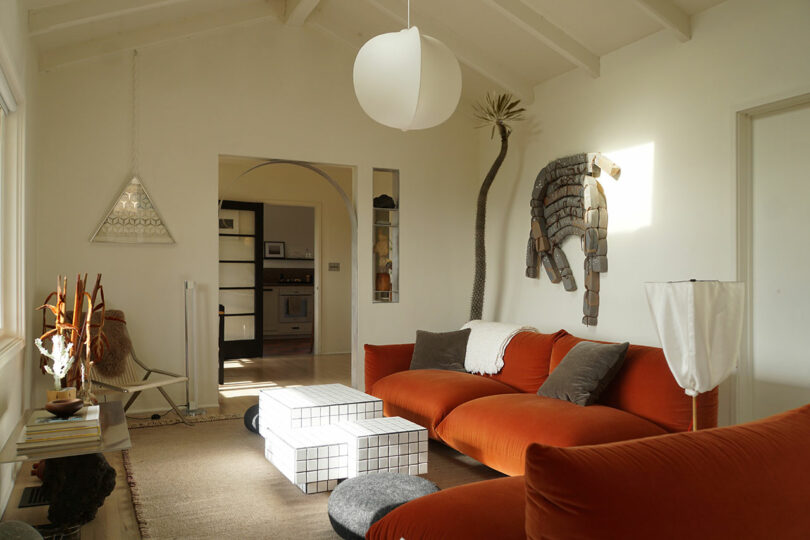
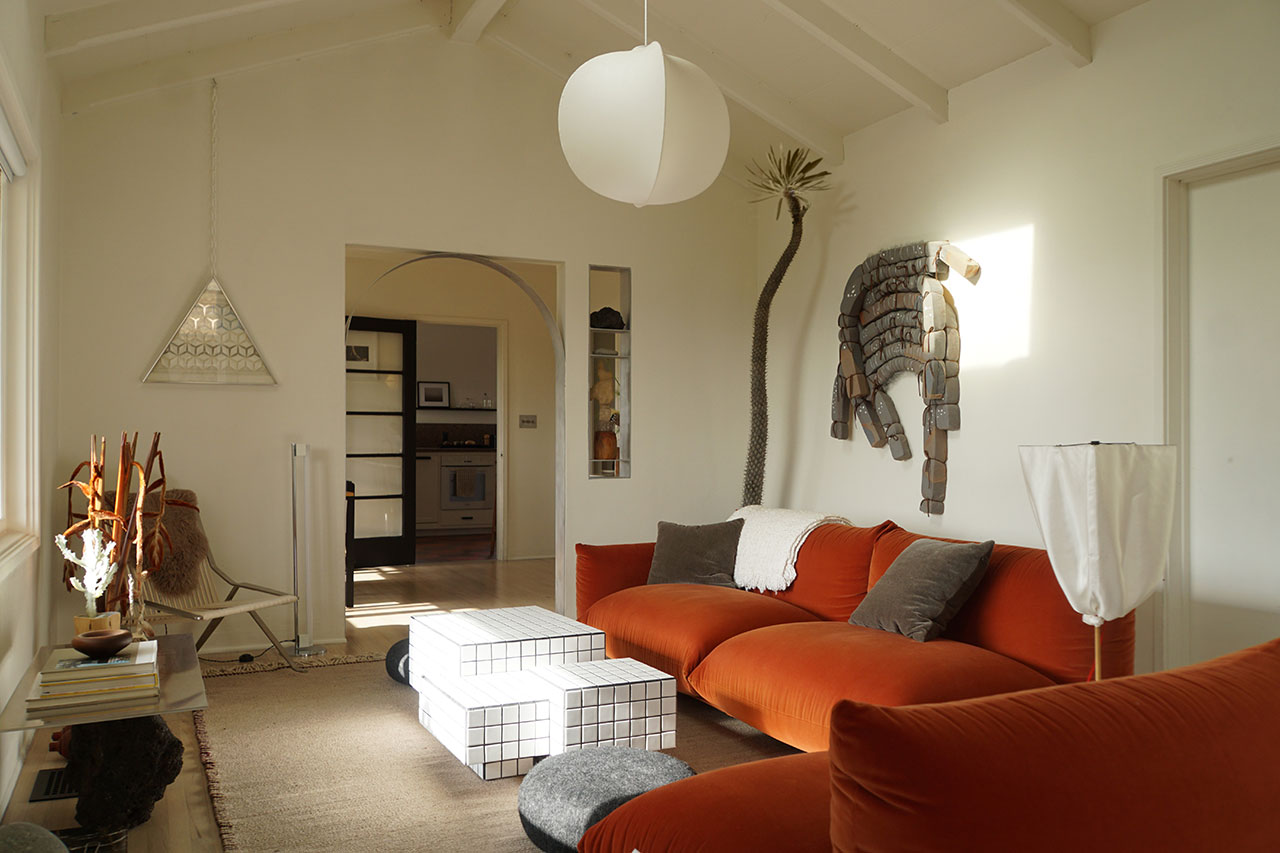
A modern living room with orange velvet sofa, grid-patterned coffee tables, wall art, neutral decor, and a tall sculptural plant against white walls.

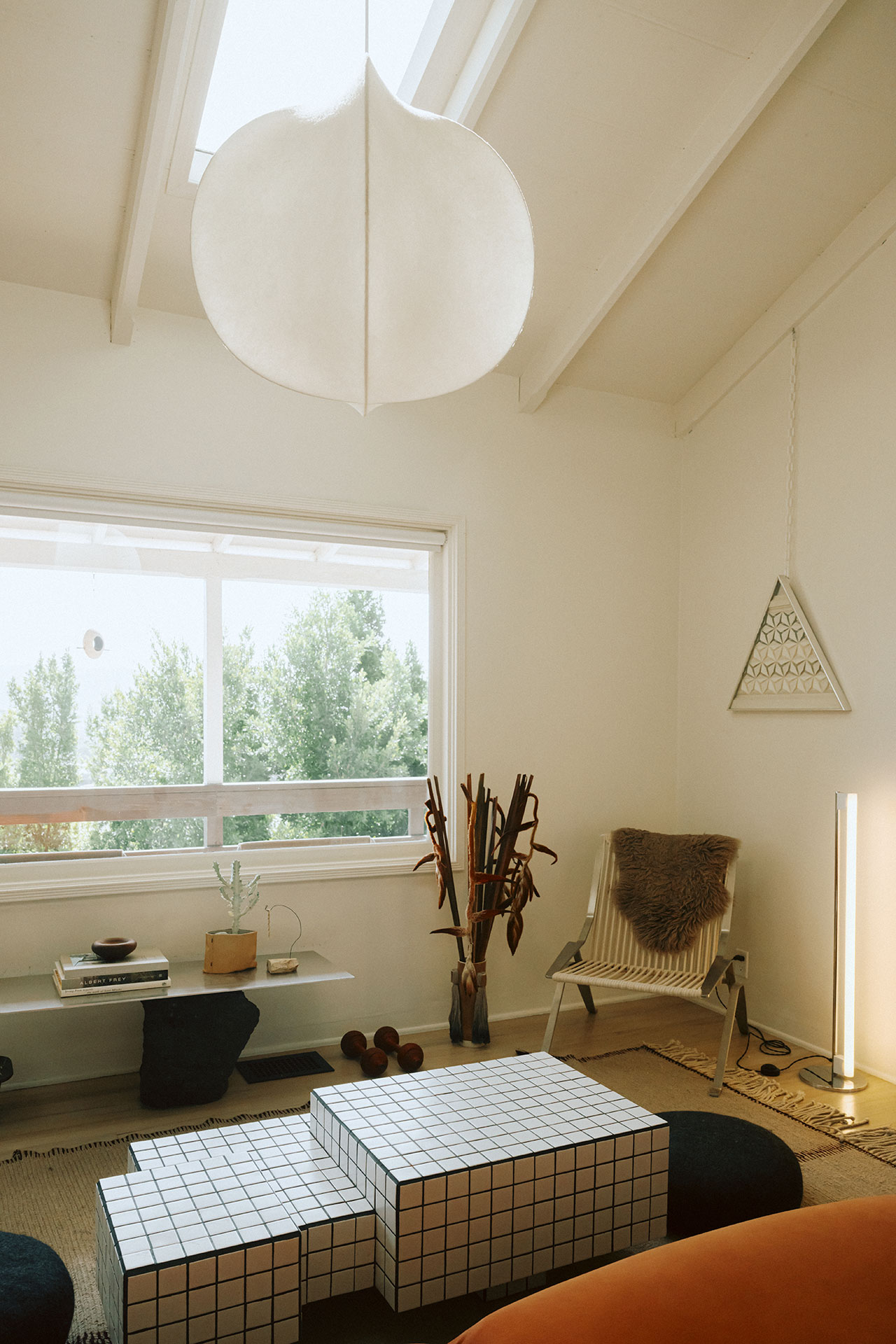
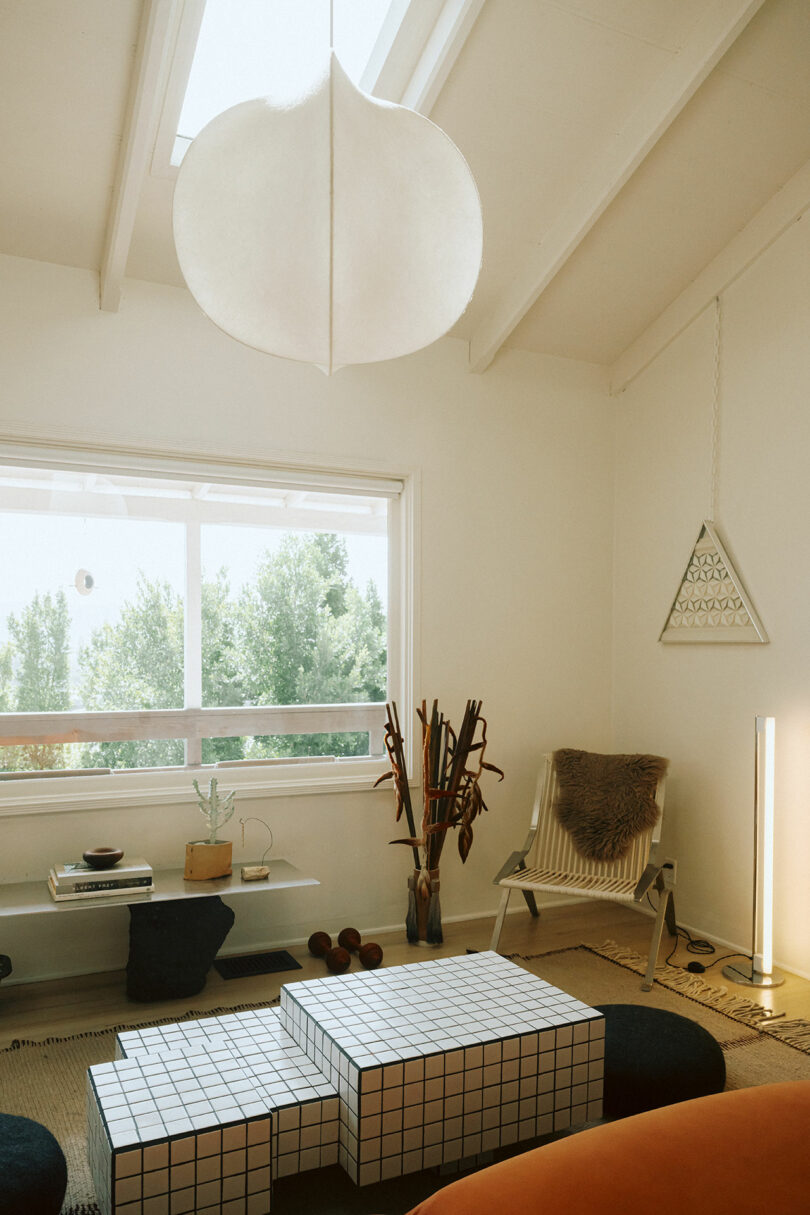
A bright, modern living room with white walls, geometric grid-patterned coffee tables, a large window, and minimalist decor including plants and a triangular wall hanging.

The renovation, completed over the course of a year, was less about transformation than calibration. The challenge, Yuri explains, was to modernize the home while preserving its modest 1940s charm. The original structure remains largely intact: a single-level, two-bedroom layout anchored by a front porch that stretches the length of the house. But inside, the project unfolds as a layered interior landscape, where objects carry the narrative weight more so than architecture.
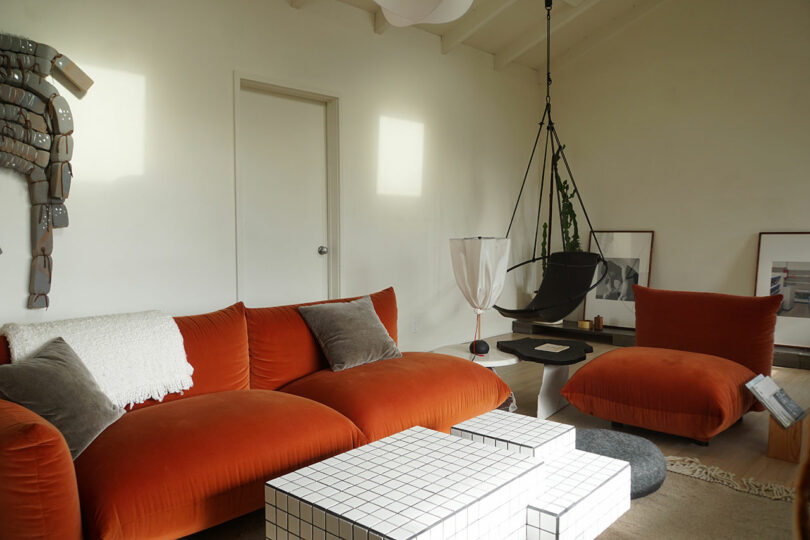
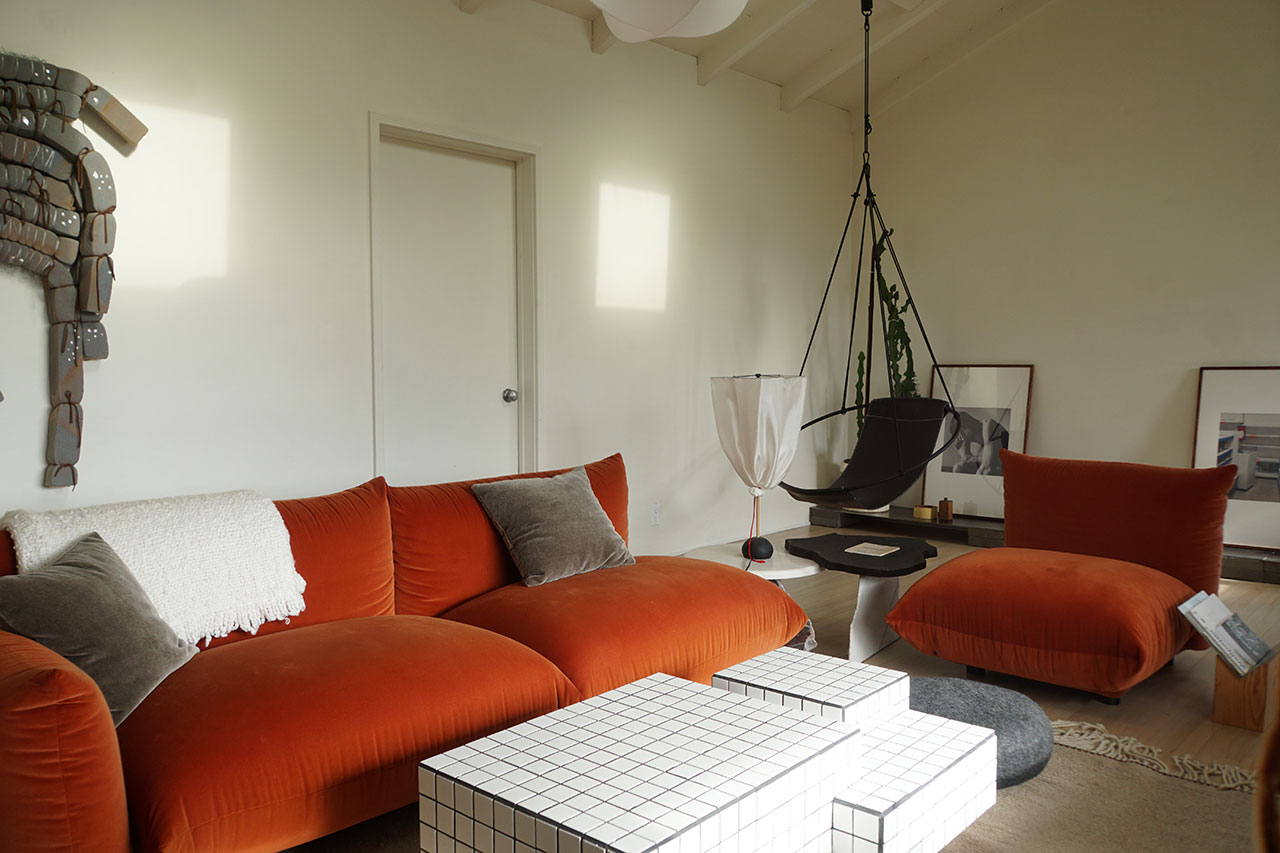
A modern living room with orange sofas, a white grid-patterned coffee table, a hanging chair, framed art on the floor, and neutral-toned walls.

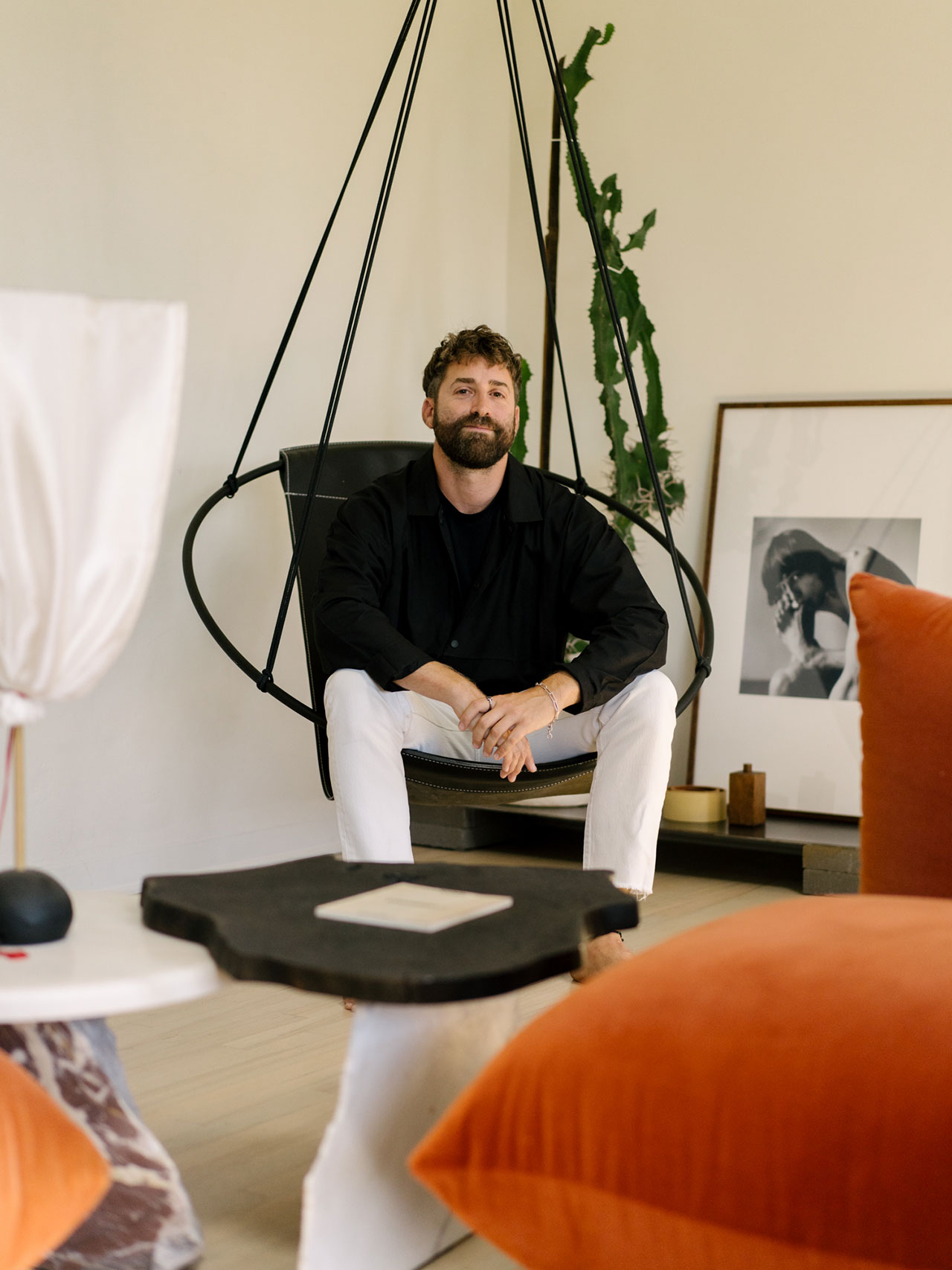
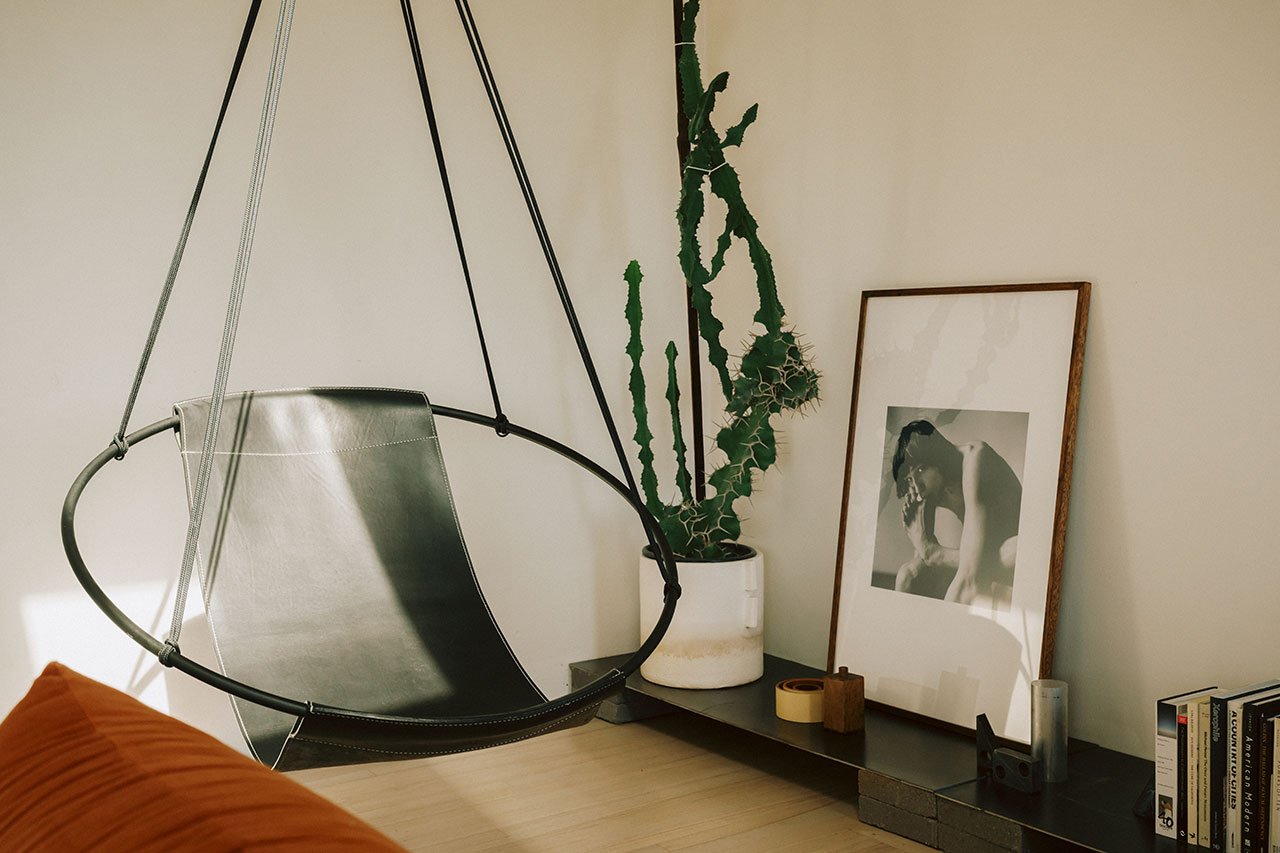
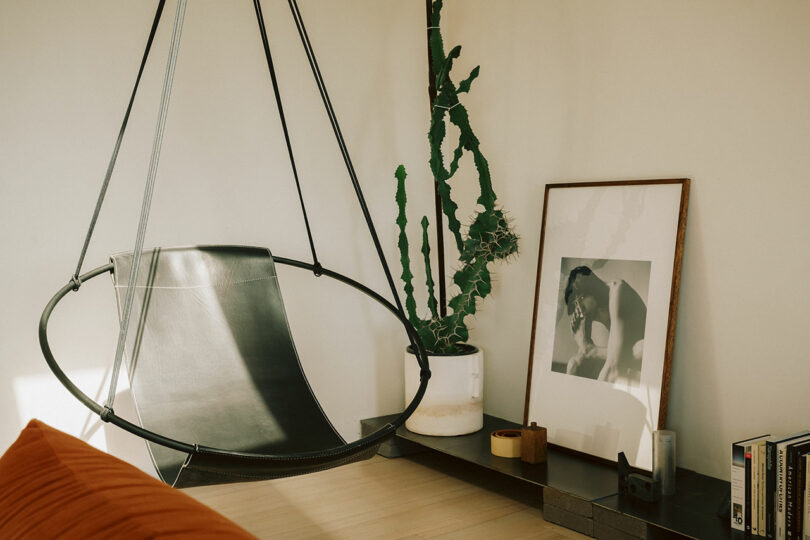
A modern room corner with a black hanging chair, a tall cactus in a white pot, a framed black-and-white photo, small decor items, and books stacked on a low black shelf.

At first glance, the space appears to align with the contemporary preference for neutrality. Walls are painted white, floors finished in white oak. But this is not minimalism in the strict sense—it’s a staging ground designed to amplify the presence of things. And things, here, are abundant.
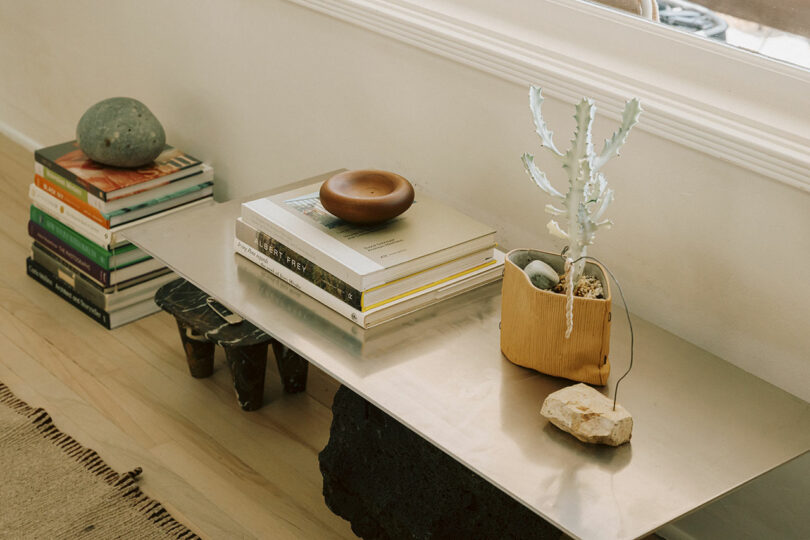
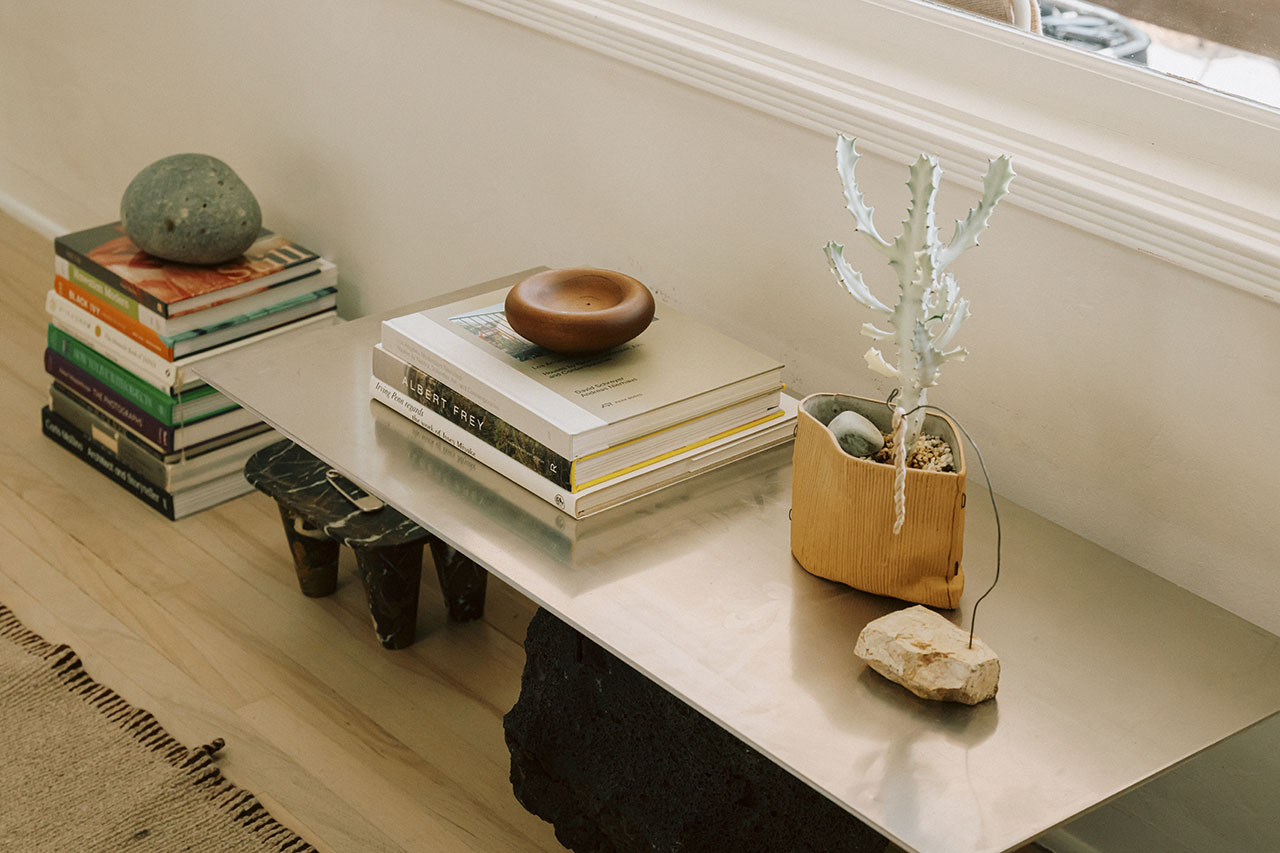
A metal bench holds stacked books, a wooden bowl, and a potted succulent. More books and a stone rest on the floor beside the bench, near a window.

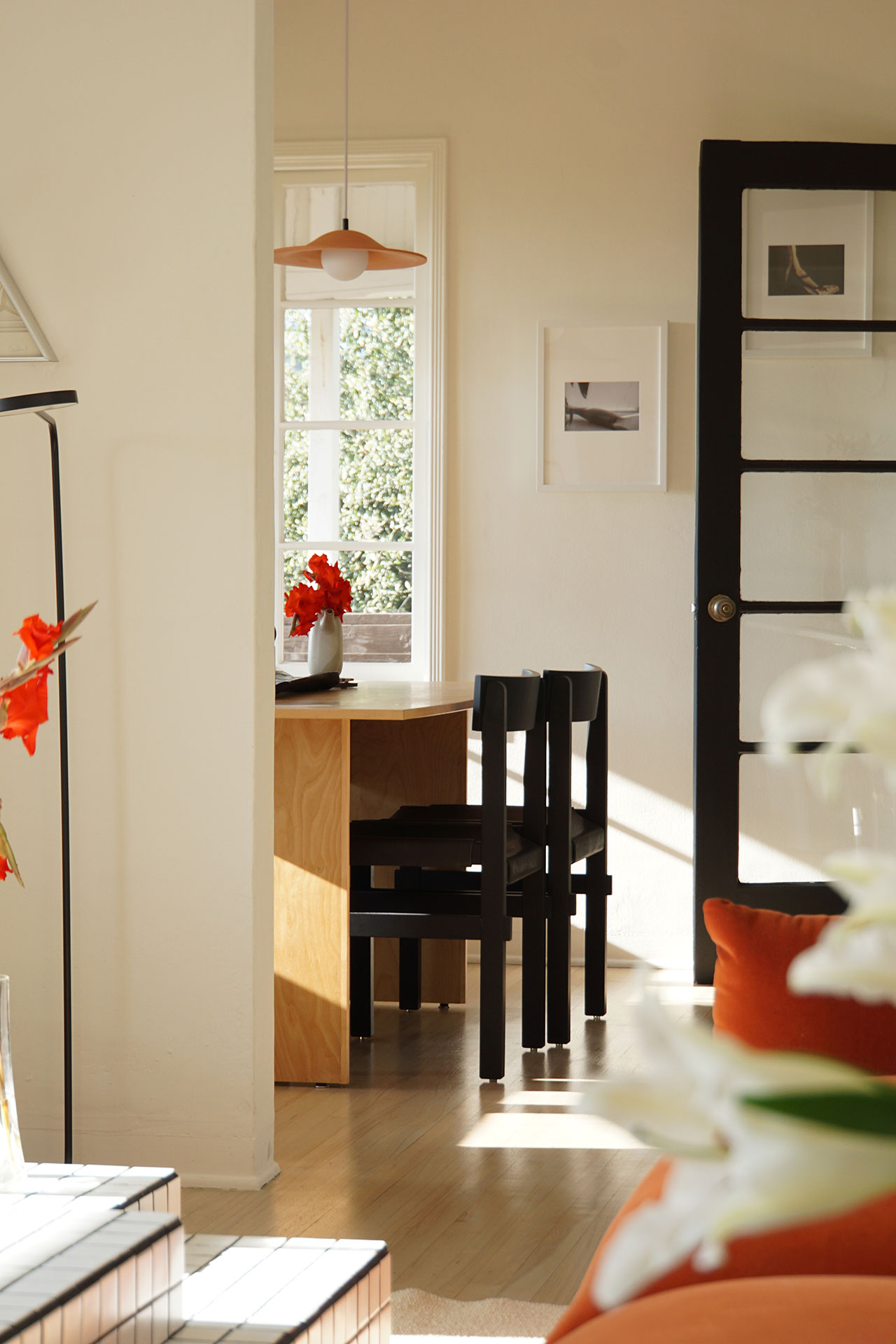
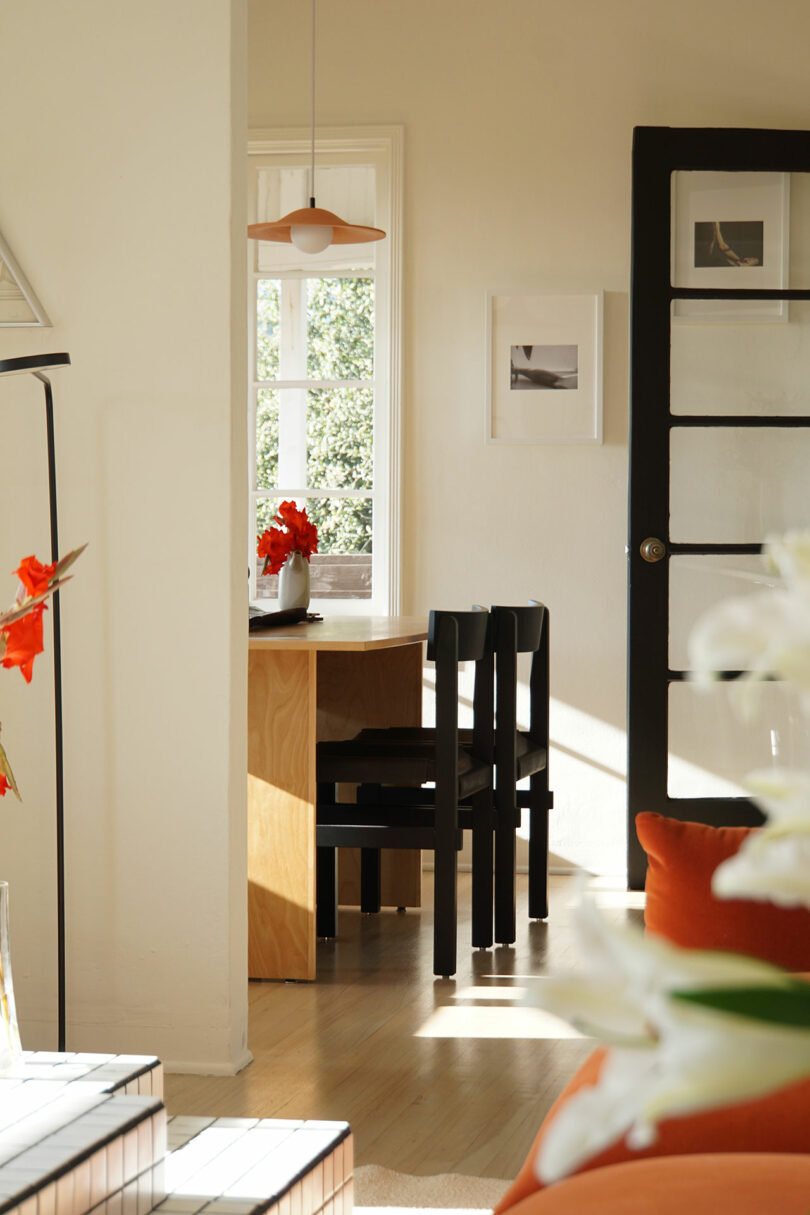
A small dining table with two black chairs is set near a window with sunlight streaming in. A vase with red flowers sits on the table in a bright, modern living space.

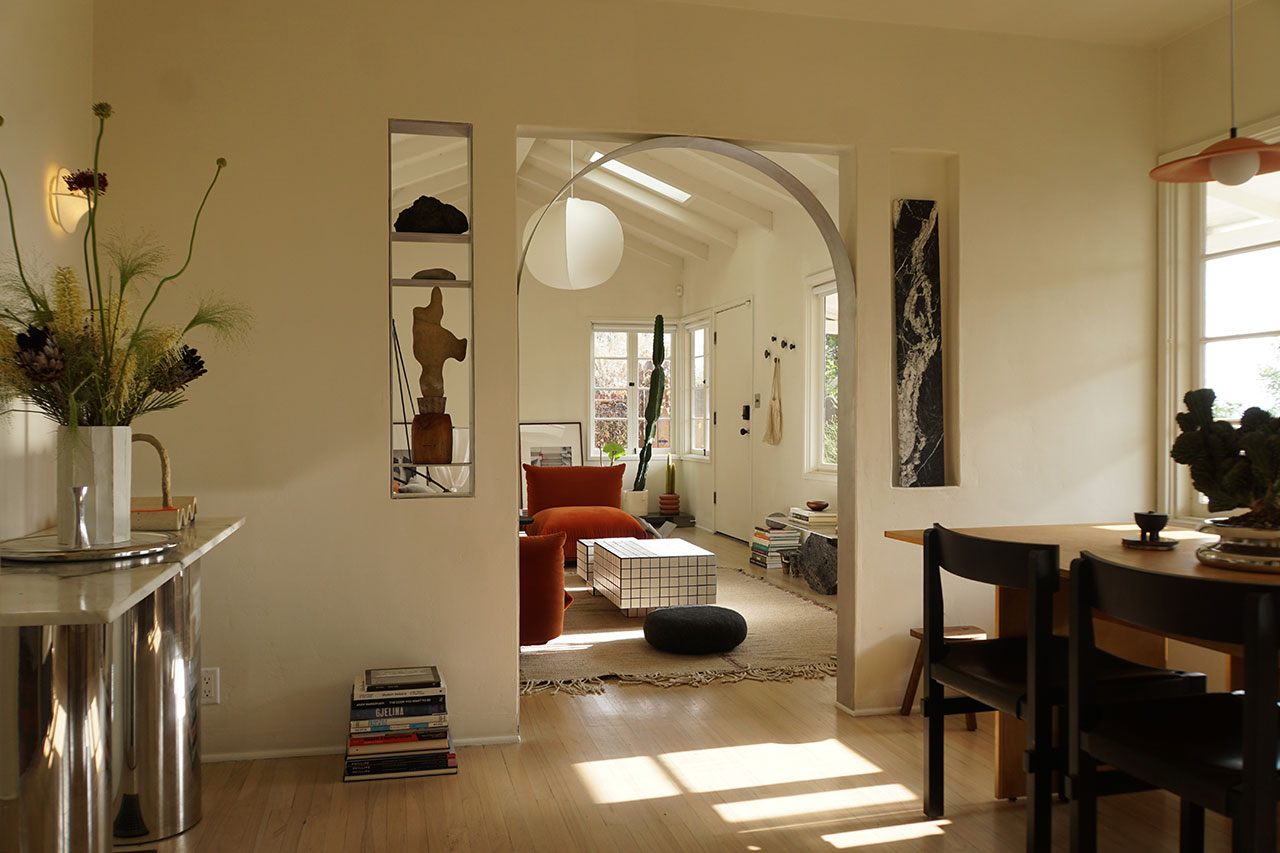
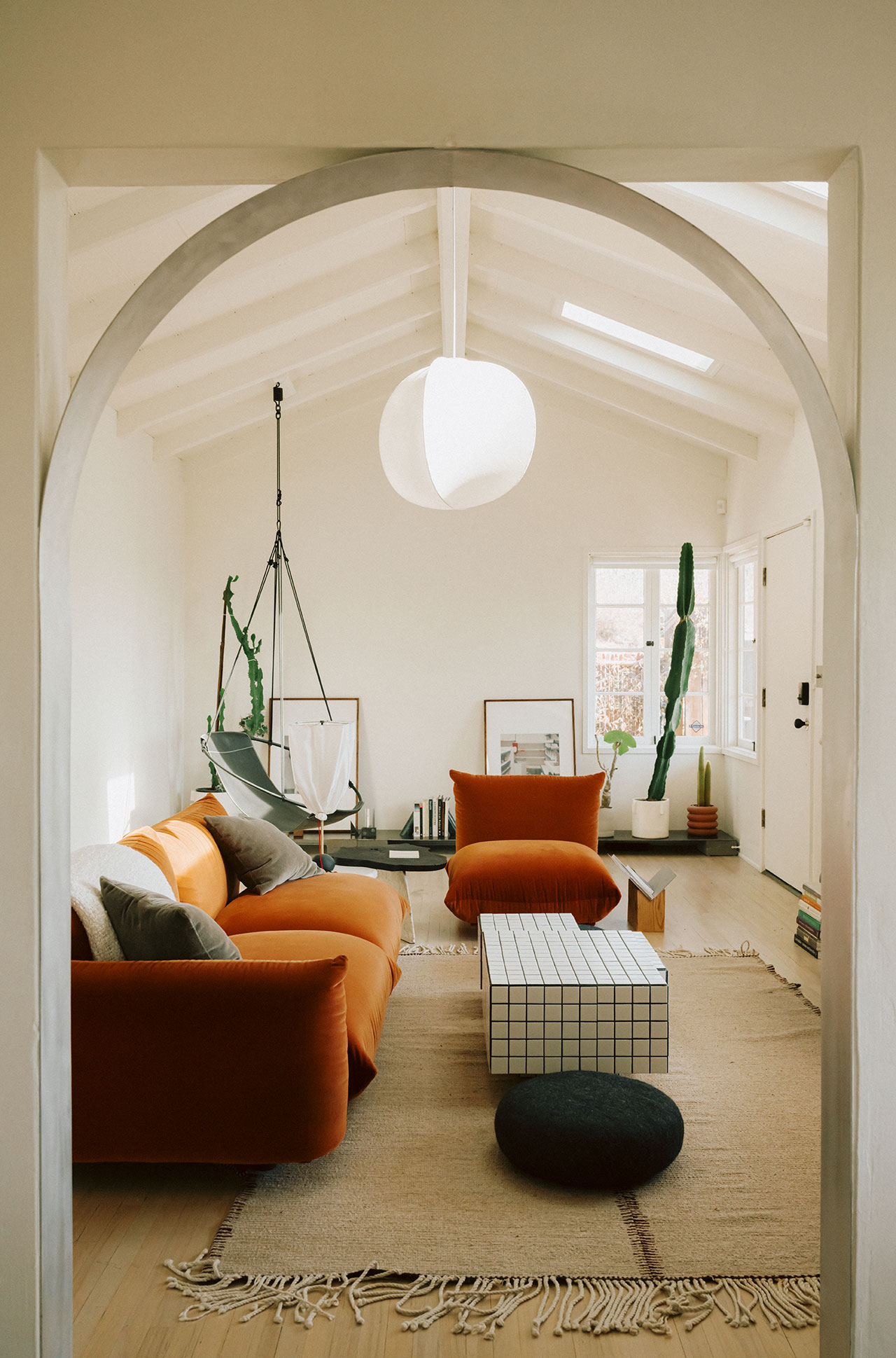
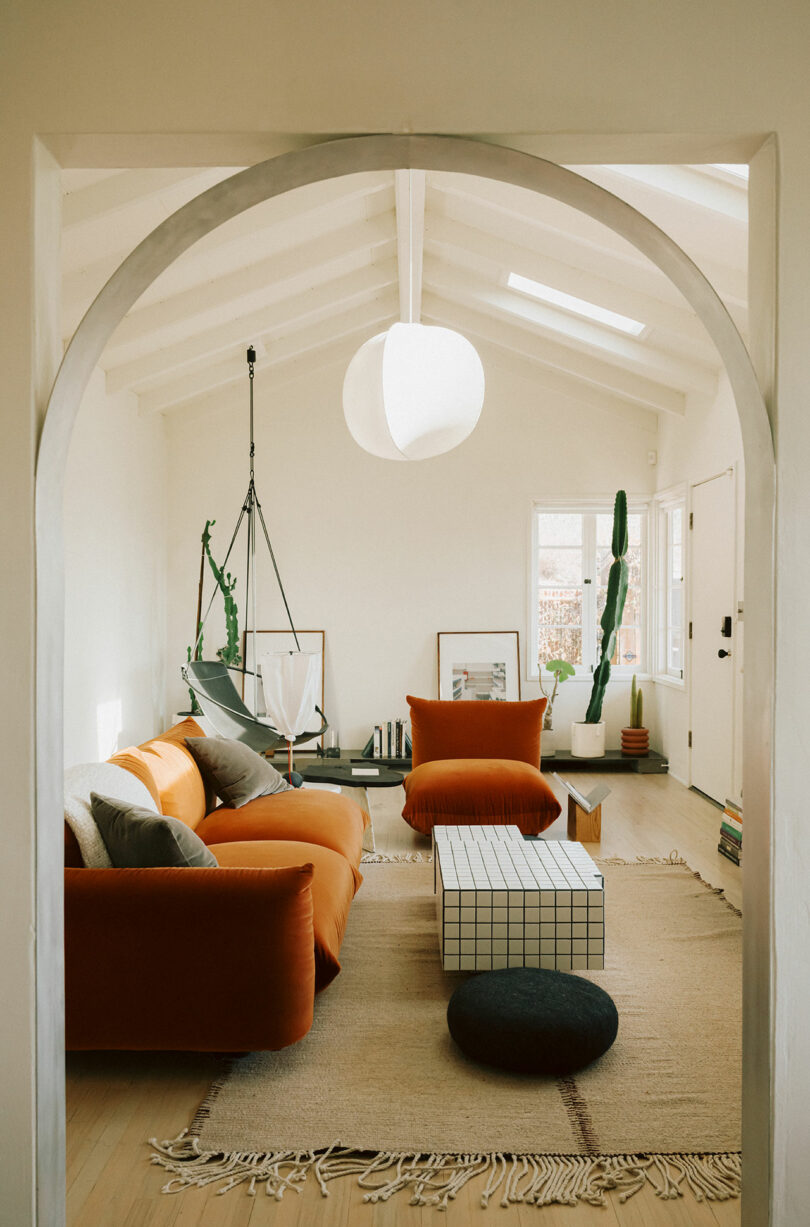
A reupholstered vintage Marenco sofa in burnt orange velvet anchors the living room, its saturated tone pushing firmly against the quietude of the envelope. Chrome surfaces—fixtures, planters, and furniture—thread through the home, catching light and connecting disparate rooms with a reflective continuity. Black leather, plywood, matte black hardware––each material registers as a distinct voice rather than part of a unified palette.
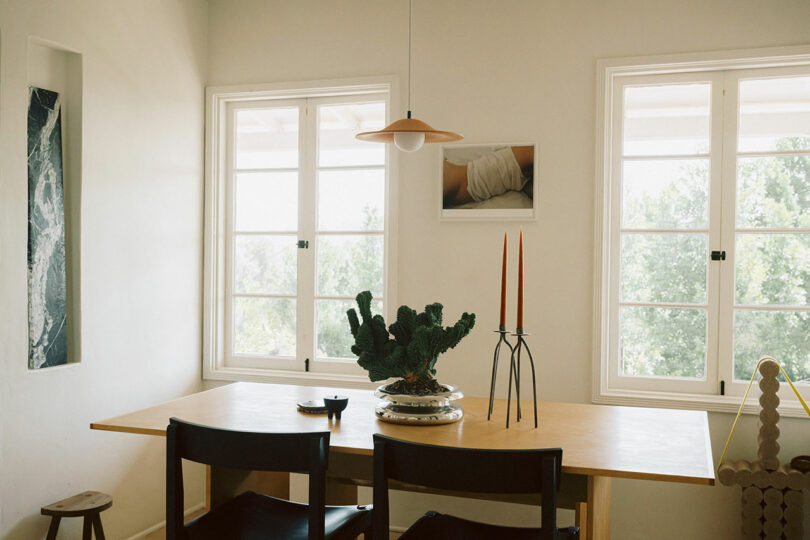
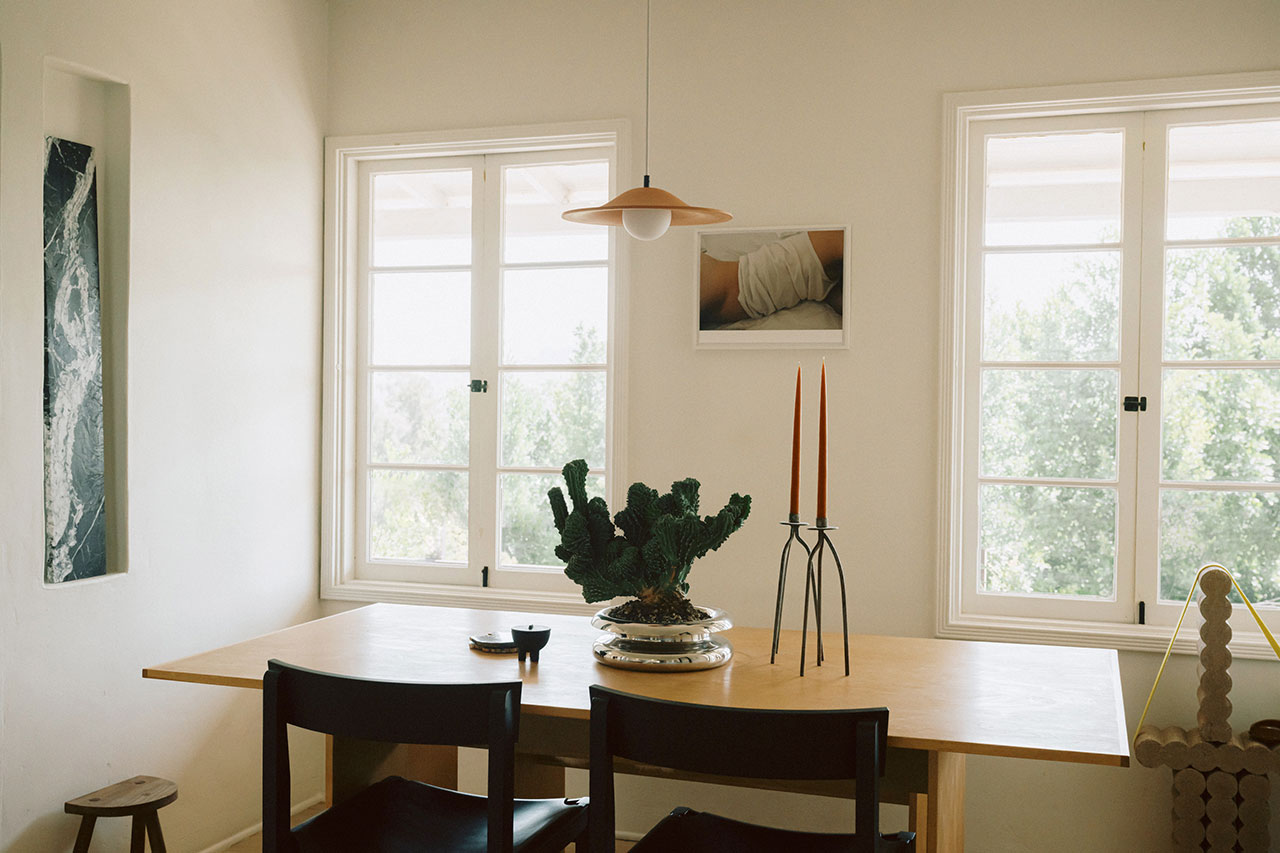
A minimalist dining area with a wooden table, black chairs, two tall candles, a potted plant, and two large windows letting in natural light.

A modern living room with white walls, a vaulted ceiling, orange sofas, a grid-patterned coffee table, potted plants, framed artwork on the floor, and natural light from windows.

This approach draws heavily from 1970s Italian design, a period when interiors embraced contradiction—softness against steel, gloss against texture, rigor against play. But Yuri’s references don’t settle into nostalgia. Instead, they intermingle with a broader cast: lighting by Eileen Gray and Charlotte Perriand, a Isamu Noguchi lamp, a Poul Kjærholm PK22 lounge chair. These canonical pieces coexist with artworks by friends and emerging voices, dissolving the hierarchy between collectible design and personal artifact.
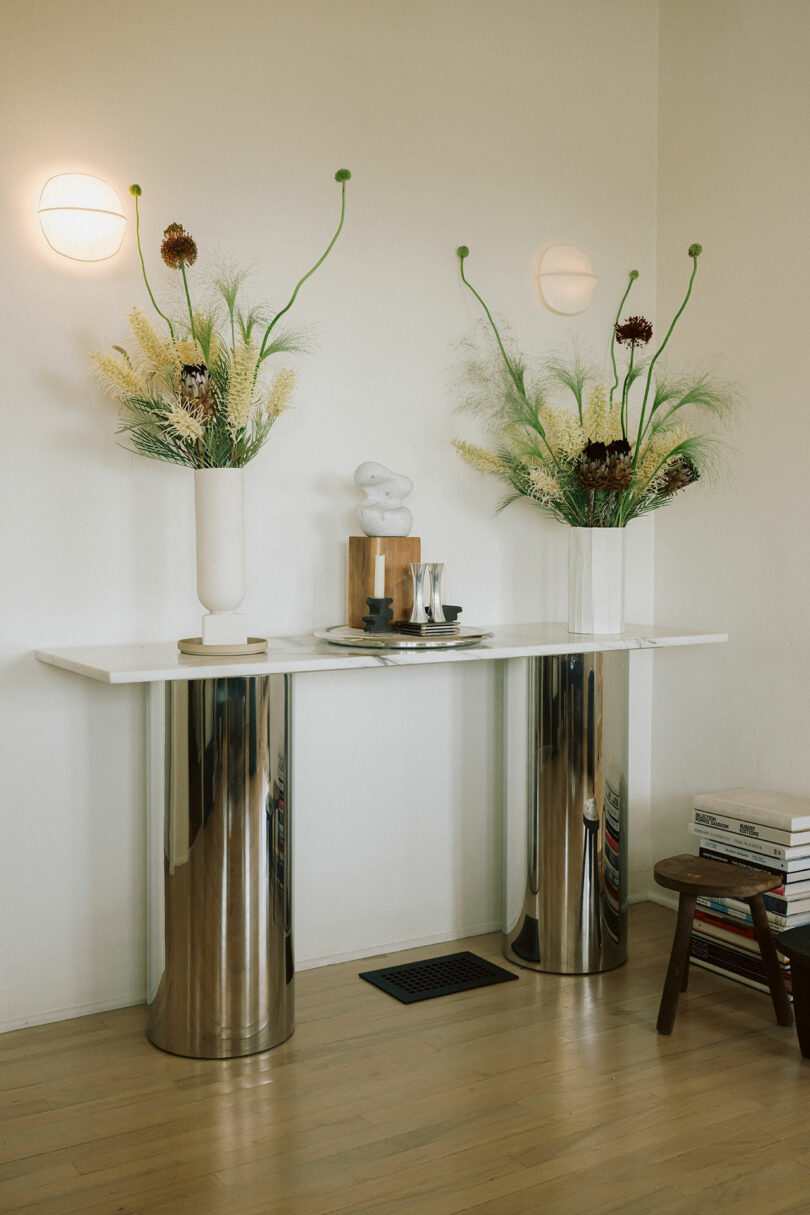
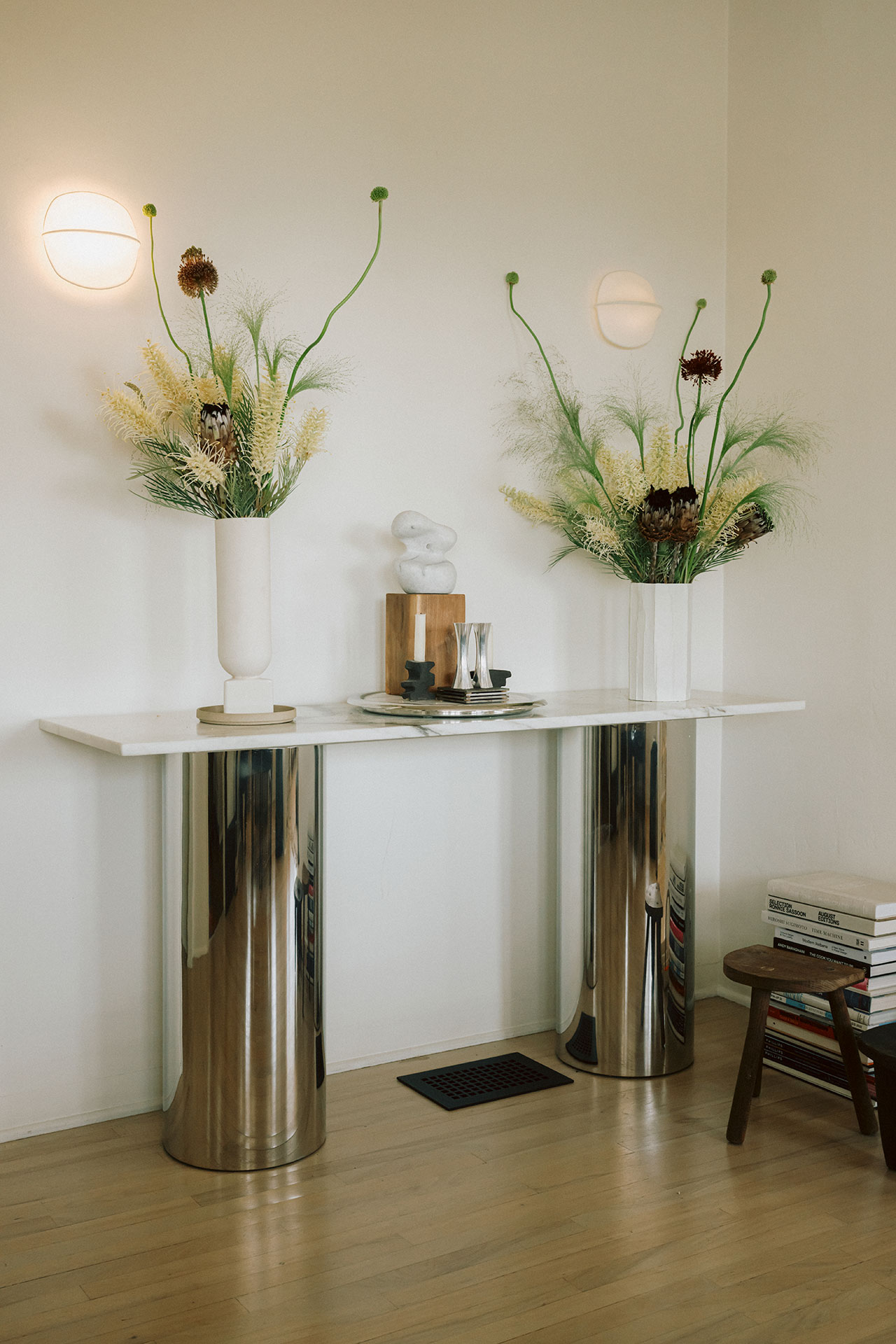
A minimalist console table with metallic cylindrical legs, decorated with tall floral arrangements, sculptural decor, and books stacked on a stool beside it.

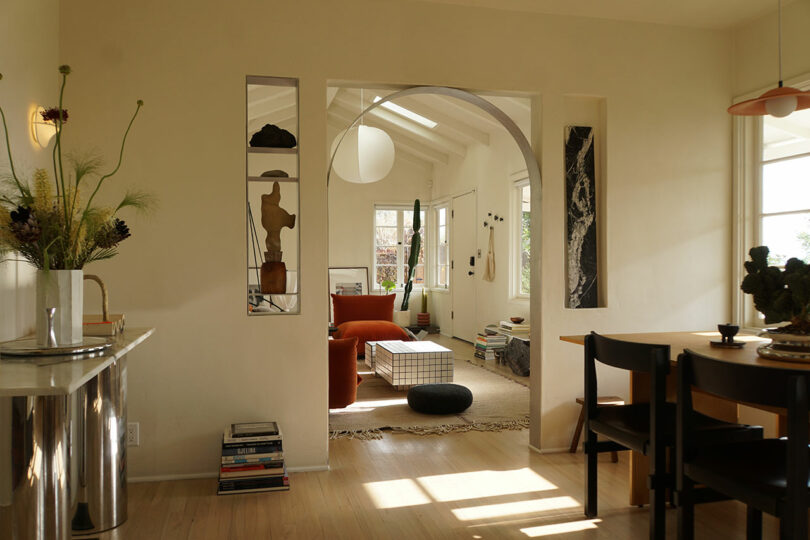
A sunlit living and dining area with neutral walls, modern furniture, a round archway, books, and decorative items on shelves and tables.

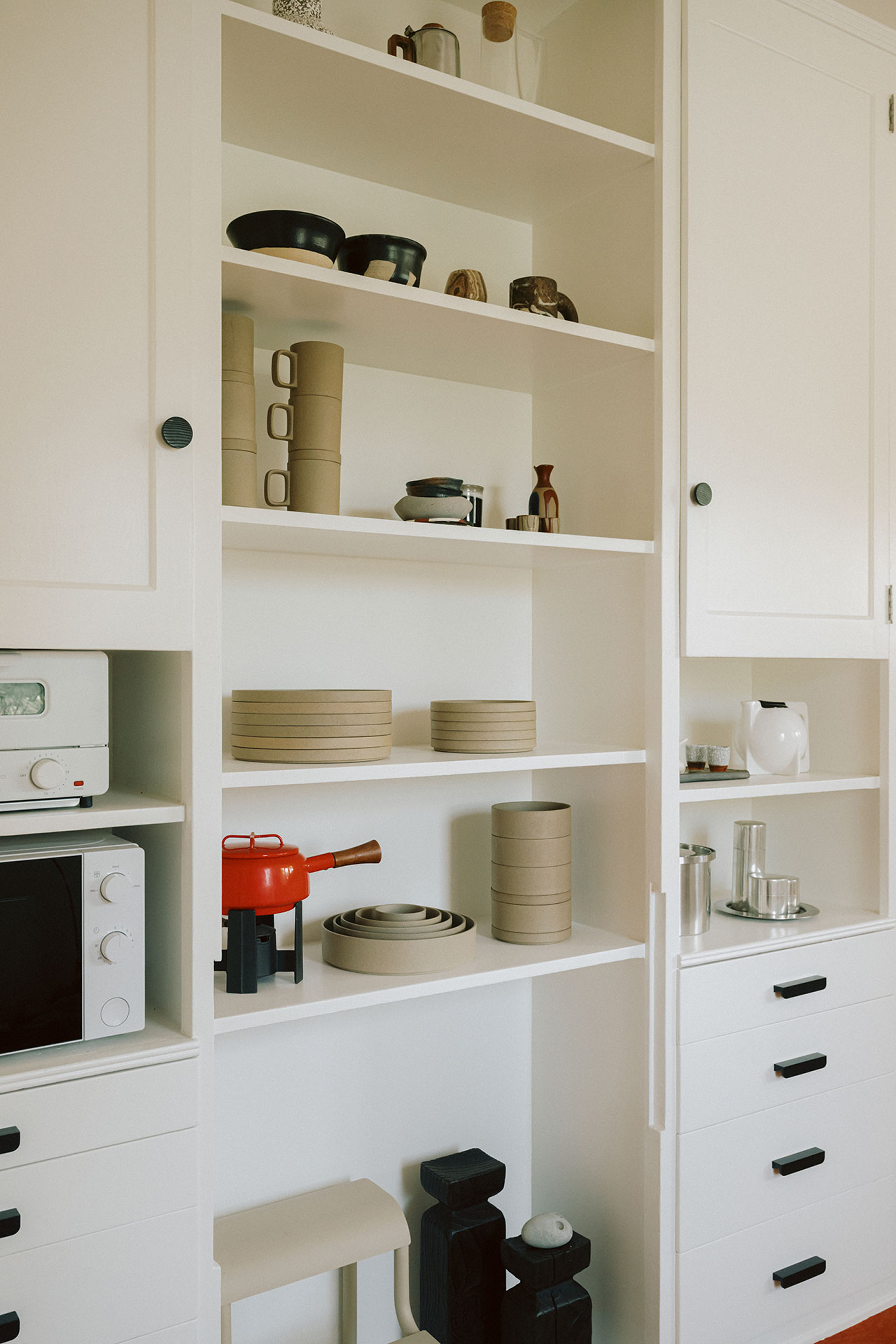
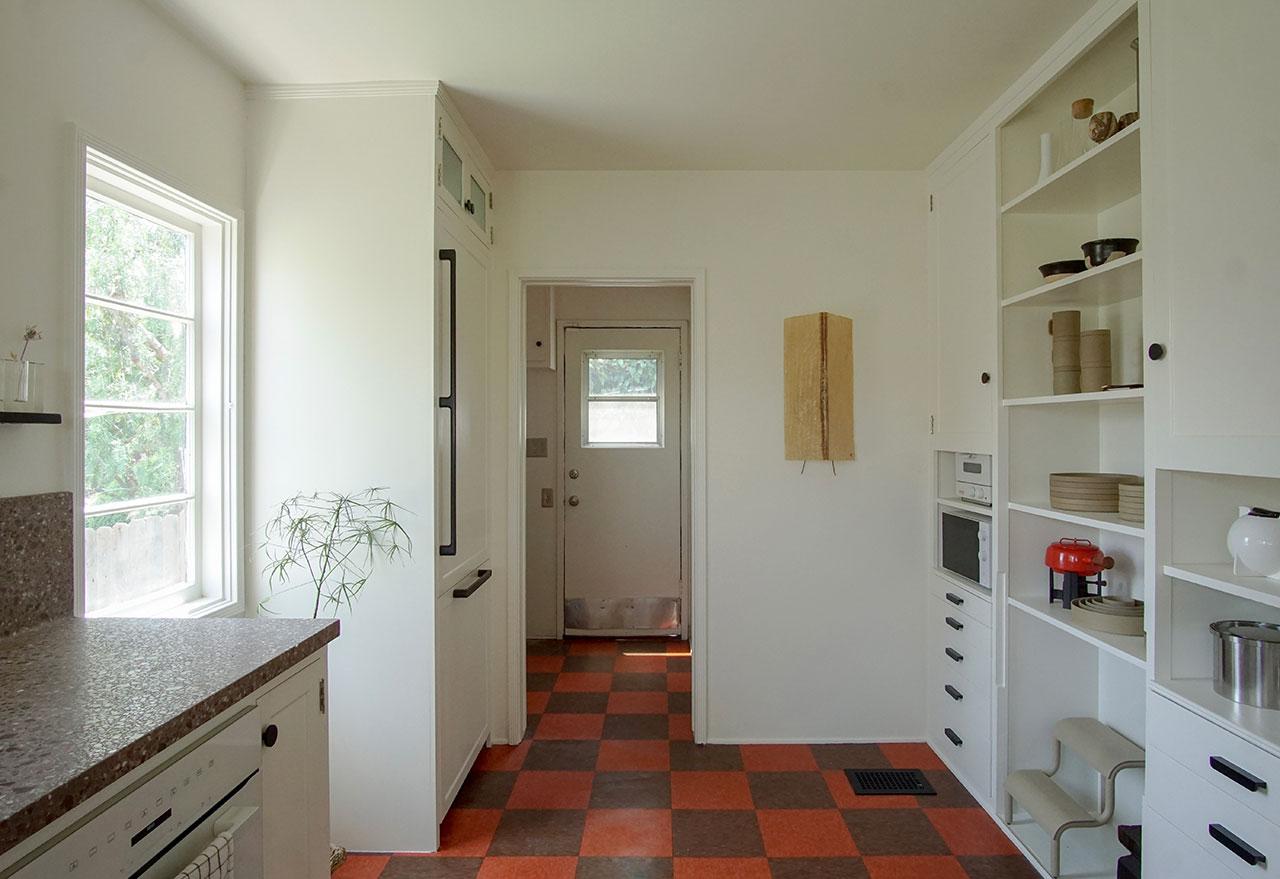
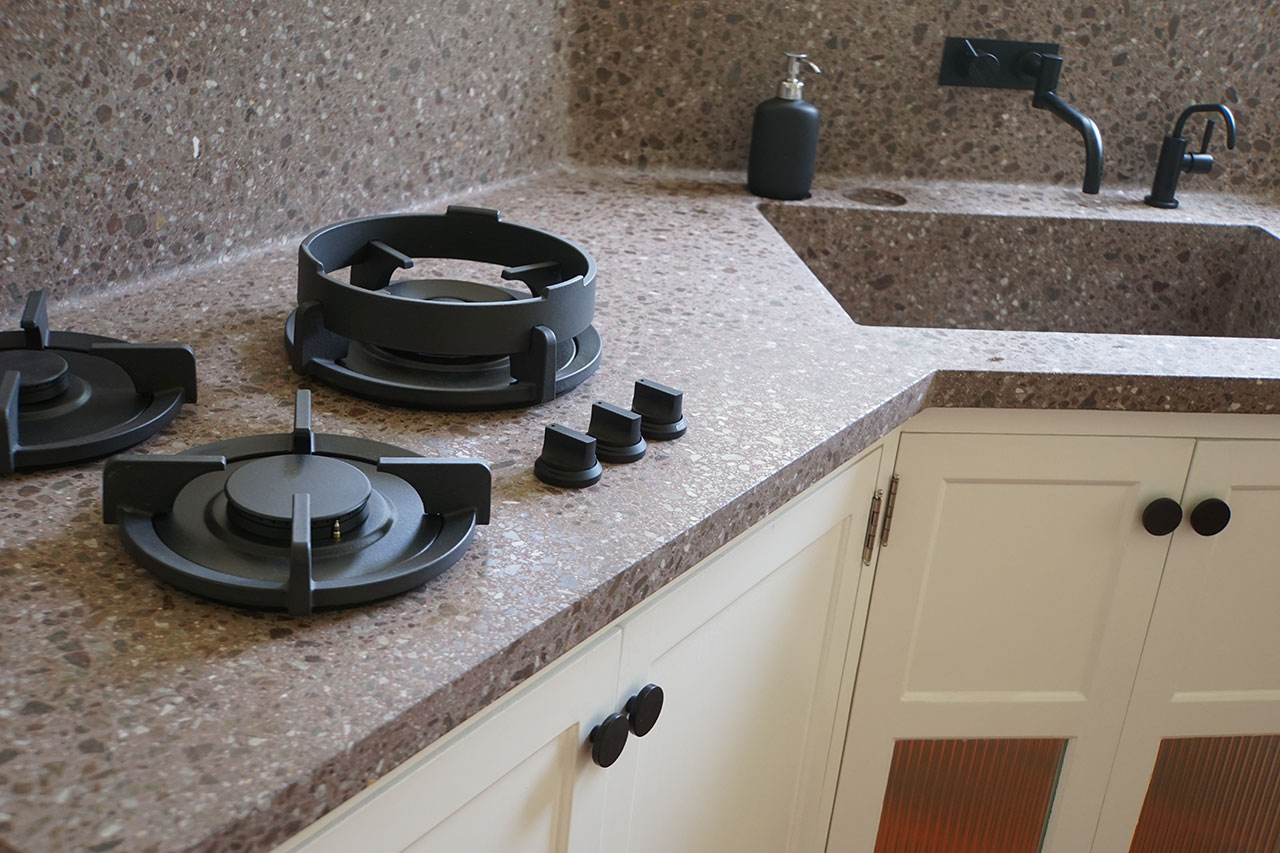
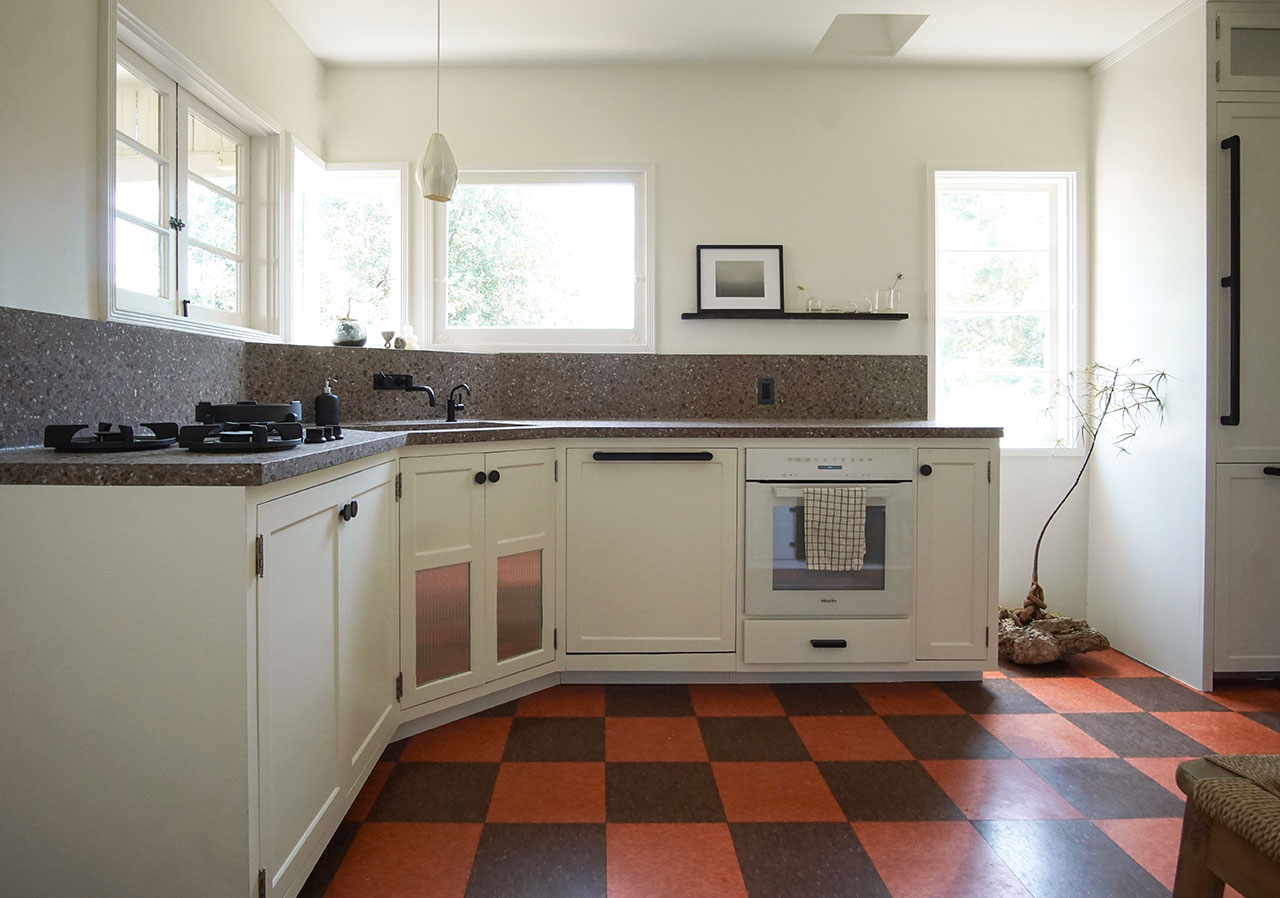
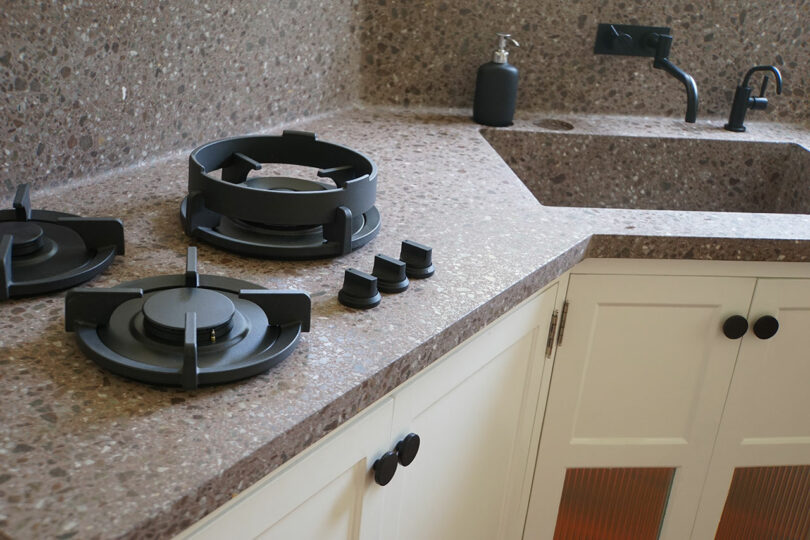
If the living spaces operate as a kind of curated salon, the kitchen and bathroom take on a more nuanced role where preservation and intervention meet. In the kitchen, all-white cabinetry nods to the home’s original condition, resisting the current appetite for contrast-heavy millwork. Hardware, however, shifts the tone: blackened wood and matte black fixtures introduce a subtle tension.
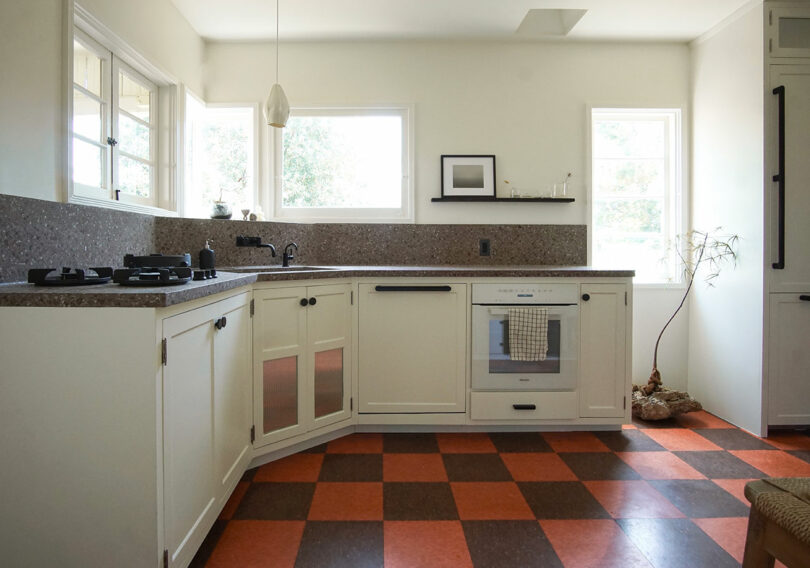
Modern kitchen with white cabinets, brown speckled countertops, gas stove, built-in oven, and orange-and-brown checkered floor tiles; natural light from two windows.

A modern kitchen counter with two gas burners, burner caps, a soap dispenser, a sink with a black faucet, and white cabinets with black handles.

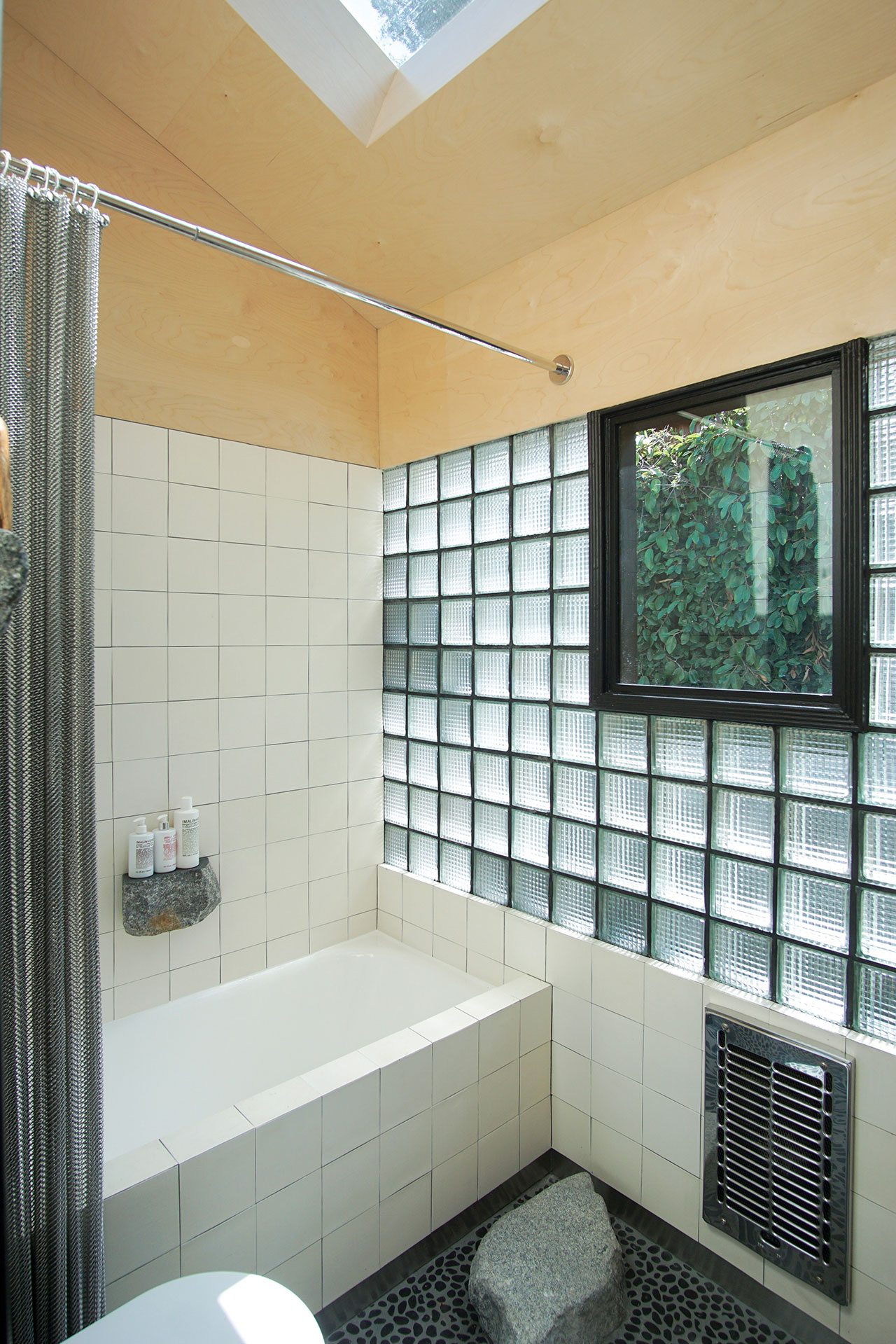
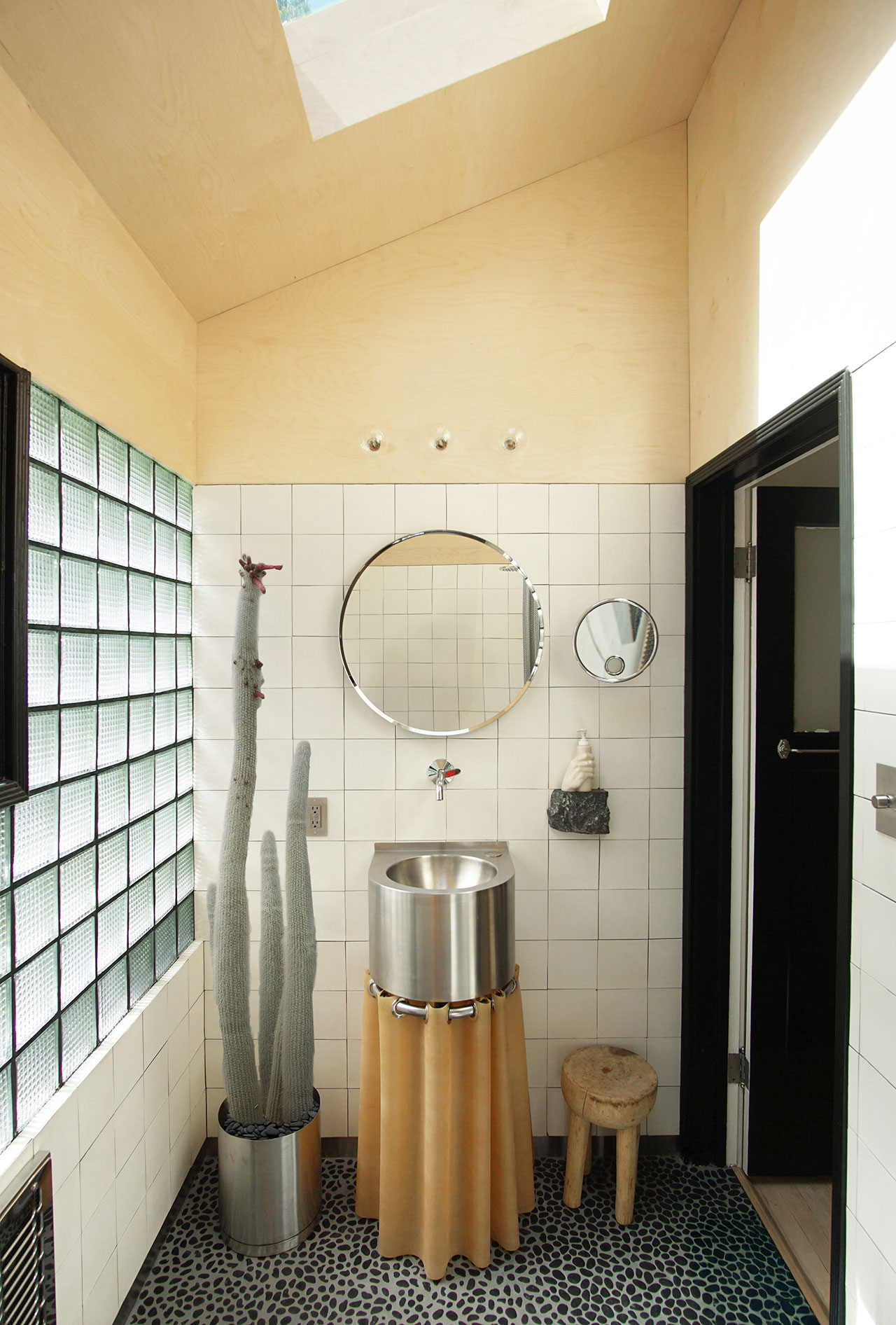
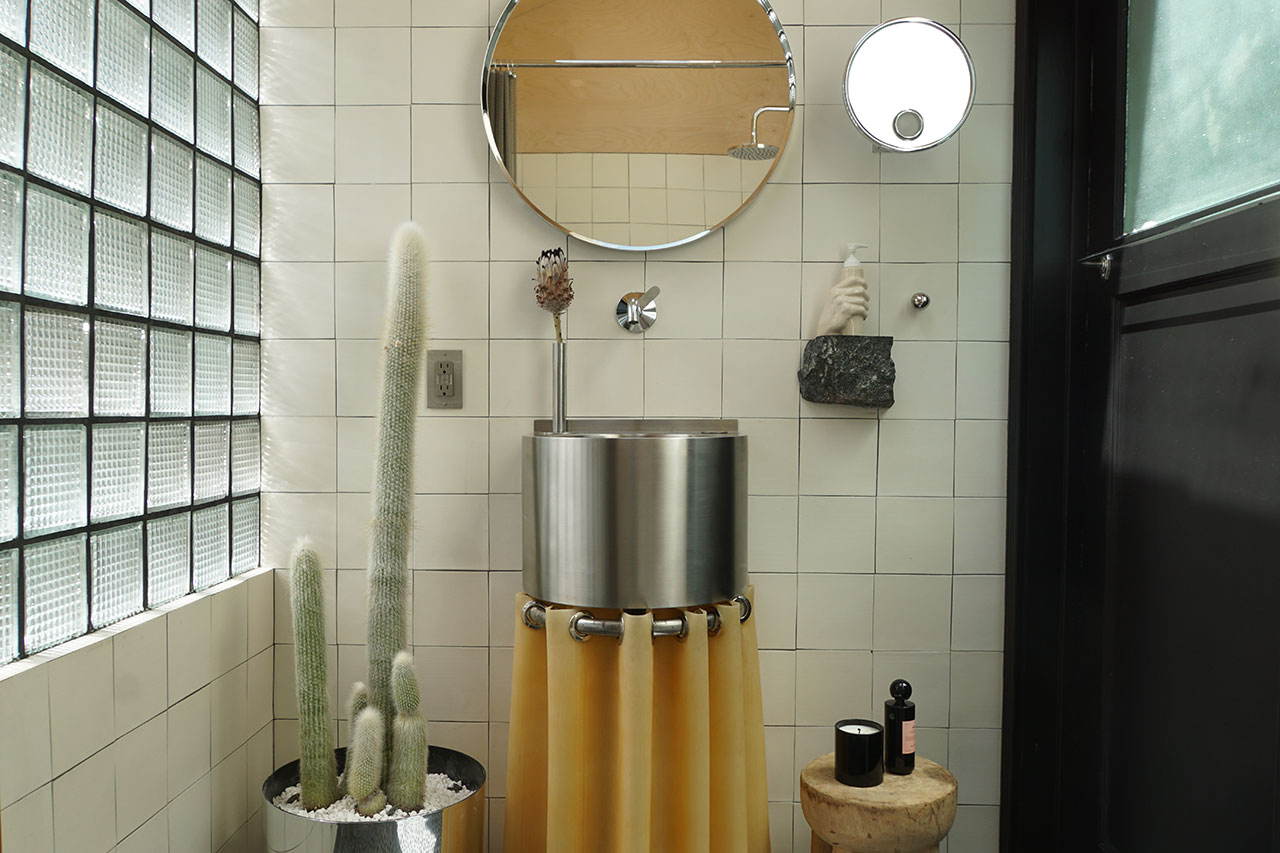
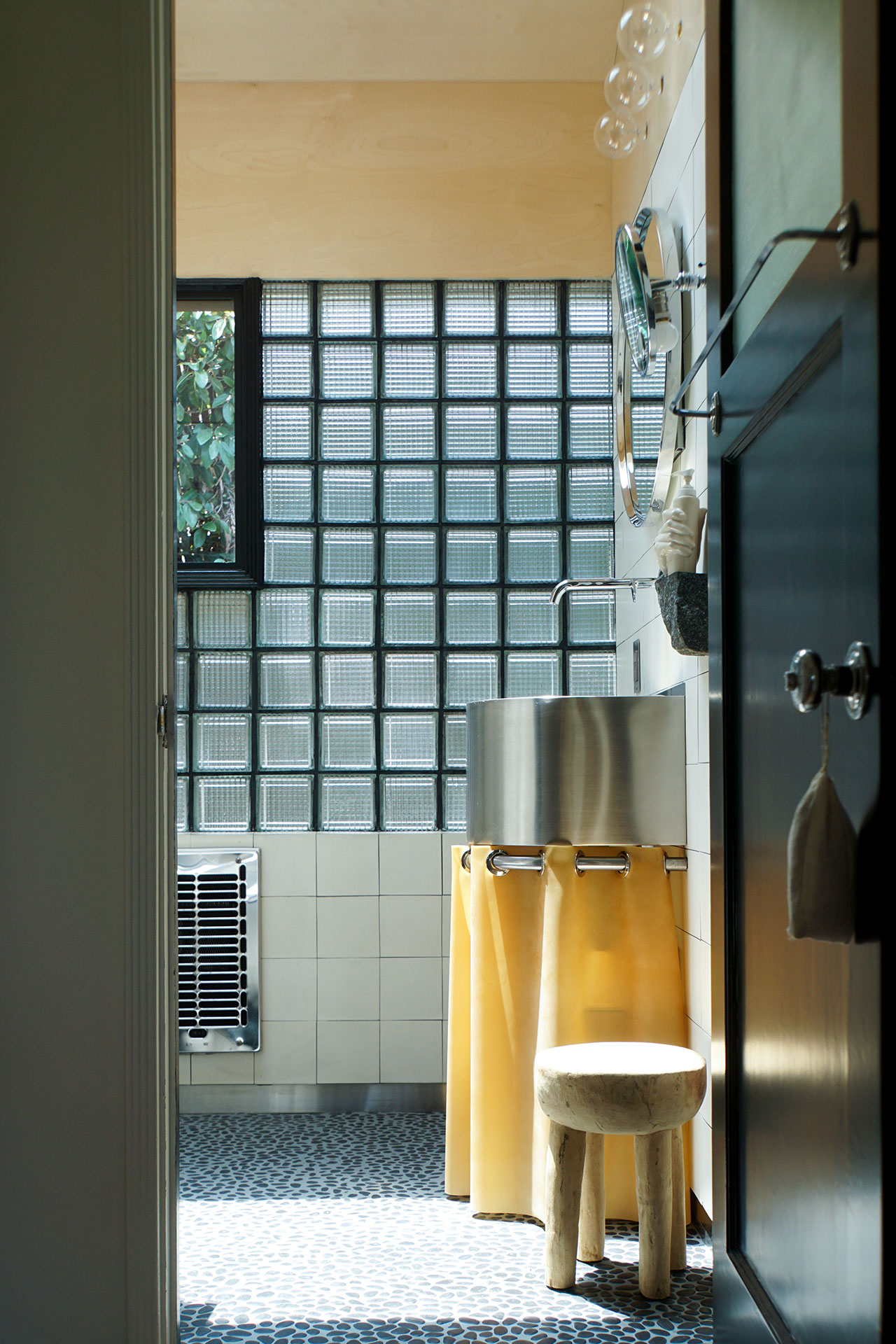
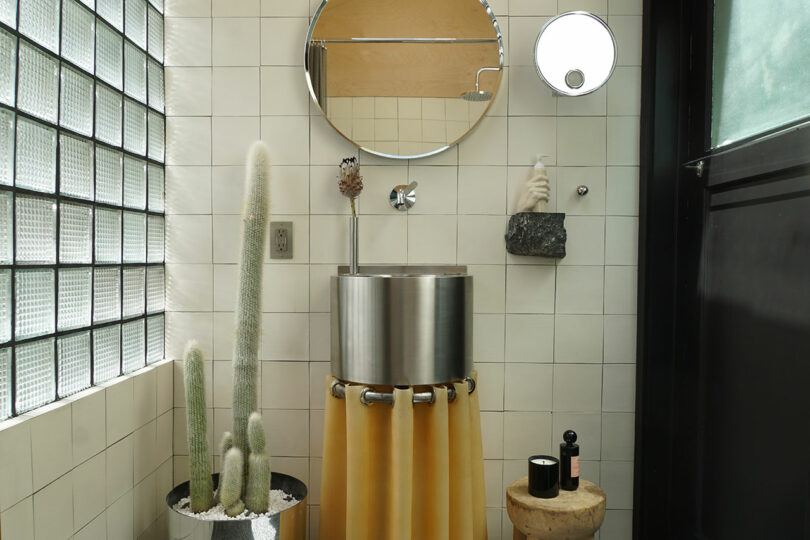
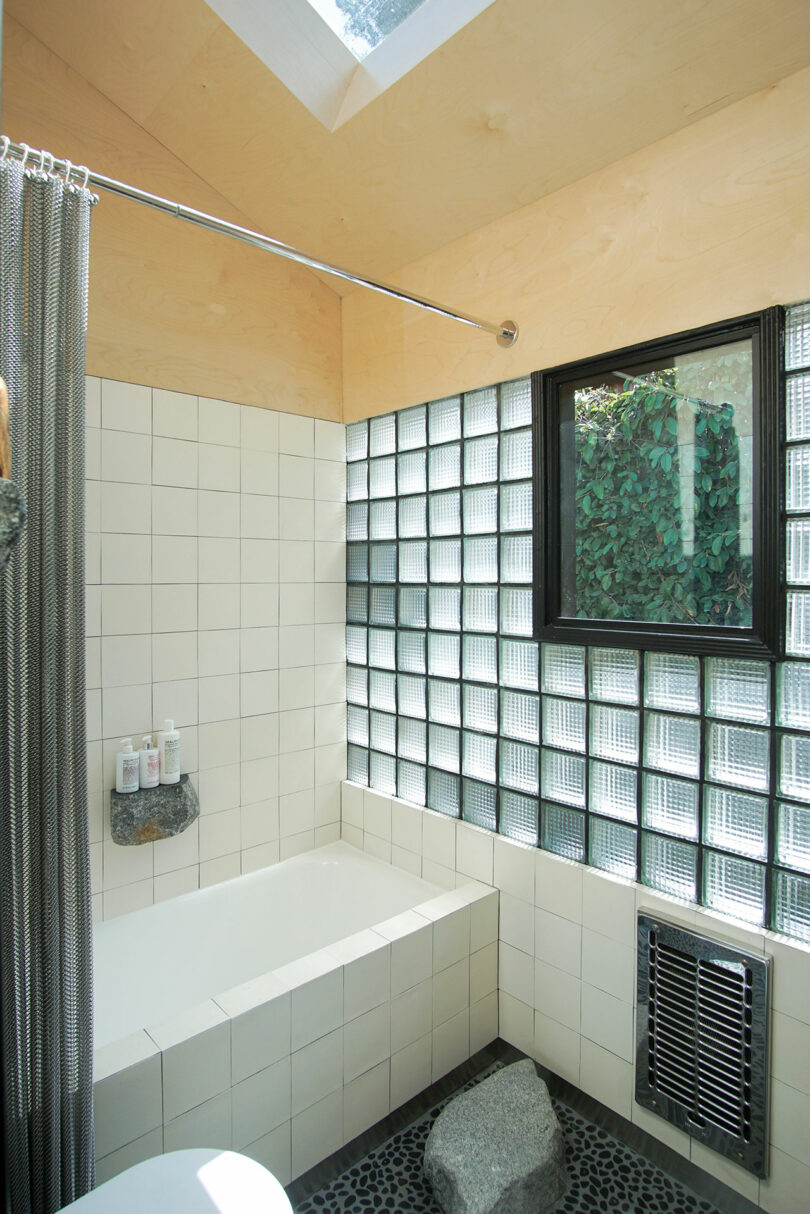
The bathroom tells a more explicit story of recovery. Following what Yuri describes as an “atrocious” 1990s renovation, the space was stripped back to its most meaningful surviving element: a glass block wall. Rather than replace it, the design builds around it pairing white tile, chrome fixtures, and plywood with an unexpected detail: a latex sink skirt that introduces a note of humor, even irreverence.
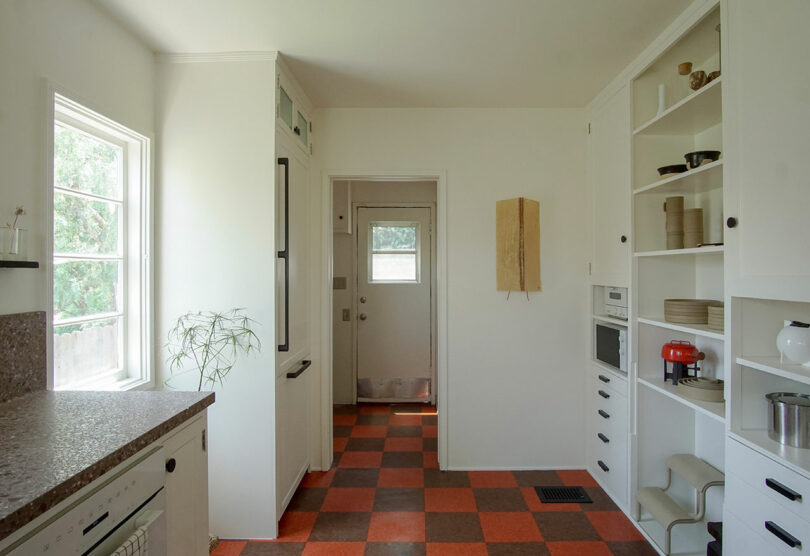
A kitchen with open shelves, built-in appliances, orange and brown checkered floor, a window on the left, and a door at the far end.

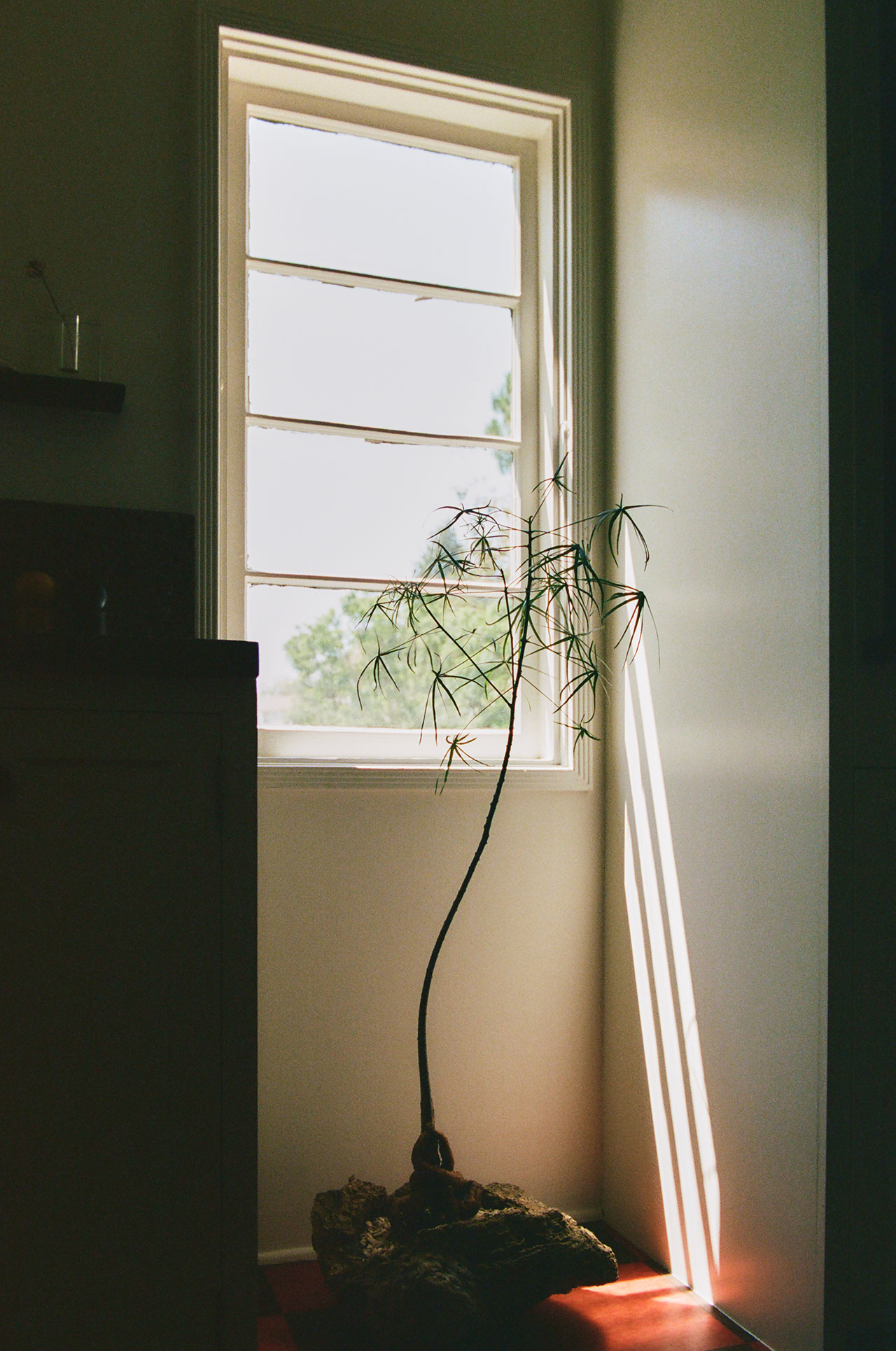
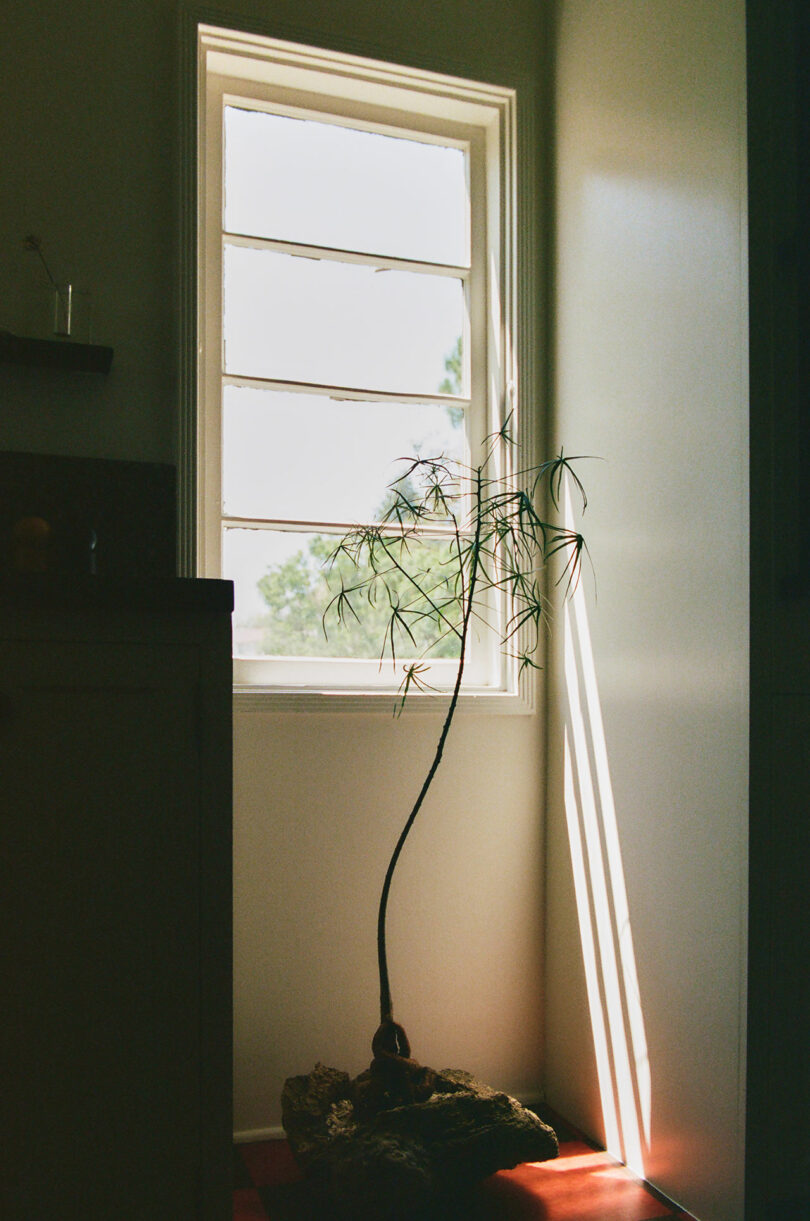
A slender potted plant stands by a window, sunlight streaming in and casting shadows on the light-colored wall and floor.

That gesture—playful, slightly offbeat—feels emblematic of the project as a whole. Where many interiors strive for cohesion, this one embraces friction. Where minimalism often edits life down to its essentials, this bungalow allows for excess—not in quantity, but in expression.
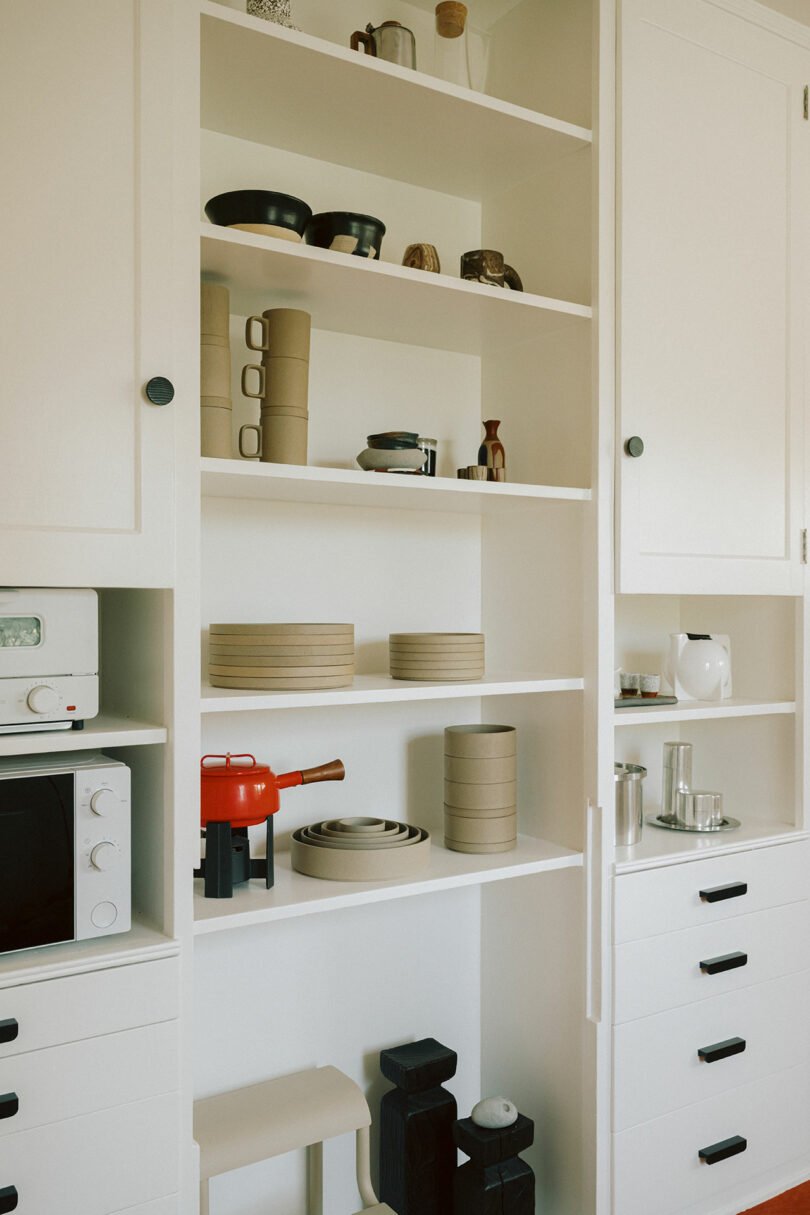
White kitchen shelves display neatly arranged dishes, bowls, containers, a red teapot, a microwave, and small kitchen appliances, all against a minimalist backdrop.

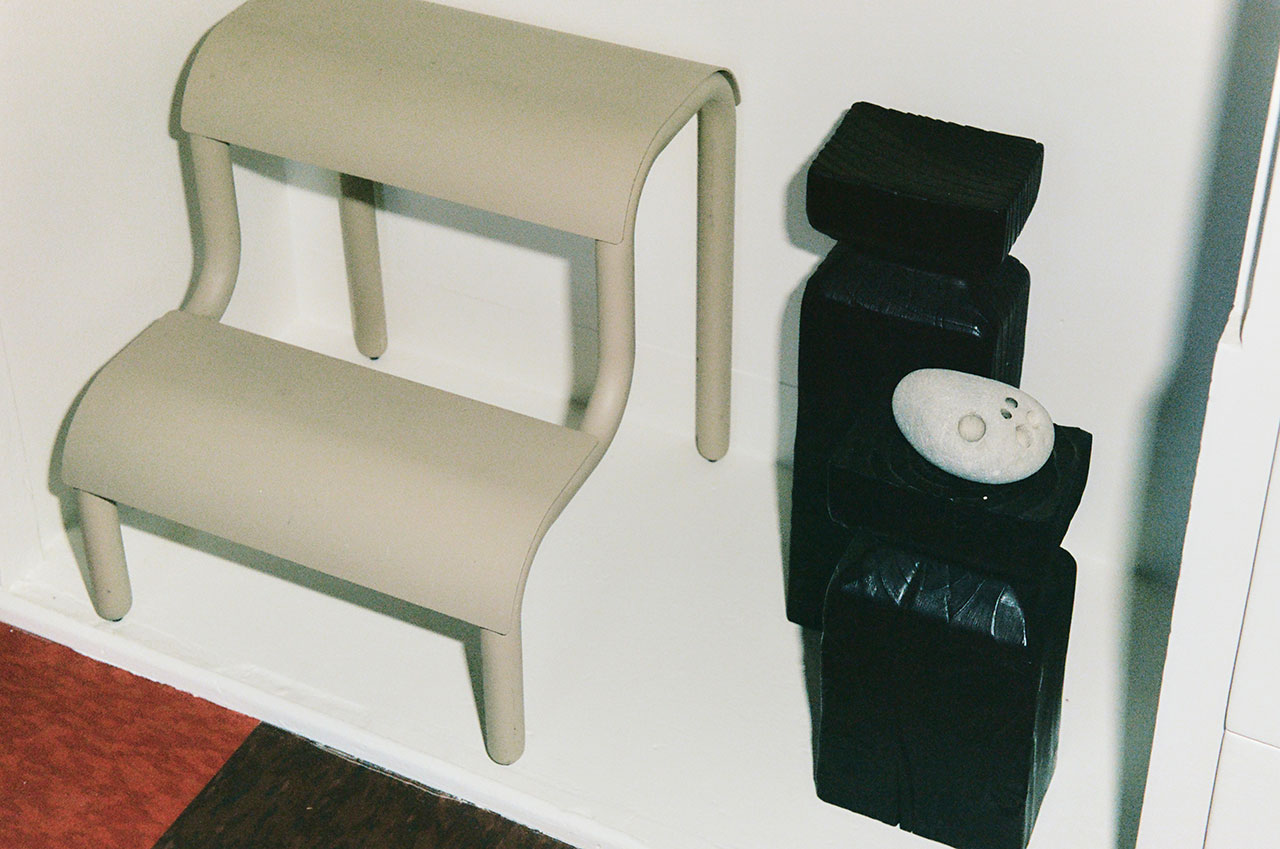
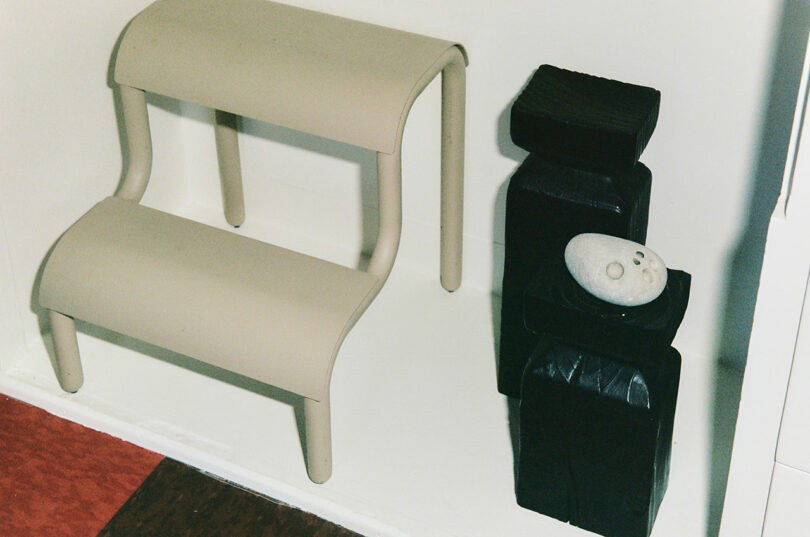
A small beige step stool is placed next to two black rectangular objects, one topped with a smooth white stone, against a white wall.

Still, the home never tips into chaos. Its success lies in a careful balancing act: between relaxation and refinement, between historical sensitivity and contemporary instinct. As Yuri describes it, the goal was to create a space where “the home’s history and surroundings could breathe while still reflecting a love of design.”
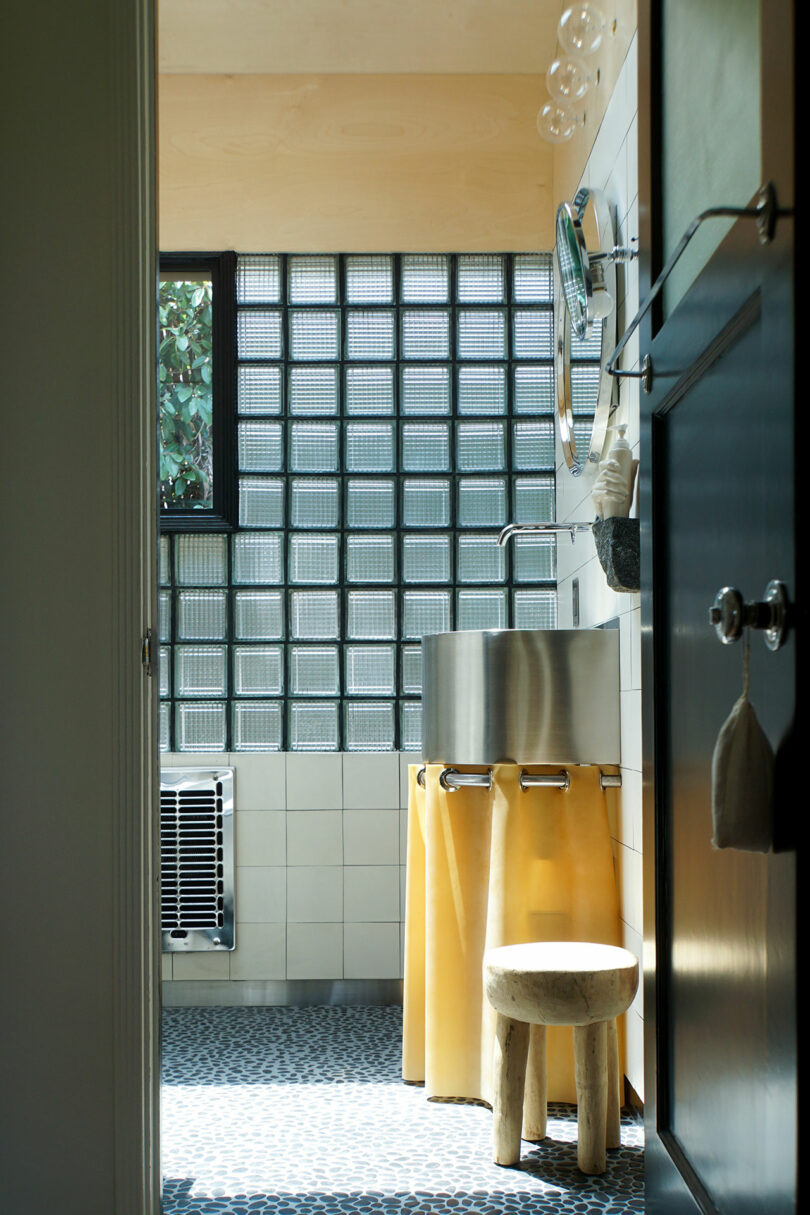
Modern bathroom with glass block window, stainless steel sink, round mirror, yellow fabric sink skirt, small wooden stool, and pebble-patterned floor.

Modern bathroom with a round metal sink, circular mirrors, yellow curtain, cacti in a pot, stool with toiletries, and glass block wall.

In that sense, the project reframes the conversation around what a “creative” interior can be. Not a blank canvas waiting to be filled, nor a fully resolved composition, but something more dynamic—a living archive of influences, relationships, and moments in time.
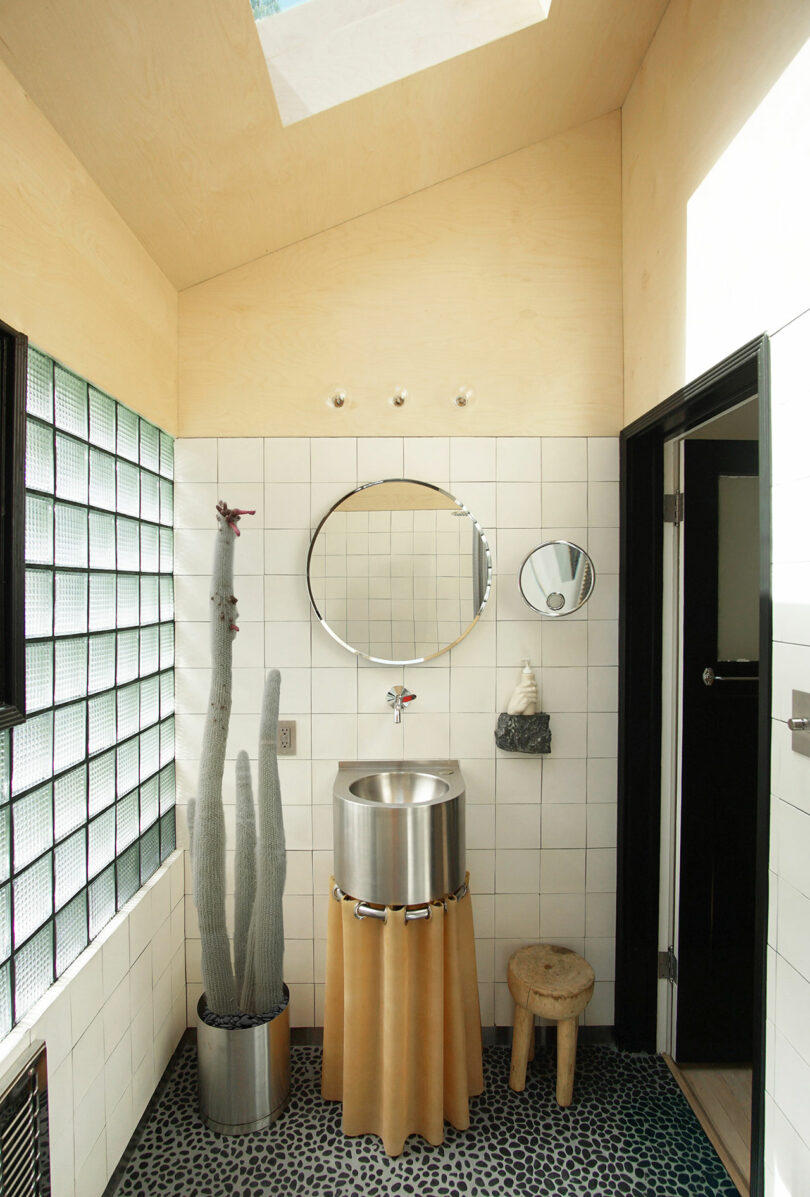
A small bathroom with white tiled walls, a round mirror above a stainless steel sink, a cactus, a wooden stool, and pebble-patterned floor, lit by a skylight.

Modern bathroom with white tile bathtub, glass block wall, window, pebble stone floor, overhead skylight, metal curtain rod, and a small stone shelf holding toiletries.

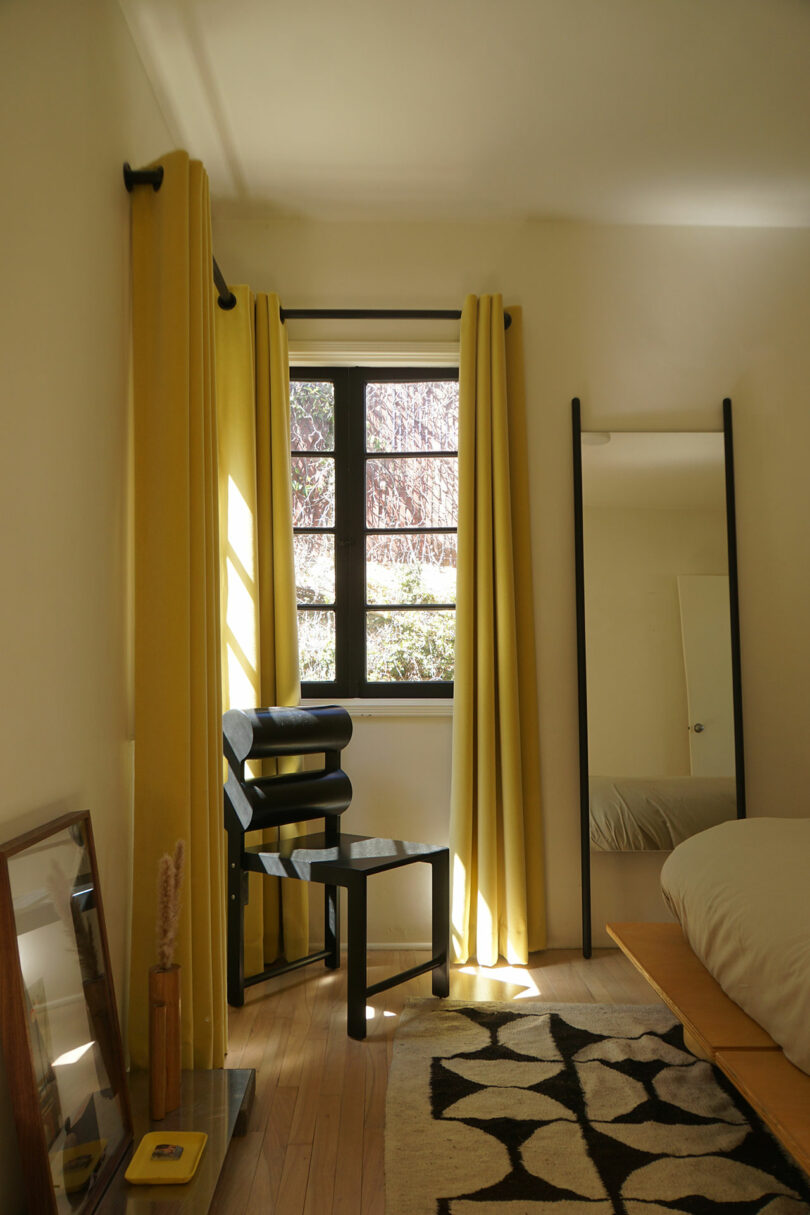
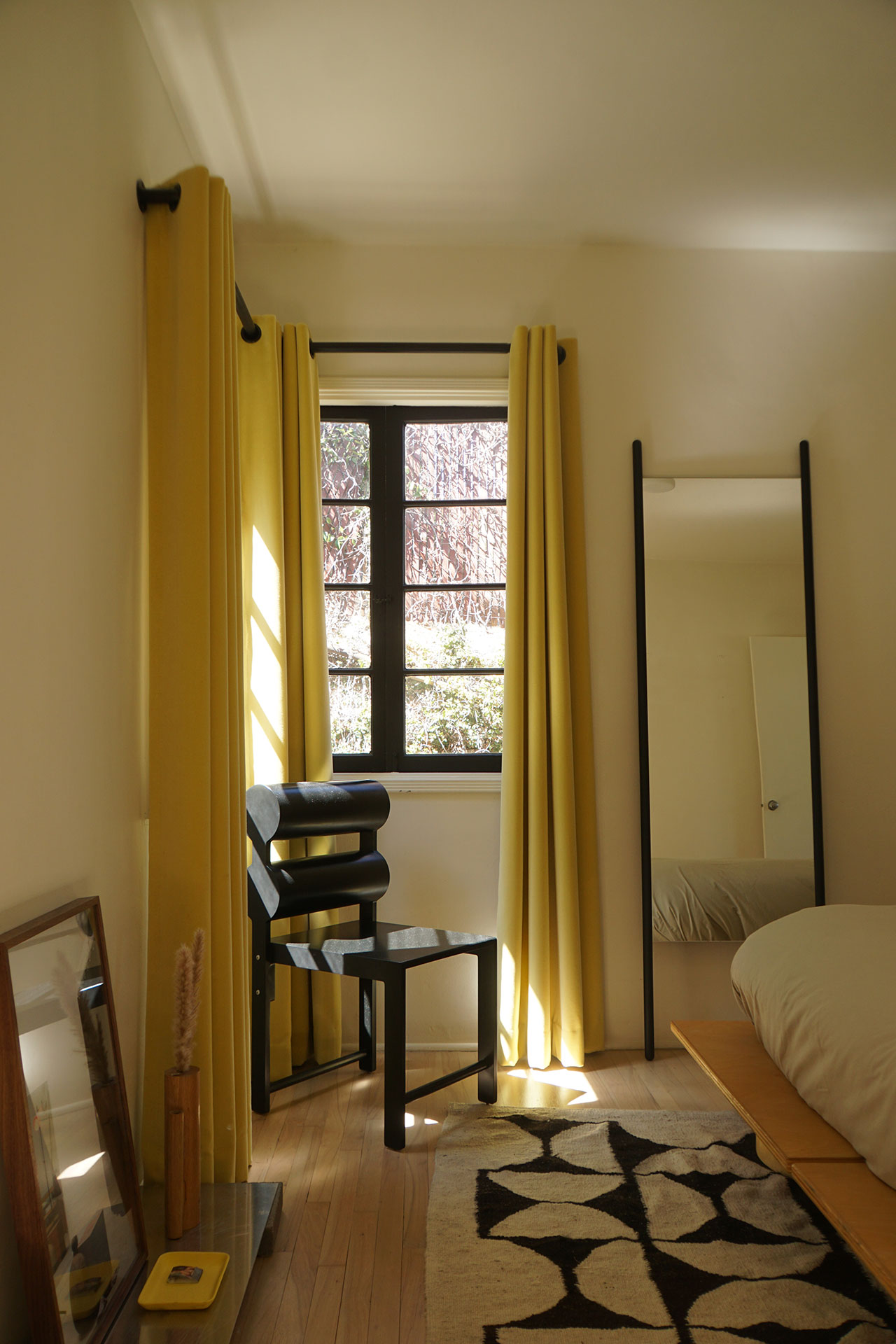
Bedroom with yellow curtains, a window, a black chair, a tall mirror, a geometric rug, a low bed, and framed artwork on the floor. Sunlight streams through the window.

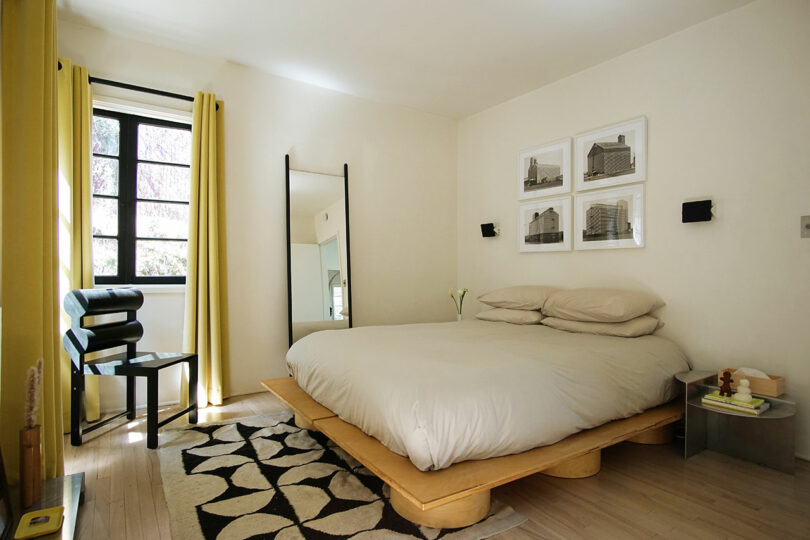
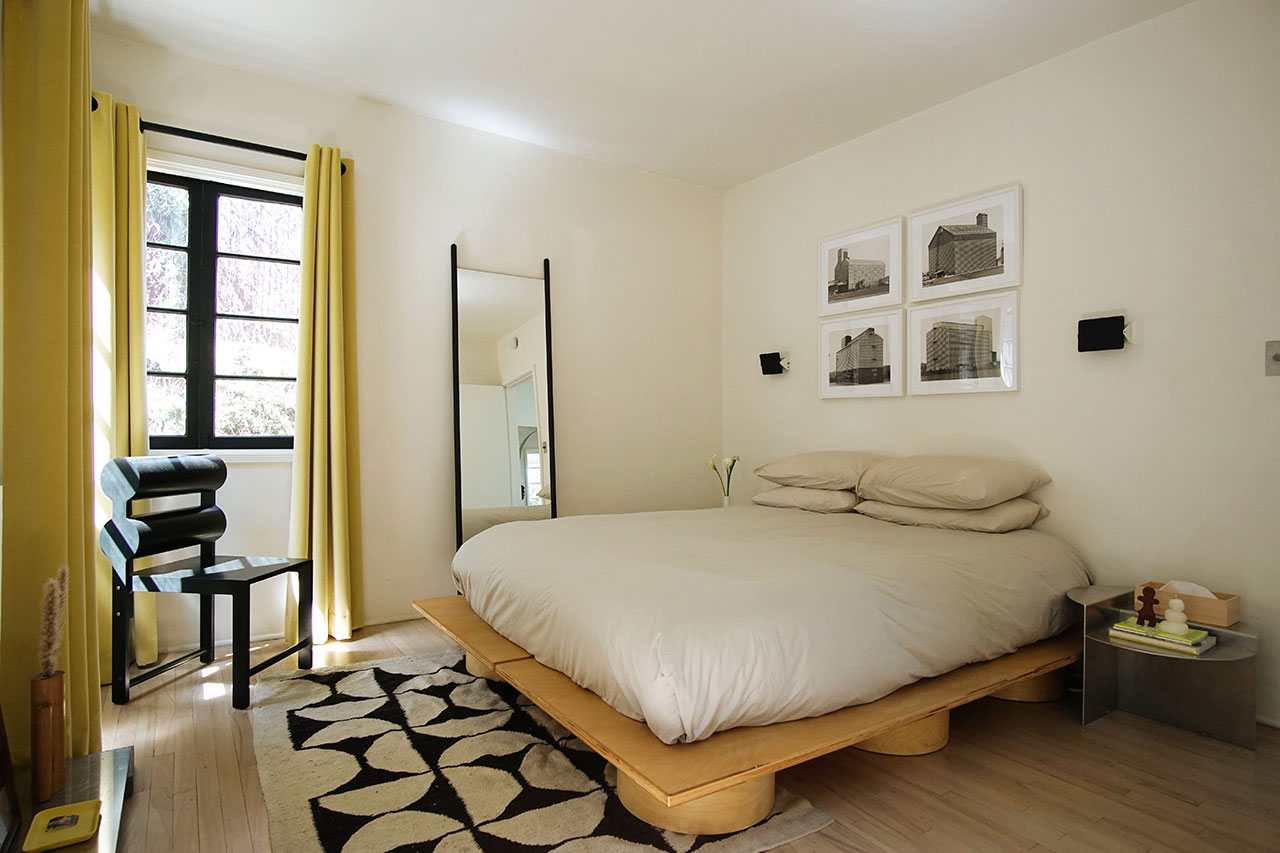
Minimalist bedroom with a low wooden bed, neutral bedding, modern artwork on the wall, a floor mirror, black chair, geometric rug, and yellow curtains on a window.

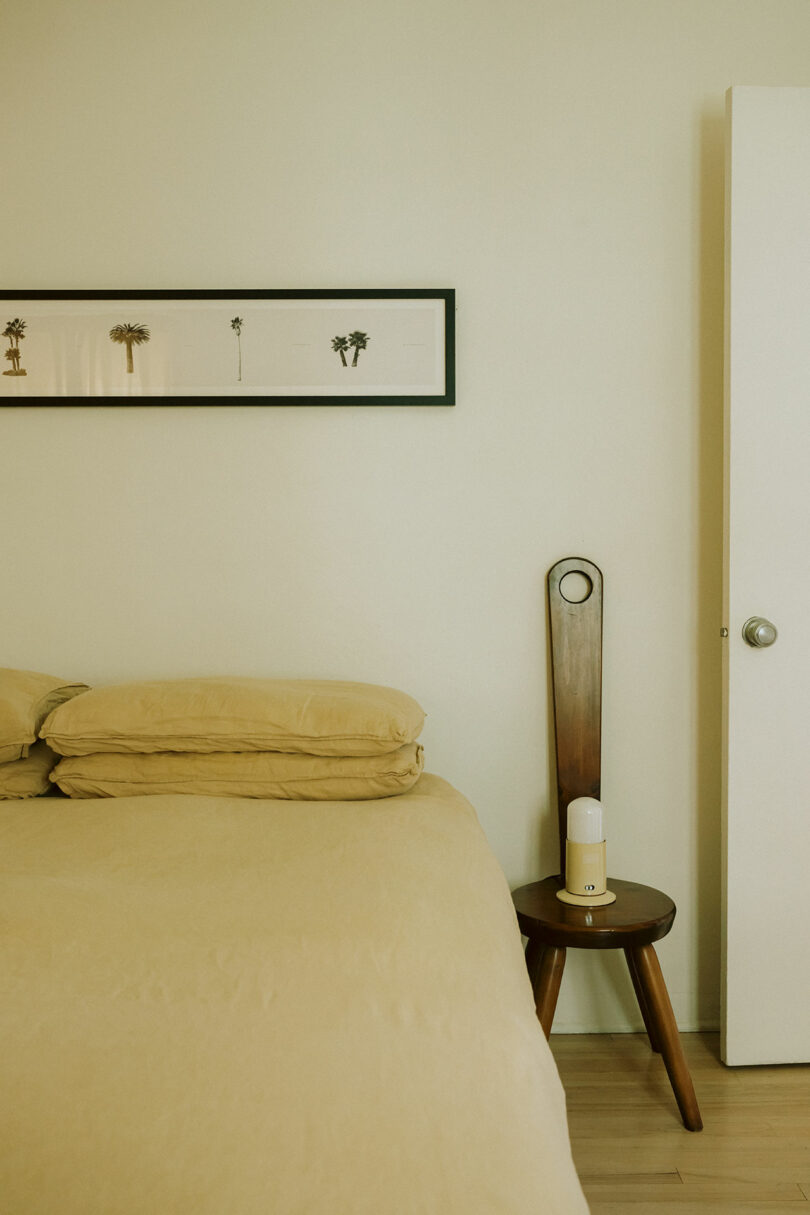
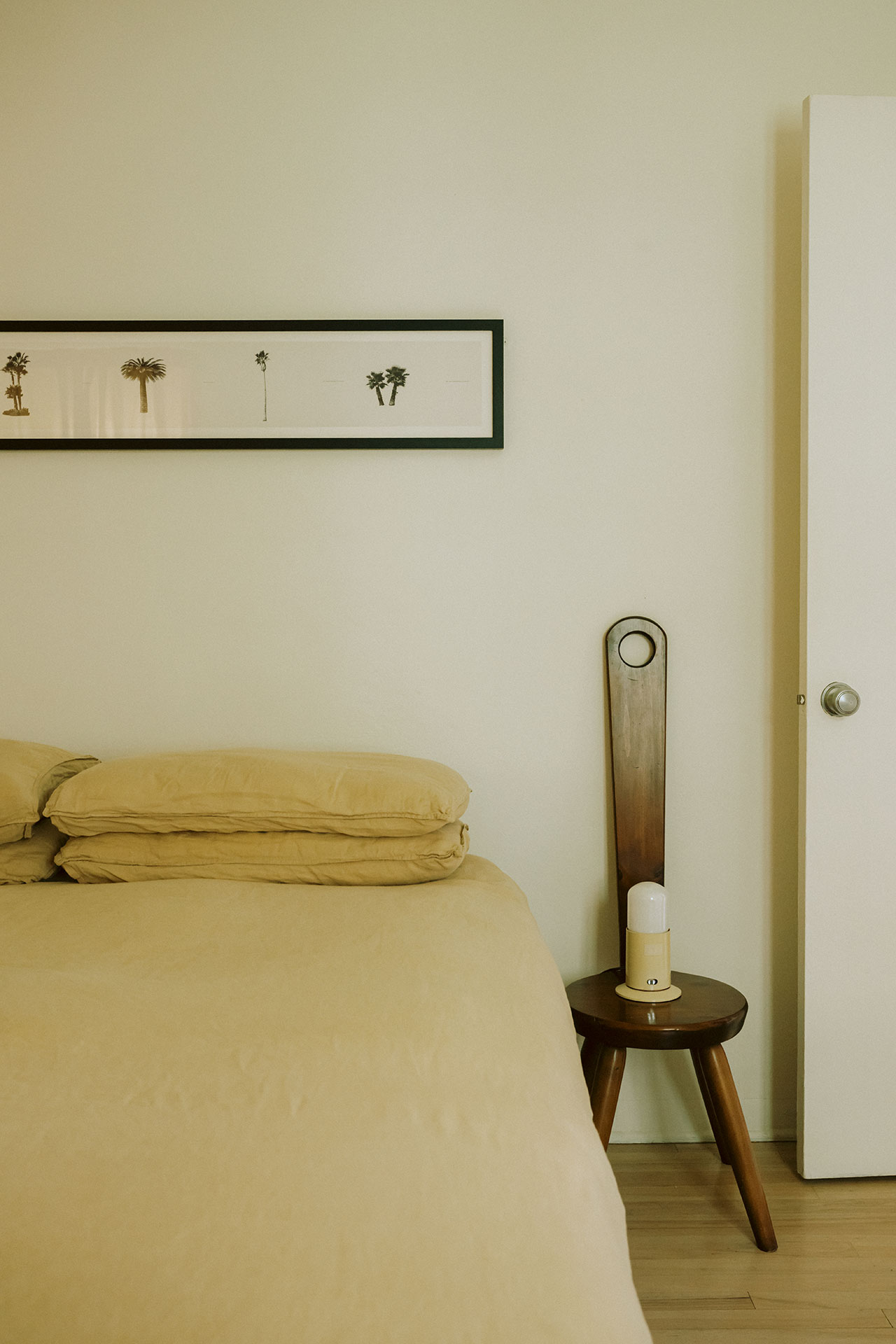
Minimalist bedroom with a beige bed, wooden chair used as a nightstand holding a lamp, and a framed picture of palm trees on a light-colored wall.

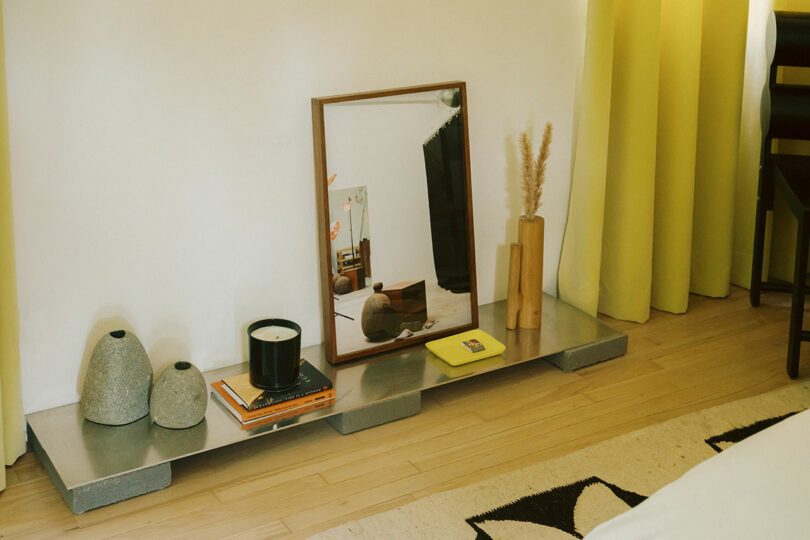
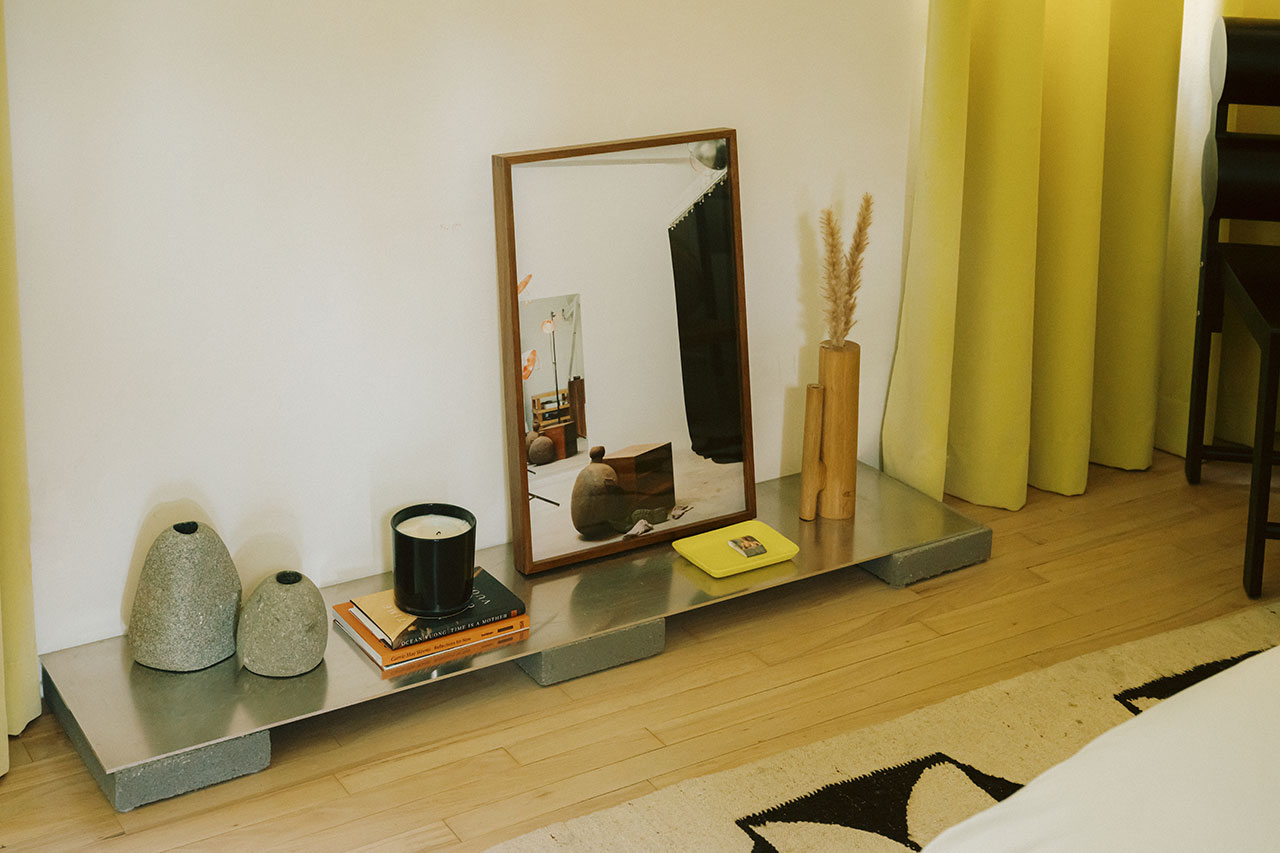
A low shelf with decorative vases, a candle, books, a framed mirror, a yellow notebook, and tall grass in a vase, set against a white wall with yellow curtains.

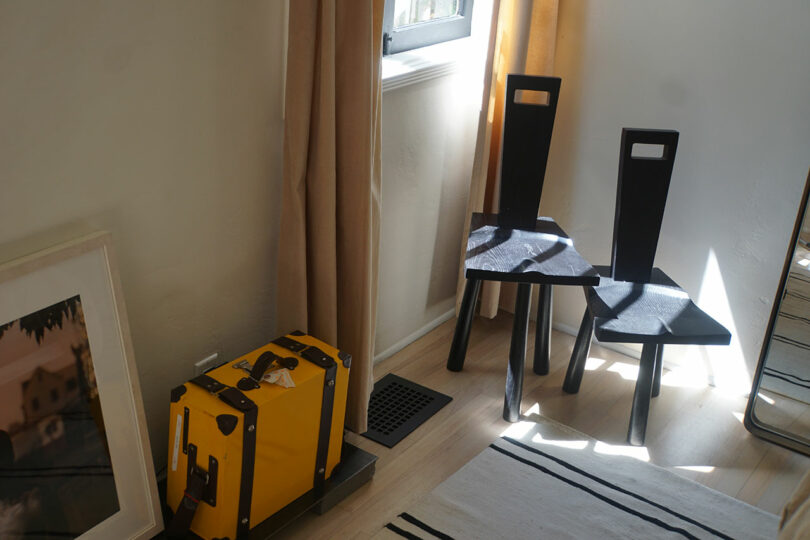
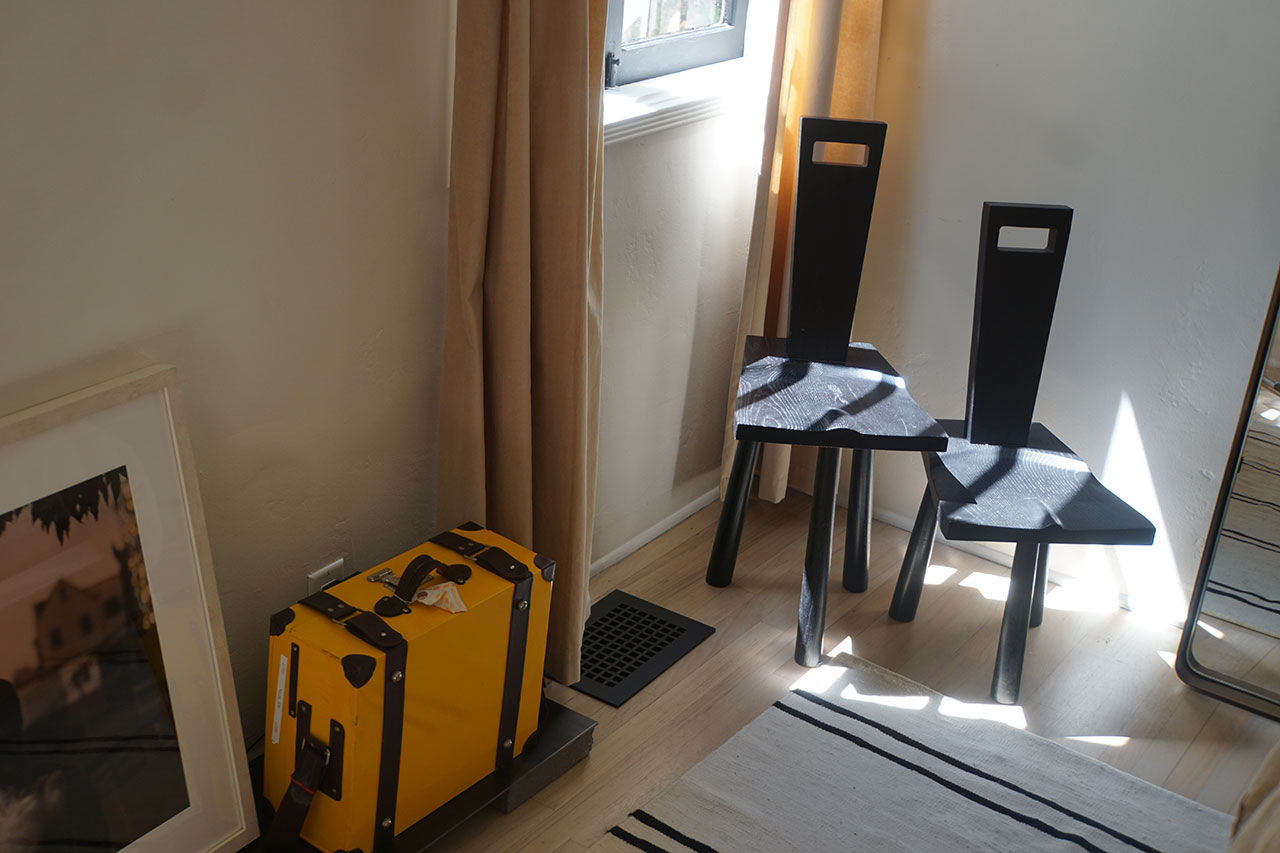
Two black chairs sit in a sunlit corner near a small window, with a yellow suitcase and a framed picture propped against the wall.

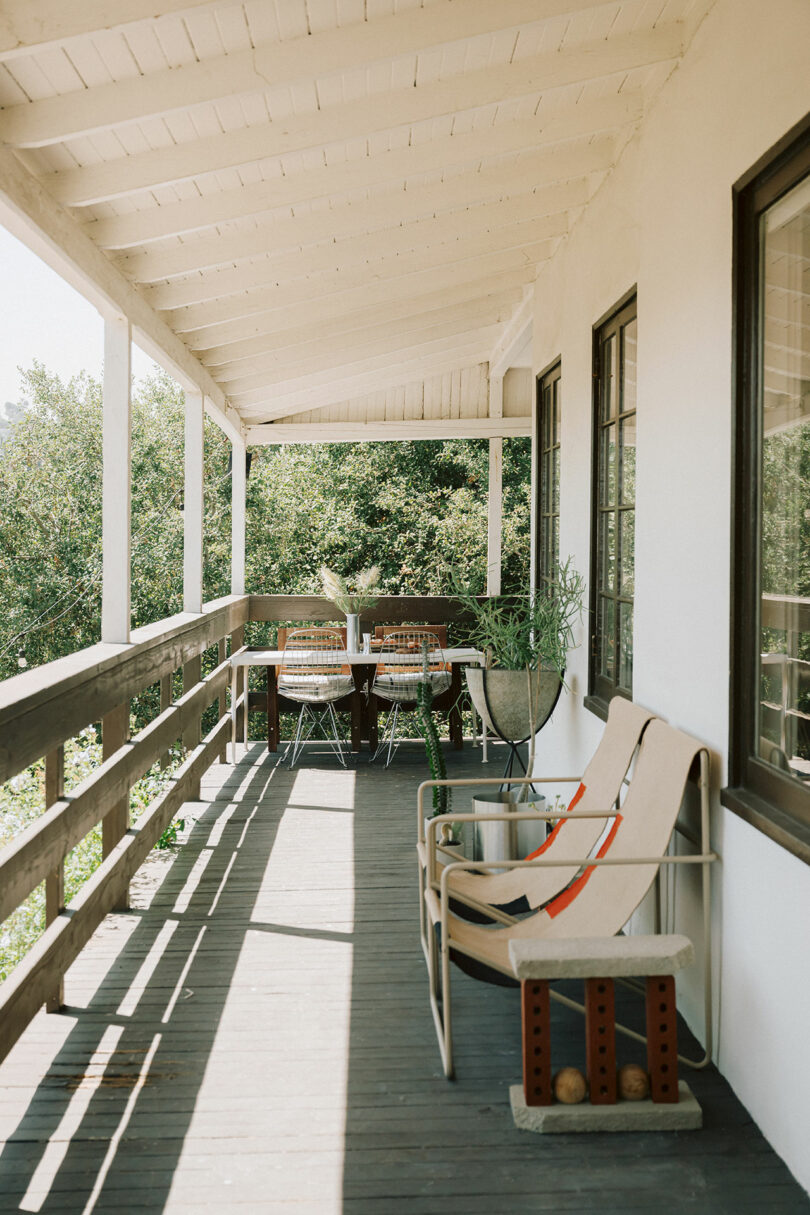
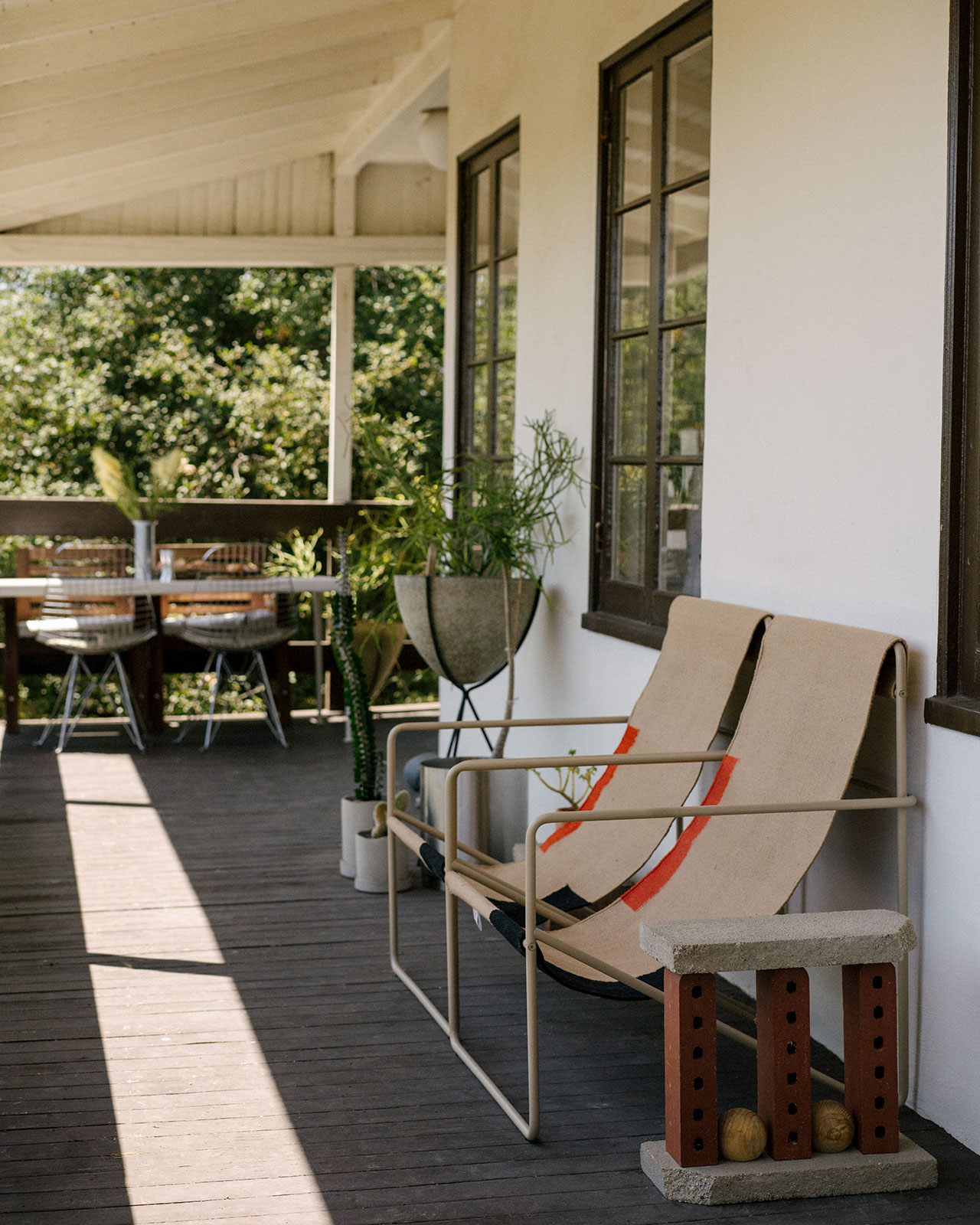
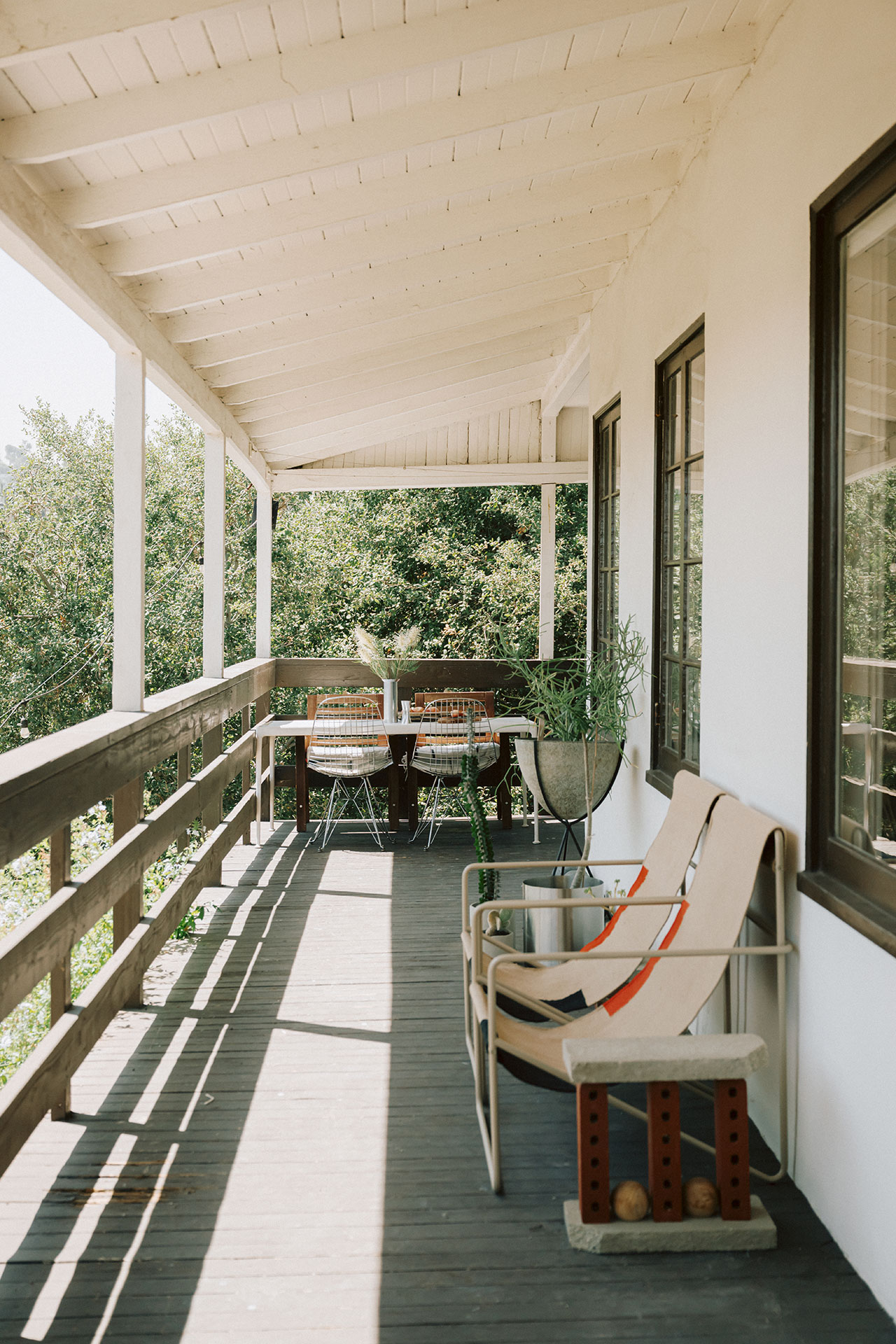
A wooden porch with a covered roof features two lounge chairs, a small table, and a dining area with four chairs and a table in the background, overlooking greenery.

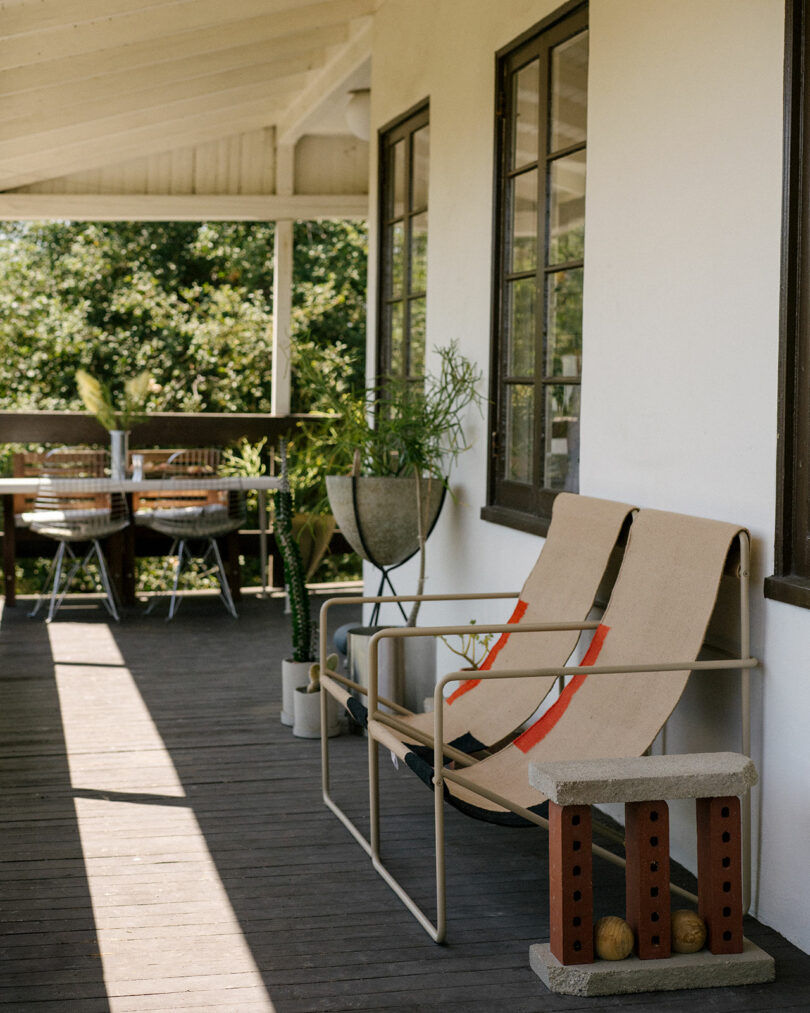
Two canvas lounge chairs with metal frames sit on a wooden porch next to potted plants, with a dining table and chairs visible in the background.

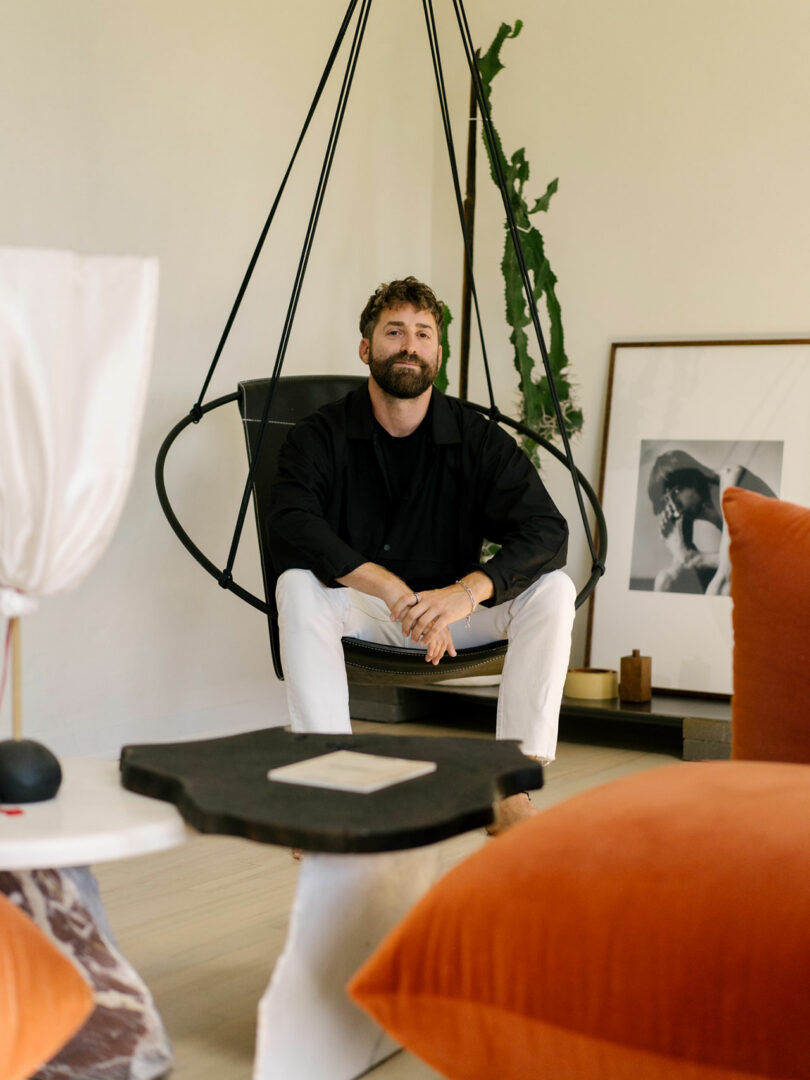
A man with a beard sits on a hanging chair in a modern living room with orange cushions, a plant, and framed art in the background.

To see more work by the studio, visit newoperationsworkshop.com.

Photography courtesy of Graham Dunn, Clarke Tolton, and Gabriel Yuri.

With professional degrees in architecture and journalism, New York-based writer Joseph has a desire to make living beautifully accessible. His work seeks to enrich the lives of others with visual communication and storytelling through design. When not writing, he teaches visual communication, theory, and design.