
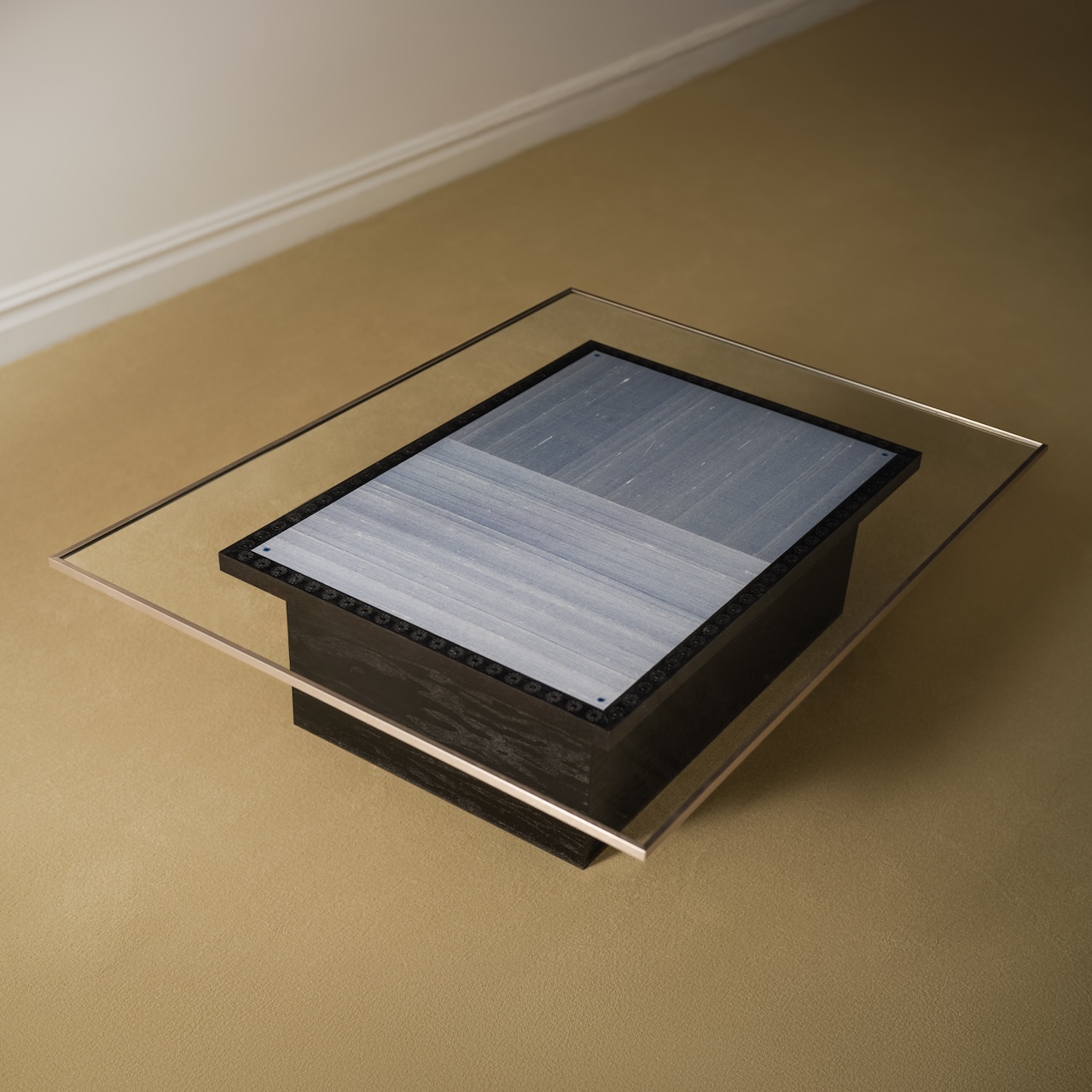
Silk is among the most temporally alive of materials. Woven into a fixed object, it continues to behave — shifting in tone and luminosity as light moves across it throughout the day, responding to the viewer’s angle in ways few other textiles can. That quality of perpetual, quiet change sits at the center of SVILA, Ana Kraš’s solo exhibition at Emma Scully Gallery, which opened May 7, 2026, and remains on view through June 13, 2026.
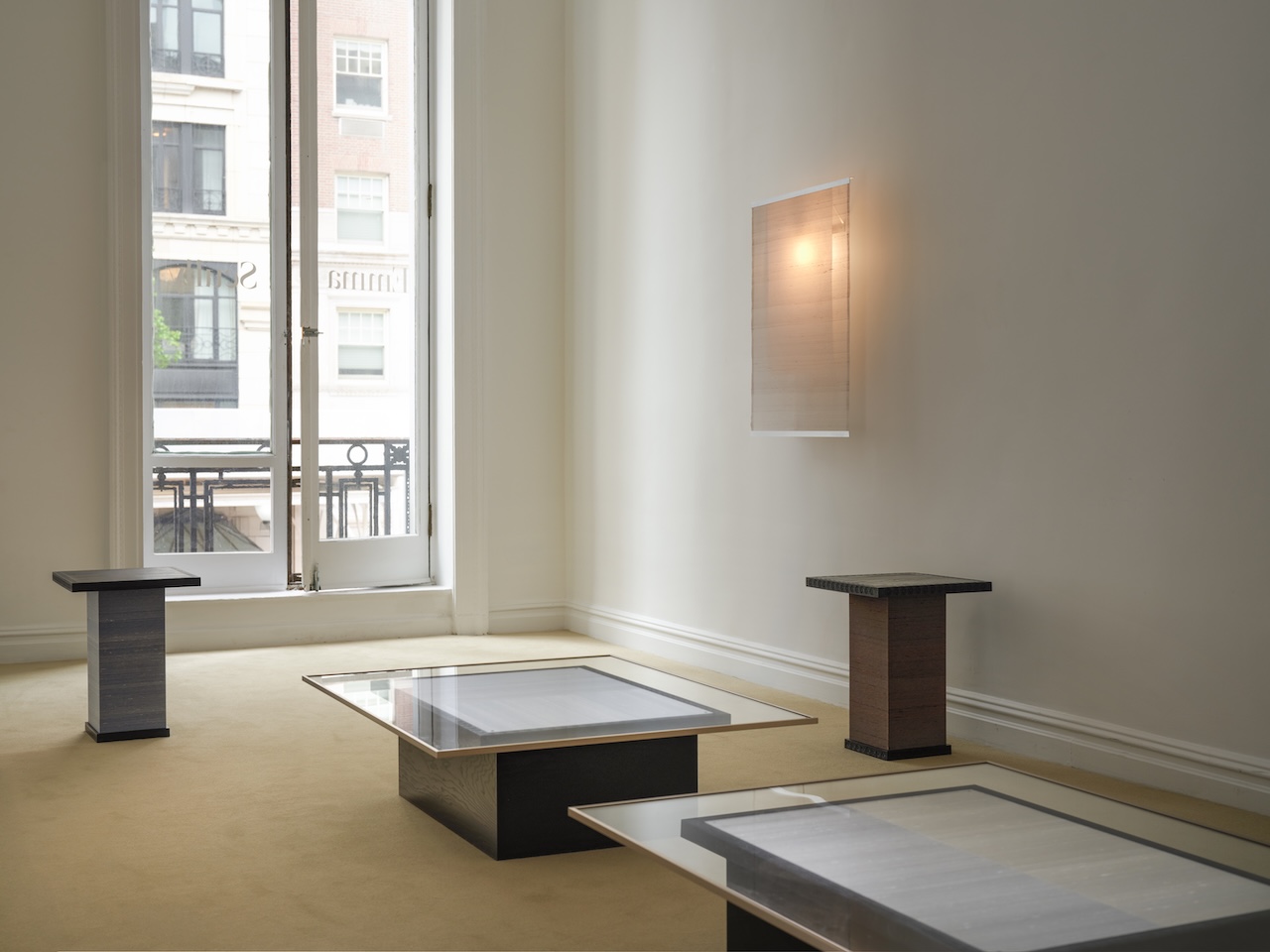
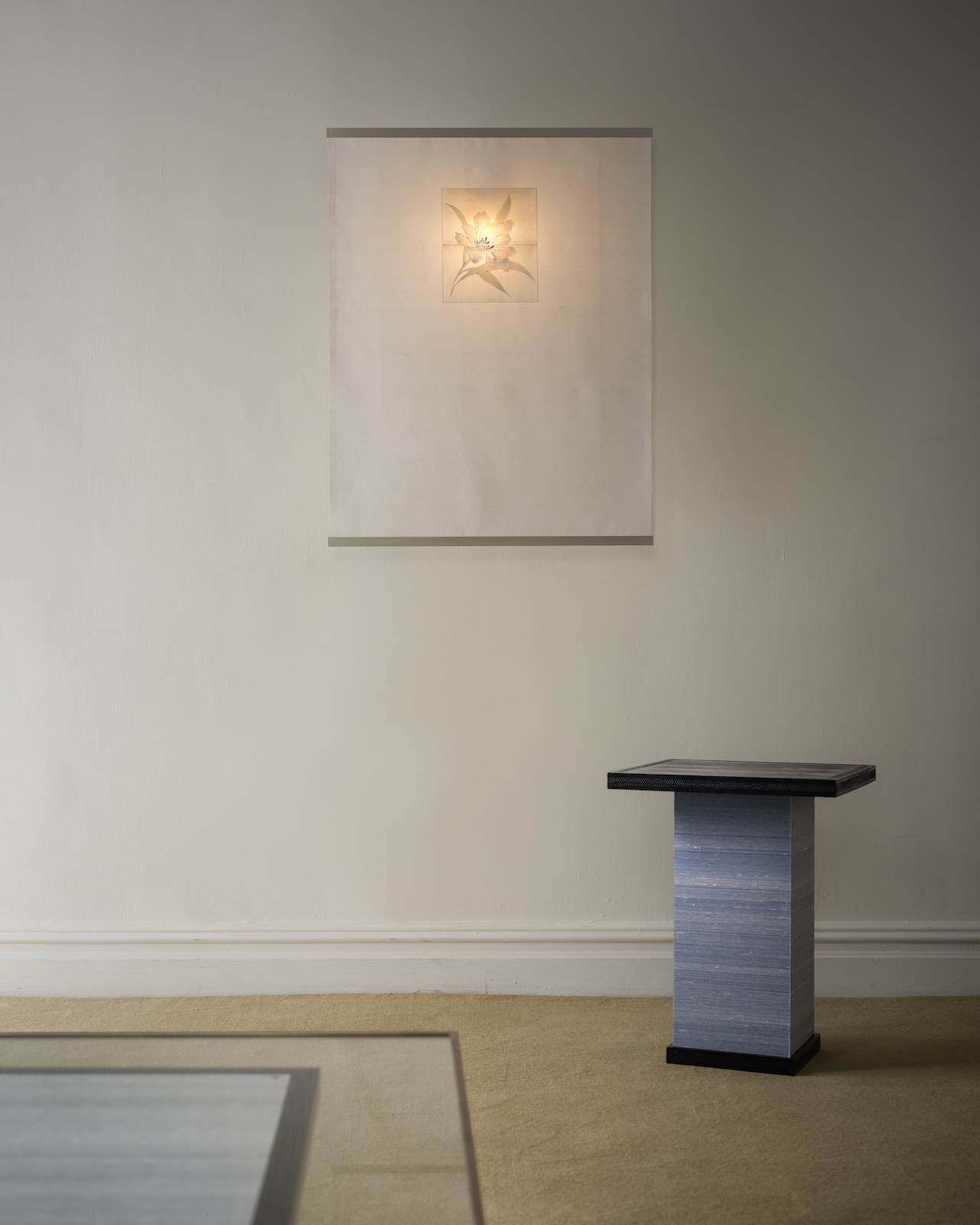
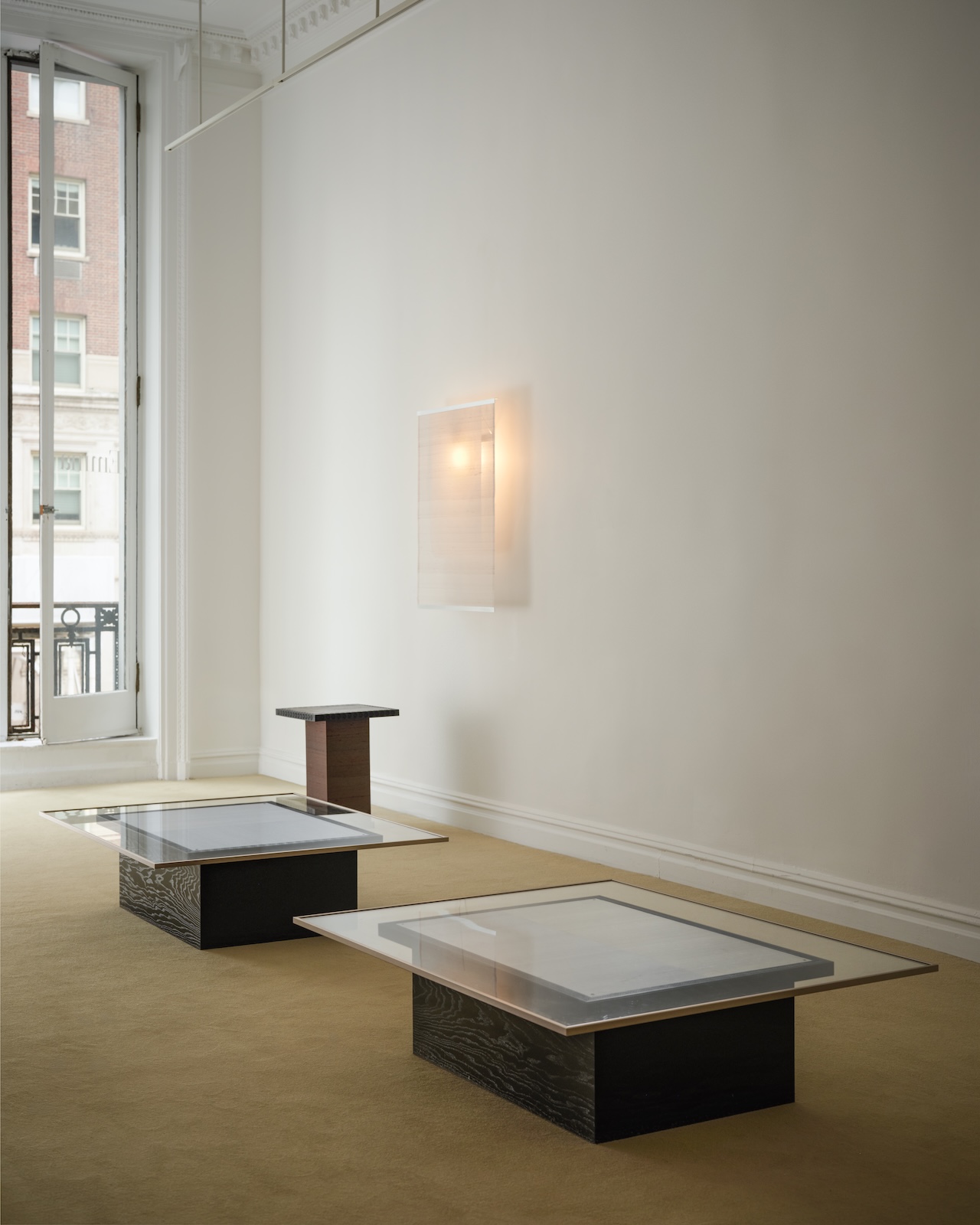
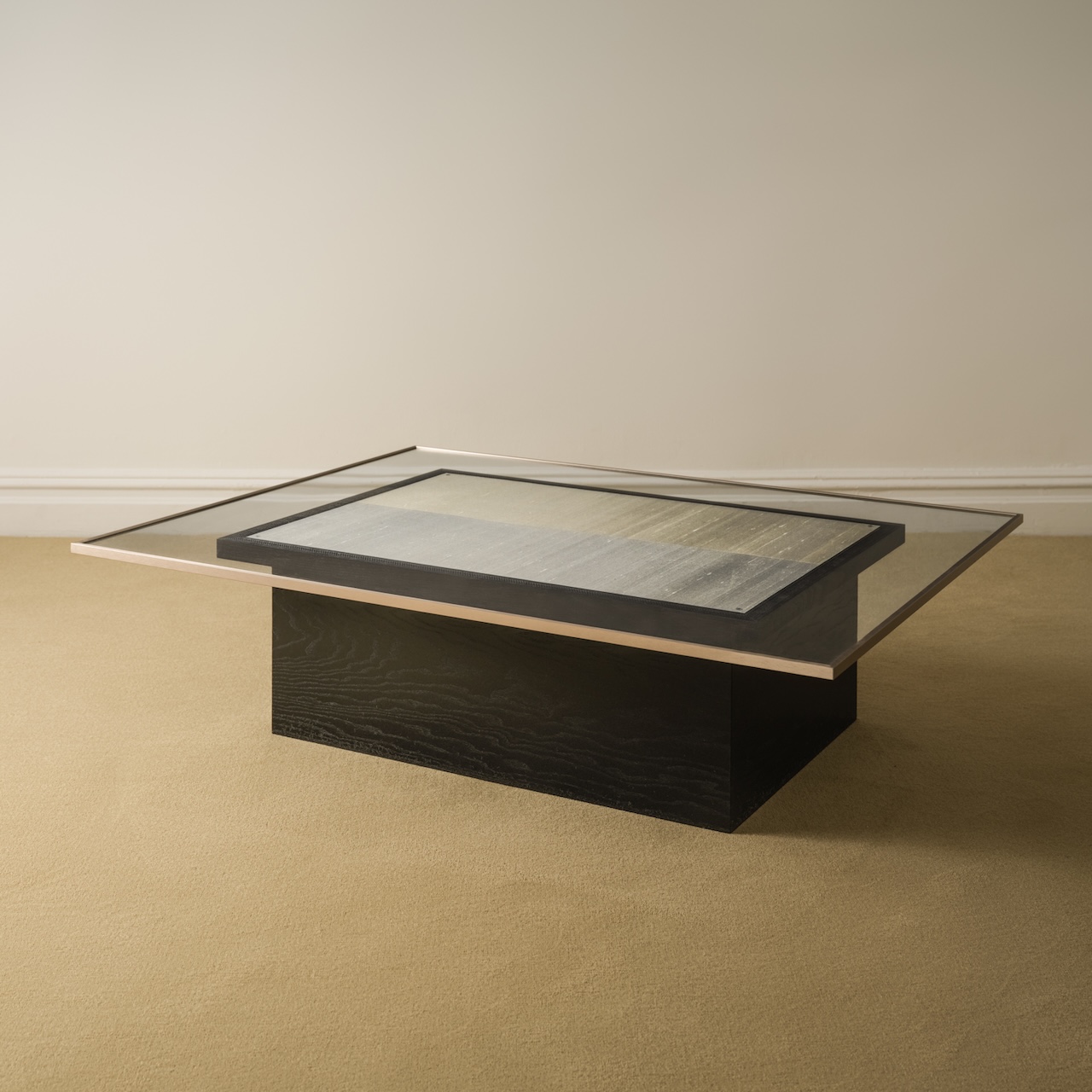
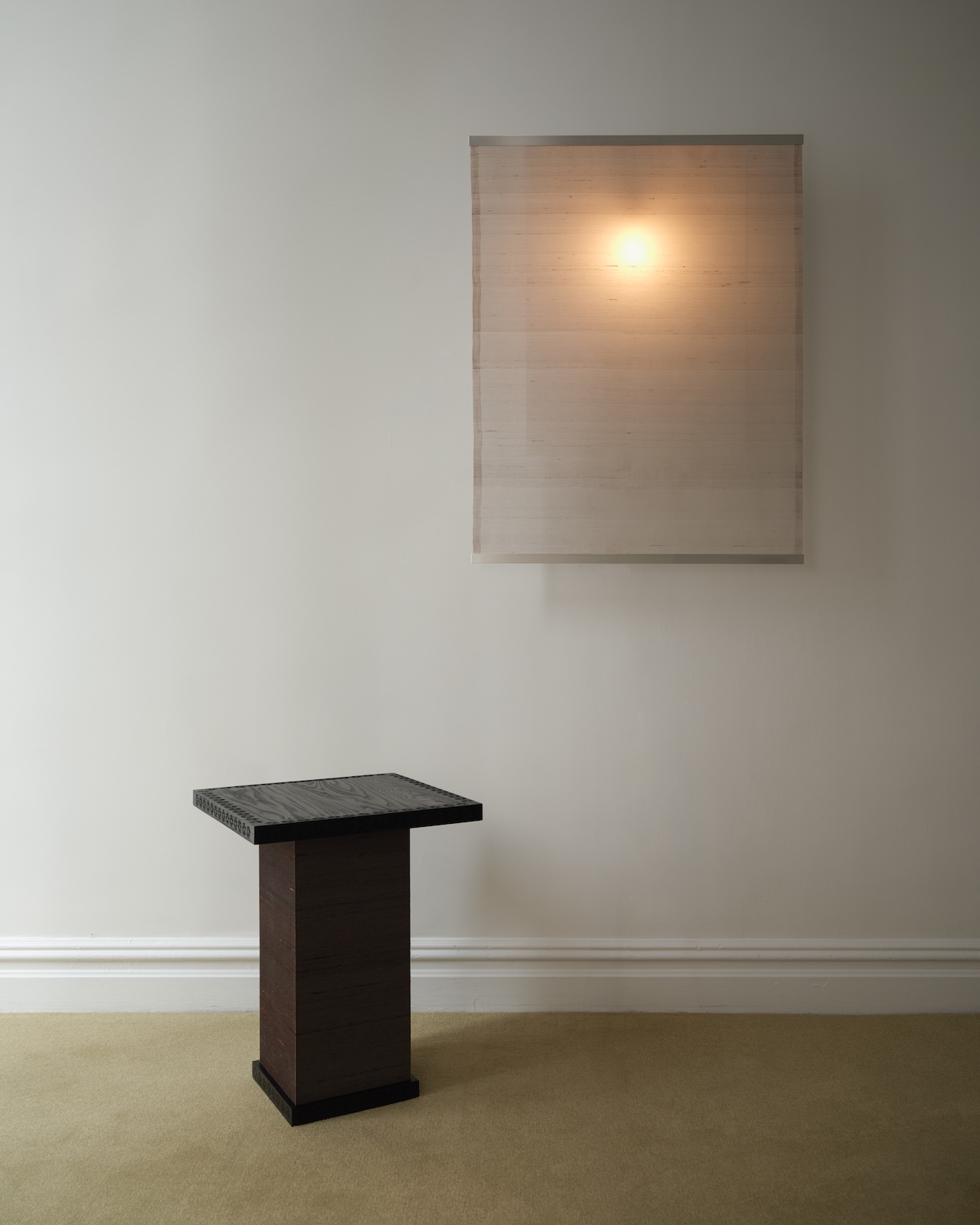
The exhibition takes its name from the Serbian word for silk and brings together SVILA Side Tables, Glass Coffee Tables, and Panel Lamps— each produced in two color variants. The collection is not about silk as decoration, but as a load-bearing material concept: something with structural and optical properties worth interrogating across different functional and sculptural object typologies. Known for an intuitive and tactile approach to design, Kraš considers how silk behaves in relation to wood, glass, and metal, allowing the material to shift from textile to atmosphere, surface, structure, and light.
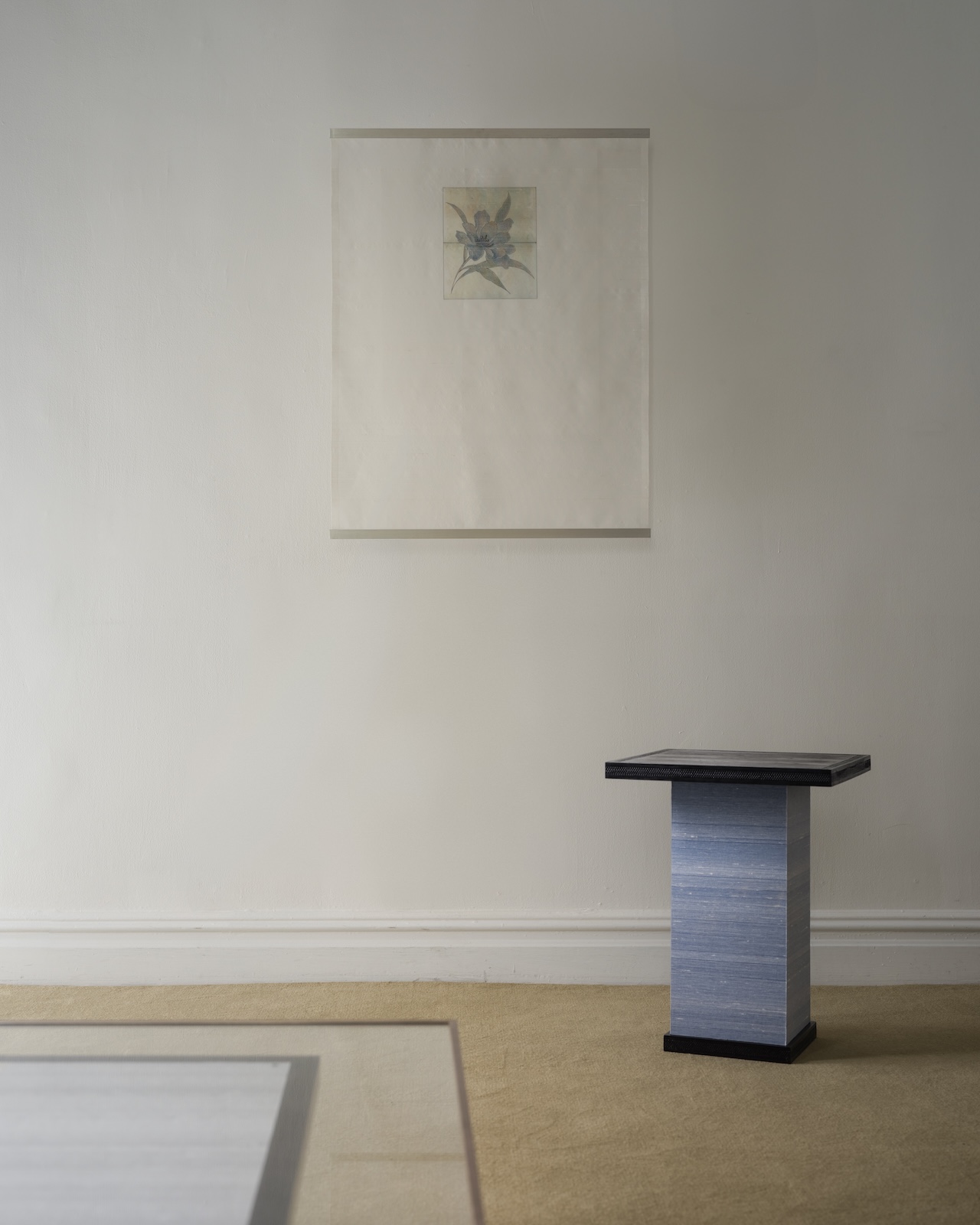
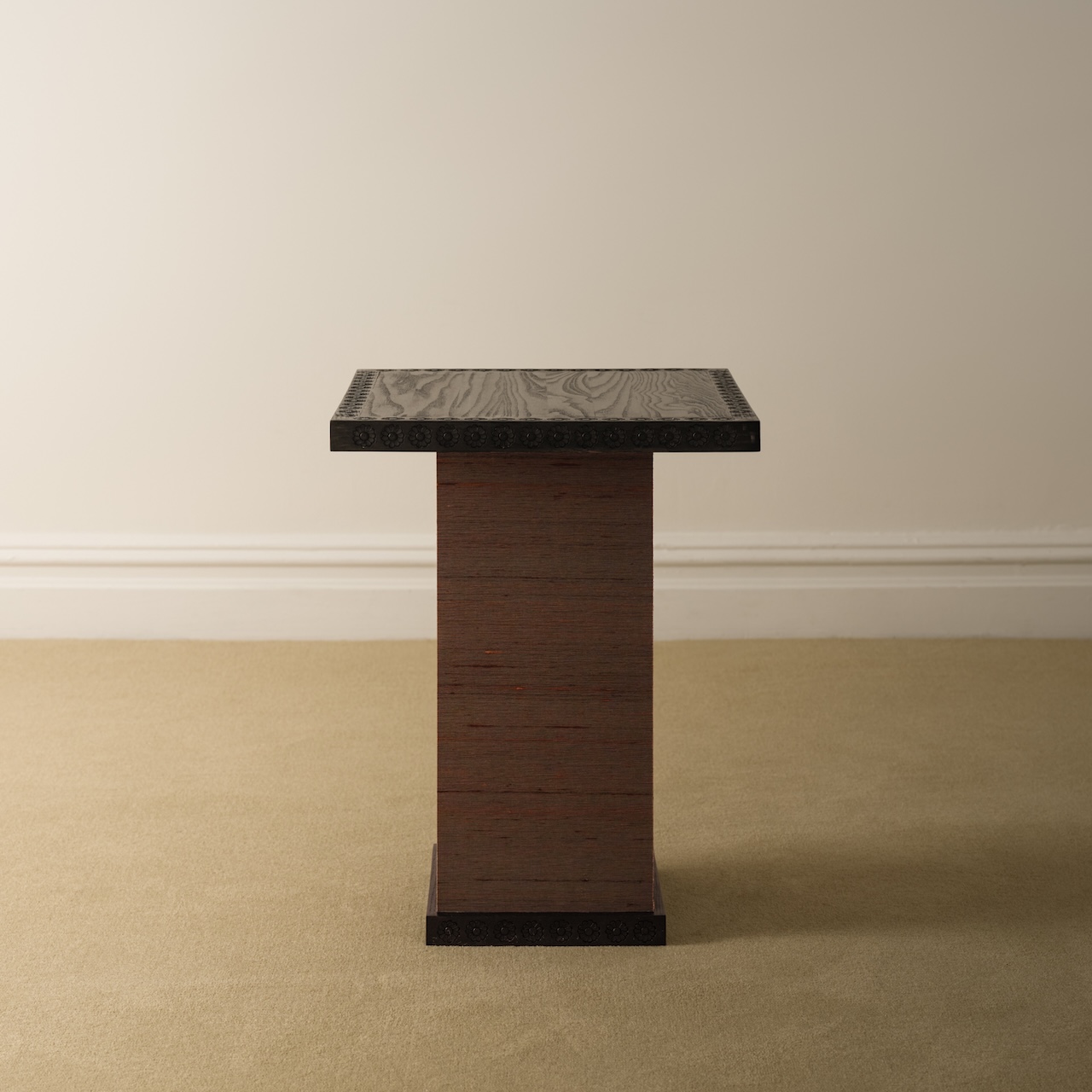
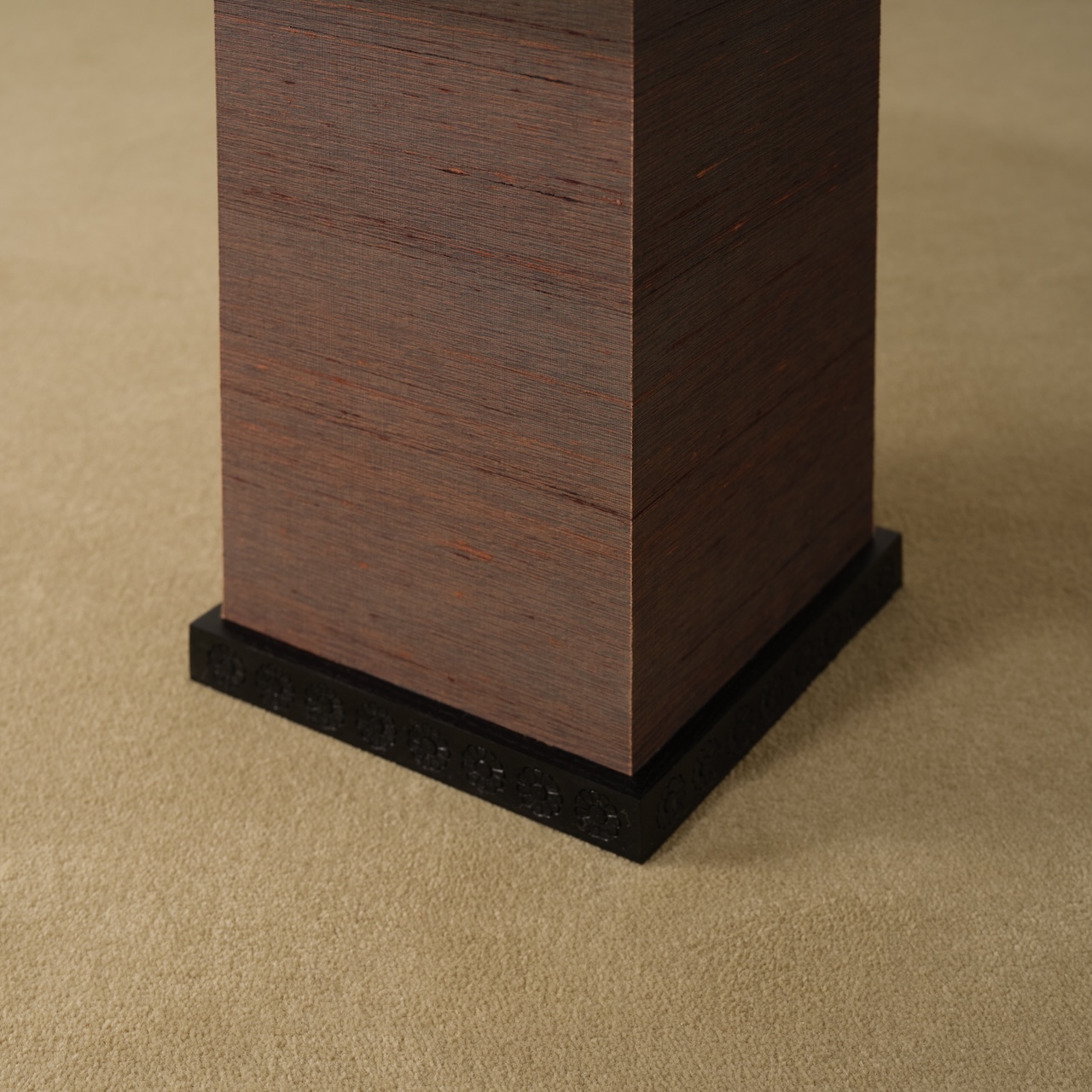
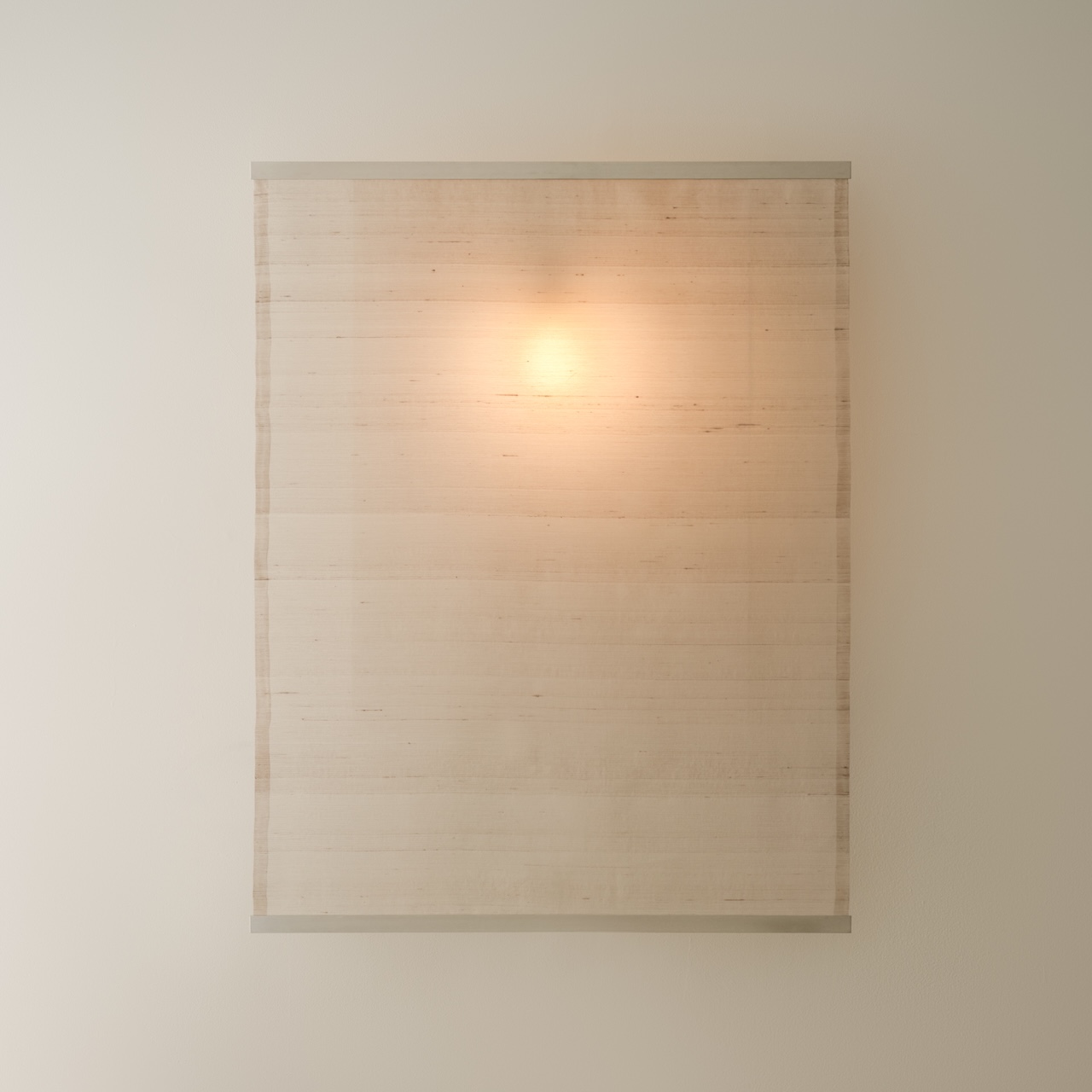
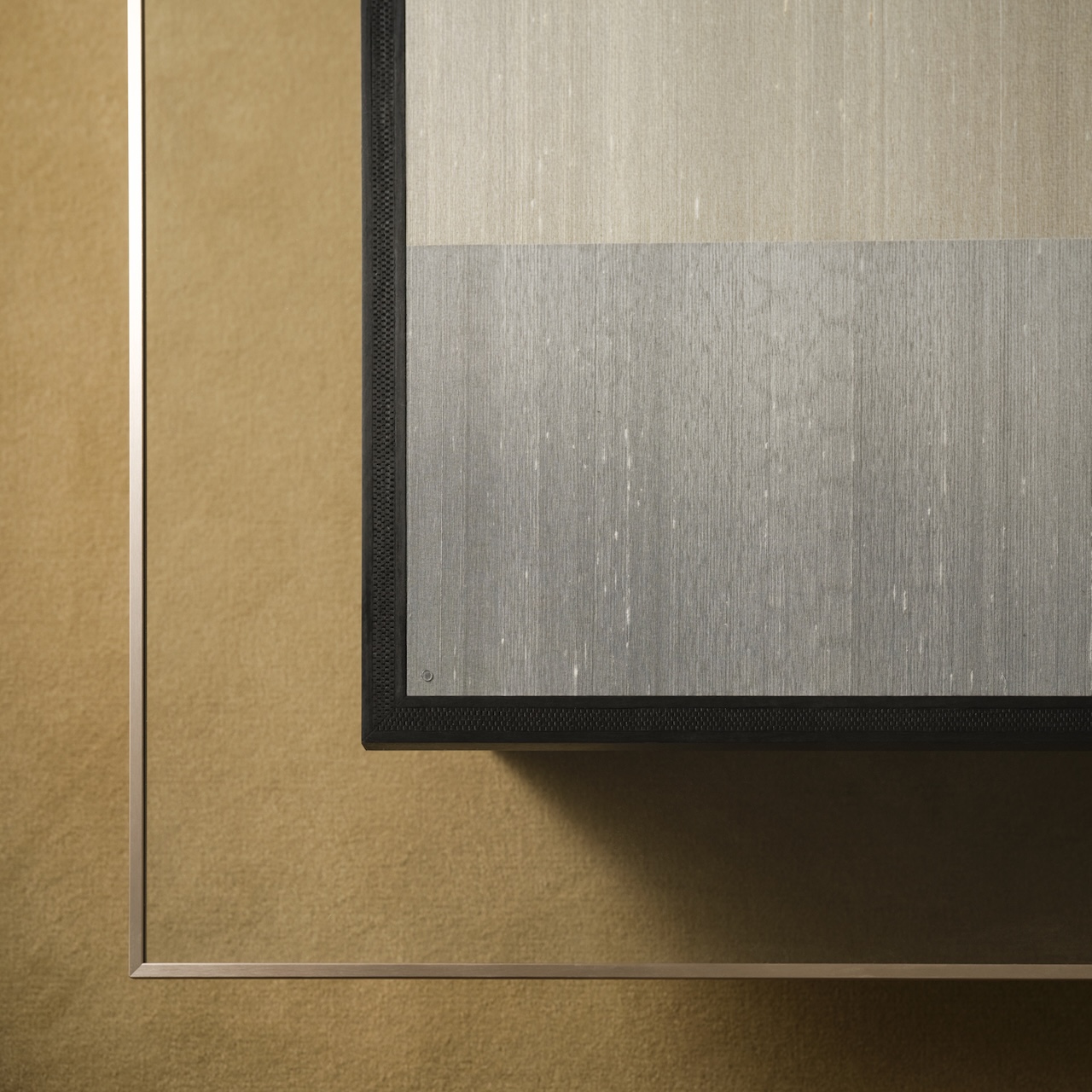
In the Panel Lamps, woven silk diffuses light through its irregular weave structure, making its texture visible as a luminous field rather than a surface. In the Glass Coffee Tables, a reflective top layer frames the silk beneath, compressing depth while introducing gloss and shadow. The Side Tables expose the material most directly, without mediation, emphasizing its raw and tactile qualities. Across all three, the same material reads differently — soft, glowing, tactile, mutable — depending on what surrounds it.
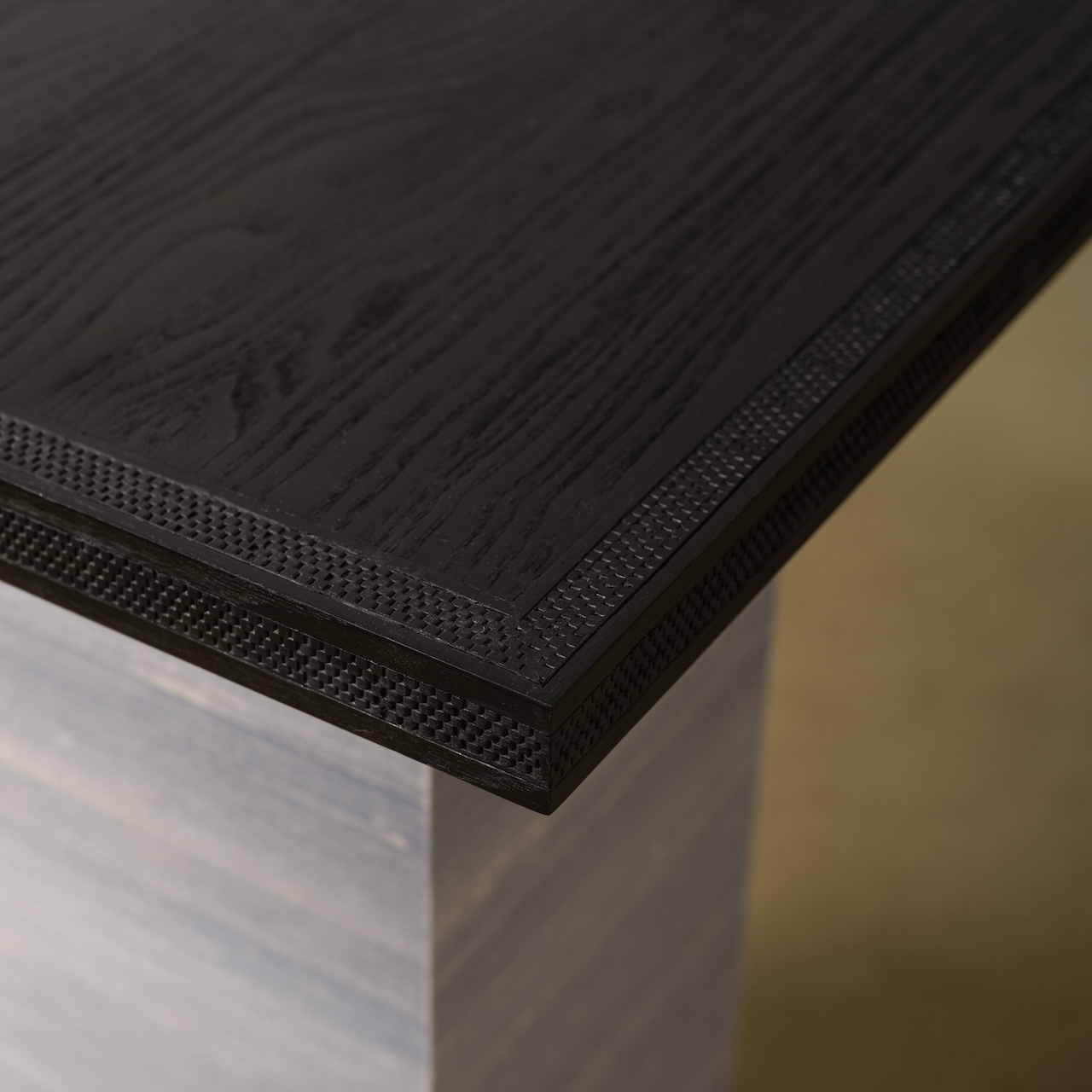
The hand-carved wood components throughout the collection were produced using a traditional Balkan technique, executed in collaboration with artisans in Bosnia who continue to practice a UNESCO-protected method. The carving lines the edges of both table styles, extending the exhibition’s interest in material behavior into another register of craft. Kraš has long been drawn to line as a formal device: her 2008 Bonbon lamp, which launched her international profile at Salone del Mobile while she was still a student of interior architecture and furniture design at the University of Applied Arts in Belgrade, was built from repeated yarn threads rendered into volumetric form. That throughline continues across her wider practice, from delicate linear drawings and large-scale oil-stick works to the extruded lines of her Mara furniture pieces.
Kraš developed this body of work in the weeks following the birth of her child, drawing on the psychological state of that period—the sensation of enclosure, softness, and quiet transformation—as a conceptual starting point. “In those early days, I felt suspended in a quiet, protective space—very much like being inside a cocoon—and I wanted to work from that feeling of softness, closeness, and transformation,” she says. This led her back to silk’s origin: the cocoon, a structure simultaneously protective and temporary, built for emergence. Silk is inherently about transformation. It begins as a secretion, becomes a fiber, and is woven into cloth.
During that period, she spoke exclusively in Serbian to her newborn, which drew her toward incorporating her cultural heritage more directly into the work. The Bosnian collaboration is the result: a decision that roots the collection in a specific craft geography rather than allowing it to float in the generalized language of artisanal production. UNESCO recognition for traditional Balkan woodcarving techniques acknowledges a practice under real pressure from industrialization; embedding it in functional objects sold through a gallery gives it both visibility and continued use.
That cultural specificity is especially resonant within Kraš’s broader career, which has moved across cities, disciplines, and scales. Her practice spans furniture and interiors, photography, fine art, set design, fashion, textiles, ceramics, and creative direction, yet it remains recognizable through a spontaneous sensibility, simple forms, and an unexpected approach to color. With SVILA, those instincts are distilled into a collection that feels both deeply personal and materially precise. Silk becomes less an embellishment than a way of thinking about time, care, inheritance, and change.
To learn more about the designer and maker, visit emmascullygallery.com.
Photography by Joe Kramm.