
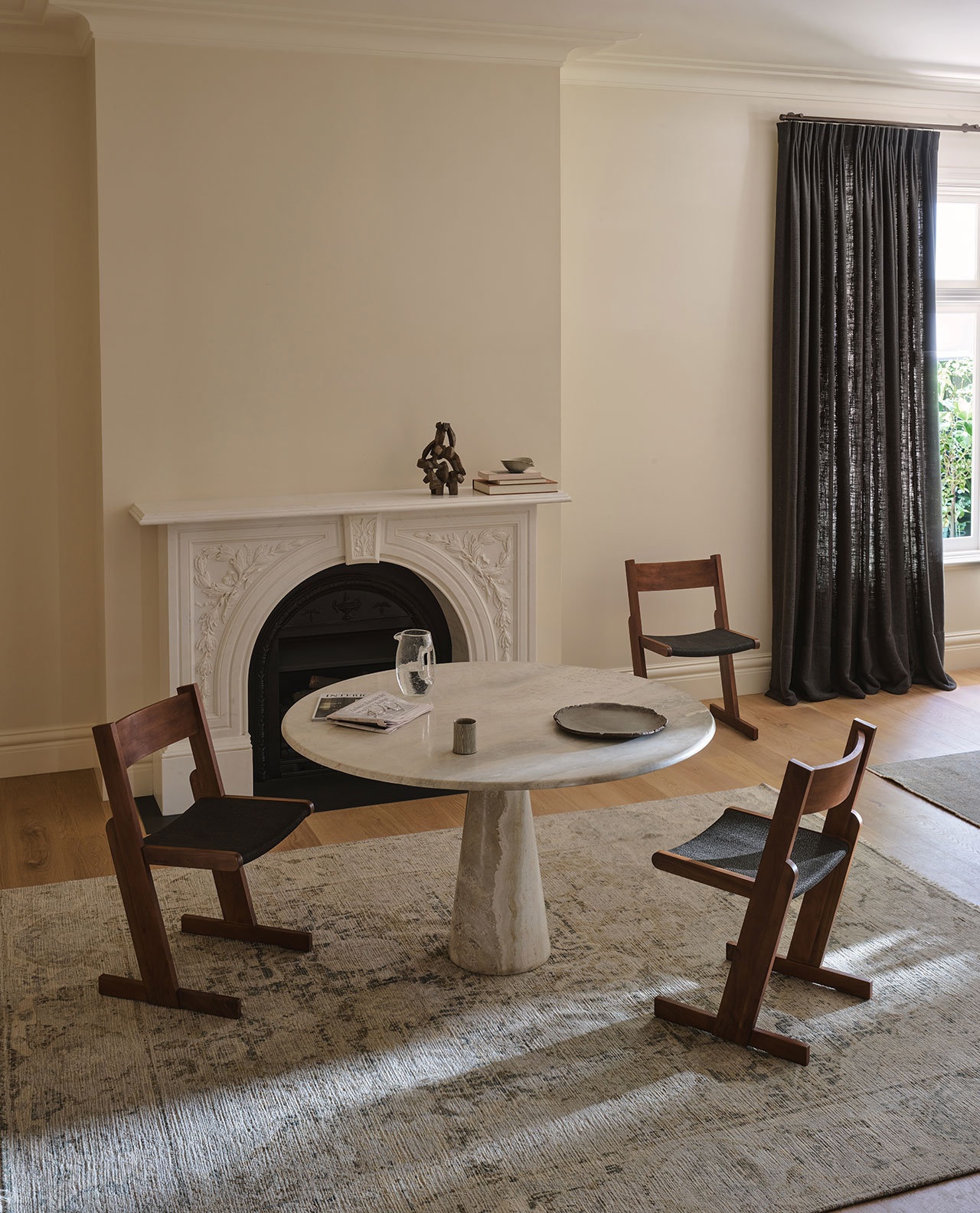
Humans are innately talented at pattern recognition. Our ancestors memorized colors, shapes, and formations that suggested good food, safe shelter, a suitable mate, and––more often than not––life-or-death decisions. Now, with a bit more distance from that immediacy, we apply those same neurological pathways to quieter pursuits: reading texture, sensing rhythm, finding meaning in material. The Linea Collection from female-founded Australian brand Armadillo marks the company’s first true exploration of pattern—less as overt decoration and more as something that emerges through process. The launch of the collection concides with chef and food stylist Romilly Newman, interior styling debut at the brand’s new New York flagship.

Rather than drawing a hard line between past and present, Linea operates in the space between. The collection approaches traditional rug motifs with sensitivity and restraint, allowing pattern to surface gradually through touch, material, and making. Persian-inspired designs begin as mapped drawings before being translated to the loom and reinterpreted by hand with each iteration softening edges, shifting proportions, and settling color into something more lived-in.

Armadillo has long celebrated the natural variation inherent to fiber, working with the idiosyncrasies of material. Here, that philosophy deepens. Pattern is revealed, shaped by oxidization, tonal depth, and the subtle irregularities of handcraft ready to embrace modern living.

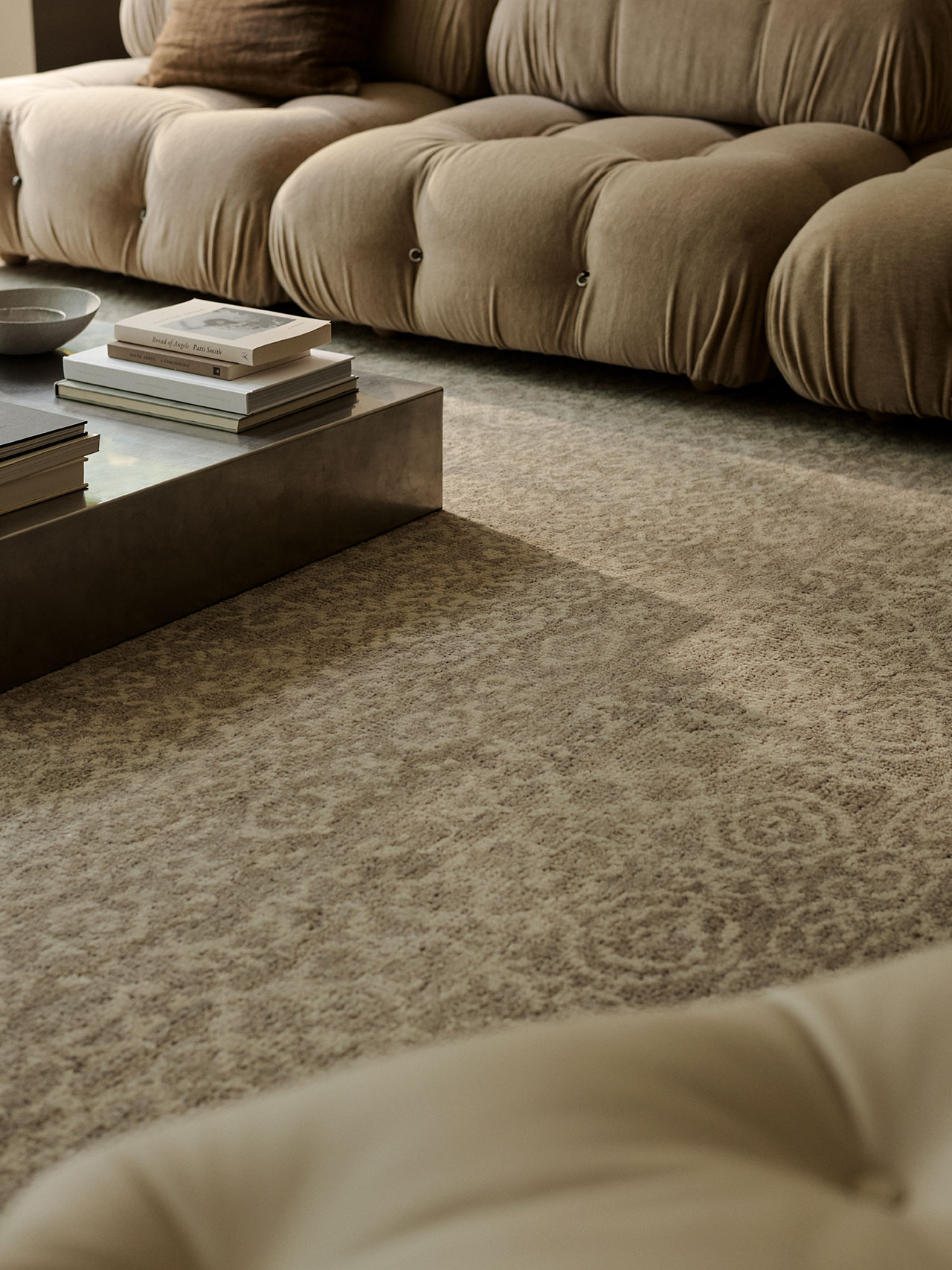
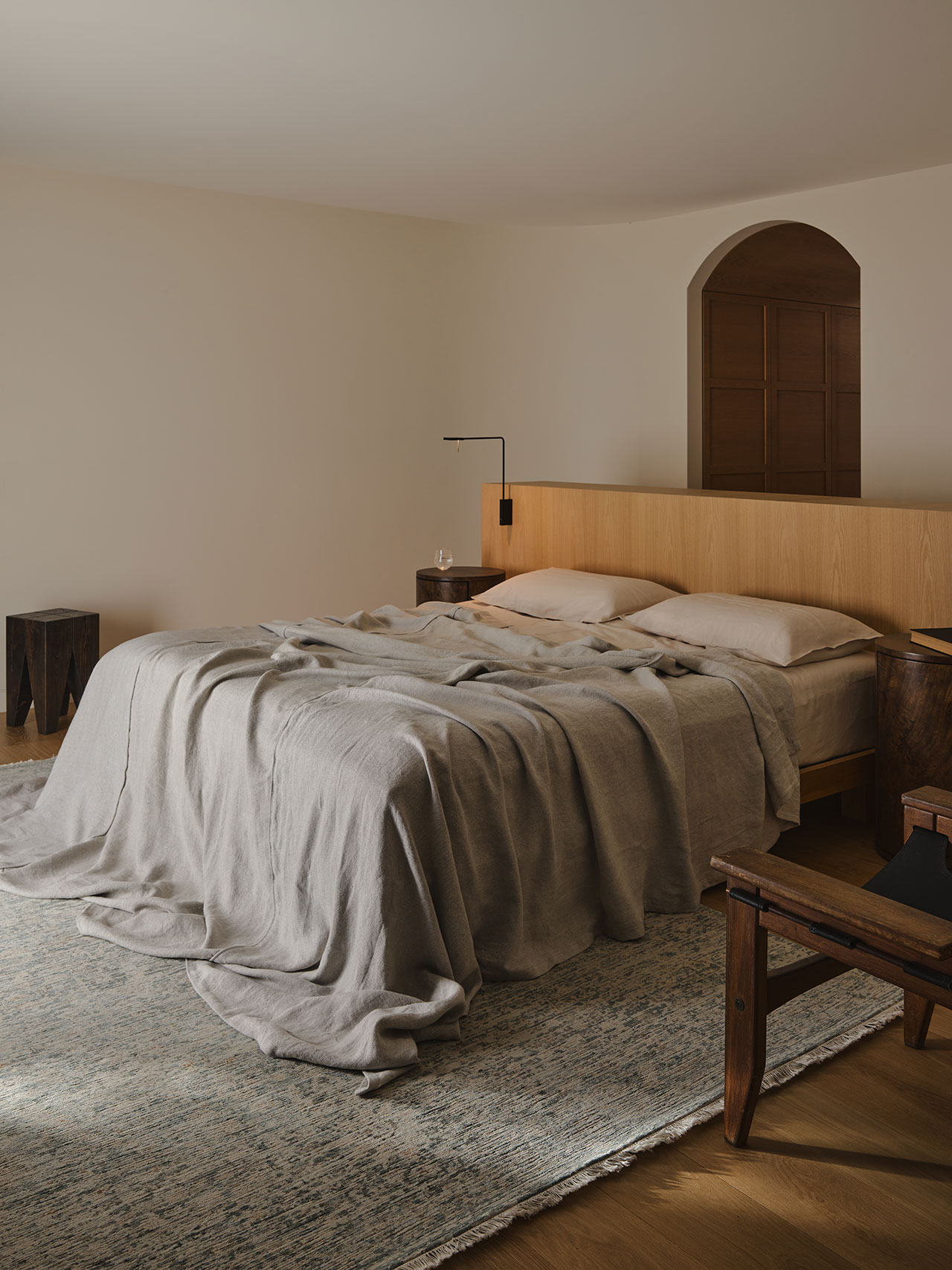
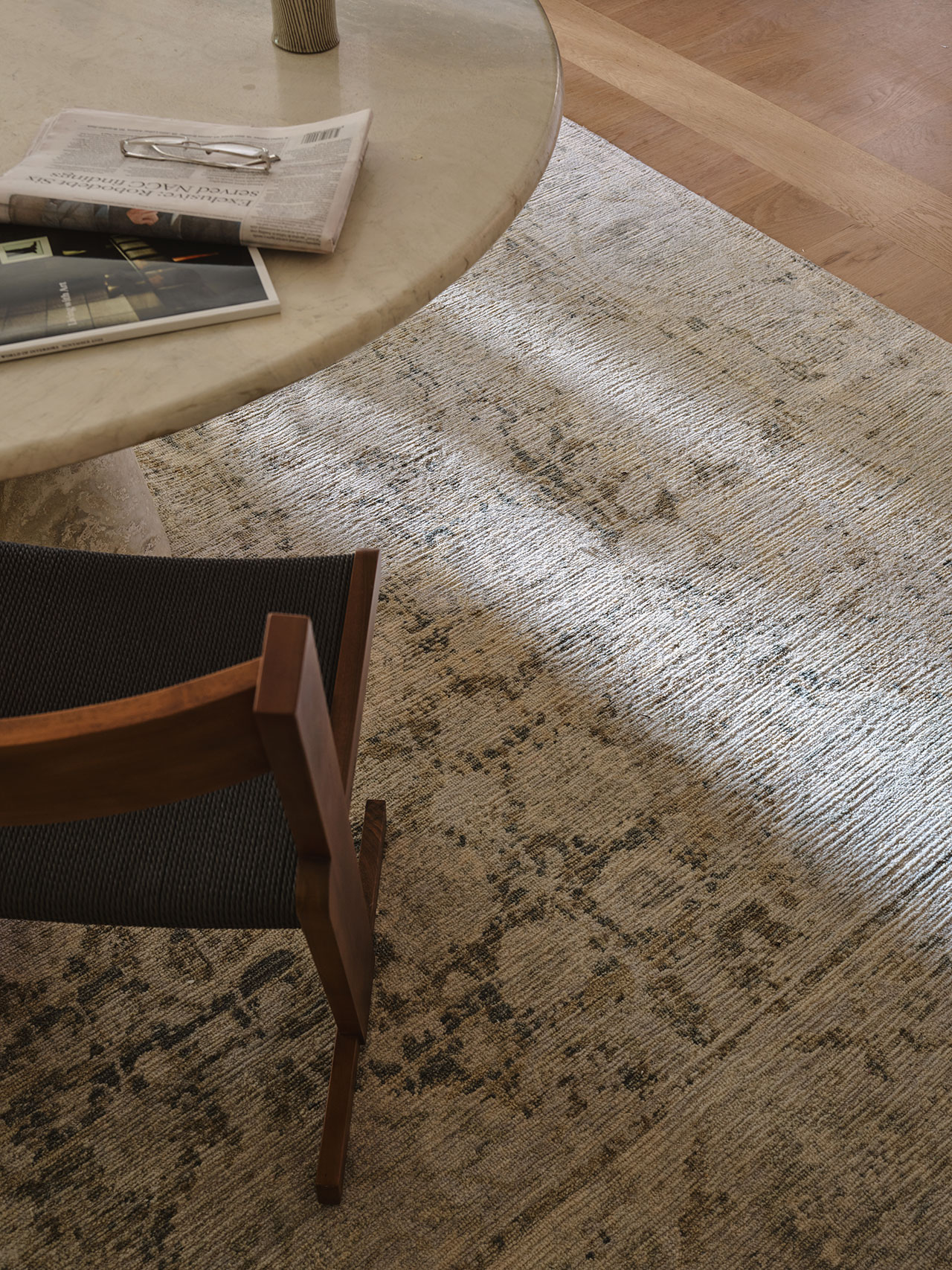
In Sonata, hand-spun Afghan wool carries the composition, its natural striations allowing pattern to appear slowly, then all at once. A lower knot count and fine pile create a supple, almost grid-like texture, where motifs fade in and out without settling into a single, fixed reading. Rendered in nuanced palettes like Plume and Wisp, the rug feels atmospheric.

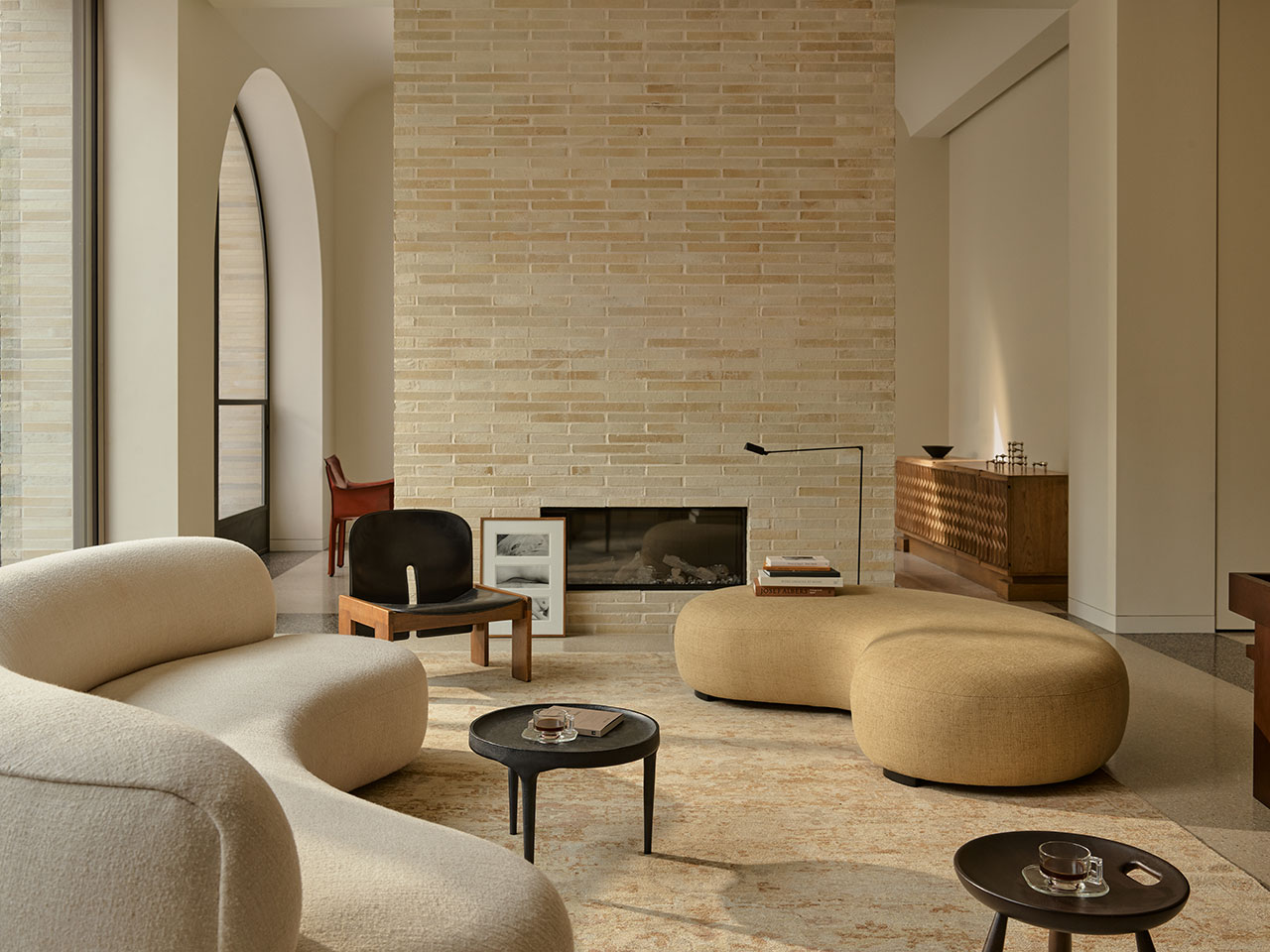
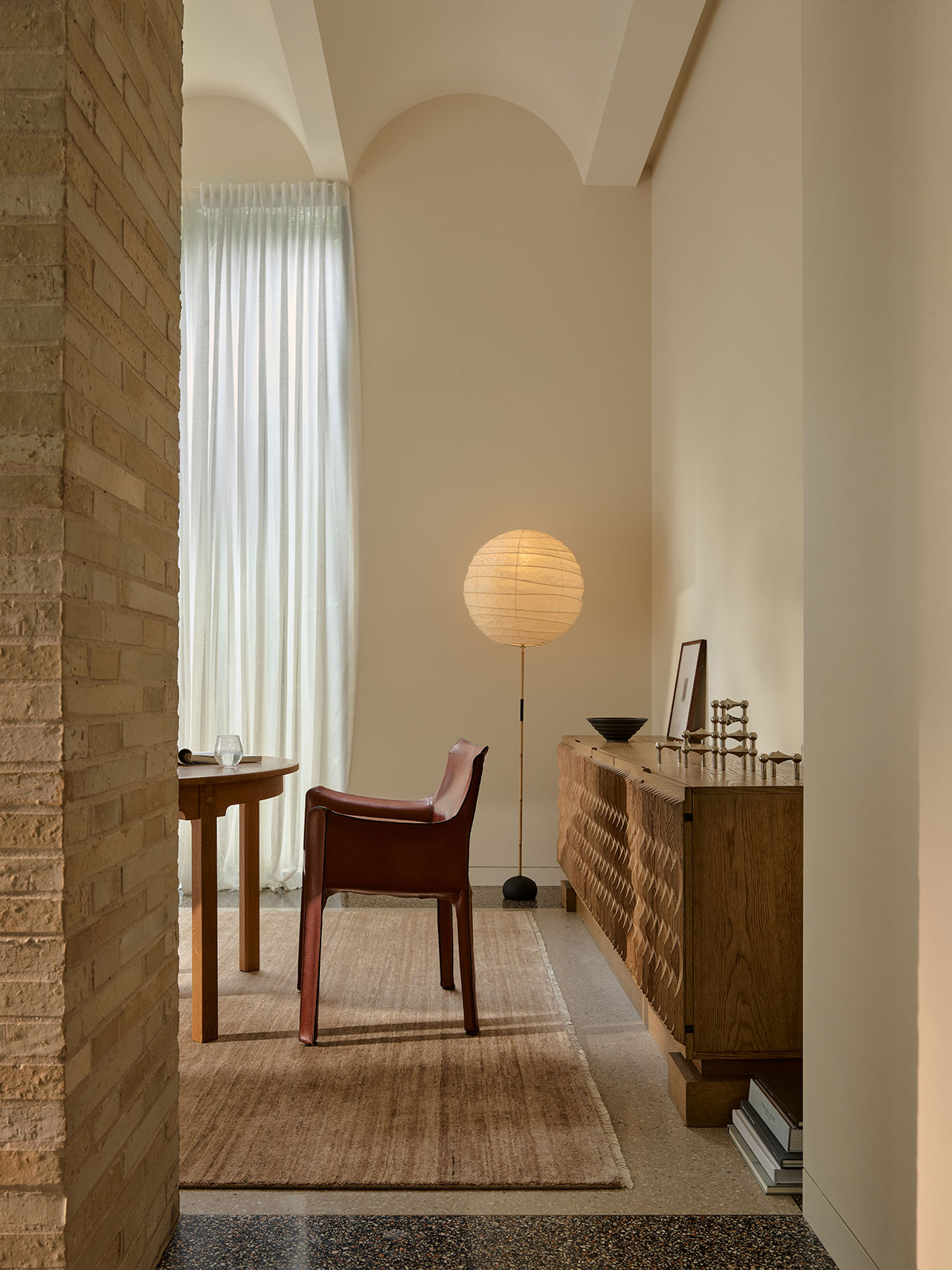
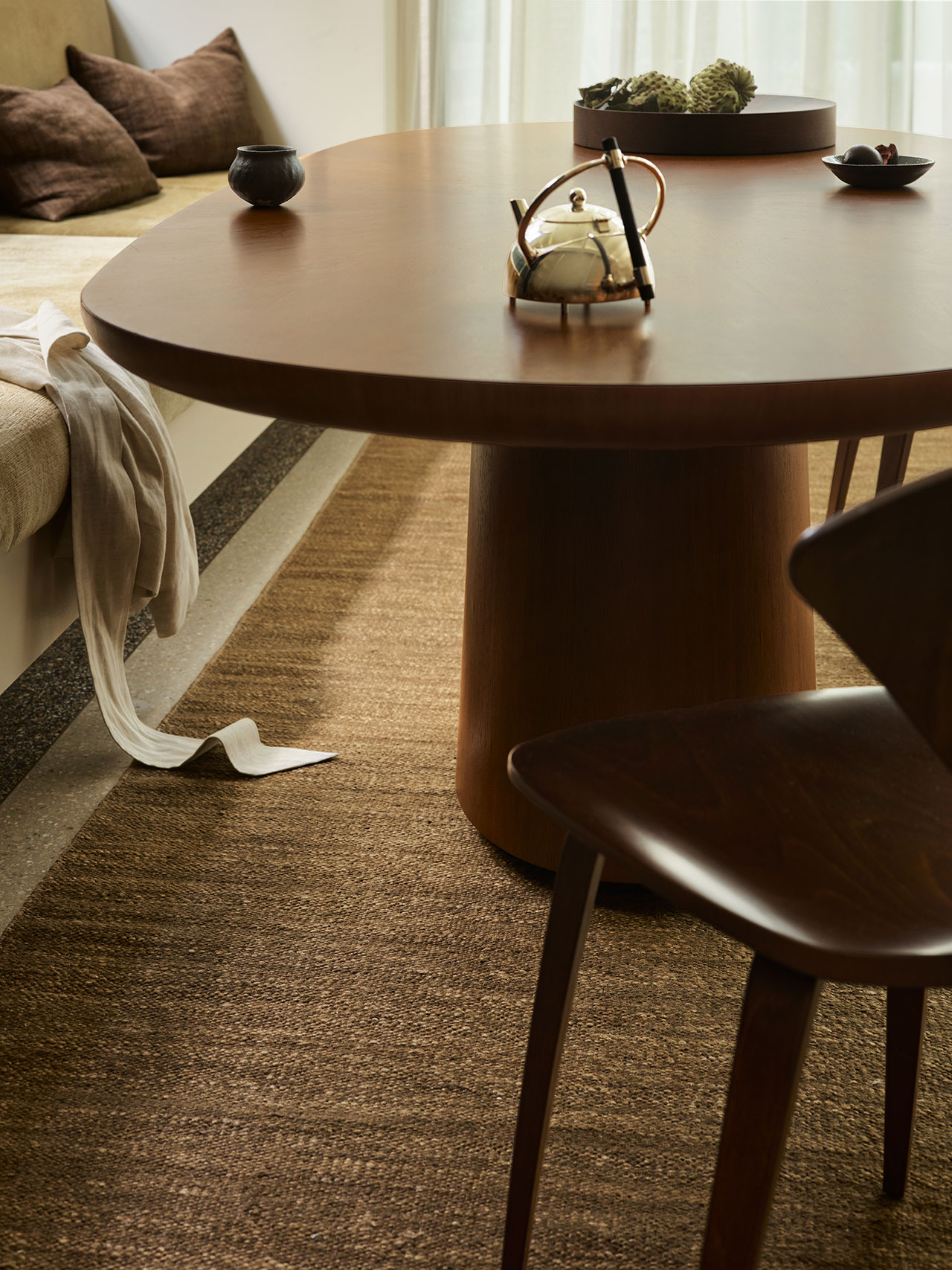
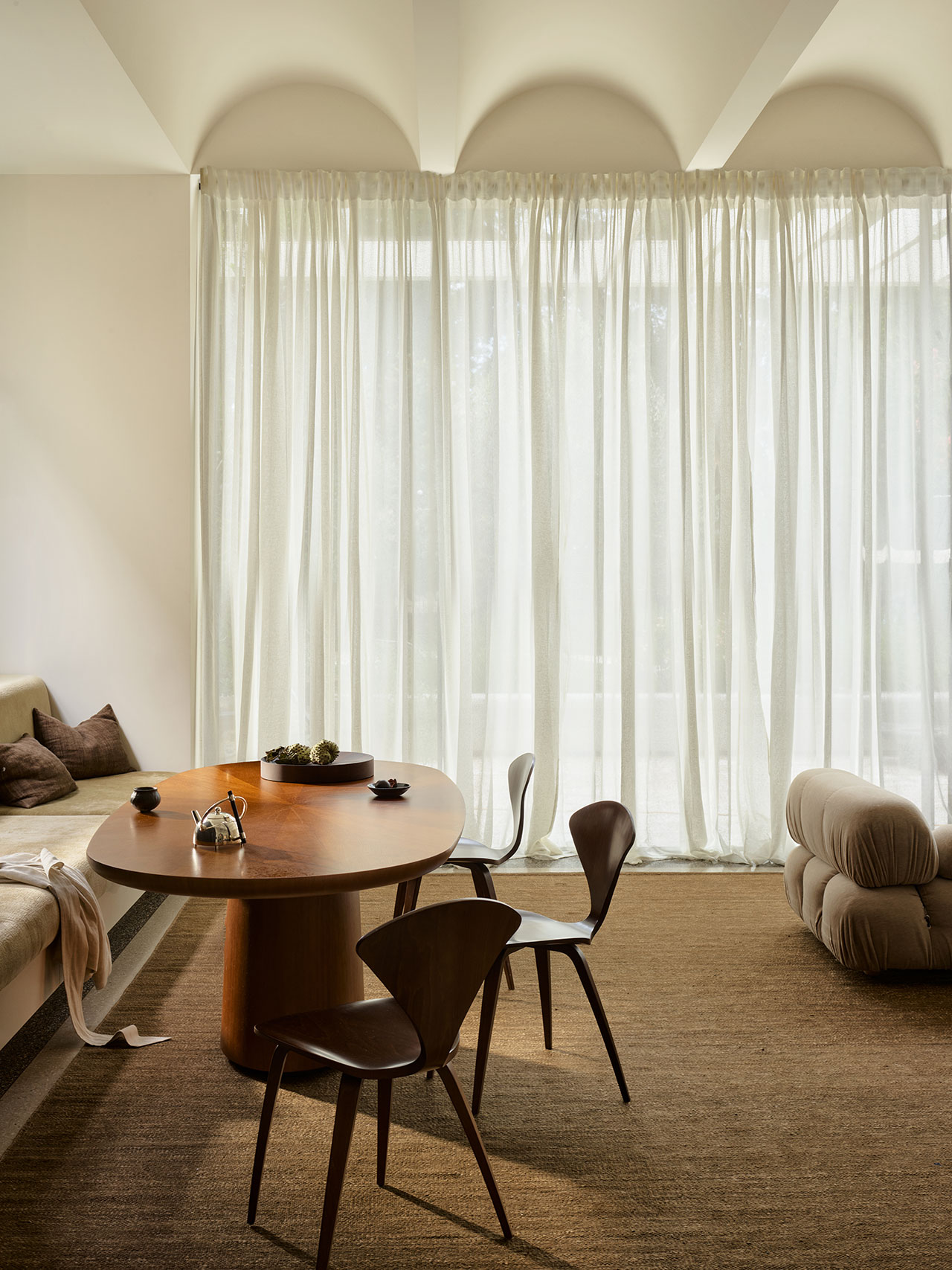
Odessa, seen here in Partridge, extends this language of quiet variation. A perennial design within Armadillo’s repertoire, its surface is defined by organic striations that ensure no two pieces are exactly alike. New tonal inflections—Partridge, Banksia, and Travertine—bring renewed clarity to the form.


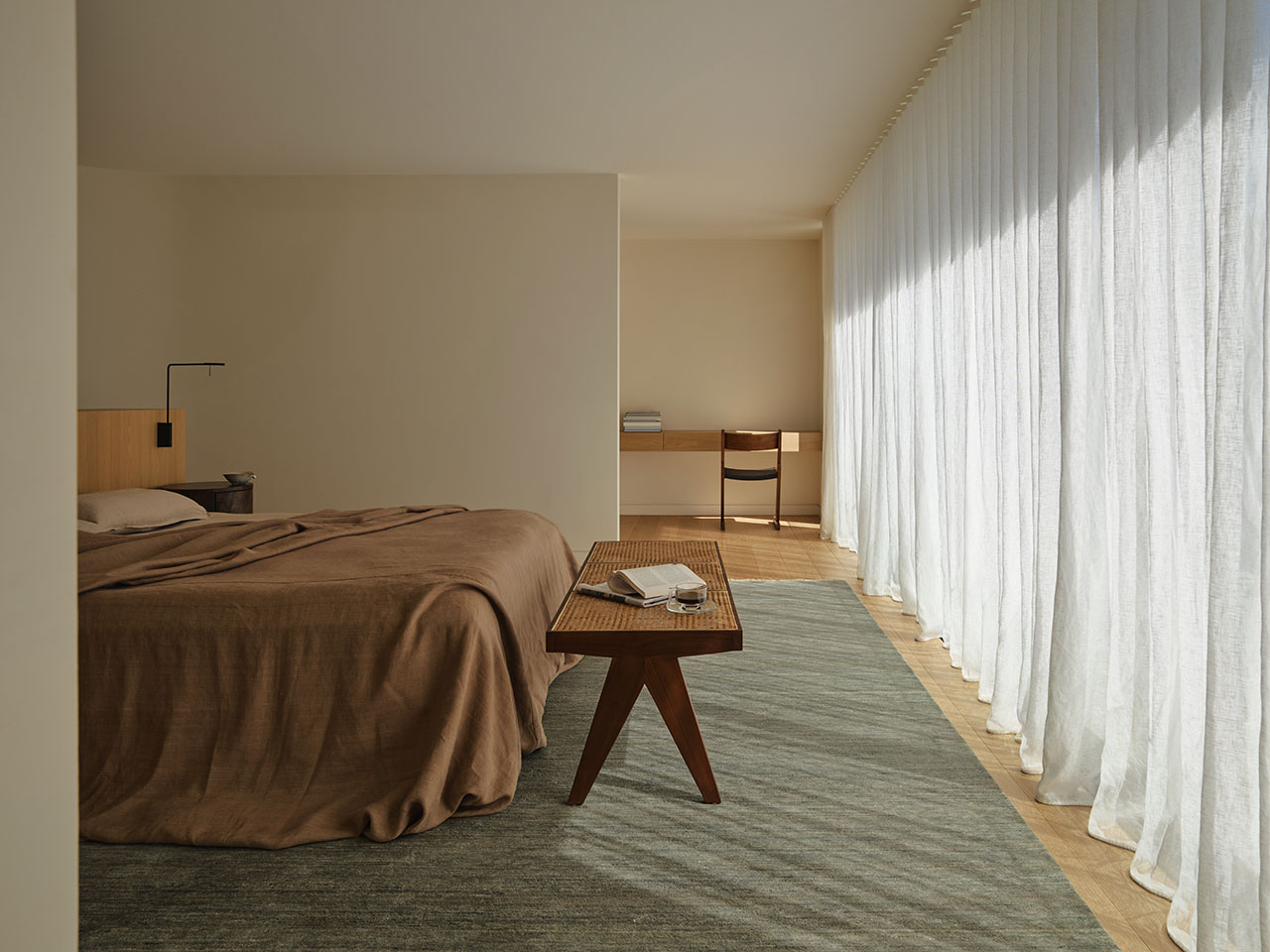
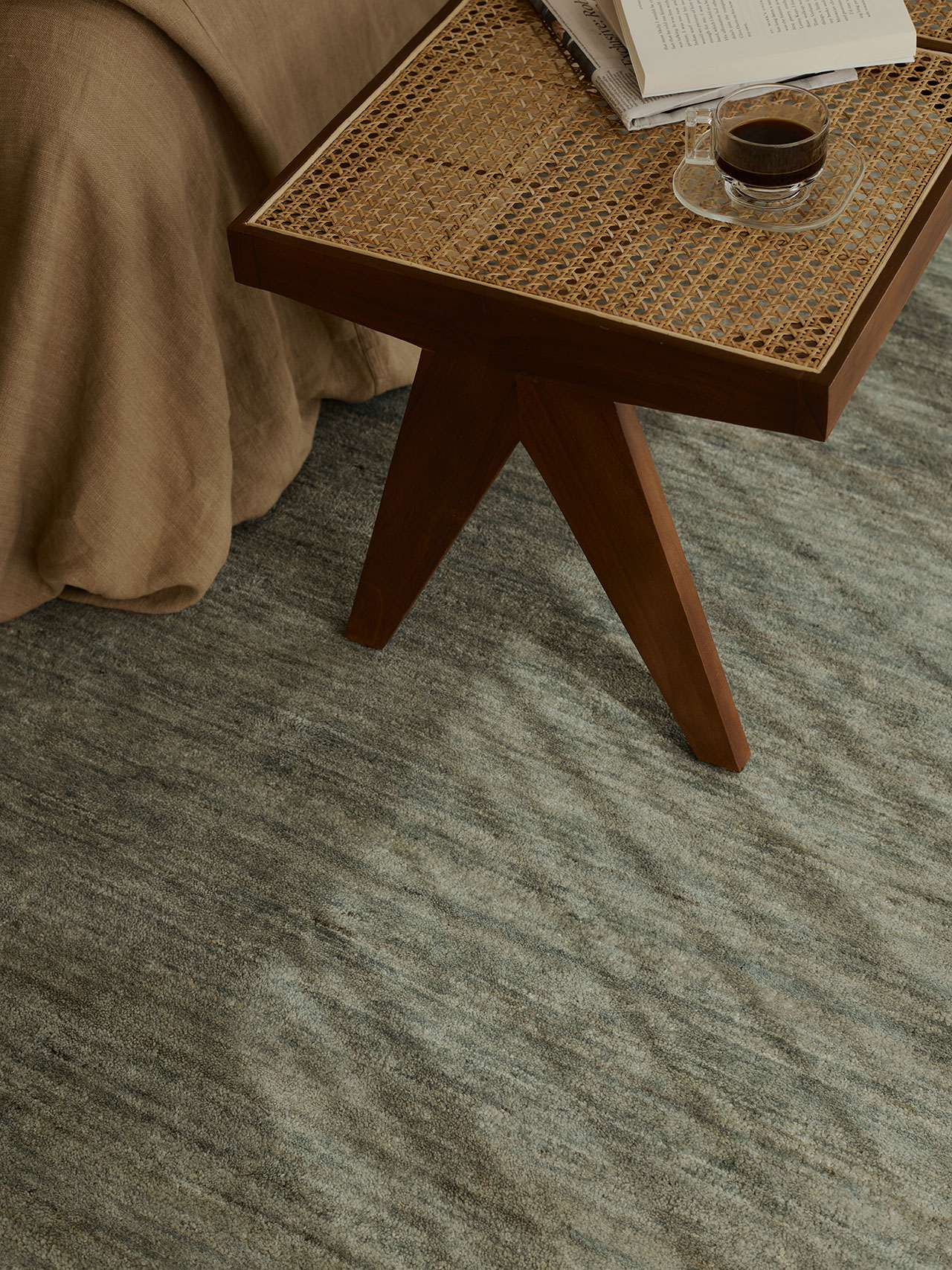
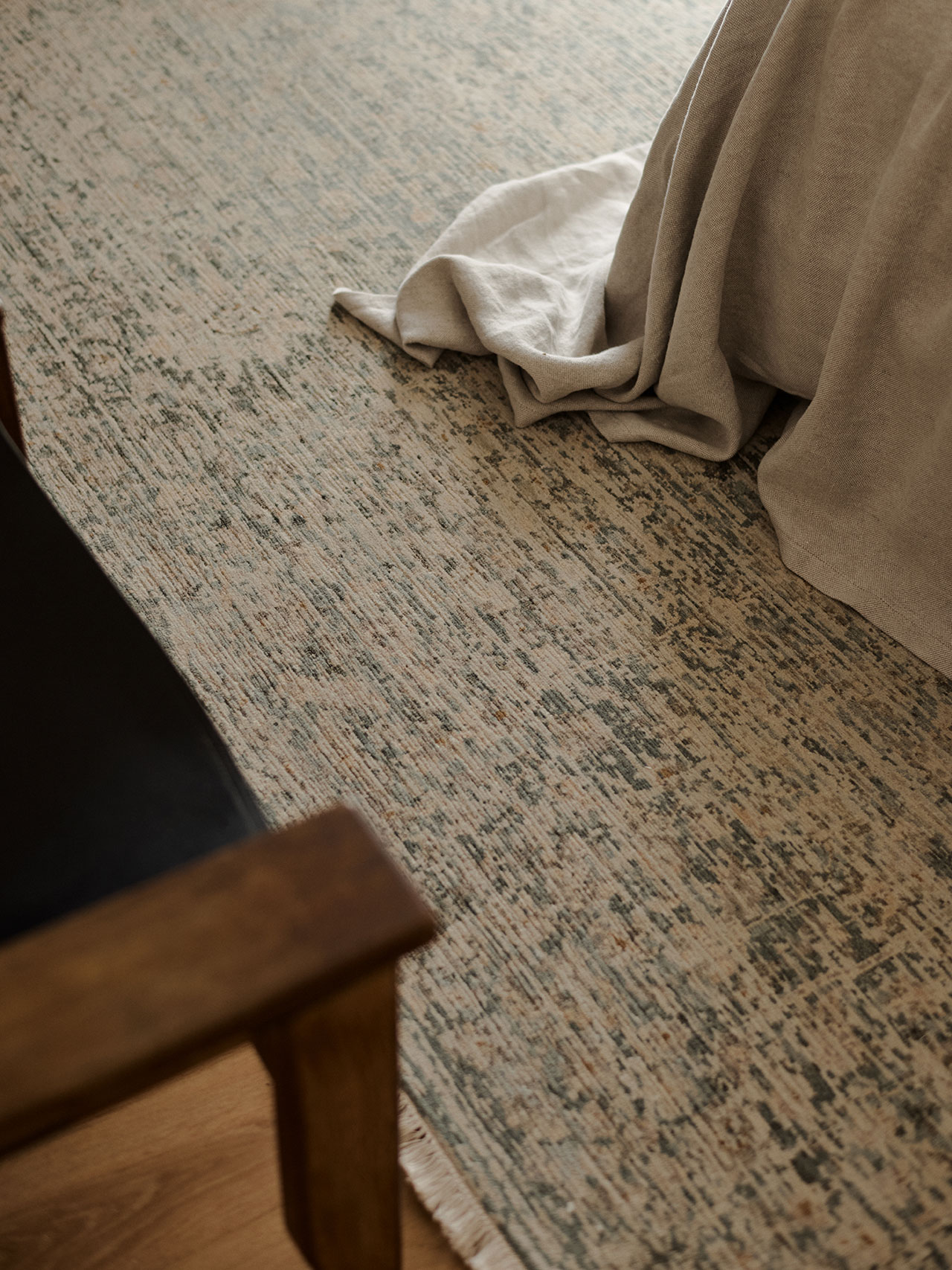
In Minuet, shown in Skylark, pattern gives way to surface. Linear clipping introduces a gentle ripple across the cut pile, creating movement that reads as rhythm rather than repetition. The subdued interplay of blues, greens, and warm undertones feels almost incidental as if the composition has settled into place naturally.

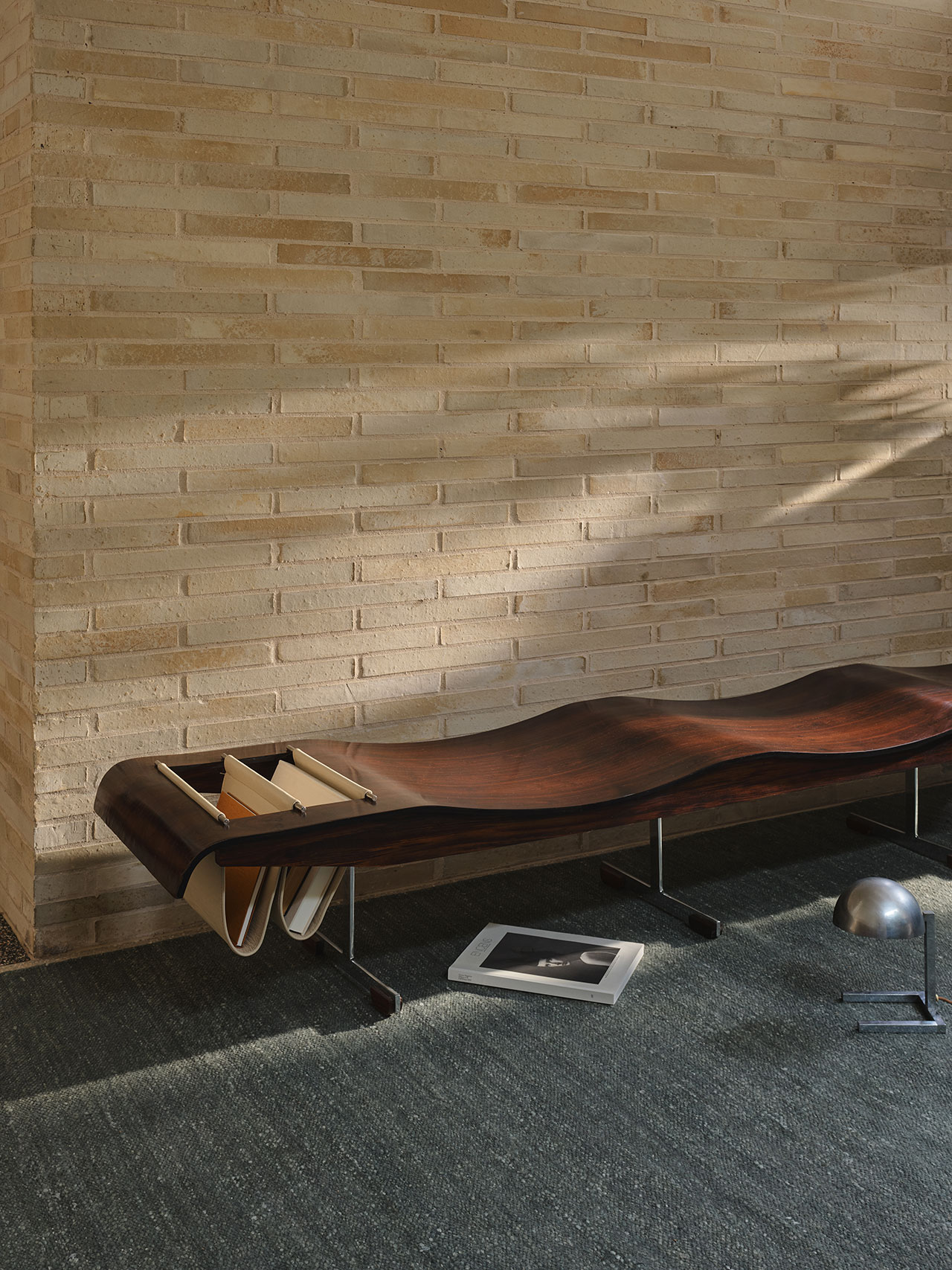
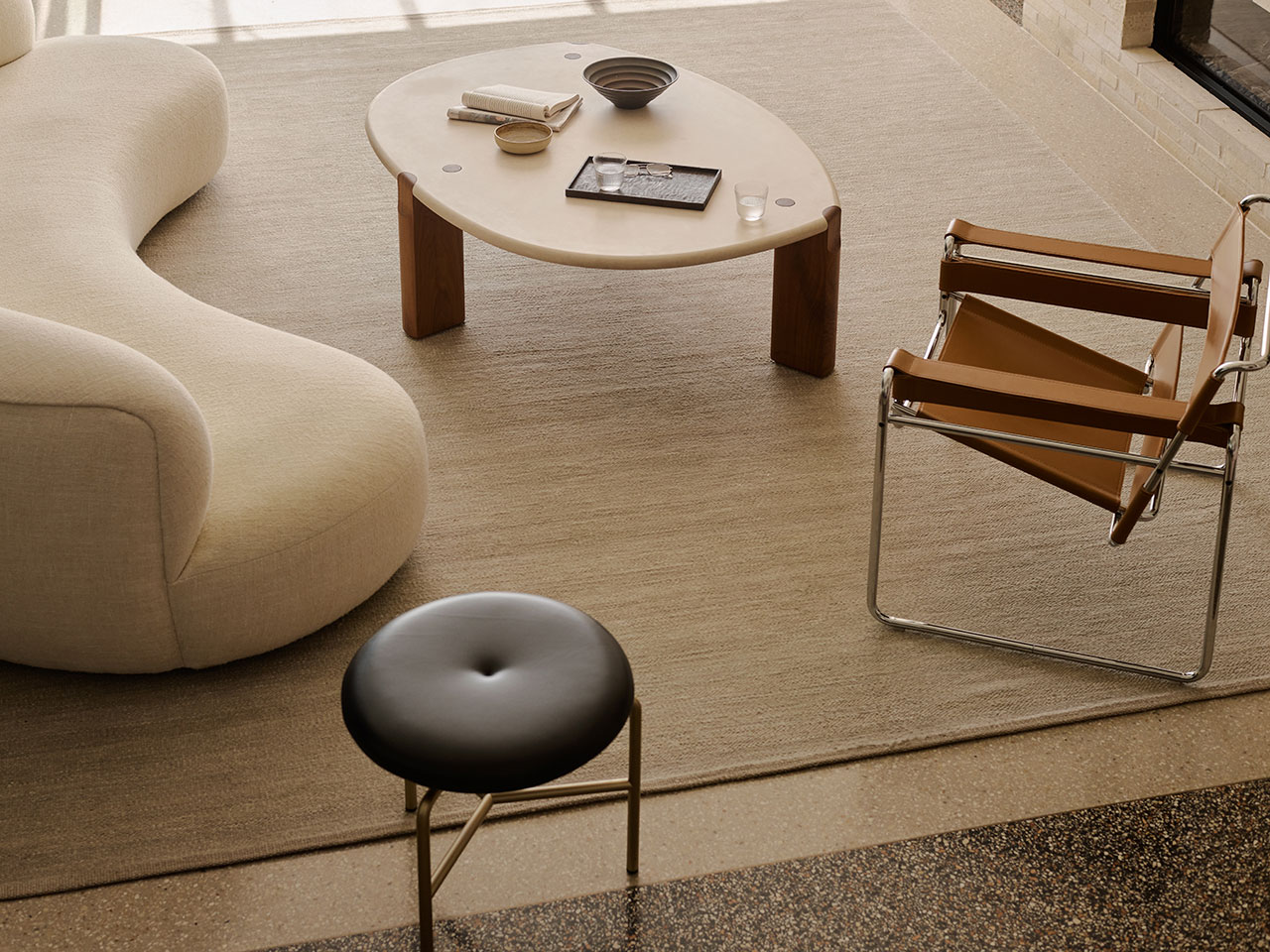
Latitude marks a distinct material departure as Armadillo’s first rug crafted entirely from linen. A fine flat-weave construction lends the piece a quiet dimensionality, with hand-spun yarns rising and falling in subtle relief. Derived from flax, linen introduces a lightness and refinement that feels almost architectural—its slim profile and restrained palette designed for interiors that privilege clarity as much as comfort.


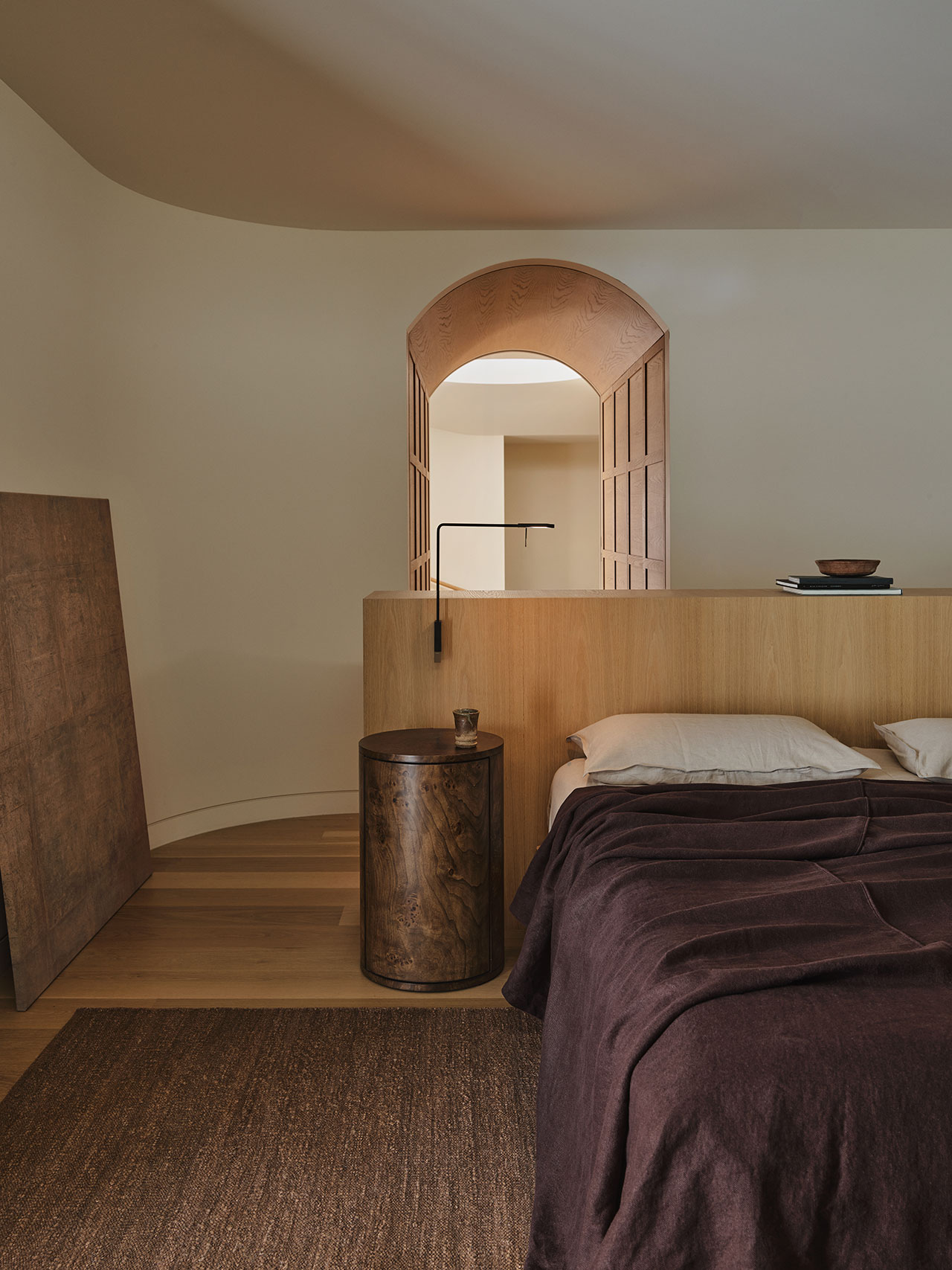
The faintest echoes of tradition surface in Basilica, a contemporary meditation on the medallion rug. Hand-knotted from wool on a cotton warp, its low, lightly textured pile and nuanced green undertones reward a closer look. Neither fully historic nor entirely modern, it occupies a grounded middle space.


Across the collection, Linea resists nostalgia in favor of relevance. These rugs are pieces to be lived with carrying classic patterns forward, gently transformed, and recontextualized for how we inhabit space today.


To quote Armadillo’s sentiment, “our rugs lie lightly on this earth.” As the first Australian and American rug maker to achieve B Corporation certification, the brand approaches circularity as a holistic practice that considers material sourcing, craftsmanship, and long-term impact in equal measure. True change, as Linea suggests, happens through careful, cumulative shifts, where philosophy meets the tangible and where tradition is allowed to evolve.
To learn more about this and other collections by the brand, visit armadillo-co.com.
Photography courtesy of Armadillo.