Photography by Matlhatsi Mogalanyane[/caption]
Meetlo Studio takes familiar objects—a wine rack, a server—and gives them new forms rooted in South African culture and tradition. “We try to express our work through our African narrative and our cultural customs," Manana explains. "Our name means ‘customs and traditions.’ So our inspiration is drawn from how our indigenous people used to do things, and also the environment that is around us.”
[caption id="attachment_609084" align="alignnone" width="800"]
Photography by Matlhatsi Mogalanyane[/caption]
Meetlo Studio takes familiar objects—a wine rack, a server—and gives them new forms rooted in South African culture and tradition. “We try to express our work through our African narrative and our cultural customs," Manana explains. "Our name means ‘customs and traditions.’ So our inspiration is drawn from how our indigenous people used to do things, and also the environment that is around us.”
[caption id="attachment_609084" align="alignnone" width="800"] Meetlo Studio at Maison&Objet, September 2026. Photography by Anne Emmanuelle Thion.[/caption]
One example is the Abadimu server, whose name means “for the ancestors.” Manana says his ancestors are a source of wisdom and inspiration, but function remains central to the studio’s work, even when a piece incorporates elaborate carving or unexpected forms.
Everything, including the carving, is done in-house, giving the studio greater control over how those ideas take shape.“We can control the narrative and have that uniqueness to it," he says. "We can translate our story exactly as we want to envision it.”
Meetlo Studio at Maison&Objet, September 2026. Photography by Anne Emmanuelle Thion.[/caption]
One example is the Abadimu server, whose name means “for the ancestors.” Manana says his ancestors are a source of wisdom and inspiration, but function remains central to the studio’s work, even when a piece incorporates elaborate carving or unexpected forms.
Everything, including the carving, is done in-house, giving the studio greater control over how those ideas take shape.“We can control the narrative and have that uniqueness to it," he says. "We can translate our story exactly as we want to envision it.”
 Photography by Anne Emmanuelle Thion[/caption]
For Maison&Object 2026, Studio Lloyd presented a new line of smaller, more residential-focused pieces. Ashleigh Lloyd is better known for large-scale, high-impact work for hospitality spaces, including lodges and resorts. Her sculptural seating and lighting are made from aluminum, stainless steel, and synthetic rope that is UV-protected, weather-resistant, and built to last. Now, she’s looking toward the residential market with limited-edition table and pendant lamps.
[caption id="attachment_609087" align="alignnone" width="800"]
Photography by Anne Emmanuelle Thion[/caption]
For Maison&Object 2026, Studio Lloyd presented a new line of smaller, more residential-focused pieces. Ashleigh Lloyd is better known for large-scale, high-impact work for hospitality spaces, including lodges and resorts. Her sculptural seating and lighting are made from aluminum, stainless steel, and synthetic rope that is UV-protected, weather-resistant, and built to last. Now, she’s looking toward the residential market with limited-edition table and pendant lamps.
[caption id="attachment_609087" align="alignnone" width="800"] Studio Lloyd at Maison&Objet, September 2026. Photography by Anne Emmanuelle Thion.[/caption]
Lloyd believes in supporting and empowering women, sharing knowledge, and cultivating a strong sense of community through her creative process. Her designs use a crochet-based technique, typically thought of as “women’s work,” to create sculptural forms from rope.
“Crochet, through its natural flexibility, tactile quality, and almost meditative rhythm, offers a deeply human counterpoint to the rigidity of architectural lighting," Lloyd says.
Studio Lloyd at Maison&Objet, September 2026. Photography by Anne Emmanuelle Thion.[/caption]
Lloyd believes in supporting and empowering women, sharing knowledge, and cultivating a strong sense of community through her creative process. Her designs use a crochet-based technique, typically thought of as “women’s work,” to create sculptural forms from rope.
“Crochet, through its natural flexibility, tactile quality, and almost meditative rhythm, offers a deeply human counterpoint to the rigidity of architectural lighting," Lloyd says.
 Photography courtesy of Maison&Objet[/caption]
An interior design graduate of the Durban University of Technology, Simphiwe Mlambo has worked in residential, commercial, and hospitality projects since founding his studio in 2019. A Durban native with family ties to the construction industry, Mlambo considers his life experience central to an approach that balances conceptual thinking with technical knowledge.
[caption id="attachment_609089" align="alignnone" width="800"]
Photography courtesy of Maison&Objet[/caption]
An interior design graduate of the Durban University of Technology, Simphiwe Mlambo has worked in residential, commercial, and hospitality projects since founding his studio in 2019. A Durban native with family ties to the construction industry, Mlambo considers his life experience central to an approach that balances conceptual thinking with technical knowledge.
[caption id="attachment_609089" align="alignnone" width="800"] Simphiwe Mlambo at Maison&Objet, September 2026. Photography by Anne Emmanuelle Thion.[/caption]
The collection he showed at Maison drew inspiration from the grass mats his grandmother made. A bench evokes her loom, while wall panels reference the mats themselves and lamps recall the light she used while weaving.
“The whole idea is to take personal experiences and traditional techniques and translate them into a modern context,” Mlambo explains. That extends to the collection’s largely traditional color palette, which he adapted for a contemporary audience. “But it still has that texture," he adds. "It still has that African-ness. It still has that feeling of home for me, of course.”
Simphiwe Mlambo at Maison&Objet, September 2026. Photography by Anne Emmanuelle Thion.[/caption]
The collection he showed at Maison drew inspiration from the grass mats his grandmother made. A bench evokes her loom, while wall panels reference the mats themselves and lamps recall the light she used while weaving.
“The whole idea is to take personal experiences and traditional techniques and translate them into a modern context,” Mlambo explains. That extends to the collection’s largely traditional color palette, which he adapted for a contemporary audience. “But it still has that texture," he adds. "It still has that African-ness. It still has that feeling of home for me, of course.”
 Photography courtesy of NISH[/caption]
Tanisha Neill began as a dancer, a background that ultimately informs her relationship to space and her sense of rhythm and perspective in her designs through her studio, NISH. “My material definitely drives my design, and understanding the capabilities and sometimes its restrictions is where the beauty of creation and my ideas come from,” she explains.
[caption id="attachment_609091" align="alignnone" width="800"]
Photography courtesy of NISH[/caption]
Tanisha Neill began as a dancer, a background that ultimately informs her relationship to space and her sense of rhythm and perspective in her designs through her studio, NISH. “My material definitely drives my design, and understanding the capabilities and sometimes its restrictions is where the beauty of creation and my ideas come from,” she explains.
[caption id="attachment_609091" align="alignnone" width="800"] NISH at Maison&Objet, September 2026. Photography by Anne Emmanuelle Thion.[/caption]
For a new rug that can also be displayed as a wall hanging, Neill collaborated with a collage artist who works by tearing and layering images from vintage magazines. The final form wasn’t predetermined—Neill initially thought the design might become a textile, but once she saw the finished collage, she knew it should be a rug. Hand-tufted in wool and silk, the piece uses varying pile heights to recreate the collage’s sense of depth and layering, with a mountain landscape and bird imagery emerging across its surface.
Neill describes that willingness to let the material influence the outcome as part of her process: “You see the prototype, then you get it back, and you have to be open to adapting, to letting the piece kind of bring itself to life.”
NISH at Maison&Objet, September 2026. Photography by Anne Emmanuelle Thion.[/caption]
For a new rug that can also be displayed as a wall hanging, Neill collaborated with a collage artist who works by tearing and layering images from vintage magazines. The final form wasn’t predetermined—Neill initially thought the design might become a textile, but once she saw the finished collage, she knew it should be a rug. Hand-tufted in wool and silk, the piece uses varying pile heights to recreate the collage’s sense of depth and layering, with a mountain landscape and bird imagery emerging across its surface.
Neill describes that willingness to let the material influence the outcome as part of her process: “You see the prototype, then you get it back, and you have to be open to adapting, to letting the piece kind of bring itself to life.”
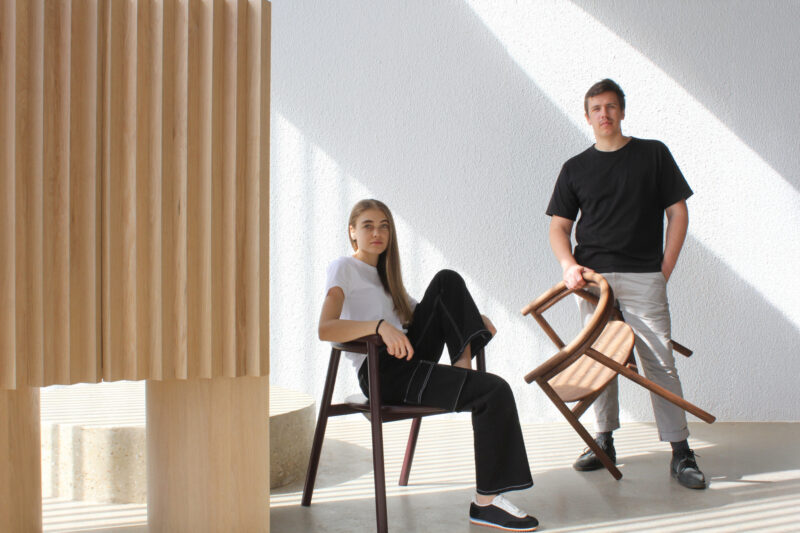 Photography courtesy of DEFT Studios[/caption]
Like many creatives, Martin Tallie and Zani Alberts, the pair behind DEFT Studios, pivoted during the COVID pandemic: They began as architects and ended up as furniture designers. “A lot of our influences were stolen from architecture, and we were self-taught in woodworking,” Tallie explains. “Our unique vantage point is that we didn’t have a mentor teaching his ways onto us.”
[caption id="attachment_609093" align="alignnone" width="800"]
Photography courtesy of DEFT Studios[/caption]
Like many creatives, Martin Tallie and Zani Alberts, the pair behind DEFT Studios, pivoted during the COVID pandemic: They began as architects and ended up as furniture designers. “A lot of our influences were stolen from architecture, and we were self-taught in woodworking,” Tallie explains. “Our unique vantage point is that we didn’t have a mentor teaching his ways onto us.”
[caption id="attachment_609093" align="alignnone" width="800"] DEFT Studios at Maison&Objet, September 2026. Photography by Anne Emmanuelle Thion.[/caption]
That architectural influence can be seen in the studio’s interest in simple forms and pure geometries, though the making itself can be quite intricate, combining traditional and contemporary techniques. The Étagère brune et claire, shown at Maison&Objet, exemplifies their desire to create singular pieces with lasting value. Tallie and Alberts produce everything in-house with a small team, maintaining control over both the quality of the work and how it takes shape.
“We love working with our hands,” Tallie says. “We are designers, but we are definitely makers.”
DEFT Studios at Maison&Objet, September 2026. Photography by Anne Emmanuelle Thion.[/caption]
That architectural influence can be seen in the studio’s interest in simple forms and pure geometries, though the making itself can be quite intricate, combining traditional and contemporary techniques. The Étagère brune et claire, shown at Maison&Objet, exemplifies their desire to create singular pieces with lasting value. Tallie and Alberts produce everything in-house with a small team, maintaining control over both the quality of the work and how it takes shape.
“We love working with our hands,” Tallie says. “We are designers, but we are definitely makers.”
 Photography courtesy of Karlien van Rooyen[/caption]
With a background in neuroscience and a love of free diving, Karlien van Rooyen creates objects inspired by anatomy and the organic forms she finds underwater. “Some of them look like lungs or neurons from the brain, but they also look like mushrooms or coral at the same time,” van Rooyen explains.
[caption id="attachment_609095" align="alignnone" width="800"]
Photography courtesy of Karlien van Rooyen[/caption]
With a background in neuroscience and a love of free diving, Karlien van Rooyen creates objects inspired by anatomy and the organic forms she finds underwater. “Some of them look like lungs or neurons from the brain, but they also look like mushrooms or coral at the same time,” van Rooyen explains.
[caption id="attachment_609095" align="alignnone" width="800"] Karlien van Rooyen at Maison&Objet, September 2026. Photography by Anne Emmanuelle Thion.[/caption]
Each ceramic piece is hand-built from stoneware clay, glazed, and fired, while her wooden works are created in collaboration with a woodworker. Van Rooyen begins with a 2D sketch, which is then translated into three dimensions and carved from African teak, a hardwood that bleeds red when fresh.
“Multiple pieces of this hardwood get fused together, and then the large chunks are carved away," she says. "It looks almost like a brutalist monument.”
Karlien van Rooyen at Maison&Objet, September 2026. Photography by Anne Emmanuelle Thion.[/caption]
Each ceramic piece is hand-built from stoneware clay, glazed, and fired, while her wooden works are created in collaboration with a woodworker. Van Rooyen begins with a 2D sketch, which is then translated into three dimensions and carved from African teak, a hardwood that bleeds red when fresh.
“Multiple pieces of this hardwood get fused together, and then the large chunks are carved away," she says. "It looks almost like a brutalist monument.”
 Photography by Sinomtho Msweli[/caption]
A background in engineering and later design led Siyanda Mbele to form Pinda Interior Design. He drew the studio name from the isiZulu word phinda, meaning “again,” a reference to the repetition and rhythm at the core of his creative approach. His work draws from South African Nguni, Zulu, and Ndebele cultures, with pattern informing the shape of each piece and vice versa.
[caption id="attachment_609097" align="alignnone" width="800"]
Photography by Sinomtho Msweli[/caption]
A background in engineering and later design led Siyanda Mbele to form Pinda Interior Design. He drew the studio name from the isiZulu word phinda, meaning “again,” a reference to the repetition and rhythm at the core of his creative approach. His work draws from South African Nguni, Zulu, and Ndebele cultures, with pattern informing the shape of each piece and vice versa.
[caption id="attachment_609097" align="alignnone" width="800"] Pinda Interior Design at Maison&Objet, September 2026. Photography by Francis Amiand.[/caption]
That relationship comes through in the wall hanging/rug Mbele showed at Maison&Objet, which uses a pattern of diamonds and triangles drawn from Zulu culture.
Of this imagery, Mbele explains: "The triangle is masculine; the diamond is feminine. When married, the symbols will be stacked. The shapes are made into beaded bracelets, and a woman will give one to a suitor she is interested in. He will wear the bracelet to prove he accepts and wants to spend his life with her.”
---
The 2026 Rising Talent Awards jury included Alan Hayward and Garreth Van Niekerk, co-artistic directors of Decorex Africa and 100% Design Africa; interior architect, design researcher, and academic Juliet Kavishe; furniture and lighting designer Thabisa Mjo; and interior designer Donald Nxumalo, who served as creative director of Design Joburg in 2020. The South African edition of the Rising Talent Awards was presented through a new collaboration between Maison&Objet and Decorex Africa."
["post_title"]=>
string(56) "7 South African Designers to Know From Maison&Objet 2026"
["post_excerpt"]=>
string(168) "Maison&Objet’s Rising Talent Awards put the spotlight on 7 South African designers and studios bringing new perspectives to furniture, lighting, textiles, and objects"
["post_status"]=>
string(7) "publish"
["comment_status"]=>
string(4) "open"
["ping_status"]=>
string(6) "closed"
["post_password"]=>
string(0) ""
["post_name"]=>
string(41) "south-african-designers-maison-objet-2026"
["to_ping"]=>
string(0) ""
["pinged"]=>
string(0) ""
["post_modified"]=>
string(19) "2026-09-15 17:54:56"
["post_modified_gmt"]=>
string(19) "2026-09-15 21:54:56"
["post_content_filtered"]=>
string(0) ""
["post_parent"]=>
int(0)
["guid"]=>
string(33) "https://design-milk.com/?p=609081"
["menu_order"]=>
int(0)
["post_type"]=>
string(4) "post"
["post_mime_type"]=>
string(0) ""
["comment_count"]=>
string(1) "0"
["filter"]=>
string(3) "raw"
}
[1]=>
object(WP_Post)#14671 (24) {
["ID"]=>
int(608966)
["post_author"]=>
string(2) "38"
["post_date"]=>
string(19) "2026-09-15 09:00:04"
["post_date_gmt"]=>
string(19) "2026-09-15 13:00:04"
["post_content"]=>
string(6504) "Venus Williams may best be known for her time on the tennis court, but design has long been a part of her career. The athlete and entrepreneur founded the interior design firm V Starr, and her latest project brings those two worlds together in a new collaboration with Crate & Barrel and Crate & Kids.
[caption id="attachment_608989" align="alignnone" width="800"]
Pinda Interior Design at Maison&Objet, September 2026. Photography by Francis Amiand.[/caption]
That relationship comes through in the wall hanging/rug Mbele showed at Maison&Objet, which uses a pattern of diamonds and triangles drawn from Zulu culture.
Of this imagery, Mbele explains: "The triangle is masculine; the diamond is feminine. When married, the symbols will be stacked. The shapes are made into beaded bracelets, and a woman will give one to a suitor she is interested in. He will wear the bracelet to prove he accepts and wants to spend his life with her.”
---
The 2026 Rising Talent Awards jury included Alan Hayward and Garreth Van Niekerk, co-artistic directors of Decorex Africa and 100% Design Africa; interior architect, design researcher, and academic Juliet Kavishe; furniture and lighting designer Thabisa Mjo; and interior designer Donald Nxumalo, who served as creative director of Design Joburg in 2020. The South African edition of the Rising Talent Awards was presented through a new collaboration between Maison&Objet and Decorex Africa."
["post_title"]=>
string(56) "7 South African Designers to Know From Maison&Objet 2026"
["post_excerpt"]=>
string(168) "Maison&Objet’s Rising Talent Awards put the spotlight on 7 South African designers and studios bringing new perspectives to furniture, lighting, textiles, and objects"
["post_status"]=>
string(7) "publish"
["comment_status"]=>
string(4) "open"
["ping_status"]=>
string(6) "closed"
["post_password"]=>
string(0) ""
["post_name"]=>
string(41) "south-african-designers-maison-objet-2026"
["to_ping"]=>
string(0) ""
["pinged"]=>
string(0) ""
["post_modified"]=>
string(19) "2026-09-15 17:54:56"
["post_modified_gmt"]=>
string(19) "2026-09-15 21:54:56"
["post_content_filtered"]=>
string(0) ""
["post_parent"]=>
int(0)
["guid"]=>
string(33) "https://design-milk.com/?p=609081"
["menu_order"]=>
int(0)
["post_type"]=>
string(4) "post"
["post_mime_type"]=>
string(0) ""
["comment_count"]=>
string(1) "0"
["filter"]=>
string(3) "raw"
}
[1]=>
object(WP_Post)#14671 (24) {
["ID"]=>
int(608966)
["post_author"]=>
string(2) "38"
["post_date"]=>
string(19) "2026-09-15 09:00:04"
["post_date_gmt"]=>
string(19) "2026-09-15 13:00:04"
["post_content"]=>
string(6504) "Venus Williams may best be known for her time on the tennis court, but design has long been a part of her career. The athlete and entrepreneur founded the interior design firm V Starr, and her latest project brings those two worlds together in a new collaboration with Crate & Barrel and Crate & Kids.
[caption id="attachment_608989" align="alignnone" width="800"]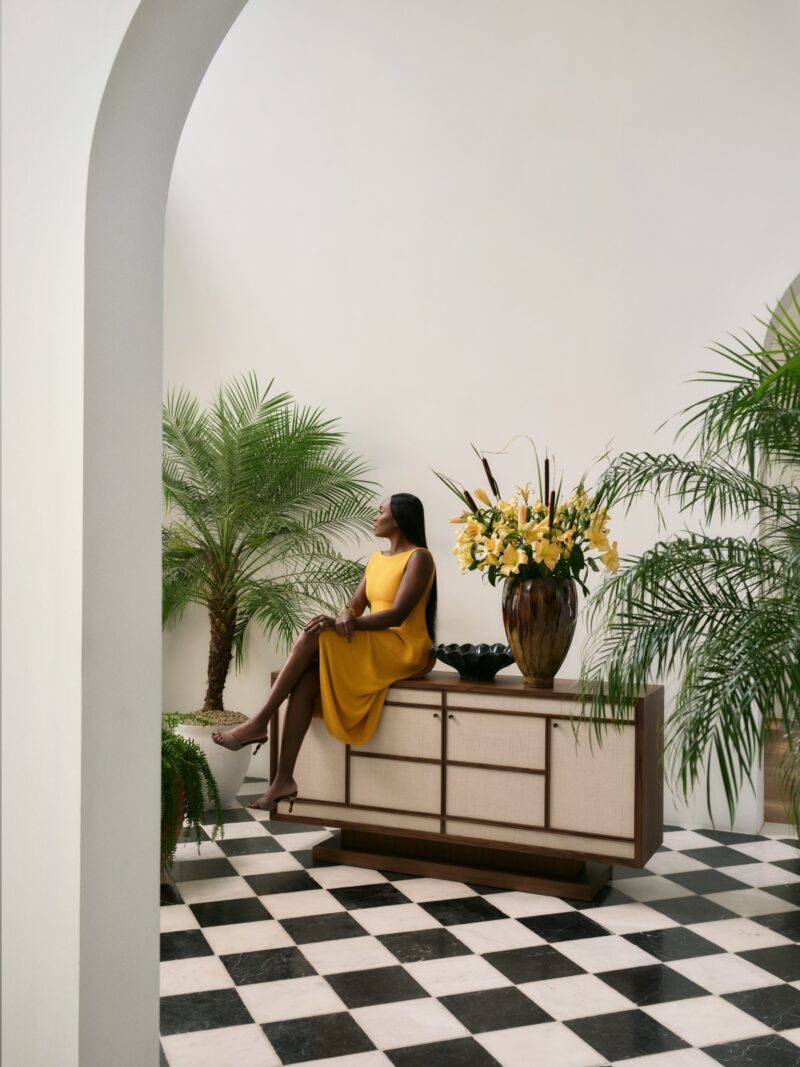 Photography courtesy of Crate & Barrel[/caption]
Launching Sept. 15, the aptly named "Grand Slam" collection spans furniture, lighting, and decor, with Williams drawing from both her design interests and her relationship with tennis. The references to the sport are often more subtle than literal: sculptural silhouettes and refined materials take precedence, while details such as a pleated lampshade recall the movement and shape of a tennis skirt.
[caption id="attachment_608990" align="alignnone" width="800"]
Photography courtesy of Crate & Barrel[/caption]
Launching Sept. 15, the aptly named "Grand Slam" collection spans furniture, lighting, and decor, with Williams drawing from both her design interests and her relationship with tennis. The references to the sport are often more subtle than literal: sculptural silhouettes and refined materials take precedence, while details such as a pleated lampshade recall the movement and shape of a tennis skirt.
[caption id="attachment_608990" align="alignnone" width="800"] Photography courtesy of Crate & Barrel[/caption]
“Collaborating with Crate & Barrel and Crate & Kids on this collection was so much fun," Williams tells Design Milk. "I’ve always believed that great design should feel timeless, and that was how we wanted to approach the collection.”
[caption id="attachment_608991" align="alignnone" width="800"]
Photography courtesy of Crate & Barrel[/caption]
“Collaborating with Crate & Barrel and Crate & Kids on this collection was so much fun," Williams tells Design Milk. "I’ve always believed that great design should feel timeless, and that was how we wanted to approach the collection.”
[caption id="attachment_608991" align="alignnone" width="800"] Photography courtesy of Crate & Barrel[/caption]
Before designing the collection, Williams and the team traveled to Milan and were drawn to the “luxurious materials and distinctive design.” Those influences come through in the collection’s materials, proportions, and forms. The Roland Coffee Table, for example, turns the focus toward silhouette, while marble introduces some of the richness they encountered in Milan.
[caption id="attachment_608993" align="alignnone" width="800"]
Photography courtesy of Crate & Barrel[/caption]
Before designing the collection, Williams and the team traveled to Milan and were drawn to the “luxurious materials and distinctive design.” Those influences come through in the collection’s materials, proportions, and forms. The Roland Coffee Table, for example, turns the focus toward silhouette, while marble introduces some of the richness they encountered in Milan.
[caption id="attachment_608993" align="alignnone" width="800"] Photography courtesy of Crate & Barrel[/caption]
The Crate & Kids side of the collaboration takes a slightly different approach. “I’ve always loved mid-century modern design," Williams explains. "With the Crate & Kids collection, we wanted to bring that same sense of sophistication into kids’ spaces while still keeping that playfulness and fun that feels true to how a kid would live."
[caption id="attachment_608994" align="alignnone" width="800"]
Photography courtesy of Crate & Barrel[/caption]
The Crate & Kids side of the collaboration takes a slightly different approach. “I’ve always loved mid-century modern design," Williams explains. "With the Crate & Kids collection, we wanted to bring that same sense of sophistication into kids’ spaces while still keeping that playfulness and fun that feels true to how a kid would live."
[caption id="attachment_608994" align="alignnone" width="800"] Photography courtesy of Crate & Barrel[/caption]
The Alley Wood and Terrazzo Kids Desk captures the balancing act behind that portion of the collection: Its warm wood frame and green terrazzo surface borrow from a more grown-up material vocabulary without losing the color and personality expected of a child’s room. Other pieces similarly introduce whimsical details while maintaining the broader collection’s emphasis on considered forms and materials.
[caption id="attachment_608995" align="alignnone" width="800"]
Photography courtesy of Crate & Barrel[/caption]
The Alley Wood and Terrazzo Kids Desk captures the balancing act behind that portion of the collection: Its warm wood frame and green terrazzo surface borrow from a more grown-up material vocabulary without losing the color and personality expected of a child’s room. Other pieces similarly introduce whimsical details while maintaining the broader collection’s emphasis on considered forms and materials.
[caption id="attachment_608995" align="alignnone" width="800"] Photography courtesy of Crate & Barrel[/caption]
For Williams, the Grand Slam collection ultimately feels less about decorating with tennis iconography than translating influences from different parts of her life into objects for the home. Tennis is there in the details, Milan in the materials, and her interior design background in the attention paid to how the pieces might live together.
[caption id="attachment_608996" align="alignnone" width="800"]
Photography courtesy of Crate & Barrel[/caption]
For Williams, the Grand Slam collection ultimately feels less about decorating with tennis iconography than translating influences from different parts of her life into objects for the home. Tennis is there in the details, Milan in the materials, and her interior design background in the attention paid to how the pieces might live together.
[caption id="attachment_608996" align="alignnone" width="800"] Photography courtesy of Crate & Barrel[/caption]
Editorial Transparency: This article was developed with the assistance of AI tools, which may have been used for research, outlining, editing, or copy refinement. Reporting, fact-checking, and editorial decisions were made by the Design Milk editorial team.
" ["post_title"]=> string(61) "Venus Williams Serves Up a New Collection With Crate & Barrel" ["post_excerpt"]=> string(164) "The tennis champion and V Starr founder brings Milanese influences, mid-century modernism, and subtle nods to the court into furniture and decor for adults and kids" ["post_status"]=> string(7) "publish" ["comment_status"]=> string(4) "open" ["ping_status"]=> string(6) "closed" ["post_password"]=> string(0) "" ["post_name"]=> string(49) "venus-williams-crate-barrel-grand-slam-collection" ["to_ping"]=> string(0) "" ["pinged"]=> string(0) "" ["post_modified"]=> string(19) "2026-09-14 15:02:34" ["post_modified_gmt"]=> string(19) "2026-09-14 19:02:34" ["post_content_filtered"]=> string(0) "" ["post_parent"]=> int(0) ["guid"]=> string(33) "https://design-milk.com/?p=608966" ["menu_order"]=> int(0) ["post_type"]=> string(4) "post" ["post_mime_type"]=> string(0) "" ["comment_count"]=> string(1) "0" ["filter"]=> string(3) "raw" } [2]=> object(WP_Post)#14672 (24) { ["ID"]=> int(608969) ["post_author"]=> string(2) "38" ["post_date"]=> string(19) "2026-09-14 15:57:31" ["post_date_gmt"]=> string(19) "2026-09-14 19:57:31" ["post_content"]=> string(5586) "If you want to understand where global design is headed, look at the projects that rise to the top. Each year, the iF DESIGN AWARD puts work from around the world through a rigorous two-stage jury process led by more than 130 international design leaders. What emerges from that process is more than a group of exceptional individual projects. Collectively, the winners show what the highest level of design looks like now—and where the benchmark is moving next. [caption id="attachment_609006" align="alignnone" width="1280"]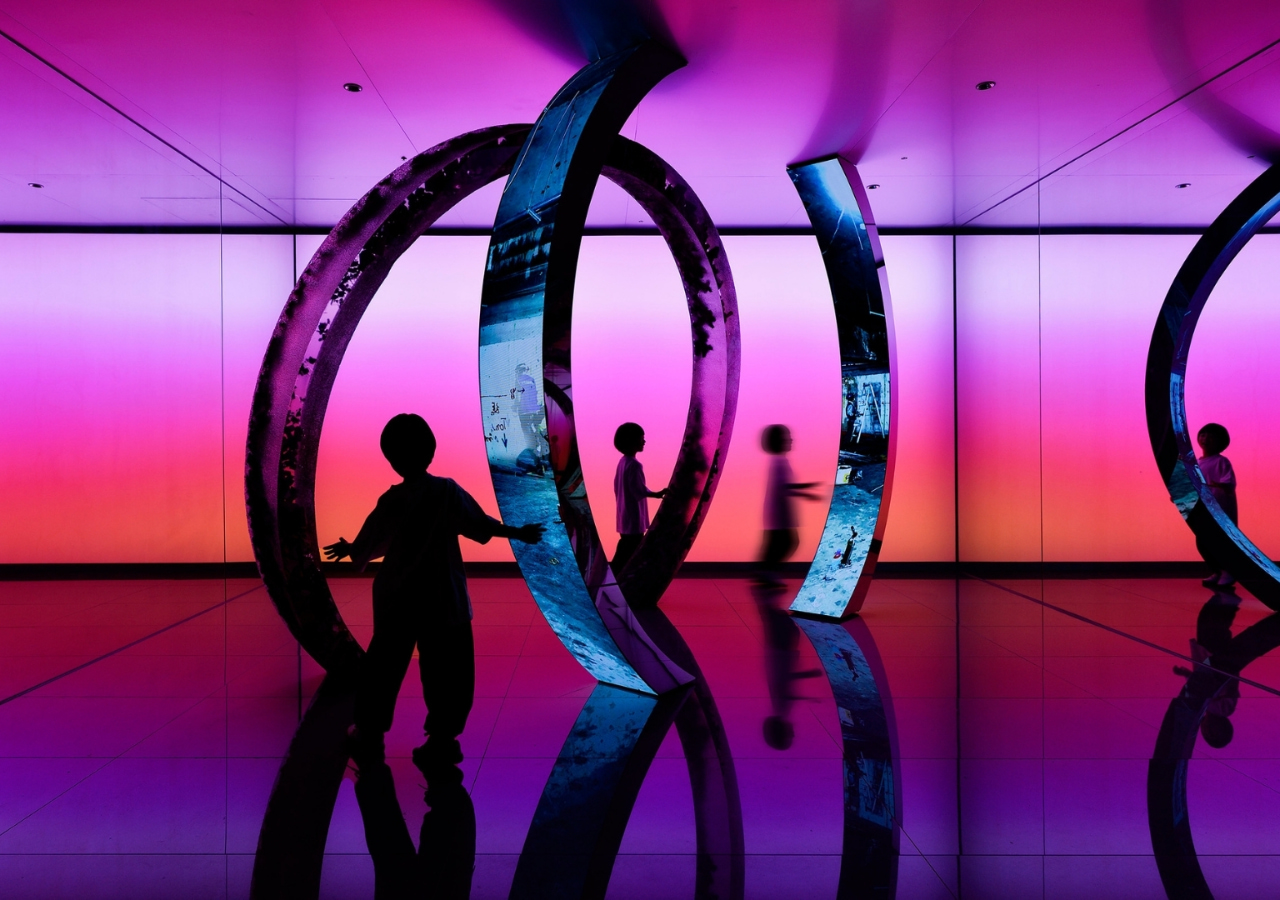 Photography courtesy of iF Design.[/caption]
That view is only possible because of the scale behind it. The award spans 93 categories across nine disciplines, from architecture and interiors to product, packaging, branding, service design, UX and UI, with more than 130 independent, international design leaders evaluating the entries. Put that breadth through one exacting evaluation process and the result is something larger than a collection of individual winners: a rare cross-section of the strongest design being produced across disciplines, industries and markets at the same moment.
Seen collectively, those winners become a barometer for the global state of design. Not because they follow a single aesthetic or point of view, but because each has distinguished itself within an intensely competitive international field. A winning interior may look nothing like a winning digital service, yet both have reached the same threshold of excellence. Together, they show where execution is strongest, where expectations are rising and how the standard itself is evolving.
[caption id="attachment_609010" align="alignnone" width="1280"]
Photography courtesy of iF Design.[/caption]
That view is only possible because of the scale behind it. The award spans 93 categories across nine disciplines, from architecture and interiors to product, packaging, branding, service design, UX and UI, with more than 130 independent, international design leaders evaluating the entries. Put that breadth through one exacting evaluation process and the result is something larger than a collection of individual winners: a rare cross-section of the strongest design being produced across disciplines, industries and markets at the same moment.
Seen collectively, those winners become a barometer for the global state of design. Not because they follow a single aesthetic or point of view, but because each has distinguished itself within an intensely competitive international field. A winning interior may look nothing like a winning digital service, yet both have reached the same threshold of excellence. Together, they show where execution is strongest, where expectations are rising and how the standard itself is evolving.
[caption id="attachment_609010" align="alignnone" width="1280"]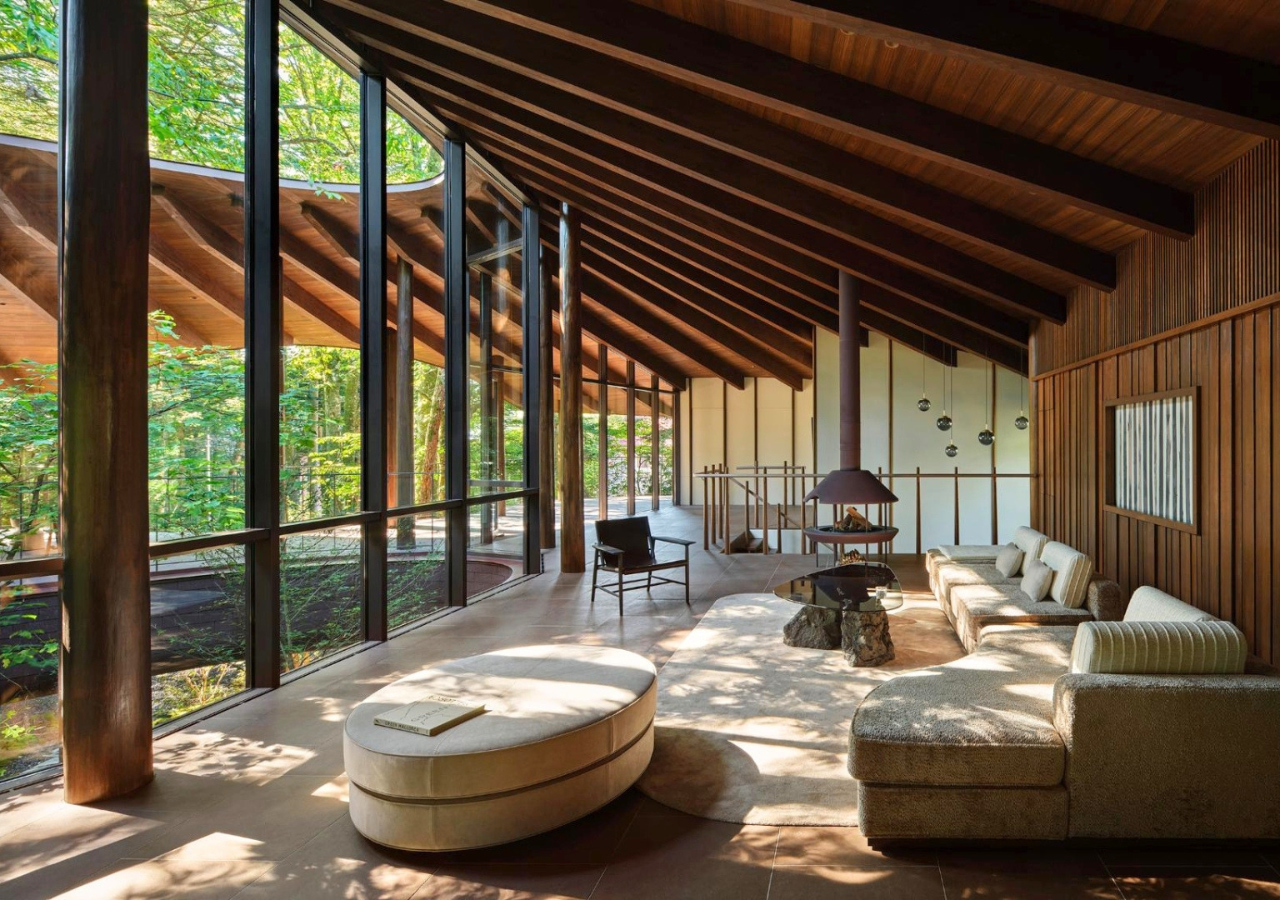 Photography courtesy of iF Design.[/caption]
What reaches that threshold is determined by a clear set of criteria. The jury considers form and function alongside differentiation and sustainability, evaluating not just whether a design is beautifully resolved or performs as intended, but what sets it apart and how responsibly it has been conceived. Sustainability’s place within that core evaluation is significant: environmental responsibility is not treated as an added virtue or a separate category, but as part of the standard for outstanding design itself.
Recognition carries weight precisely because a winning project has come through that level of scrutiny. Michael Seum, Vice President of Global Design at Kohler Co., calls being recognized by the iF DESIGN AWARD a “powerful endorsement” of the company’s design vision, adding that the jury’s validation affirms “the strategic value of design as a differentiator.” For brands and creative teams, that distinction reaches beyond visibility: it places their work among the projects currently defining excellence on an international level.
[caption id="attachment_609007" align="alignnone" width="1280"]
Photography courtesy of iF Design.[/caption]
What reaches that threshold is determined by a clear set of criteria. The jury considers form and function alongside differentiation and sustainability, evaluating not just whether a design is beautifully resolved or performs as intended, but what sets it apart and how responsibly it has been conceived. Sustainability’s place within that core evaluation is significant: environmental responsibility is not treated as an added virtue or a separate category, but as part of the standard for outstanding design itself.
Recognition carries weight precisely because a winning project has come through that level of scrutiny. Michael Seum, Vice President of Global Design at Kohler Co., calls being recognized by the iF DESIGN AWARD a “powerful endorsement” of the company’s design vision, adding that the jury’s validation affirms “the strategic value of design as a differentiator.” For brands and creative teams, that distinction reaches beyond visibility: it places their work among the projects currently defining excellence on an international level.
[caption id="attachment_609007" align="alignnone" width="1280"]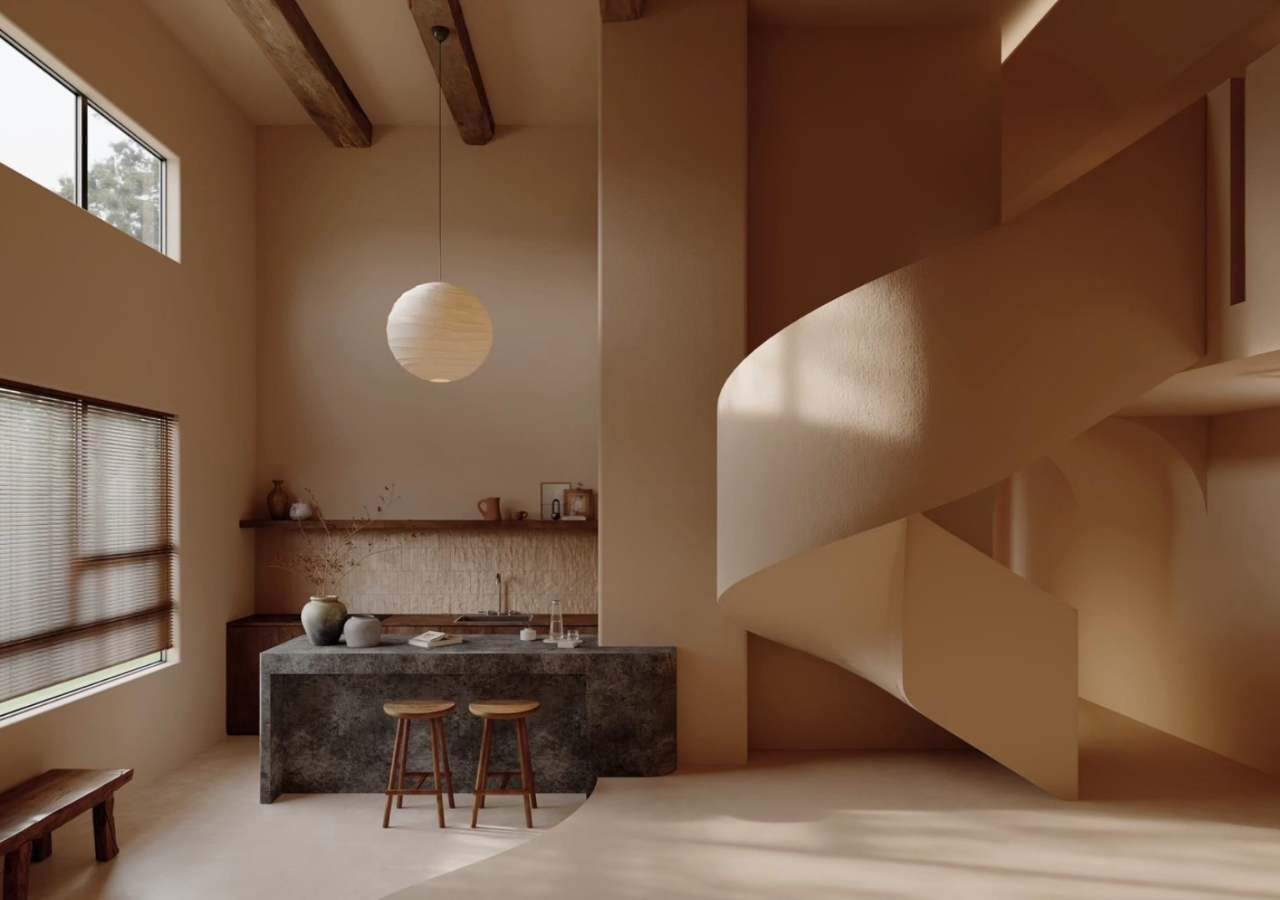 Photography courtesy of iF Design.[/caption]
For more than 70 years, the iF DESIGN AWARD has held that line across an exceptionally broad spectrum of design. Its winners give the industry a barometer of where design stands at its highest level today, while the rigor of the competition establishes the benchmark others will be measured against tomorrow.
For ambitious designers, brands, agencies, studios and in-house teams, entering the iF DESIGN AWARD 2027 is an opportunity to measure their strongest work against that benchmark—and earn a place among the projects defining it.
[embed]https://www.youtube.com/watch?si=GW0Dk6-j9lK3zEzQ&v=e31Osj1GSxc&feature=youtu.be[/embed]
Photography courtesy of iF Design.[/caption]
For more than 70 years, the iF DESIGN AWARD has held that line across an exceptionally broad spectrum of design. Its winners give the industry a barometer of where design stands at its highest level today, while the rigor of the competition establishes the benchmark others will be measured against tomorrow.
For ambitious designers, brands, agencies, studios and in-house teams, entering the iF DESIGN AWARD 2027 is an opportunity to measure their strongest work against that benchmark—and earn a place among the projects defining it.
[embed]https://www.youtube.com/watch?si=GW0Dk6-j9lK3zEzQ&v=e31Osj1GSxc&feature=youtu.be[/embed]
iF DESIGN AWARD 2027
Regular Deadline September 18, 2026 — €400 per entry Register by September 18 to save €100. Basic entry information can be submitted at registration, with the full entry completed by the final deadline. Last Chance Deadline November 2, 2026 — €500 per entry Learn more + register → here." ["post_title"]=> string(74) "What the iF DESIGN AWARD Reveals About Where Global Design Is Heading Next" ["post_excerpt"]=> string(187) "The Regular Deadline for the iF DESIGN AWARD 2027 is September 18. Register your project today to save €100 per entry, with time until November to finalize and complete your submission." ["post_status"]=> string(7) "publish" ["comment_status"]=> string(4) "open" ["ping_status"]=> string(6) "closed" ["post_password"]=> string(0) "" ["post_name"]=> string(74) "what-the-if-design-award-reveals-about-where-global-design-is-heading-next" ["to_ping"]=> string(0) "" ["pinged"]=> string(0) "" ["post_modified"]=> string(19) "2026-09-15 17:23:25" ["post_modified_gmt"]=> string(19) "2026-09-15 21:23:25" ["post_content_filtered"]=> string(0) "" ["post_parent"]=> int(0) ["guid"]=> string(33) "https://design-milk.com/?p=608969" ["menu_order"]=> int(0) ["post_type"]=> string(4) "post" ["post_mime_type"]=> string(0) "" ["comment_count"]=> string(1) "0" ["filter"]=> string(3) "raw" } [3]=> object(WP_Post)#14673 (24) { ["ID"]=> int(608923) ["post_author"]=> string(2) "38" ["post_date"]=> string(19) "2026-09-14 12:05:22" ["post_date_gmt"]=> string(19) "2026-09-14 16:05:22" ["post_content"]=> string(7883) "Shells, spirals, and ropes are familiar territory for objects inspired by the sea—but in L’OBJET x Jessica McCormack, the first collaboration between the luxury brand and the London-based jewelry designer, those motifs are treated less as decoration and more as building blocks, translating the precision and detail of fine jewelry into objects for the table and home. [caption id="attachment_608927" align="alignnone" width="800"]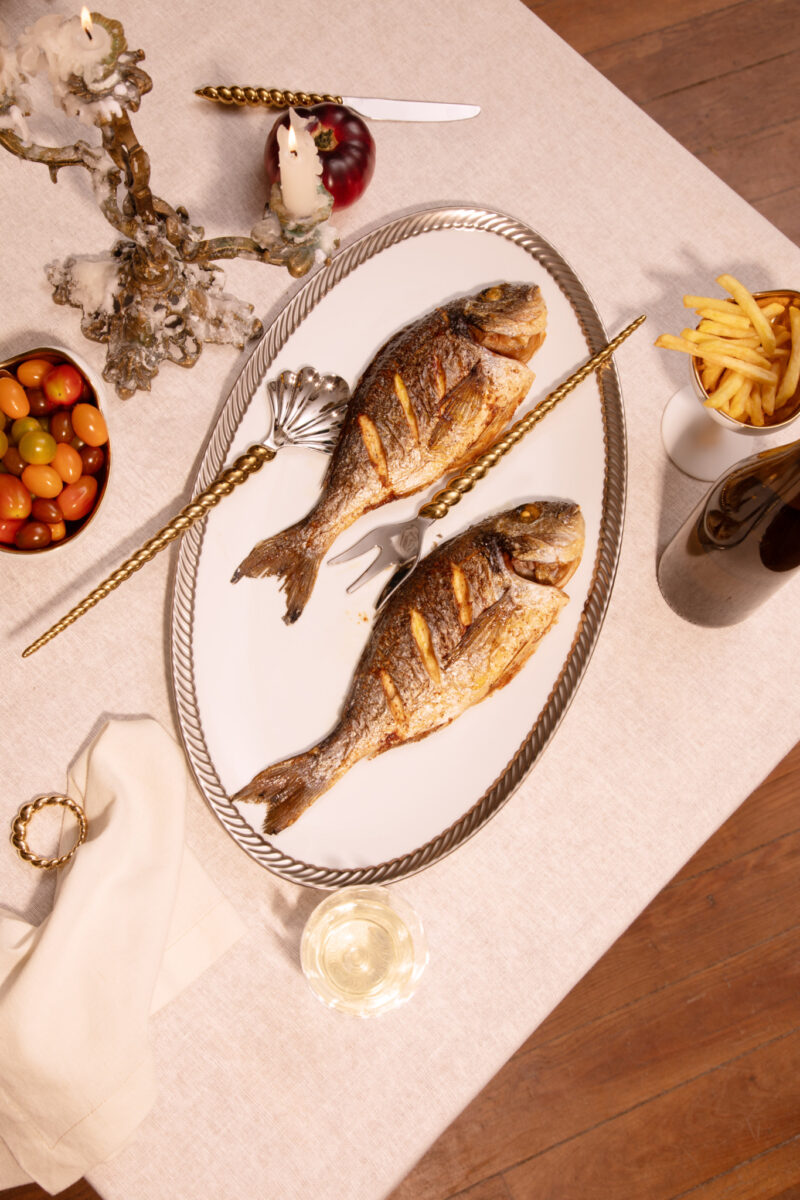 Photography courtesy of L'OBJET[/caption]
“The danger with shells and spirals is that they can tip into souvenir territory very quickly,” says L’OBJET founder and creative director Elad Yifrach. “What kept us honest was treating them as structure rather than ornament.”
That distinction is on display throughout the collection, which includes champagne and ice buckets, platters, bowls, mirrors, a sculptural caviar dish, and L’OBJET’s first-ever cutlery. Rather than applying marine motifs to otherwise conventional objects, the designers worked them into the forms themselves: a shell becomes a dish or a spiral forms a mirror stand.
[caption id="attachment_608928" align="alignnone" width="800"]
Photography courtesy of L'OBJET[/caption]
“The danger with shells and spirals is that they can tip into souvenir territory very quickly,” says L’OBJET founder and creative director Elad Yifrach. “What kept us honest was treating them as structure rather than ornament.”
That distinction is on display throughout the collection, which includes champagne and ice buckets, platters, bowls, mirrors, a sculptural caviar dish, and L’OBJET’s first-ever cutlery. Rather than applying marine motifs to otherwise conventional objects, the designers worked them into the forms themselves: a shell becomes a dish or a spiral forms a mirror stand.
[caption id="attachment_608928" align="alignnone" width="800"] Photography courtesy of L'OBJET[/caption]
“When a form is doing something functional, it earns its place,” Yifrach says. “That’s always been true across L’OBJET’s work, and here, with Jessica, it meant the sea stayed a sensibility rather than a theme.”
The sea was a shared reference point for the two designers, who had admired one another’s work for years before collaborating. McCormack previously explored the subject in her 2023 Beaches jewelry collection, while marine references have long existed within L’OBJET’s own design language. But Yifrach says the collaboration began with something less tangible than a particular motif.
[caption id="attachment_608929" align="alignnone" width="800"]
Photography courtesy of L'OBJET[/caption]
“When a form is doing something functional, it earns its place,” Yifrach says. “That’s always been true across L’OBJET’s work, and here, with Jessica, it meant the sea stayed a sensibility rather than a theme.”
The sea was a shared reference point for the two designers, who had admired one another’s work for years before collaborating. McCormack previously explored the subject in her 2023 Beaches jewelry collection, while marine references have long existed within L’OBJET’s own design language. But Yifrach says the collaboration began with something less tangible than a particular motif.
[caption id="attachment_608929" align="alignnone" width="800"] Photography courtesy of L'OBJET[/caption]
“It started with a feeling, not a sketch—the intimacy and precision that jewelry carries, and how rarely we let objects for the home hold that same quality,” he explains.
One of the earliest ideas to emerge was a twisted corde motif, borrowed from fine jewelry-making and used as a visual thread across objects with very different functions. Inspired by the way a chain, twist, or clasp can create a continuous line through a piece of jewelry, the detail traces the edge of a platter or forms the handle of an ice bucket.
[caption id="attachment_608930" align="alignnone" width="800"]
Photography courtesy of L'OBJET[/caption]
“It started with a feeling, not a sketch—the intimacy and precision that jewelry carries, and how rarely we let objects for the home hold that same quality,” he explains.
One of the earliest ideas to emerge was a twisted corde motif, borrowed from fine jewelry-making and used as a visual thread across objects with very different functions. Inspired by the way a chain, twist, or clasp can create a continuous line through a piece of jewelry, the detail traces the edge of a platter or forms the handle of an ice bucket.
[caption id="attachment_608930" align="alignnone" width="800"] Photography courtesy of L'OBJET[/caption]
Materials reinforce that connection to jewelry. Fine bisque porcelain is paired with hand-painted 24K gold, while detailed hand-sculpting and metalwork bring a level of intricacy more commonly associated with something worn on the body than placed on a dining table.
Perhaps the most direct translation comes in the cutlery, a new category for L’OBJET. For Yifrach, working with a jewelry designer made the move feel particularly fitting.
[caption id="attachment_608931" align="alignnone" width="800"]
Photography courtesy of L'OBJET[/caption]
Materials reinforce that connection to jewelry. Fine bisque porcelain is paired with hand-painted 24K gold, while detailed hand-sculpting and metalwork bring a level of intricacy more commonly associated with something worn on the body than placed on a dining table.
Perhaps the most direct translation comes in the cutlery, a new category for L’OBJET. For Yifrach, working with a jewelry designer made the move feel particularly fitting.
[caption id="attachment_608931" align="alignnone" width="800"] Photography courtesy of L'OBJET[/caption]
“I didn’t want our first set to be an obvious one—I wanted it to feel like jewelry you’d pick up at the table,” he says. “Flatware is essentially wearable-scale object design: It has to sit beautifully in the hand, catch light the way a ring does, hold detail at a very small size.”
The flatware handles combine several of the collection’s recurring ideas, moving from corde to shell before twisting into a spiral at the tip. It’s in details like these that the collaboration moves beyond simply enlarging McCormack’s jewelry motifs for the home.
[caption id="attachment_608932" align="alignnone" width="800"]
Photography courtesy of L'OBJET[/caption]
“I didn’t want our first set to be an obvious one—I wanted it to feel like jewelry you’d pick up at the table,” he says. “Flatware is essentially wearable-scale object design: It has to sit beautifully in the hand, catch light the way a ring does, hold detail at a very small size.”
The flatware handles combine several of the collection’s recurring ideas, moving from corde to shell before twisting into a spiral at the tip. It’s in details like these that the collaboration moves beyond simply enlarging McCormack’s jewelry motifs for the home.
[caption id="attachment_608932" align="alignnone" width="800"] Photography courtesy of L'OBJET[/caption]
“Jewelry has always been a source of inspiration for me—its intimacy, its precision,” Yifrach says. “With Jessica, we wanted to bring that sensibility into the home, to create objects that feel both personal and essential.”
For McCormack, that shift offered a chance to bring familiar ideas into an entirely different context. “This collection brings together some of my favorite design motifs and perfectly translates the intimacy and craftsmanship of jewelry into everyday pieces for the home,” she says.
Across the collection, the scale may change—from a piece of cutlery held between the fingers to a champagne bucket placed at the center of a table—but the attention remains on the details, allowing shells, spirals, and ropes to become more than familiar symbols of the sea.
[caption id="attachment_608933" align="alignnone" width="800"]
Photography courtesy of L'OBJET[/caption]
“Jewelry has always been a source of inspiration for me—its intimacy, its precision,” Yifrach says. “With Jessica, we wanted to bring that sensibility into the home, to create objects that feel both personal and essential.”
For McCormack, that shift offered a chance to bring familiar ideas into an entirely different context. “This collection brings together some of my favorite design motifs and perfectly translates the intimacy and craftsmanship of jewelry into everyday pieces for the home,” she says.
Across the collection, the scale may change—from a piece of cutlery held between the fingers to a champagne bucket placed at the center of a table—but the attention remains on the details, allowing shells, spirals, and ropes to become more than familiar symbols of the sea.
[caption id="attachment_608933" align="alignnone" width="800"] Photography courtesy of L'OBJET[/caption]
Editorial Transparency: This article was developed with the assistance of AI tools, which may have been used for research, outlining, editing, or copy refinement. Reporting, fact-checking, and editorial decisions were made by the Design Milk editorial team.
" ["post_title"]=> string(69) "L’OBJET x Jessica McCormack Turns Jewelry Into Objects for the Home" ["post_excerpt"]=> string(154) "Shells, spirals, and twisted rope move beyond decoration in a sea-inspired collection that brings the intimacy and precision of fine jewelry to the table." ["post_status"]=> string(7) "publish" ["comment_status"]=> string(4) "open" ["ping_status"]=> string(6) "closed" ["post_password"]=> string(0) "" ["post_name"]=> string(38) "lobjet-jessica-mccormack-collaboration" ["to_ping"]=> string(0) "" ["pinged"]=> string(0) "" ["post_modified"]=> string(19) "2026-09-14 16:37:41" ["post_modified_gmt"]=> string(19) "2026-09-14 20:37:41" ["post_content_filtered"]=> string(0) "" ["post_parent"]=> int(0) ["guid"]=> string(33) "https://design-milk.com/?p=608923" ["menu_order"]=> int(0) ["post_type"]=> string(4) "post" ["post_mime_type"]=> string(0) "" ["comment_count"]=> string(1) "0" ["filter"]=> string(3) "raw" } [4]=> object(WP_Post)#14674 (24) { ["ID"]=> int(608822) ["post_author"]=> string(2) "98" ["post_date"]=> string(19) "2026-09-14 11:26:11" ["post_date_gmt"]=> string(19) "2026-09-14 15:26:11" ["post_content"]=> string(12561) "For years, this classic stone home in Toronto’s historic Lawrence Park neighborhood revolved around the rhythms of family life. As the residents began a new chapter, they faced a familiar question: move somewhere smaller or rethink the house they already knew. They chose the latter, asking Sabrina Albanese Interiors to reshape the 4,800-square-foot residence around how they wanted to live now. [caption id="attachment_608952" align="alignnone" width="800"] Photography by Alex Lukey[/caption]
Under the creative eye of Sabrina Albanese, the house became a personal haven that values intention over excess, pairing a professional chef’s kitchen and Milanese-inspired coffee nook with a sunlit conservatory that functions as an indoor garden year-round. The result is a home designed to evoke what Albanese describes as a sensory feeling. “I wanted to make the home so interesting you were curious to know who lives here,” she says.
[caption id="attachment_609134" align="alignnone" width="800"]
Photography by Alex Lukey[/caption]
Under the creative eye of Sabrina Albanese, the house became a personal haven that values intention over excess, pairing a professional chef’s kitchen and Milanese-inspired coffee nook with a sunlit conservatory that functions as an indoor garden year-round. The result is a home designed to evoke what Albanese describes as a sensory feeling. “I wanted to make the home so interesting you were curious to know who lives here,” she says.
[caption id="attachment_609134" align="alignnone" width="800"] Photography by Alex Lukey[/caption]
Encompassing three levels with four bedrooms and six bathrooms, the design process began with the dining room. Transitioning easily between formal dining and relaxed entertaining, the space became a series of interconnected experiences rather than a single-purpose room. Integrating the custom bar into the architecture without disrupting circulation, sightlines, or proportion proved an initial challenge. After meticulous spatial planning, however, the bar became a focal point and one of the home’s most beloved areas.
[caption id="attachment_608827" align="alignnone" width="800"]
Photography by Alex Lukey[/caption]
Encompassing three levels with four bedrooms and six bathrooms, the design process began with the dining room. Transitioning easily between formal dining and relaxed entertaining, the space became a series of interconnected experiences rather than a single-purpose room. Integrating the custom bar into the architecture without disrupting circulation, sightlines, or proportion proved an initial challenge. After meticulous spatial planning, however, the bar became a focal point and one of the home’s most beloved areas.
[caption id="attachment_608827" align="alignnone" width="800"] Photography by Alex Lukey[/caption]
The renovation encompassed both an exterior facelift and a rethinking of the interior spatial flow. Key spaces were reimagined around a more intentional way of living, with each room structured around a specific brief to accommodate the owners' intended use. Surfaces were simplified, and mementos remained only as reflections of their lived experiences.
“It really speaks to this stage of their lives,” says Albanese. “It’s less about the demands of a busy family household and more about enjoying the rituals of everyday life.”
[caption id="attachment_608953" align="alignnone" width="800"]
Photography by Alex Lukey[/caption]
The renovation encompassed both an exterior facelift and a rethinking of the interior spatial flow. Key spaces were reimagined around a more intentional way of living, with each room structured around a specific brief to accommodate the owners' intended use. Surfaces were simplified, and mementos remained only as reflections of their lived experiences.
“It really speaks to this stage of their lives,” says Albanese. “It’s less about the demands of a busy family household and more about enjoying the rituals of everyday life.”
[caption id="attachment_608953" align="alignnone" width="800"] Photography by Lauren Miller[/caption]
As one of the homeowners is a professional chef, the kitchen quickly became a defining space. A study in architectural restraint and concealed complexity, the kitchen pairs clean-lined millwork, integrated appliances, and expansive surfaces that all contribute to a streamlined workflow while maintaining a laid-back visual presence.
[caption id="attachment_608829" align="alignnone" width="800"]
Photography by Lauren Miller[/caption]
As one of the homeowners is a professional chef, the kitchen quickly became a defining space. A study in architectural restraint and concealed complexity, the kitchen pairs clean-lined millwork, integrated appliances, and expansive surfaces that all contribute to a streamlined workflow while maintaining a laid-back visual presence.
[caption id="attachment_608829" align="alignnone" width="800"] Photography by Lauren Miller[/caption]
Flat-paneled cabinetry reads as a series of clean, continuous panels, while durable stone surfaces were installed to withstand the demands of a highly functional kitchen. Appliances were deliberately mapped according to the sequence of preparing a meal, with every tool and ingredient assigned an exact location depending on its function.
[caption id="attachment_608954" align="alignnone" width="800"]
Photography by Lauren Miller[/caption]
Flat-paneled cabinetry reads as a series of clean, continuous panels, while durable stone surfaces were installed to withstand the demands of a highly functional kitchen. Appliances were deliberately mapped according to the sequence of preparing a meal, with every tool and ingredient assigned an exact location depending on its function.
[caption id="attachment_608954" align="alignnone" width="800"] Photography by Lauren Miller[/caption]
A cast-sand chandelier by Egg Collective hangs over the generous island, providing a sculptural counterpoint to the kitchen's simplicity. The restrained material palette transitions effortlessly from cooking to gathering.
“The kitchen represents the homeowners' new chapter most clearly,” Albanese says. “It’s highly functional and feels like a beautiful room to spend time in rather than a place of utility.”
[caption id="attachment_608955" align="alignnone" width="800"]
Photography by Lauren Miller[/caption]
A cast-sand chandelier by Egg Collective hangs over the generous island, providing a sculptural counterpoint to the kitchen's simplicity. The restrained material palette transitions effortlessly from cooking to gathering.
“The kitchen represents the homeowners' new chapter most clearly,” Albanese says. “It’s highly functional and feels like a beautiful room to spend time in rather than a place of utility.”
[caption id="attachment_608955" align="alignnone" width="800"] Photography by Lauren Miller[/caption]
The space adjacent to the kitchen presented an unexpected opportunity and ultimately became an integral part of the kitchen’s spatial flow. Albanese transformed the extra square footage into a dedicated chef’s pantry, creating a secondary work zone for storage, preparation, and the less visible aspects of cooking.
[caption id="attachment_608956" align="alignnone" width="800"]
Photography by Lauren Miller[/caption]
The space adjacent to the kitchen presented an unexpected opportunity and ultimately became an integral part of the kitchen’s spatial flow. Albanese transformed the extra square footage into a dedicated chef’s pantry, creating a secondary work zone for storage, preparation, and the less visible aspects of cooking.
[caption id="attachment_608956" align="alignnone" width="800"] Photography by Alex Lukey[/caption]
Equal parts workstation and custom display, the Milanese-inspired coffee bar turns a daily ritual into a tailored blend of stainless steel, marble, mirrored surfaces, and carefully considered lighting. An espresso machine and porcelain cups are on display, becoming part of the space's aesthetic language. A subtle nod to the spirit of a Milanese café, the multi-functional vignette feels polished and purposeful, making ordinary morning routines feel special.
[caption id="attachment_608957" align="alignnone" width="800"]
Photography by Alex Lukey[/caption]
Equal parts workstation and custom display, the Milanese-inspired coffee bar turns a daily ritual into a tailored blend of stainless steel, marble, mirrored surfaces, and carefully considered lighting. An espresso machine and porcelain cups are on display, becoming part of the space's aesthetic language. A subtle nod to the spirit of a Milanese café, the multi-functional vignette feels polished and purposeful, making ordinary morning routines feel special.
[caption id="attachment_608957" align="alignnone" width="800"] Photography by Alex Lukey[/caption]
If the kitchen is the home’s social zone, the conservatory is its “anti-declutter” space. Here, Albanese deliberately embraced abundance. Layers of plant life, pedestals, and urns are complemented by natural light and botanical touches, while extensive glass panels and dark wood detailing create a jungle-like cocoon, blurring the boundaries between indoors and out.
[caption id="attachment_608958" align="alignnone" width="800"]
Photography by Alex Lukey[/caption]
If the kitchen is the home’s social zone, the conservatory is its “anti-declutter” space. Here, Albanese deliberately embraced abundance. Layers of plant life, pedestals, and urns are complemented by natural light and botanical touches, while extensive glass panels and dark wood detailing create a jungle-like cocoon, blurring the boundaries between indoors and out.
[caption id="attachment_608958" align="alignnone" width="800"] Photography by Alex Lukey[/caption]
“Transforming what was essentially a covered outdoor space into a true four-season conservatory required us to rethink the area as part of the home’s conditioned envelope,” Albanese explains. “One of the primary challenges was introducing enough thermal performance while maintaining the lightness and transparency that we wanted the space to have.”
Designed to withstand Toronto’s seasonal extremes, the insulation, glazing, heating, and moisture control all needed to perform technically without making the redesigned space feel overly enclosed. A retreat of its own within the house, the conservatory offers a serene haven year-round, part greenhouse, part lounge, and completely immersive.
[caption id="attachment_608834" align="alignnone" width="800"]
Photography by Alex Lukey[/caption]
“Transforming what was essentially a covered outdoor space into a true four-season conservatory required us to rethink the area as part of the home’s conditioned envelope,” Albanese explains. “One of the primary challenges was introducing enough thermal performance while maintaining the lightness and transparency that we wanted the space to have.”
Designed to withstand Toronto’s seasonal extremes, the insulation, glazing, heating, and moisture control all needed to perform technically without making the redesigned space feel overly enclosed. A retreat of its own within the house, the conservatory offers a serene haven year-round, part greenhouse, part lounge, and completely immersive.
[caption id="attachment_608834" align="alignnone" width="800"] Photography by Alex Lukey[/caption]
Deeply connected to the home's architecture, the color palette of earth tones and neutral blues accentuates the wood floors, cabinetry, and existing millwork. Albanese layered textiles with pattern, texture, and varying tonal values, allowing each room to develop its own personality. English mohair plaids and Delft tiles were paired with Italian leathers and Murano lighting. This blend of European and locally sourced items, combined with bespoke Canadian pieces, gives the home the feeling of having been thoughtfully collected over time.
[caption id="attachment_608833" align="alignnone" width="800"]
Photography by Alex Lukey[/caption]
Deeply connected to the home's architecture, the color palette of earth tones and neutral blues accentuates the wood floors, cabinetry, and existing millwork. Albanese layered textiles with pattern, texture, and varying tonal values, allowing each room to develop its own personality. English mohair plaids and Delft tiles were paired with Italian leathers and Murano lighting. This blend of European and locally sourced items, combined with bespoke Canadian pieces, gives the home the feeling of having been thoughtfully collected over time.
[caption id="attachment_608833" align="alignnone" width="800"] Photography by Alex Lukey[/caption]
The palette and material language weren’t about establishing uniformity but rather creating a sense of continuity in which, Albanese says, the client becomes the main character.
“I drew inspiration from their lives and what they value,” she comments. “I did this by using a diverse combination of globally inspired textiles, expressive color combinations, and how their travels contributed to how they use the space around them.”
[caption id="attachment_608959" align="alignnone" width="800"]
Photography by Alex Lukey[/caption]
The palette and material language weren’t about establishing uniformity but rather creating a sense of continuity in which, Albanese says, the client becomes the main character.
“I drew inspiration from their lives and what they value,” she comments. “I did this by using a diverse combination of globally inspired textiles, expressive color combinations, and how their travels contributed to how they use the space around them.”
[caption id="attachment_608959" align="alignnone" width="800"] Photography by Alexd Lukey[/caption]
Rather than downsizing, the homeowners have reshaped a longtime family home around a different pace of life. As Albanese says, “This is a home where individuality and warmth live side by side. It is deeply personal and quietly magnetic.”"
["post_title"]=>
string(63) "Sabrina Albanese Reimagines a Toronto Home for Its Next Chapter"
["post_excerpt"]=>
string(158) "The Lawrence Park renovation turns its attention to everyday rituals, with a professional chef’s kitchen, dedicated coffee bar, and immersive indoor garden."
["post_status"]=>
string(7) "publish"
["comment_status"]=>
string(4) "open"
["ping_status"]=>
string(6) "closed"
["post_password"]=>
string(0) ""
["post_name"]=>
string(40) "toronto-home-renovation-sabrina-albanese"
["to_ping"]=>
string(0) ""
["pinged"]=>
string(0) ""
["post_modified"]=>
string(19) "2026-09-15 17:45:39"
["post_modified_gmt"]=>
string(19) "2026-09-15 21:45:39"
["post_content_filtered"]=>
string(0) ""
["post_parent"]=>
int(0)
["guid"]=>
string(33) "https://design-milk.com/?p=608822"
["menu_order"]=>
int(0)
["post_type"]=>
string(4) "post"
["post_mime_type"]=>
string(0) ""
["comment_count"]=>
string(1) "0"
["filter"]=>
string(3) "raw"
}
}
array(5) {
[0]=>
object(WP_Post)#14677 (24) {
["ID"]=>
int(609081)
["post_author"]=>
string(3) "106"
["post_date"]=>
string(19) "2026-09-15 16:39:44"
["post_date_gmt"]=>
string(19) "2026-09-15 20:39:44"
["post_content"]=>
string(15509) "As part of each Maison&Objet, the twice-annual design show on the outskirts of Paris, a selected group of Rising Talent from a single country presents their work as a show within the show. For visitors—buyers, journalists, architects, and interior designers—it offers a more focused look at emerging design amid the fair's broader (and often overwhelming) presentations.
This year, the spotlight was on South Africa, with seven designers and studios bringing together the country’s distinctive mix of craft, cultural heritage, and contemporary design. Representing Johannesburg, Cape Town, Durban, and beyond, the group presented furniture, rugs, lighting, and decorative objects shaped by architectural rigor, family history, curiosity, and even environmental activism.
Photography by Matlhatsi Mogalanyane[/caption]
Meetlo Studio takes familiar objects—a wine rack, a server—and gives them new forms rooted in South African culture and tradition. “We try to express our work through our African narrative and our cultural customs," Manana explains. "Our name means ‘customs and traditions.’ So our inspiration is drawn from how our indigenous people used to do things, and also the environment that is around us.”
[caption id="attachment_609084" align="alignnone" width="800"] Meetlo Studio at Maison&Objet, September 2026. Photography by Anne Emmanuelle Thion.[/caption]
One example is the Abadimu server, whose name means “for the ancestors.” Manana says his ancestors are a source of wisdom and inspiration, but function remains central to the studio’s work, even when a piece incorporates elaborate carving or unexpected forms.
Everything, including the carving, is done in-house, giving the studio greater control over how those ideas take shape.“We can control the narrative and have that uniqueness to it," he says. "We can translate our story exactly as we want to envision it.”
Photography by Anne Emmanuelle Thion[/caption]
For Maison&Object 2026, Studio Lloyd presented a new line of smaller, more residential-focused pieces. Ashleigh Lloyd is better known for large-scale, high-impact work for hospitality spaces, including lodges and resorts. Her sculptural seating and lighting are made from aluminum, stainless steel, and synthetic rope that is UV-protected, weather-resistant, and built to last. Now, she’s looking toward the residential market with limited-edition table and pendant lamps.
[caption id="attachment_609087" align="alignnone" width="800"] Studio Lloyd at Maison&Objet, September 2026. Photography by Anne Emmanuelle Thion.[/caption]
Lloyd believes in supporting and empowering women, sharing knowledge, and cultivating a strong sense of community through her creative process. Her designs use a crochet-based technique, typically thought of as “women’s work,” to create sculptural forms from rope.
“Crochet, through its natural flexibility, tactile quality, and almost meditative rhythm, offers a deeply human counterpoint to the rigidity of architectural lighting," Lloyd says.
Photography courtesy of Maison&Objet[/caption]
An interior design graduate of the Durban University of Technology, Simphiwe Mlambo has worked in residential, commercial, and hospitality projects since founding his studio in 2019. A Durban native with family ties to the construction industry, Mlambo considers his life experience central to an approach that balances conceptual thinking with technical knowledge.
[caption id="attachment_609089" align="alignnone" width="800"] Simphiwe Mlambo at Maison&Objet, September 2026. Photography by Anne Emmanuelle Thion.[/caption]
The collection he showed at Maison drew inspiration from the grass mats his grandmother made. A bench evokes her loom, while wall panels reference the mats themselves and lamps recall the light she used while weaving.
“The whole idea is to take personal experiences and traditional techniques and translate them into a modern context,” Mlambo explains. That extends to the collection’s largely traditional color palette, which he adapted for a contemporary audience. “But it still has that texture," he adds. "It still has that African-ness. It still has that feeling of home for me, of course.”
Photography courtesy of NISH[/caption]
Tanisha Neill began as a dancer, a background that ultimately informs her relationship to space and her sense of rhythm and perspective in her designs through her studio, NISH. “My material definitely drives my design, and understanding the capabilities and sometimes its restrictions is where the beauty of creation and my ideas come from,” she explains.
[caption id="attachment_609091" align="alignnone" width="800"] NISH at Maison&Objet, September 2026. Photography by Anne Emmanuelle Thion.[/caption]
For a new rug that can also be displayed as a wall hanging, Neill collaborated with a collage artist who works by tearing and layering images from vintage magazines. The final form wasn’t predetermined—Neill initially thought the design might become a textile, but once she saw the finished collage, she knew it should be a rug. Hand-tufted in wool and silk, the piece uses varying pile heights to recreate the collage’s sense of depth and layering, with a mountain landscape and bird imagery emerging across its surface.
Neill describes that willingness to let the material influence the outcome as part of her process: “You see the prototype, then you get it back, and you have to be open to adapting, to letting the piece kind of bring itself to life.”
Photography courtesy of DEFT Studios[/caption]
Like many creatives, Martin Tallie and Zani Alberts, the pair behind DEFT Studios, pivoted during the COVID pandemic: They began as architects and ended up as furniture designers. “A lot of our influences were stolen from architecture, and we were self-taught in woodworking,” Tallie explains. “Our unique vantage point is that we didn’t have a mentor teaching his ways onto us.”
[caption id="attachment_609093" align="alignnone" width="800"] DEFT Studios at Maison&Objet, September 2026. Photography by Anne Emmanuelle Thion.[/caption]
That architectural influence can be seen in the studio’s interest in simple forms and pure geometries, though the making itself can be quite intricate, combining traditional and contemporary techniques. The Étagère brune et claire, shown at Maison&Objet, exemplifies their desire to create singular pieces with lasting value. Tallie and Alberts produce everything in-house with a small team, maintaining control over both the quality of the work and how it takes shape.
“We love working with our hands,” Tallie says. “We are designers, but we are definitely makers.”
Photography courtesy of Karlien van Rooyen[/caption]
With a background in neuroscience and a love of free diving, Karlien van Rooyen creates objects inspired by anatomy and the organic forms she finds underwater. “Some of them look like lungs or neurons from the brain, but they also look like mushrooms or coral at the same time,” van Rooyen explains.
[caption id="attachment_609095" align="alignnone" width="800"] Karlien van Rooyen at Maison&Objet, September 2026. Photography by Anne Emmanuelle Thion.[/caption]
Each ceramic piece is hand-built from stoneware clay, glazed, and fired, while her wooden works are created in collaboration with a woodworker. Van Rooyen begins with a 2D sketch, which is then translated into three dimensions and carved from African teak, a hardwood that bleeds red when fresh.
“Multiple pieces of this hardwood get fused together, and then the large chunks are carved away," she says. "It looks almost like a brutalist monument.”
Photography by Sinomtho Msweli[/caption]
A background in engineering and later design led Siyanda Mbele to form Pinda Interior Design. He drew the studio name from the isiZulu word phinda, meaning “again,” a reference to the repetition and rhythm at the core of his creative approach. His work draws from South African Nguni, Zulu, and Ndebele cultures, with pattern informing the shape of each piece and vice versa.
[caption id="attachment_609097" align="alignnone" width="800"] Pinda Interior Design at Maison&Objet, September 2026. Photography by Francis Amiand.[/caption]
That relationship comes through in the wall hanging/rug Mbele showed at Maison&Objet, which uses a pattern of diamonds and triangles drawn from Zulu culture.
Of this imagery, Mbele explains: "The triangle is masculine; the diamond is feminine. When married, the symbols will be stacked. The shapes are made into beaded bracelets, and a woman will give one to a suitor she is interested in. He will wear the bracelet to prove he accepts and wants to spend his life with her.”
---
The 2026 Rising Talent Awards jury included Alan Hayward and Garreth Van Niekerk, co-artistic directors of Decorex Africa and 100% Design Africa; interior architect, design researcher, and academic Juliet Kavishe; furniture and lighting designer Thabisa Mjo; and interior designer Donald Nxumalo, who served as creative director of Design Joburg in 2020. The South African edition of the Rising Talent Awards was presented through a new collaboration between Maison&Objet and Decorex Africa."
["post_title"]=>
string(56) "7 South African Designers to Know From Maison&Objet 2026"
["post_excerpt"]=>
string(168) "Maison&Objet’s Rising Talent Awards put the spotlight on 7 South African designers and studios bringing new perspectives to furniture, lighting, textiles, and objects"
["post_status"]=>
string(7) "publish"
["comment_status"]=>
string(4) "open"
["ping_status"]=>
string(6) "closed"
["post_password"]=>
string(0) ""
["post_name"]=>
string(41) "south-african-designers-maison-objet-2026"
["to_ping"]=>
string(0) ""
["pinged"]=>
string(0) ""
["post_modified"]=>
string(19) "2026-09-15 17:54:56"
["post_modified_gmt"]=>
string(19) "2026-09-15 21:54:56"
["post_content_filtered"]=>
string(0) ""
["post_parent"]=>
int(0)
["guid"]=>
string(33) "https://design-milk.com/?p=609081"
["menu_order"]=>
int(0)
["post_type"]=>
string(4) "post"
["post_mime_type"]=>
string(0) ""
["comment_count"]=>
string(1) "0"
["filter"]=>
string(3) "raw"
}
[1]=>
object(WP_Post)#14679 (24) {
["ID"]=>
int(608966)
["post_author"]=>
string(2) "38"
["post_date"]=>
string(19) "2026-09-15 09:00:04"
["post_date_gmt"]=>
string(19) "2026-09-15 13:00:04"
["post_content"]=>
string(6504) "Venus Williams may best be known for her time on the tennis court, but design has long been a part of her career. The athlete and entrepreneur founded the interior design firm V Starr, and her latest project brings those two worlds together in a new collaboration with Crate & Barrel and Crate & Kids.
[caption id="attachment_608989" align="alignnone" width="800"] Photography courtesy of Crate & Barrel[/caption]
Launching Sept. 15, the aptly named "Grand Slam" collection spans furniture, lighting, and decor, with Williams drawing from both her design interests and her relationship with tennis. The references to the sport are often more subtle than literal: sculptural silhouettes and refined materials take precedence, while details such as a pleated lampshade recall the movement and shape of a tennis skirt.
[caption id="attachment_608990" align="alignnone" width="800"] Photography courtesy of Crate & Barrel[/caption]
“Collaborating with Crate & Barrel and Crate & Kids on this collection was so much fun," Williams tells Design Milk. "I’ve always believed that great design should feel timeless, and that was how we wanted to approach the collection.”
[caption id="attachment_608991" align="alignnone" width="800"] Photography courtesy of Crate & Barrel[/caption]
Before designing the collection, Williams and the team traveled to Milan and were drawn to the “luxurious materials and distinctive design.” Those influences come through in the collection’s materials, proportions, and forms. The Roland Coffee Table, for example, turns the focus toward silhouette, while marble introduces some of the richness they encountered in Milan.
[caption id="attachment_608993" align="alignnone" width="800"] Photography courtesy of Crate & Barrel[/caption]
The Crate & Kids side of the collaboration takes a slightly different approach. “I’ve always loved mid-century modern design," Williams explains. "With the Crate & Kids collection, we wanted to bring that same sense of sophistication into kids’ spaces while still keeping that playfulness and fun that feels true to how a kid would live."
[caption id="attachment_608994" align="alignnone" width="800"] Photography courtesy of Crate & Barrel[/caption]
The Alley Wood and Terrazzo Kids Desk captures the balancing act behind that portion of the collection: Its warm wood frame and green terrazzo surface borrow from a more grown-up material vocabulary without losing the color and personality expected of a child’s room. Other pieces similarly introduce whimsical details while maintaining the broader collection’s emphasis on considered forms and materials.
[caption id="attachment_608995" align="alignnone" width="800"] Photography courtesy of Crate & Barrel[/caption]
For Williams, the Grand Slam collection ultimately feels less about decorating with tennis iconography than translating influences from different parts of her life into objects for the home. Tennis is there in the details, Milan in the materials, and her interior design background in the attention paid to how the pieces might live together.
[caption id="attachment_608996" align="alignnone" width="800"] Photography courtesy of Crate & Barrel[/caption]
Photography by Alexd Lukey[/caption]
Rather than downsizing, the homeowners have reshaped a longtime family home around a different pace of life. As Albanese says, “This is a home where individuality and warmth live side by side. It is deeply personal and quietly magnetic.”"
["post_title"]=>
string(63) "Sabrina Albanese Reimagines a Toronto Home for Its Next Chapter"
["post_excerpt"]=>
string(158) "The Lawrence Park renovation turns its attention to everyday rituals, with a professional chef’s kitchen, dedicated coffee bar, and immersive indoor garden."
["post_status"]=>
string(7) "publish"
["comment_status"]=>
string(4) "open"
["ping_status"]=>
string(6) "closed"
["post_password"]=>
string(0) ""
["post_name"]=>
string(40) "toronto-home-renovation-sabrina-albanese"
["to_ping"]=>
string(0) ""
["pinged"]=>
string(0) ""
["post_modified"]=>
string(19) "2026-09-15 17:45:39"
["post_modified_gmt"]=>
string(19) "2026-09-15 21:45:39"
["post_content_filtered"]=>
string(0) ""
["post_parent"]=>
int(0)
["guid"]=>
string(33) "https://design-milk.com/?p=608822"
["menu_order"]=>
int(0)
["post_type"]=>
string(4) "post"
["post_mime_type"]=>
string(0) ""
["comment_count"]=>
string(1) "0"
["filter"]=>
string(3) "raw"
}
}
array(5) {
[0]=>
object(WP_Post)#14677 (24) {
["ID"]=>
int(609081)
["post_author"]=>
string(3) "106"
["post_date"]=>
string(19) "2026-09-15 16:39:44"
["post_date_gmt"]=>
string(19) "2026-09-15 20:39:44"
["post_content"]=>
string(15509) "As part of each Maison&Objet, the twice-annual design show on the outskirts of Paris, a selected group of Rising Talent from a single country presents their work as a show within the show. For visitors—buyers, journalists, architects, and interior designers—it offers a more focused look at emerging design amid the fair's broader (and often overwhelming) presentations.
This year, the spotlight was on South Africa, with seven designers and studios bringing together the country’s distinctive mix of craft, cultural heritage, and contemporary design. Representing Johannesburg, Cape Town, Durban, and beyond, the group presented furniture, rugs, lighting, and decorative objects shaped by architectural rigor, family history, curiosity, and even environmental activism.
Photography by Matlhatsi Mogalanyane[/caption]
Meetlo Studio takes familiar objects—a wine rack, a server—and gives them new forms rooted in South African culture and tradition. “We try to express our work through our African narrative and our cultural customs," Manana explains. "Our name means ‘customs and traditions.’ So our inspiration is drawn from how our indigenous people used to do things, and also the environment that is around us.”
[caption id="attachment_609084" align="alignnone" width="800"] Meetlo Studio at Maison&Objet, September 2026. Photography by Anne Emmanuelle Thion.[/caption]
One example is the Abadimu server, whose name means “for the ancestors.” Manana says his ancestors are a source of wisdom and inspiration, but function remains central to the studio’s work, even when a piece incorporates elaborate carving or unexpected forms.
Everything, including the carving, is done in-house, giving the studio greater control over how those ideas take shape.“We can control the narrative and have that uniqueness to it," he says. "We can translate our story exactly as we want to envision it.”
Photography by Anne Emmanuelle Thion[/caption]
For Maison&Object 2026, Studio Lloyd presented a new line of smaller, more residential-focused pieces. Ashleigh Lloyd is better known for large-scale, high-impact work for hospitality spaces, including lodges and resorts. Her sculptural seating and lighting are made from aluminum, stainless steel, and synthetic rope that is UV-protected, weather-resistant, and built to last. Now, she’s looking toward the residential market with limited-edition table and pendant lamps.
[caption id="attachment_609087" align="alignnone" width="800"] Studio Lloyd at Maison&Objet, September 2026. Photography by Anne Emmanuelle Thion.[/caption]
Lloyd believes in supporting and empowering women, sharing knowledge, and cultivating a strong sense of community through her creative process. Her designs use a crochet-based technique, typically thought of as “women’s work,” to create sculptural forms from rope.
“Crochet, through its natural flexibility, tactile quality, and almost meditative rhythm, offers a deeply human counterpoint to the rigidity of architectural lighting," Lloyd says.
Photography courtesy of Maison&Objet[/caption]
An interior design graduate of the Durban University of Technology, Simphiwe Mlambo has worked in residential, commercial, and hospitality projects since founding his studio in 2019. A Durban native with family ties to the construction industry, Mlambo considers his life experience central to an approach that balances conceptual thinking with technical knowledge.
[caption id="attachment_609089" align="alignnone" width="800"] Simphiwe Mlambo at Maison&Objet, September 2026. Photography by Anne Emmanuelle Thion.[/caption]
The collection he showed at Maison drew inspiration from the grass mats his grandmother made. A bench evokes her loom, while wall panels reference the mats themselves and lamps recall the light she used while weaving.
“The whole idea is to take personal experiences and traditional techniques and translate them into a modern context,” Mlambo explains. That extends to the collection’s largely traditional color palette, which he adapted for a contemporary audience. “But it still has that texture," he adds. "It still has that African-ness. It still has that feeling of home for me, of course.”
Photography courtesy of NISH[/caption]
Tanisha Neill began as a dancer, a background that ultimately informs her relationship to space and her sense of rhythm and perspective in her designs through her studio, NISH. “My material definitely drives my design, and understanding the capabilities and sometimes its restrictions is where the beauty of creation and my ideas come from,” she explains.
[caption id="attachment_609091" align="alignnone" width="800"] NISH at Maison&Objet, September 2026. Photography by Anne Emmanuelle Thion.[/caption]
For a new rug that can also be displayed as a wall hanging, Neill collaborated with a collage artist who works by tearing and layering images from vintage magazines. The final form wasn’t predetermined—Neill initially thought the design might become a textile, but once she saw the finished collage, she knew it should be a rug. Hand-tufted in wool and silk, the piece uses varying pile heights to recreate the collage’s sense of depth and layering, with a mountain landscape and bird imagery emerging across its surface.
Neill describes that willingness to let the material influence the outcome as part of her process: “You see the prototype, then you get it back, and you have to be open to adapting, to letting the piece kind of bring itself to life.”
Photography courtesy of DEFT Studios[/caption]
Like many creatives, Martin Tallie and Zani Alberts, the pair behind DEFT Studios, pivoted during the COVID pandemic: They began as architects and ended up as furniture designers. “A lot of our influences were stolen from architecture, and we were self-taught in woodworking,” Tallie explains. “Our unique vantage point is that we didn’t have a mentor teaching his ways onto us.”
[caption id="attachment_609093" align="alignnone" width="800"] DEFT Studios at Maison&Objet, September 2026. Photography by Anne Emmanuelle Thion.[/caption]
That architectural influence can be seen in the studio’s interest in simple forms and pure geometries, though the making itself can be quite intricate, combining traditional and contemporary techniques. The Étagère brune et claire, shown at Maison&Objet, exemplifies their desire to create singular pieces with lasting value. Tallie and Alberts produce everything in-house with a small team, maintaining control over both the quality of the work and how it takes shape.
“We love working with our hands,” Tallie says. “We are designers, but we are definitely makers.”
Photography courtesy of Karlien van Rooyen[/caption]
With a background in neuroscience and a love of free diving, Karlien van Rooyen creates objects inspired by anatomy and the organic forms she finds underwater. “Some of them look like lungs or neurons from the brain, but they also look like mushrooms or coral at the same time,” van Rooyen explains.
[caption id="attachment_609095" align="alignnone" width="800"] Karlien van Rooyen at Maison&Objet, September 2026. Photography by Anne Emmanuelle Thion.[/caption]
Each ceramic piece is hand-built from stoneware clay, glazed, and fired, while her wooden works are created in collaboration with a woodworker. Van Rooyen begins with a 2D sketch, which is then translated into three dimensions and carved from African teak, a hardwood that bleeds red when fresh.
“Multiple pieces of this hardwood get fused together, and then the large chunks are carved away," she says. "It looks almost like a brutalist monument.”
Photography by Sinomtho Msweli[/caption]
A background in engineering and later design led Siyanda Mbele to form Pinda Interior Design. He drew the studio name from the isiZulu word phinda, meaning “again,” a reference to the repetition and rhythm at the core of his creative approach. His work draws from South African Nguni, Zulu, and Ndebele cultures, with pattern informing the shape of each piece and vice versa.
[caption id="attachment_609097" align="alignnone" width="800"] Pinda Interior Design at Maison&Objet, September 2026. Photography by Francis Amiand.[/caption]
That relationship comes through in the wall hanging/rug Mbele showed at Maison&Objet, which uses a pattern of diamonds and triangles drawn from Zulu culture.
Of this imagery, Mbele explains: "The triangle is masculine; the diamond is feminine. When married, the symbols will be stacked. The shapes are made into beaded bracelets, and a woman will give one to a suitor she is interested in. He will wear the bracelet to prove he accepts and wants to spend his life with her.”
---
The 2026 Rising Talent Awards jury included Alan Hayward and Garreth Van Niekerk, co-artistic directors of Decorex Africa and 100% Design Africa; interior architect, design researcher, and academic Juliet Kavishe; furniture and lighting designer Thabisa Mjo; and interior designer Donald Nxumalo, who served as creative director of Design Joburg in 2020. The South African edition of the Rising Talent Awards was presented through a new collaboration between Maison&Objet and Decorex Africa."
["post_title"]=>
string(56) "7 South African Designers to Know From Maison&Objet 2026"
["post_excerpt"]=>
string(168) "Maison&Objet’s Rising Talent Awards put the spotlight on 7 South African designers and studios bringing new perspectives to furniture, lighting, textiles, and objects"
["post_status"]=>
string(7) "publish"
["comment_status"]=>
string(4) "open"
["ping_status"]=>
string(6) "closed"
["post_password"]=>
string(0) ""
["post_name"]=>
string(41) "south-african-designers-maison-objet-2026"
["to_ping"]=>
string(0) ""
["pinged"]=>
string(0) ""
["post_modified"]=>
string(19) "2026-09-15 17:54:56"
["post_modified_gmt"]=>
string(19) "2026-09-15 21:54:56"
["post_content_filtered"]=>
string(0) ""
["post_parent"]=>
int(0)
["guid"]=>
string(33) "https://design-milk.com/?p=609081"
["menu_order"]=>
int(0)
["post_type"]=>
string(4) "post"
["post_mime_type"]=>
string(0) ""
["comment_count"]=>
string(1) "0"
["filter"]=>
string(3) "raw"
}
[1]=>
object(WP_Post)#14679 (24) {
["ID"]=>
int(608966)
["post_author"]=>
string(2) "38"
["post_date"]=>
string(19) "2026-09-15 09:00:04"
["post_date_gmt"]=>
string(19) "2026-09-15 13:00:04"
["post_content"]=>
string(6504) "Venus Williams may best be known for her time on the tennis court, but design has long been a part of her career. The athlete and entrepreneur founded the interior design firm V Starr, and her latest project brings those two worlds together in a new collaboration with Crate & Barrel and Crate & Kids.
[caption id="attachment_608989" align="alignnone" width="800"] Photography courtesy of Crate & Barrel[/caption]
Launching Sept. 15, the aptly named "Grand Slam" collection spans furniture, lighting, and decor, with Williams drawing from both her design interests and her relationship with tennis. The references to the sport are often more subtle than literal: sculptural silhouettes and refined materials take precedence, while details such as a pleated lampshade recall the movement and shape of a tennis skirt.
[caption id="attachment_608990" align="alignnone" width="800"] Photography courtesy of Crate & Barrel[/caption]
“Collaborating with Crate & Barrel and Crate & Kids on this collection was so much fun," Williams tells Design Milk. "I’ve always believed that great design should feel timeless, and that was how we wanted to approach the collection.”
[caption id="attachment_608991" align="alignnone" width="800"] Photography courtesy of Crate & Barrel[/caption]
Before designing the collection, Williams and the team traveled to Milan and were drawn to the “luxurious materials and distinctive design.” Those influences come through in the collection’s materials, proportions, and forms. The Roland Coffee Table, for example, turns the focus toward silhouette, while marble introduces some of the richness they encountered in Milan.
[caption id="attachment_608993" align="alignnone" width="800"] Photography courtesy of Crate & Barrel[/caption]
The Crate & Kids side of the collaboration takes a slightly different approach. “I’ve always loved mid-century modern design," Williams explains. "With the Crate & Kids collection, we wanted to bring that same sense of sophistication into kids’ spaces while still keeping that playfulness and fun that feels true to how a kid would live."
[caption id="attachment_608994" align="alignnone" width="800"] Photography courtesy of Crate & Barrel[/caption]
The Alley Wood and Terrazzo Kids Desk captures the balancing act behind that portion of the collection: Its warm wood frame and green terrazzo surface borrow from a more grown-up material vocabulary without losing the color and personality expected of a child’s room. Other pieces similarly introduce whimsical details while maintaining the broader collection’s emphasis on considered forms and materials.
[caption id="attachment_608995" align="alignnone" width="800"] Photography courtesy of Crate & Barrel[/caption]
For Williams, the Grand Slam collection ultimately feels less about decorating with tennis iconography than translating influences from different parts of her life into objects for the home. Tennis is there in the details, Milan in the materials, and her interior design background in the attention paid to how the pieces might live together.
[caption id="attachment_608996" align="alignnone" width="800"] Photography courtesy of Crate & Barrel[/caption]
Editorial Transparency: This article was developed with the assistance of AI tools, which may have been used for research, outlining, editing, or copy refinement. Reporting, fact-checking, and editorial decisions were made by the Design Milk editorial team.
" ["post_title"]=> string(61) "Venus Williams Serves Up a New Collection With Crate & Barrel" ["post_excerpt"]=> string(164) "The tennis champion and V Starr founder brings Milanese influences, mid-century modernism, and subtle nods to the court into furniture and decor for adults and kids" ["post_status"]=> string(7) "publish" ["comment_status"]=> string(4) "open" ["ping_status"]=> string(6) "closed" ["post_password"]=> string(0) "" ["post_name"]=> string(49) "venus-williams-crate-barrel-grand-slam-collection" ["to_ping"]=> string(0) "" ["pinged"]=> string(0) "" ["post_modified"]=> string(19) "2026-09-14 15:02:34" ["post_modified_gmt"]=> string(19) "2026-09-14 19:02:34" ["post_content_filtered"]=> string(0) "" ["post_parent"]=> int(0) ["guid"]=> string(33) "https://design-milk.com/?p=608966" ["menu_order"]=> int(0) ["post_type"]=> string(4) "post" ["post_mime_type"]=> string(0) "" ["comment_count"]=> string(1) "0" ["filter"]=> string(3) "raw" } [2]=> object(WP_Post)#14670 (24) { ["ID"]=> int(608969) ["post_author"]=> string(2) "38" ["post_date"]=> string(19) "2026-09-14 15:57:31" ["post_date_gmt"]=> string(19) "2026-09-14 19:57:31" ["post_content"]=> string(5586) "If you want to understand where global design is headed, look at the projects that rise to the top. Each year, the iF DESIGN AWARD puts work from around the world through a rigorous two-stage jury process led by more than 130 international design leaders. What emerges from that process is more than a group of exceptional individual projects. Collectively, the winners show what the highest level of design looks like now—and where the benchmark is moving next. [caption id="attachment_609006" align="alignnone" width="1280"] Photography courtesy of iF Design.[/caption]
That view is only possible because of the scale behind it. The award spans 93 categories across nine disciplines, from architecture and interiors to product, packaging, branding, service design, UX and UI, with more than 130 independent, international design leaders evaluating the entries. Put that breadth through one exacting evaluation process and the result is something larger than a collection of individual winners: a rare cross-section of the strongest design being produced across disciplines, industries and markets at the same moment.
Seen collectively, those winners become a barometer for the global state of design. Not because they follow a single aesthetic or point of view, but because each has distinguished itself within an intensely competitive international field. A winning interior may look nothing like a winning digital service, yet both have reached the same threshold of excellence. Together, they show where execution is strongest, where expectations are rising and how the standard itself is evolving.
[caption id="attachment_609010" align="alignnone" width="1280"] Photography courtesy of iF Design.[/caption]
What reaches that threshold is determined by a clear set of criteria. The jury considers form and function alongside differentiation and sustainability, evaluating not just whether a design is beautifully resolved or performs as intended, but what sets it apart and how responsibly it has been conceived. Sustainability’s place within that core evaluation is significant: environmental responsibility is not treated as an added virtue or a separate category, but as part of the standard for outstanding design itself.
Recognition carries weight precisely because a winning project has come through that level of scrutiny. Michael Seum, Vice President of Global Design at Kohler Co., calls being recognized by the iF DESIGN AWARD a “powerful endorsement” of the company’s design vision, adding that the jury’s validation affirms “the strategic value of design as a differentiator.” For brands and creative teams, that distinction reaches beyond visibility: it places their work among the projects currently defining excellence on an international level.
[caption id="attachment_609007" align="alignnone" width="1280"] Photography courtesy of iF Design.[/caption]
For more than 70 years, the iF DESIGN AWARD has held that line across an exceptionally broad spectrum of design. Its winners give the industry a barometer of where design stands at its highest level today, while the rigor of the competition establishes the benchmark others will be measured against tomorrow.
For ambitious designers, brands, agencies, studios and in-house teams, entering the iF DESIGN AWARD 2027 is an opportunity to measure their strongest work against that benchmark—and earn a place among the projects defining it.
[embed]https://www.youtube.com/watch?si=GW0Dk6-j9lK3zEzQ&v=e31Osj1GSxc&feature=youtu.be[/embed]
iF DESIGN AWARD 2027
Regular Deadline September 18, 2026 — €400 per entry Register by September 18 to save €100. Basic entry information can be submitted at registration, with the full entry completed by the final deadline. Last Chance Deadline November 2, 2026 — €500 per entry Learn more + register → here." ["post_title"]=> string(74) "What the iF DESIGN AWARD Reveals About Where Global Design Is Heading Next" ["post_excerpt"]=> string(187) "The Regular Deadline for the iF DESIGN AWARD 2027 is September 18. Register your project today to save €100 per entry, with time until November to finalize and complete your submission." ["post_status"]=> string(7) "publish" ["comment_status"]=> string(4) "open" ["ping_status"]=> string(6) "closed" ["post_password"]=> string(0) "" ["post_name"]=> string(74) "what-the-if-design-award-reveals-about-where-global-design-is-heading-next" ["to_ping"]=> string(0) "" ["pinged"]=> string(0) "" ["post_modified"]=> string(19) "2026-09-15 17:23:25" ["post_modified_gmt"]=> string(19) "2026-09-15 21:23:25" ["post_content_filtered"]=> string(0) "" ["post_parent"]=> int(0) ["guid"]=> string(33) "https://design-milk.com/?p=608969" ["menu_order"]=> int(0) ["post_type"]=> string(4) "post" ["post_mime_type"]=> string(0) "" ["comment_count"]=> string(1) "0" ["filter"]=> string(3) "raw" } [3]=> object(WP_Post)#14673 (24) { ["ID"]=> int(608923) ["post_author"]=> string(2) "38" ["post_date"]=> string(19) "2026-09-14 12:05:22" ["post_date_gmt"]=> string(19) "2026-09-14 16:05:22" ["post_content"]=> string(7883) "Shells, spirals, and ropes are familiar territory for objects inspired by the sea—but in L’OBJET x Jessica McCormack, the first collaboration between the luxury brand and the London-based jewelry designer, those motifs are treated less as decoration and more as building blocks, translating the precision and detail of fine jewelry into objects for the table and home. [caption id="attachment_608927" align="alignnone" width="800"] Photography courtesy of L'OBJET[/caption]
“The danger with shells and spirals is that they can tip into souvenir territory very quickly,” says L’OBJET founder and creative director Elad Yifrach. “What kept us honest was treating them as structure rather than ornament.”
That distinction is on display throughout the collection, which includes champagne and ice buckets, platters, bowls, mirrors, a sculptural caviar dish, and L’OBJET’s first-ever cutlery. Rather than applying marine motifs to otherwise conventional objects, the designers worked them into the forms themselves: a shell becomes a dish or a spiral forms a mirror stand.
[caption id="attachment_608928" align="alignnone" width="800"] Photography courtesy of L'OBJET[/caption]
“When a form is doing something functional, it earns its place,” Yifrach says. “That’s always been true across L’OBJET’s work, and here, with Jessica, it meant the sea stayed a sensibility rather than a theme.”
The sea was a shared reference point for the two designers, who had admired one another’s work for years before collaborating. McCormack previously explored the subject in her 2023 Beaches jewelry collection, while marine references have long existed within L’OBJET’s own design language. But Yifrach says the collaboration began with something less tangible than a particular motif.
[caption id="attachment_608929" align="alignnone" width="800"] Photography courtesy of L'OBJET[/caption]
“It started with a feeling, not a sketch—the intimacy and precision that jewelry carries, and how rarely we let objects for the home hold that same quality,” he explains.
One of the earliest ideas to emerge was a twisted corde motif, borrowed from fine jewelry-making and used as a visual thread across objects with very different functions. Inspired by the way a chain, twist, or clasp can create a continuous line through a piece of jewelry, the detail traces the edge of a platter or forms the handle of an ice bucket.
[caption id="attachment_608930" align="alignnone" width="800"] Photography courtesy of L'OBJET[/caption]
Materials reinforce that connection to jewelry. Fine bisque porcelain is paired with hand-painted 24K gold, while detailed hand-sculpting and metalwork bring a level of intricacy more commonly associated with something worn on the body than placed on a dining table.
Perhaps the most direct translation comes in the cutlery, a new category for L’OBJET. For Yifrach, working with a jewelry designer made the move feel particularly fitting.
[caption id="attachment_608931" align="alignnone" width="800"] Photography courtesy of L'OBJET[/caption]
“I didn’t want our first set to be an obvious one—I wanted it to feel like jewelry you’d pick up at the table,” he says. “Flatware is essentially wearable-scale object design: It has to sit beautifully in the hand, catch light the way a ring does, hold detail at a very small size.”
The flatware handles combine several of the collection’s recurring ideas, moving from corde to shell before twisting into a spiral at the tip. It’s in details like these that the collaboration moves beyond simply enlarging McCormack’s jewelry motifs for the home.
[caption id="attachment_608932" align="alignnone" width="800"] Photography courtesy of L'OBJET[/caption]
“Jewelry has always been a source of inspiration for me—its intimacy, its precision,” Yifrach says. “With Jessica, we wanted to bring that sensibility into the home, to create objects that feel both personal and essential.”
For McCormack, that shift offered a chance to bring familiar ideas into an entirely different context. “This collection brings together some of my favorite design motifs and perfectly translates the intimacy and craftsmanship of jewelry into everyday pieces for the home,” she says.
Across the collection, the scale may change—from a piece of cutlery held between the fingers to a champagne bucket placed at the center of a table—but the attention remains on the details, allowing shells, spirals, and ropes to become more than familiar symbols of the sea.
[caption id="attachment_608933" align="alignnone" width="800"] Photography courtesy of L'OBJET[/caption]
Editorial Transparency: This article was developed with the assistance of AI tools, which may have been used for research, outlining, editing, or copy refinement. Reporting, fact-checking, and editorial decisions were made by the Design Milk editorial team.
" ["post_title"]=> string(69) "L’OBJET x Jessica McCormack Turns Jewelry Into Objects for the Home" ["post_excerpt"]=> string(154) "Shells, spirals, and twisted rope move beyond decoration in a sea-inspired collection that brings the intimacy and precision of fine jewelry to the table." ["post_status"]=> string(7) "publish" ["comment_status"]=> string(4) "open" ["ping_status"]=> string(6) "closed" ["post_password"]=> string(0) "" ["post_name"]=> string(38) "lobjet-jessica-mccormack-collaboration" ["to_ping"]=> string(0) "" ["pinged"]=> string(0) "" ["post_modified"]=> string(19) "2026-09-14 16:37:41" ["post_modified_gmt"]=> string(19) "2026-09-14 20:37:41" ["post_content_filtered"]=> string(0) "" ["post_parent"]=> int(0) ["guid"]=> string(33) "https://design-milk.com/?p=608923" ["menu_order"]=> int(0) ["post_type"]=> string(4) "post" ["post_mime_type"]=> string(0) "" ["comment_count"]=> string(1) "0" ["filter"]=> string(3) "raw" } [4]=> object(WP_Post)#14680 (24) { ["ID"]=> int(608822) ["post_author"]=> string(2) "98" ["post_date"]=> string(19) "2026-09-14 11:26:11" ["post_date_gmt"]=> string(19) "2026-09-14 15:26:11" ["post_content"]=> string(12561) "For years, this classic stone home in Toronto’s historic Lawrence Park neighborhood revolved around the rhythms of family life. As the residents began a new chapter, they faced a familiar question: move somewhere smaller or rethink the house they already knew. They chose the latter, asking Sabrina Albanese Interiors to reshape the 4,800-square-foot residence around how they wanted to live now. [caption id="attachment_608952" align="alignnone" width="800"] Photography by Alex Lukey[/caption]
Under the creative eye of Sabrina Albanese, the house became a personal haven that values intention over excess, pairing a professional chef’s kitchen and Milanese-inspired coffee nook with a sunlit conservatory that functions as an indoor garden year-round. The result is a home designed to evoke what Albanese describes as a sensory feeling. “I wanted to make the home so interesting you were curious to know who lives here,” she says.
[caption id="attachment_609134" align="alignnone" width="800"] Photography by Alex Lukey[/caption]
Encompassing three levels with four bedrooms and six bathrooms, the design process began with the dining room. Transitioning easily between formal dining and relaxed entertaining, the space became a series of interconnected experiences rather than a single-purpose room. Integrating the custom bar into the architecture without disrupting circulation, sightlines, or proportion proved an initial challenge. After meticulous spatial planning, however, the bar became a focal point and one of the home’s most beloved areas.
[caption id="attachment_608827" align="alignnone" width="800"] Photography by Alex Lukey[/caption]
The renovation encompassed both an exterior facelift and a rethinking of the interior spatial flow. Key spaces were reimagined around a more intentional way of living, with each room structured around a specific brief to accommodate the owners' intended use. Surfaces were simplified, and mementos remained only as reflections of their lived experiences.
“It really speaks to this stage of their lives,” says Albanese. “It’s less about the demands of a busy family household and more about enjoying the rituals of everyday life.”
[caption id="attachment_608953" align="alignnone" width="800"] Photography by Lauren Miller[/caption]
As one of the homeowners is a professional chef, the kitchen quickly became a defining space. A study in architectural restraint and concealed complexity, the kitchen pairs clean-lined millwork, integrated appliances, and expansive surfaces that all contribute to a streamlined workflow while maintaining a laid-back visual presence.
[caption id="attachment_608829" align="alignnone" width="800"] Photography by Lauren Miller[/caption]
Flat-paneled cabinetry reads as a series of clean, continuous panels, while durable stone surfaces were installed to withstand the demands of a highly functional kitchen. Appliances were deliberately mapped according to the sequence of preparing a meal, with every tool and ingredient assigned an exact location depending on its function.
[caption id="attachment_608954" align="alignnone" width="800"] Photography by Lauren Miller[/caption]
A cast-sand chandelier by Egg Collective hangs over the generous island, providing a sculptural counterpoint to the kitchen's simplicity. The restrained material palette transitions effortlessly from cooking to gathering.
“The kitchen represents the homeowners' new chapter most clearly,” Albanese says. “It’s highly functional and feels like a beautiful room to spend time in rather than a place of utility.”
[caption id="attachment_608955" align="alignnone" width="800"] Photography by Lauren Miller[/caption]
The space adjacent to the kitchen presented an unexpected opportunity and ultimately became an integral part of the kitchen’s spatial flow. Albanese transformed the extra square footage into a dedicated chef’s pantry, creating a secondary work zone for storage, preparation, and the less visible aspects of cooking.
[caption id="attachment_608956" align="alignnone" width="800"] Photography by Alex Lukey[/caption]
Equal parts workstation and custom display, the Milanese-inspired coffee bar turns a daily ritual into a tailored blend of stainless steel, marble, mirrored surfaces, and carefully considered lighting. An espresso machine and porcelain cups are on display, becoming part of the space's aesthetic language. A subtle nod to the spirit of a Milanese café, the multi-functional vignette feels polished and purposeful, making ordinary morning routines feel special.
[caption id="attachment_608957" align="alignnone" width="800"] Photography by Alex Lukey[/caption]
If the kitchen is the home’s social zone, the conservatory is its “anti-declutter” space. Here, Albanese deliberately embraced abundance. Layers of plant life, pedestals, and urns are complemented by natural light and botanical touches, while extensive glass panels and dark wood detailing create a jungle-like cocoon, blurring the boundaries between indoors and out.
[caption id="attachment_608958" align="alignnone" width="800"] Photography by Alex Lukey[/caption]
“Transforming what was essentially a covered outdoor space into a true four-season conservatory required us to rethink the area as part of the home’s conditioned envelope,” Albanese explains. “One of the primary challenges was introducing enough thermal performance while maintaining the lightness and transparency that we wanted the space to have.”
Designed to withstand Toronto’s seasonal extremes, the insulation, glazing, heating, and moisture control all needed to perform technically without making the redesigned space feel overly enclosed. A retreat of its own within the house, the conservatory offers a serene haven year-round, part greenhouse, part lounge, and completely immersive.
[caption id="attachment_608834" align="alignnone" width="800"] Photography by Alex Lukey[/caption]
Deeply connected to the home's architecture, the color palette of earth tones and neutral blues accentuates the wood floors, cabinetry, and existing millwork. Albanese layered textiles with pattern, texture, and varying tonal values, allowing each room to develop its own personality. English mohair plaids and Delft tiles were paired with Italian leathers and Murano lighting. This blend of European and locally sourced items, combined with bespoke Canadian pieces, gives the home the feeling of having been thoughtfully collected over time.
[caption id="attachment_608833" align="alignnone" width="800"] Photography by Alex Lukey[/caption]
The palette and material language weren’t about establishing uniformity but rather creating a sense of continuity in which, Albanese says, the client becomes the main character.
“I drew inspiration from their lives and what they value,” she comments. “I did this by using a diverse combination of globally inspired textiles, expressive color combinations, and how their travels contributed to how they use the space around them.”
[caption id="attachment_608959" align="alignnone" width="800"] Photography by Alexd Lukey[/caption]
Rather than downsizing, the homeowners have reshaped a longtime family home around a different pace of life. As Albanese says, “This is a home where individuality and warmth live side by side. It is deeply personal and quietly magnetic.”"
["post_title"]=>
string(63) "Sabrina Albanese Reimagines a Toronto Home for Its Next Chapter"
["post_excerpt"]=>
string(158) "The Lawrence Park renovation turns its attention to everyday rituals, with a professional chef’s kitchen, dedicated coffee bar, and immersive indoor garden."
["post_status"]=>
string(7) "publish"
["comment_status"]=>
string(4) "open"
["ping_status"]=>
string(6) "closed"
["post_password"]=>
string(0) ""
["post_name"]=>
string(40) "toronto-home-renovation-sabrina-albanese"
["to_ping"]=>
string(0) ""
["pinged"]=>
string(0) ""
["post_modified"]=>
string(19) "2026-09-15 17:45:39"
["post_modified_gmt"]=>
string(19) "2026-09-15 21:45:39"
["post_content_filtered"]=>
string(0) ""
["post_parent"]=>
int(0)
["guid"]=>
string(33) "https://design-milk.com/?p=608822"
["menu_order"]=>
int(0)
["post_type"]=>
string(4) "post"
["post_mime_type"]=>
string(0) ""
["comment_count"]=>
string(1) "0"
["filter"]=>
string(3) "raw"
}
}