
Any renovation project requires an understanding of the spirit of the initial design balanced with updates that consider both the site and current inhabitants, particularly if the structure is an older one with a meaningful history to the community.
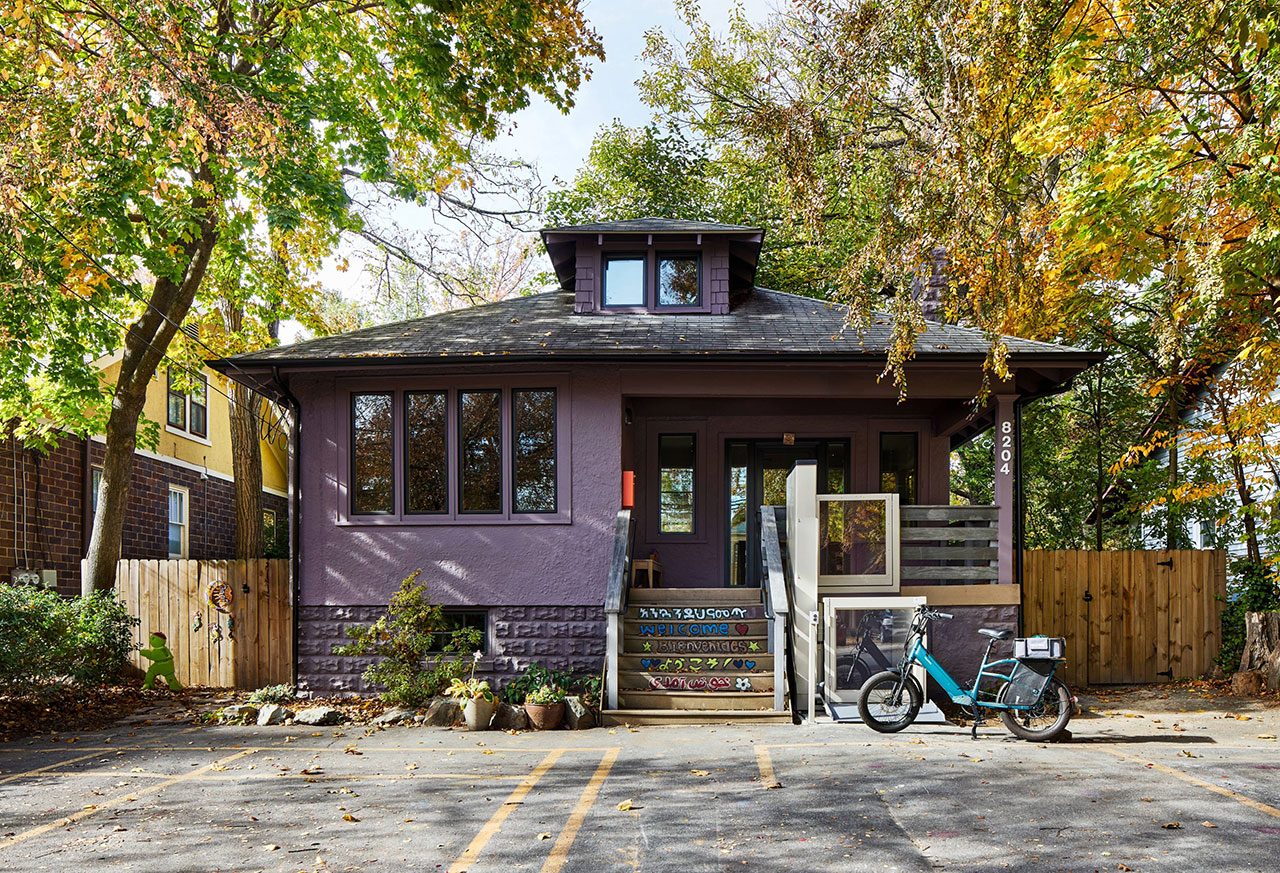
An educational facility in Takoma Park, Maryland is one such place. For more than 80 years it has been a fixture in the neighborhood. So when local firm WAK TOK architects was set to reimagine the former dwelling, the key was to keep its residential charm intact. “When we were asked to modernize the schoolhouse, a beloved bungalow originally built in the 1920s, we felt it was essential to honor that legacy,” says Wakako Tokunaga, founder of WAK TOK architects.
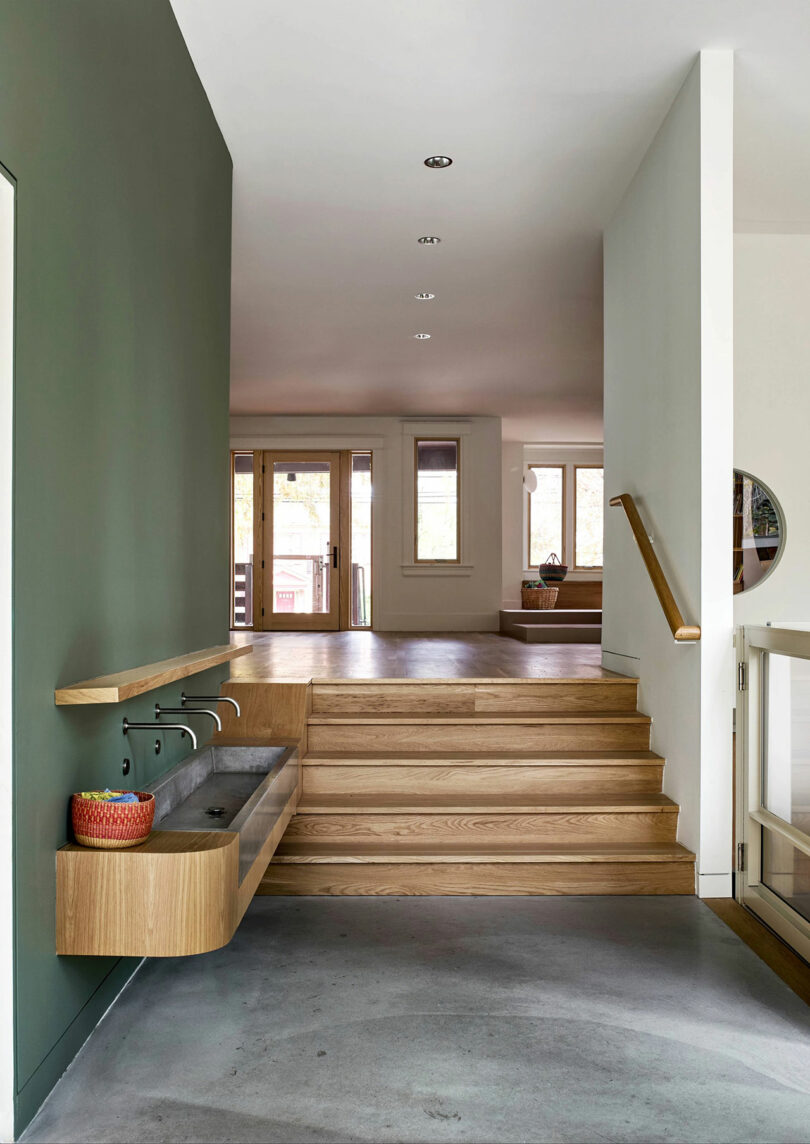
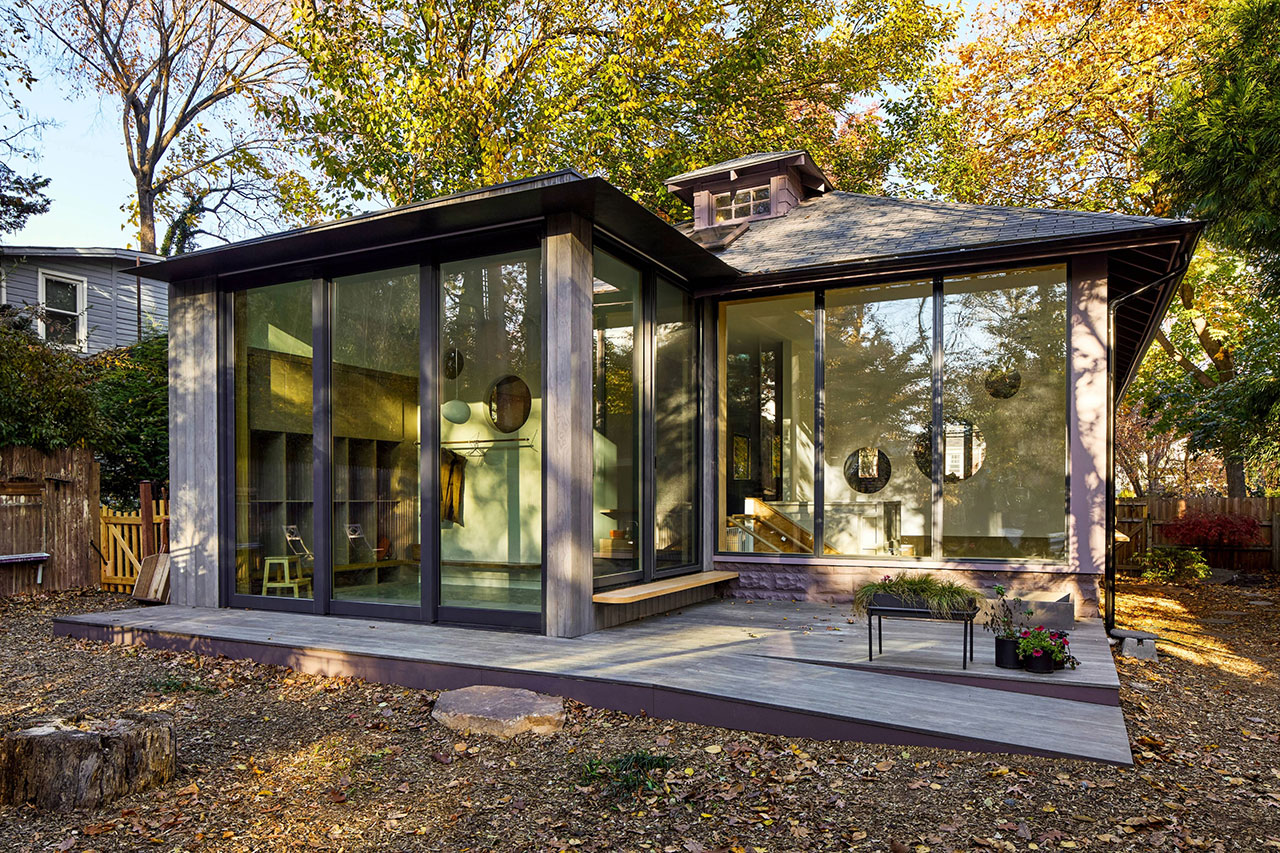
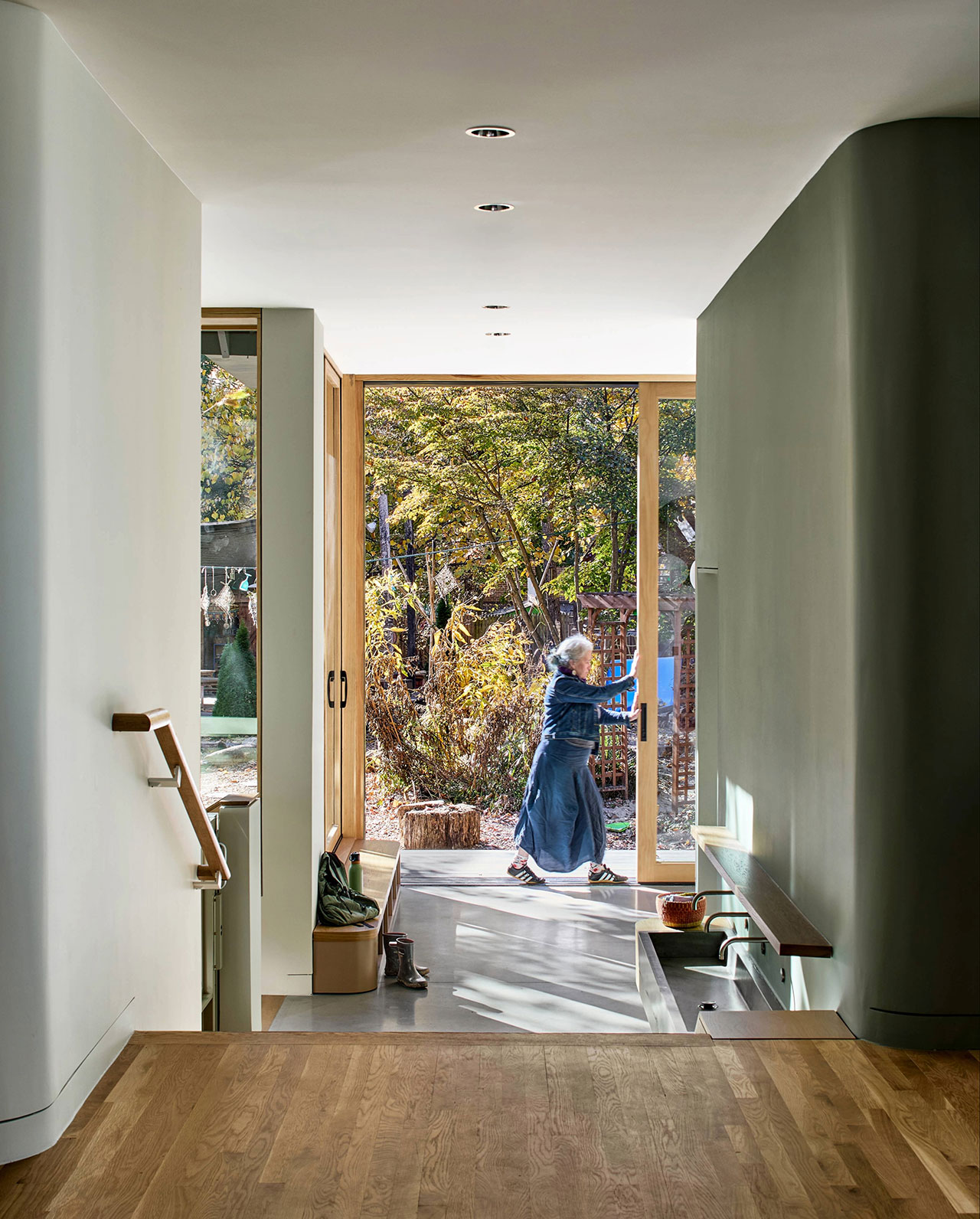
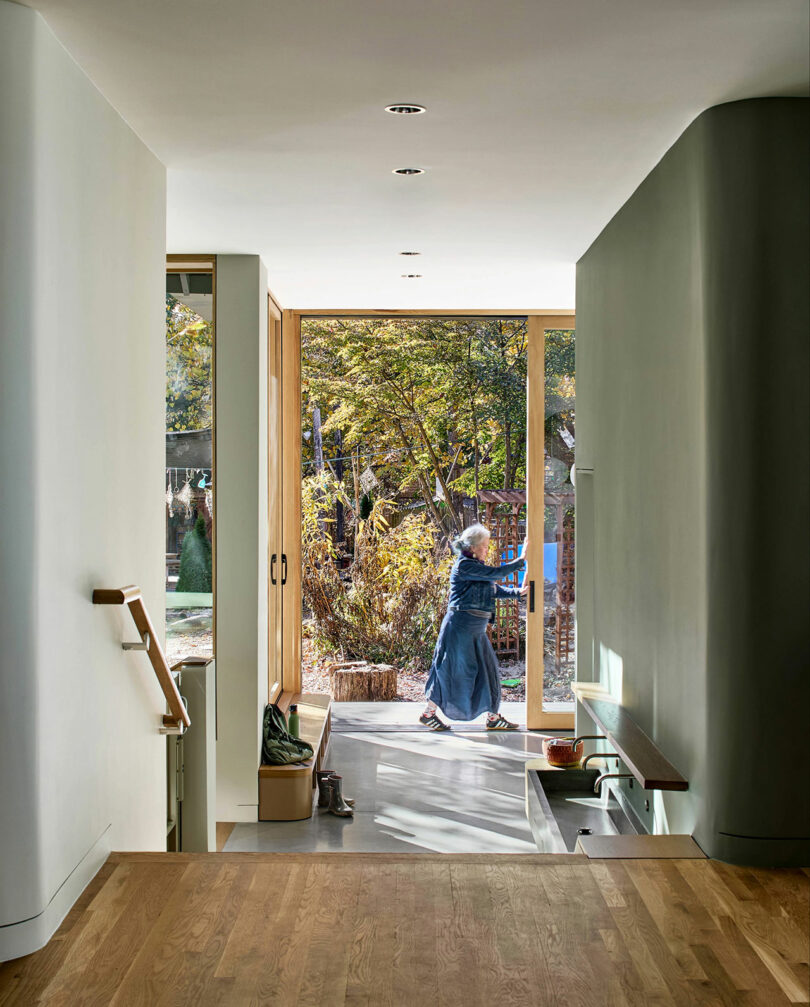
Indeed, as an outdoor nursery school, the landscape itself becomes a center for learning, surrounded by open skies and trees. The new scheme reinforces the relationship between each child and the environment, letting the outside in. A portion of the first floor was removed to transform a neglected basement into a sun-filled, double-height room for full integration.
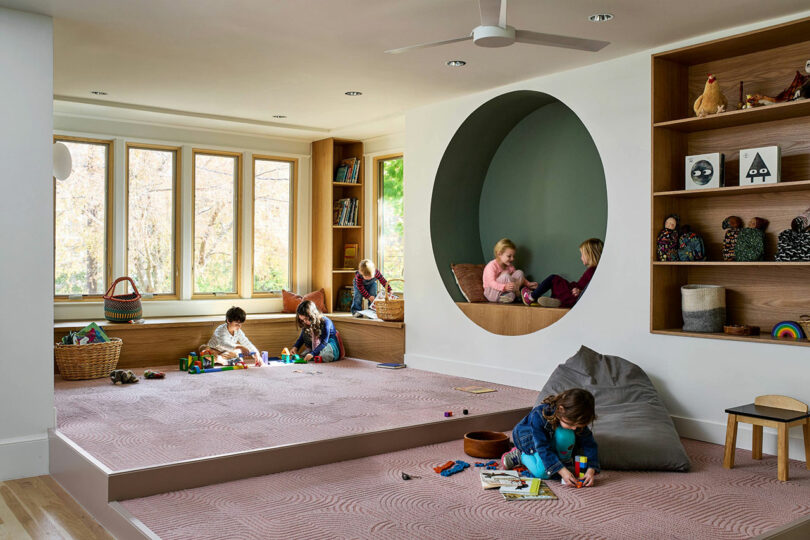
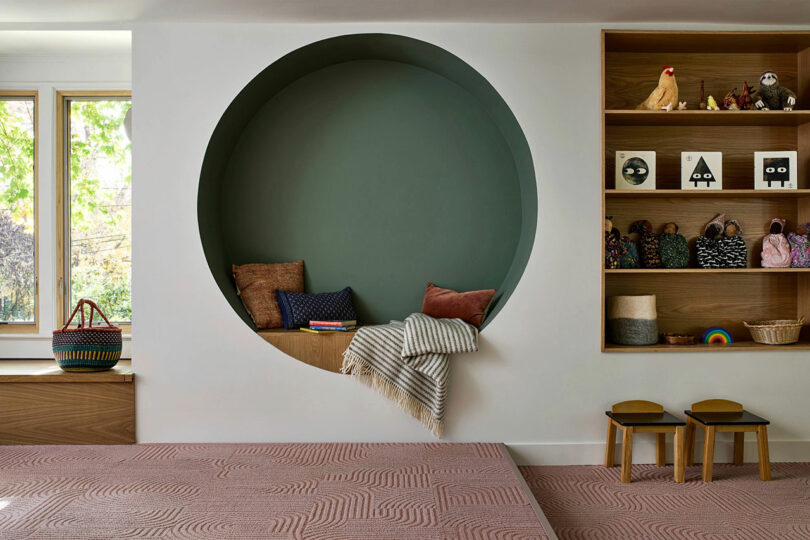
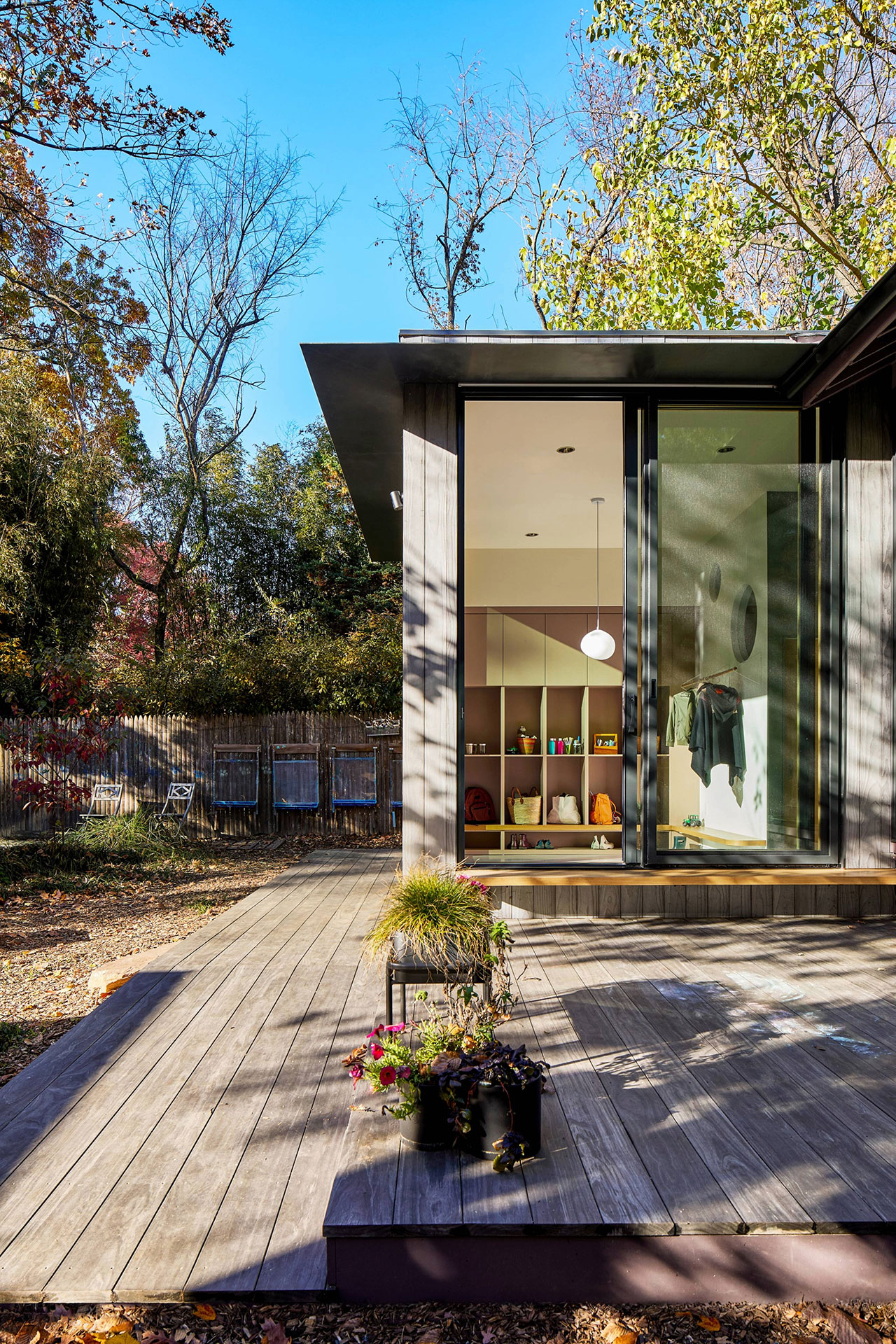
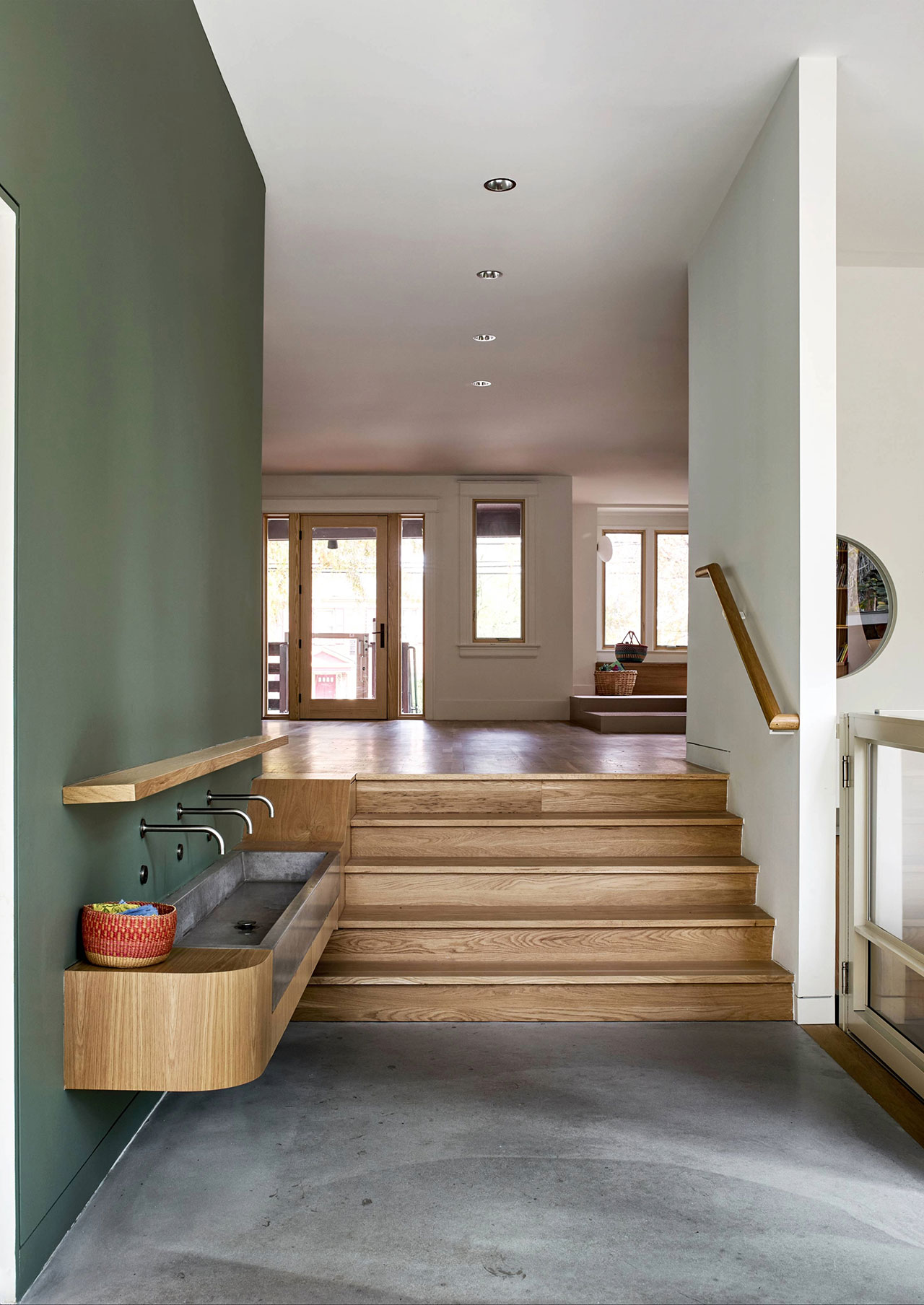
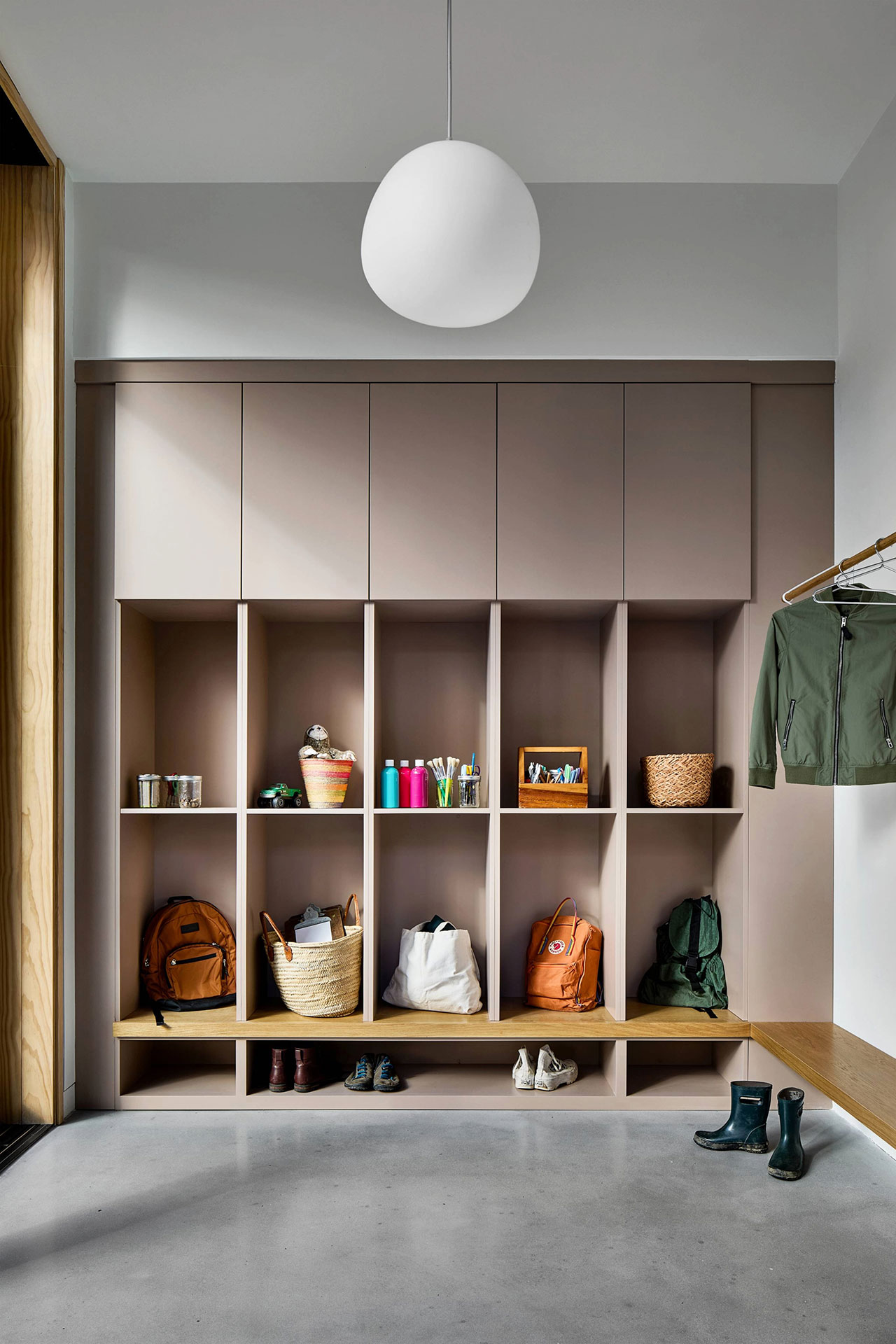
The mudroom is a central spot, the first point of entry where alfresco exploration easily moves to the interior. A glass wall opens to create a seamless indoor-outdoor threshold. Kids gather here and can put items on perfectly sized benches or cubbies.
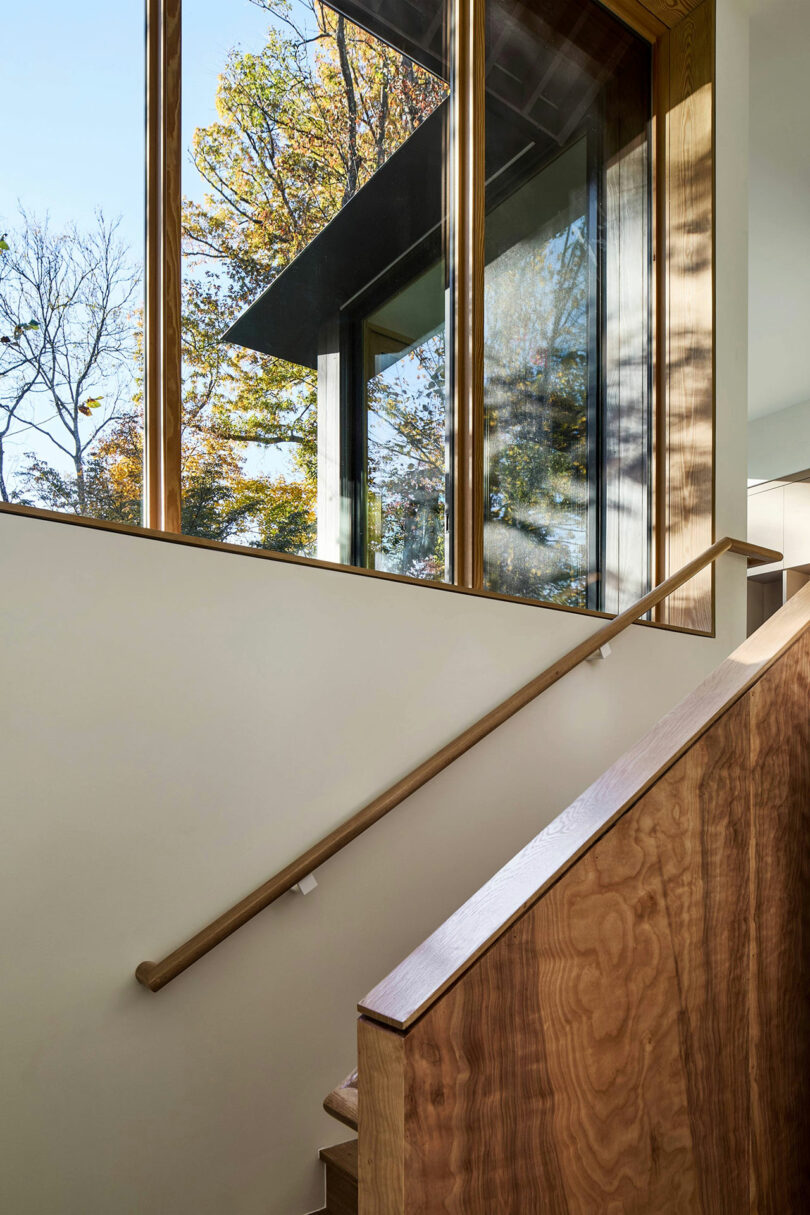
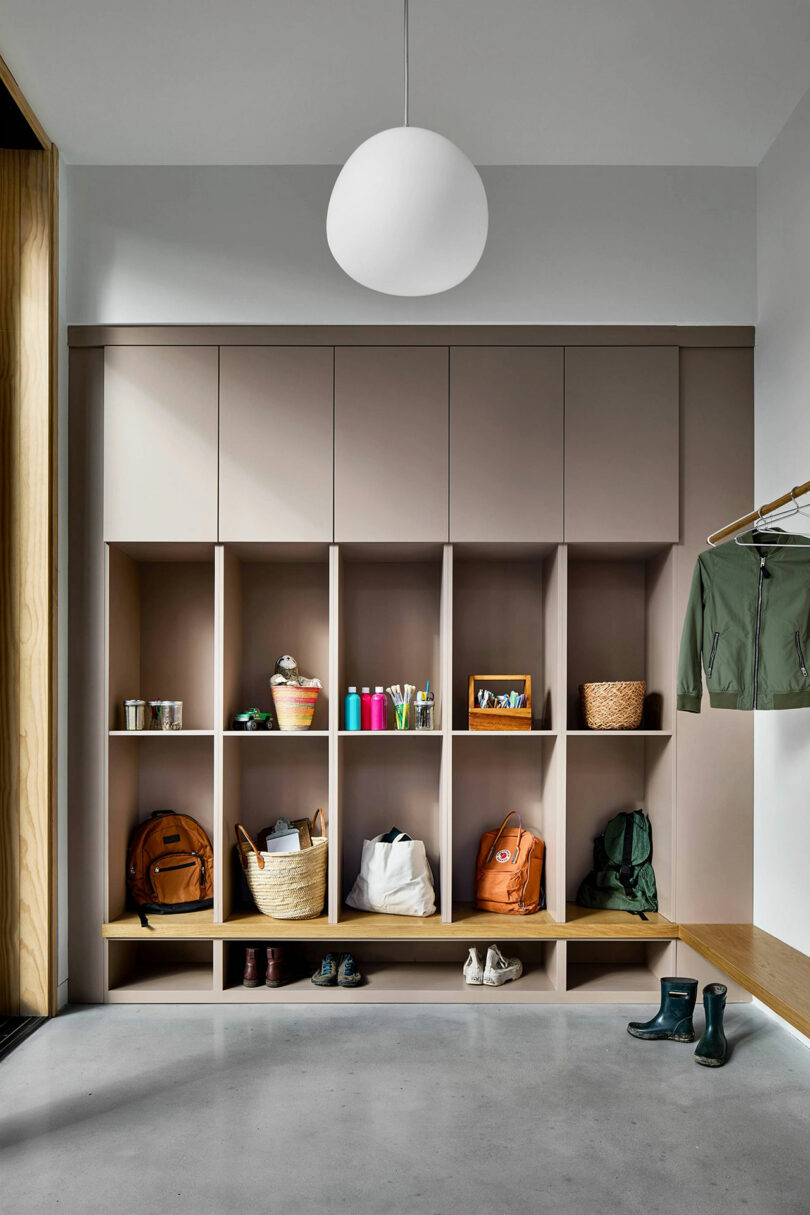
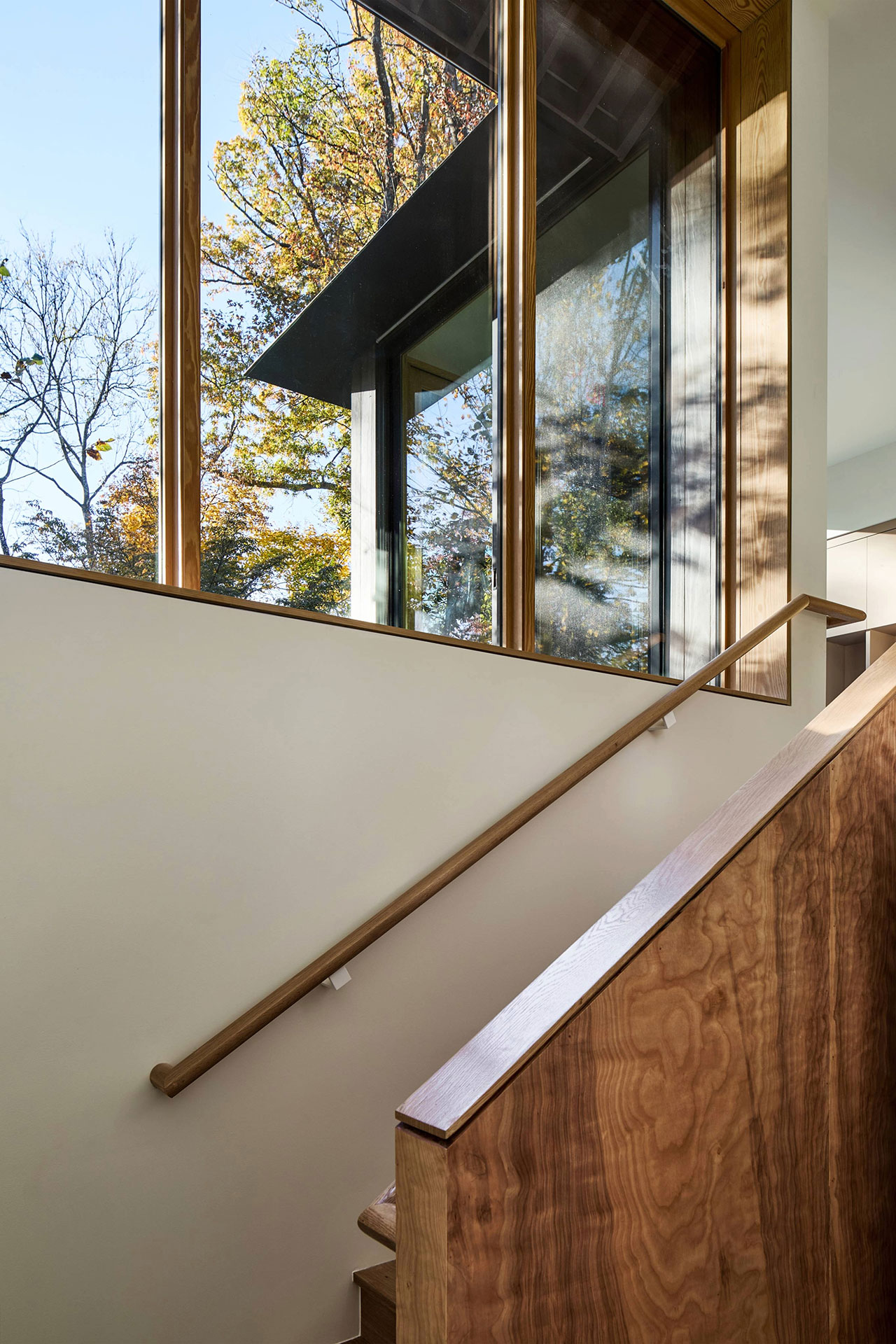
Classrooms now have expansive views that provide an immersive experience for the students as they witness the change of seasons. The thoughtful placement of steps, windows, and transitional spaces fosters engagement that aligns with the curriculum, which includes an emphasis on ecological awareness.
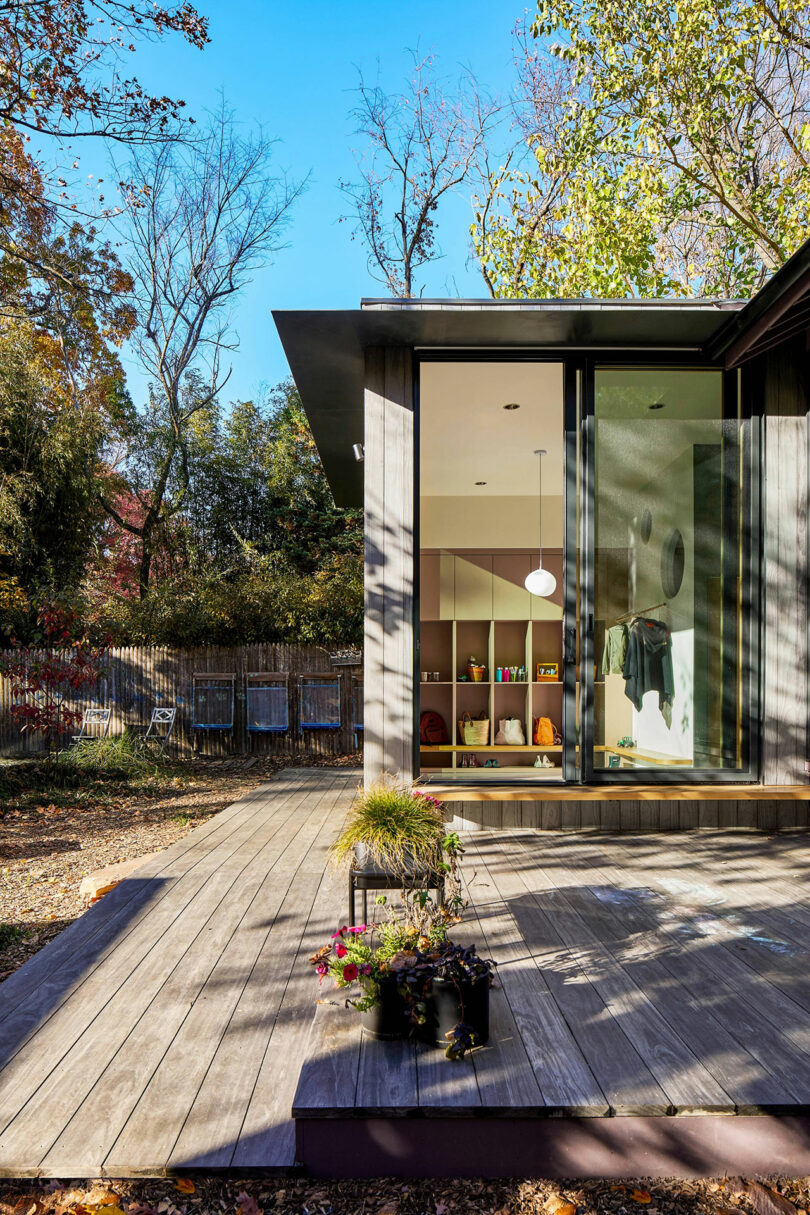
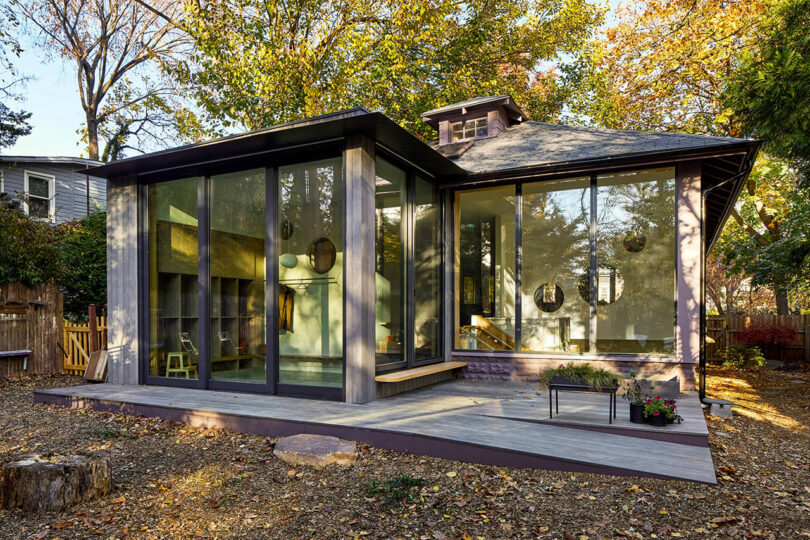
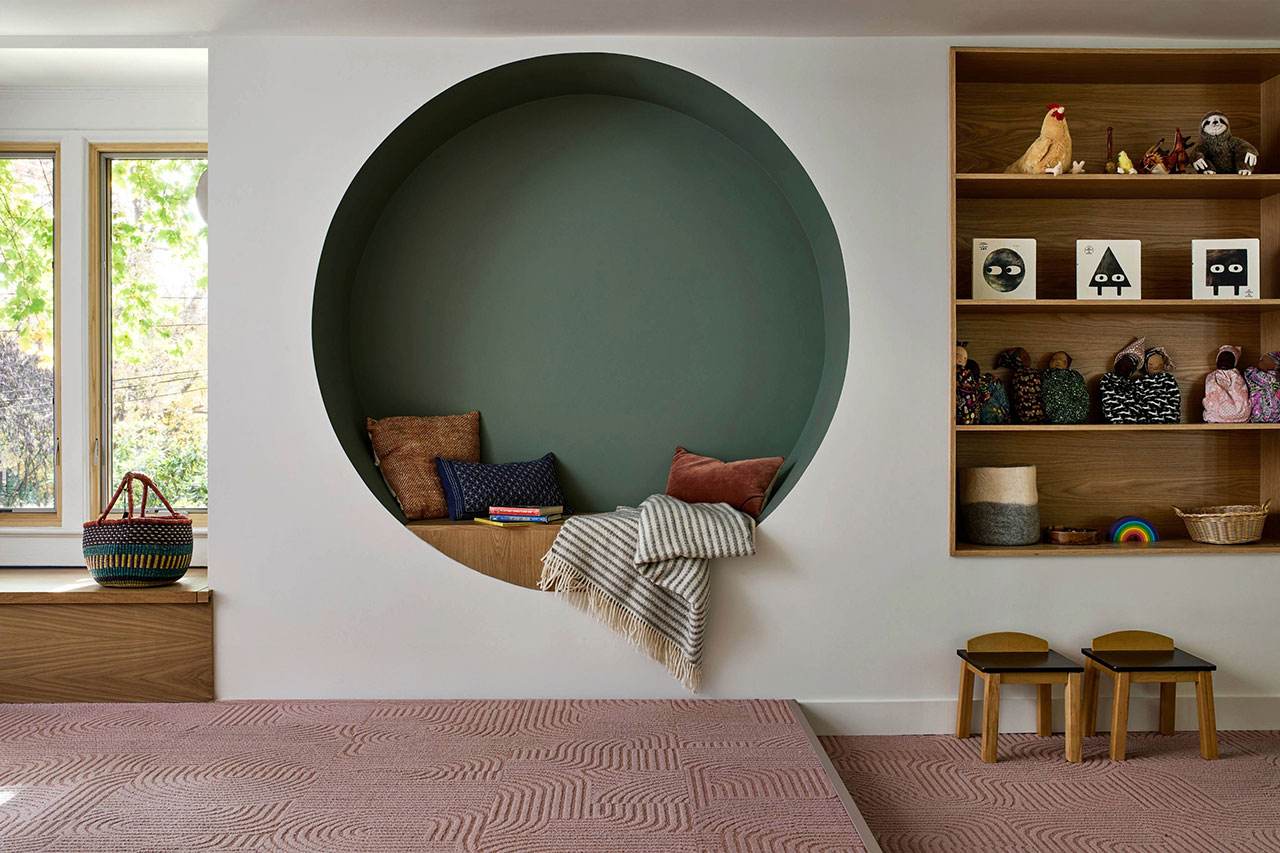
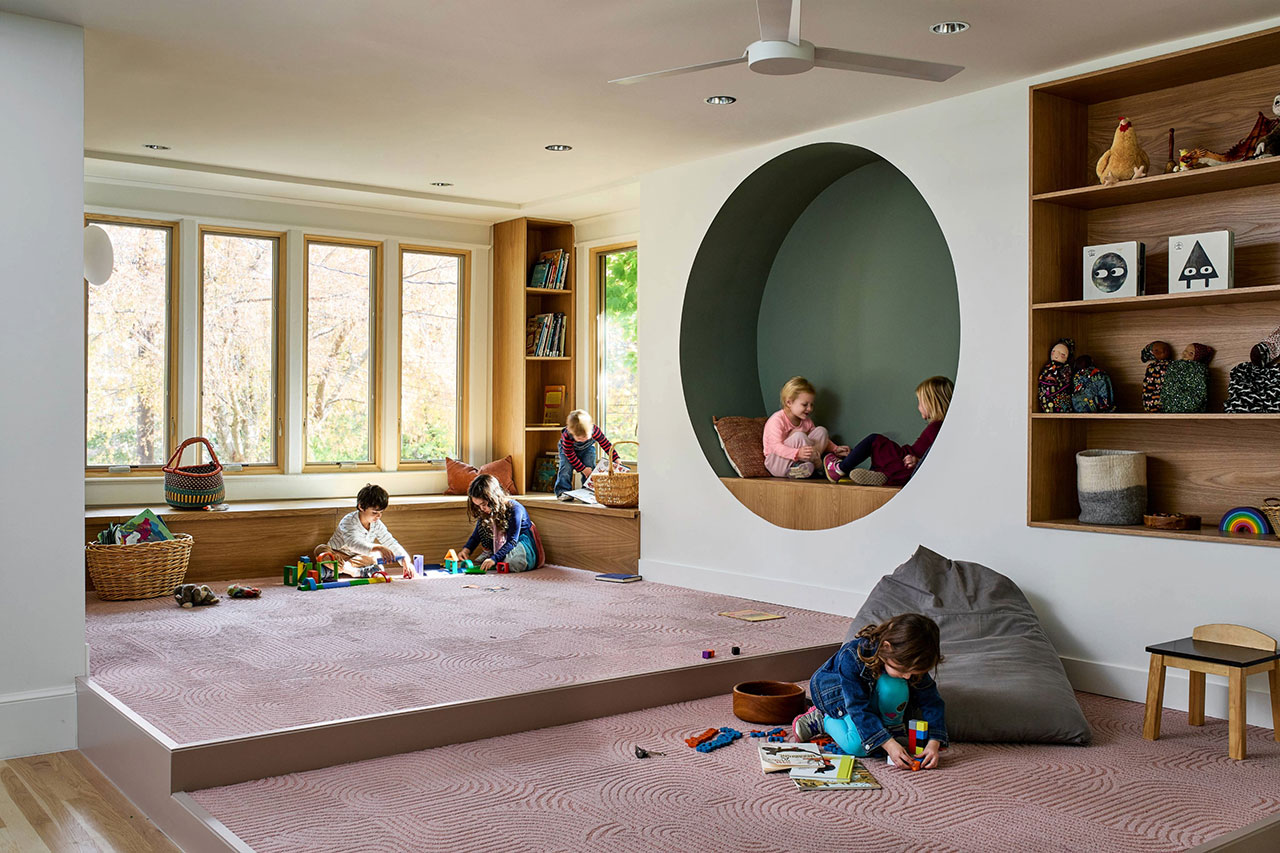
All-natural non-toxic elements were selected with health and sustainability in mind. An oak finish adds an organic feel throughout every zone. Buffed concrete floors and sinks are durable and easy to maintain, even when wet coats and muddy boots are scattered about. Raised platforms utilized for rest or play are finished with carpet made from recycled and bio-based materials. Improved insulation and a high-efficiency HVAC system have reduced overall energy use and increased occupant well-being.
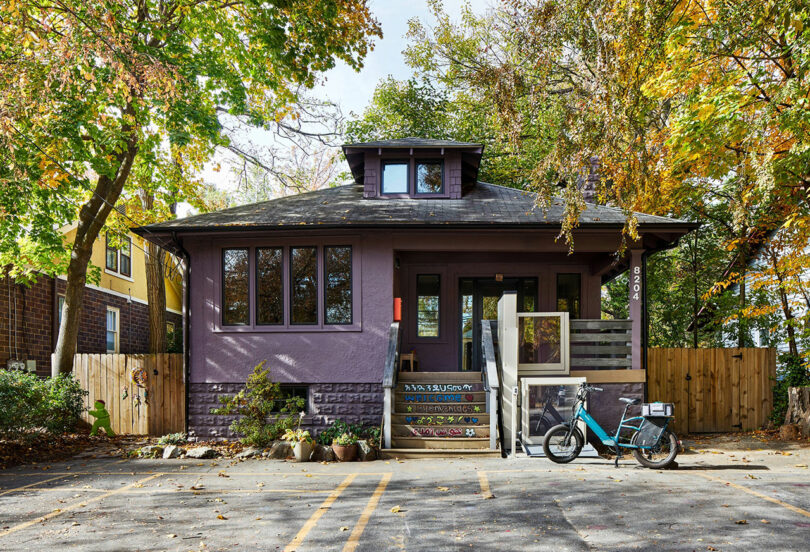
With instruction not limited to four walls, learning is effortless, wherever it unfolds. “The school has always felt like an extension of the home, both physically and emotionally,” Tokunaga notes. “Our goal was to preserve the warmth, sense of wonder, and connection to nature.”
To explore more of studio’s portfolio, visit wak-tok.com.
Photography by Stacy Zarin Goldberg