
Conceptual artist and technologist Sarah Meyohas explores the intersections of art, science, and finance, translating complex systems into visual experiences. Her work examines how emerging technologies challenge our understanding of intelligence, agency, and the boundaries between living and artificial systems.
In 2015, Meyohas launched Bitchcoin, a cryptocurrency tied to ownership of her physical artwork. An early experiment in blockchain-based art ownership, the project preceded Ethereum’s launch by several months.
Meyohas’s practice draws on the concept of Gesamtkunstwerk, a German term meaning “total work of art,” in which multiple disciplines form a unified whole. Her interest in this approach deepened through conversations with scientists whose research challenged familiar distinctions between the biological and the technological. “Learning about their work consistently evoked a feeling that our categories of life, computation, intelligence, and agency were becoming increasingly unstable,” she explains.
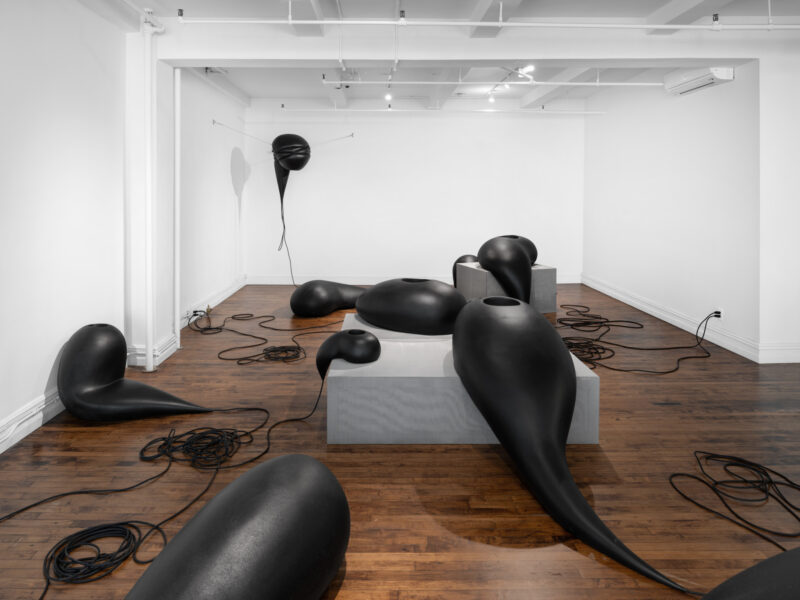
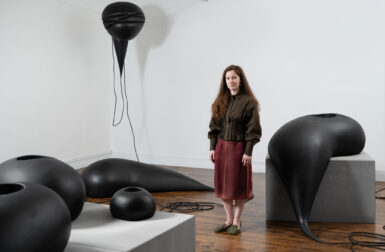
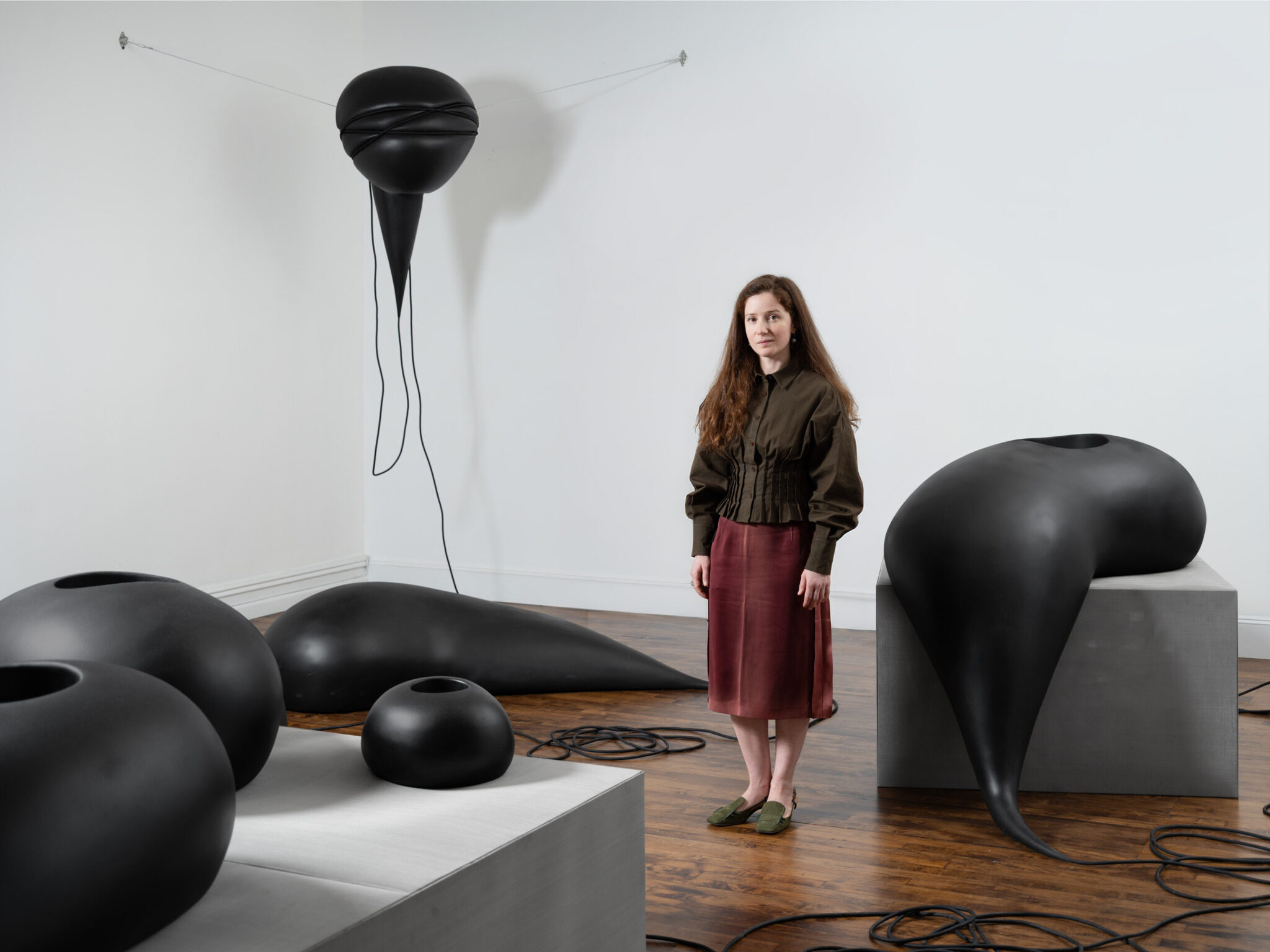
‘Phase Transition’ (2026) by Sarah Meyohas. Photography courtesy of the artist and Boesky Gallery, New York.
A Manhattan native with a B.A. in international relations from the University of Pennsylvania and a B.S. in finance from the Wharton School, Meyohas later earned an MFA from Yale. Named to Forbes’ 30 Under 30 list, she has exhibited at the Centre Pompidou in Paris, the ICA in London, and the New Museum in New York. Beyond her studio practice, she invests in companies that reflect her ethical and aesthetic interests, including Sita Bio, which develops artificial womb technology.
For today’s Friday Five, we spend five minutes with Sarah Meyohas to learn about the inspirations behind Phase Transition, her new installation debuting with Marianne Boesky Gallery as part of Zero 10 at Art Basel Miami Beach, Dec. 4–6, 2026.
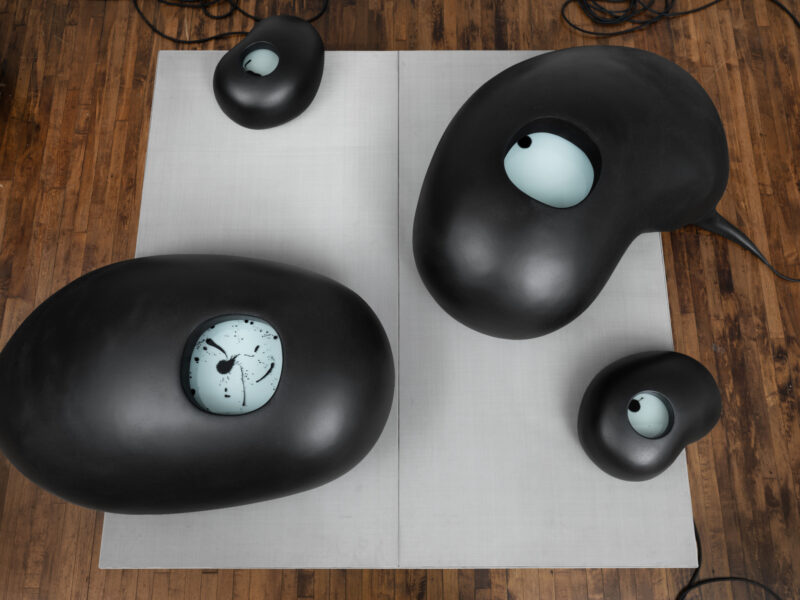
‘Phase Transition’ (2026) by Sarah Meyohas. Photography courtesy of the artist and Boesky Gallery, New York.
The Project: Phase Transition
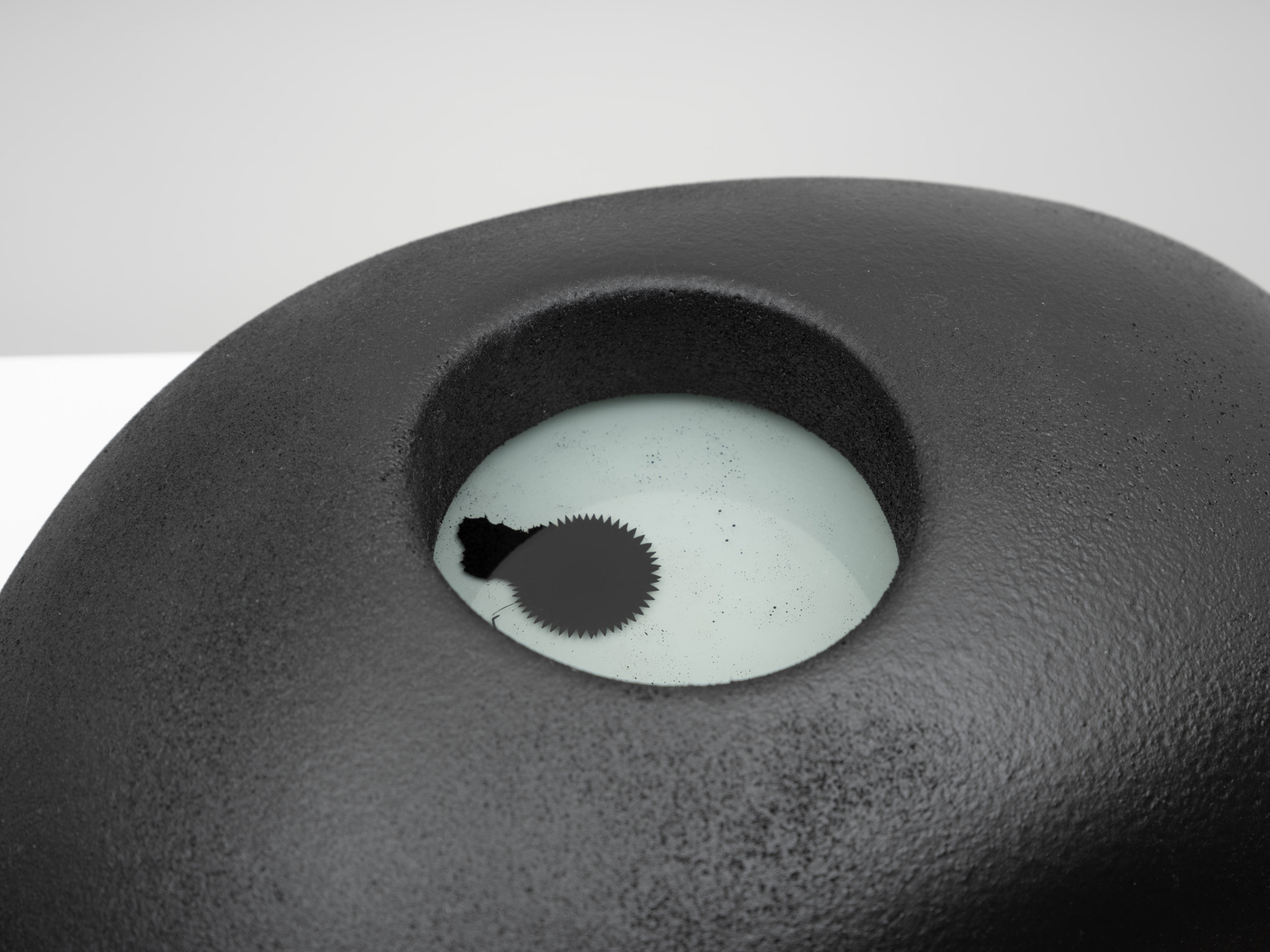
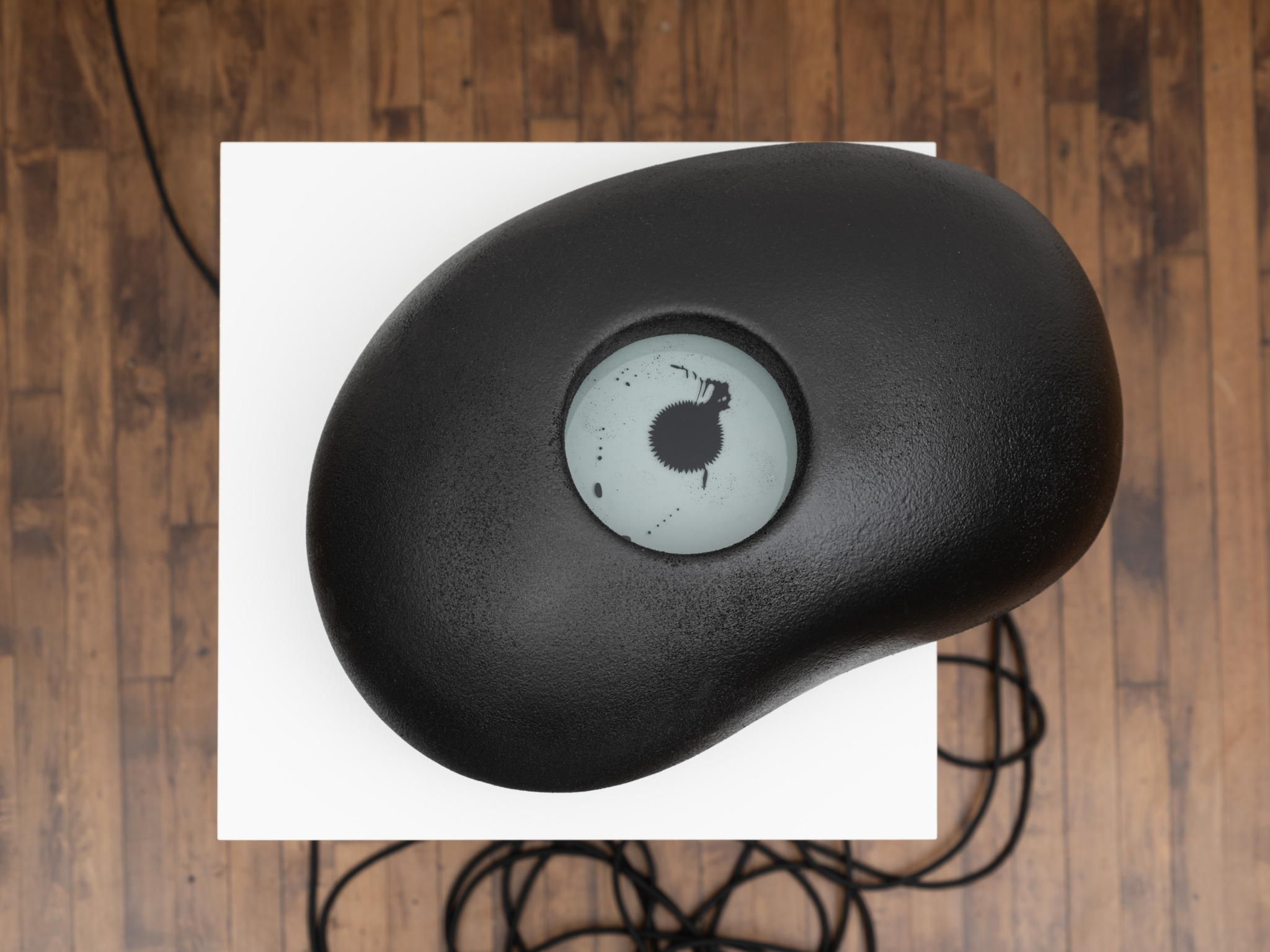
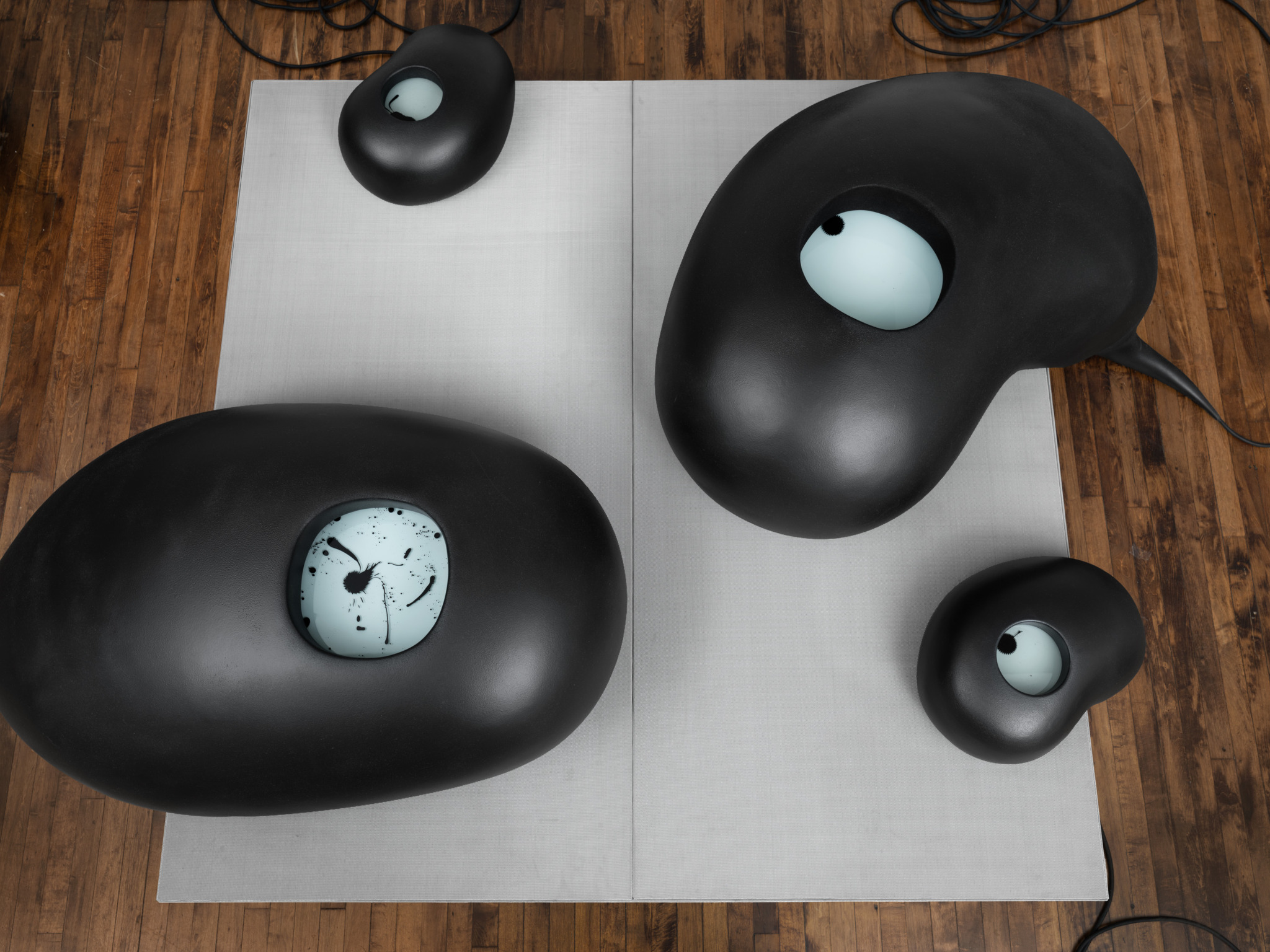
“The title, ‘Phase Transition,’ refers to the moment matter changes state from liquid to solid,” Meyohas explains. “The sculpture holds both states simultaneously: the solid body is a form that has arrived, while the ferrofluid inside remains in motion, still becoming.”
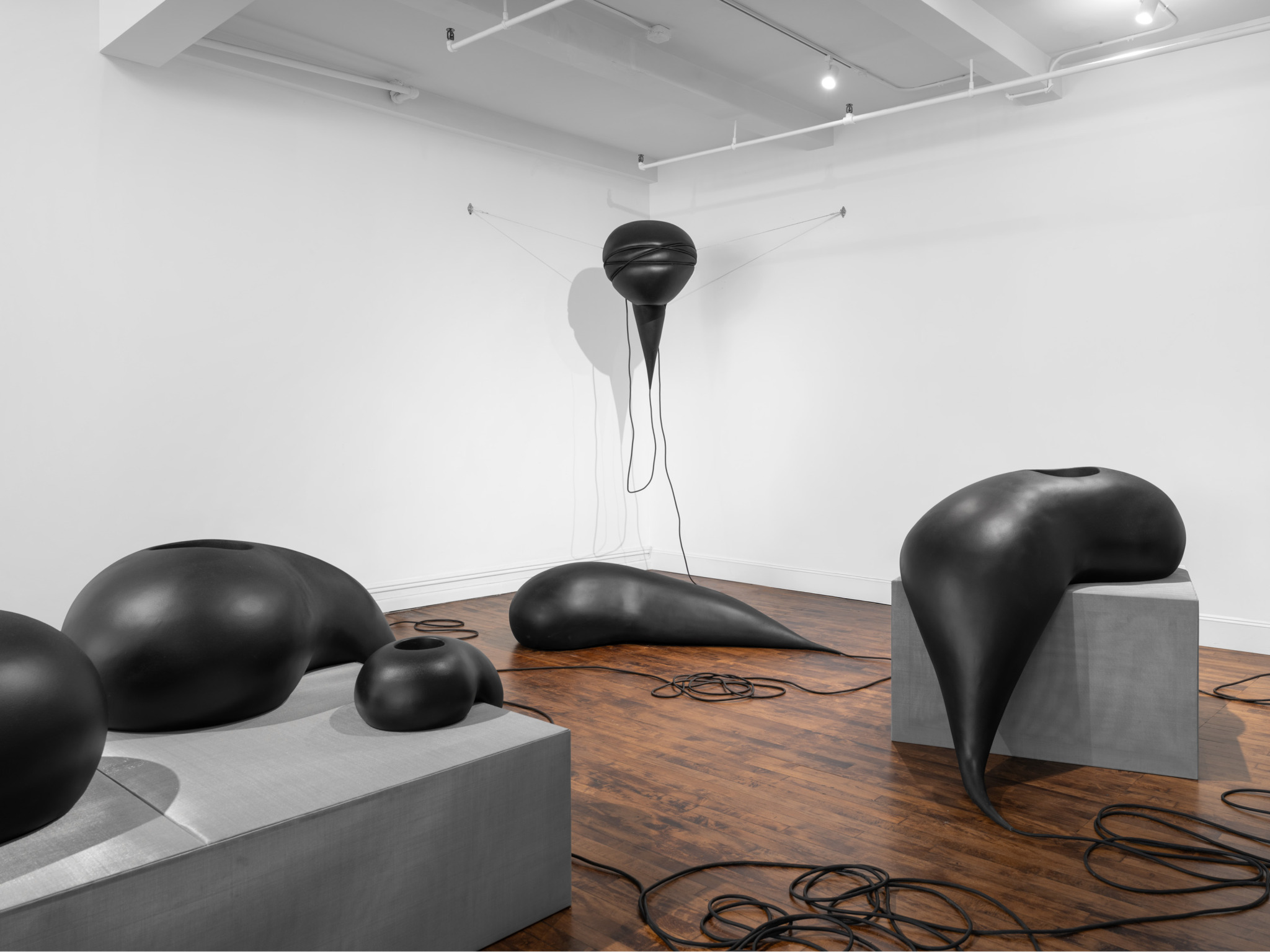
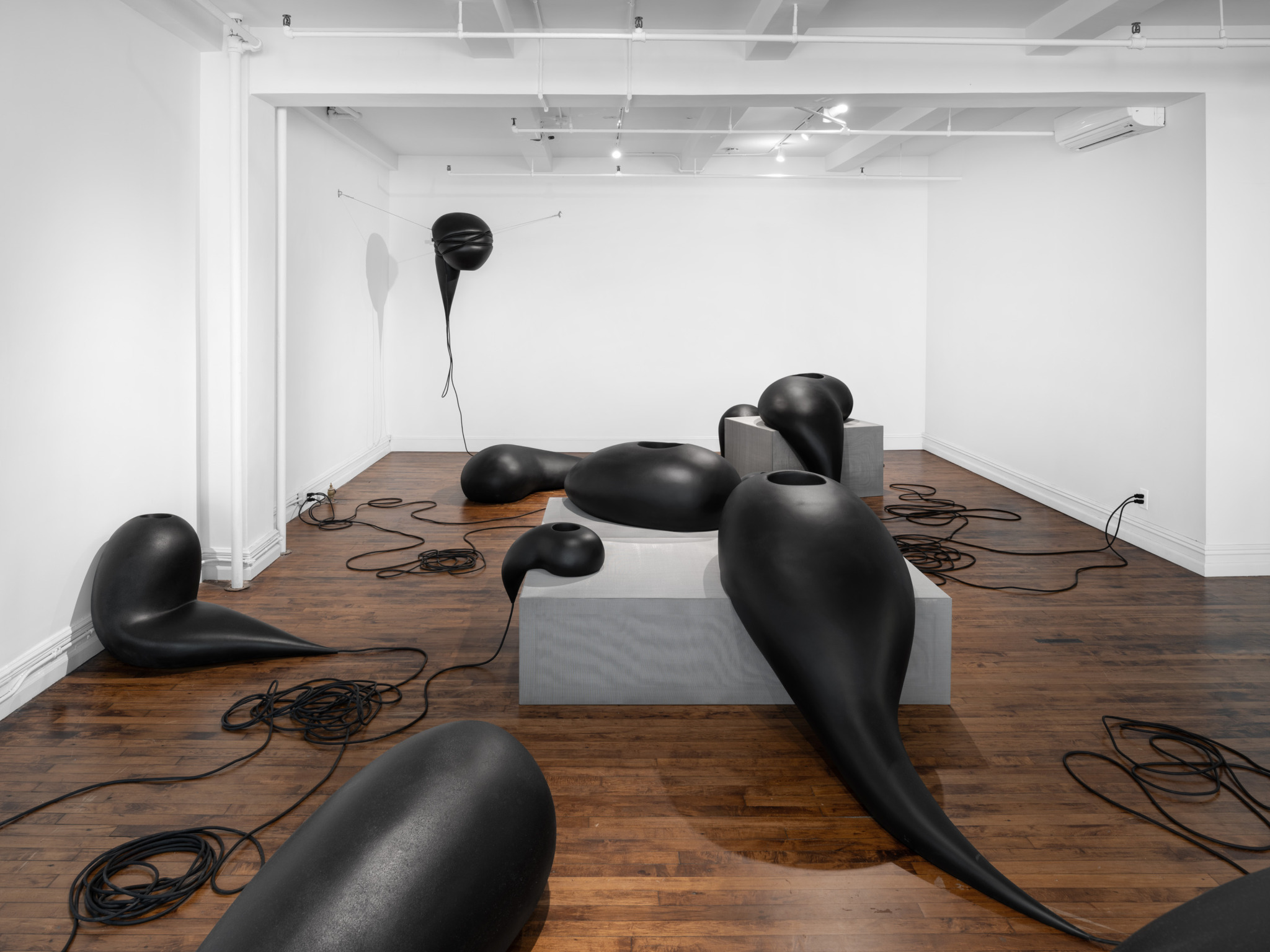
The work began with an image that surfaced unexpectedly. “I imagined a rubber-like body with a tail tapering into a power cord plugged into the wall. I can’t point to a particular visual influence,” she says. “It was more a continuation of a feeling, an image that seemed to arrive fully formed.”
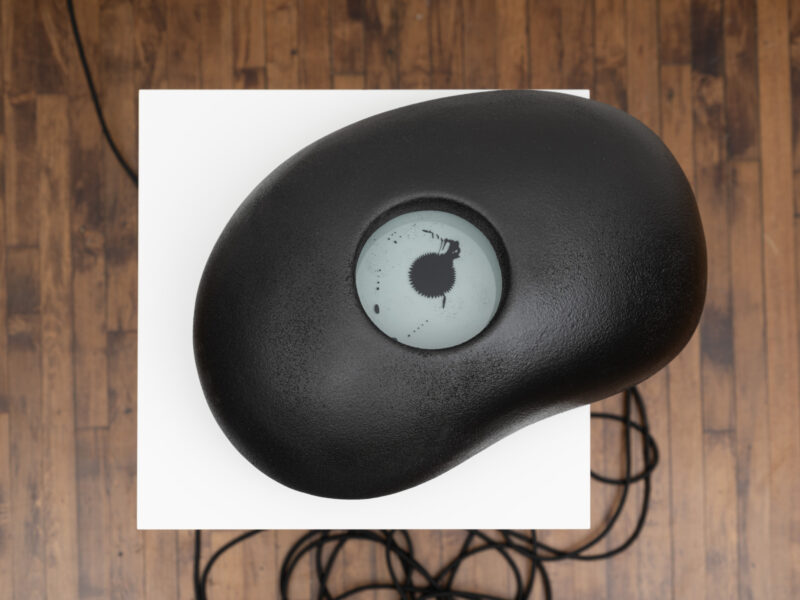
‘Phase Transition’ (2026) by Sarah Meyohas. Photography courtesy of the artist and Boesky Gallery, New York.
That initial vision developed into a series of black, rubbery, organic forms that sprawl across mesh bases, droop down walls, and hang from suspended wires. Windows cut into several structures reveal glass tanks filled with ferrofluid, a liquid containing nanoparticles that respond to magnetic fields. Programmed magnets beneath the tanks direct the fluid into shifting patterns, while synthesizers housed in the mesh pedestals translate those movements into sound.

‘Phase Transition’ (2026) by Sarah Meyohas. Photography courtesy of the artist and Boesky Gallery, New York.
What began as a singular sculpture evolved into a network of communicating bodies. “They could become a social system, with relationships, affinities, disagreements, and moments of consensus,” Meyohas says. Rather than conveying a decipherable message, the installation suggests a conversation whose emotional contours can be sensed but not understood.
That ambiguity parallels questions about a future in which artificial intelligence systems communicate increasingly among themselves, potentially in ways humans cannot interpret. “We tend to assume that intelligence will make itself legible to us, or that we will always be participants in the conversation,” Meyohas says. “But we may find ourselves increasingly on the outside, observing exchanges between intelligences whose internal logic we can’t access.”

‘Phase Transition’ (2026) by Sarah Meyohas. Photography courtesy of the artist and Boesky Gallery, New York.
Neuroscience research also informs the work’s atmosphere. Rather than illustrating scientific principles, Meyohas evokes the experience of observing an experiment: “the hum of equipment, the clinical posture of looking down into controlled environments, the beauty of watching something operate at a level just beyond full comprehension.”
Inspirations Behind Phase Transition
Here, Meyohas shares three influences that helped shape the installation, in her own words.

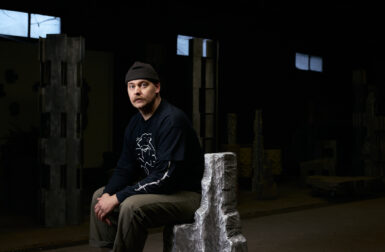
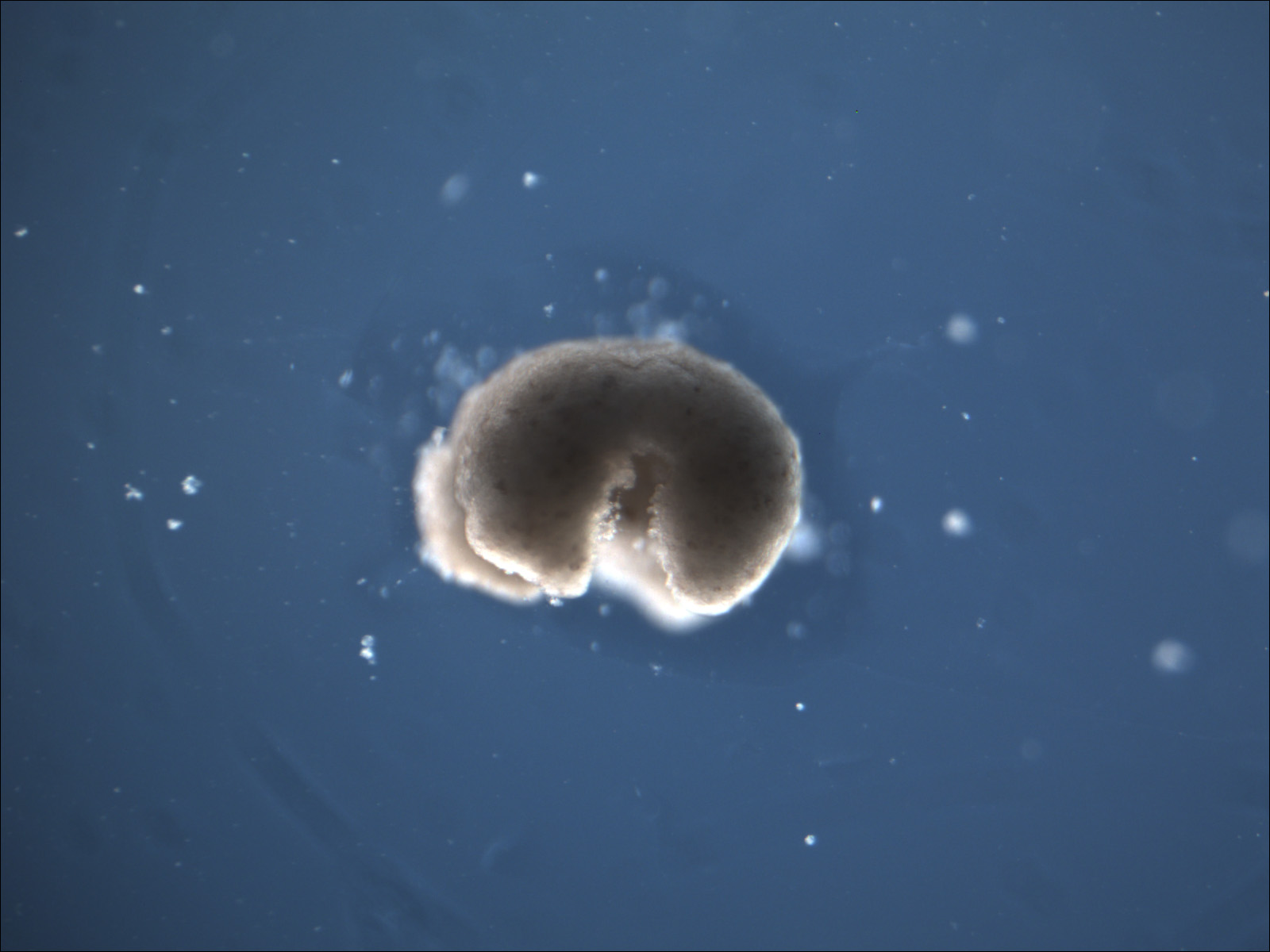
Photography by S. Kriegman, D. Blackiston, M. Levin, and J. Bongard; courtesy of Creative Commons
Michael Levin
“Michael Levin is a developmental biologist at Tufts University whose lab studies bioelectricity, the electrical signals cells use to coordinate where an eye or a limb should grow. His idea that problem-solving happens well below the level of the brain, in tissues and groups of cells, changed how I look at matter. His lab also helped create xenobots, tiny living machines made from frog cells that move and organize themselves.”

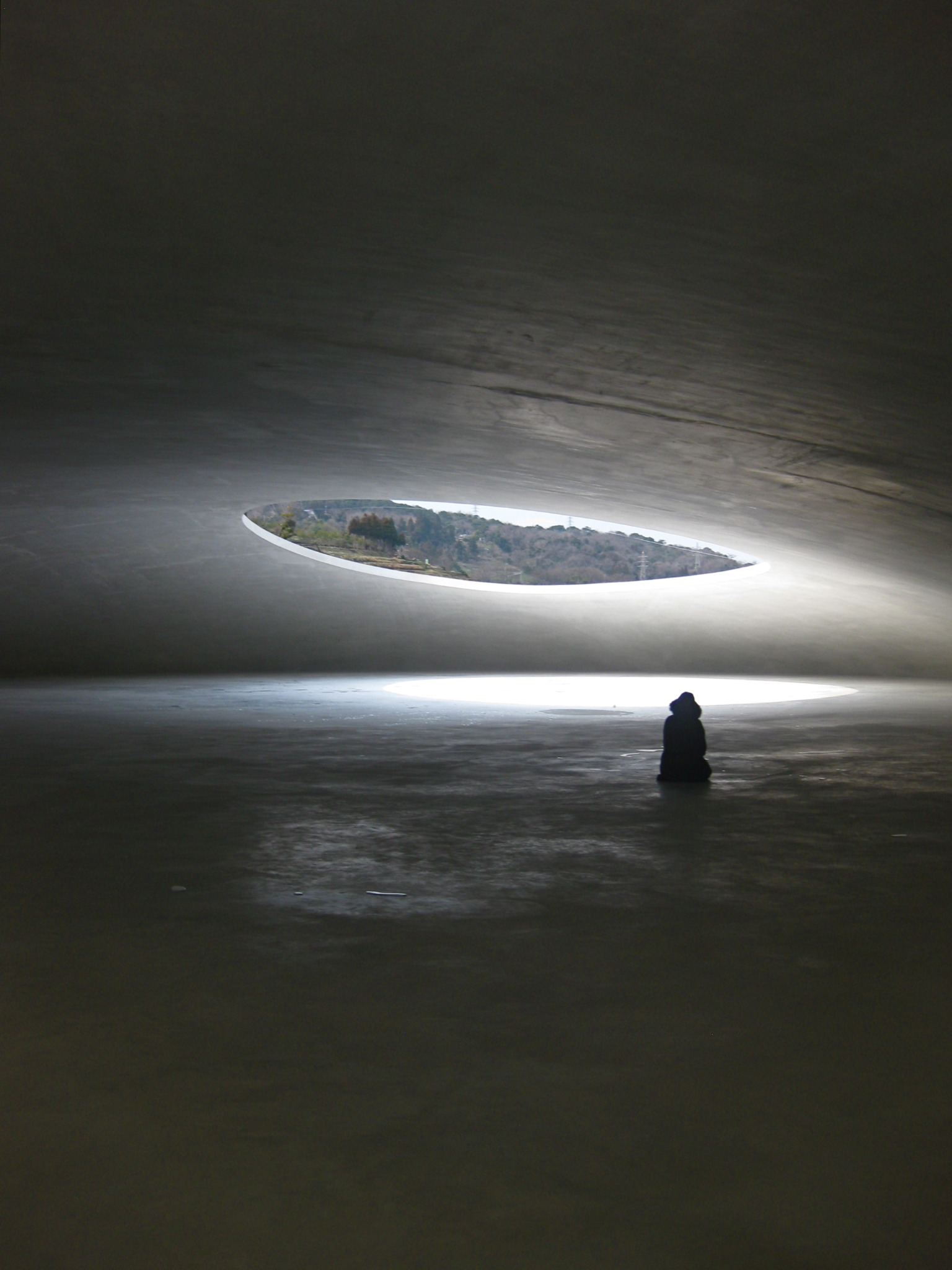
Teshima Museum on Teshima Island, Japan, designed by architect Ryue Nishizawa, co-founder of SANAA, and artist Rei Naito. Photography by Epiq; courtesy of Creative Commons.
Teshima Art Museum
“I visited the Teshima Art Museum, by the architect Ryue Nishizawa and the artist Rei Naito, on a day when it was raining hard, and the rain fell straight through the two openings in its concrete shell. Then water began coming up through tiny holes in the floor, beading into droplets that merged and slid slowly across the concrete, pulled by gravity and the floor’s slight slope. Naito’s piece, Matrix, makes water look as if it moves by its own will.”

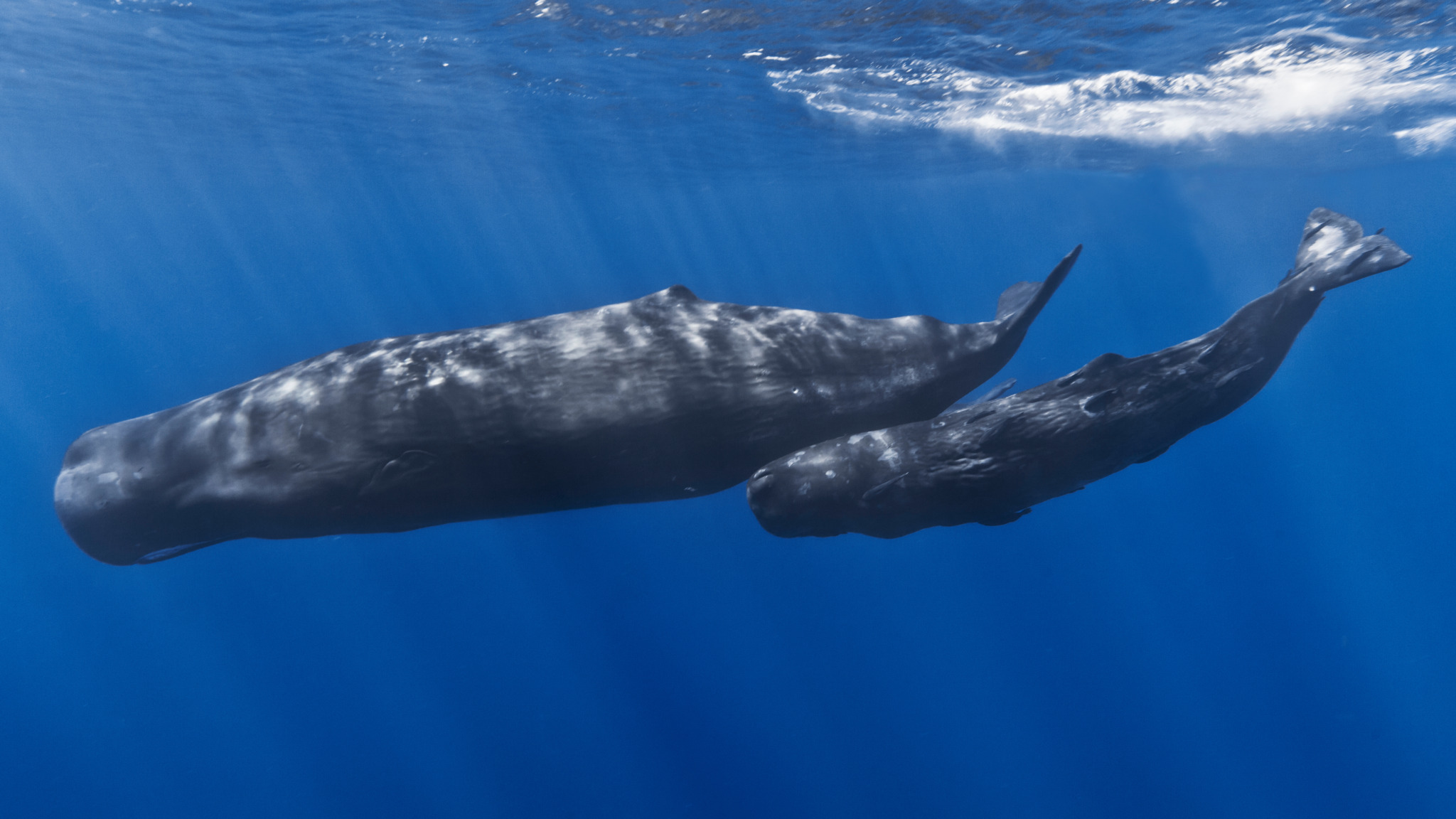
A mother sperm whale and her calf off the coast of Mauritius. Photography by Gabriel Barathieu; courtesy of Creative Commons.
Whale Communication
“Sperm whales communicate in codas, short patterns of clicks that they trade back and forth, taking turns and sometimes overlapping. In 2024, researchers with Project CETI found that codas vary in rhythm, tempo, small shifts in timing, and an occasional extra click, and that whales in an exchange match each other’s timing as they go. Combined, these features work like a phonetic alphabet, yet no one knows what the whales are saying.”
Phase Transition (2026) will be on view with Boesky Gallery as part of Zero 10 at Art Basel Miami Beach, Dec. 4–6, 2026, at the Miami Beach Convention Center. VIP previews take place Dec. 2–3.