Lumens Brings a Rare Afra and Tobia Scarpa-Designed FLOS Luminaire to the U.S. Market

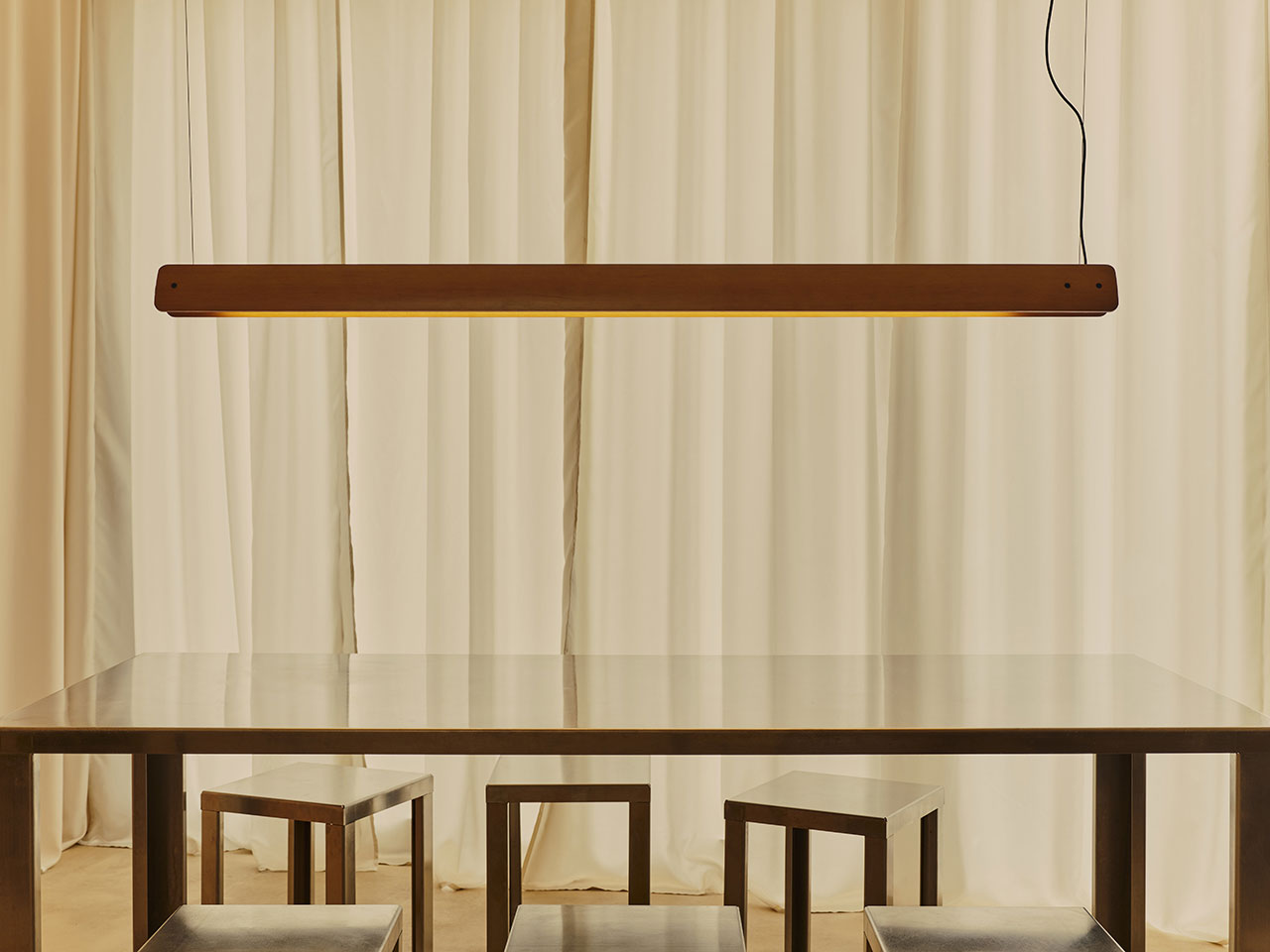
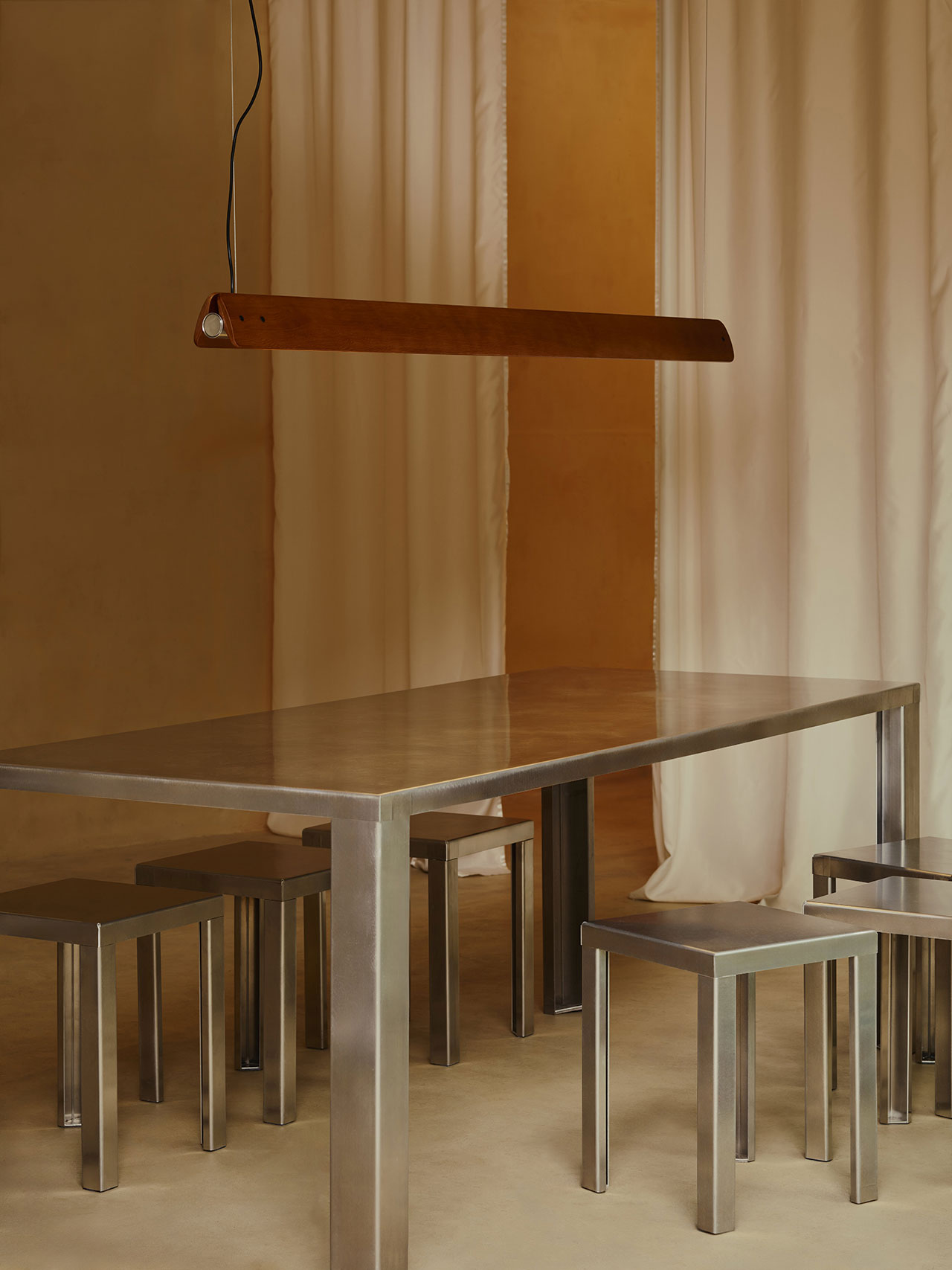
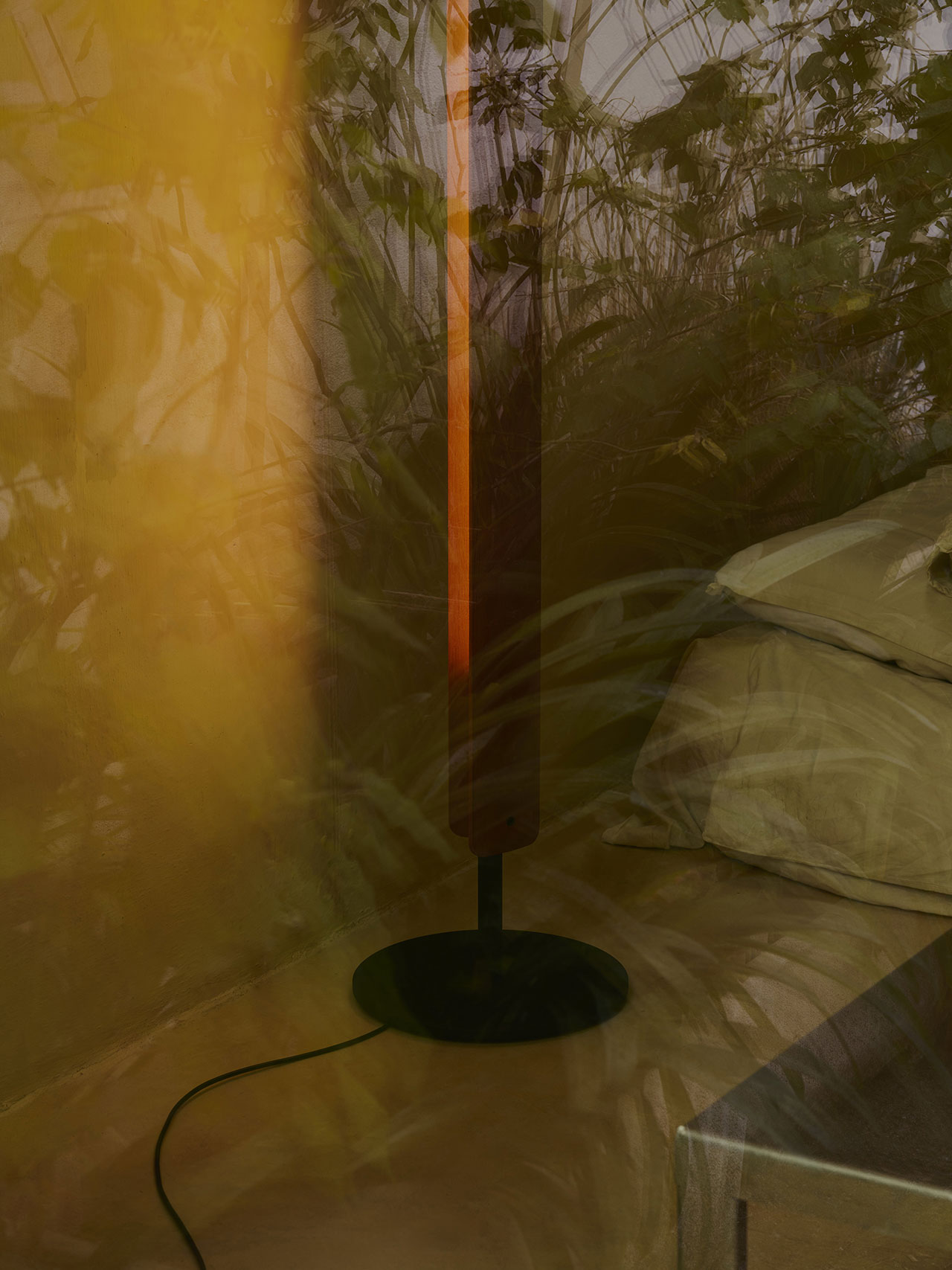

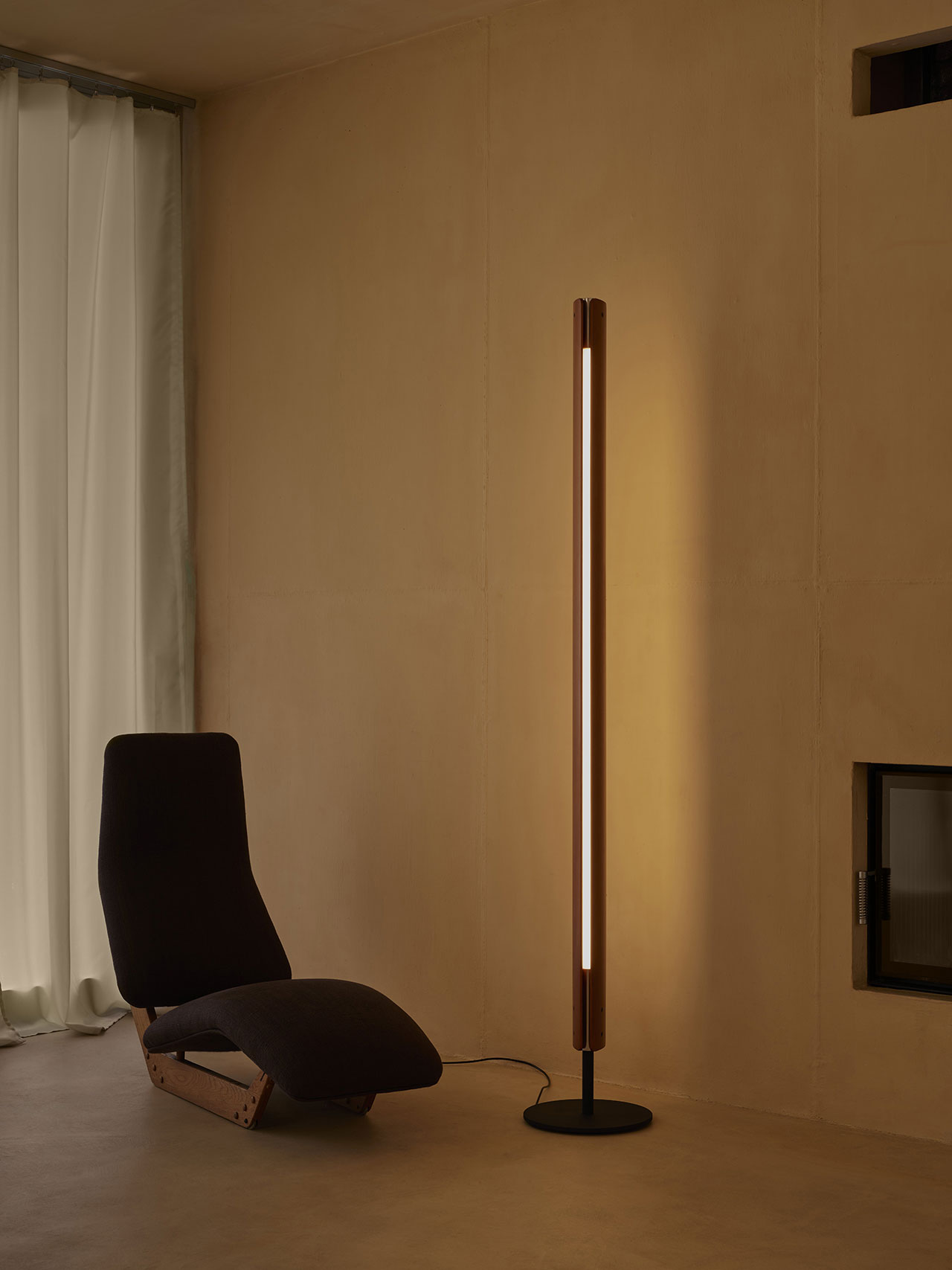
The son of seminal polymath Carlo Scarpa—an experimental Italian architect and designer who marched to the beat of his own drum—Tobia Scarpa forged a career in a similarly irreverent, self-determined spirit. Together with his equally nonconformist wife and partner Afra Bianchin, he created a number of era-defining furnishings that challenged both the aesthetic and technical limits of materials. Among these enduring icons are some 30 luminaires designed for FLOS—many of the company’s earliest products.


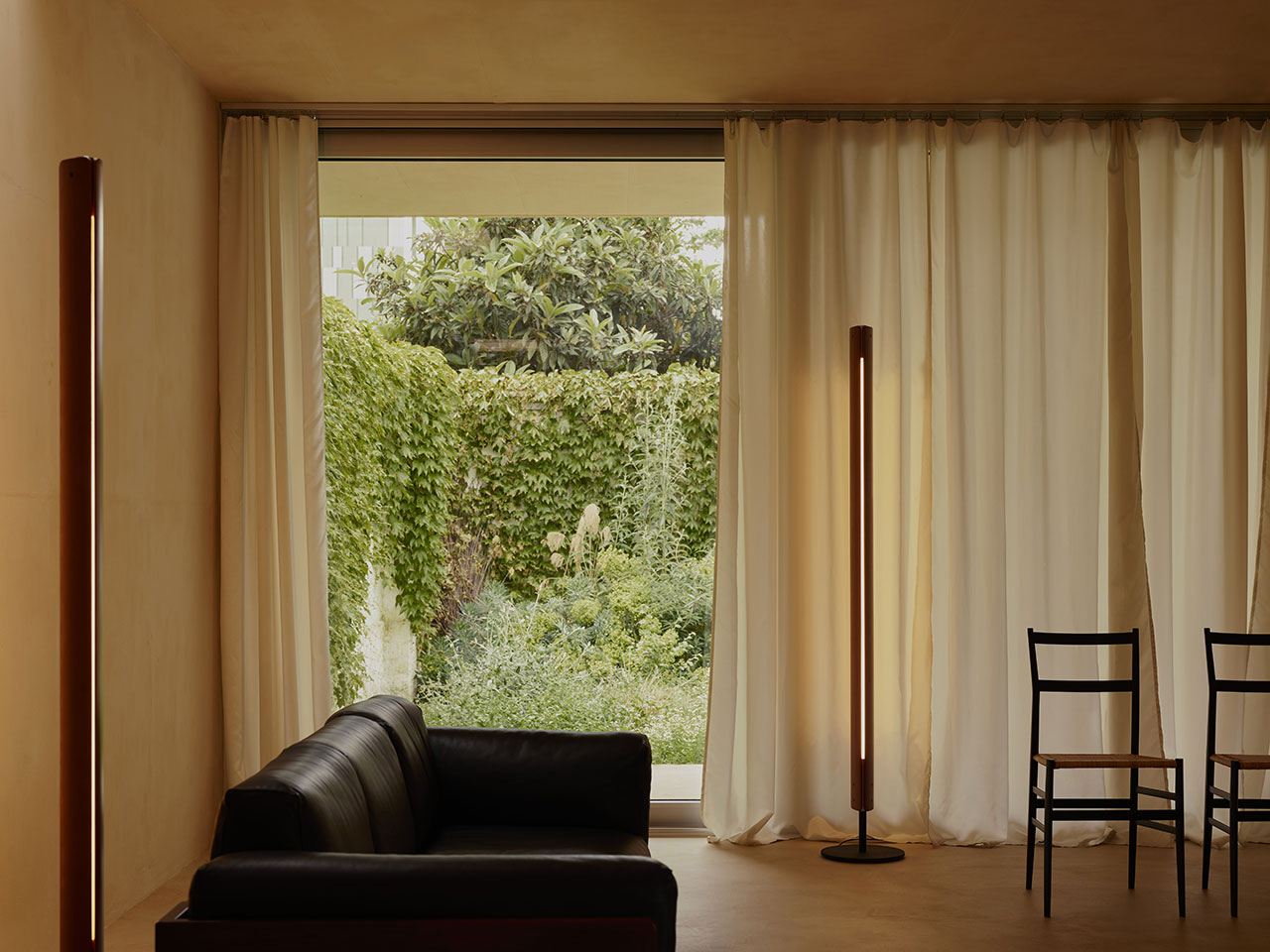
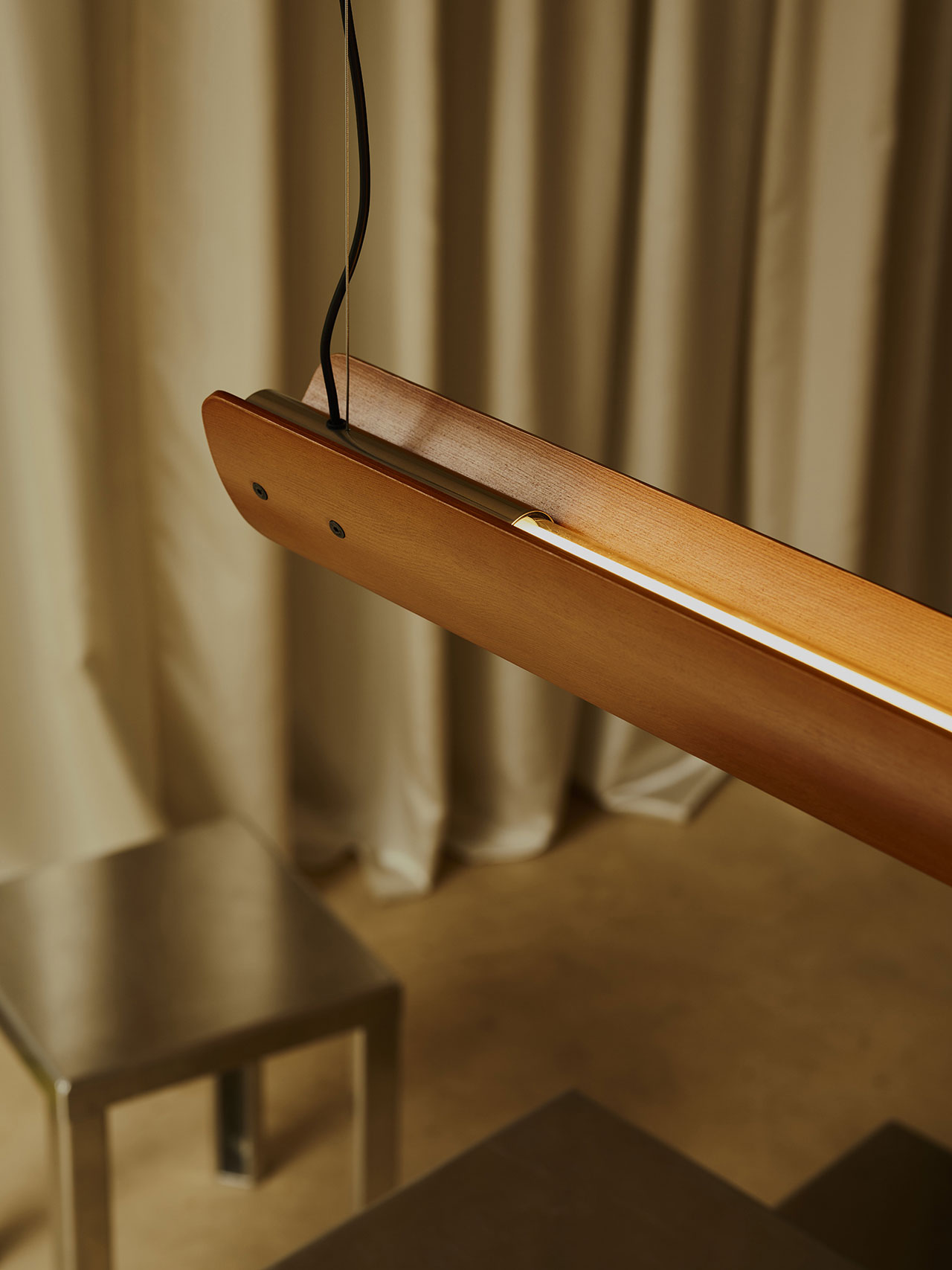
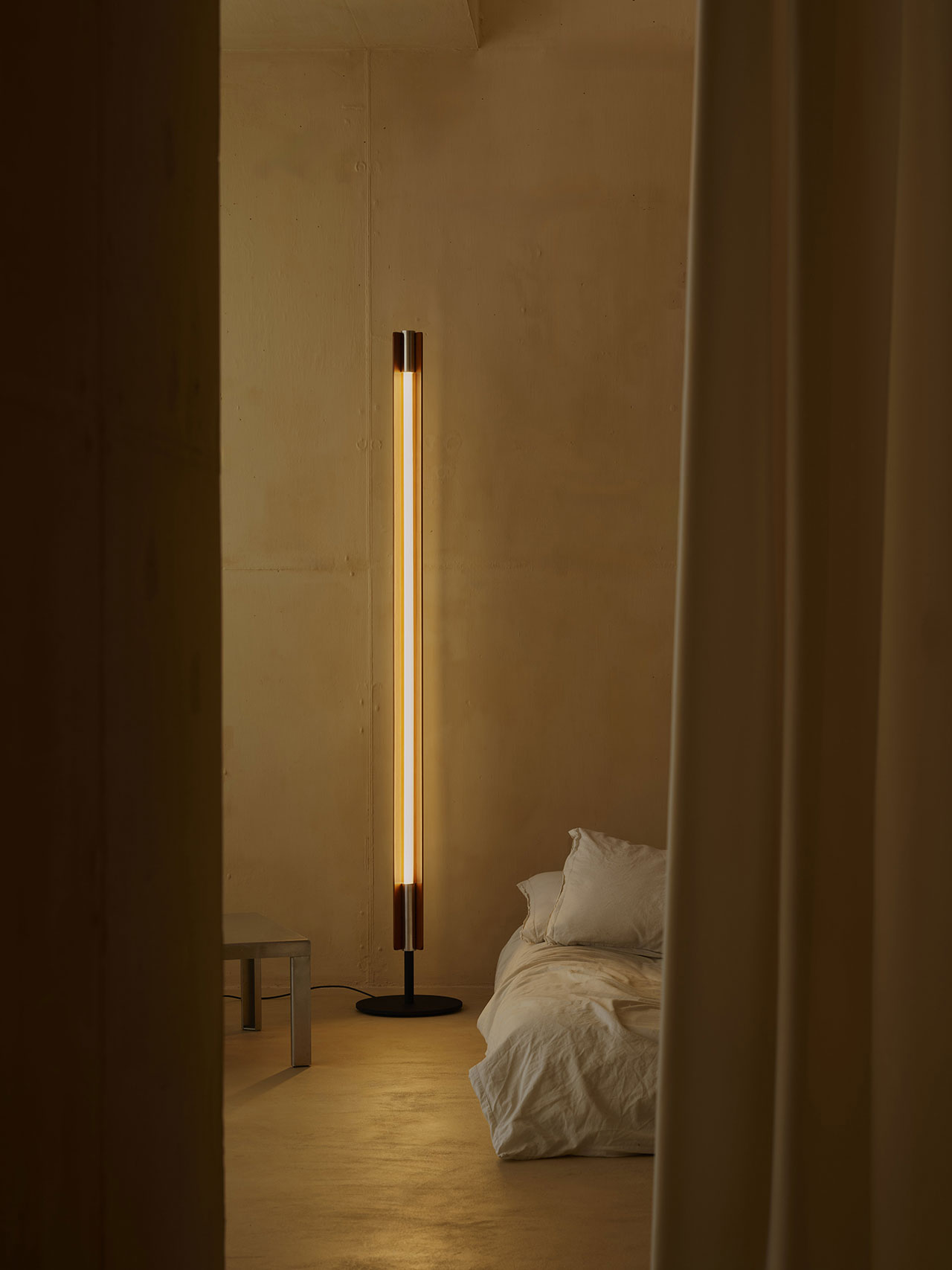
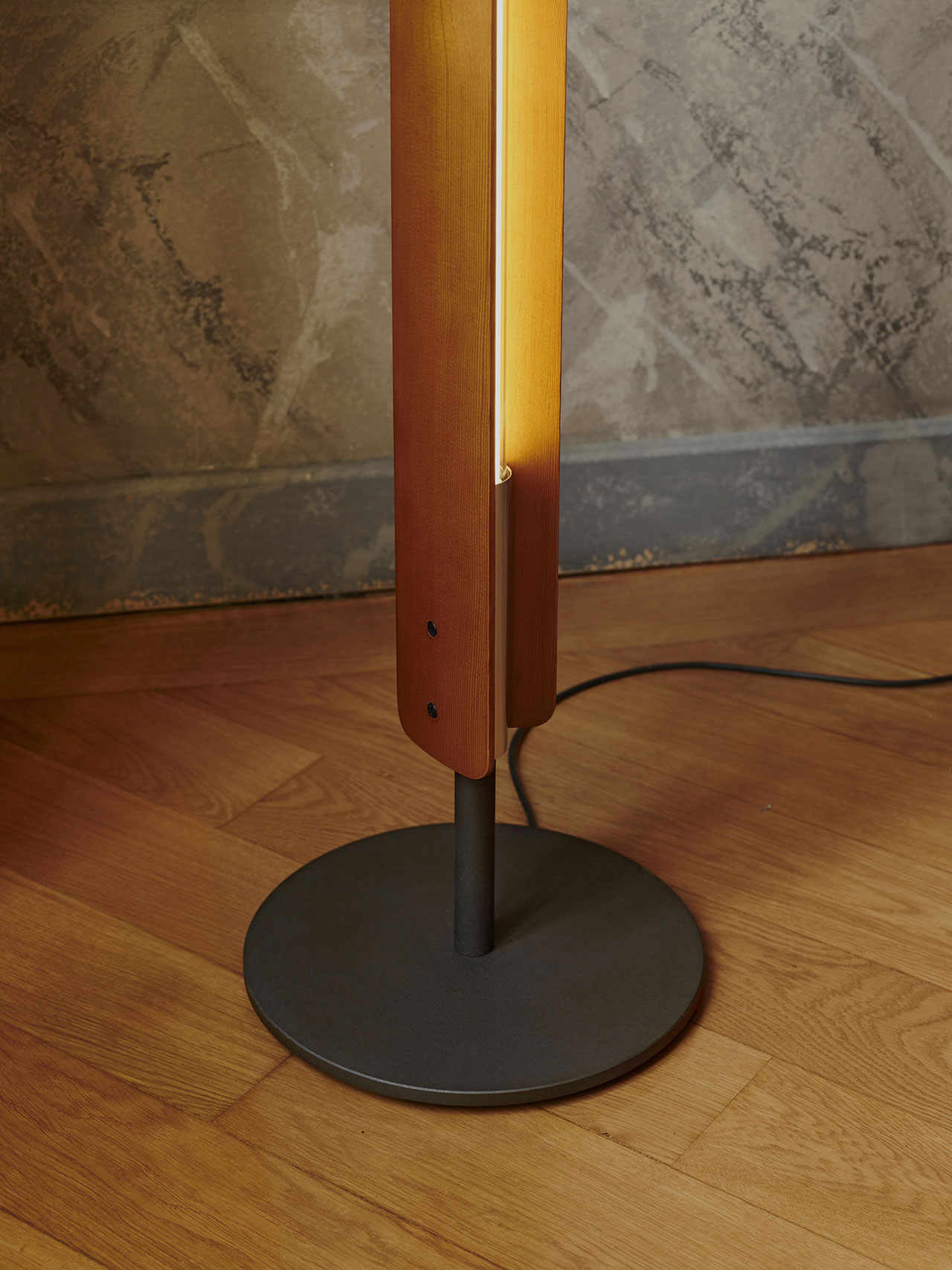
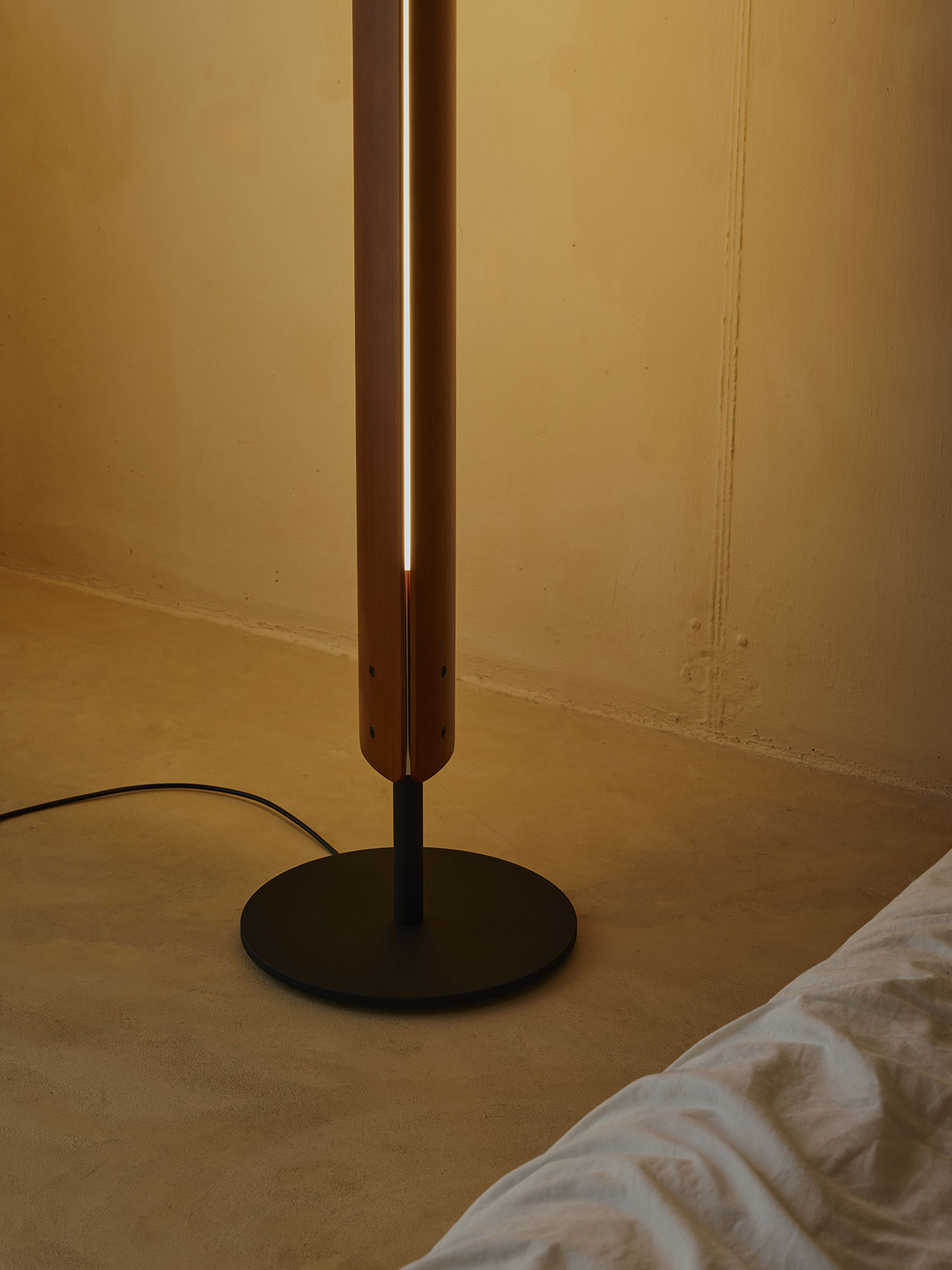
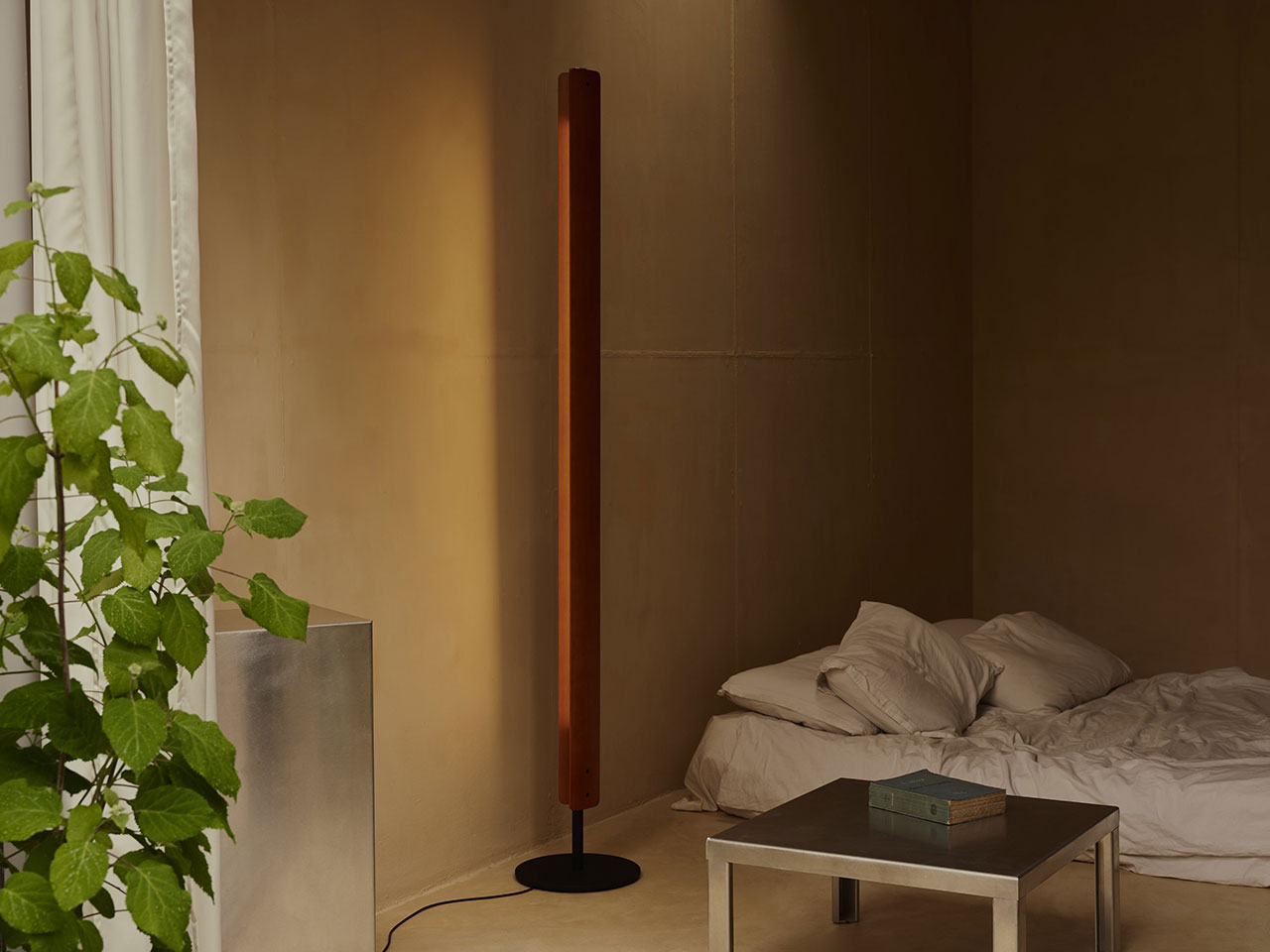
One such emblematic, though long overshadowed, design is Seki-Han. First released in 1963 and produced for only three years, the rare linear floor lamp—a quiet revolution in material use, form, and the calibrated diffusion of symmetrical light—has recently been reissued with strategic updates. Brought up to contemporary standards in both technology and functionality, the design remains true to its original form while also evolving into a horizontal pendant. Introducing the concept to the U.S. market for the first time this month is luxury online design retailer Lumens.


The lamp’s sleek yet humble presence stems from Scarpa’s fascination with Japanese cuisine, specifically its namesake: red rice, or seki-han. “The name of the lamp comes from a symbol of good fortune: in Japan, ‘seki han’ (red rice) is a traditional dish often prepared for special occasions, such as the celebration of a birth,” he explains.


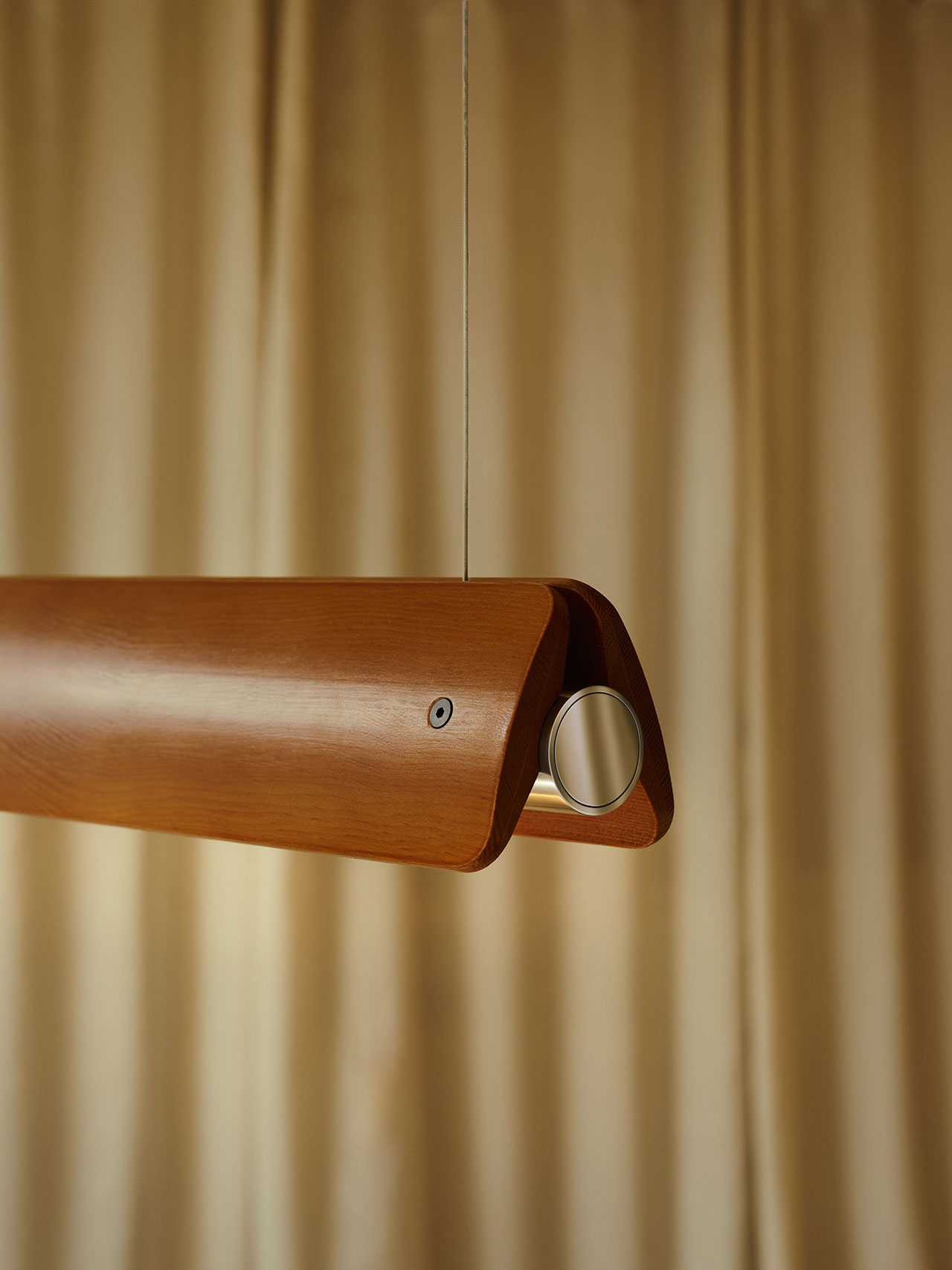
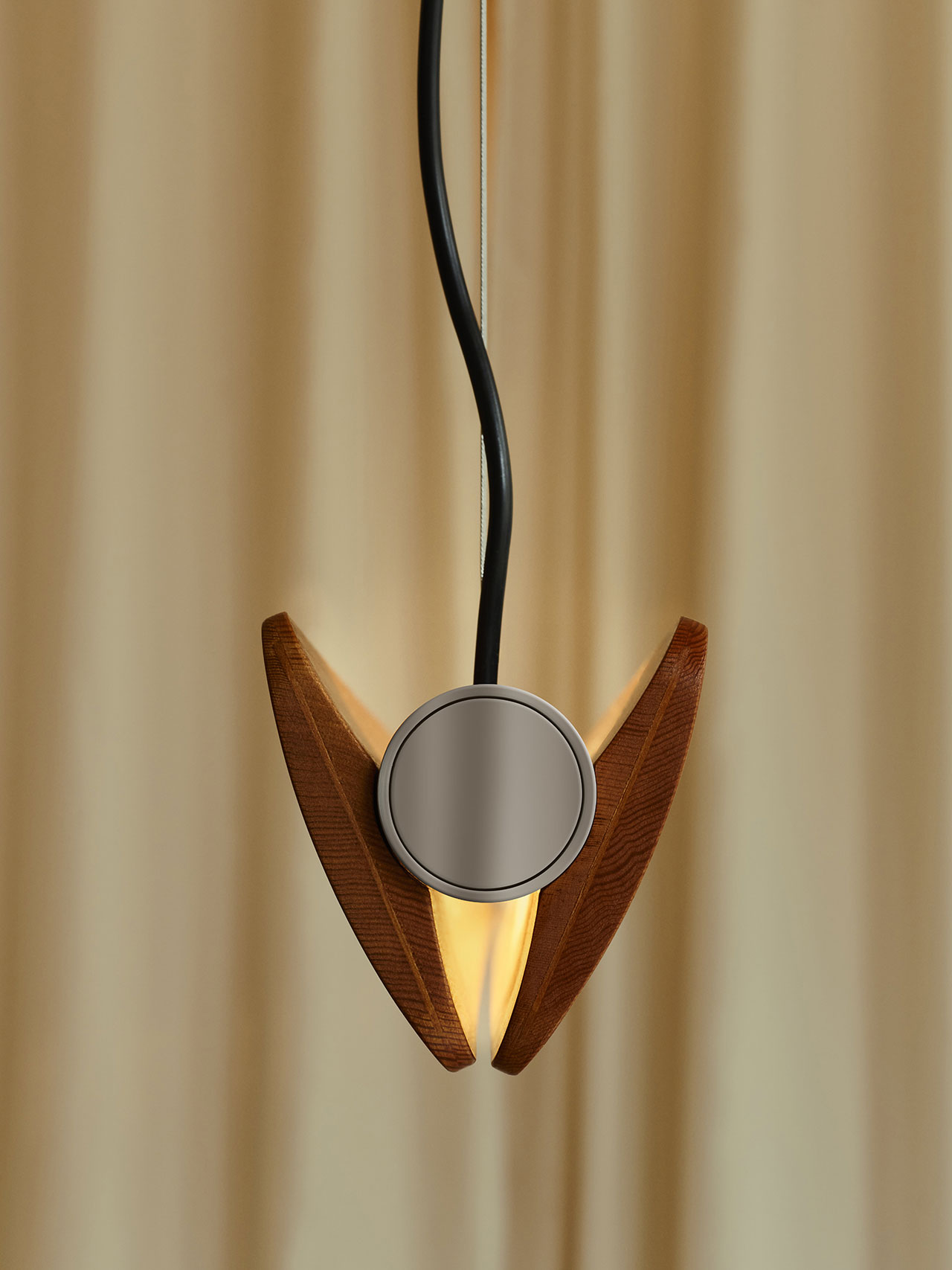
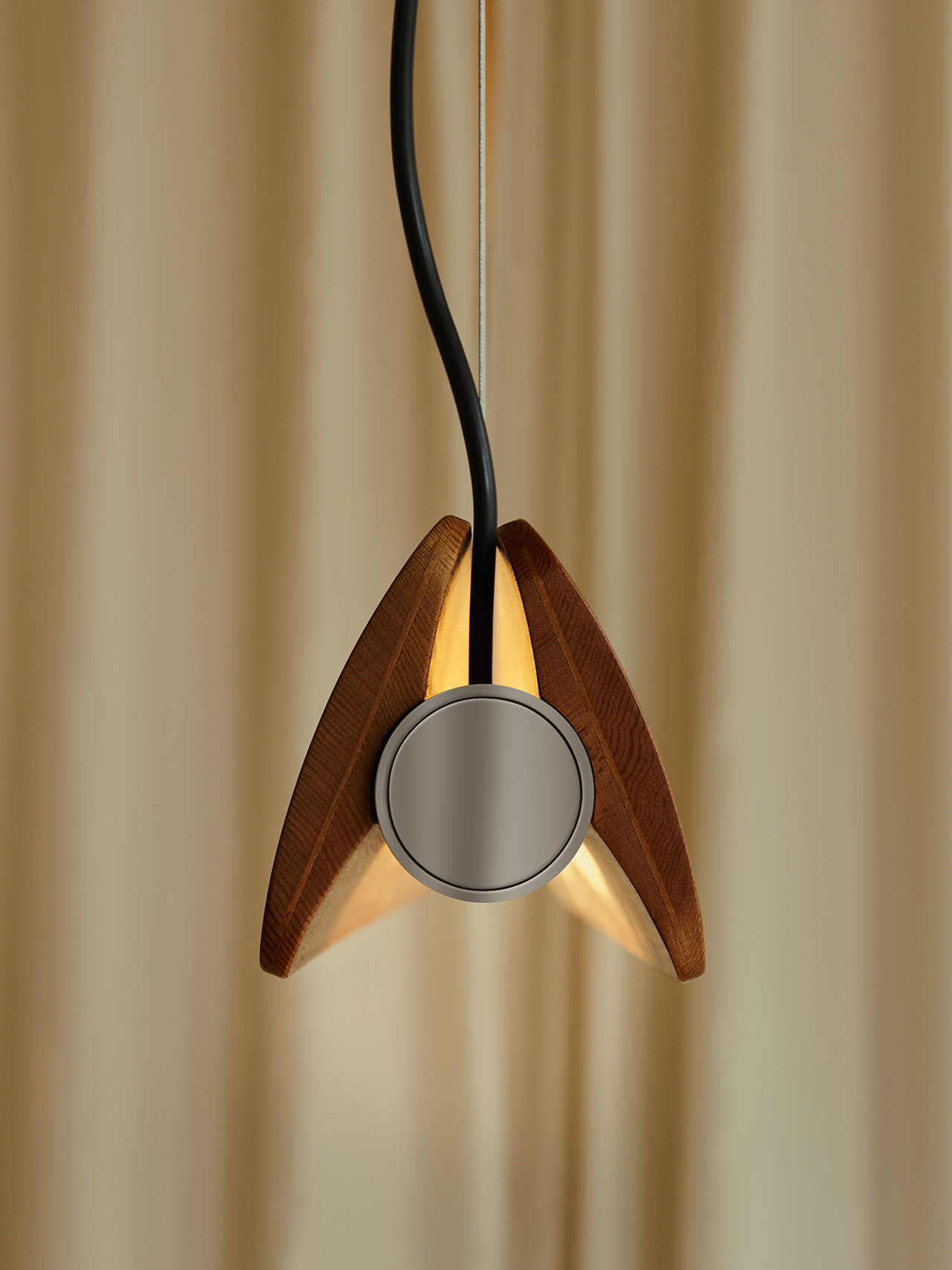
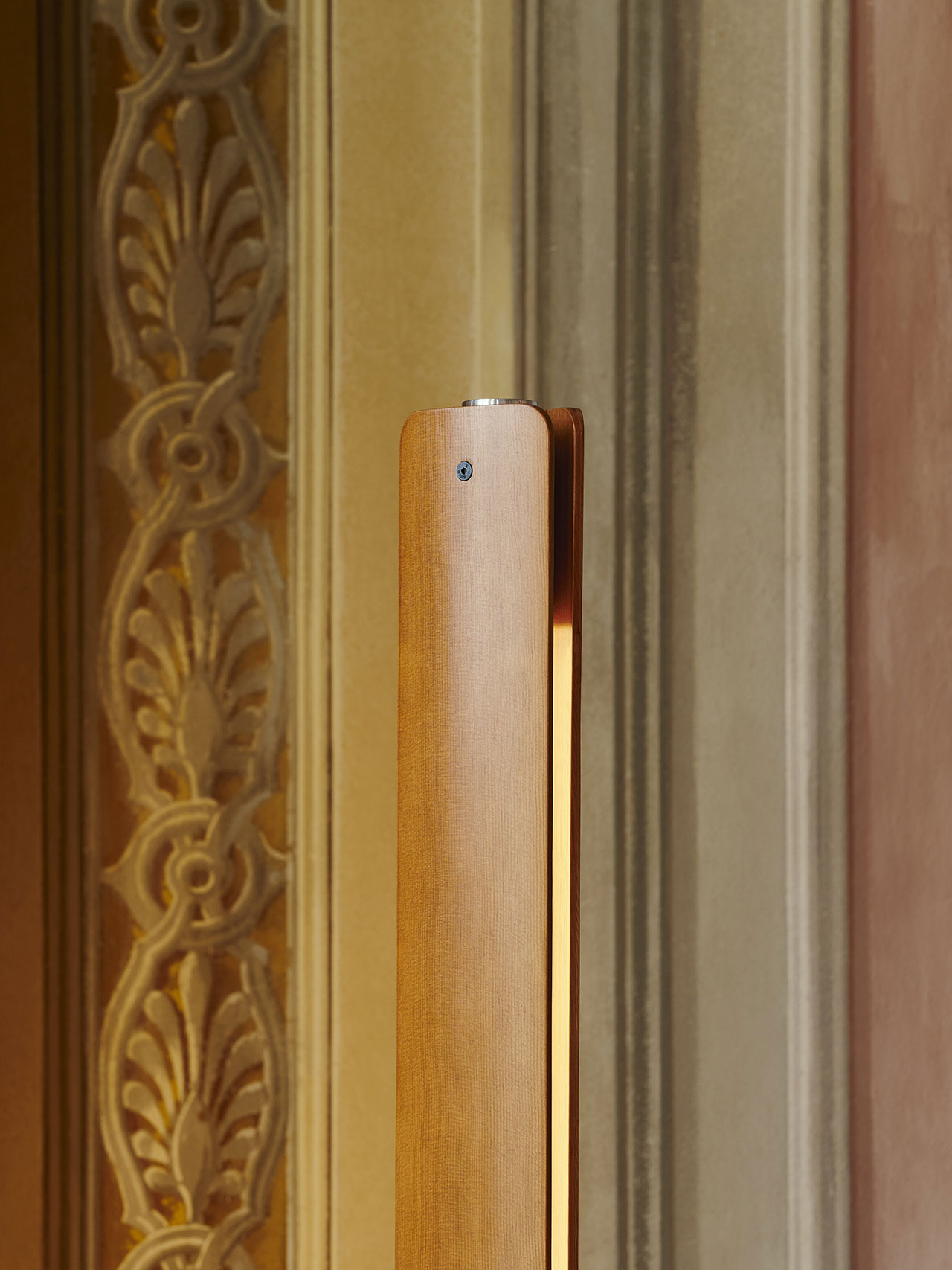
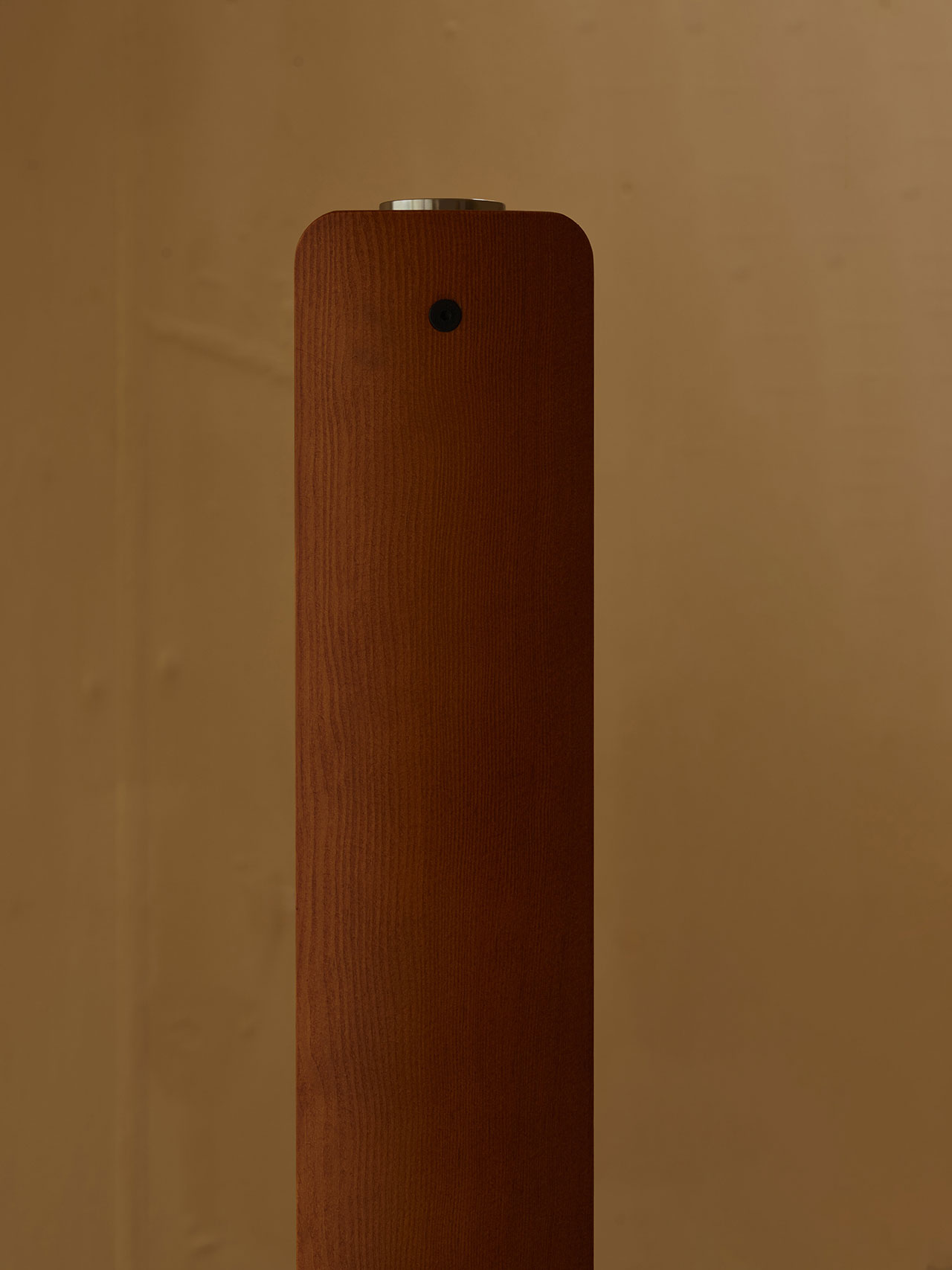
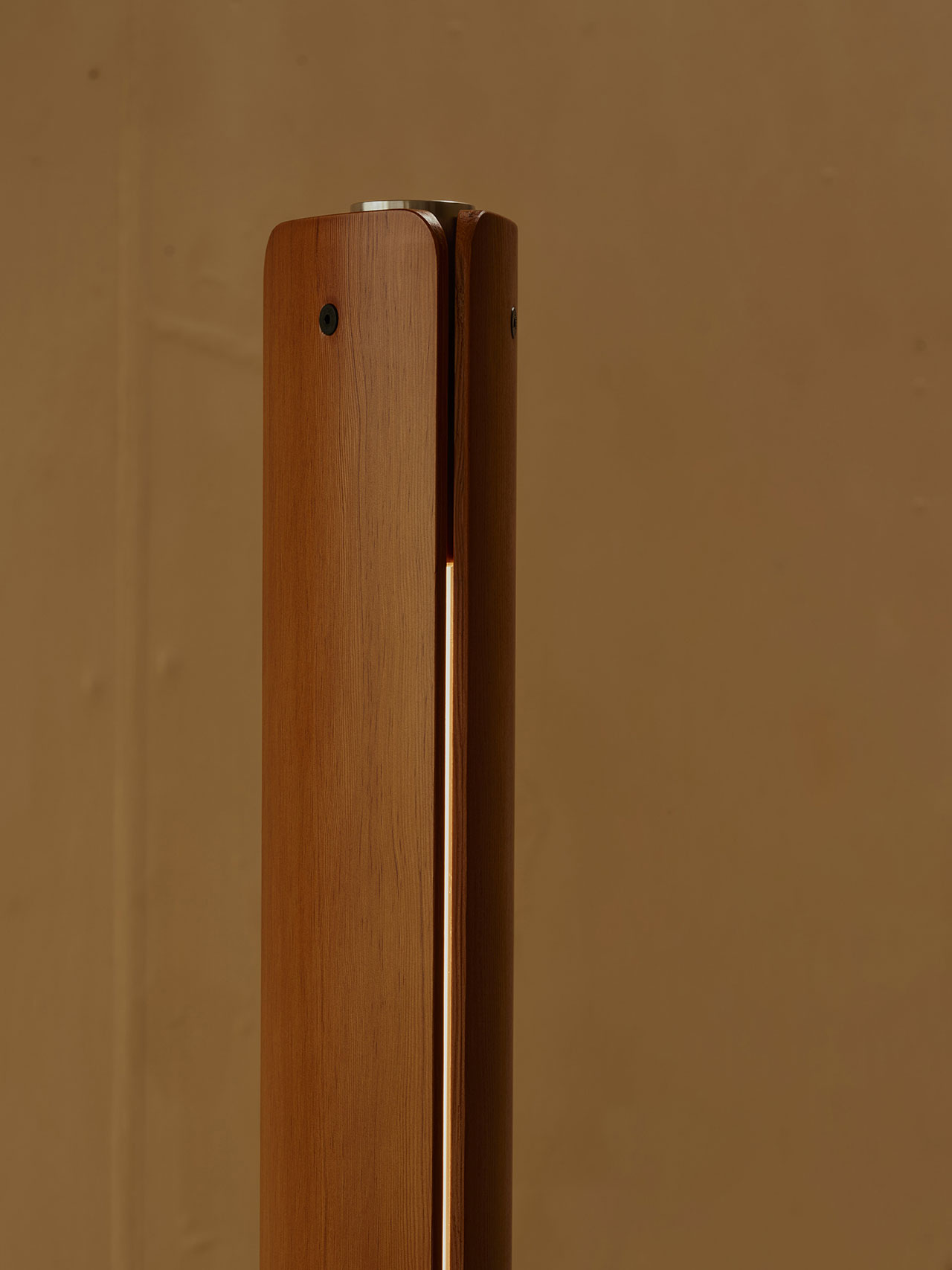
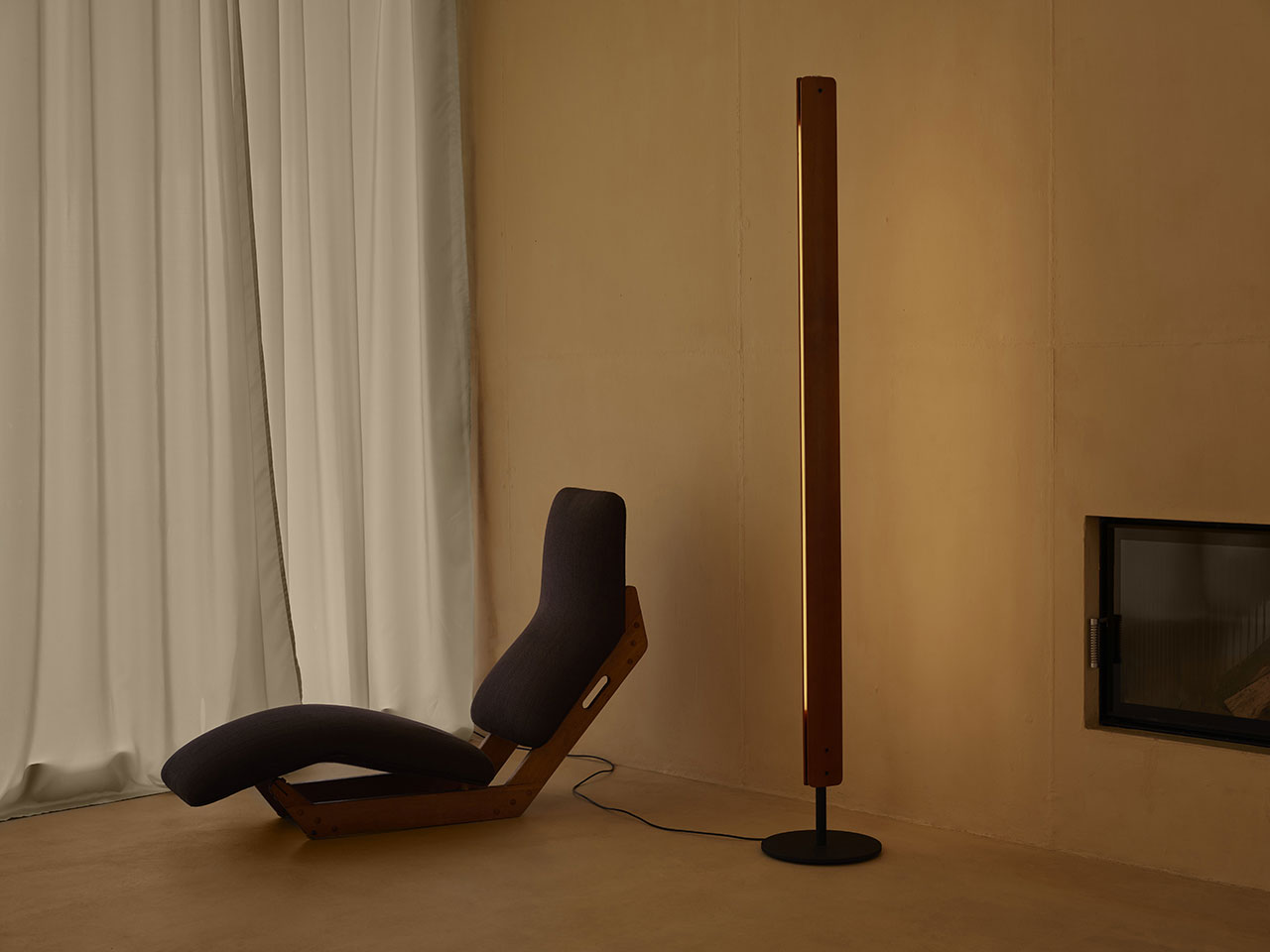
At the time, the duo loosely translated the dish’s color into comparably toned and textured wood, but the association resonates most clearly in the lamp’s extruded interpretation of the rice grain. Masters of sculptural composition, they conceived two slender blade-like forms—originally in Douglas fir—flanking a central neon tube. The re-edition replaces this with sustainably sourced ash and FLOS’s proprietary LED technology, which emits a warmer, more nuanced light that better complements the natural material.


“The reissue of the Seki-Han lamp gave us an opportunity to enhance the performance of the light source, leading to an increase in the height of the lamp, which further highlights the slender proportions of the thin wooden blades that screen the light,” Scarpa adds.


Now in his 90s, he continues to refine what was already resolved—both as a way of tracing the evolution of the duo’s creative output and of testing the enduring relevance of their ideas. In this case, a largely forgotten concept from over 60 years ago finds renewed clarity. For an iconic object to remain vital, it cannot exist as a fetishized artifact; it must adapt.


Working closely with FLOS’s research and development team, Scarpa—now working independently following Afra’s passing in 2011—determined that the blades need no longer remain fixed. They can now rotate 360 degrees, allowing users to modulate both aperture and direction of light. In doing so, the update more precisely articulates the duo’s original intent: to shape and concentrate light as an ethereal, directional force.


To shop the Seki-Han collection, visit lumens.com.
Photography by Robert Rieger.